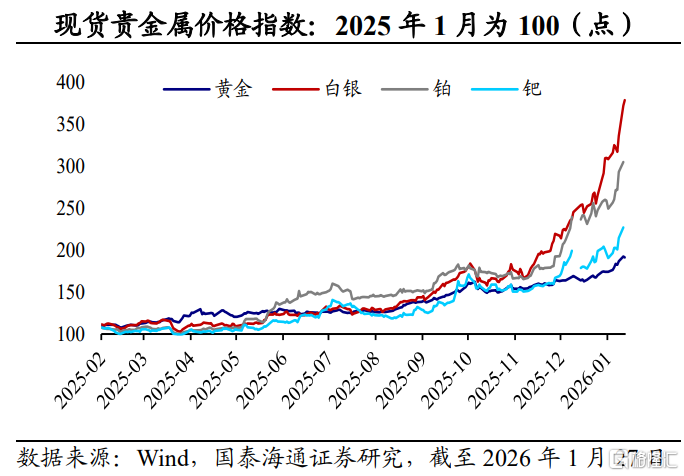
白银牛市

Search documents
黄金,即将打破僵局!
Sou Hu Cai Jing· 2026-02-27 02:36
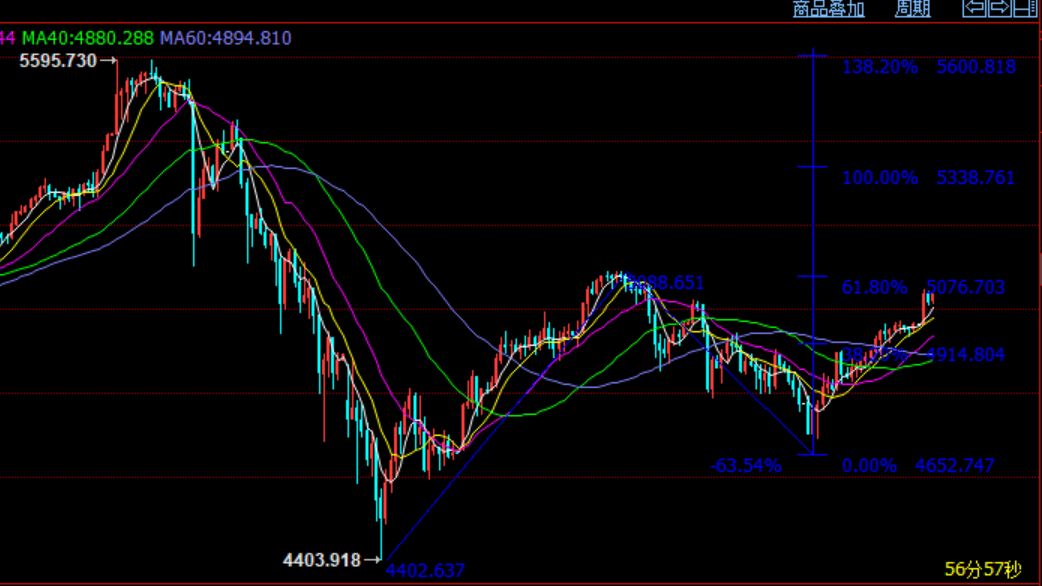
Core Insights - The article emphasizes the importance of having strict trading principles and discipline in trading, suggesting that without these, technical skills are rendered ineffective [1][2][3] Trading Principles - Frequent trading should be avoided; the focus should be on making money rather than just executing trades for the sake of it [1][2] - Position sizes for international commodities like gold and silver should be controlled between 3% to 5%, while domestic futures should maintain a risk rate below 30% [2] - Stop-loss orders are crucial for survival in the market, and holding onto losing positions is discouraged [2] - Traders should only engage with market conditions they understand, as there are always opportunities available [2] - Maintaining personal conviction and not following the crowd is essential to avoid confusion and regret in trading decisions [2] Market Analysis - The gold market is currently experiencing volatility, with potential upward targets of $5300 and $5440-$5460, while downward targets could reach $4900-$4850 [3][4] - Silver has shown a weaker recovery compared to gold, having dropped nearly 50% since late January, while gold has regained most of its losses [4] - The oil market is projected to experience a bull market this year, with short-term support at $62-$63 and long-term targets of $95-$100 [9]

黄金,高开;多空大战再次开启!
Sou Hu Cai Jing· 2026-02-24 01:11
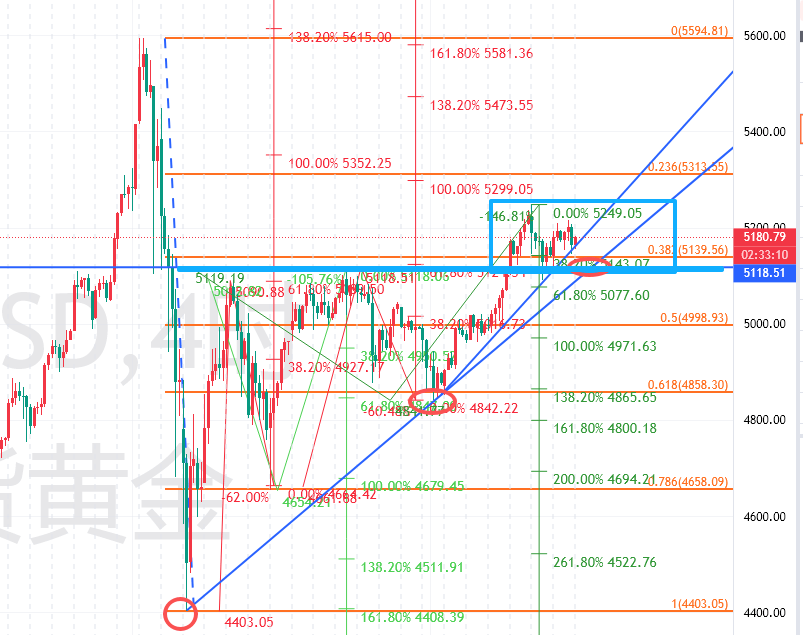
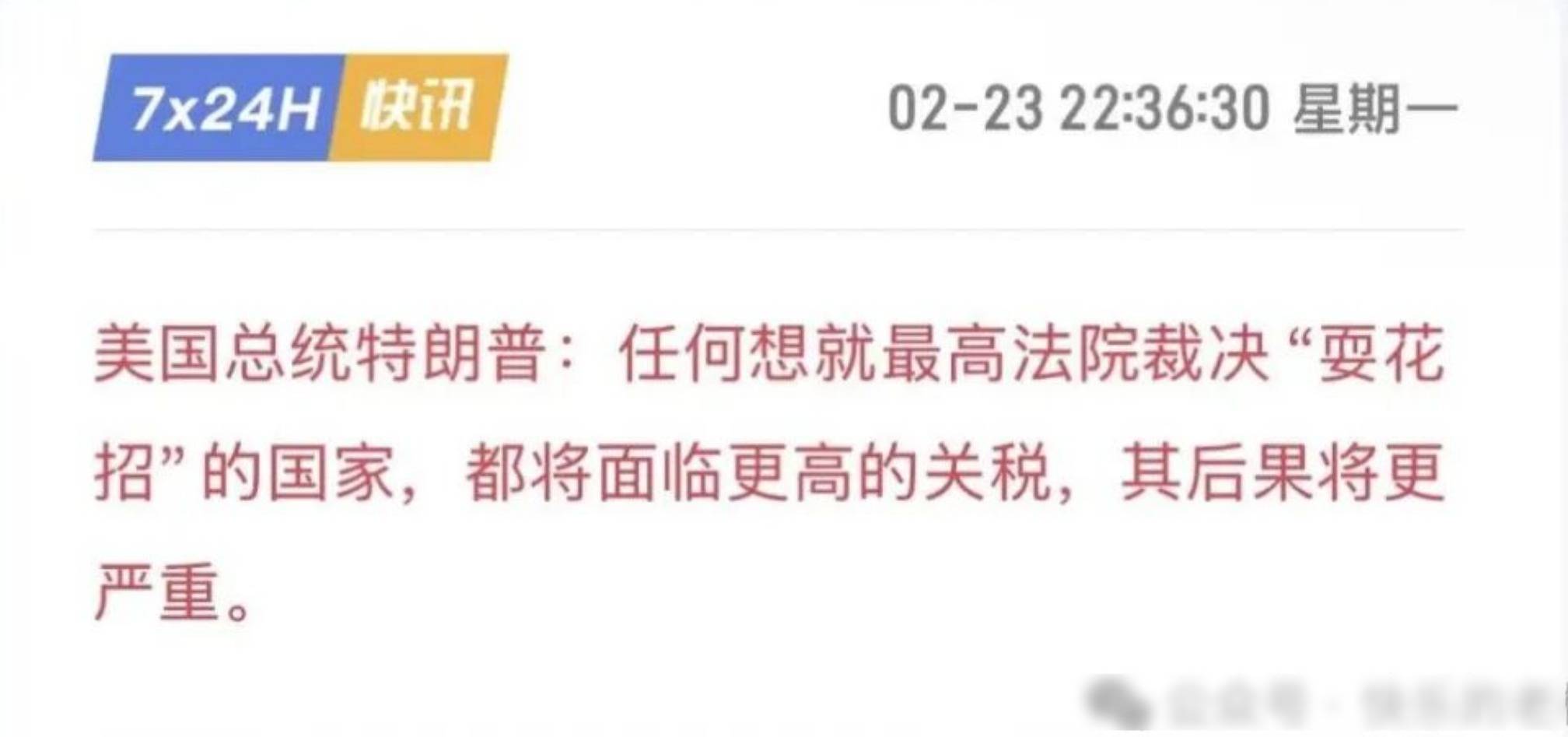
Core Viewpoint - The article emphasizes the importance of understanding market conditions and adhering to strict trading principles to avoid losses, particularly in the context of fluctuating gold and silver prices influenced by global events [1]. Group 1: Market Conditions - Domestic gold and silver products have varying quotes and unstable premiums, with international gold and silver prices serving as benchmarks [1]. - The gold bull market continues, while the future of the silver bull market remains uncertain, with a focus on crude oil, chemicals, and agricultural products for the year [1]. Group 2: Global Events Impacting Markets - The U.S. Supreme Court ruled on tariffs imposed by former President Trump, leading to a new round of tariffs at 15%, with threats of retaliation against countries that "play tricks" [2]. - The geopolitical situation remains tense, particularly between the U.S. and Iran, with potential implications for oil prices due to Iran's strategic location [2]. Group 3: Price Movements and Predictions - During the Spring Festival, international gold and silver experienced fluctuations, with significant price increases noted: gold rose over $200 and silver over $10 compared to pre-holiday levels [4]. - Key support levels for gold are identified at $5170-75, with critical resistance at $5240-50, and potential targets for further increases at $5300 and $5350-60 [5][7]. - Silver is expected to maintain strength in the short term, with support around $85-85.5 and resistance at $89-90, while caution is advised as the market is not expected to reach the highs seen earlier in the year [9].
NCE平台:供需缺口持续 白银八十美元上方筑基
Xin Lang Cai Jing· 2026-02-11 09:58
Core Viewpoint - The silver market is currently consolidating around the high price of $80 per ounce, indicating a potential buildup of momentum for the next trend rather than the end of the upward movement [1][3]. Supply and Demand Dynamics - The global silver market is expected to face a supply gap of approximately 67 million ounces by 2026, marking the sixth consecutive year of supply deficit [1][4]. - Despite a projected 1.5% increase in total global supply this year, reaching a ten-year high of 1.05 billion ounces, it will not fully meet the rising investment and industrial demand [1][4]. - The current tightness in the London market and investor concerns regarding the independence of the Federal Reserve are significant factors contributing to an anticipated 11% price increase for silver by 2026 [4]. Demand Trends - Investment sentiment is returning, with global ETP holdings reaching approximately 1.31 billion ounces and physical investment demand expected to surge by 20% year-on-year, hitting a three-year high [2][4]. - Although traditional photovoltaic industries are experiencing a slight decline in silver usage due to substitution effects, the explosion of artificial intelligence is driving new industrial growth, effectively offsetting weaknesses in traditional sectors [2][4]. - Jewelry and consumer demand are showing price sensitivity in a high-price environment, with jewelry demand projected to drop to its lowest level since 2020, a typical occurrence during mid-bull markets [2][4]. Long-term Outlook - The long-term value of silver is rooted in its inability to quickly bridge the supply gap through capacity expansion [5]. - In the context of macroeconomic uncertainty and geopolitical fluctuations, silver is recognized as a highly elastic hedge asset, with the $80 per ounce consolidation zone serving as a critical support level for future bullish momentum [5]. - Investors are advised to closely monitor an upcoming comprehensive survey report in April for the latest benchmark data on global resource extraction costs and recycling supply [5].

黄金,超级扫荡阶段,低吸高抛!
Sou Hu Cai Jing· 2026-02-09 02:22
Group 1 - The article discusses the ongoing bull market for gold and the uncertain future for silver, emphasizing the differences between the two precious metals [1] - It highlights the importance of monitoring U.S. economic data, particularly non-farm payroll and CPI, as well as geopolitical developments and inventory adjustments in major exchanges [1] - Current gold market is in the fifth phase of wide fluctuations, suggesting a strategy of buying low and selling high, with specific price levels for short-term and medium-term trading [1] Group 2 - Key short-term resistance levels for international gold are identified at $5090-5100, $5140-50, $5220-40, and $5350-60, with support levels at $4940-50 and $4820-30 [1] - For silver, a mid-term strategy should be based on previous articles and videos, with a recommendation for retail investors to reduce trading frequency [1] - The article provides specific price ranges for domestic gold, indicating a need for careful risk management and strategic entry points [1]
白银牛市,黄粱一梦!黄金这头牛,还在ICU!
Sou Hu Cai Jing· 2026-02-06 02:17
Core Viewpoint - The silver market is experiencing a significant downturn, with a potential end to the bull market, while the gold market shows more resilience and strength [1][3][4] Group 1: Silver Market Analysis - Silver prices have seen a drastic decline, with a 20% drop recently, following a 26% drop the previous week, indicating a bearish trend [3] - The current situation suggests that the silver bull market may be over, especially if prices do not close above $70-71 [3] - Investors who bought silver at high prices above $110 may face long-term losses, potentially being trapped for 5-10 years [3] Group 2: Gold Market Analysis - The gold market remains relatively strong, with bullish fundamentals still supporting its price, unlike silver [4] - Key resistance levels for gold are identified at $4800 and $4900, with potential downward testing of $4400 if these levels are not breached [4] - The outlook for gold is more optimistic compared to silver, as it has not yet shown signs of a bear market [4]
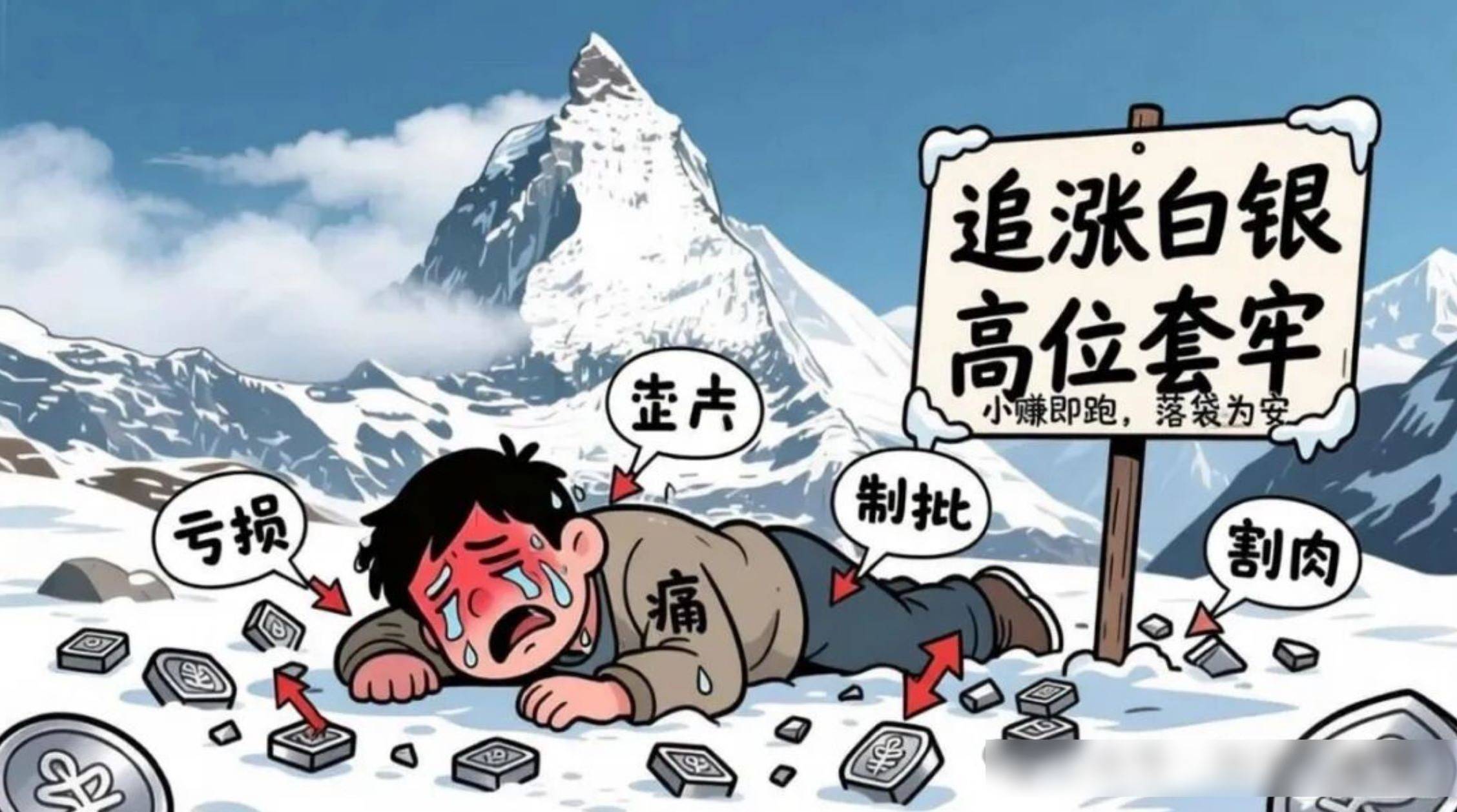
白银,突然暴涨
Sou Hu Cai Jing· 2026-02-04 09:39
Group 1: Silver Market Overview - The silver market has experienced a significant bull run since 2025, with international spot silver prices increasing from under $30 per ounce to a peak of over $83 per ounce, marking an annual increase of over 180%, which outperformed gold's approximately 60% rise [1][5] - As of January 14, 2026, silver's global market capitalization surpassed $5 trillion for the first time, making it the second-largest asset globally after gold [1] - The volatility of silver, often referred to as "poor man's gold," has made it susceptible to rapid price fluctuations, posing risks for ordinary investors [1] Group 2: Macroeconomic Factors Influencing Silver Prices - The Federal Reserve's resumption of a loose monetary policy, including interest rate cuts and increased asset purchases, has been a core driver supporting silver's performance [5] - Concerns over the U.S. dollar's credibility, exacerbated by rising fiscal deficits and increased political interference in Federal Reserve decisions, have led to a depreciation cycle for the dollar, benefiting silver as an alternative asset [6] - Geopolitical tensions and conflicts in regions like Venezuela and Iran have heightened demand for precious metals as safe-haven assets [6] Group 3: Speculative Behavior and Market Dynamics - Speculative trading has significantly contributed to the surge in silver prices, driven by retail investors influenced by social media and market sentiment [7] - Reports of potential delivery defaults on the COMEX have amplified market speculation, with delivery requests far exceeding historical norms [7][8] - The rapid price increase has led to a surge in trading activity, with funds like the Guotai Silver LOF experiencing extreme price volatility and multiple trading halts [5] Group 4: Industrial Demand and Supply Constraints - Industrial demand for silver, particularly in the photovoltaic sector, has been robust, with a projected 4% increase in industrial silver demand in 2024 [11] - However, the soaring silver prices have begun to strain the manufacturing sector, with companies like LONGi Green Energy forecasting significant losses due to rising silver costs [12] - The global silver market has faced a supply shortage for five consecutive years, with a projected shortfall of approximately 0.36 million tons in 2025 [14] Group 5: Future Outlook and Price Volatility - Analysts predict that while silver prices may continue to rise due to ongoing macroeconomic factors, the volatility is expected to increase significantly [18] - The market is currently in a state of high valuation, with both silver and gold potentially overvalued, leading to increased asset price fluctuations [17][18] - The focus will shift to inventory data and industrial demand indicators, as the high silver prices may lead to a decline in industrial demand, impacting future price support [17]

国泰海通晨报-20260130
GUOTAI HAITONG SECURITIES· 2026-01-30 01:08
Macro Research - The Federal Open Market Committee (FOMC) meeting in January 2026 maintained interest rates, aligning with market expectations, while showing a more optimistic outlook on the economy, employment, and inflation, adding uncertainty to future rate cuts [1][2] - Silver prices have surged to new highs since 2025, driven by a combination of industrial and financial demand, with potential pressure on silver prices if gold experiences volatility [1][2] - The Federal Reserve's internal division was evident in the recent rate decision, with a 10:2 vote, indicating differing opinions on the need for a 25 basis point cut [2] Silver Market Analysis - Silver's price dynamics differ from gold, with stronger commodity attributes and broader industrial demand, while its monetary attributes have weakened significantly [7] - Historical price surges in silver have been driven by speculative funds and macroeconomic factors, with the current surge attributed to geopolitical risks and a turbulent international monetary system [8] - Industrial demand for silver is expected to remain robust, particularly from emerging industries like photovoltaics and electric vehicles, supporting price resilience [8][9] Company Analysis: Qingdao Bank - Qingdao Bank has shown strong balance sheet expansion and continuous improvement in asset quality, with a non-performing loan ratio dropping below 1% [10][11] - The bank's net profit is projected to grow by 22% in 2025, with a target price set at 6.40 CNY, maintaining a buy rating [11][12] - The bank's revenue growth is supported by an increase in asset and loan growth rates, with a focus on optimizing cost structures to enhance profitability [12][14]
国泰海通|宏观:白银牛市:价格破100怎么看
国泰海通证券研究· 2026-01-29 14:05
Core Viewpoint - The article discusses the recent surge in silver prices, attributing it to a combination of industrial and financial demand, and highlights the differences between silver and gold in terms of their market behavior and attributes [2][5][10]. Group 1: Silver Price Surge - Since 2025, silver prices have skyrocketed, reaching new highs, primarily driven by industrial and financial demand [6][8]. - The price of silver increased from $29.4 per ounce at the beginning of 2025 to $72.0 per ounce by the end of the year, marking a 144.8% increase, while gold rose by 62.8% during the same period [8]. - As of January 27, 2026, silver prices reached historical highs of $111.6 per ounce in the spot market and $106.5 per ounce in COMEX futures, with year-to-date increases of 50.3% and 51.1%, respectively [8]. Group 2: Historical Context of Silver Price Movements - Over the past 50 years, silver has experienced four notable price surges, with the most recent one beginning in 2024 due to geopolitical risks and instability in the international monetary system [3][16]. - The first surge occurred from 1979 to 1980, driven by speculative funds, while the second surge from 2010 to 2011 was fueled by quantitative easing following the financial crisis [16]. - The third surge in 2020 was a result of monetary easing in response to the pandemic, and the fourth surge since 2024 has been supported by strong industrial demand amid global energy transitions [17][19]. Group 3: Demand Dynamics - Industrial demand is the core driver of silver prices, accounting for 58.5% of total demand in 2024, with significant contributions from sectors like photovoltaics and electric vehicles [22][23]. - The demand for silver in photovoltaics is expected to rise significantly, with projections indicating that global photovoltaic silver usage will reach 196 million ounces by 2025, 2.2 times that of 2021 [23]. - The ongoing energy transition and technological advancements in high-end electronics are expected to sustain structural growth in silver demand [19][22]. Group 4: Market Behavior and Volatility - Silver's financial attributes lead to greater price volatility compared to gold, as it attracts speculative investments due to its lower price and higher elasticity [12][26]. - The increase in speculative positions in silver futures can significantly impact prices, as seen when non-commercial long positions rise, leading to increased market optimism and price surges [26][28]. - The structure of silver ETFs, particularly the locking mechanism of inventories, can exacerbate market tightness and influence price dynamics [28][29]. Group 5: Future Outlook - The long-term outlook for silver prices remains positive, supported by ongoing industrial demand and potential shifts in monetary policy as countries reassess their reserve assets [33]. - The article warns of potential short-term overvaluation risks for silver, as recent price movements may indicate a correction phase following a period of rapid gains [34][36].

国泰海通 · 晨报260130|宏观
国泰海通证券研究· 2026-01-29 14:05
Group 1: Federal Reserve Meeting Insights - The Federal Reserve decided to pause interest rate cuts, with a significant internal division reflected in the 10:2 vote, where two members advocated for a 25 basis point cut [2] - The Fed expressed a more optimistic view on the U.S. economy and employment, although the labor market is facing challenges with stagnant supply growth and a slight decline in demand [2] - Inflation is not seen as a major concern, with expectations that it will rise initially and then decline, largely influenced by tariffs peaking in 2026 [2] Group 2: Future Projections and Challenges - The Fed's forward guidance has become less clear, with no specific timeline provided for future rate cuts, indicating that decisions will depend on incoming data [2] - The upcoming change in Fed leadership may pose challenges to its independence, with potential candidates including Rick Reed, Kevin Warsh, and Christopher Waller, and the possibility of multiple rate cuts in the near future [3] - The 10-year U.S. Treasury yield is expected to experience high volatility before ultimately trending down, with a mid-year low projected around 3.8% [4] Group 3: Silver Market Analysis - Silver prices are expected to be driven by industrial demand, with a strong correlation to global industrial cycles, particularly in emerging sectors like photovoltaics and electric vehicles [9] - The financial attributes of silver can amplify price volatility, influenced by speculative trading and the dynamics of silver ETFs [9] - A long-term bullish outlook for silver is supported by robust industrial demand, although caution is advised regarding potential short-term price corrections [10]

白银牛市:价格破100怎么看
Ge Long Hui· 2026-01-28 23:46
Group 1 - Silver prices have surged to record highs since 2025, driven by a combination of industrial and financial demand [1][14] - The price of silver is more volatile than gold, influenced by its stronger commodity attributes and lower market capitalization [5][8] - Historical price surges of silver have occurred in four distinct phases over the past 50 years, with the latest phase beginning in 2024 due to geopolitical risks and monetary system instability [11][12] Group 2 - Industrial demand is the core driver of silver prices, accounting for 58.5% of total demand in 2024, with significant growth in sectors like photovoltaics and electric vehicles [18][20] - The supply of silver is relatively inelastic, with approximately 30% coming from independent silver mines and over 70% as a byproduct of mining other metals [14][20] - The financial attributes of silver amplify price volatility, particularly during periods of high liquidity and speculative trading [22][24] Group 3 - The silver market is expected to remain supported in the medium to long term due to structural demand from emerging industries [28] - The relationship between gold and silver prices is closely correlated, with silver often experiencing a "catch-up" rally following gold price increases [30][33] - Recent regulatory changes may elevate silver's status as a strategic asset, potentially increasing its demand in various economies [28][30]