碳排放核算

Search documents
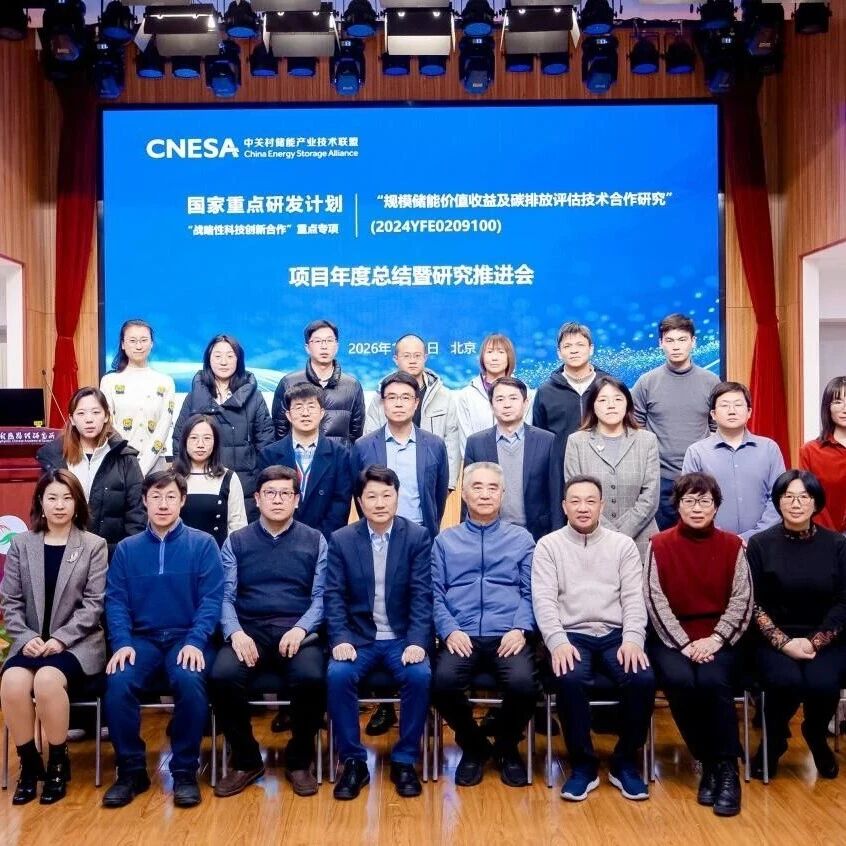
国家重点研发计划“规模储能价值收益及碳排放评估技术合作研究”项目年度总结暨研究推进会在京召开
中关村储能产业技术联盟· 2026-01-27 11:41
Core Viewpoint - The project aims to address key bottlenecks in the energy storage industry as it transitions from large-scale to market-oriented development, focusing on economic benefits and carbon emission accounting [4]. Group 1: Project Overview - The project is part of the National Key R&D Program "Strategic Technology Innovation Cooperation" and focuses on value yield and carbon emission assessment technologies for large-scale energy storage [1]. - The project is led by the Zhongguancun Energy Storage Industry Technology Alliance, with participation from various experts and representatives [1][4]. Group 2: Project Progress and Achievements - The project has made significant progress in 2025, completing all assessment indicators on schedule, developing a software platform for cost and carbon footprint accounting, and producing a report on market rules and business models [6]. - Three group standards have been initiated, and three software copyrights have been obtained, alongside active international collaboration [6]. Group 3: Expert Feedback and Future Directions - The project consulting expert group, led by Professor Xia Qing from Tsinghua University, acknowledged the solid work done by the project team and provided constructive feedback on research depth, result focus, and financial norms [10]. - The project team plans to incorporate expert suggestions to enhance collaborative research, deepen scenario studies, and ensure high-quality project completion [12].

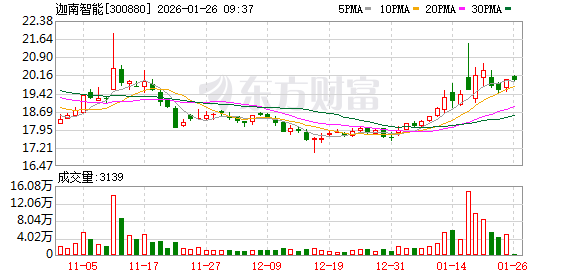
迦南智能:公司尚未申报CBAM认证
Mei Ri Jing Ji Xin Wen· 2026-01-26 01:36
Group 1 - The company has a carbon management platform that can provide services from carbon emission accounting to data verification [2] - The company has established a "carbon footprint database" product, but it has not yet applied for CBAM certification [2]

面对新一轮国家自主贡献目标,全国碳市场建设如何进一步提升效能?
Zhong Guo Huan Jing Bao· 2025-10-22 23:20
Core Viewpoint - The document outlines the importance of enhancing the national carbon market to achieve China's new round of Nationally Determined Contributions (NDC) targets, emphasizing the need for systematic integration and improved regulatory frameworks to facilitate effective carbon market operations [1]. Group 1: Legal and Regulatory Framework - Strengthening legal frameworks is essential for establishing a solid foundation for the carbon market, with recommendations to expedite the introduction of the Carbon Emission Trading Management Regulations to clarify its relationship with existing environmental laws [2]. - The current regulations are deemed insufficient to meet the comprehensive emission reduction requirements set by the new NDC targets, necessitating a higher legal standing and clearer applicability [2]. Group 2: Technical Standards and Data Integration - A unified carbon emission accounting, monitoring, reporting, and verification (MRV) system is recommended to enhance data consistency across departments, which is crucial for efficient quota allocation and trading [3]. - The integration of advanced technologies like blockchain and IoT is suggested to ensure real-time data collection and integrity, alongside mandatory disclosure of carbon emission intensities for key industries [3]. Group 3: Quota Distribution and Economic Incentives - The document advocates for a gradual increase in the proportion of paid quota distribution to better reflect industry differences and reduce emissions costs, linking quota allocation to national emission reduction goals [4]. - Establishing a mechanism for quota reserves and borrowing is proposed to mitigate market price volatility and enhance coordination with monetary policy tools [4]. Group 4: Policy Tool Integration - The integration of energy and financial policies is crucial for unlocking the carbon market's potential, with suggestions to align carbon costs with electricity pricing and promote the development of carbon-related financial products [5][6]. - The establishment of a unified carbon asset evaluation method and regulatory framework is emphasized to facilitate the financialization of carbon assets [6]. Group 5: Ecological Compensation and Market Value - The document highlights the need for synergy between carbon markets and ecological compensation mechanisms to enhance the monetization of carbon sink values [7]. - Proposals include allowing emissions units to offset quotas through verified carbon sink projects and linking local ecological compensation funds with carbon market revenues [7]. Group 6: Cross-Regional and Cross-Market Coordination - Strengthening cross-regional coordination is essential to eliminate market fragmentation, with recommendations for unified MRV standards and quota allocation methods across pilot and national markets [8][9]. - The establishment of a national market coordination mechanism is suggested to ensure policy alignment and effective resource allocation across different markets [9]. Group 7: International Linkages - The document stresses the importance of enhancing international connections in carbon markets to bolster global emission reduction efforts, with a focus on aligning with established markets like the EU [10]. - Initiatives to develop a regional carbon trading network and establish a framework for cross-border capital flow management are proposed to mitigate financial risks and enhance China's role in global carbon governance [10].
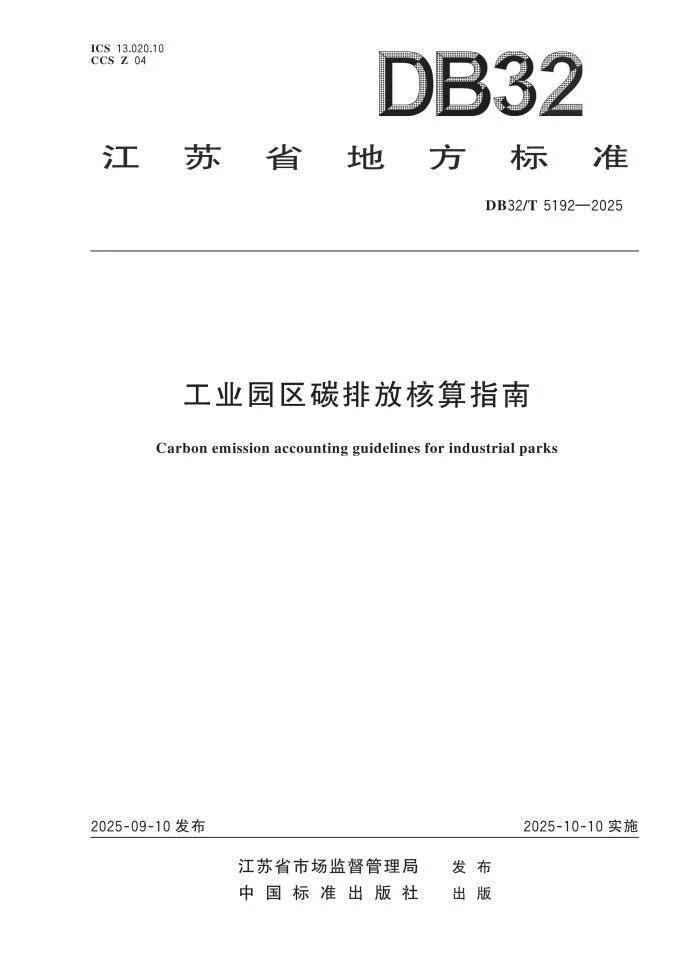
江苏发布工业园区碳排放核算地方标准
Xin Hua Ri Bao· 2025-10-20 22:04
Core Points - The "Guidelines for Carbon Emission Accounting in Industrial Parks" (DB32/T5192-2025) has been officially released in Jiangsu Province and will be implemented from October 10, 2025, marking the first provincial-level standard for carbon emission accounting in industrial parks in China [1][2] - The standard establishes a unified framework for carbon emission accounting, clarifying accounting boundaries and addressing ambiguities in multi-zone accounting within parks [1] - It outlines a four-step process for carbon accounting: boundary definition, data collection, factor selection, and result verification, ensuring traceability of accounting results to support the construction of zero-carbon parks [1][2] Summary by Sections - **Applicability**: The guidelines apply to various development zones approved by provincial-level governments, where manufacturing value-added accounts for over 50%. The accounting boundaries are defined flexibly based on administrative jurisdiction and accounting purposes [2] - **Coverage**: The standard encompasses core areas such as fossil fuel combustion, industrial processes, waste treatment, and indirect emissions from electricity and heat, while allowing exemptions for agricultural and forestry emissions. It covers all economic activities within the park, including seven greenhouse gases like CO2, methane, and nitrous oxide [2] - **Implementation**: Parks can choose accounting boundaries and methods based on their development stage, data foundation, and management needs. The accounting results can be used for various purposes, including carbon peak and neutrality plans, zero-carbon park pilot applications, ESG reporting, and carbon reduction path evaluations [2] - **Next Steps**: The provincial ecological environment department will leverage precise accounting to empower carbon peak trials and zero-carbon park construction, laying a solid foundation for Jiangsu's dual carbon goals [2]
江苏知识产权保护满意度全国第一 2025年“秋招”已推出283场特色服务活动 多家银行公告提示贵金属价格波动风险
Sou Hu Cai Jing· 2025-10-13 00:45
Domestic Developments - Jiangsu province ranks first in the national intellectual property protection satisfaction survey with a score of 84.30, indicating comprehensive and balanced protection measures [3] - The Jiangsu Provincial Department of Ecology and Environment has released the "Carbon Emission Accounting Guidelines for Industrial Parks," effective from October 10, 2025, marking the first provincial-level standard for carbon emission accounting in industrial parks [3] - As of October 11, 2023, China's express delivery volume has exceeded 1.5 billion packages this year, 37 days ahead of the previous year's milestone, reflecting continuous growth in the express delivery market [4] Mergers and Acquisitions - Since the release of the "Six Merger Guidelines," there have been 996 new merger projects in the Shanghai market, with 114 major asset restructurings amounting to 308.64 billion yuan and 882 non-major restructurings totaling 444.9 billion yuan [5] Global Economic Indicators - The probability of the Federal Reserve maintaining interest rates in October is 1.7%, while the likelihood of a 25 basis point rate cut is 98.3% [6] - International spot gold prices have surpassed $4,000 per ounce, marking a year-to-date increase of over 53% [6] - The Beijing Property Exchange has launched a capital increase project for National Pension Insurance, with a fundraising period from October 13 to December 5, aiming to raise funds for core tier one capital [6]

江苏发布全国首个工业园区碳排放核算地方标准
Yang Zi Wan Bao Wang· 2025-10-11 13:08
Core Viewpoint - Jiangsu Province has established the first provincial-level local standard for carbon emission accounting in industrial parks, which will be implemented from October 10, 2025, to address carbon emissions effectively in these key areas [1][3]. Group 1: Standard Overview - The guideline, titled "Industrial Park Carbon Emission Accounting Guidelines" (DB32/T5192-2025), fills a gap in the carbon emission accounting methodology at the park level [3]. - It provides a unified standard for carbon emission accounting, clarifying accounting boundaries and addressing ambiguities in "one park, multiple zones" scenarios [3][4]. Group 2: Implementation Details - The guideline outlines a four-step process: boundary definition, data collection, factor selection, and result verification [4]. - It establishes quality control requirements and data traceability archives to ensure the reliability of accounting results [4]. Group 3: Applicability and Scope - The standard applies to various development zones approved by provincial governments, where manufacturing value-added accounts for over 50% [4]. - It covers key areas such as fossil fuel combustion, industrial processes, waste treatment, and indirect emissions from electricity and heat, while allowing exemptions for agricultural and forestry emissions [4]. Group 4: Data Coverage and Flexibility - The data collection scope includes all economic activities within the park, accounting for seven greenhouse gases, including CO2, methane, and nitrous oxide [4]. - The guideline emphasizes a tailored approach, allowing parks to choose accounting boundaries and methods based on their development stage and management needs [4]. Group 5: Future Initiatives - The Jiangsu Provincial Ecological Environment Department plans to conduct training on the guideline to empower carbon peak pilot projects and zero-carbon park construction, reinforcing the foundation for achieving Jiangsu's dual carbon goals [4].
“十五五”时期,碳排放双控制度体系建设如何推进?
Zhong Guo Huan Jing Bao· 2025-10-08 23:14
Core Viewpoint - The transition to a dual control system for carbon emissions is essential for achieving high-quality development and is a key task in the new round of ecological civilization reform in China [1] Challenges in Carbon Emission Dual Control System - The carbon emission accounting system is not yet fully developed, facing issues such as unclear statistical bases, inadequate methods, and a lack of timely data [2] - The evaluation and assessment mechanisms for carbon emissions are still underdeveloped, with insufficient accountability at local and industry levels [3] Strategies and Countermeasures for Carbon Emission Dual Control System - At the regional level, a dual control system for total carbon emissions and intensity should be implemented, focusing on accurate statistical accounting and dynamic updates of greenhouse gas emission factors [4] - At the industry level, there should be a focus on controlling fossil energy consumption and enhancing carbon emission monitoring in key sectors such as electricity, steel, and cement [5] - At the enterprise level, improving the quality of carbon emission data management and integrating it into a multi-tiered regulatory framework is crucial [6] - At the project level, establishing performance standards for carbon emissions and ensuring new projects meet advanced value levels is necessary [7] - At the product level, developing a carbon footprint labeling system and promoting low-carbon products through policy incentives and consumer education is essential [7]
企业实现精准碳计量:我省首台分时分区分压碳计量装置在常州投运
Yang Zi Wan Bao Wang· 2025-09-01 04:55
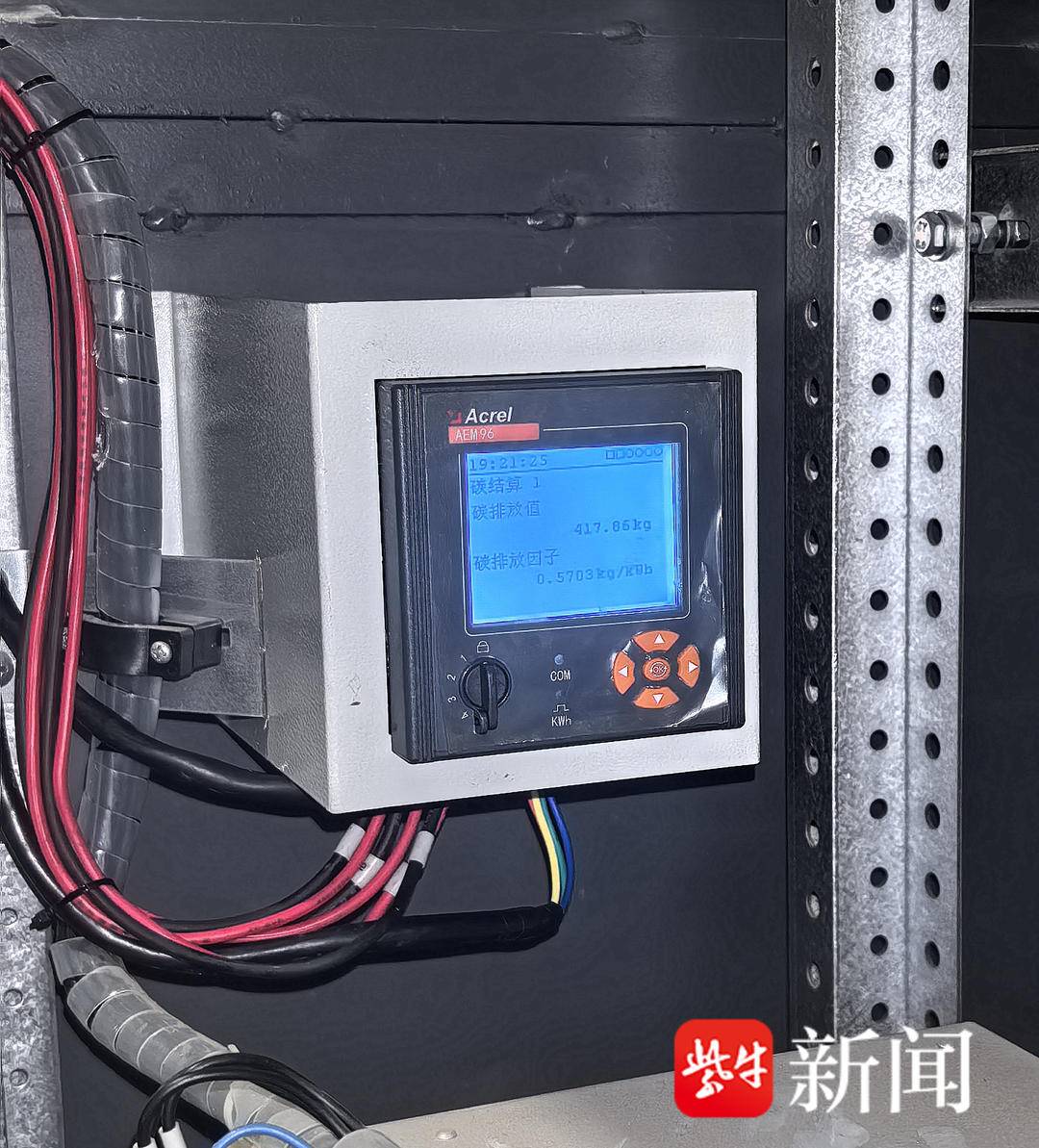
Core Viewpoint - The introduction of a carbon metering device in Jiangsu Province marks a significant advancement in accurately measuring corporate carbon emissions, which is essential for enhancing international competitiveness in the context of increasing global carbon footprint regulations [1][3]. Group 1: Carbon Metering Device Implementation - The first carbon metering device equipped with time, zone, and pressure-based carbon factors was officially put into operation at Jinneng Electric Power Co., Ltd. in Changzhou, Jiangsu Province [1]. - This device enables precise measurement of corporate carbon emissions, addressing the limitations of traditional methods that use fixed carbon factors [3]. Group 2: Importance of Accurate Carbon Measurement - Many countries are incorporating carbon footprints into international trade rules, imposing import tariffs on high carbon-emitting products, and requiring carbon footprint calculations for exports of electric vehicles, lithium batteries, and photovoltaic products [3]. - Accurate carbon emission measurement is crucial for export-oriented enterprises to enhance their international competitiveness [3]. Group 3: Development of Carbon Emission Monitoring Systems - The State Grid Changzhou Power Supply Company has developed a carbon emission monitoring system that allows real-time tracking of carbon factors and emissions, as well as historical data analysis for better energy-saving strategies [4]. - The company plans to standardize the application of time, zone, and pressure-based carbon factors in carbon emission calculations and expand their demonstration application scenarios [4]. Group 4: Future Directions - The ongoing efforts aim to provide reliable data for government decision-making, corporate carbon management, and international carbon data recognition, thereby injecting stronger green momentum into the export of "Jiangsu manufacturing" [4].
汽车链主赋能中小供应商,做实ESG降碳指标
Xin Lang Cai Jing· 2025-07-03 08:01
Group 1 - The core viewpoint of the article emphasizes the transition of ESG standards for listed companies in Shanghai from a "disclosure-oriented" approach to a "value-oriented" approach, aiming to enhance the quality of ESG information disclosure [3][5][7] - The Shanghai Stock Exchange has formulated an action plan to improve ESG ratings, which aligns with the three-year action plan for enhancing ESG information disclosure quality from 2024 to 2026 [3][5] - The automotive industry faces significant challenges in calculating Scope 3 carbon emissions due to its complex supply chain, necessitating a unified industry understanding and standards for ESG metrics [3][8][11] Group 2 - Current ESG disclosures in the automotive sector show a structural characteristic where qualitative indicators are disclosed at an average rate of about 90%, while quantitative indicators are only disclosed at an average rate of 34% [6][11] - High ESG ratings are becoming crucial for automotive companies' global development, influencing their ability to secure green bonds and low-interest loans [7][11] - The need for digital technology in carbon emission data collection and calculation is highlighted, as traditional methods are insufficient for tracking complex supply chain data [8][10] Group 3 - Xiaoshu Green Landscape has assisted Chinese automotive companies in establishing a comprehensive greenhouse gas accounting system, emphasizing the importance of real data collection for accurate carbon footprint calculations [9][10] - Xiaopeng Motors has initiated a "Supplier Carbon Empowerment Project" to enhance carbon data collection from suppliers, demonstrating a proactive approach to ESG management [14][15] - The automotive industry is urged to establish authoritative third-party standards for carbon accounting to facilitate standardized and comprehensive ESG disclosures [16]