
美日货币政策分化

Search documents
日央行放宽收益率控制引升值
Jin Tou Wang· 2026-02-03 03:20
Core Viewpoint - The Japanese yen has experienced significant fluctuations due to changes in the Bank of Japan's monetary policy, particularly the adjustment of the yield curve control policy, which has led to a short-term appreciation of the yen while long-term trends remain influenced by various factors [1][2]. Group 1: Monetary Policy Adjustments - On February 2, the Bank of Japan announced an adjustment to its core monetary policy, expanding the 10-year Japanese government bond yield fluctuation range from ±0.25% to ±0.5%, marking the first change in three years [1]. - This policy adjustment is aimed at addressing domestic inflation changes and enhancing monetary policy flexibility, with Japan's core CPI expected to rise by 2.3% in 2025, exceeding the central bank's 2% inflation target for four consecutive years [1][2]. Group 2: Inflation and Economic Indicators - The January Tokyo core CPI increased by 2.0% year-on-year, the lowest since March 2022, but still close to the central bank's target, indicating persistent inflationary pressures [2]. - The unemployment rate remains stable at 2.6%, providing a foundation for potential policy tightening, while December's industrial output growth rate exceeded expectations at 2.6%, suggesting some momentum in Japan's economic recovery [2]. Group 3: Currency Market Dynamics - Despite the Bank of Japan signaling a tightening stance, the divergence in monetary policies between the U.S. and Japan continues to support the yen in the long term, with the 10-year U.S.-Japan government bond yield spread at 198.8 basis points as of February 2 [3]. - The market anticipates that if inflation remains above 2%, the Bank of Japan will gradually raise interest rates in 2026, although the pace will be cautious [2][3]. Group 4: Political and Market Implications - The upcoming Japanese general election on February 8 is expected to influence currency policies, with the weak yen and rising living costs being key issues in the election [3][4]. - Concerns about potential official intervention in the currency market have increased, particularly if there are no substantial actions following the election, which could lead to the dollar-yen exchange rate entering a new range of fluctuations [4][5].
突破156!日元多空绞杀 美联储日央行政策博弈定生死
Jin Tou Wang· 2026-01-07 02:43
Core Viewpoint - The USD/JPY exchange rate is experiencing a narrow fluctuation around the key level of 156.7000, influenced by the divergence in monetary policies between the US and Japan, interest rate differentials, and geopolitical factors [1][2]. Monetary Policy - The Bank of Japan (BoJ) is expected to complete two interest rate hikes by the end of 2025, raising the policy rate to 0.75%, the highest level since 1995, indicating a significant shift from its ultra-loose monetary policy [1]. - The divergence between the BoJ's hawkish signals and the Federal Reserve's expectations for rate cuts creates a competitive dynamic in the currency market [1]. - Market skepticism regarding the pace of future rate hikes in Japan exists due to factors like energy subsidies and stable food prices, which may keep inflation moderate and limit the speed of policy tightening [1]. Economic Data - Recent US manufacturing data has shown mixed results, reinforcing market perceptions of slowing economic momentum, which is a key factor in limiting the dollar's rebound potential [2]. - Japan's December manufacturing PMI rose to 50.0, indicating a stabilization in demand, which supports the BoJ's potential for further rate hikes [2]. - The upcoming US non-farm payroll report is anticipated to significantly influence market expectations regarding the Federal Reserve's policy direction, thereby affecting the USD/JPY exchange rate [2]. Technical Analysis - The USD/JPY is currently in an upward channel, but the momentum has slowed down recently, with daily moving averages flattening, indicating a consolidation phase [3]. - Key support levels are identified at the 155 mark and the 50-day moving average, while resistance is noted at the November 20 high of 157.89 [3]. - The interest rate differential remains a crucial variable influencing the USD/JPY exchange rate, with the divergence in monetary policies expected to continue into 2026 [3].
【2026年汇市展望】美日货币政策分化延续 利差仍是汇率核心驱动力
Xin Hua Cai Jing· 2026-01-05 23:17
Core Viewpoint - The USD/JPY exchange rate experienced a significant "V-shaped" trend in 2025, ending a four-year upward trajectory, with year-end trading above 156, approaching the intervention threshold of 160 set by Japanese authorities [1][2]. Exchange Rate Dynamics - At the beginning of 2025, the USD/JPY continued its strong performance from 2024, reaching a peak of 158.88, but subsequently fell to a low of 139.88 in late April due to multiple policy risks, including tariffs announced by Trump and concerns over the independence of the Federal Reserve [2][4]. - The mid-year saw the USD/JPY fluctuate between 140 and 150 as policy uncertainties persisted, despite some easing of trade tensions [4]. - A turning point occurred in the third quarter when the election of Suga as Prime Minister led to a large fiscal stimulus plan, raising concerns about Japan's debt sustainability and pushing the USD/JPY back to near its yearly highs [4]. Monetary Policy Normalization - The Bank of Japan (BOJ) took significant steps towards monetary policy normalization in 2025, raising the policy interest rate twice, from 0.25% to 0.75%, marking the highest level since 1995 [5][6]. - The BOJ's communication strategy shifted from cautious observation to proactive guidance, confirming the sustainability of inflation and signaling an irreversible normalization process [9]. Economic Performance - Japan's economy is projected to grow by 1.0% in real GDP in 2025, driven primarily by domestic demand, with private consumption contributing significantly to GDP growth [10]. - The core CPI is expected to average around 3.2%, remaining above the BOJ's 2% target for 44 consecutive months, indicating persistent inflationary pressures [10]. - The labor market remains tight, with an unemployment rate around 2.5%, and real wages turning positive in the second half of the year, supporting consumer resilience [10]. Structural Challenges - Despite the monetary policy shift, Japan faces deep structural challenges, including high fiscal deficits and trade imbalances, which continue to weaken the fundamental support for the yen [4][10]. - The government debt-to-GDP ratio exceeds 260%, raising concerns about fiscal sustainability as interest rates rise [12]. Future Outlook - The divergence in monetary policy between the US and Japan is expected to continue influencing the USD/JPY exchange rate in 2026, with the potential for long-term investment opportunities in this currency pair [12]. - The Japanese government is likely to maintain an expansionary fiscal stance, which may stimulate short-term growth but could exacerbate fiscal pressures, posing significant uncertainties for the macroeconomic landscape in 2026 [12].


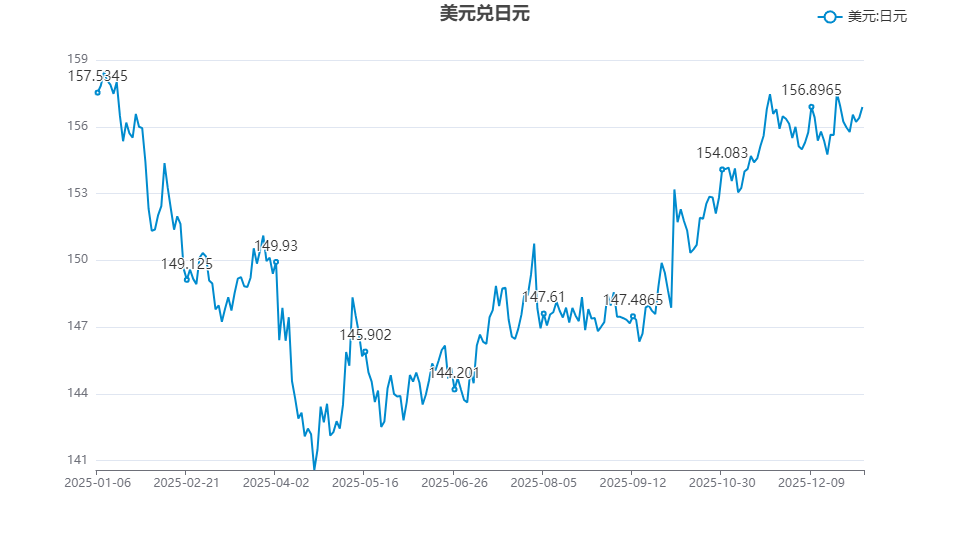
日元年末逼近155关口 2026年或向160挺近
Jin Tou Wang· 2025-12-30 02:28
Core Viewpoint - The USD/JPY exchange rate remains strong, trading around 154.85 as of December 30, 2025, with expectations for it to break the 160 mark in 2026 despite a nearly 10% decline in the USD index throughout the year [1][2]. Group 1: Currency Policy Divergence - The strength of the USD/JPY is primarily due to the structural divergence in monetary policies between the US and Japan, with the Federal Reserve expected to slow its rate cuts in 2026 after a cumulative reduction of 75 basis points to 3.50%-3.75% in 2025 [2]. - The Bank of Japan raised rates to 0.75% in December but is proceeding cautiously, with market expectations for the next rate hike not fully priced in until September 2026, maintaining a negative real interest rate that diminishes the yen's attractiveness [2]. Group 2: Additional Factors Influencing the Yen - Increased carry trade activity is evident, with leveraged funds showing the highest short position against the yen since July 2024, as investors borrow low-yielding yen to invest in higher-yielding currencies [2]. - There is ongoing capital outflow pressure from Japan, with retail investors significantly buying overseas stocks and corporate mergers and acquisitions reaching multi-year highs [2]. - Persistent inflation in the US may limit the Fed's ability to cut rates further, while increasing pressure on Japanese government bonds could weaken the yen's safe-haven appeal [2]. Group 3: Market Intervention and Future Outlook - The yen is approaching the 160 level, which could trigger official intervention, as Japanese officials express concerns over speculative volatility in the exchange rate [3]. - Analysts believe that mere intervention may not reverse the yen's long-term weakness, emphasizing the need for a comprehensive fiscal strategy from the Japanese government [3]. - Most international investment banks maintain a bullish outlook on USD/JPY for 2026, with forecasts ranging from 160 to 165, driven by the slow pace of rate hikes from the Bank of Japan, ongoing capital outflows, and a deceleration in Fed rate cuts [3].
美联储降息遇上日本加息,人民币竟成意外走强?这波操作太狠了
Sou Hu Cai Jing· 2025-12-09 17:40
Core Viewpoint - The article discusses the contrasting monetary policies of the US and Japan, highlighting the potential market impacts of Japan's anticipated interest rate hike and the US Federal Reserve's expected rate cut. Group 1: Japan's Monetary Policy - Japan's central bank is expected to raise interest rates by 25 basis points on December 19, following a strong indication from Governor Kazuo Ueda [1][7] - The market's expectation for Japan's rate hike increased significantly from 50% to over 70% after Ueda's statement, with the 2-year Japanese government bond yield rising by 3 basis points [7] - Previous rate hikes in Japan have been managed with better communication, reducing panic in the markets compared to the sudden hike in July 2024 [5][7] Group 2: Impact on Currency and Global Markets - The anticipated rate hike in Japan aims to strengthen the yen, which has been weak against the dollar, thus alleviating imported inflation pressures [9] - The US Federal Reserve has cut rates by a total of 75 basis points since September, leading to a decline in the dollar index from around 100 to approximately 98 [9] - The depreciation of the dollar has lessened external pressure on the Chinese yuan, which has only slightly declined by 1.77% against the dollar this year [9] Group 3: Effects on A-shares and Hong Kong Market - The strengthening of the yuan is expected to enhance the attractiveness of Chinese assets to foreign investors, as they can purchase more assets with converted dollars [13] - The Hong Kong market, particularly the Hang Seng Tech Index, has shown signs of recovery as the dollar weakens, making dollar-denominated assets more valuable in yuan terms [11] - The upcoming Central Economic Work Conference is anticipated to set a positive tone for economic policies, historically leading to an increase in market indices [13] Group 4: Bond Market Dynamics - The bond market, particularly the 30-year government bonds, has seen declines due to changing market expectations regarding interest rate cuts by the Chinese central bank [15] - Despite recent declines, there is potential for support in the bond market due to expectations of further rate cuts in the coming year [15][16] - The emphasis on "macro-prudential management" by the central bank suggests a focus on preventing financial risks, indicating lower volatility for government bonds [16] Group 5: Investment Strategy Outlook - The article suggests a potential shift in investment focus from bonds to equities, driven by the expected strengthening of the yuan and global liquidity conditions [18] - Investors are advised to monitor key upcoming meetings, including the Federal Reserve's meeting on December 11 and the Central Economic Work Conference, for insights into future policy directions [18] - Recommendations include reallocating funds from government bonds to sectors benefiting from yuan appreciation and policy expectations, such as resource, technology, and dividend-paying stocks [18]
陈果:继续金融打底,耐心逐步布局
Sou Hu Cai Jing· 2025-12-08 09:23
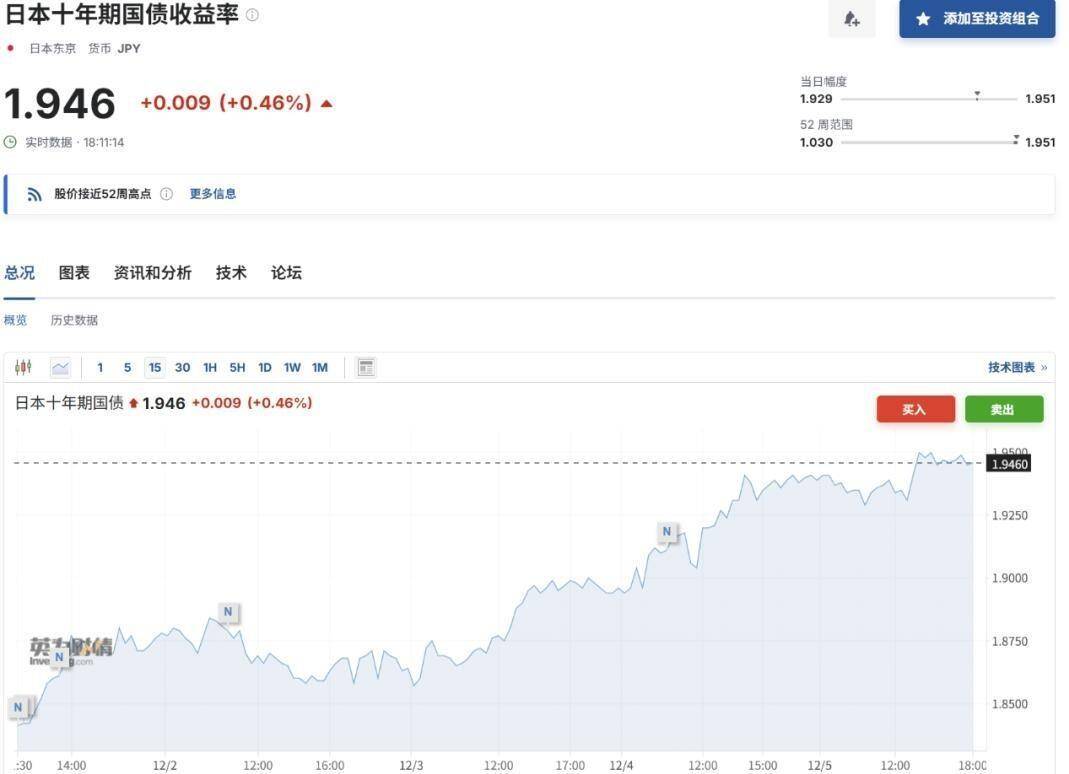
Group 1 - The market is currently experiencing a period of low trading volume and volatility as investors await guidance from the Central Economic Work Conference, with a focus on domestic demand policies [1][13] - The adjustment of risk factors for insurance companies is expected to enhance their capital allocation capabilities, allowing for increased investment in core assets, dividend stocks, and technology innovation sectors [2][3][18] - The financial regulatory authority has proposed to moderately expand the capital space and leverage limits for high-quality brokerage firms, which is seen as a positive signal for the capital market and non-bank sectors [1][2] Group 2 - The upcoming Federal Reserve meeting is anticipated to provide insights into monetary policy, with market expectations leaning towards a potential interest rate cut in December, despite inflationary pressures suggesting a hawkish stance [5][11] - The divergence in monetary policies between the US and Japan may raise liquidity concerns, as Japan's government has announced a significant economic stimulus plan [11][12] - The overall economic environment in China remains weak, with manufacturing PMI and real estate sales showing continued decline, prompting a cautious approach to investment strategies [13][16] Group 3 - The insurance sector's risk factor adjustments are designed to optimize solvency regulation and enhance long-term investment capabilities, supporting the technology and foreign trade industries [2][3][18] - Financial institutions, particularly those with stable earnings and high dividend yields, are recommended as safe investment options during periods of defensive demand [15][18] - The market is advised to focus on sectors with clear growth trends, such as AI-related industries, renewable energy, and international pharmaceuticals, as liquidity conditions improve [15][18]
日元政策困局 日本央行如何平衡低息通胀?
Jin Tou Wang· 2025-11-14 13:20
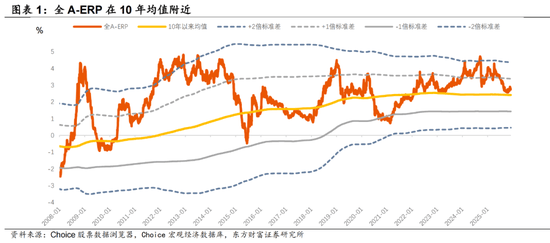
Core Viewpoint - The USD/JPY exchange rate is influenced by the divergence in monetary policies between the US and Japan, supported by government bond yield differentials and technical factors, leading to uncertainty in the currency's direction [1][2] Group 1: Monetary Policy and Economic Indicators - The Bank of Japan, under Governor Ueda, maintains an accommodative stance to support recovery, while the new Prime Minister, Sanna Takagi, continues "Abenomics," reducing expectations for interest rate hikes by year-end [1] - The policy interest rate in Japan is 0.5%, with a differential of over 300 basis points compared to the US Federal Funds Rate, attracting funds for carry trades that support the exchange rate [1] - Despite weaker data in October raising the probability of a Fed rate cut to 60%, the resolution of the government shutdown has improved risk appetite, diminishing the safe-haven demand for the yen [1] Group 2: Technical Analysis - The current exchange rate is in a consolidation phase, with the 154 level being crucial for both bulls and bears; after hitting a low of 152.80 on November 7, the rate rebounded to 154.49 on the 14th, indicating solid support [2] - Technical indicators show bullish signals, with the RSI remaining above 50, and the 20-day moving average around 152.52 providing dual support; a pullback to this level may attract buyers [2] - Resistance levels are identified at 154.48 and 154.83; a breakthrough above 154.83 could target the 155 level, with some institutions predicting a potential rise to 160 by year-end [2]