
连锁经营

Search documents
“挤”进商场的街头小吃,能赚到钱吗?
3 6 Ke· 2026-02-25 13:05
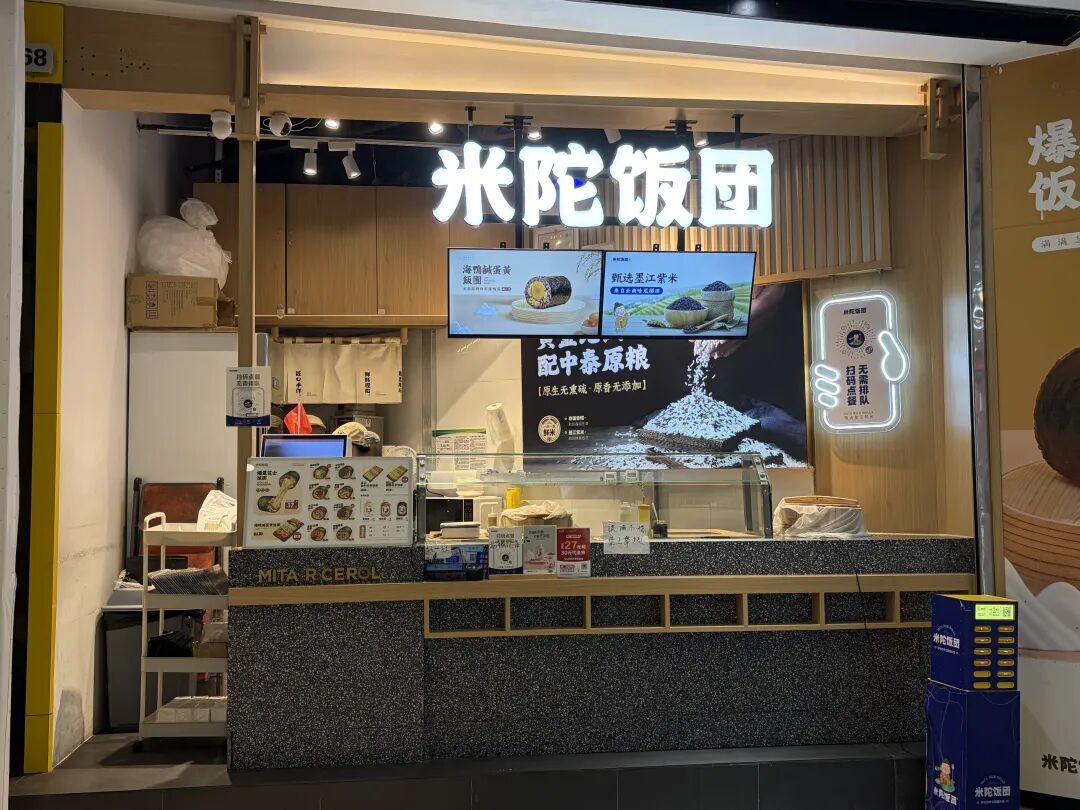
Core Insights - The rise of rice ball stores in shopping malls indicates a growing trend in the food industry, with many brands opening numerous locations in first and second-tier cities [1][9] - The business model for rice ball stores is characterized by low investment costs and high customer traffic, making it an attractive option for new entrepreneurs [9][11] - Despite the initial appeal, the profitability of rice ball stores is limited due to high ingredient costs and competition, leading to a reliance on foot traffic for sales [12][14] Group 1: Market Trends - Numerous rice ball brands are rapidly expanding, with notable examples including Mi Tuo Rice Ball, which has over 200 stores, and A Xing Rice Ball, with more than 300 locations [1][3] - Many of these stores are strategically located in the B1 and B2 levels of shopping malls to capture high foot traffic [3][9] - The rice ball category is gaining popularity due to its high-frequency and essential nature, appealing to a broad customer base, particularly among students and office workers aged 15-35 [9][11] Group 2: Business Model - The average investment for opening a rice ball store ranges from 150,000 to 180,000 yuan, significantly lower than that of mainstream tea brands [9][11] - Rice ball stores typically operate in small spaces of around 10 square meters, focusing on a takeout model without dine-in options [3][9] - The product offerings usually include over 10 different SKUs, with prices averaging around 16 yuan per rice ball, allowing for a variety of combinations [5][7] Group 3: Operational Challenges - The production process for rice balls is efficient, taking about one minute per item, which helps manage high customer volumes during peak times [7][12] - However, the profit margins are thin, with ingredient costs accounting for a significant portion of the selling price, leading to limited profitability [12][14] - The positioning of rice ball stores in shopping malls can be problematic, as they are often seen as transitional snacks rather than a full meal option, impacting customer preference [11][15] Group 4: Competitive Landscape - The rice ball market lacks strong brand recognition compared to other food categories like tea and coffee, which poses a challenge for new entrants [15] - The absence of dominant players allows for opportunities for smaller and regional brands to establish themselves in the market [15] - Long-term success in the rice ball business will require differentiation and the ability to create a strong brand identity to build customer loyalty [15]

从河南走向天南海北 这些连锁店有何秘籍
He Nan Ri Bao· 2026-02-07 23:27
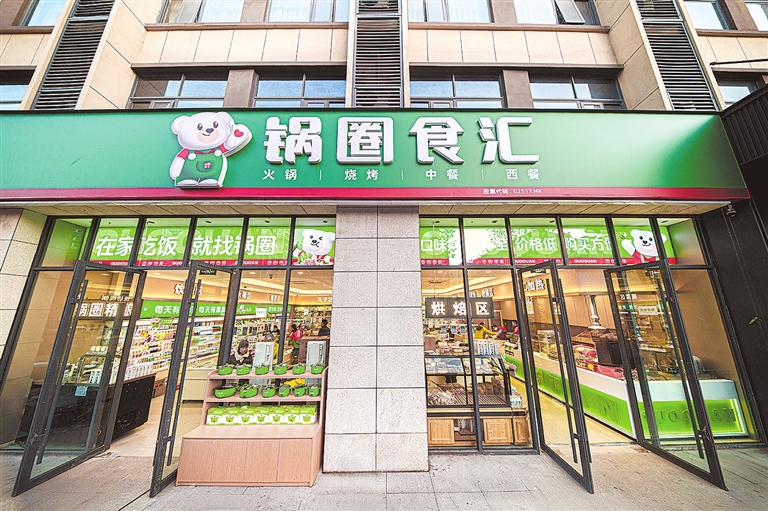
Core Insights - The article highlights the rapid emergence of chain brands from Henan, showcasing their ability to dominate the Chinese market in various sectors, particularly in food and beverage [4][5][9]. Group 1: Chain Brand Growth - Notable chain brands from Henan include Mixue Ice City, Guoquan Shihui, and Lucky Coffee, which have collectively contributed to the province's reputation for successful chain operations [5][6]. - Guoquan Shihui's new store model has shown significant performance, achieving an average daily revenue of over 10,000 yuan since its trial operation began in December 2025, with a peak daily revenue exceeding 40,000 yuan [5][8]. Group 2: Historical and Cultural Context - The success of Henan's chain brands is rooted in a long-standing commercial culture, characterized by principles such as integrity, balance of profit and ethics, and innovation [7][9]. - The competitive landscape in Henan has historically fostered a strong understanding of chain operations, with early examples of regional chain expansion dating back to the 1990s [8][9]. Group 3: Supply Chain and Operational Efficiency - A robust supply chain, including a well-developed logistics network and food processing industry, supports the scalability of Henan's chain brands [8][9]. - The competitive environment in Henan has led to a focus on cost control and operational efficiency, with the phrase "Henan cost, global standard" summarizing the region's competitive advantage [9][10]. Group 4: Challenges and Future Prospects - Despite the growth of many chain brands, some remain limited in scale due to management and operational challenges, indicating a need for improved capabilities as they grow [10]. - There are concerns regarding the lack of advanced processing capabilities and high-end talent, which may hinder the further development of Henan's brands [10].
巴比食品20260125
2026-01-26 02:49
Summary of Baba Foods Conference Call Company Overview - Baba Foods primarily operates through franchise stores, supplemented by direct sales, group meals, and new retail channels. By the end of 2024, the number of franchise stores is expected to approach 6,000, with a compound annual growth rate (CAGR) of approximately 11%-12% in revenue from 2016 to 2024, and a 12% CAGR in net profit excluding non-recurring items [2][3]. Key Insights - **Business Model and Growth**: Baba Foods was established in 2003, focusing on the research, production, and sales of Chinese buns and related foods. The company has expanded its franchise stores from about 2,000 in 2016 to nearly 6,000 by 2024, maintaining a revenue CAGR of 11%-12% and a net profit CAGR of 12% [3]. - **Pandemic Response**: During the pandemic, Baba Foods recognized challenges in its traditional franchise model and developed a group meal business as a secondary growth avenue. The company also pursued acquisitions to expand, with plans to continue this strategy into 2024 and 2025 [4][20]. - **New Store Model**: The introduction of a new dining model for small buns has significantly increased daily sales per store, with sales rising from over 3,000 yuan to 7,000-9,000 yuan, and average transaction values increasing from 5-10 yuan to 10-15 yuan. This model is expected to enhance profitability and reduce operational risks for franchisees [4][6][14]. - **Market Potential**: The Chinese breakfast market is substantial, with a market size of 1.8 trillion yuan in 2019 and a CAGR of 7%. The takeaway breakfast market is estimated to be around 700-800 billion yuan, while the national bun market is projected to exceed 700 billion yuan, reaching over 740 billion yuan by 2025 [2][8][9]. Competitive Landscape - **Industry Characteristics**: The breakfast industry is highly competitive and fragmented, with over 15.1 million on-site dining establishments nationwide. The trend favors chain brands, although regional taste differences pose challenges for national brand standardization [10]. - **Baba's Competitive Advantages**: Baba Foods possesses significant brand advantages and an initial national supply chain layout, which enhances product quality and safety, aligning with consumer demands for hygienic brands. This positioning offers franchisees greater sales stability and profit assurance compared to smaller brands [11][12]. Future Plans and Projections - **Expansion Plans**: Baba Foods plans to open approximately 2,000 new dining model stores in East and Central China by 2026. If daily sales average 7,500 yuan, these new stores could contribute 1.29 billion yuan in revenue and over 180 million yuan in profit [16]. - **Production Capacity**: The company has substantial potential for capacity release, with expectations of generating 900 million to 1.8 billion yuan in revenue from new and remodeled stores, with conservative profit estimates in the hundreds of millions [17]. - **Acquisition Impact**: Recent acquisitions have integrated supply chains and improved factory utilization rates, accelerating expansion outside the province and contributing significantly to the company's growth [20]. - **Group Meal Business**: The group meal segment has grown to account for 25% of total revenue, serving as both a revenue supplement and a means to enhance production efficiency [21]. - **Profitability Outlook**: The new dining model for small buns is positioned in the value dining segment, with expectations of opening over 2,000 locations. This could yield a net profit of 180 million yuan, with a projected profit of 320 million yuan in 2027, indicating a potential 60% growth relative to the current market capitalization of 7.7 billion yuan [22].

毛利44%也能“封神”,年轻人为什么都爱去三佰杯?
Sou Hu Cai Jing· 2025-12-27 16:42
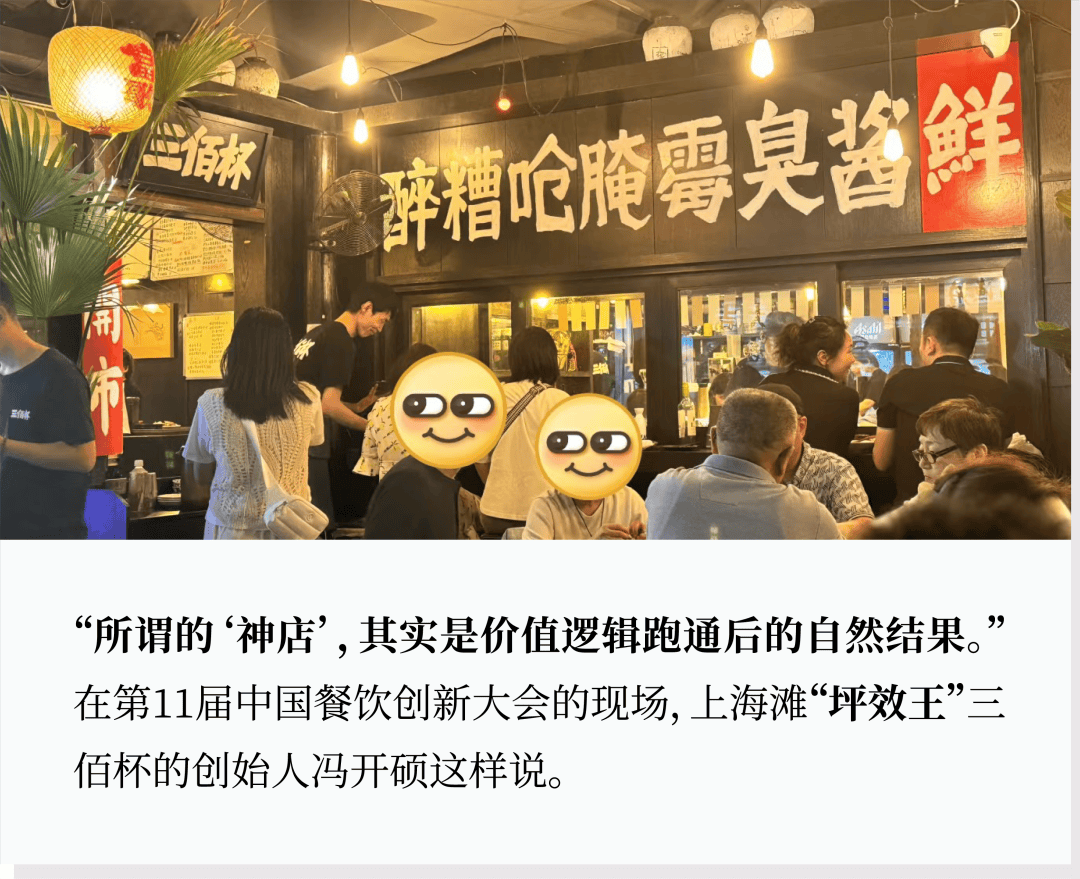
Core Viewpoint - The article discusses the success of a restaurant brand called "Sanbai Bei" in Shanghai, highlighting its unique business strategies and high efficiency in operations, particularly in terms of space utilization and customer demand management. Group 1: Business Strategies - The restaurant industry is currently focused on maximizing "坪效" (space efficiency), with various strategies such as mixed operations and extended hours being implemented by brands like "Banu" and "Yujian Xiaomian" [2] - "Sanbai Bei" has achieved remarkable success, with its new brand "Fujisan" reportedly exceeding "Sanbai Bei" in space efficiency, generating over 50,000 yuan in daily revenue from a 68 square meter restaurant [4] - The brand "Tianluo Gu Niang," which recently opened in Shanghai, has also gained immense popularity without significant marketing efforts, indicating a strong consumer demand [6] Group 2: Financial Performance - While typical restaurants struggle to maintain a gross margin above 50%, "Sanbai Bei" operates with a gross margin around 44%, relying on high table turnover rates to sustain profitability [8] - The brand's success is attributed to a combination of market timing, location advantages, and social factors, including media exposure from popular shows [12] Group 3: Unique Selling Proposition - "Sanbai Bei" distinguishes itself by offering unique flavors that may not appeal to everyone but create a strong brand identity and customer loyalty, akin to the appeal of durian [16] - The founder emphasizes the importance of quality ingredients and customer feedback in shaping the menu, ensuring that the restaurant evolves based on consumer preferences [18] Group 4: Customer Expectations - Today's consumers expect a comprehensive dining experience that includes not only good food but also excellent service and ambiance, reflecting a shift towards a more holistic approach to dining [20][21] - The founder believes that the essence of business can be summarized in four words: "more, fast, good, and economical," which need to be reinterpreted in the current dining landscape [23] Group 5: Future Outlook - The founder aims for meaningful growth by creating real value for the community, focusing on making each restaurant the best in its area rather than pursuing rapid expansion for its own sake [28][29]
国货护肤龙头林清轩通过港交所上市聆讯,高端市场迎本土“第一股”
Sou Hu Cai Jing· 2025-12-15 15:13
Core Viewpoint - Lin Qingxuan Cosmetics Group has officially disclosed its prospectus after passing the Hong Kong Stock Exchange hearing, marking a significant step towards its IPO and potential to become the first high-end domestic skincare brand listed in Hong Kong [2][6]. Group 1: IPO Progress - The IPO process for Lin Qingxuan accelerated significantly in the second half of 2025, with the company submitting its first application on May 29, 2025, and a second application on December 2, 2025, which was approved shortly thereafter [7]. - Prior to the hearing, Lin Qingxuan received a notice from the China Securities Regulatory Commission on November 28, 2025, allowing it to issue up to 16.0614 million shares for overseas listing [8]. Group 2: Market Position and Product Focus - Established in 2003, Lin Qingxuan focuses on the high-end anti-wrinkle skincare market, with its signature camellia flower series products [5][9]. - According to independent consulting firm Zhi Shi, Lin Qingxuan ranked first among all domestic high-end skincare brands in China by retail sales in 2024, holding a market share of approximately 1.4% [9]. Group 3: Sales Network and Product Range - Lin Qingxuan has built an OMO (Online-Merge-Offline) sales network, with 554 stores nationwide as of June 30, 2025, making it the leading brand in terms of store count among domestic and international high-end skincare brands [14]. - The company offers a comprehensive product line, including essence oils, creams, toners, serums, and masks, totaling 230 SKUs to meet various consumer needs [16]. Group 4: Financial Performance - Lin Qingxuan has demonstrated strong revenue growth, with operating income increasing from RMB 691.15 million in 2022 to RMB 1.21 billion in 2024, and reaching RMB 1.052 billion in the first half of 2025 [17][18]. - The company turned a net loss of RMB 5.93 million in 2022 into a net profit of RMB 84.52 million in 2023, with net profit further increasing to RMB 186.83 million in 2024 and reaching RMB 181.85 million in the first half of 2025 [19]. Group 5: Strategic Partnerships - Since 2017, Lin Qingxuan has partnered with Yima Chain Industry Group to enhance its store management system, facilitating a transition from experience-driven to system-driven operations [20][22].
瑞幸咖啡第三季度总净收入152.87亿元,新开超3000家店
Xin Jing Bao· 2025-11-18 05:05
Core Insights - Luckin Coffee reported a total net revenue of 15.287 billion yuan for Q3 2025, representing a year-on-year growth of 50.2% [1] - The company achieved a GAAP operating profit of 1.777 billion yuan, with an operating profit margin of 11.6% [1] - The average monthly transacting customer count reached 112 million, marking a significant milestone [2] Revenue and Store Performance - Revenue from self-operated stores was 11.08 billion yuan, showing a year-on-year increase of 47.7% [1] - Same-store sales growth for self-operated stores improved to 14.4% [1] - The company opened 3,008 new stores in Q3, bringing the total number of global stores to 29,214 [1] Market Expansion - In the Chinese market, 2,979 new stores were added, resulting in a total of 29,096 stores, which includes 18,809 self-operated and 10,287 franchised stores [1] - Internationally, Luckin Coffee added 29 new stores, reaching a total of 118 stores, including 68 self-operated in Singapore, 5 in the U.S., and 45 franchised in Malaysia [1]

巴比食品(605338):深度报告:包罗万象,蒸蒸日上
Changjiang Securities· 2025-10-23 05:48
Investment Rating - The report gives a "Buy" rating for the company, marking its first coverage [10]. Core Insights - Baba Food is a leading enterprise in the Chinese steamed bun industry, focusing on both organic growth and external acquisitions, with a continuous increase in store numbers and significant improvements in store quality and efficiency [3][10]. - The company has expanded its catering business by leveraging new products and a robust supply chain, leading to a rising revenue share from this segment [3][10]. - Baba Food is actively exploring cross-industry opportunities, utilizing its supply chain and management capabilities to identify new growth avenues [10]. Company Overview - Baba Food specializes in the research, production, and sales of Chinese pastries, with a diverse product range including self-produced pastries, fillings, and externally sourced foods [7][19]. - The company operates a multi-channel sales model combining direct sales, franchising, and group catering, with the total number of stores increasing from 2,311 in 2017 to 5,685 by mid-2025 [7][19]. - The company has established a strong sales network across various regions, with a focus on the East China market, which remains its primary revenue source [23][25]. Market Dynamics - The national steamed bun market is projected to grow from 704 billion yuan in 2024 to 742 billion yuan in 2025, reflecting a year-on-year growth of 5.4% [8][56]. - The market is shifting from a fragmented model dominated by small family-run shops to a more branded and scaled approach, with leading companies expected to capture a larger market share due to their strong supply chains and digital operations [56][71]. Financial Performance - The company forecasts net profits of 289 million yuan, 315 million yuan, and 350 million yuan for 2025, 2026, and 2027 respectively, with corresponding EPS of 1.21, 1.32, and 1.46 yuan [10]. - The company has seen a compound annual growth rate (CAGR) of 11.1% in revenue from 2016 to 2024, with a notable increase in the share of catering business revenue from 6.0% in 2017 to 22.8% in 2024 [21][22]. Strategic Initiatives - The company is enhancing its store operations by optimizing equipment and layout to promote a fresh and made-to-order dining experience [37]. - Baba Food has implemented measures to support its franchisees, resulting in a recovery in revenue contributions from franchise stores starting from Q2 2024 [37][42].
初中辍学卖包子,安徽老板年入16亿
创业邦· 2025-10-06 10:20
Core Viewpoint - The article highlights the success story of Baba Food, a leading Chinese steamed bun company, founded by Liu Huiping, who transformed his humble beginnings into a publicly listed company with an annual revenue of 1.6 billion and a market value of several billion [4][15]. Company Background - Liu Huiping, born in 1977 in Anhui Province, dropped out of school to support his family and initially struggled in various jobs before venturing into the food industry [6][8]. - After several failed attempts in different locations, Liu found success in Shanghai by adapting his products to local tastes and opening a shop named "Liu Shifu Da Bao" in 2001 [8][10]. Brand Development - In 2003, Liu rebranded his business to "Baba Mantou" to create a more fashionable image and facilitate franchise opportunities [11]. - The company emphasized standardized production and quality control, establishing a central kitchen to ensure product consistency [13][15]. Financial Performance - Baba Food went public on October 12, 2020, becoming the first listed company in the Chinese steamed bun sector [15]. - For the first half of 2025, Baba Food reported a revenue of 835 million, a year-on-year increase of 9.31%, and a net profit of 132 million, up 18.08% [15]. - The second quarter of 2025 saw a revenue of 465 million, a 13.50% increase, with net profit reaching 94.45 million, a 31.42% growth [15]. Market Expansion - As of the second quarter of 2025, Baba Food had 5,685 franchise stores, with a net increase of 542 stores in the first half of the year [15]. - The company is also expanding into group meal and retail channels, with group meal revenue reaching 199 million, a growth of 18.99% [15]. Challenges and Strategies - Baba Food faced growth challenges starting in 2022, with a decline in net profit and franchise store revenue [16]. - The company is implementing various strategies, including store renovations and training support, to improve franchise performance [16]. - In 2025, average franchise store revenue showed a year-on-year increase of 2.7%, indicating a recovery trend [16]. Future Outlook - Baba Food is pursuing market expansion through acquisitions, including a strategic investment in the well-known brand "Manxiangren" [18]. - The company aims to strengthen its presence in Central China and has plans to establish a central kitchen in Wuhan [18]. - Liu Huiping aspires to make Baba the world's leading brand in Chinese steamed buns, reflecting his long-term vision for the company [18].
人均40+抢着买!“猪油渣”小吃店,下一个网红还是昙花一现?
Sou Hu Cai Jing· 2025-09-28 04:28
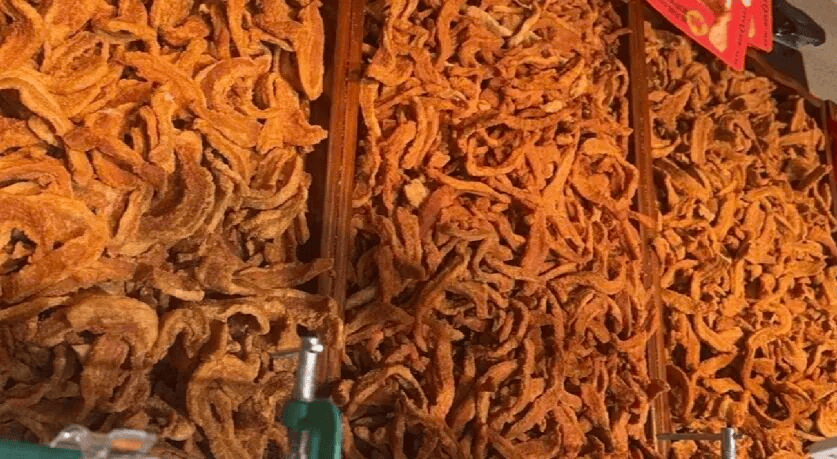
Core Insights - The emergence of "fat residue specialty stores" has transformed a traditional leftover product into a popular snack, attracting significant consumer interest in major urban areas like Beijing and Shanghai [2][4][12]. Group 1: Market Trends - The trend of "main course becoming snacks" and "food becoming snacks" is driving the popularity of various brands that have successfully transformed traditional dishes into snack formats [3]. - The "fat residue specialty stores" are strategically located in high-traffic commercial areas, targeting young consumers and capitalizing on the growing demand for casual snacks [4][12]. Group 2: Business Model - These stores typically operate as small kiosks of around 20 square meters, focusing on takeout rather than dine-in, which reduces costs and allows for easy replication [4][12]. - The product offerings are diverse yet simplified, with an emphasis on freshly made items, and average spending per customer exceeds 40 yuan [7][12]. Group 3: Marketing and Branding - The stores employ distinctive designs and branding strategies to enhance recognition and appeal, moving away from the traditional "cheap" image associated with fat residue [9][10]. - Effective marketing strategies include leveraging social media for organic promotion through visually appealing designs and engaging narratives [10]. Group 4: Performance Metrics - Some brands have successfully opened over 40 locations, with daily sales reaching significant figures, indicating strong market demand [12]. - The rapid expansion of brands like "Jiwu Chuzhu" showcases the potential for scalability in this niche market [17]. Group 5: Consumer Behavior and Challenges - The nostalgic appeal of fat residue products provides a strong customer base, facilitating quick market entry without extensive consumer education [16][17]. - However, the higher price point compared to other casual snacks may limit long-term customer retention, as the novelty may wear off quickly [18][19].
同庆楼: 同庆楼2025年半年度报告
Zheng Quan Zhi Xing· 2025-08-29 17:15
Core Viewpoint - The report highlights the financial performance and operational strategies of Tongqinglou Catering Co., Ltd. for the first half of 2025, emphasizing the company's resilience in the competitive catering industry and its focus on expanding its market presence through diversified services and innovative product offerings [2][3][4]. Financial Performance - The company achieved a revenue of approximately 1.33 billion yuan, representing a year-on-year increase of 4.67% compared to 1.27 billion yuan in the same period last year [2][3]. - The total profit for the period was approximately 100.26 million yuan, a decrease of 3.79% from 104.20 million yuan in the previous year [2][3]. - The net profit attributable to shareholders was approximately 72.00 million yuan, down 11.06% from 80.95 million yuan in the same period last year [2][3]. - The net cash flow from operating activities increased by 59.39%, reaching approximately 327.34 million yuan compared to 205.37 million yuan in the previous year [2][3]. Industry Overview - The catering industry in China is experiencing steady growth, with national catering revenue reaching 27.48 billion yuan in the first half of 2025, a year-on-year increase of 4.3% [4][5]. - The demand for quality dining experiences is rising, driven by increasing disposable income and consumer preferences for high-quality food and service [4][5]. - The industry is witnessing a trend towards chain operations and technological advancements, which are enhancing operational efficiency and market competitiveness [4][5]. Business Strategy - The company operates 133 direct stores across various regions, focusing on catering services, hotel accommodations, and food production [6][7]. - The business model emphasizes a synergy between catering and hotel services, enhancing customer experience and operational efficiency [8][9]. - The company has developed sub-brands such as "Tongqing Cake" and "Qing Xiaoyue," which complement its main offerings and enhance brand recognition [7][8]. Market Position - As a century-old brand, Tongqinglou has established a strong market presence and customer loyalty, positioning itself as a leader in the catering sector [17][18]. - The company is leveraging its historical brand value and operational expertise to expand its market share in the competitive catering landscape [17][18]. - The focus on family gatherings and banquet services aligns with consumer trends, providing a stable revenue stream and growth potential [14][15].
