
适老化家居产品

Search documents
消费补贴+新业态新场景 银发经济和养老服务再迎政策力挺
2 1 Shi Ji Jing Ji Bao Dao· 2026-02-25 23:06
Core Insights - The Chinese government is focusing on the development of the silver economy and elderly care services, recognizing its significant potential and the need for supportive measures to address the challenges of an aging population [1][3][4] Policy Initiatives - A series of policies have been introduced since 2024 to enhance the silver economy, including opinions and measures aimed at improving elderly welfare and promoting consumption in the sector [3][4] - By 2026, additional measures will be implemented to cultivate service providers and promote technological innovation in elderly care [3][4] Market Potential - The silver economy is projected to exceed 30 trillion yuan by 2035, indicating substantial growth potential [3] - Despite this potential, challenges such as insufficient supply, low professional standards, and a shortage of workforce in elderly care services remain [3][4] Service Quality and Safety - The government aims to improve the quality and accessibility of elderly care services, ensuring a sustainable system that covers both urban and rural areas [4] - Safety management in elderly care institutions will be strengthened, with measures to combat fraud and protect the rights of the elderly [4] Consumption Incentives - The government is encouraging the issuance of consumption subsidies to stimulate demand among the elderly, with plans to create new consumption scenarios and business models [4][5][7] - Various regions have started providing electronic vouchers for elderly care services, enhancing purchasing power for the elderly [6] Technological Innovation - The Ministry of Civil Affairs is promoting technological innovation as a key strategy to address aging, focusing on developing smart elderly care products and services [8][9] - The integration of technology, such as robots and AI, is expected to play a significant role in the future of elderly care [8][9] Market Development - The exploration of new consumption scenarios for the silver economy is ongoing, with initiatives to showcase products and services at major trade events [9] - E-commerce platforms are being encouraged to enhance the supply of elderly-friendly products and services, catering to diverse needs [9]

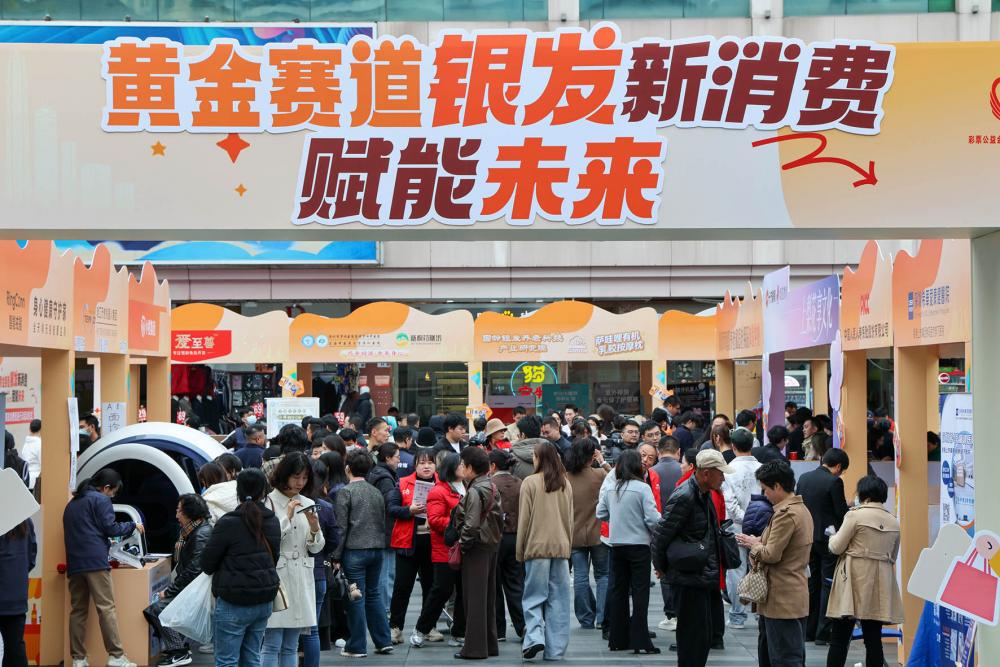
新一轮以旧换新政策落地 消费活力显著提升
Zheng Quan Ri Bao· 2026-02-08 17:14
Core Viewpoint - The implementation of the old-for-new consumption policy is showing strong effects in boosting consumption and expanding domestic demand, with significant participation and sales figures reported in January 2023 [1][3]. Group 1: Policy Implementation and Changes - The latest data from the Ministry of Commerce indicates that in January, the old-for-new policy benefited 16.13 million people, resulting in sales of 92.56 billion yuan in automobiles, home appliances, digital, and smart products [1]. - The new policy allows local governments more autonomy in determining subsidy categories, standards, and implementation methods, encouraging support for high-efficiency, water-efficient, and environmentally friendly products [1]. - Local governments are actively exploring subsidy categories, with Jiangsu province including smart home products like robotic vacuums and smart toilets in its subsidy list while maintaining traditional categories like home appliances and automobiles [1]. Group 2: Market and Industry Implications - The expansion of the old-for-new policy to include categories like smart glasses and drones signals a shift towards "tech consumption" and "quality living," facilitating the upgrade of industries and consumer demand [2]. - Fiscal subsidies are expected to lower the entry barriers for high-quality new products, accelerating market cultivation and providing early market validation for strategic emerging industries [2]. - Local differentiated subsidies are becoming a crucial support for the ongoing effectiveness of the old-for-new policy, promoting local advantageous industries and enhancing regional competitiveness [2].
九部门推“新春焕新家”惠民促销 家居焕新补贴再升级
Bei Jing Shang Bao· 2026-02-02 13:45
Core Insights - The "Le Gou New Spring" initiative aims to boost consumer spending during the Spring Festival by promoting trade-in subsidies and enhancing offline retail support [1][2] - The event will take place from February 15 to 23, 2026, covering six areas: food, accommodation, transportation, tourism, shopping, and entertainment [1] Group 1: Policy and Support Measures - The initiative encourages local governments to increase the number of trade-in subsidies for consumer goods during the Spring Festival [1] - It emphasizes the importance of offline retail support and mobilizes enterprises to conduct exhibitions and sales for automobiles, home appliances, digital, and smart products [1][2] - The "New Spring Home" promotion will involve collaboration among home furnishing markets, appliance brands, and home decoration companies [1] Group 2: Market Impact and Data - The trade-in policy is part of a broader government effort to upgrade consumption in the home and related industries [2] - In 2025, the sales volume of trade-in related goods exceeded 2.6 trillion yuan, benefiting over 360 million people [2] - Specific figures for 2025 include over 129 million home appliances, 120 million home renovations, 11.5 million automobiles, 9.1 million digital products, and 1.25 million electric bicycles traded in [2]
激活消费主引擎 培育壮大“新”力量
Xin Lang Cai Jing· 2026-01-28 23:06
Group 1 - The core viewpoint emphasizes the importance of consumer spending as a driver of economic growth and a reflection of people's quality of life, with a projected retail sales total of 25,433.59 billion yuan in 2025, representing a 4.4% increase from the previous year, surpassing the national average [1] - The government aims to activate the consumption engine through special actions to boost consumer spending, with representatives advocating for policies that closely link improving people's livelihoods with stimulating consumption [1][2] Group 2 - The stable growth in retail sales is attributed to the synchronization of activities and policies, including nearly 10,000 promotional events and a trade-in program that generated 79.1 billion yuan in consumption, benefiting over 7.5 million consumers [2] - The continuation of the trade-in policy is expected, with suggestions to increase public service spending and provide differentiated subsidies for smart and green products to enhance consumer willingness to spend [2][3] Group 3 - There is a shift in consumer behavior from primarily goods consumption to a balanced focus on both goods and services, with service consumption expected to be a significant growth driver due to its high frequency and multiplier effect [3] - Recommendations include creating a comprehensive consumption IP that integrates shopping, entertainment, dining, and health, leveraging the region's rich resources and cultural heritage to enhance consumer experiences [3] Group 4 - The government report highlights the need to improve consumer capacity and optimize the consumption environment, with suggestions to enhance infrastructure in underserved areas and strengthen market regulation to combat fraud and improve consumer rights [4] - Emphasis is placed on tapping into domestic demand and facilitating efficient economic circulation, with calls for integrating into the national market and promoting local brand activities to shift consumption growth from recovery to sustainable expansion [4]
以旧换新撬动发展新动能
Ren Min Ri Bao· 2026-01-22 21:57
Group 1 - The "new national subsidy" policy has rapidly taken effect, with significant consumer engagement, such as 16,324 transactions in Chongqing and nearly 16 million yuan in trade-ins in Fuzhou during the New Year holiday, showcasing the policy's impact on consumption upgrade and industrial transformation [1] - By 2025, the sales volume of related goods under the trade-in policy is expected to exceed 2.6 trillion yuan, benefiting over 360 million people, playing a crucial role in expanding domestic demand [1] - The recent notification on implementing large-scale equipment updates and consumer goods trade-in policies for 2026 aims to optimize support scope, subsidy standards, and implementation mechanisms [1] Group 2 - The urgent need for upgrading old residential areas and facilities in elderly care institutions is highlighted, with approximately 22,000 old communities built between 1980 and 2000, and a projected shortage of 46 million nursing beds for the elderly by 2035 [2] - The new policy includes support for installing elevators in old residential buildings and updating facilities in elderly care institutions, linking improvements in people's livelihoods with the expansion of domestic demand [2] - The policy encourages green transformation by linking subsidies to energy efficiency ratings and promoting the electrification of old vehicles, thereby fostering new consumption patterns and driving the development of green applications [2] Group 3 - The combination of optimizing supply and expanding demand is emphasized, with new consumption driving new supply and meeting new demands, facilitating industrial transformation [3] - The trade-in policy has expanded to include digital and smart products, as well as elderly-friendly home products, aligning with the trend of intelligent consumption and addressing health monitoring needs for the elderly [3] - The effective implementation of the trade-in policy is expected to create positive feedback across the economic system, enhancing domestic demand, fostering new growth drivers, and promoting industrial upgrades [3]
以旧换新政策扩容 智能家居与适老产品引领家居行业新风口
Sou Hu Cai Jing· 2026-01-14 11:56
Core Insights - The 2026 consumption goods replacement policy aims to stimulate demand by expanding the scope of the old-for-new program, now including smart home and elderly-friendly products for central funding subsidies [1][4][5] - The policy is designed to drive the transformation of the home industry towards green and intelligent solutions, encouraging companies to innovate products that meet new standards [1][6] Policy Expansion - The new policy features a dual-track system of national uniformity and local autonomy, specifying six categories of home appliances and four categories of digital and smart products eligible for subsidies [4] - A significant breakthrough is the inclusion of smart home and elderly-friendly products in the central funding subsidy, allowing local governments to create tailored subsidy policies within the framework [4][5] Market Demand - The demand for home improvement is driven by the growing need for renovations in existing homes and the rising popularity of smart products, with a focus on enhancing living quality through green, intelligent, and elderly-friendly solutions [6][8] - Data from the Ministry of Housing and Urban-Rural Development indicates that over 240,000 old urban communities have been renovated, benefiting more than 40 million households [6] Industry Trends - The policy encourages the home industry to transition from traditional appliances to emerging categories, aligning with consumer upgrade trends and providing clear direction for industry transformation [5][8] - The integration of smart and elderly-friendly products is expected to create a new market dynamic, with companies accelerating their strategies to meet the growing demand in these segments [10][11] Future Outlook - The home industry is anticipated to evolve from "single smart products" to "whole-home interconnected solutions," driven by artificial intelligence and changing consumer preferences [10] - The elderly-friendly market is shifting from a niche to a mainstream necessity, with predictions indicating that the silver economy could reach 30 trillion yuan by 2035, growing at a compound annual growth rate of 15.7% [10][11]
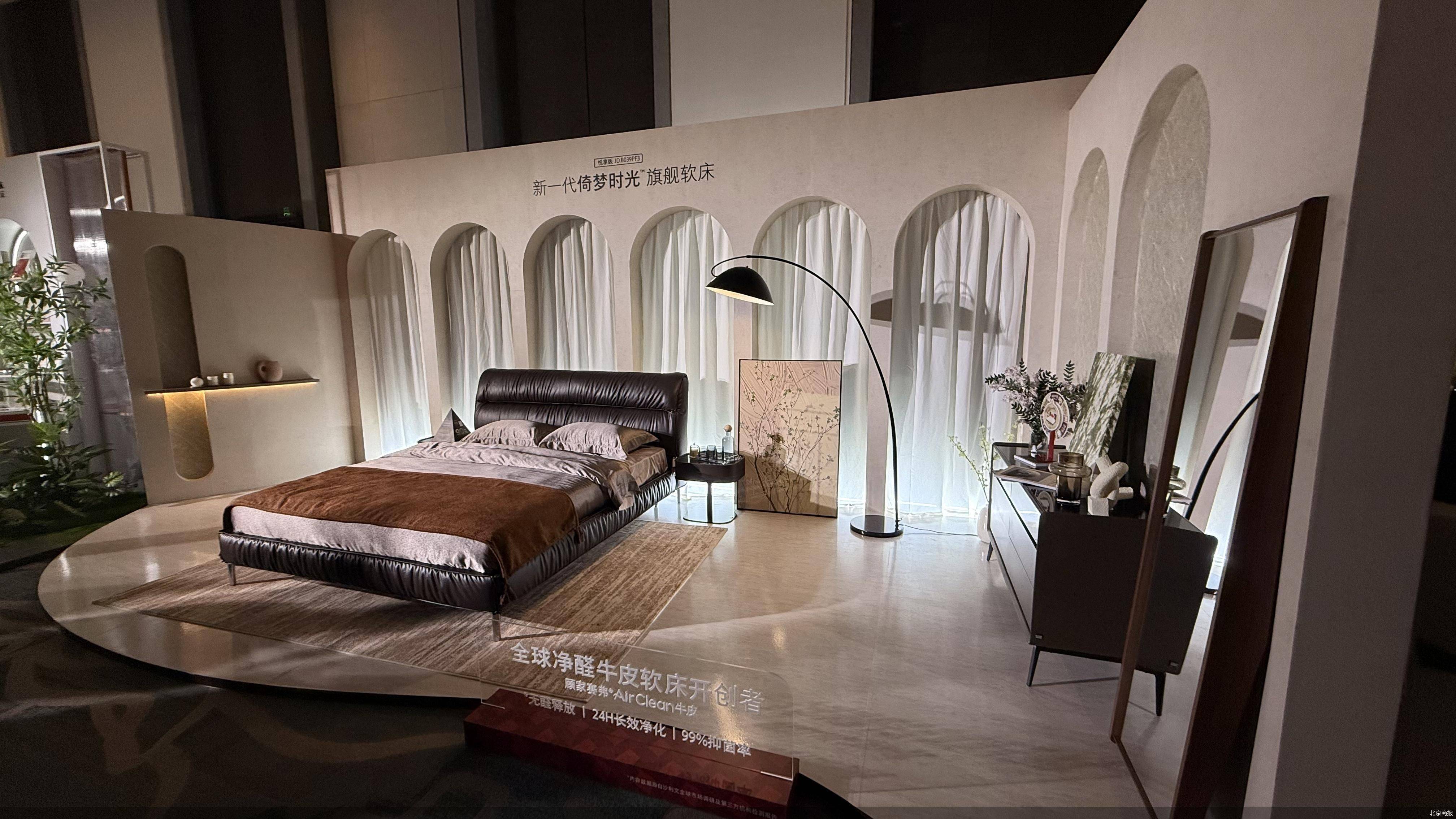
截至2025年底,我国养老机构共4.17万家,从业人员72.2万人
Sou Hu Cai Jing· 2026-01-13 03:53
Core Viewpoint - The Ministry of Civil Affairs emphasizes the importance of developing the elderly care service environment and has introduced various supportive policies to promote the growth of private sector participation in elderly care services [1]. Group 1: Current State of Elderly Care Services - As of the end of 2025, there will be 41,700 elderly care institutions in China, employing 722,000 people, representing a year-on-year growth of 12.2% [1]. - Private elderly care institutions account for 52.2% of the total, with a cumulative total of 30,000 private and publicly built private institutions, making up 71.9% [1]. - Most home-based elderly care services are provided by private institutions, indicating that social forces are becoming the mainstay of diversified elderly care service supply [1]. Group 2: Measures to Promote Fair Competition - The government aims to create a fair competitive environment by ensuring equal rights, opportunities, and rules for all types of operators in the elderly care sector [2]. - Local governments are encouraged to reform elderly care institutions and optimize support policies, allowing more space for social forces to participate in elderly care services [2]. - Restrictions that harm fair competition in government procurement for elderly care projects are prohibited, ensuring that all operators can compete fairly [2]. Group 3: Enhancing Government Services - The government will improve service precision and convenience, providing comprehensive guidance for operators throughout the entire service chain [2]. - Local civil affairs departments are required to regularly publish information on elderly population status, service facility distribution, and current support policies to help operators assess market demand [2]. - A mechanism for industry incubation is being established to support qualified operators in developing specialized and competitive services [2]. Group 4: Optimizing Licensing and Administrative Processes - Efforts are being made to eliminate departmental and regional barriers to improve service efficiency in the elderly care sector [3]. - A shared information mechanism for elderly care institutions will be established to reduce the burden of repeated submissions and improve administrative efficiency [3]. - The government is exploring cross-regional online processing of licenses for elderly care operators to enhance service efficiency [3]. Group 5: Support for Stable Operations - Support will be provided in terms of land, duration, and funding to stabilize operations in the elderly care sector [3]. - Land supply for elderly care facilities will be prioritized based on the aging population, addressing location challenges for operators [3]. - Financial support policies will be optimized to alleviate funding pressures on operators, ensuring that subsidies are effectively implemented [3]. Group 6: Policy Support for Equipment and Services - The recent policy from the National Development and Reform Commission and the Ministry of Finance includes support for equipment updates in elderly care institutions and subsidies for smart home products [4]. - This policy aims to further promote the development of elderly care service operators and enhance the quality of services provided [4].
把“国补”资金用在刀刃上 让消费者更“有感”
Jing Ji Ri Bao· 2026-01-05 03:35
Core Insights - The implementation of policies to boost consumption is receiving significant attention, with a focus on ensuring that consumers feel the impact and that domestic demand is effectively stimulated [1][2] Group 1: Policy Implementation - The government plans to continue its proactive fiscal policy in 2026, emphasizing the importance of domestic demand and the construction of a strong domestic market as a key focus area [2] - The "old-for-new" consumption policy has shown significant results, with sales exceeding 2.6 trillion yuan and benefiting over 360 million people in 2025 [1][2] - The retail sales of consumer goods increased by 4% year-on-year in the first eleven months of 2025, with the "old-for-new" policy contributing over 1 percentage point to this growth [1] Group 2: Financial Coordination - The government is optimizing the "old-for-new" policy by refining the support scope, subsidy standards, and implementation mechanisms to enhance efficiency and effectiveness [2][3] - A total of 625 billion yuan in special long-term bonds has been allocated to support the "old-for-new" policy, aimed at meeting consumer demand during peak seasons like New Year and Spring Festival [4] - The coordination between fiscal and monetary policies is crucial, with measures such as personal consumption loans and service industry loan interest subsidies being implemented to stimulate consumption from both demand and supply sides [4][5]
把“国补”资金用在刀刃上,让消费者更“有感”
Sou Hu Cai Jing· 2026-01-05 00:17
Core Viewpoint - The implementation of a more proactive fiscal policy in 2026 aims to boost consumer spending and enhance domestic demand, with a focus on optimizing the use of funds and improving policy effectiveness [1][2][5]. Group 1: Policy Implementation - The government plans to continue supporting consumer spending through the "old-for-new" policy, which has shown significant results, with sales exceeding 2.6 trillion yuan and benefiting over 360 million people in 2025 [1][2]. - The 2026 fiscal policy will prioritize the optimization of the "old-for-new" program, focusing on key consumer goods such as refrigerators, washing machines, televisions, air conditioners, computers, and water heaters [2][3]. - The central government has allocated 62.5 billion yuan in special bonds to support the "old-for-new" policy, ensuring funds are available for peak consumption periods like New Year and Spring Festival [4]. Group 2: Financial Coordination - The emphasis on fiscal and financial policy coordination is crucial for enhancing the effectiveness of consumer support measures, with a focus on lowering credit costs and increasing policy coverage [4][5]. - The government aims to improve the efficiency of fund allocation and usage, ensuring that financial resources are directed towards high-impact consumer goods to maximize the benefits of fiscal spending [2][4]. - The collaboration between fiscal and monetary policies is expected to create a synergistic effect, enhancing overall market vitality and improving the quality of life for consumers [5].
中经评论:把“国补”资金用在刀刃上
Jing Ji Ri Bao· 2026-01-04 23:59
Core Viewpoint - The government is optimizing the policy design and implementation of the "Two New" policy for 2026, focusing on boosting consumer spending and enhancing domestic demand through effective fiscal measures [1]. Group 1: Policy Implementation and Impact - In 2025, the "old-for-new" consumption policy led to sales exceeding 2.6 trillion yuan, benefiting over 360 million people, demonstrating significant market recovery and consumer satisfaction [1]. - The retail sales of consumer goods increased by 4% year-on-year in the first eleven months of 2025, with the "old-for-new" policy contributing over 1 percentage point to this growth [1]. - The central economic work conference emphasized the continuation of proactive fiscal policies in 2026, with a focus on domestic demand and market strength [1]. Group 2: Policy Optimization - The "old-for-new" policy has been refined in 2026, focusing on key consumer goods such as refrigerators, washing machines, televisions, air conditioners, computers, and water heaters, while expanding subsidies for digital and smart products [2]. - The optimization aims to enhance the effectiveness of fiscal spending by targeting high-impact consumer goods and improving the overall implementation mechanism [2]. - Measures are in place to combat fraudulent claims and ensure that subsidies are effectively distributed [2]. Group 3: Financial Coordination and Support - The government plans to ensure balanced and orderly use of funds, with 62.5 billion yuan allocated for the first batch of 2026 to support the "old-for-new" policy during peak consumption periods [3]. - A coordinated approach between fiscal and monetary policies is emphasized to enhance the effectiveness of consumption-boosting measures [3]. - The collaboration between fiscal and financial policies aims to lower credit costs and increase the coverage of support measures, thereby stimulating consumer demand [3].