
臭鳜鱼

Search documents
小菜园(00999):交接覆盖:2025年营收利润双增长,2026年主动战略调整期
Haitong Securities International· 2026-04-01 00:06
Investment Rating - The investment rating for Xiaocaiyuan International has been downgraded to "Neutral" [2][3]. Core Insights - Xiaocaiyuan is expected to achieve revenue growth in 2025, with a forecast of RMB5,707 million, RMB6,970 million, and RMB7,852 million for 2026-2028, representing year-on-year growth rates of +6.8%, +22.1%, and +12.7% respectively. Net profit is projected at RMB634 million, RMB783 million, and RMB898 million, with corresponding growth rates of -11.3%, +23.4%, and +14.7% [3][13]. - The company is entering a strategic adjustment year in 2026, focusing on proactive price reductions for dine-in services to enhance its "value-for-money" positioning, which is expected to lead to a decrease in gross margin from 70.4% in 2025 to 65.0% [5][15]. - The 88VIP membership program has shown strong initial performance, adding over 410,000 members within two and a half months and achieving a repurchase rate exceeding 40%, which is expected to drive customer traffic during the adjustment year [6][16]. Financial Performance Summary - In 2025, Xiaocaiyuan reported a revenue of RMB5,345.1 million, a year-on-year increase of 2.6%. The net profit reached RMB715.1 million, reflecting a growth of 23.2% year-on-year, with a net profit margin of 13.4% [4][14]. - The company added a net of 146 stores in 2025, bringing the total to 819, with 807 under the Xiaocaiyuan brand. Stores in tier-3 and below cities accounted for 42.5% of the total [4][14]. Strategic Initiatives - The company is implementing a "premium delivery" strategy, capping delivery mix at 30% during peak hours, and has reduced prices on signature dishes to maintain customer engagement [5][15]. - Supply chain enhancements include the establishment of 16 forward warehouses for efficient ingredient delivery and the upcoming launch of a smart factory in Ma'anshan, expected to support cost control during the adjustment year [8][17]. - The new store model has demonstrated high efficiency, with a breakeven period of approximately one month and a payback period of about 12 months, indicating strong replicability [8][18].
小菜园(00999):——小菜园0999.HK 2025年年报点评:以价换量促增长,26年冲刺千店
EBSCN· 2026-03-27 12:47
Investment Rating - The report maintains a rating of "Accumulate" for the company [1] Core Insights - The company achieved a revenue of 5.35 billion yuan in 2025, representing a year-on-year increase of 2.6%, while the net profit attributable to shareholders was 720 million yuan, up 23.2% year-on-year [4][5] - The company is focusing on expanding its store network, with a total of 807 stores by the end of 2025, an increase of 140 stores year-on-year [5] - The company is implementing a strategy of "price for volume," adjusting prices of key dishes to stimulate customer traffic, resulting in a decrease in same-store sales by 9.4% [5][6] - The company is enhancing its supply chain efficiency and operational capabilities, with plans to reach approximately 1,000 stores by the end of 2026 [7] Financial Performance - The company's cost structure has improved, with the cost of raw materials and consumables accounting for 29.6% of revenue, down 2.3 percentage points year-on-year [6] - The net profit margin for 2025 was 13.4%, an increase of 2.2 percentage points year-on-year, supported by effective cost optimization [6] - The company plans to maintain a high dividend payout ratio, with a proposed final dividend of 0.2125 yuan per share, resulting in an annual payout ratio of 69.8% [6] Future Projections - The net profit forecasts for 2026 and 2027 have been revised down to 622 million yuan and 731 million yuan, respectively, due to significant price reductions [8] - The projected earnings per share (EPS) for 2026, 2027, and 2028 are 0.53 yuan, 0.62 yuan, and 0.70 yuan, respectively [8] - The company is positioned as a leading brand in the affordable dining sector, aligning with current consumer trends for quality and price [8]
小菜园20260325
2026-03-26 13:20
Company and Industry Summary Company Overview - The company is planning to expand to 1,000 stores by 2026, utilizing a dual strategy of deepening existing advantageous regions and expanding into emerging markets such as Shandong and Henan [2][3] Key Points Expansion Strategy - The company aims to deepen its presence in existing regions while expanding into new markets, specifically targeting county-level cities [2][3] - The performance in newly entered markets like Shandong and Henan has been strong, with average daily profits per store increasing by approximately 10% in 2025 [4] Financial Performance and Projections - For 2026, the company expects revenue to grow in low single digits year-over-year, with net profit margins maintained between 10% and 12% [3][8] - The average breakeven period for new stores is about one month, with an investment payback period of approximately 12 months, significantly better than the industry average [2][4] Supply Chain and Digitalization - The Ma'anshan central factory is expected to start production in the first half of 2026, enabling full-chain digital management [2][4] - The company plans to establish 50-60 front warehouses to ensure delivery within three hours to support daily store operations [2][5] Business Structure Optimization - The company is implementing a "quality takeout" strategy, aiming to keep the takeout proportion during peak hours below 30% [2][5] - The "88 VIP" membership program has over 410,000 paid members with a 40% repurchase rate, with a target to reach 1 million members and a 60% repurchase rate within a year [2][5] Pricing Strategy - The average customer price is currently 56.1 yuan, down 5.2% year-over-year, as part of a strategy to enhance value for customers [6][8] - The company plans to adjust prices of certain signature dishes to improve cost-effectiveness and customer loyalty [3][8] Technological Integration - Over 30% of stores are using cooking robots, with plans to expand this to all stores, achieving over 60% SKU standardization [6] - The KDS system is being rolled out to enhance operational efficiency, with a goal for full coverage by May 2026 [6] Dividend Policy - The company commits to a dividend payout ratio of no less than 50% for 2026, with two dividend distributions planned [7][8] Market Outlook - The company believes the restaurant industry is a growth sector, with current challenges stemming from changing consumer demands rather than industry issues [9] - The company is adapting to market changes by focusing on high-quality, cost-effective offerings and plans to enhance its supply chain through strategic partnerships [12] External Factors - The company is confident in managing raw material costs, having secured fixed supply agreements for key ingredients, thus mitigating potential market price fluctuations [12] Conclusion - The company is strategically positioned for growth through expansion, technological integration, and a focus on customer satisfaction, while maintaining a strong financial outlook and commitment to shareholder returns.
“欢乐春节·美好安徽”走进马来西亚文旅推介会在吉隆坡成功举办
Xin Lang Cai Jing· 2026-02-09 06:54
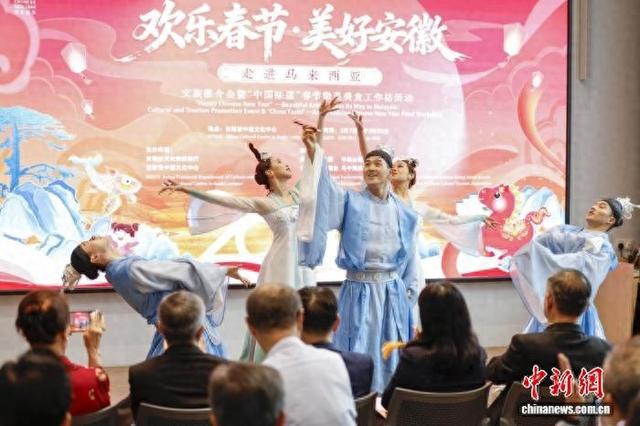
Core Viewpoint - The event "Happy Spring Festival: Beautiful Anhui Goes to Malaysia" successfully promoted cultural and tourism exchanges between Anhui Province and Malaysia, highlighting the importance of collaboration in tourism development [1]. Group 1: Event Overview - The event was co-hosted by the Anhui Provincial Department of Culture and Tourism and the Chinese Cultural Center in Kuala Lumpur, taking place on February 7 [1]. - Malaysian Deputy Minister of Tourism, Arts and Culture, Zhao Junwen, emphasized the deepening cooperation between Malaysia and Anhui in cultural and tourism sectors, expressing hopes for enhanced collaboration [1]. Group 2: Cultural Promotion - Anhui's Vice Director of Culture and Tourism, Chu Xiaoyan, provided a comprehensive introduction to Anhui's historical and cultural heritage, showcasing its natural beauty and inviting Malaysian tourists to experience Anhui's unique charm [1]. - The event featured performances by Anhui actors, including Huangmei Opera and Huiju, which received widespread acclaim from attendees [2][1]. Group 3: Culinary and Artistic Activities - The "Chinese Flavor" Spring Festival Anhui Cuisine Workshop showcased traditional dishes like stinky mandarin fish and Fuliji roast chicken, with chefs demonstrating their culinary skills [3]. - An exhibition titled "Ink Rains Jianghuai: Cultural Heritage of New An" displayed classic and contemporary Anhui paintings, running until March 6 [5].

小菜园20260120
2026-01-21 02:57
Summary of the Conference Call for Xiaocaiyuan Company Overview - **Company**: Xiaocaiyuan - **Industry**: Restaurant and Food Service Key Points Business Adjustments and Performance - Xiaocaiyuan adjusted its takeaway policy, leading to a decrease in takeaway orders from 39% to 30%-35%, while increasing average revenue per takeaway order to over 70 yuan from around 60 yuan [2][4] - In-store dining was stimulated through cash vouchers and price reductions, resulting in a customer traffic growth rate exceeding store growth rate during the New Year period [2][5] - The company plans to expand into more lower-tier markets, with a long-term goal of reaching 3,000 stores [2][6] Financial Performance - As of December 31, 2025, Xiaocaiyuan exceeded its target by opening over 810 stores, with a gross margin of 70.5% and a net profit margin of 14.1% in the first half of 2025, indicating strong financial health [3] - The impact of price reductions on gross margin and net profit is limited, with an estimated difference of 1-2 yuan per order [2][7] Market Performance - The northern regions, such as Shandong and Beijing, outperformed southern regions like Guangdong, attributed to local market demand and company strategies [6] - Initial data from December price adjustments on key dishes showed positive effects on customer traffic, with plans for further price strategy adjustments based on market conditions [6][7] Expansion Plans - Xiaocaiyuan aims to reach 1,000 stores by the end of 2026, with plans to open 200 new stores in that year, having already opened 15 in January [2][9][10] - The company employs a dual strategy of expanding into new regions while densifying existing ones, with a focus on areas like Jiangsu [10] Supply Chain and Operational Efficiency - The Ma'anshan central kitchen is expected to begin trial operations before the 2026 Spring Festival, with full operations starting in mid-2026, allowing for capacity adjustments based on store needs [11] - The company has a fully sourced supply chain and collaborates with partners like Yihai Kerry and Jinlongyu, while also maintaining its own cold chain delivery team [4][14] Technology and Automation - Over 250 stores are equipped with cooking robots, which account for about 30% of the dishes offered, with plans to increase this to 60% after the Ma'anshan factory is operational [15] Marketing and Customer Engagement - The company will continue to invest in high-speed rail advertising and increase online promotions through platforms like Douyin and Xiaohongshu, aiming to enhance in-store dining [17] - A membership program priced at 88 yuan will be introduced to attract more customers [17] Employee Management and Development - Xiaocaiyuan has implemented a tiered management system to enhance employee career development, with significant income potential for high-performing managers [26] - The company plans to introduce flexible staffing models to improve labor efficiency [19][24] Future Outlook - The company is focused on maintaining a competitive edge in the mid-range dining market, with a target average customer price of around 55 yuan after recent adjustments [23] - Xiaocaiyuan's strategy includes a strong emphasis on family dining experiences, which are expected to drive higher frequency of visits compared to fast food [23] Conclusion - Xiaocaiyuan is positioned for growth with a robust expansion strategy, strong financial performance, and a focus on operational efficiency and customer engagement, while navigating market challenges and opportunities in the restaurant industry.
这几种长毛又发霉的食物,竟然更好吃了!打赌你没吃过
Xin Lang Cai Jing· 2026-01-03 07:56
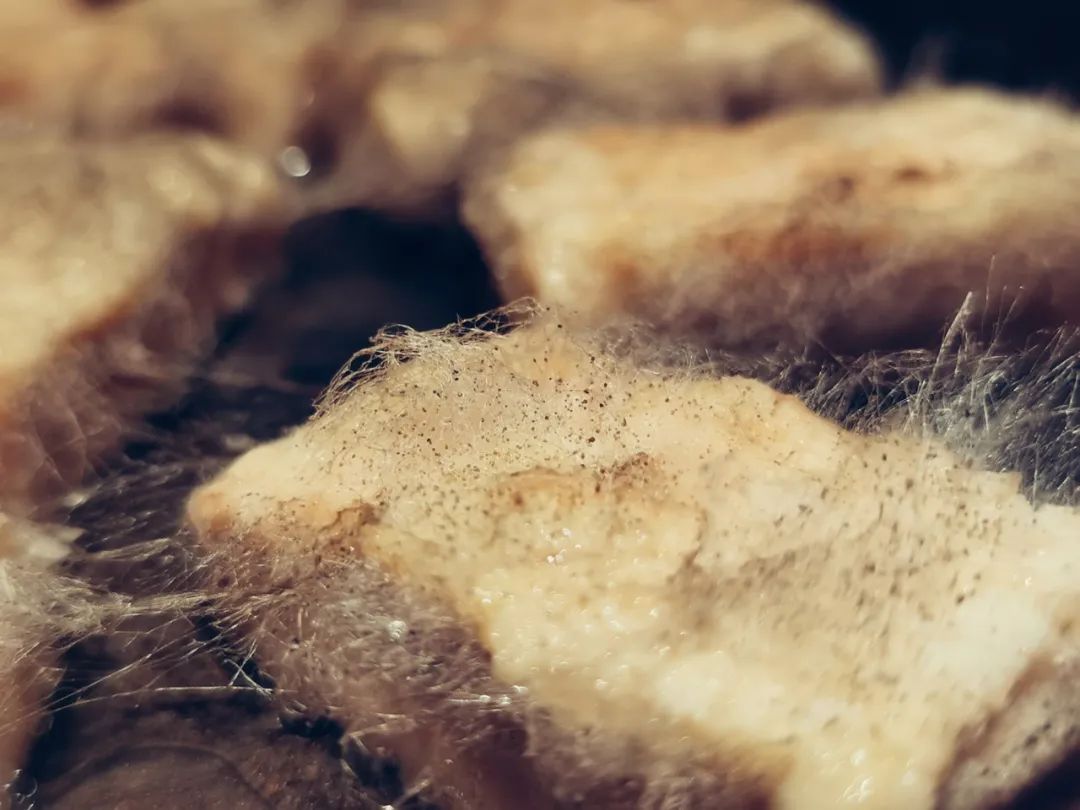
Core Viewpoint - The article discusses the concept of "moldy" foods, which are actually fermented foods that utilize various microorganisms to enhance flavor and nutrition, highlighting their cultural significance and nutritional benefits. Group 1: Fermented Foods Overview - Fermented foods like stinky tofu, moldy vegetables, and sour bamboo shoots are common in various regions, showcasing unique flavors and aromas that some people love while others avoid [1][2]. - The fermentation process involves complex biochemical reactions that produce various flavor compounds, contributing to the distinct tastes of these foods [1]. Group 2: Specific Fermented Foods - **Moldy Tofu**: Made from low-fat soybeans, it is fermented using specific molds to create a soft texture and rich flavor. Nutritionally, it is high in protein, calcium, and B vitamins, particularly B12, which is beneficial for vegetarians [5][6]. - **Stinky Tofu**: Varies by region; southern versions are often deep-fried and served with spicy condiments, while northern versions (fermented tofu) are used as a seasoning. Both types have similar nutritional profiles to moldy tofu [6][8]. - **Bean Juice**: A Beijing specialty made from fermented mung bean milk, it is easier to digest and beneficial for gut health due to its probiotic content [10]. - **Sour Bamboo Shoots**: Fermented using lactic acid bacteria, they are low in calories and high in dietary fiber, making them a healthy addition to meals [11]. - **Moldy Amaranth Stems**: Rich in dietary fiber and minerals, they are often paired with other strong-flavored foods due to their potent aroma [14]. - **Stinky Fish**: Rich in protein and healthy fats, it undergoes fermentation that enhances digestibility but is also high in salt [17]. - **Blue Cheese**: Made from cow's milk and fermented with specific molds, it is high in protein and calcium but should be consumed in moderation due to its high salt and fat content [21]. Group 3: Nutritional Benefits - Fermented foods generally enhance the digestibility of proteins and maintain essential nutrients like calcium and isoflavones, making them valuable dietary options [5][17]. - The fermentation process can significantly increase the levels of B vitamins, particularly B12, which is crucial for red blood cell and nervous system health [5][6].
小菜园20251217
2025-12-17 15:50
Summary of the Conference Call for Xiaocaiyuan Company Overview - Xiaocaiyuan has adjusted its dine-in menu prices starting December 1, 2025, with price increases of 10%-15% on signature dishes such as stinky mandarin fish, braised pork, and garlic shrimp to enhance value and optimize the ratio of takeout to dine-in, improving customer experience [2][3] Key Points Sales Performance - From October to December, same-store sales experienced fluctuations due to seasonal factors and adjustments in takeout discount policies. Despite a decrease in takeout order volume, the average spending per order increased, indicating successful optimization of customer structure [2][5] - By the end of November 2025, same-store sales had largely recovered to the first half of the year's levels, which had seen a decline of 7.1% [6] Pricing Strategy - The price adjustment aims to adapt to the declining trend in the restaurant industry's average spending per customer, which dropped from 88 RMB to 51 RMB. The adjustments are intended to maintain market competitiveness [2][6] - The average price increase for dishes is approximately 15%, with specific examples such as the stinky mandarin fish being adjusted to 108 RMB, 98 RMB, and 92 RMB from previous prices of 128 RMB, 118 RMB, and 108 RMB [10] Store Expansion Plans - As of December 2025, Xiaocaiyuan operates 800 stores, with plans to open 200 new stores in 2026. The expansion strategy includes 20% in existing markets and 80% in emerging markets and high-tier cities, aiming for a total of 3,000 stores by 2030 [4][11] Cost Structure and Profitability - In the first half of 2025, labor costs accounted for 24%-24.5%, food and packaging costs for 29.5%, and rent for 9%. The company is optimizing costs through centralized purchasing and refined scheduling [4][15] - The company has seen an increase in profit margins due to cost-saving measures in labor and food expenses, leveraging its growing store count for better purchasing power [15] Market Dynamics - The company has noted a seasonal decline in customer traffic, particularly after the National Day holiday, which is considered a normal fluctuation [4] - The average order value for both dine-in and takeout has increased, with dine-in traffic showing double-digit growth year-on-year [7] Customer Experience Enhancements - To improve customer experience, Xiaocaiyuan has introduced additional services such as complimentary pre-meal fruits and in-store discount coupons. However, adjustments have been made to simplify pricing strategies to enhance perceived value [8][9] Future Outlook - Xiaocaiyuan anticipates a median revenue growth for 2025, with a profit target of 750 million RMB, consistent with the first half of the year due to new store openings [22] - The company plans to invest 450 million RMB in supply chain improvements and aims for a dividend payout ratio of 50%-60% of current profits [23] Delivery Business Insights - In Q3 2025, the delivery business accounted for approximately 40% of total revenue. The company did not engage in the competitive subsidy wars between Alibaba and Meituan, which mitigated potential negative impacts on its business [20] - The profit margin for dine-in is currently higher than for delivery due to platform fees and delivery costs, with a long-term goal to maintain delivery at around 30% of total sales to preserve brand integrity [21] Additional Considerations - The company’s unique employee incentive system, where many employees hold shares, enhances commitment and operational efficiency [18][19] - The profitability in lower-tier markets is generally higher due to lower rent and labor costs compared to high-tier cities, although absolute profits may be higher in urban areas [12]
东西问丨何宏:从臭鳜鱼到鲱鱼罐头,世界美食为何 “臭”味相投?
Zhong Guo Xin Wen Wang· 2025-11-05 13:29
Core Insights - The article discusses the phenomenon of "stinky" foods across different cultures, exploring why these foods have gained acceptance and popularity despite their strong odors [1][3]. Group 1: Commonalities and Differences in Stinky Foods - Many foods known for their strong odors, such as stinky fish and fermented products, have a commonality in that they were historically developed due to food scarcity and preservation needs [3][5]. - The acceptance of these foods varies by culture, influenced by geographical and social factors, showcasing the diversity of culinary practices [3][6]. Group 2: Cultural Acceptance and Globalization - The spread of "stinky" foods has been facilitated by globalization, which has led to a greater openness to diverse culinary experiences among people from different backgrounds [5][6]. - The unique flavors of stinky foods, such as stinky fish and fermented tofu, are increasingly recognized and appreciated by international diners, reflecting a broader cultural exchange [6][7]. Group 3: Role of Stinky Foods in Cultural Understanding - Stinky foods serve as cultural symbols that can enhance understanding and appreciation between different cultures, as they are tied to local climates, historical changes, and community characteristics [7]. - As Chinese cuisine gains more recognition globally, foods like stinky fish are transitioning from being mere curiosities to becoming integral parts of the culinary landscape appreciated by a wider audience [7].

屯溪区“电商+快递”双线发力备战“双十一”
Zhong Guo Xin Wen Wang· 2025-11-04 08:36
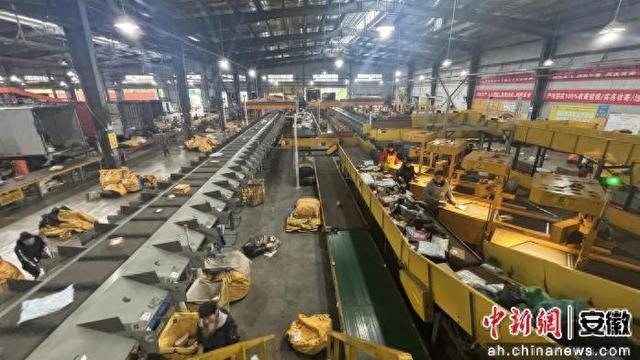
Group 1 - The "Double Eleven" shopping festival in 2025 is being prepared with extended promotional periods by various platforms, focusing on "sufficient inventory, efficiency improvement, and safety assurance" to enhance consumer shopping experience [1][4] - Huangshan Huizhi Dao E-commerce Co., Ltd. has achieved a sales figure of 3.5 million yuan, with significant marketing efforts on Douyin, reaching 400,000 followers and over 80 million views for promotional videos [1] - The company has formed strategic investment partnerships with Huangshan Industrial Investment Group and Huangshan Supply and Marketing Group to enhance brand quality, expand channels, and improve services during the "Double Eleven" period [1] Group 2 - Yunda Express in Jiulong Park has reported a 15% to 20% increase in express delivery volume since starting "Double Eleven" operations on October 20, with ongoing growth as the second wave of promotions began on November 1 [2] - To manage peak business demands, companies are implementing scientific scheduling, hiring temporary workers, signing transportation guarantee agreements, and utilizing unmanned delivery vehicles to ensure smooth operations [4] - The "Double Eleven" shopping event is seen as a test of service efficiency in the business sector and a catalyst for regional consumption potential, with the Tuxi District Commerce Bureau committed to comprehensive support for merchants and consumers [4]
年轻一代:青睐老品牌 爱上“新国潮”
Xin Hua Wang· 2025-08-12 05:55
Core Insights - Traditional Chinese brands are successfully attracting younger consumers by modernizing their products and marketing strategies, leading to a resurgence in "Guochao" (national trend) consumption [1][2][6] Group 1: Consumer Trends - The 90s generation is the largest group purchasing traditional brands, while the 00s generation shows the fastest growth in orders, with a year-on-year increase of 95% [1] - High cost-performance ratio is a significant factor for young consumers, with many finding traditional products surprisingly effective and affordable [3] - Emotional connection to traditional culture drives younger consumers to purchase, as they seek to express their aspirations for a better life [3][5] Group 2: Brand Innovation - Many traditional brands are innovating by incorporating modern elements into their products, appealing to the younger demographic [6][8] - Collaborations between established brands, such as the partnership between Guangming Dairy and Guanshengyuan to create the White Rabbit ice cream, have successfully attracted young consumers [8] - Brands are focusing on unique consumer experiences, such as themed stores and interactive activities, to engage younger audiences [7][10] Group 3: Marketing Strategies - Traditional brands are leveraging digital platforms and live streaming to reach younger consumers, with significant growth in online sales and engagement [10][11] - The use of short videos and engaging storytelling has become a popular method for brands to connect with the youth market [12][13] - There is a growing emphasis on cultural heritage and storytelling in marketing, which resonates well with younger consumers seeking authenticity [5][9]