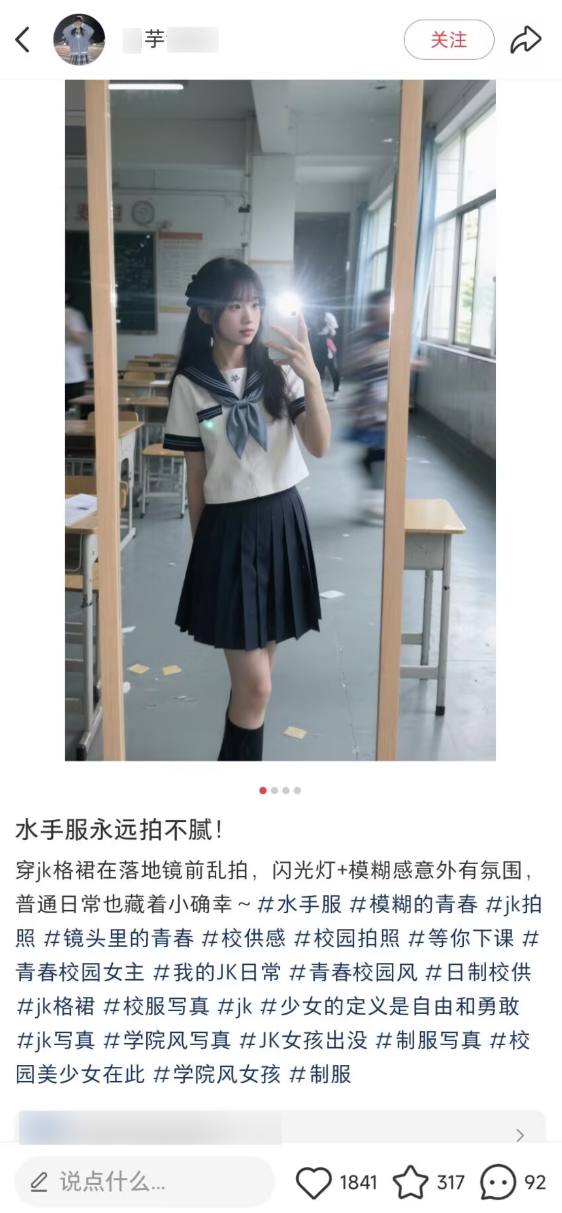
AI生成图片

Search documents
AI“认不出”AI造假的图片?这给我们敲响了警钟
3 6 Ke· 2026-01-16 12:47
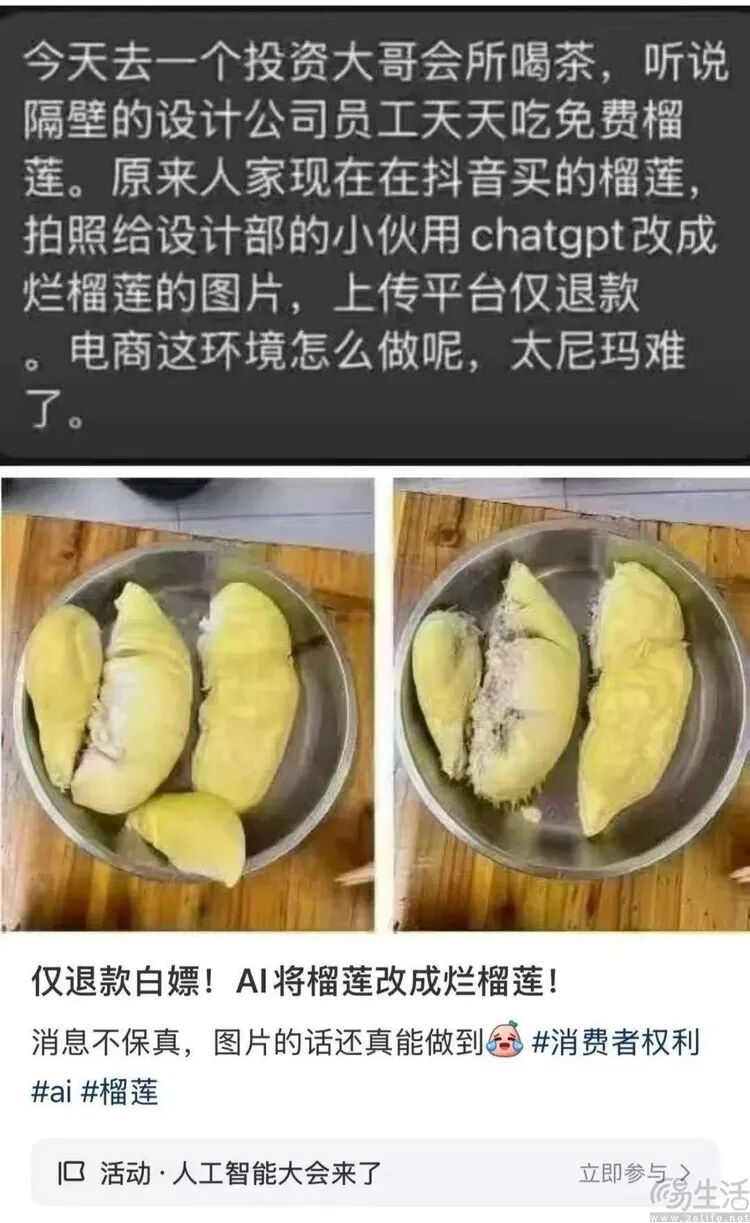
Group 1 - The core issue is the increasing misuse of AI-generated images for fraudulent activities, such as altering product photos to claim refunds [1][4] - Another common tactic involves creating fake events or products using AI-generated images for viral marketing and traffic generation [4][6] - Consumers often struggle to distinguish between real and AI-generated images, making them vulnerable to deception [6] Group 2 - Recent experiments show that AI-generated images can often evade detection by AI recognition tools if certain key steps are followed by the fraudsters [7][9] - The experiment utilized Google's image generation AI "Nano Banana Pro" to create a surreal image, testing the ability of various AI detection tools to recognize it [9][10] - Even with visible watermarks, some AI detection platforms failed to identify the images as AI-generated, indicating that not all tools are effective in recognizing such markers [14][15] Group 3 - Modifying images to remove visible watermarks had limited success in deceiving detection tools, as many still identified the images correctly [17][18] - The key to bypassing AI detection appears to be the introduction of artificial flaws in the images, making them resemble real photographs [18][20] - The experiment demonstrated that adding noise and altering contrast in AI-generated images could successfully fool all tested AI detection platforms [20] Group 4 - The failure of AI detection tools highlights a significant gap in AI's understanding of reality, as they struggle to interpret the absurdity of certain images [24] - The experiment aimed to prove the ineffectiveness of current AI detection methods rather than instructing on how to create more convincing fake images [21][24] - This situation underscores the limitations of AI in comprehending the context and realism of the images it generates [24]

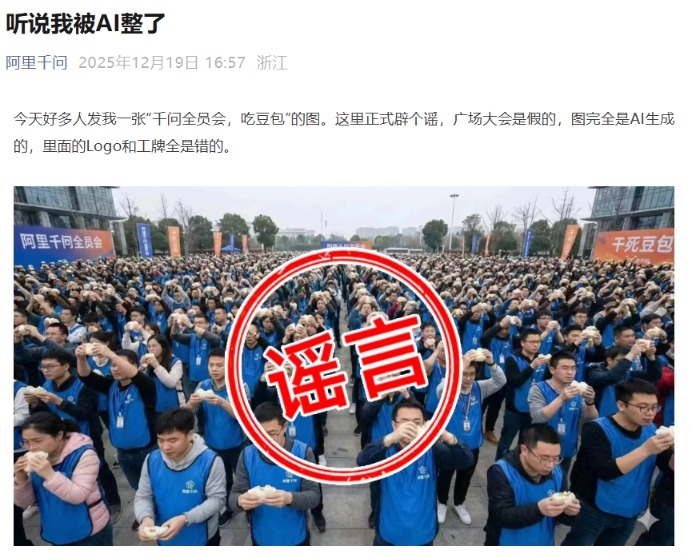
阿里千问辟谣:全员大会吃豆包图为AI生成
Di Yi Cai Jing· 2025-12-19 09:48
Group 1 - The core point of the article is that a viral image claiming to depict an "Alibaba Qianwen all-hands meeting" is fake, generated by AI, and contains incorrect logos and badges [1] Group 2 - Alibaba Qianwen's official Weibo account responded to the rumors, clarifying that the image circulating on social media is not real [1] - The company emphasized that the so-called "square meeting" is entirely fabricated and does not represent any actual event [1]

千问App辟谣:全员大会吃豆包图是AI生成的
Xin Lang Cai Jing· 2025-12-19 09:06
Group 1 - A photo allegedly related to "Qianwen All-Staff Square Conference" circulated on social media, sparking discussions among netizens [1][4] - Qianwen App officially refuted the claims, stating that the conference is fake and the image is entirely AI-generated, with incorrect logos and badges [1][4]
ChatGPT引入PS 一句话即可修图
Bei Jing Shang Bao· 2025-12-15 15:51
Group 1 - Adobe has launched integrations of Photoshop, Express, and Acrobat for ChatGPT users, allowing them to access these tools directly within the chatbot [1][2] - The integration provides Adobe with exposure to over 800 million active users of ChatGPT, enhancing its product visibility [1] - Adobe aims to offer user-friendly features for beginners, with the option to switch to standalone applications for more advanced functionalities [1] Group 2 - Users can utilize Adobe applications in ChatGPT by clicking the "more" menu and inputting commands for image editing or design [2] - Adobe emphasizes that its core generation capabilities are based on its proprietary Firefly models, ensuring commercial usage rights and copyright protection for generated content [2] - OpenAI's integration of third-party applications into ChatGPT is part of a broader strategy to position the platform as a digital service hub [2] Group 3 - The release of OpenAI's GPT-4o has improved image generation capabilities, allowing users to transform photos into artistic styles with natural language commands [3] - The advancements in GPT-4o are expected to lower costs for high-quality image generation in advertising and other applications [3] - The demand for AI-generated images highlights the importance of sufficient computational power to support these applications [3] Group 4 - In the image editing sector, technological differences among products are minimal, with AI driving functional upgrades and user engagement being crucial for adoption [4] - The success of new features relies not only on functionality but also on effective marketing strategies to spark user curiosity and retention [4] Group 5 - The rise of AI is expected to enhance productivity in media applications, benefiting companies that produce quality content and those in digital marketing, e-commerce, and copyright protection [5]

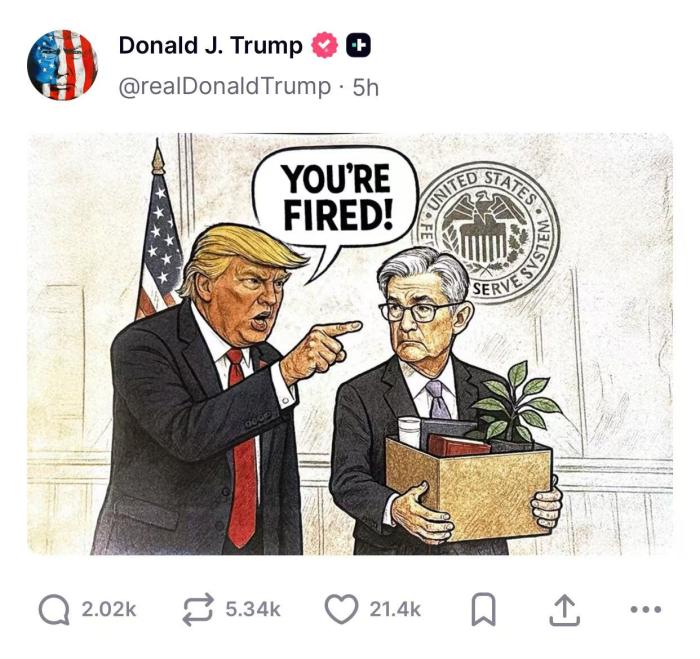
特朗普在社媒发卡通图片 威胁“解雇”鲍威尔
Zhong Guo Xin Wen Wang· 2025-09-28 00:46
Core Points - President Trump posted a cartoon image on social media depicting him firing Federal Reserve Chairman Jerome Powell [1][3] - The image is believed to be AI-generated, showing Trump pointing at Powell while exclaiming "You're fired!" as Powell holds a box of personal belongings [3] - Trump has previously criticized Powell for his cautious approach to interest rate cuts, referring to him as "slowpoke Powell" [3] - Despite the Federal Reserve having implemented its first interest rate cut in September 2025, Trump issued this latest "firing threat" [3] - Powell's term as chairman is set to end in May 2026 [3] - The White House has not yet responded to requests for comments regarding this incident [3]
“花生上树”宣传图引吐槽,良品铺子致歉:系错误使用AI生成图片
Xin Lang Cai Jing· 2025-08-29 03:32
Group 1 - A recent advertisement by the company for its "Four Grains of Red Peanuts" product has drawn criticism for depicting peanuts growing on branches, which contradicts agricultural facts as peanuts grow underground [1][3] - The company acknowledged the error, attributing it to the use of AI-generated images and has issued an apology while updating the product page to correct the misinformation [7] - The company is implementing a comprehensive review of all promotional materials to ensure scientific accuracy and is enhancing its internal content review processes [7] Group 2 - The company is currently facing a control dispute involving its major shareholder, with the amount in litigation increasing from 996 million to 1.023 billion yuan [12] - The ongoing lawsuit is not expected to significantly impact the company's operations or current profits, but it introduces uncertainty regarding control transfer matters [12] - Financially, the company reported a revenue of 2.829 billion yuan for the first half of the year, a year-on-year decline of 27.21%, and a net loss of 93.55 million yuan, marking a shift from profit to loss [12]


外卖门店图用AI生成,市监总局出手了
21世纪经济报道· 2025-08-13 07:18
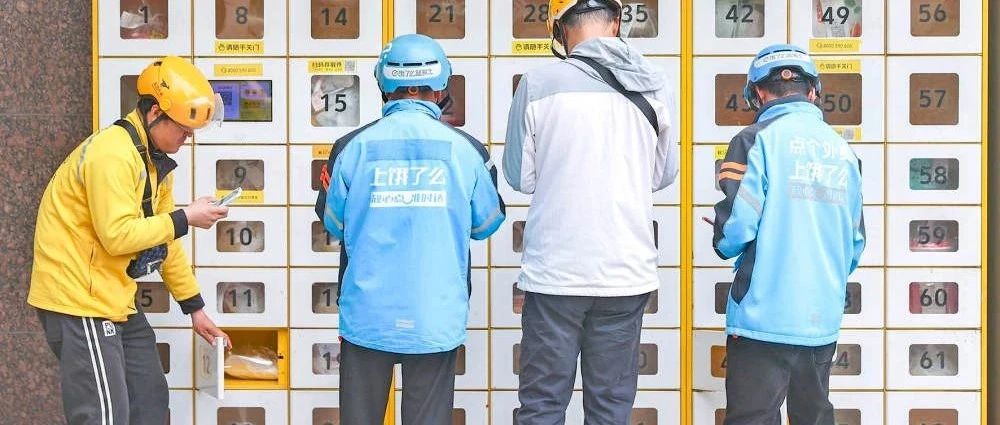
Core Viewpoint - The article discusses the newly released draft regulations by the State Administration for Market Regulation (SAMR) aimed at enhancing food safety responsibilities for online food trading platforms, amidst a competitive landscape marked by significant subsidy wars among major players like JD.com, Ele.me, and Meituan [1][3]. Group 1: Regulatory Framework - The draft regulations cover various online food trading platforms, including delivery services, live streaming, social media, short video platforms, community group buying, and self-built websites [1]. - The regulations consist of 23 articles focusing on five main areas: overall requirements, responsibility allocation, personnel requirements, violations, and penalties [3]. Group 2: Responsibilities and Compliance - Platforms are required to ensure that their branches, agents, and partners comply with food safety management responsibilities [3]. - If platforms engage in self-operated food sales, they must fulfill the responsibilities of food sales enterprises [4]. Group 3: Personnel and Monitoring - The regulations mandate platforms to establish a "daily control, weekly inspection, monthly scheduling" system and appoint food safety directors and personnel commensurate with transaction volumes [4]. - Food safety personnel are encouraged to utilize AI and big data for compliance monitoring and risk assessment of food producers and sellers on the platform [4]. Group 4: Addressing Food Safety Risks - The article highlights that previous regulations lacked clarity in management responsibilities, necessitating more detailed guidelines for platforms to implement food safety management effectively [5]. - Instances of food safety risks have been noted, with platforms being urged to adhere strictly to food safety laws and regulations following multiple discussions with regulatory authorities [6]. Group 5: AI and Marketing Practices - The article points out concerns regarding the use of AI-generated images by merchants, which can mislead consumers about the actual conditions of food establishments [6][9]. - Platforms like Meituan and JD.com have responded by tightening their review processes for merchant images to prevent misleading marketing practices [8][9].


谁对外卖食品安全负责?市监总局拟新规,三大平台商家规范升级中
2 1 Shi Ji Jing Ji Bao Dao· 2025-08-12 12:41
Core Viewpoint - The State Administration for Market Regulation (SAMR) has released a draft regulation aimed at enhancing food safety responsibilities for online food trading platforms, including delivery, live streaming, social media, short video platforms, community group buying, and self-built websites [1][2]. Group 1: Regulatory Framework - The draft regulation consists of 23 articles covering five main areas: overall requirements, responsibility allocation, personnel requirements, roles and responsibilities, and penalties for violations [2]. - Platforms are required to ensure that their branches, agents, and partners comply with unified food safety management responsibilities [3]. Group 2: Food Safety Management - Platforms engaging in self-operated food sales must assume the responsibilities of food sales enterprises [4]. - The regulation mandates platforms to establish a "daily control, weekly inspection, monthly scheduling" system and appoint food safety directors and personnel commensurate with transaction volume [4]. Group 3: Risk Management and Compliance - Upon identifying food safety risks, platforms must take actions such as blocking, removing, or deleting food information or links, and halting related sales activities [5]. - Previous regulations have highlighted the platforms' obligations to audit and manage merchants, but practical implementation has revealed ambiguities in responsibility allocation [5]. Group 4: AI and Marketing Practices - The regulation addresses the use of AI-generated images by merchants, which has raised concerns about misleading marketing practices [6]. - Platforms like Meituan and JD have implemented stricter review requirements for images used by merchants, particularly those generated by AI, to prevent misleading consumers [8].
外卖商家也“照骗”:平台上的头像由AI生成,实际可能只有厨房
Xin Lang Cai Jing· 2025-08-08 12:01
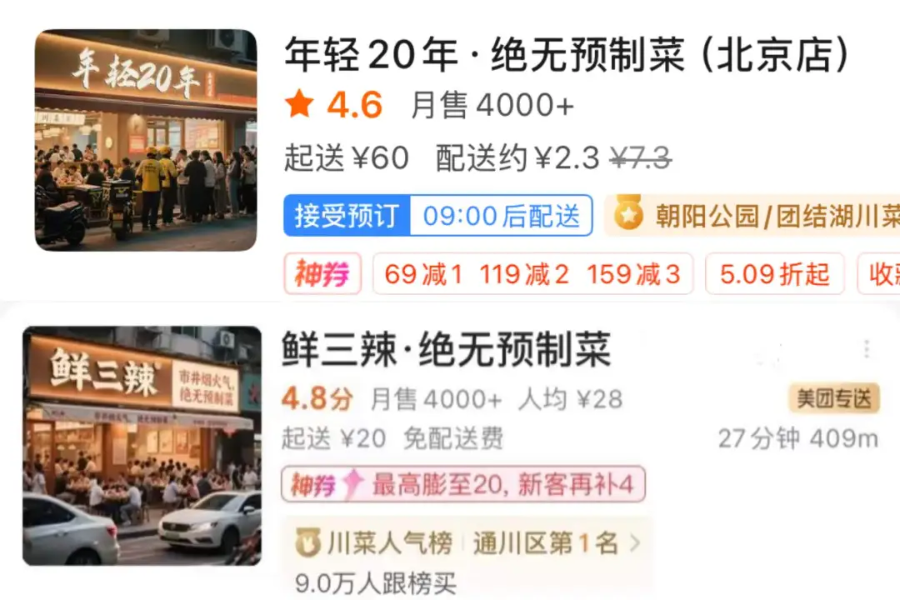
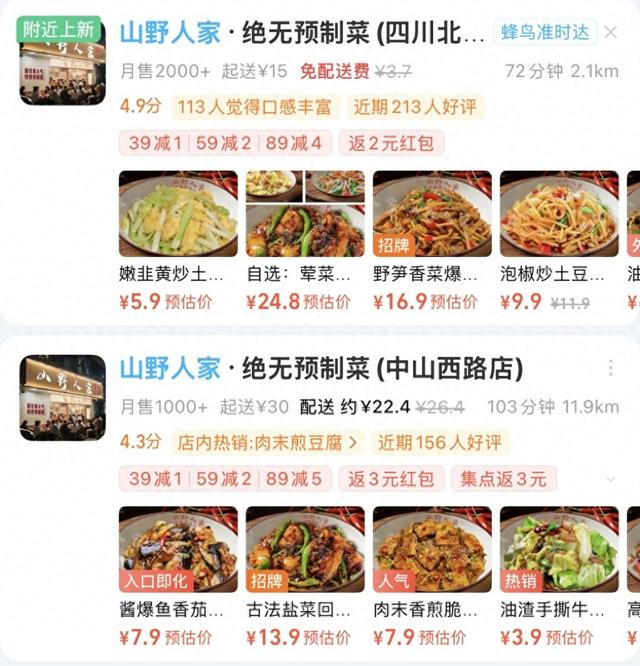
Core Viewpoint - The increasing use of AI-generated images for restaurant storefronts on food delivery platforms raises concerns about misleading advertising and consumer rights [1][20]. Group 1: AI-Generated Images in Food Delivery - Many restaurants are using AI-generated images that appear to show bustling dining environments, which may not reflect the actual conditions of the establishments [1][19]. - A random investigation of four restaurants in Shanghai revealed discrepancies between their online images and real-life appearances, with some establishments not even offering dine-in options [1][3][19]. Group 2: Platform Regulations and Responses - Meituan has established a special task force to address the use of misleading AI-generated images, emphasizing that such images can mislead consumers [2][20]. - Ele.me has also formed a task force to tackle the issue, focusing on improving rules and technology to identify and rectify misleading storefront images [2][20]. Group 3: Legal Perspectives on Misleading Advertising - Legal experts suggest that the key issue is whether consumers can reasonably identify AI-generated images as not representing the actual business premises [20][21]. - If storefront images are found to be misleading or fraudulent, the restaurants could face civil and administrative liabilities, and the platforms may also bear responsibility for not adequately vetting their merchants [22][24]. Group 4: Consumer Perception and Acceptance - Consumers generally accept some level of exaggeration in food advertising, but storefront images are expected to accurately represent the business, as they directly influence purchasing decisions [23][24]. - The introduction of regulations regarding AI-generated content will require businesses to disclose the use of such images, effective from September 1 [24].
今年我新关注的帅哥美女,竟然没一个是人?
Hu Xiu· 2025-05-27 09:12
Core Viewpoint - The article discusses the rise of AI-generated images and their impact on social media, highlighting how individuals can easily create content that appears authentic, often leading to deception and potential exploitation [17][68][72]. Group 1: AI-Generated Content - The ease of becoming an influencer has increased, with individuals needing only a good appearance and basic tools to create engaging content [1][2][4]. - AI-generated images are becoming increasingly realistic, making it difficult for casual viewers to distinguish between real and artificial content [37][44][68]. - The technology behind AI-generated images relies on vast datasets of human photos, leading to a homogenization of appearances, often resulting in similar-looking faces across different AI-generated profiles [45][44]. Group 2: Social Media Dynamics - Ordinary individuals, including fashion enthusiasts and cosplayers, are leveraging AI-generated content to gain attention and monetize their presence on social media [9][35]. - The phenomenon of AI-generated personas can lead to scams, where individuals pose as real influencers to deceive others for financial gain [68][72]. - The article emphasizes the ethical concerns surrounding the use of AI in content creation, particularly regarding the rights of original content creators whose images may be used without consent [69][72].