GLP - 1药物

Search documents
速递|美国首个!诺和诺德每周一次基础胰岛素获FDA批准上市
GLP1减重宝典· 2026-03-28 07:55
Core Viewpoint - Novo Nordisk's Awiqli® has received FDA approval as the first and only long-acting basal insulin for weekly administration in the U.S. for adults with type 2 diabetes, marking a significant milestone in diabetes management [4][6]. Group 1: Product Approval and Significance - Awiqli® (insulin degludec injection, 700 units/mL) is approved to improve blood sugar control in adults with type 2 diabetes as an adjunct to diet and exercise [4]. - The approval is significant as it represents Awiqli's entry into the U.S. market, following its prior approvals in China, Canada, and Switzerland [4]. - The approval is based on the ONWARDS 3 clinical trial results, which included approximately 2,680 adults with poorly controlled type 2 diabetes [6]. Group 2: Clinical Trial Results - The ONWARDS 3 trial demonstrated that Awiqli® achieved the primary endpoint of reducing glycated hemoglobin levels [6]. - The safety profile of Awiqli® is consistent with that of daily basal insulin products, providing a new treatment option for patients requiring long-term insulin therapy [6]. - Awiqli® reduces the frequency of insulin injections from seven times a week to once a week, offering a more convenient option for patients [6]. Group 3: Industry Context - The GLP-1 drug class, including Awiqli®, represents a new generation of diabetes medications that enhance insulin secretion and suppress appetite, contributing to blood sugar reduction and weight loss [12]. - The industry is witnessing a growing interest in GLP-1 medications, with a network of professionals and resources being developed to support advancements in this field [9][10].


蓝晓科技(300487):创新驱动,吸附分离材料龙头厚积薄发:蓝晓科技(300487.SZ)深度报告之二
Guohai Securities· 2026-03-27 10:35
Investment Rating - The report maintains a "Buy" rating for the company [1] Core Insights - The company is a leading player in the adsorption separation materials sector, demonstrating resilience as a platform enterprise. It has achieved over tenfold growth in revenue and net profit from 2013 to 2024, driven by innovation and expansion into emerging industries such as lithium extraction from salt lakes and CLP-1 drugs [8][12][13]. - The life sciences segment is poised for significant growth, particularly with the transition of small nucleic acid drugs from rare to common diseases. The global market for small nucleic acid drugs is expected to grow from $5.7 billion in 2024 to $54.9 billion by 2034, with a CAGR of 25.4% [8][75]. - The company has made breakthroughs in water treatment and ultra-pure water technologies, addressing a significant market previously dominated by foreign manufacturers. Its proprietary technologies have enabled stable industrial production of resin products for ultra-pure water applications [8][60]. - The investment outlook predicts revenues of 2.733 billion, 3.806 billion, and 4.620 billion yuan for 2025, 2026, and 2027, respectively, with corresponding net profits of 934 million, 1.314 billion, and 1.668 billion yuan, maintaining a "Buy" rating due to strong growth potential across multiple sectors [8][10]. Summary by Sections Company Overview - The company, established in 2001, has evolved into a platform enterprise covering various sectors, including life sciences, metal resources, water treatment, and environmental protection. It has consistently enhanced its technical capabilities and market position [13][23]. Life Sciences - The company offers a diverse product line in the life sciences sector, including solid-phase synthesis carriers for small nucleic acid drugs, which are expected to see rapid growth as the market transitions to more common diseases [66][68]. Water Treatment and Ultra-Pure Water - The company has significant potential for domestic substitution in the water treatment sector, with proprietary technologies enabling it to penetrate high-end markets previously dominated by international firms [8][60]. Financial Projections - Revenue and profit forecasts indicate robust growth, with expected revenues of 2.733 billion yuan in 2025 and net profits of 934 million yuan, reflecting strong operational performance and market demand [10][29]. Market Dynamics - The global market for small nucleic acid drugs is projected to grow significantly, with the company positioned to capitalize on this trend through its innovative product offerings [75][79].

速递|减重4.28公斤、HbA1c下降0.4%,1型糖尿病终于等来GLP-1新变量?
GLP1减重宝典· 2026-03-27 08:15
Core Insights - The article discusses the potential benefits of GLP-1 receptor agonists (GLP-1RA) as an adjunct therapy for type 1 diabetes, particularly focusing on weight loss and metabolic management [4][5][6] Weight Loss Benefits - Patients with type 1 diabetes using GLP-1RA experienced an average weight loss of 4.28 kg compared to the control group, with obese patients seeing an even greater reduction of 5.16 kg [4] - This weight loss is significant as it may improve the overall treatment cycle by reducing insulin dosage and metabolic burden, which can alleviate psychological stress for patients [4] Glycemic Control - The use of GLP-1RA resulted in an average reduction of 0.4% in HbA1c levels, with a reduction of 0.6% observed in obese patients [5] - Additionally, the duration of time spent in hyperglycemic states decreased, indicating that GLP-1RA contributes positively to overall metabolic management [5] Safety Profile - The analysis indicated no significant increase in the occurrence of hypoglycemia among patients using GLP-1RA compared to the control group, suggesting that the benefits of weight loss and glycemic control do not come at the cost of increased safety risks [5] Mechanism of Action - GLP-1RA does not significantly increase maximum stimulated C-peptide levels, indicating that it does not restore or rebuild damaged β-cell function in type 1 diabetes patients [6] - Its primary effects are seen in weight loss, delayed gastric emptying, suppression of glucagon, and optimization of overall metabolic performance rather than altering the fundamental nature of the disease [6] Target Population - The positive outcomes observed in the study primarily apply to overweight or obese individuals with type 1 diabetes, and there is insufficient evidence to suggest similar benefits for patients with normal weight and less metabolic burden [7]

诺和诺德高管透露在华新计划:不只卖药,更要把研发、生产和体重管理体系一起做深
GLP1减重宝典· 2026-03-27 08:15
Core Viewpoint - The article outlines Novo Nordisk's strategic plans for expanding its operations in China, focusing on local R&D, production, and a comprehensive ecosystem for obesity management, indicating a shift from merely commercializing products to building a robust healthcare framework [4][6][11]. Group 1: Local R&D and Production - Novo Nordisk plans to enhance its local R&D and production capabilities in China, having already invested over 17 billion RMB. The company aims to establish an open innovation center in Shanghai by 2025 and expand its Tianjin production base by the end of 2026 [4]. - The company has developed a three-engine layout in China, consisting of production in Tianjin, R&D in Beijing, and commercial operations in Shanghai, emphasizing a commitment to local innovation [4]. Group 2: Global Synchronization of Development - The company is pushing for China to be integrated into its global synchronized development system, moving beyond being a market for post-registration to a key player in global R&D and approval processes. A recent approval of a basic insulin and GLP-1RA weekly formulation in China exemplifies this shift [6]. Group 3: Focus on Obesity Management - Novo Nordisk has prioritized obesity in its strategy, noting that approximately 180 million adults in China are affected by obesity. The company has proposed initiatives to enhance clinical capabilities and establish a multi-tiered obesity management system in line with China's "Weight Management Year" [7]. - The company aims to build a comprehensive ecosystem for weight management that includes both hospital and community-based services, indicating a shift from merely selling products to creating a holistic patient management system [8]. Group 4: Strengthening Existing Products - Novo Nordisk plans to reinforce the presence of its obesity product, Ozempic, in China, with plans for it to be approved for cardiovascular indications by 2025. This indicates a strategy to align weight management with long-term chronic disease management [10]. Group 5: Summary of Strategic Actions - The new plans from Novo Nordisk clearly indicate a focus on expanding R&D and production, integrating China into global innovation processes, and evolving obesity management from product sales to a comprehensive healthcare service model. These actions represent a significant commitment to the Chinese market over the next few years [11].

速递|司美格鲁肽国产上市竞速!第一张批文花落谁家?
GLP1减重宝典· 2026-03-27 08:15
Core Viewpoint - The expiration of the core compound patent for Semaglutide in China marks the transition of competition from clinical and application stages to a more sensitive market launch phase, with at least 10 domestic companies having submitted registration applications, indicating a shift from a multi-point battle to a more concentrated front [5] Group 1: Competitive Landscape - The competition for Semaglutide in China is not merely a race for first generics; it involves different registration pathways, with companies like Jiuyuan Gene and Lizhu Group following a 3.3 category approach, while Qilu Pharmaceutical and Baike Bio are pursuing a 2.2 category path for potentially faster review processes [5] - Qilu Pharmaceutical and Baike Bio are currently the most prominent competitors, with Qilu having its application accepted in September 2024 and Baike advancing both diabetes and weight management indications to the application stage [6] - Jiuyuan Gene, while initially a front-runner, faced setbacks with some specifications not passing review, but it remains competitive due to its early start and comprehensive coverage of both diabetes and weight management [8] Group 2: Market Dynamics - The competition has bifurcated into two lines: the more mature diabetes indication market and the smaller but rapidly growing weight management indication market, with only Baike Bio and Jiuyuan Gene having received acceptance for weight management applications so far [9] - The significance of the first approval extends beyond mere timing; it encompasses the ability to convert that approval into production capacity, pricing, hospital access, and patient education, which are critical for establishing market presence [9] - The narrative surrounding Semaglutide in China is evolving from a simple race for generics to a complex competition focused on registration classification, review efficiency, and commercialization capabilities [9]


速递|全球首款GLP-1双周制剂再拓版图:甘李药业把减重战火烧向OSA
GLP1减重宝典· 2026-03-25 08:15
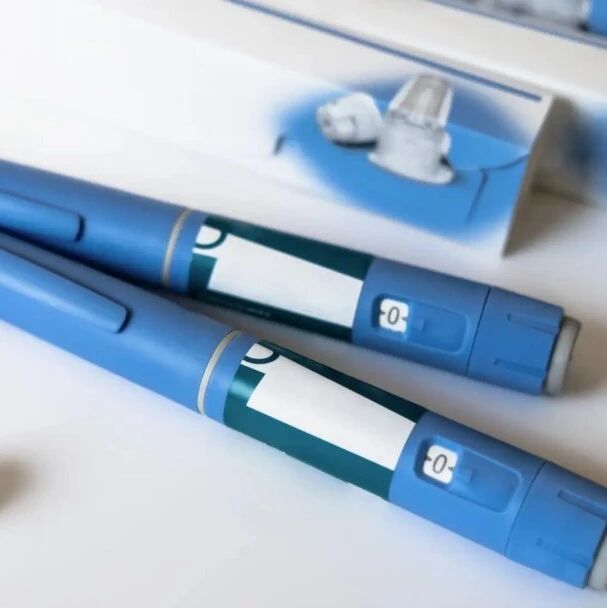
Core Viewpoint - The article discusses Gan Li Pharmaceutical's strategic expansion of its drug GZR18 into the obesity-related market, particularly focusing on its application for obstructive sleep apnea (OSA) in obese patients, marking a significant shift from merely weight management to addressing obesity-related complications [5][8]. Group 1: GZR18's Clinical Development - Gan Li's subsidiary received approval from the National Medical Products Administration to conduct clinical trials for GZR18 in adult obesity patients with moderate to severe OSA, indicating a pivotal step in expanding the drug's indications [5]. - The clinical trial is a multi-center, randomized, double-blind, parallel, placebo-controlled Phase III study, aiming to enroll 140 participants with the primary endpoint being the change in the apnea-hypopnea index after 52 weeks of treatment [5]. Group 2: Unique Features of GZR18 - GZR18 is distinguished by its bi-weekly dosing regimen, which is expected to enhance patient adherence compared to traditional weekly injections, potentially making it the first bi-weekly GLP-1 receptor agonist globally [6][7]. - In a Phase IIb study involving 340 overweight or obese adults, the bi-weekly dosing groups showed significant weight loss, with the 48mg bi-weekly group achieving a weight reduction of 16.09% from baseline, demonstrating the drug's efficacy [7]. Group 3: Market Positioning and Competitive Landscape - The competitive landscape for GLP-1 drugs has evolved from merely achieving weight loss to encompassing broader obesity-related complications, with OSA being a key focus area due to its association with various metabolic issues [5][8]. - Gan Li aims to leverage the dual indication of GZR18 for both weight management and OSA, which could significantly enhance its market potential, especially given the limited competition in this specific indication within the domestic market [8]. Group 4: Future Considerations - The ultimate value of GZR18 will depend on its ability to demonstrate improvements in the apnea-hypopnea index, safety profile, and the real-world advantages of its bi-weekly dosing compared to traditional therapies [9]. - The article suggests that the next few years will see a shift in the GLP-1 market towards differentiation, with companies that can effectively address obesity-related complications likely to receive higher valuations [9].


被礼来压了两年,诺和诺德终于拿到一张能正面还击的牌
GLP1减重宝典· 2026-03-24 13:14
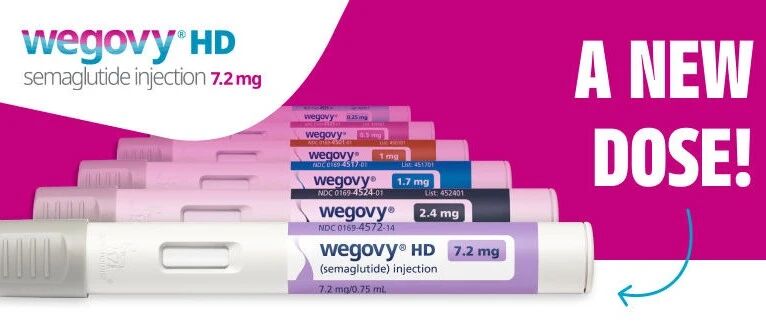
Core Viewpoint - Novo Nordisk is facing internal turmoil and external competition in the weight loss drug market, particularly from Eli Lilly, but the recent FDA approval of Wegovy HD, a higher dosage version, provides a significant opportunity for the company to compete more effectively in terms of weight loss efficacy [2][5][10]. Group 1: Product Development and Market Position - The FDA approved Wegovy HD at a dosage of 7.2mg, which achieved an average weight loss of 20.7% in a 72-week study, compared to 17.5% for the existing 2.4mg version [2][7]. - The approval of Wegovy HD allows Novo Nordisk to directly compete with Eli Lilly's Zepbound, which has been gaining market share due to its stronger weight loss results [5][11]. - The STEP UP study included 1,407 adults, showing that approximately 50.9% of participants in the high-dose group lost at least 20% of their body weight, indicating a significant improvement in weight loss outcomes [7][9]. Group 2: Strategic Implications - The approval of Wegovy HD is seen as a corrective action for Novo Nordisk, which has been criticized for focusing too much on future products rather than maximizing the potential of existing ones [10][12]. - The company’s new leadership acknowledges past mistakes in strategy, emphasizing the need to pursue immediate victories rather than avoiding future failures [10][11]. - Wegovy HD's approval is not just a new product launch; it represents a critical response to Eli Lilly's competitive advantage in the market, addressing the question of whether Novo Nordisk can still innovate effectively within its existing product line [11][13]. Group 3: Competitive Landscape - Eli Lilly's Zepbound has established a strong presence in the obesity market since its launch, and Novo Nordisk must navigate challenges from generic and combination therapies that are impacting its market share [11][12]. - The competition is evolving beyond just efficacy to include factors like supply, payment coverage, and long-term safety, making Wegovy HD's approval a necessary but not sufficient condition for regaining market leadership [12][13]. - The recent internal changes at Novo Nordisk reflect a broader recognition of the need for urgency in product development and market strategy, as the company seeks to reclaim its position in a rapidly changing landscape [10][13].

速递|有望解决GLP-1停药后体重反弹!UAB团队发现口服候选药物TIX100
GLP1减重宝典· 2026-03-23 11:32
Core Insights - The article discusses a preclinical study by the University of Alabama at Birmingham (UAB) on the oral candidate drug TIX100, which shows potential in preventing weight regain after discontinuation of GLP-1 medications [4] - It highlights that approximately 50% of patients discontinue GLP-1 medications within one year, and 70% within two years, often leading to significant weight regain [4] - TIX100 has been shown to maintain weight loss in mice after stopping semaglutide treatment, indicating its potential as a non-GLP-1 oral solution for weight maintenance [6] Group 1 - The study led by Anath Shalev at UAB indicates that TIX100 can help maintain weight loss in mice after stopping GLP-1 treatment [4] - The research found that TIX100's weight maintenance effect is primarily associated with a reduction in fat mass rather than lean body mass loss [6] - TIX100 has received investigational new drug status from the FDA for type 1 and type 2 diabetes and has shown safety and tolerability in Phase I human trials [6] Group 2 - The mechanism of TIX100 does not involve GLP-1 receptors, suggesting it may avoid common gastrointestinal side effects associated with GLP-1 drugs [6] - The next steps for the research team include advancing clinical trials for weight maintenance indications in humans [6] - The study suggests that TIX100 may improve leptin sensitivity and appetite regulation, contributing to its weight maintenance effects [6]

打针减肥,顺手戒了烟酒?BMJ最新60万样本研究,把GLP-1推向成瘾治疗新想象
GLP1减重宝典· 2026-03-22 15:16
Core Viewpoint - The GLP-1 drug market is experiencing significant changes, with emerging evidence suggesting that GLP-1 receptor agonists may not only aid in weight loss and diabetes management but also reduce the risk of substance use disorders [2][5]. Group 1: Research Findings - A large-scale cohort study published in the British Medical Journal (BMJ) analyzed data from 606,434 U.S. veterans with type 2 diabetes, revealing that GLP-1 treatment is associated with a 14% overall reduction in the risk of substance use disorders [5][8]. - Specific reductions in substance use disorder risks include an 18% decrease in alcohol use disorder, 14% in cannabis use, 20% in cocaine, 20% in nicotine, and 25% in opioid use [5][8]. - For individuals with pre-existing addiction issues, GLP-1 treatment correlated with fewer addiction-related emergency visits, hospitalizations, overdoses, and a 50% reduction in addiction-related mortality risk [5][8]. Group 2: Mechanism of Action - GLP-1 receptors are not only involved in appetite regulation and blood sugar control but are also present in brain areas related to reward, motivation, and learning, suggesting a shared biological pathway between appetite and addiction [9][11]. - Previous studies, including a randomized clinical trial published in JAMA Psychiatry, indicated that low-dose semaglutide can reduce alcohol cravings and improve drinking outcomes in adults with alcohol use disorders, supporting the hypothesis that GLP-1 may influence addiction behaviors [9][11]. Group 3: Industry Implications - The findings from the BMJ study, while observational, have prompted interest in the potential of GLP-1 drugs to address addiction, leading to increased investment and research in this area by pharmaceutical companies [11]. - Companies like Eli Lilly and Novo Nordisk are exploring the use of GLP-1 drugs for treating substance use disorders, with ongoing clinical trials targeting alcohol and opioid use disorders [11].

速递|GLP-1卷到饮料货架:补水,正成为下一个爆点
GLP1减重宝典· 2026-03-21 09:07
Core Insights - The emergence of GLP-1 weight loss drugs is reshaping consumer behavior, particularly in the beverage industry, as users experience reduced appetite and altered thirst perception, leading to a new demand for hydration solutions [4][5][13] Group 1: Changes in Consumer Behavior - GLP-1 users are not only eating less but may also be drinking less due to decreased food-derived water intake and reduced thirst perception, potentially leading to mild dehydration [5][7] - The side effects of GLP-1 drugs, such as nausea and vomiting, can further exacerbate dehydration, creating a new consumer need for hydration products [5][7] Group 2: New Opportunities for Beverage Companies - The demand for hydration opens up opportunities for electrolyte drinks, as GLP-1 users may experience not just dehydration but also the loss of essential electrolytes like sodium and potassium [7][8] - Traditional electrolyte drinks, previously targeted at athletes, are now appealing to a new demographic of GLP-1 users, creating a functional demand that brands can capitalize on [7][8] Group 3: Product Development Considerations - Beverage products targeting GLP-1 users must prioritize low-calorie formulations, as high-sugar or high-energy drinks are less appealing to this demographic [8][9] - The taste preferences of GLP-1 users may shift towards lighter, less intense flavors, necessitating a reevaluation of product development strategies in the beverage industry [9][10] Group 4: Packaging and Consumption Trends - Smaller, portable packaging may become more popular among GLP-1 users, who prefer to consume beverages in smaller quantities throughout the day rather than in large volumes [10][11] - This trend aligns with broader movements in the food industry towards smaller packaging, facilitating easier integration into daily routines [10][11] Group 5: Integration of Technology - The digitalization of hydration management through health apps and smart devices presents an opportunity for beverage brands to integrate their products into users' daily health routines [12][13] - Brands can explore ways to embed reminders and personalized recommendations into users' health management systems, enhancing the overall consumer experience [12][13] Group 6: Broader Industry Implications - The impact of GLP-1 drugs extends beyond the pharmaceutical sector, influencing the entire food and beverage supply chain as companies reassess their product offerings in light of changing consumer needs [4][13] - The beverage industry must adapt to new consumer expectations regarding hydration, flavor, and product functionality to capture the emerging market created by GLP-1 users [4][13]