
旅游业

Search documents
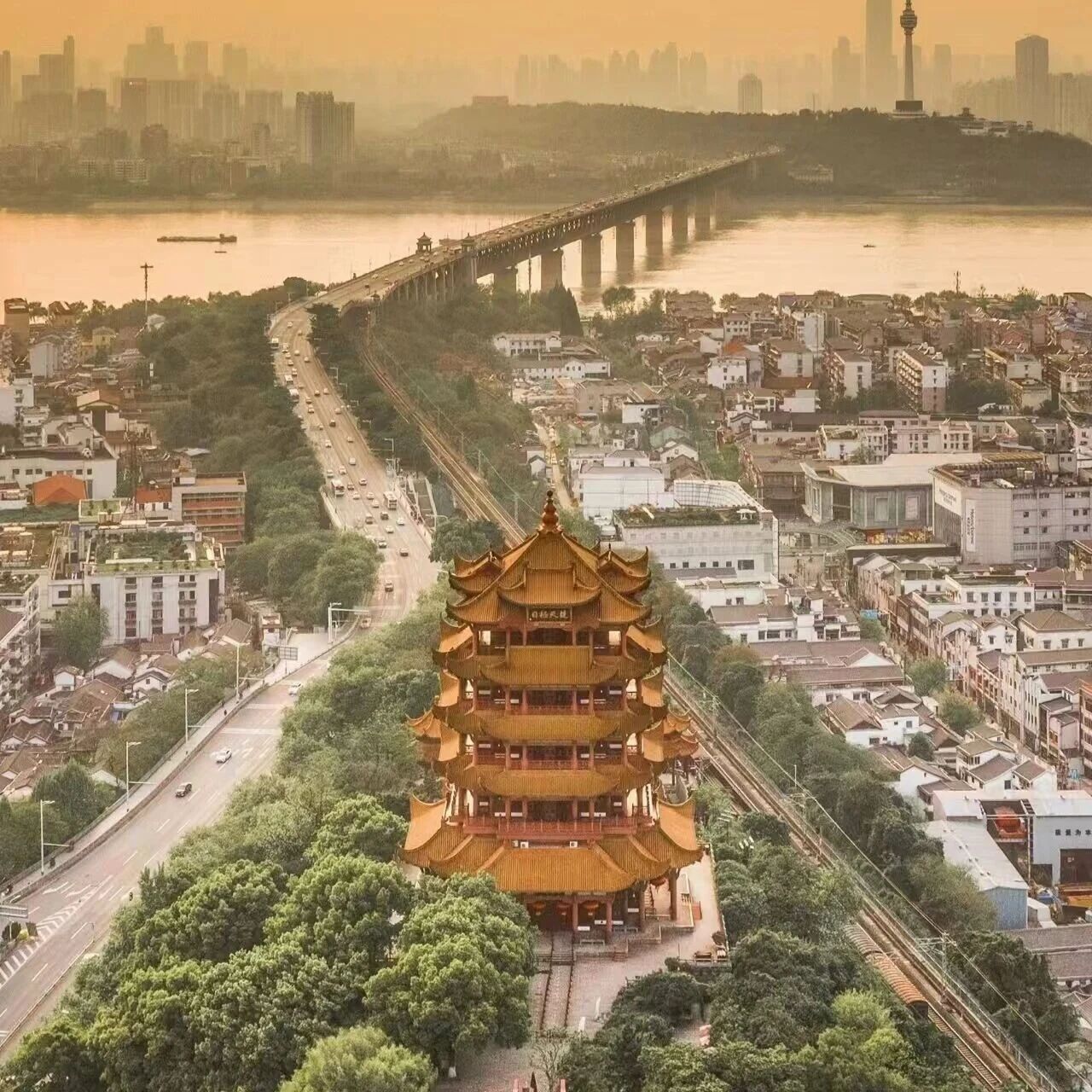
从长江之心到世界之窗,武汉擘画世界知名文旅目的地新蓝图
第一财经· 2026-03-29 11:58
Core Viewpoint - Wuhan is positioning itself as a world-renowned cultural tourism destination, leveraging its unique cultural heritage and modern urban innovation to enhance its tourism appeal and integrate its cultural tourism industry within the Yangtze River Economic Belt [1][3][6]. Group 1: Global Tourism Recovery - The global tourism industry is experiencing a strong recovery, with the UNWTO projecting international overnight visitors to reach 1.52 billion by 2025, a 4% increase from 2024, and international tourism revenue to hit $2.2 trillion, up 5% year-on-year [3]. - China is a key driver in the global tourism market, with Wuhan emerging as a vibrant example of high-quality cultural tourism development [3]. Group 2: Wuhan's Unique Advantages - Wuhan boasts a rich blend of natural and cultural resources, with 165 rivers, 166 lakes, and 446 mountains, making it the world's first international wetland city with a population over 10 million [6]. - The city has invested 169.9 billion yuan in 142 major cultural tourism projects over the past five years, enhancing its infrastructure and attractions [6]. Group 3: Tourism Growth Metrics - By 2025, Wuhan's tourist reception and total tourism revenue are expected to grow by 56.8% and 67.9% respectively compared to five years prior, with inbound tourism increasing by 40% [7]. - During the recent Spring Festival, Wuhan welcomed 12 million visitors, with 70% being from outside the city, ranking fifth among Chinese cities for external tourist numbers [7]. Group 4: Cultural Tourism Initiatives - The 2026 Wuhan Cultural Tourism Development Conference introduced the "Four New Actions" to innovate tourism products, including tech tourism and wellness tourism, aiming for an annual growth of over 8% in tourist numbers and 10% in revenue by 2028 [10]. - The city is focusing on enhancing its cultural narrative through immersive experiences and integrating technology into tourism, such as virtual reality and AI [10][14]. Group 5: Regional Collaboration - Wuhan is fostering collaboration within the Yangtze River urban cluster, launching new tourism products and forming a cultural tourism alliance with neighboring cities [16]. - The city aims to create a new regional tourism development model through resource sharing and joint marketing efforts [16]. Group 6: International Promotion - Wuhan has released an action plan to enhance inbound tourism from 2026 to 2028, focusing on building a comprehensive foreign tourism service system [17]. - The city is leveraging its unique cultural resources, such as the Three Kingdoms culture and local heritage, to enhance its international tourism appeal [19]. Group 7: Digital and Ecological Integration - The city is advancing digital upgrades in tourism, promoting multilingual smart services and immersive tech experiences to enhance service quality and international attractiveness [20]. - Efforts are being made to integrate ecological protection into tourism development, promoting green tourism products and low-carbon travel [20]. Group 8: Project Signings and International Outreach - A series of key cultural tourism projects were signed at the conference, covering various integration categories, and international promotional activities were launched to enhance Wuhan's visibility in Southeast Asia [21].

终身畅游卡里的收益账
Jing Ji Ri Bao· 2026-03-28 22:29
Core Viewpoint - The introduction of a "lifetime ticket" policy in Ganzi Prefecture allows unlimited access to 14 scenic spots for a one-time payment of over 300 yuan, aiming to shift the focus from ticket revenue to attracting visitors and enhancing overall tourism experience [1][2]. Group 1: Policy Implementation - The "lifetime ticket" policy, effective from March 1, enables tourists to purchase either individual tickets or a comprehensive card covering all 14 scenic spots, which collectively would cost 1,091 yuan [1]. - This initiative reflects a strategic move to address the limitations of the traditional ticket-based revenue model in China's tourism industry, which has been increasingly challenged [2]. Group 2: Economic Implications - The policy transforms ticket sales from a primary revenue source to a tool for attracting visitors, thereby fostering a more sustainable tourism economy [2][3]. - By offering a lifetime pass, Ganzi Prefecture aims to create a loyal customer base, shifting consumer focus from "whether to visit" to "when to visit," thus enhancing repeat visits and stabilizing long-term revenue expectations [2][3]. Group 3: Visitor Experience and Engagement - The lifetime ticket breaks the constraints of ticket costs on travel decisions, encouraging deeper exploration of the region and promoting a more immersive visitor experience [3][4]. - Social media sharing of experiences and tips by visitors is expected to be more effective than traditional marketing, creating a positive feedback loop that attracts more tourists [3]. Group 4: Broader Tourism Ecosystem - The initiative addresses the uneven distribution of visitors among popular and lesser-known attractions, promoting a more balanced tourism experience across the region [3][4]. - By linking core attractions with overlooked sites and local experiences, Ganzi Prefecture aims to create a comprehensive tourism ecosystem that benefits all stakeholders [3][4].
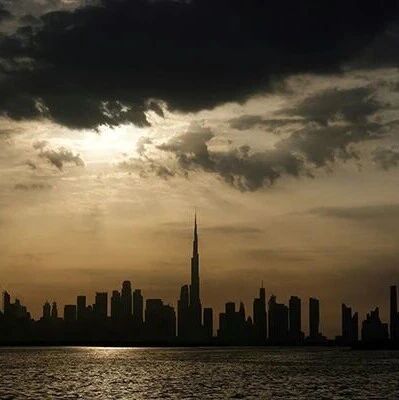
迪拜的“安全神话”破灭
日经中文网· 2026-03-24 08:00
Core Viewpoint - The "safety myth" surrounding Dubai is collapsing due to geopolitical tensions, particularly the threat from Iran, which is impacting its status as a global business and tourism hub [2][3]. Group 1: Impact on Tourism and Travel - Dubai International Airport is projected to reach a record 95 million passengers by 2025, maintaining its position as the world's busiest international airport since surpassing London Heathrow in 2014 [5]. - Recent attacks from Iran have led to damage at airport facilities and nearby fuel tanks, causing frequent flight cancellations and delays, resulting in a stark decrease in passenger presence at the airport [7]. - The number of flights to Dubai has decreased significantly, with many departing flights fully booked due to evacuations, while incoming flights are nearly empty [7]. Group 2: Real Estate and Economic Impact - Real estate transactions in Dubai dropped by 37% in the first two weeks of March compared to the same period last year, as reported by Goldman Sachs [7]. - The stock price of Emaar Properties, a government-linked real estate company, fell by over 25% following the escalation of the US-Iran conflict [7]. Group 3: Regional Competition and Strategic Shifts - Other Gulf nations, including Saudi Arabia and Qatar, are closely observing Dubai's model, aiming to develop their own tourism, sports, and cultural sectors, as well as becoming hubs for data centers and AI technology [9]. - The recent fire and power outage at a data center in the UAE raised concerns about the region's safety, potentially deterring investment and talent [9]. Group 4: Government Response and Public Perception - The UAE government is taking measures to maintain its image as a safe destination, allowing travelers stranded due to conflict to remain in the country beyond their visa limits [10]. - There are reports of increased government scrutiny on social media posts related to attacks, indicating a push to control the narrative surrounding safety in the region [10].
2025年度企业所得税汇算清缴系列专题辅导亏损弥补
蓝色柳林财税室· 2026-03-22 02:01
Group 1 - The article discusses tax policies that allow high-tech enterprises and small and medium-sized technology enterprises to carry forward losses for up to 10 years, extending the previous limit of 5 years [4] - It highlights that integrated circuit production enterprises with a line width of less than or equal to 130 nanometers are also eligible for the same loss carryforward policy [4] - The article mentions that industries significantly affected by the COVID-19 pandemic, such as transportation, catering, accommodation, and tourism, can carry forward losses for up to 8 years instead of 5 years [5][6] Group 2 - It states that expenses incurred during the preparation period of a business cannot be counted as current losses but can be deducted once the business starts operations [6] - The article clarifies that during business liquidation, previous year losses can be compensated [8] - It explains that partners in a partnership that are legal entities cannot use the partnership's losses to offset their profits for tax purposes [9] Group 3 - The article outlines that companies can deduct previous year losses when making quarterly prepayments of corporate income tax [10] - It details that in cases of corporate restructuring, losses can be allocated among the newly formed entities based on the proportion of assets [9] - It specifies that losses from overseas operations cannot offset domestic profits but can be carried forward to future years [10] Group 4 - The article discusses how real estate development companies can handle losses after land value tax settlements, allowing them to carry forward losses to future years if they have ongoing projects [10] - It provides a formula for calculating the allocation of land value tax based on project sales revenue [10] - It emphasizes that any tax refunds due to overpayment of corporate income tax must not exceed the actual taxes paid during the project development [10]

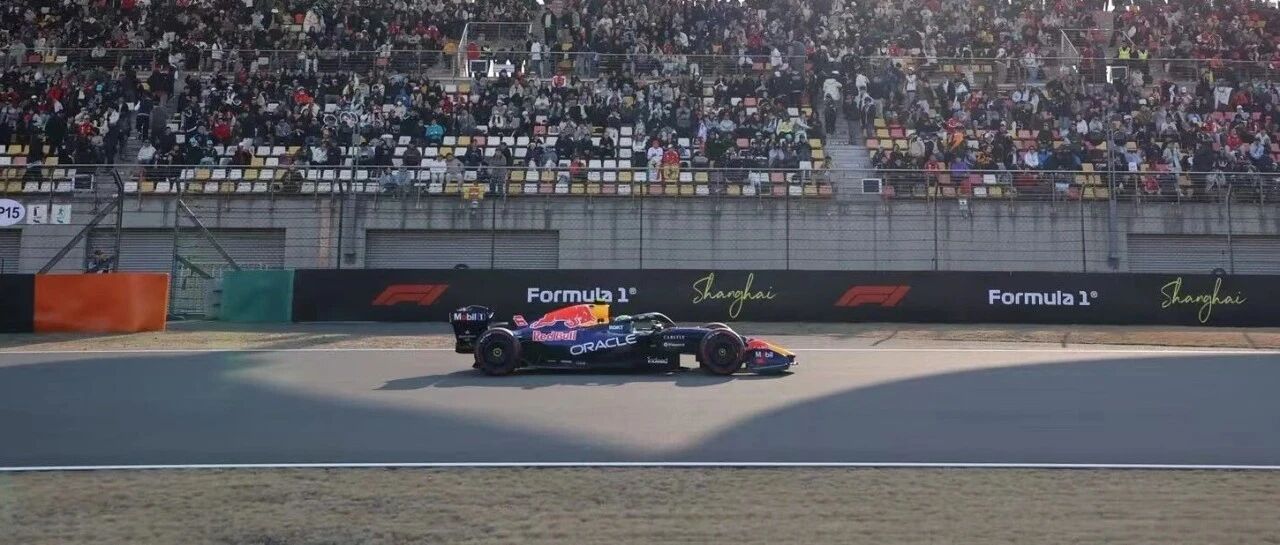
现场直击|3天23万人次观众涌入上赛场,F1引爆上海文商旅体展消费
第一财经· 2026-03-15 06:50
Core Viewpoint - The 2026 F1 Chinese Grand Prix in Shanghai has seen a significant increase in attendance and economic impact, with over 230,000 spectators expected, marking a 20-year high, and a notable rise in both domestic and international tourism [3][6][12]. Group 1: Event Attendance and Economic Impact - The F1 Chinese Grand Prix attracted approximately 200,000 attendees in 2024, increasing to 220,000 in 2025, and is projected to exceed 230,000 in 2026, with foreign spectators making up 14% and out-of-province visitors 74%, both up by 3 percentage points from the previous year [3][6]. - The event has stimulated the local economy, with hotel bookings around the venue increasing by an average of 125%, and some hotels experiencing a surge in occupancy rates by up to 38 times compared to the previous week [6][9]. - The F1 event has also led to a 20% increase in inbound tourists on travel platforms, with a 96% rise in hotel bookings, indicating a strong demand for related travel products [6][9]. Group 2: Tourism and Service Innovations - Travel companies have developed a comprehensive service ecosystem for inbound tourists, offering pre-event marketing, on-site concierge services, and post-event travel experiences, enhancing the overall visitor experience [7][9]. - Special night tours and interactive experiences at the venue, such as visiting the pit area and podium, have diversified the tourism offerings and extended visitor engagement, leading to increased spending on accommodation and dining [9][11]. Group 3: Commercial Collaborations and Promotions - Various businesses have engaged in IP collaborations during the F1 event, including partnerships with Disney and exclusive merchandise launches, which have attracted significant consumer interest and sales [16][17]. - The introduction of a "Super Driver's License" program offers discounts and benefits across multiple venues and commercial districts, promoting a seamless experience for visitors and encouraging longer stays [13][14]. - The event has been positioned as a catalyst for broader economic integration, with local businesses leveraging the F1 event to enhance their visibility and sales, contributing to the overall economic uplift of the region [18].
中东25年,一个中国女人在战火中做旅游
虎嗅APP· 2026-03-06 14:26
Core Viewpoint - The article discusses the recent escalation of conflict in the Middle East, particularly the impact on tourism and business activities in the region, highlighting the experiences of a Chinese entrepreneur who has lived in Lebanon for over 25 years and is actively involved in the tourism industry [4][21]. Group 1: Impact of Conflict on Tourism - The recent conflict has led to the cancellation of flights and travel plans for many tourists, causing significant disruptions in travel itineraries [5][7]. - Tourists in the region are experiencing heightened anxiety and fear due to the proximity of warfare, with many seeking immediate evacuation [11][24]. - The article notes that the tourism industry in Lebanon has been severely affected, with travelers requesting refunds for trips to nearby countries perceived as unsafe [24]. Group 2: Historical Context and Changes in the Region - The author reflects on the transformation of the Middle East from a little-known region to a popular travel destination over the past two decades, emphasizing the growth of Chinese tourism in the area [11][21]. - The article mentions that the pandemic has shifted the focus of Chinese businesses from large enterprises to small and medium-sized enterprises seeking practical market insights in the Middle East [22]. - The author highlights the increasing interest of Middle Eastern countries in promoting tourism to Chinese travelers, with countries like Saudi Arabia and Qatar actively marketing their destinations [23]. Group 3: Business Opportunities and Challenges - The article discusses the rising business interest in the Middle East, particularly in countries like Iraq and Syria, where there is a demand for goods and services due to post-war reconstruction efforts [23]. - It points out that while the Middle East presents new opportunities, the market is fragmented with varying regulations and challenges that can hinder business operations [24]. - The author notes that despite the current conflict, there are still opportunities for Chinese companies to engage in the region, particularly in sectors like manufacturing and trade [23].
《2026年政府工作报告》批零社服相关内容解读:重申内需重要性,服务产业迎加速发展
GUOTAI HAITONG SECURITIES· 2026-03-06 05:16
Investment Rating - The report assigns an "Overweight" rating for the overall industry and specific segments including hotels, tourist attractions and travel agencies, chain restaurants, and other tourism sectors [3][6]. Core Insights - The 2026 government work report emphasizes the importance of domestic demand and highlights service consumption as a key area for growth, which is expected to accelerate the development of the service industry chain [2][3]. - The report indicates that service consumption will benefit from policy maturity, focusing on innovation in consumption scenarios, leisure time, and disposable income [3][4]. - Specific recommendations include continued investment in tourism and travel sectors, with highlighted companies such as Huazhu Group, ShouLai Hotel, and JinJiang Hotels, as well as scenic spots like Emei Mountain A and Huangshan Tourism [3][4]. Summary by Relevant Sections Domestic Demand and Consumption - The report reiterates the significance of domestic demand, advocating for a dual approach of stimulating consumer spending and enhancing residents' internal motivation [3][4]. - It mentions the introduction of measures to increase residents' property income and improve salary and social security systems to reduce precautionary savings [3][4]. Service Consumption - The report outlines a clear policy direction for promoting service consumption, focusing on innovative consumption scenarios and maximizing leisure time [3][4]. - It emphasizes the integration of cultural, tourism, and sports industries, highlighting the potential for growth in sports events and outdoor activities [3][4]. Employment and Social Services - The report stresses the importance of inclusive social services in areas such as employment, income, education, and healthcare, aiming to enhance public welfare [3][4]. - It highlights the need for improved insurance policies for flexible employment and the regulation of platform economies to foster a healthy market environment [3][4].


中东地缘政治对于宏观和大类资产的影响|宏观经济
清华金融评论· 2026-03-05 09:37
Group 1: Geopolitical Tensions and Energy Supply - The recent military actions by the US and Israel against Iran have heightened geopolitical tensions in the Middle East, leading to increased uncertainty in energy supply, particularly through the Strait of Hormuz, which carries about 20% of global oil supply [1] - Brent crude oil prices rose from $72.9 per barrel on February 27 to $77.7 per barrel on March 2, indicating a significant market reaction to the geopolitical developments [1] Group 2: Global Shipping Costs and Risks - The escalation of conflict has increased risks along the Red Sea shipping routes, prompting global shipping companies to take emergency measures, including suspending certain routes and rerouting vessels around the Cape of Good Hope, which will significantly increase shipping times and reduce capacity utilization [2] - Major shipping companies like Maersk and Mediterranean Shipping Company have adjusted their operations in response to the heightened risks in the region [2] Group 3: Impact on Aviation and Tourism - The closure of airspace and suspension of airport operations in several Middle Eastern countries have led to numerous flight cancellations, adversely affecting the aviation and tourism sectors [3] - The rising oil prices and the need for airlines to reroute flights have increased operational risks and costs for airlines operating in the region [3] Group 4: Inflation Risks in Major Economies - The geopolitical tensions are contributing to rising inflation risks in the US and Europe, with the Federal Reserve's recent meeting minutes indicating a higher threshold for interest rate cuts due to increased uncertainty around inflation [4][5] - The potential for rising oil prices and increased supply chain costs could exacerbate inflationary pressures, leading to a more complex monetary policy environment [4] Group 5: Rising Safe-Haven Demand for Precious Metals - The geopolitical risks have reignited interest in precious metals as safe-haven assets, with gold and silver prices rebounding significantly in late February [6] - As of March 2, gold prices had increased by 9.7% and silver by 23.7% since their respective lows on February 17, reflecting heightened demand amid rising inflation concerns [6] Group 6: Global Security Concerns - The ongoing geopolitical tensions have raised awareness of the "global security deficit," with calls for enhanced international cooperation to address security challenges and reduce the risk of conflict [7] - The increase in military spending globally is raising concerns about its impact on national budgets and development, highlighting the need for multilateral approaches to security [7] Group 7: Short-Term Impact on Chinese Exports - Certain Chinese export sectors, particularly machinery and automotive products, may experience short-term disruptions due to the geopolitical tensions, although the long-term trend of globalization for Chinese products remains intact [8] - In the first seven months of 2025, China's exports of machinery and electrical products to the Arab League increased by 22%, indicating strong demand despite current tensions [8] Group 8: Economic Resilience Testing in Major Economies - Major economies will face objective tests of their economic resilience amid rising external uncertainties, with South Korea's market showing significant adjustments due to its trade dependencies and the impact of a strengthening US dollar [9] - The concentration of South Korea's industrial chain in key sectors like automotive and semiconductors makes it particularly vulnerable to global economic shifts influenced by rising oil prices and inflation expectations [9] Group 9: Domestic Demand in China - In the context of increasing external uncertainties, the resilience of domestic demand in China is becoming a critical focus, with indicators suggesting a positive start to the year in terms of consumer activity and industrial recovery [10] - The potential for policy reforms aimed at boosting domestic consumption could provide structural advantages for certain Chinese assets in the face of global market volatility [10]
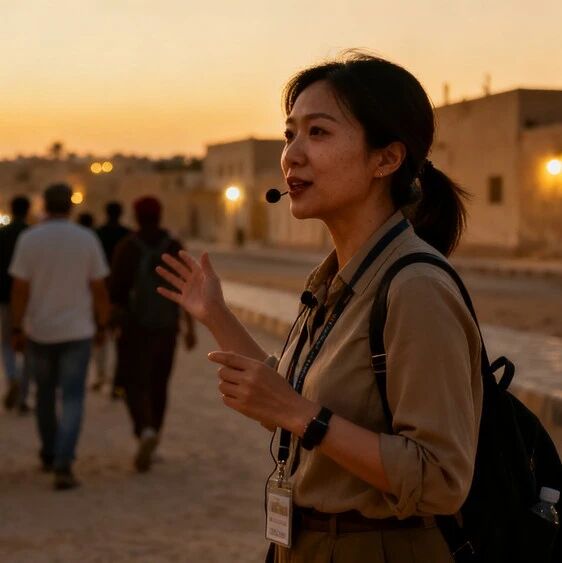
独家连线滞留迪拜邮轮的95后导游:抢票像“打仗”
第一财经· 2026-03-04 12:07
Core Viewpoint - The article discusses the experience of a tour guide, Mao Qianxun, who is currently stranded on a cruise ship in Dubai due to escalating military tensions in the Middle East, highlighting the challenges faced by the tourism industry during crises [4][5]. Group 1: Incident Overview - Mao Qianxun, a tour guide for Zhejiang Feiyang International Tourism Group, was leading a group of 30 tourists when they became stranded on the MSC Mediterranean cruise ship "Goddess" after military actions began on February 28 [3][4]. - The cruise was initially planned to visit various destinations in the Middle East, but the situation forced the ship to remain docked in Dubai, impacting global air travel and causing numerous flight cancellations [4][5]. Group 2: Response and Management - An emergency response team was quickly formed to manage the situation, and Mao communicated with each family to explain the circumstances, which helped maintain a calm atmosphere among the tourists [4][5]. - The cruise line ensured that all necessary supplies were available on board, and they worked closely with airlines to arrange for the tourists' return as flights resumed [5]. Group 3: Daily Operations - Mao's daily routine involved coordinating with guests, assisting with meal orders, and addressing any health needs, particularly for the older tourists in the group [8][9]. - The guide also facilitated the procurement of essential medications and entertainment options to keep guests engaged during their stay on the ship [9][12]. Group 4: Ticket Acquisition Challenges - The process of securing return tickets was described as competitive, with Mao and his team monitoring various channels to quickly purchase available flights as they were released [11][12]. - A total of 37 tickets for a flight on March 6 were successfully booked after extensive coordination with Emirates Airlines, despite the challenges posed by the high demand for flights [12]. Group 5: Future Plans and Safety - The company has prepared multiple contingency plans to ensure the safe return of tourists, including pre-booking accommodations in Dubai in case of further flight cancellations [12][13]. - Mao expressed the importance of prioritizing the safety and timely return of the tourists, with the company willing to absorb any additional costs incurred during this process [13].

春节中观景气跟踪:春节旅游景气提升,科技和资源涨价
GUOTAI HAITONG SECURITIES· 2026-02-28 05:44
Group 1: Spring Festival Tourism - The Spring Festival travel demand significantly increased due to a 9-day extended holiday, with average daily cross-regional passenger flow up by 6.0% year-on-year during the first 24 days of the Spring Festival travel period [7][10] - Domestic average daily tourism volume and revenue during the Spring Festival increased by 5.7% and 5.5% year-on-year, respectively, recovering to 111.7% and 121.6% of the levels seen in 2019 [10][12] - Despite the increase in volume, the average daily spending per tourist was 149.8 yuan, down 11.3% year-on-year, indicating a need for improvement in consumer spending willingness [10][12] Group 2: Downstream Consumption - New home sales in 30 major cities increased by 47.7% compared to the same period last year, with first-tier cities seeing an 84.0% increase [18][21] - The average price of live pigs decreased by 0.9% week-on-week, attributed to a still ample supply [22][23] - The release of new real estate policies in Shanghai is expected to effectively stimulate pent-up housing demand [18] Group 3: Technology and Manufacturing - The prices of DRAM memory chips remained high, with average prices for DDR3, DDR4, and DDR5 increasing by 0.3%, 0.0%, and 0.1% respectively compared to pre-holiday levels [24][25] - The revenue of the semiconductor industry in Taiwan continued to grow rapidly, with storage sector companies seeing a year-on-year revenue increase of approximately 200% [24][25] - Lithium carbonate prices rose by 5.8% and lithium hydroxide prices by 5.1% due to increased expectations for downstream energy storage demand [26] Group 4: Upstream Resources - Coal prices increased slightly by 0.7% week-on-week, with port inventories continuing to decline [29][31] - Industrial metal prices showed a strong fluctuation, with copper and aluminum prices on the Shanghai Futures Exchange rising by 1.1% and 1.5% respectively [32][33] - International industrial metal prices also experienced upward trends due to expectations of interest rate cuts and geopolitical tensions [32][33]