
油气管网

Search documents
一文读懂促进民间投资发展:直指制度破冰 开放领域延展到“高精尖”
Yang Shi Wang· 2025-11-12 02:58
Core Viewpoint - The newly implemented measures aim to promote private investment in China by expanding access, addressing bottlenecks, and strengthening support mechanisms for private capital participation in key sectors [1][4][6]. Group 1: Key Areas for Private Investment - The measures encourage private capital participation in state-led sectors such as railways, nuclear power, hydropower, oil and gas pipelines, and water supply, allowing for a shareholding ratio of over 10% for eligible projects [4][6]. - The government plans to enhance policies for private capital in the energy sector, focusing on long-term mechanisms for private participation in major projects [6][39]. Group 2: Support for High-Value Services and Innovation - The initiative extends to high-tech research and innovation sectors, promoting private investment in industrial design, common technology services, inspection, and quality certification [9][11]. - The government aims to support the transformation of manufacturing services, encouraging private enterprises to explore pathways for service-oriented manufacturing [9][11]. Group 3: Infrastructure REITs and Financing Channels - The government has been actively supporting the issuance of infrastructure REITs for eligible private investment projects, with 14 projects already listed, raising nearly 30 billion yuan [12][14]. - The measures aim to broaden financing channels for private enterprises, facilitating a virtuous cycle of investment and financing [14][42]. Group 4: Development of Pilot Platforms - The government has issued a notification to accelerate the establishment of high-level pilot platforms in manufacturing, targeting key industries and sectors [15][18]. - There are over 2,400 pilot platforms established, with 241 prioritized for development, supporting nearly 25,000 service projects [21][22]. Group 5: Policy Clarity and Institutional Support - The new measures provide clear guidelines for private enterprise participation in major projects, including specific requirements for feasibility studies [28][32]. - The government emphasizes the importance of precise and actionable policies to enhance private sector engagement in critical areas [35][39]. Group 6: Comprehensive Financing Services - The government plans to create a national comprehensive financing service platform to improve the efficiency of investment and financing for private enterprises [40][44]. - Enhanced collaboration with various funding channels and financial services is expected to increase the effectiveness of policies promoting private investment [42][44].

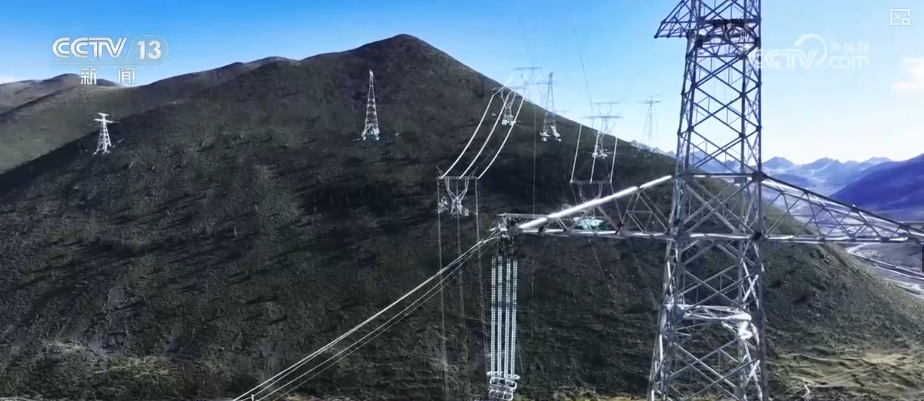
国家能源局:持续推动电网、油气管网设施向各类主体公平开放
Zhong Guo Xin Wen Wang· 2025-11-11 09:05
Core Viewpoint - The National Energy Administration is promoting fair access to electricity and oil and gas pipeline facilities for various entities, in line with the market-oriented reforms outlined in the 20th National Congress of the Communist Party of China [1][2]. Group 1: Market-Oriented Reforms - The implementation of a competitive bidding system for oil and gas exploration rights is being fully executed, allowing more qualified entities to enter the domestic oil and gas exploration and development sector [1]. - The electricity distribution business is being liberalized, with over 90% of electricity users purchasing power through retail companies, thus enhancing consumer choice [1]. - Private enterprises are encouraged to invest in green electricity direct connection projects, with increasing participation in new energy, new storage, and various new business models, leading to heightened competitive vitality [1]. Group 2: Regulatory Enhancements - The focus is on strengthening the regulation of natural monopoly sectors, particularly in the investment and construction of grid connection projects, and enhancing oversight of oil and gas pipeline facilities [2]. - Comprehensive management of oil and gas pipeline infrastructure is being reinforced through the revision of relevant regulations, ensuring proper planning, construction, operation, and service [2]. - The National Development and Reform Commission and the National Energy Administration aim to create a more favorable environment for private enterprises to participate in energy investments by improving mechanisms and strengthening regulation in areas such as pipeline access and information transparency [2].
国家发展和改革委员会出台办法 推进运营机制改革 公平使用油气管网设施有了“畅行证”
Ren Min Ri Bao· 2025-10-19 02:16
Core Viewpoint - The introduction of the "Regulatory Measures for Fair and Open Access to Oil and Gas Pipeline Facilities" by the National Development and Reform Commission marks a significant step towards reforming the operational mechanisms of oil and gas pipeline networks, aiming to ensure fair and non-discriminatory access for various users starting from November 1, 2025 [1] Group 1: Regulatory Framework - The new regulatory measures clearly define fair and open access, establishing a common understanding among the government, enterprises, and users, which will help avoid disputes and execution deviations due to ambiguous concepts [1] - The measures will apply to a wide range of oil and gas pipeline facilities, including those operated by the National Pipeline Group, state-owned enterprises, local state-owned enterprises, and private companies [1] - This is the first time that departmental regulations have been introduced in the oil and gas pipeline regulatory field, incorporating administrative penalties and standardizing service processes for fair access [1] Group 2: Information Disclosure - Information asymmetry is identified as a major bottleneck to fair access, prompting the need for graded public disclosure of relevant information regarding pipeline facilities [2] - Companies are required to proactively disclose basic information about the fair access system and user registration conditions to the public, while sensitive information should be disclosed to registered users [2] Group 3: Positive Impacts - The new measures provide a "pass" for various operating entities to use pipeline facilities, facilitating a more competitive and efficient oil and gas market structure [3] - The measures are expected to enhance participation from oil and gas production companies, urban gas companies, retail enterprises, and large direct users, effectively preventing discriminatory practices [3] - The introduction of these measures will allow for a more flexible allocation of diverse oil and gas sources, significantly improving resource allocation efficiency and enhancing energy security [3]
公平使用油气管网设施有了“畅行证”
Ren Min Ri Bao· 2025-10-19 01:23
Core Viewpoint - The National Development and Reform Commission has introduced a regulatory framework to promote fair access to oil and gas pipeline facilities, which is crucial for reforming the operational mechanisms in the oil and gas sector [1][3]. Group 1: Regulatory Framework - The "Regulatory Measures for Fair Access to Oil and Gas Pipeline Facilities" will take effect on November 1, 2025, ensuring that pipeline operators provide services such as transportation, storage, and unloading to eligible users in a fair and non-discriminatory manner [1]. - This framework clearly defines the scope of regulation and standardizes the understanding of "fair access" among government, enterprises, and users, thereby laying a foundation for future regulatory activities [1][2]. - The regulation includes various types of pipeline facilities operated by state-owned, local state-owned, and private enterprises, marking a significant step in the oversight of the oil and gas sector [1]. Group 2: Information Disclosure - Information asymmetry is identified as a major bottleneck to achieving fair access, prompting the need for graded public disclosure of relevant information [2]. - Companies are required to proactively disclose basic information about the fair access system and user registration conditions to the public, while sensitive information should be shared with registered users [2]. Group 3: Positive Impacts - The new measures will facilitate various business entities, especially private companies, in participating more equitably and efficiently in the oil and gas market, addressing previous issues of discrimination and lack of transparency [3]. - The framework is expected to enhance the efficiency of resource allocation by allowing diverse sources of oil and gas, such as imported LNG and coal-derived gas, to enter the main pipeline network, thereby improving energy security [3].
国家发展改革委出台办法,推进运营机制改革 公平使用油气管网设施有了“畅行证”
Ren Min Ri Bao· 2025-10-19 01:00
Core Viewpoint - The introduction of the "Regulatory Measures for Fair and Open Access to Oil and Gas Pipeline Facilities" by the National Development and Reform Commission aims to enhance the fairness and openness of oil and gas pipeline operations, effective from November 1, 2025 [1][3]. Group 1: Regulatory Framework - The new regulatory measures define fair and open access as the obligation of pipeline operators to provide services such as transportation, storage, and unloading to qualified users without discrimination [1]. - The measures mark several firsts, including the introduction of departmental regulations in the oil and gas pipeline sector, the inclusion of administrative penalties, and the establishment of standardized service processes for user registration and information disclosure [1]. Group 2: Information Disclosure - Information asymmetry is identified as a major barrier to fair access, prompting the need for graded public disclosure of relevant information regarding pipeline facilities [2]. - Companies are required to proactively disclose basic information about the fair access system and user registration conditions to the public, while sensitive operational data must be shared with registered users [2]. Group 3: Positive Impacts - The new measures provide various business entities with a "pass" to utilize pipeline facilities, facilitating a more competitive and efficient oil and gas market [3]. - The regulatory framework is expected to enhance participation from diverse stakeholders, including private enterprises, and prevent discriminatory practices in the industry [3]. - The measures will allow for a more flexible allocation of resources, improving energy security by enabling various sources of gas, such as imported LNG and coal-derived gas, to enter the main pipeline network [3].
国家发展改革委出台办法,推进运营机制改革 公平使用油气管网设施有了“畅行证”(政策速递)
Ren Min Ri Bao· 2025-10-18 22:10
Core Viewpoint - The introduction of the "Regulatory Measures for Fair and Open Access to Oil and Gas Pipeline Facilities" by the National Development and Reform Commission marks a significant step towards reforming the operational mechanisms of oil and gas pipeline networks, aiming to ensure fair and non-discriminatory access for various users starting from November 1, 2025 [1][3]. Group 1: Regulatory Framework - The new regulatory measures define fair and open access as the obligation of pipeline operators to provide services such as transportation, storage, unloading, and vaporization to eligible users in a fair and non-discriminatory manner [1]. - This regulation is the first of its kind in the oil and gas pipeline sector, introducing administrative penalties and standardizing service processes, including user registration and information disclosure [1][3]. Group 2: Information Disclosure - Information asymmetry is identified as a major barrier to achieving fair access, prompting the need for graded public disclosure of relevant information regarding pipeline facilities [2]. - Companies are required to proactively disclose basic information about the fair access system and user registration conditions to the public, while sensitive operational data should be shared with registered users [2]. Group 3: Positive Impacts - The new measures are expected to facilitate a more equitable participation of various stakeholders, including private enterprises, in the oil and gas market, thereby enhancing competition and efficiency [3]. - The regulation aims to improve resource allocation efficiency by allowing diverse sources of oil and gas, such as imported LNG and coal-derived gas, to enter the main pipeline network, thus strengthening energy security [3].
公平使用油气管网设施有了“畅行证”(政策速递)
Ren Min Ri Bao· 2025-10-18 22:02
Core Points - The introduction of the "Regulatory Measures for Fair and Open Access to Oil and Gas Pipeline Facilities" by the National Development and Reform Commission will take effect on November 1, 2025, aiming to ensure fair and non-discriminatory access to oil and gas transportation, storage, and other services [1][3] - The regulatory measures clarify the scope of supervision and standardize the understanding of "fair access" among the government, enterprises, and users, which is expected to reduce disputes and execution deviations [1][2] - The measures include several firsts, such as the introduction of administrative penalties and the establishment of standardized service processes for fair access to oil and gas pipeline facilities [1] Summary by Sections Regulatory Framework - The new measures will apply to various oil and gas pipeline facilities operated by state-owned, local state-owned, and private enterprises, including pipelines, LNG receiving stations, and underground gas storage [1] - The measures aim to address information asymmetry, which is a major bottleneck to fair access, by categorizing and publicly disclosing relevant information [2] Market Impact - The measures are expected to facilitate a more competitive oil and gas market by allowing various operators, especially private enterprises, to participate more fairly and efficiently [3] - The introduction of a unified national pipeline network will enhance resource allocation efficiency and improve energy security by allowing diverse sources of oil and gas to enter the main pipeline network [3]
北京大学能源研究院副院长杨雷、研究员孙慧解读《油气管网设施公平开放监管办法》
Zhong Guo Dian Li Bao· 2025-10-17 14:15
Core Viewpoint - The introduction of the "Regulatory Measures for Fair and Open Supervision of Oil and Gas Pipeline Facilities" marks a significant reform aimed at enhancing the fairness and openness of oil and gas pipeline infrastructure, thereby promoting market-oriented reforms in the oil and gas industry and optimizing resource allocation [1][9]. Industry Development Background and Situation - Since the implementation of the fair and open regulatory system for oil and gas pipeline facilities in 2014, the establishment of the National Oil and Gas Pipeline Group in 2019 has led to a significant increase in the number of active shippers from 5 to over 200, enhancing the efficiency of oil and gas infrastructure usage [2]. - A competitive natural gas market system is rapidly forming, characterized by diversified upstream supply, efficient midstream transportation, and competitive downstream sales [2]. Key Contents of the Regulatory Measures - The scope of fair and open pipeline access has been further clarified, excluding certain internal pipelines and emphasizing the inclusion of pipelines that facilitate gas delivery to users [4]. - The principle of fairness and non-discrimination in pipeline access has been reinforced, removing previous conditions that limited service provision based on existing user agreements [5]. - Service standards for fair and open pipeline access have been optimized, including a reduction in response time for service requests from 15 to 5 working days [6]. - The measures encourage the active participation of pipeline operators in establishing user registration and service application processes, enhancing transparency and information disclosure [6][7]. Future Direction for the Industry - The regulatory measures are expected to play a crucial role in further market-oriented reforms, emphasizing the importance of contracts and the need for standardized service agreements [9]. - There is a focus on ensuring transparency and information disclosure, which are critical for market operation, with further details on frequency and granularity of information sharing to be developed [9]. - The unification of systems and rules is aimed at promoting the formation of a national market, facilitating the establishment of a cohesive national pipeline network [9].


一图读懂丨油气管网设施公平开放监管办法
国家能源局· 2025-10-16 08:06
Core Viewpoint - The article emphasizes the importance of establishing a fair and open regulatory framework for oil and gas pipeline facilities in China to enhance efficiency and ensure stable supply while protecting the rights of operators and users [3][4]. Group 1: Basic Concepts - Fair access to oil and gas pipeline facilities means that operators must provide services such as transportation, storage, and unloading to qualified users without discrimination [6]. Group 2: Basic Requirements - Operators are required to establish systems to publicly disclose service-related information and provide services fairly and without discrimination to qualified users [8]. - Operators must not refuse service to qualified users without valid reasons and should not impose unreasonable demands [8]. Group 3: Service Application and Acceptance - Operators must create specific procedures for user registration and service application acceptance, ensuring fairness and non-discrimination [11]. - Operators should develop detailed rules for capacity allocation and service capability distribution [11]. Group 4: Contract Signing and Execution - Operators must sign service contracts with users based on fairness and non-discrimination principles, and cannot delay or refuse to sign contracts without valid reasons [15]. - Operators are obligated to strictly adhere to contract terms regarding the delivery and extraction of oil and gas resources [16]. Group 5: Information Reporting and Disclosure - Operators must regularly report information as required by regulators, including basic facility information and user registration status [17]. - Operators are required to proactively disclose information about their fair access systems, user registration conditions, and pricing standards [18]. Group 6: Regulatory Measures - Regulatory authorities have the right to conduct on-site inspections and request explanations from relevant personnel regarding compliance with regulations [20]. Group 7: Legal Responsibilities - Operators failing to comply with regulations may face warnings, fines, or other penalties, including the potential for double fines based on economic losses incurred [21][22].
《油气管网设施公平开放监管办法》今日发布 11月1日起施行
Jing Ji Guan Cha Wang· 2025-10-16 03:43
Core Viewpoint - The National Development and Reform Commission and the National Energy Administration have jointly issued the "Regulatory Measures for Fair Access to Oil and Gas Pipeline Facilities," which provides clear regulations for the supervision of fair access to oil and gas pipeline facilities, aiming to enhance the regulation of natural monopoly sectors in the oil and gas industry [1] Group 1 - The regulatory measures will take effect on November 1 [1] - The measures address key aspects such as "what to regulate, who regulates, and how to regulate" [1] - The initiative aims to provide strong guidance for deepening the regulation of natural monopoly links in the oil and gas sector [1]