先进材料

Search documents
李迅雷专栏 | 中国不是日本,没有国家能代替中国崛起!明年对A股可以更乐观一些
中泰证券资管· 2025-12-10 11:32
Core Viewpoint - The article emphasizes the investment opportunities and macroeconomic trends arising from China's "14th Five-Year Plan" and the upcoming "15th Five-Year Plan," highlighting the importance of high-quality development and the need for structural reforms in the economy [5][6][13]. Group 1: Macroeconomic Trends - The global economy is facing significant changes, particularly due to the U.S.-China relationship, which is a crucial factor influencing both economies and the global landscape [6][9]. - China's economic growth is projected to achieve around 5% for the year, despite challenges such as a decline in fixed asset investment and lower consumer spending [10][11]. - The current economic environment is characterized by a long-term real estate cycle, with adjustments expected in the housing market, particularly in major cities [10][20]. Group 2: Investment Opportunities - The "15th Five-Year Plan" presents numerous investment opportunities, particularly in technology, consumer sectors, and infrastructure, as the government emphasizes economic construction and reform [13][19]. - The focus on technological self-reliance and innovation is highlighted as a key area for future growth, with significant potential for companies involved in AI and other advanced technologies [14][17]. - The article notes that consumer spending is expected to rise, driven by demographic changes and government policies aimed at boosting consumption [19][20]. Group 3: Market Outlook - The A-share market is anticipated to perform well, with a positive outlook for corporate earnings growth, despite current challenges in ROE [26][27]. - The article suggests that structural opportunities exist within the market, as companies adapt to changing economic conditions and consumer demands [27][28]. - A diversified asset allocation strategy is recommended, with gold being highlighted as a valuable asset for long-term investment [28].


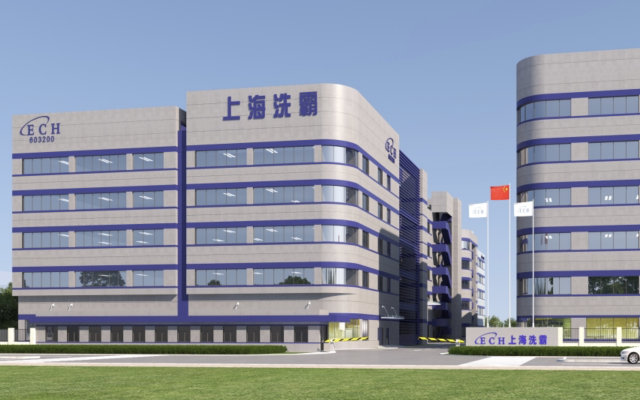
因涉嫌短线交易,上海洗霸董事及高管拟被罚
Zhong Guo Ji Jin Bao· 2025-12-09 06:18
Core Viewpoint - The company Shanghai Xiba faces administrative penalties due to short-term trading activities by its board members, which are expected to have no significant impact on its daily operations [2][6]. Group 1: Administrative Penalties - Company employee representative director Pan Yangyang and vice president Suo Wei received a notice of administrative penalty from the China Securities Regulatory Commission (CSRC) for engaging in short-term trading of Shanghai Xiba's stock [2][6]. - Pan Yangyang bought a total of 103,300 shares with a transaction amount of 3.2862 million yuan and sold 140,500 shares for 6.8569 million yuan between July 9, 2024, and August 11, 2025, facing a proposed fine of 100,000 yuan [4]. - Suo Wei bought 143,600 shares for 5.7213 million yuan and sold 172,800 shares for 8.3813 million yuan during the same period, with a proposed fine of 150,000 yuan [4]. Group 2: Stock Performance - From July 9, 2024, to August 11, 2025, Shanghai Xiba's stock price increased by approximately 254% [4]. - As of December 8, the stock closed at 73.86 yuan per share, with a total market capitalization of 12.961 billion yuan [8][10]. Group 3: Company Overview - Shanghai Xiba specializes in providing water treatment specialty chemicals, process chemicals, advanced materials for the new energy sector, and integrated solutions for data center cooling systems [6]. - The company reported a revenue of 354 million yuan for the first three quarters of 2025, a year-on-year decrease of 5.52%, while the net profit attributable to shareholders increased by 146.80% to 119 million yuan [7][8].

利好来了!刚刚多地重磅发布!
Zheng Quan Shi Bao Wang· 2025-12-08 02:36
Core Insights - The "15th Five-Year Plan" proposals from various provinces emphasize the importance of high-quality economic development and the establishment of new industrial clusters, particularly in emerging and future industries [1][9]. Group 1: Economic Development Goals - The proposals aim to maintain economic growth within a reasonable range, enhance total factor productivity, and strengthen domestic demand as the main driver of economic growth [1]. - Chongqing's plan specifically targets the creation of a globally influential smart connected new energy vehicle hub, focusing on the entire automotive supply chain [3]. Group 2: Advanced Manufacturing - The plans highlight the need to consolidate and enhance advanced manufacturing clusters, implementing actions for quality upgrades in trillion-level industrial clusters [4]. - There is a push for the digital transformation of traditional industries, promoting smart, green, and service-oriented manufacturing [4]. Group 3: Emerging Industries - The proposals include initiatives to cultivate strategic emerging industries such as power semiconductors, integrated circuits, and new energy vehicles, aiming to establish them as new pillar industries [5][11]. - The development of low-altitude economy and related services is emphasized, with a focus on creating a comprehensive management platform [5][12]. Group 4: Artificial Intelligence and Digital Transformation - The plans propose a dual empowerment strategy for artificial intelligence and digital initiatives, aiming to enhance public data platforms and create a digital twin city [6][7]. - There is a focus on building high-level AI innovation platforms and fostering talent in AI-related fields [7]. Group 5: State-Owned Enterprise Reform - The proposals call for deepening the reform of state-owned enterprises, optimizing their structure, and enhancing their core competitiveness [8]. Group 6: Regional Initiatives - Other provinces like Guangdong, Shandong, and Henan have also released their plans, focusing on nurturing emerging industries, digital economy, and enhancing traditional sectors [9][10][13]. - Each region is encouraged to explore diverse technological routes and application scenarios to drive economic growth [11][12].
利好来了!刚刚,多地重磅发布!
券商中国· 2025-12-08 01:58
全国各省市的"十五五"规划建议正在赶来! 12月8日,据重庆发布,中共重庆市委关于制定重庆市国民经济和社会发展第十五个五年规划的建议(以下简 称"规划建议")发布。 在"十五五"时期经济社会发展的主要目标方面,规划建议提出,支撑打造全国高质量发展重要增长极取得重 大进展。经济增长保持在合理区间,全要素生产率稳步提升,内需拉动经济增长主动力作用持续增强,深度融 入全国统一大市场,全市地区生产总值、人均地区生产总值分别迈上4万亿元、14万元新台阶。 与此同时,广东、山东、陕西、河南也同步发布了"十五五"规划建议。广东提出,培育壮大新兴产业和未来 产业;深入推进数字广东建设。山东提出,加快机器人和智能装备推广应用,打造低空经济发展集聚区、内河 新能源船舶制造基地。陕西提出,加快商业航天、专用装备等产业深耕布局;大力发展新型储能,加快智能电 网和微电网建设。河南提到,巩固壮大实体经济;加快培育数据市场,推动郑州数据交易中心成为国家级数据 交易场所。 打造智能网联新能源汽车之都 重庆"十五五"规划建议提出,在加快构建具有国际竞争力的现代化产业体系方面,规划建议提出,打造具有 全球影响力的智能网联新能源汽车之都。强化龙头 ...

青岛云路先进材料技术股份有限公司关于取消监事会、修订《公司章程》、修订及制定公司部分制度的公告
Shang Hai Zheng Quan Bao· 2025-12-05 19:03
Group 1 - The company has decided to abolish the supervisory board and amend its articles of association to comply with the new regulations effective from July 1, 2024, under the Company Law of the People's Republic of China [1][2] - The supervisory board's functions will be transferred to the audit committee of the board of directors, and the relevant rules governing the supervisory board will be abolished [1] - The proposed changes will be submitted for approval at the upcoming extraordinary general meeting of shareholders, and the amended articles of association will be disclosed on the Shanghai Stock Exchange website [1][3] Group 2 - The company will continue to fulfill its supervisory responsibilities until the shareholders' meeting approves the cancellation of the supervisory board, ensuring compliance with legal and regulatory requirements [2] - The company is also revising and establishing several internal governance systems to enhance its operational standards and internal management mechanisms [3] - The revised governance systems have been approved by the board of directors and will also be submitted for shareholder approval [3]

下一个五年,湘鄂赣“中三省”准备怎么干?
Di Yi Cai Jing· 2025-12-05 06:12
Group 1: Core Perspectives - The central theme of the news is the strategic focus of the "Central Three Provinces" (Hunan, Hubei, Jiangxi) on expanding domestic demand, building a technological innovation hub, and serving as a model for regional coordinated development during the 14th Five-Year Plan period [1] Group 2: Economic Development Strategies - Hubei aims to accelerate consumption expansion by innovating consumption models and increasing the supply of quality goods, with a target of driving over 176 billion yuan in consumption through initiatives like trade-in programs [2] - Hunan emphasizes the integration of consumer welfare and investment, aiming to enhance the consumer market and support the development of regional consumption centers [3] - Jiangxi plans to actively create new demand and supply by leveraging its ecological and cultural resources to develop immersive consumption experiences [3] Group 3: Technological Innovation - All three provinces recognize technology as the primary productive force, with Hubei aiming to increase the number of high-tech enterprises to 35,000 and technology transaction volume to over 600 billion yuan by 2025 [4] - Hunan is focused on establishing itself as a competitive technological innovation hub, encouraging investment in fundamental research and breakthroughs in key technologies [5] - Jiangxi aims to build a nationally influential industrial technology innovation center, concentrating research efforts on areas like rare earth materials and modern agriculture [6] Group 4: Regional Coordination and Development - The news highlights the importance of the Yangtze River Middle Urban Agglomeration, with Hubei supporting the development of regional centers like Wuhan and Xiangyang to enhance economic collaboration [7] - Hunan plans to optimize its economic layout and promote coordinated regional development through new urbanization strategies [8] - Jiangxi is set to improve its regional coordination mechanisms to facilitate efficient resource flow and high-quality county-level economic development [8]
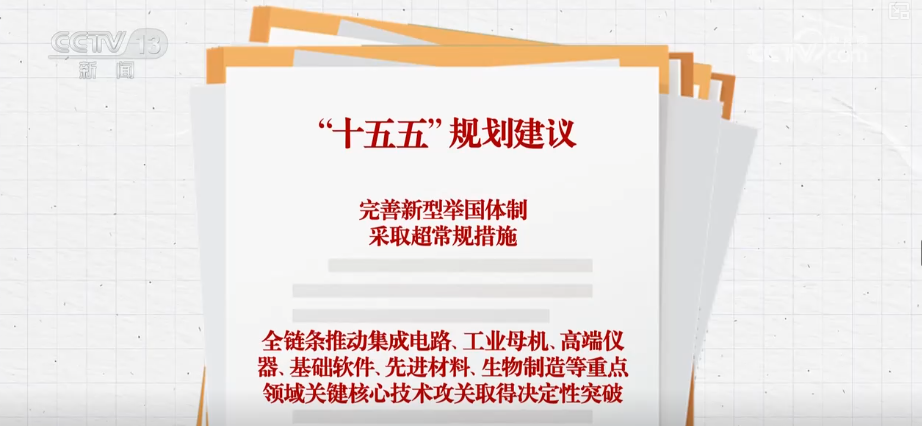
为什么要全链条推动集成电路等重点领域关键核心技术攻关取得决定性突破
Xin Lang Cai Jing· 2025-12-03 13:20
Core Viewpoint - The article emphasizes the importance of overcoming key core technology challenges in critical sectors such as integrated circuits, industrial mother machines, high-end instruments, basic software, advanced materials, and biomanufacturing to ensure national security and promote high-quality economic development [1][5]. Group 1: Importance of Key Core Technologies - Key core technologies are essential for national security and high-quality economic development, necessitating a strong focus on improving the ability to tackle these challenges [1][5]. - Recent advancements have been made in areas like 5G, Beidou navigation, high-speed rail, and nuclear power, but significant gaps remain in integrated circuits and other critical fields that require intensified efforts [1][5]. Group 2: Systematic Approach to Innovation - A systematic and comprehensive approach to deploying key core technology initiatives is crucial for accelerating breakthroughs and shortening innovation cycles [2][6]. - Optimizing the organization of major technological innovations and fostering a collaborative development of innovation forces, resource allocation, and talent is essential for overcoming the current limitations [2][6]. Group 3: Addressing Fundamental Research Gaps - The root cause of the "bottleneck" technology issue lies in inadequate foundational theoretical research, which must be addressed to strengthen the basis for technological innovation and industrial development [3][7]. - Emphasizing original and disruptive innovation is necessary to avoid falling into a cycle of imitation and to secure a competitive edge in the global value chain [3][7]. Group 4: Collaborative Framework for Technology Advancement - A collaborative framework that leverages the advantages of a new type of national system is needed to effectively coordinate government, market, and societal resources in technology research and application [4][7]. - Implementing extraordinary measures to enhance goal orientation and demand-driven approaches will facilitate better collaboration among enterprises, universities, and research institutions [4][7]. Group 5: Incentives and Application of Innovations - Strengthening incentives for researchers to focus on high-quality, original, and disruptive technological innovations aligned with national strategic needs is critical [8]. - Promoting the application of self-innovated products and establishing policies for the first batch of applications will create a virtuous cycle that encourages research and development [9].
奋楫“十五五”,资本与国策共创
Sou Hu Cai Jing· 2025-12-03 01:52
Core Insights - The focus of national development is shifting from "quantitative recovery" post-pandemic to "qualitative leap" in the "15th Five-Year Plan" [1] - The "15th Five-Year Plan" emphasizes "high-level technological self-reliance" and aims for a dual goal of "effective qualitative improvement and reasonable quantitative growth" [5][11] Group 1: Economic and Industrial Strategy - The national strategy is entering a new cycle centered on innovation efficiency, industrial structure, and regional collaboration, marking a shift from "policy following" to "system co-creation" [4] - The plan aims to build a modern industrial system with advanced manufacturing as the backbone, focusing on future industries like quantum technology, biomanufacturing, and hydrogen energy [11] - The transition from "incremental manufacturing" to "efficiency manufacturing" indicates a shift in focus from merely increasing production to optimizing resource allocation [12] Group 2: Investment Opportunities - Hard technology investment, including semiconductors and advanced materials, is positioned as a foundational logic for "systematic breakthroughs" [10] - Investment institutions are encouraged to engage in pre-financing and result transformation for national technology tasks, fostering capital co-creation [10] - The emphasis on "entrepreneurial investment + risk-sharing mechanisms" presents opportunities for investment firms to participate in national innovation initiatives [10] Group 3: Green Development - The "15th Five-Year Plan" elevates green development from a secondary goal to a structural institution, influencing all industrial allocations [17] - The integration of green issues into financial and market mechanisms signifies a shift in perspective, making green development a capital issue [17] - Sustainable investment opportunities in green infrastructure and carbon asset management are expected to grow [20] Group 4: Consumer and Market Dynamics - The plan positions consumption upgrade as a core driver of economic structural transformation, moving from recovery to quality enhancement [22] - The "silver economy" is recognized as a significant industrial opportunity, transforming aging issues into growth engines [22][25] - Investment opportunities in healthcare, elder care, and technology-assisted living are anticipated to rise due to demographic shifts [25] Group 5: Regional Development - The focus of regional policy is shifting from "development gradient" to "structural coordination," promoting a unified market and efficient resource allocation [27] - Investment institutions are encouraged to collaborate with local guiding funds to strengthen project foundations and facilitate new industry development in less developed regions [30] Group 6: Financial Market Reforms - The "15th Five-Year Plan" emphasizes structural improvements in capital markets, transitioning from a focus on financing to a comprehensive investment-funding-exit cycle [32] - Direct investment institutions are identified as key players in building a strong financial nation, with multiple exit pathways being developed [35] - The plan aims to enhance the inclusivity and adaptability of capital market systems, promoting direct financing methods [31] Strategic Summary - The "15th Five-Year Plan" outlines new engines for China's economic growth, including technological innovation and green transformation, while establishing a more inclusive capital market system [36] - Investment institutions are encouraged to align their strategies with national planning, leveraging professional judgment to identify promising sectors and companies for investment [36]

焦点访谈丨向着新目标前进:未来五年 打好关键核心技术攻坚战
Yang Shi Xin Wen Ke Hu Duan· 2025-12-02 06:40
Core Viewpoint - The article emphasizes the importance of key core technology breakthroughs in China's "14th Five-Year Plan" and outlines a strategic approach to achieve these breakthroughs through focused efforts in six critical areas [1][3][9]. Group 1: Strategic Focus Areas - The "14th Five-Year Plan" identifies six key areas for technology breakthroughs: integrated circuits, industrial mother machines, high-end instruments, basic software, advanced materials, and biomanufacturing [3][9][21]. - These areas are strategically chosen to address urgent technological challenges and leverage new opportunities in the context of global technological competition [9][11][19]. Group 2: New Approaches and Measures - The plan proposes a "new type of national system" to enhance coordination and resource allocation for technology innovation, ensuring a unified effort across government and market sectors [23][25]. - "Extraordinary measures" will be implemented to overcome existing institutional barriers, focusing on urgent issues and mobilizing all available resources to achieve targeted breakthroughs [25][27]. Group 3: Comprehensive Chain Integration - A "full-chain approach" is advocated, integrating research, technology development, and industrial cultivation to ensure a seamless transition from innovation to market application [27][29]. - The integration of various chains, including industry, innovation, funding, and talent, is crucial for addressing past disconnects and ensuring effective collaboration [29]. Group 4: Investment and Progress - China's R&D investment is projected to exceed 3.6 trillion yuan in 2024, reflecting a 48% increase from 2020, with a focus on strengthening foundational research and innovation capabilities [19][21]. - The country has achieved significant milestones in key technology areas, moving from a position of following to leading in certain sectors, such as the production of ultra-thin steel materials [17][19].
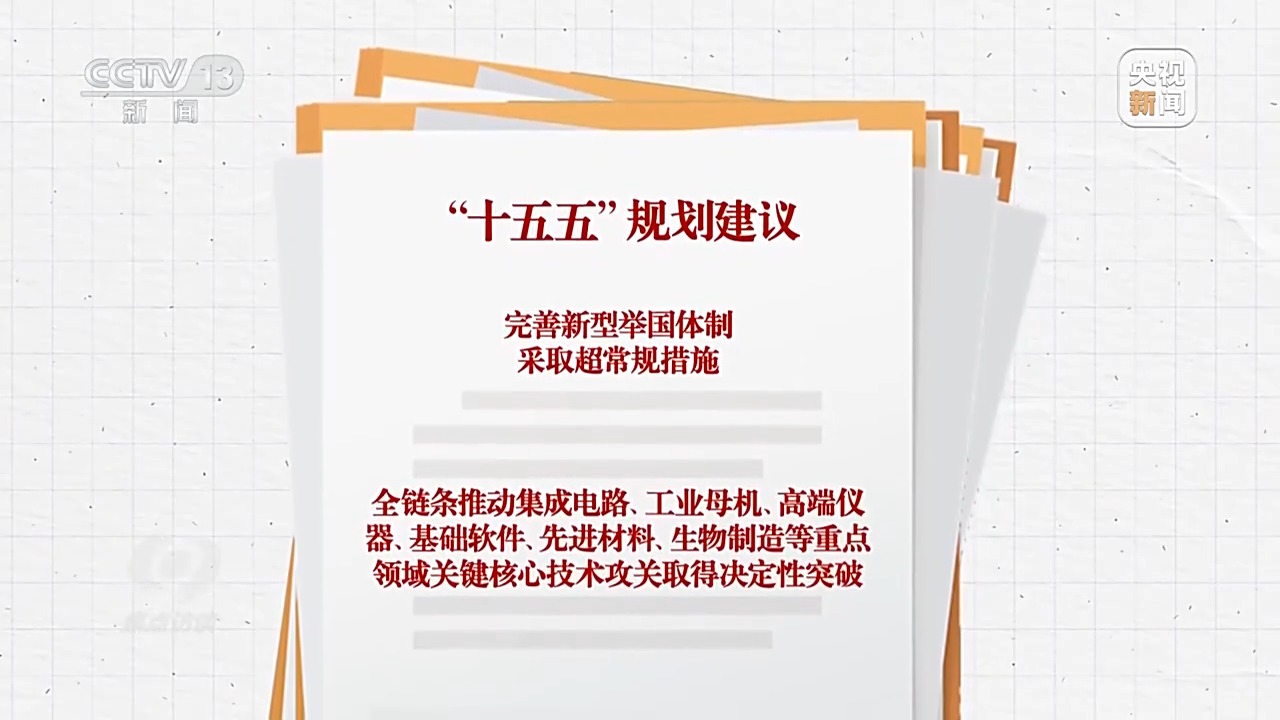
厚实家底支撑核心技术攻关底气 “新提法”“新目标”新在何处?解读↓
Yang Shi Wang· 2025-12-02 04:32
Core Insights - The "14th Five-Year Plan" emphasizes the importance of key core technology breakthroughs, highlighting it as a crucial element for achieving high-quality development in China [1][3][12] - The plan outlines a shift from a broad approach to a more targeted strategy, focusing on six key areas for technological advancement [6][8][19] Summary by Categories Key Areas of Focus - The six major fields identified for concentrated efforts are integrated circuits, industrial mother machines, high-end instruments, basic software, advanced materials, and biomanufacturing [8][9][12] - These areas are critical for overcoming existing technological bottlenecks and seizing new opportunities presented by technological revolutions [9][12] Strategic Approach - The plan introduces a "new proposal" and "new goals" for tackling key core technologies, emphasizing a comprehensive and integrated approach [3][5] - The strategy involves a "new type of national system" that promotes collaboration and resource allocation across various sectors to enhance innovation [19][20] Investment and Resources - By 2024, China's total R&D investment is projected to exceed 3.6 trillion yuan, a 48% increase from 2020, with a research intensity of 2.68%, surpassing the EU average [18] - The plan aims to strengthen both foundational research and the mechanisms that facilitate rapid technological advancement [18][20] Implementation Mechanisms - The strategy calls for "super-normal measures" to break existing constraints and accelerate reforms in technology development [20][21] - A full-chain approach is emphasized, ensuring that every link from research and development to industrial application is effectively integrated [21]