
半导体制造

Search documents
帮主郑重:华虹港股21天翻倍!高盛站台,这波涨势藏着啥门道?
Sou Hu Cai Jing· 2025-10-06 15:33
Core Viewpoint - The recent surge in Huahong Semiconductor's stock price, which has more than doubled in 21 trading days, is attributed to multiple favorable factors including increased AI demand and improved company performance [1][3][4] Group 1: Stock Performance - Huahong Semiconductor's stock price has risen over 5% recently, reaching a historical high [1] - Goldman Sachs has raised its target price for Huahong and SMIC to 117 HKD, indicating strong market confidence [1][3] Group 2: Industry Trends - The decline in AI model costs and lower application barriers are expected to drive up chip demand, benefiting local foundries like Huahong [3] - The semiconductor industry is experiencing a recovery, with Huahong's capacity utilization nearing full capacity [3] Group 3: Company Fundamentals - Huahong has focused on specialty processes, leading to a significant increase in automotive-grade chip orders [3] - The company's revenue for Q2 increased by 4.6% quarter-over-quarter, and gross margins are recovering [3] - Management has raised revenue expectations for Q3, indicating strong operational performance [3][4] Group 4: Investment Considerations - The stock's rapid increase is supported by a combination of short-term catalysts from AI demand and long-term trends in domestic substitution [3][4] - Key factors for long-term investors include the successful ramp-up of Huahong's 12-inch production line and the sustainability of automotive and AI-related orders [4]

黄金,历史新高!半导体两大龙头,历史新高!
Zhong Guo Zheng Quan Bao· 2025-10-06 10:19
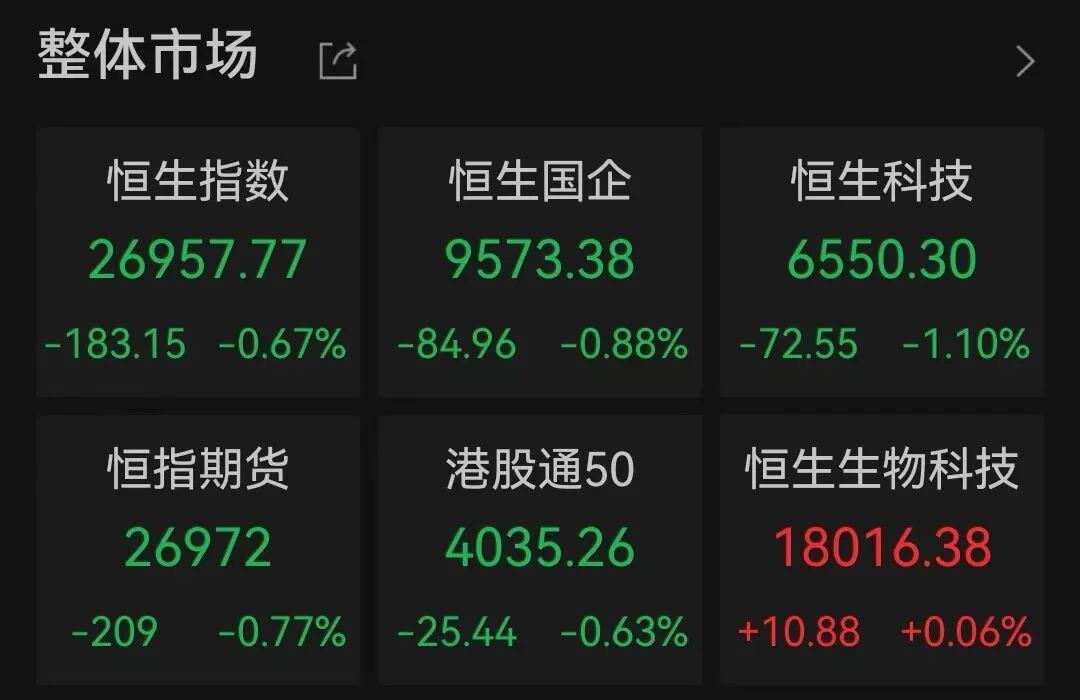
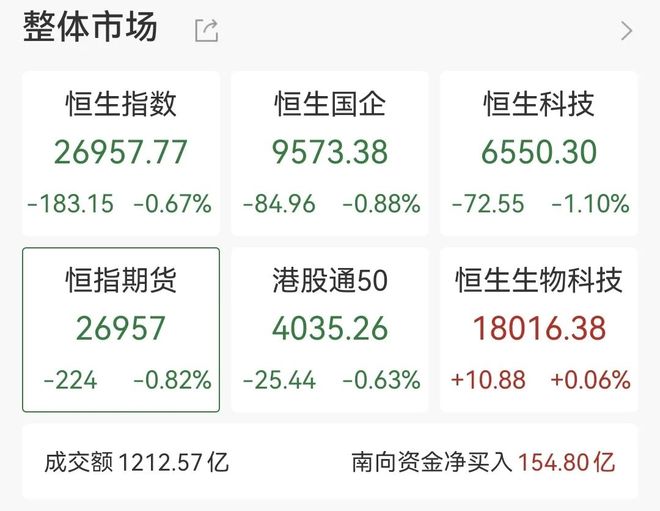
Market Overview - The Hong Kong stock market experienced a pullback, with the Hang Seng Index down by 0.67% and the Hang Seng Tech Index down by 1.1% [1] - Strong performance was noted in sectors such as non-ferrous metals, chemicals, medical devices and services, steel, and construction [3] Non-Ferrous Metals Sector - The non-ferrous metals sector saw significant gains, with Tan Gold Mining rising over 40% and Shenglong International and Ximei Technology both increasing by over 20% [3] - The sector continued to perform well in the afternoon session [3] Gold Market - International gold prices reached a new historical high, with London spot gold surpassing $3940 per ounce, marking an increase of over 50% year-to-date [5] - Hong Kong gold stocks also performed strongly, with Shandong Gold rising over 5%, Chifeng Jilong Gold increasing by over 4%, and Zijin Mining up by over 2% [6] Semiconductor Sector - The semiconductor sector saw a rise in stock prices, with Huahong Semiconductor closing up by 4.57% and SMIC recovering from an early drop to close up by 0.17%, both reaching historical highs [6] - Goldman Sachs raised the target prices for SMIC and Huahong Semiconductor to HKD 117 per share, up from previous targets of HKD 95 and HKD 87 respectively [6] AI and Storage Demand - China Galaxy Securities indicated that the construction of AI data centers is driving demand for storage devices, which in turn is boosting equipment demand [7]
紫金黄金国际涨8%,坛金矿业飙升40%,中芯国际创历史新高
2 1 Shi Ji Jing Ji Bao Dao· 2025-10-06 09:02
Market Overview - The Hong Kong stock market experienced a decline, with the Hang Seng Index falling by 0.67% to below 27,000 points, the Hang Seng Tech Index down by 1.1%, and the Hang Seng China Enterprises Index decreasing by 0.88% [1][3]. Technology Sector Performance - Major tech stocks such as Xiaomi, Alibaba, and JD.com saw declines of 2.09%, 2.49%, and 2.14% respectively, while NetEase and Kuaishou also dropped by over 1% [3]. Notable Stock Movements - China Gas Holdings (08246.HK) experienced a significant increase, initially rising over 300% and closing up 113.51% at HKD 0.158 per share. This surge followed an announcement of a subscription agreement for 334 million shares at a price of HKD 0.075, representing a premium of approximately 1.35% over the previous closing price [3][4]. Precious Metals Sector - The precious metals sector showed strength, with Zijin Mining International (02259) rising by 8.24% to HKD 147.2, doubling its listing price of HKD 71.59. The current spot gold price reached USD 3,948.81 per ounce, up by 1.26% [6]. Semiconductor Sector - Semiconductor companies continued their upward trend, with SMIC (0981.HK) reaching a new high of HKD 92.1, marking a 0.17% increase. Huahong Semiconductor (1347.HK) also saw a rise of 4.57%, with a year-to-date increase of 331.6% [7]. IPO Activity - The Hong Kong IPO market remains robust, with 68 companies listed in the first three quarters, a year-on-year increase of 47.83%. The total fundraising amount reached HKD 182.397 billion, a significant increase of 222.16% compared to the previous year, marking the highest level since 2021 [7].


刚刚,港股调整!日股暴涨近2000点
Sou Hu Cai Jing· 2025-10-06 06:21
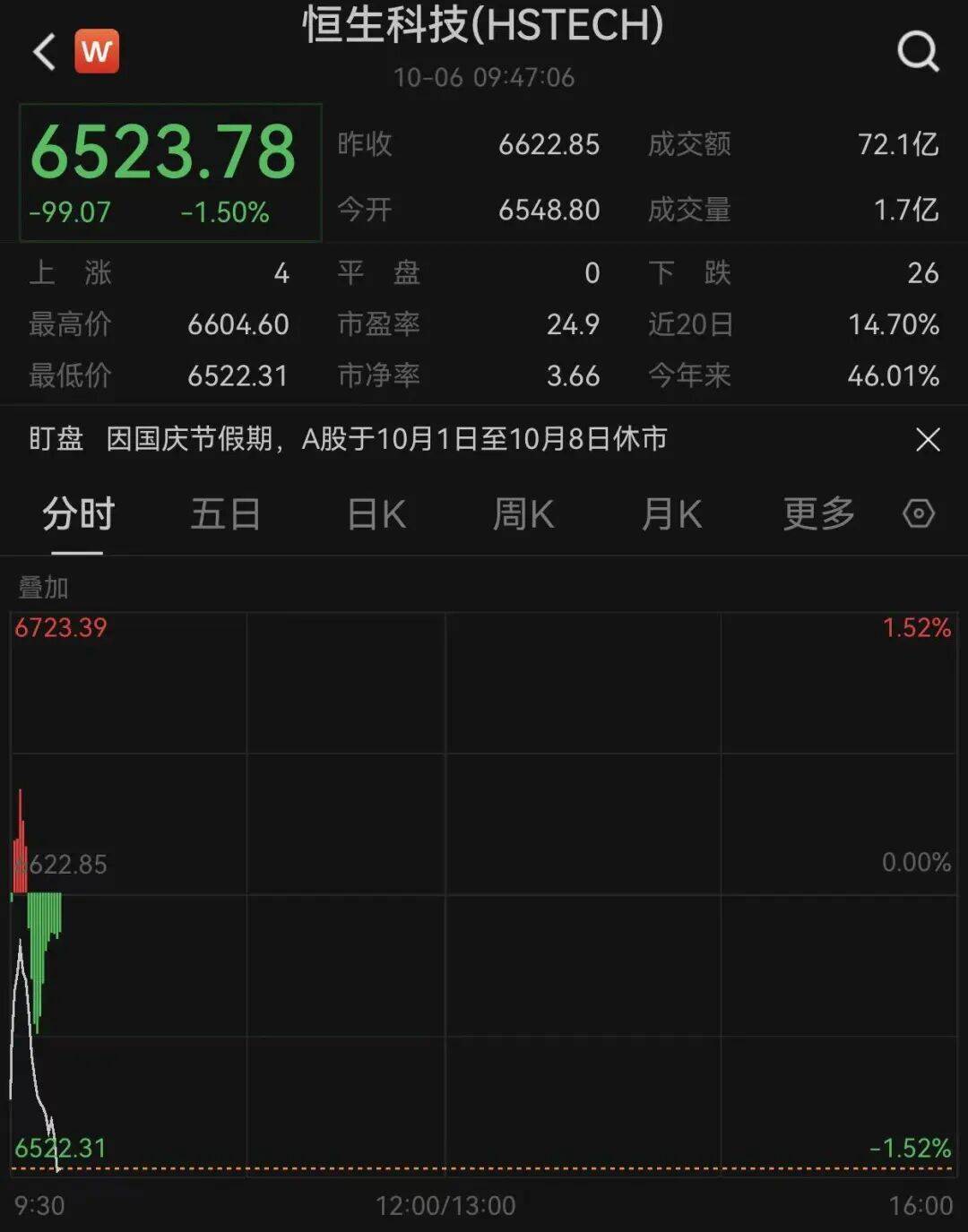
Market Overview - The Hong Kong stock market opened with declines, particularly in the Hang Seng Index and Hang Seng Tech Index, with the latter dropping over 1% [1] - Notable declines were observed in major tech stocks such as Alibaba and Bilibili, both falling over 2%, and semiconductor company SMIC, which dropped nearly 2% [1] - The electric vehicle sector also faced downturns, with Li Auto and Xpeng Motors declining over 2% and 1% respectively [1] Semiconductor Sector - Goldman Sachs raised the target prices for SMIC and Hua Hong Semiconductor to HKD 117, citing opportunities in the expanding AI ecosystem in China [2] - The previous target prices were HKD 95 for SMIC and HKD 87 for Hua Hong Semiconductor, indicating a positive outlook for these companies as they are expected to become leading foundries in China [2] Precious Metals Sector - The precious metals sector in Hong Kong saw significant gains, with China Silver Group rising over 18% and Zhenfeng Gold increasing over 11% [3] - International gold prices reached new highs, surpassing USD 3920 per ounce, contributing to the bullish sentiment in the precious metals market [3] Japanese Market - The Nikkei 225 index in Japan surged over 4%, gaining nearly 2000 points, reflecting strong market performance [3] - The recent election of Fumio Kishida as the new president of the ruling Liberal Democratic Party is expected to influence fiscal and monetary policies, potentially increasing concerns over Japanese government bond supply [4]
半导体龙头 大涨!创历史新高
Zhong Guo Zheng Quan Bao· 2025-10-06 05:39
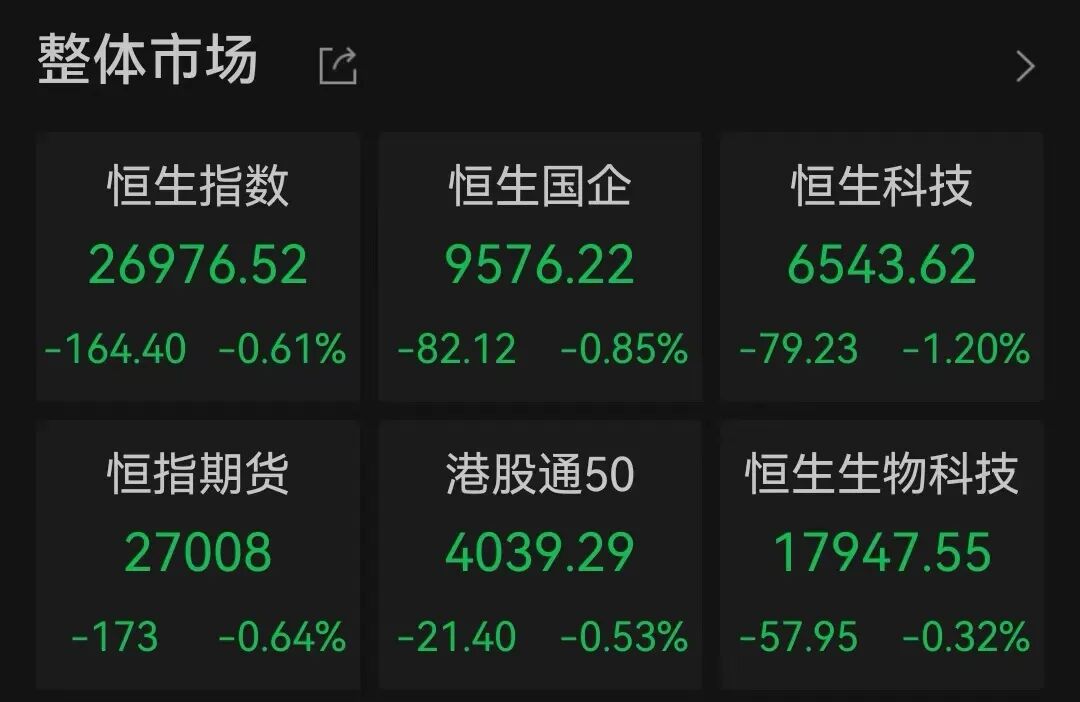
Group 1: Market Overview - The Hong Kong stock market experienced fluctuations with three major indices retreating, where the Hang Seng Index fell by 0.61%, the Hang Seng China Enterprises Index decreased by 0.85%, and the Hang Seng Technology Index dropped by 1.2% [3] - The Hong Kong non-ferrous metals sector showed strong performance, with China Silver Group and Daye Nonferrous Metals both rising over 18% [5] Group 2: Sector Performance - The Wind Hong Kong Non-Ferrous Metals Concept Index increased by 2.42%, with notable gains from China Silver Group and Daye Nonferrous Metals [5] - Other sectors such as financial IC, LED lighting, brokerage, and online education performed strongly, while smart TVs and paper industries faced significant declines [5] Group 3: Semiconductor Sector - Hua Hong Semiconductor's stock rose by 5.03%, reaching a new historical high, supported by Goldman Sachs raising its target price for the stock [6][7][8] - The expanding AI ecosystem is seen as an opportunity for the semiconductor industry, with expectations of improved market conditions driven by policy expectations, earnings recovery, and a loose liquidity environment [8] Group 4: Precious Metals Outlook - International gold prices continued to rise, reaching new historical highs, with COMEX gold up by 1.17% and London gold up by 1.13%, briefly surpassing $3930 per ounce [10] - Guojin Futures indicated that gold and silver have seen consecutive weeks of increases, with significant cumulative gains and potential for short-term volatility [12]
半导体龙头,大涨!创历史新高
Zhong Guo Zheng Quan Bao· 2025-10-06 05:38
Group 1: Market Overview - The Hong Kong stock market experienced fluctuations with three major indices retreating, where the Hang Seng Index fell by 0.61%, the Hang Seng China Enterprises Index decreased by 0.85%, and the Hang Seng Technology Index dropped by 1.2% [2] - The Hong Kong non-ferrous metals sector showed strong performance, with the Hong Kong Non-Ferrous Metals Concept Index rising by 2.42% [2] Group 2: Non-Ferrous Metals Sector - China Silver Group and Daye Nonferrous Metals both surged over 18%, while Tan Gold Mining and Hong Kong Silver Holdings increased by over 15% [2] - Guosen Futures predicts that precious metals will continue a strong trend into Q4 2025, driven by factors such as potential Fed rate cuts, evolving geopolitical risks, and physical demand support [2] Group 3: Semiconductor Sector - Hua Hong Semiconductor saw a rise of 5.03%, reaching a new historical high [3] - Goldman Sachs raised the target price for Hua Hong Semiconductor, citing expanding AI ecosystems as an opportunity for the semiconductor sector [4] Group 4: Gold Market - International gold prices continued to rise, reaching new historical highs, with COMEX gold up by 1.17% and London gold up by 1.13%, briefly surpassing $3930 per ounce [5] - Guojin Futures noted that gold and silver have seen consecutive weeks of increases, with significant cumulative gains and amplified short-term volatility [6]
彻底爆了!再创新高
天天基金网· 2025-10-06 05:12
牛市来了还没上车?上天天基金APP搜索777注册即可领500元券包,优选基金10元起投!限 量发放!先到先得! 【导读】现货黄金持续拉升,继续刷新历史新高 10月6日,港股市场震荡走低,恒生科技指数跌超1%。 板块上来看,贵金属板块继续强势,化工、建筑、非银金融等板块表现活跃;而电气设备、 消费、汽车等板块震荡调整。 | | | Wind香港概念板块指数 | | | | | Wind香港二级行业指数 | | | | --- | --- | --- | --- | --- | --- | --- | --- | --- | --- | | 金融IC | LED照明 | 在线教育 | 互联网信贷 | 工业大麻 | 有色金属 | 化工 | 建筑 | 耐用消费品 | 非银金融 | | 4.25% | 3.61% | 3.00% | 2.63% | 2.57% | 2.26% | 0.74% | 0.38% | 0.20% | 0.04% | | 本地券商 2.37% | 涉矿 2.24% | 贵会属 2.17% | 有色全属 1.91% | 品牌服饰 1.51% | 国防军工 -0.05% | 煤炭Ⅱ -0.11% ...

上市4日,大涨99%!
Sou Hu Cai Jing· 2025-10-06 05:06
Market Overview - On October 6, the Hong Kong stock market opened lower and continued to decline, with the Hang Seng Index down 0.61% to 26,976.52 points, the Hang Seng China Enterprises Index down 0.85% to 9,576.22 points, and the Hang Seng Tech Index down 1.20% to 6,543.62 points [1] Sector Performance - The gold and precious metals, mining, industrial engineering, and insurance sectors showed strength, while the real estate, oil and gas, and utilities sectors remained active. The information technology, food and beverage, and telecommunications sectors led the decline [2] - The gold and precious metals sector in Hong Kong saw significant gains, with China Silver Group rising over 18%, Hong Kong Silver Holdings up over 15%, and Zijin Mining International increasing over 5% [3] Gold Market Insights - International gold prices reached a new historical high, surpassing $3,900 per ounce, just days after breaking the $3,800 per ounce mark [4] - The recent surge in gold prices is driven by three main factors: increased global risk aversion, ongoing expectations of interest rate cuts by the Federal Reserve, and a sustained trend of central bank gold purchases [4] Company Highlights - Zijin Mining International, which focuses on overseas gold asset integration, has seen its stock price nearly double since its listing on September 30, with a cumulative increase of 99.19% [4] - Zijin Mining International holds gold reserves of 856 tons, ranking ninth globally, and has a production capacity of 40.4 tons, ranking eleventh globally [4] - Huahong Semiconductor's stock price rose over 6% on October 6, reaching a new historical high, with a closing price of HKD 91.90 per share and a trading volume exceeding HKD 1.3 billion [5][6] - Goldman Sachs raised the target price for Huahong Semiconductor to HKD 117 per share, citing opportunities in the expanding AI ecosystem in China [7] Individual Stock Movements - Dingdang Health's stock surged by 34% during the trading session, closing up 26.8% at HKD 1.23 per share, driven by its ongoing innovation in drug offerings [8][10]
特稿丨让开放的阳光温暖世界经济——从国际展会看中国机遇
Xin Hua Wang· 2025-10-05 11:43
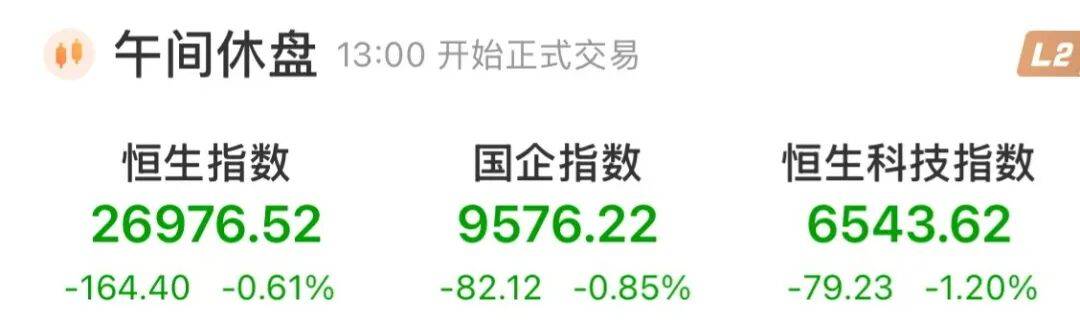
Core Viewpoint - The article emphasizes China's commitment to high-level openness and cooperation in the global economy, particularly through international trade exhibitions, which serve as platforms for foreign businesses to engage with the Chinese market and share in its development opportunities [1][5][12]. Group 1: International Trade Exhibitions - The upcoming China International Import Expo will attract exhibitors from around the world, showcasing products and fostering business interactions, thereby enhancing China's role in global trade [1]. - Various international trade fairs, such as the Investment Trade Fair and the Service Trade Fair, have seen participation from over 120 countries, highlighting China's appeal as a market for foreign investment [3][14]. - Companies like Austria's Zotter Chocolate have leveraged these exhibitions to introduce new products and engage directly with Chinese consumers, benefiting from China's open economic policies [3][5]. Group 2: China's Economic Policies - China's leadership, as articulated by President Xi Jinping, underscores the nation's role as a stabilizing force in the global economy, advocating for inclusive economic globalization and the reduction of trade barriers [5][12]. - The country is actively expanding its institutional openness, creating a market-oriented and legally sound business environment to attract foreign investment [5][12]. - China's approach to economic globalization is seen as a counter to rising protectionism and unilateralism, promoting a collaborative international economic framework [12][16]. Group 3: Innovation and Technology - China is positioned as a leader in innovation, particularly in artificial intelligence and digital transformation, which are reshaping global industries [6][7]. - Companies like ON Semiconductor have established a strong presence in China, recognizing the market's potential for rapid product iteration and technological advancement [7]. - The collaboration between Chinese firms and global technology leaders is fostering a dynamic environment for innovation, enhancing the global competitiveness of all parties involved [10][12]. Group 4: Global Economic Cooperation - The article highlights the importance of multilateral cooperation in addressing global economic challenges, with China advocating for a more inclusive and equitable trade system [12][16]. - Experts from various countries commend China's efforts to facilitate global trade and technology transfer, which are crucial for maintaining an open international market [14][16]. - The ongoing commitment to building an open world economy is seen as essential for fostering collaborative innovation and sustainable development among nations [12][16].
让开放的阳光温暖世界经济——从国际展会看中国机遇
Xin Hua She· 2025-10-05 09:32
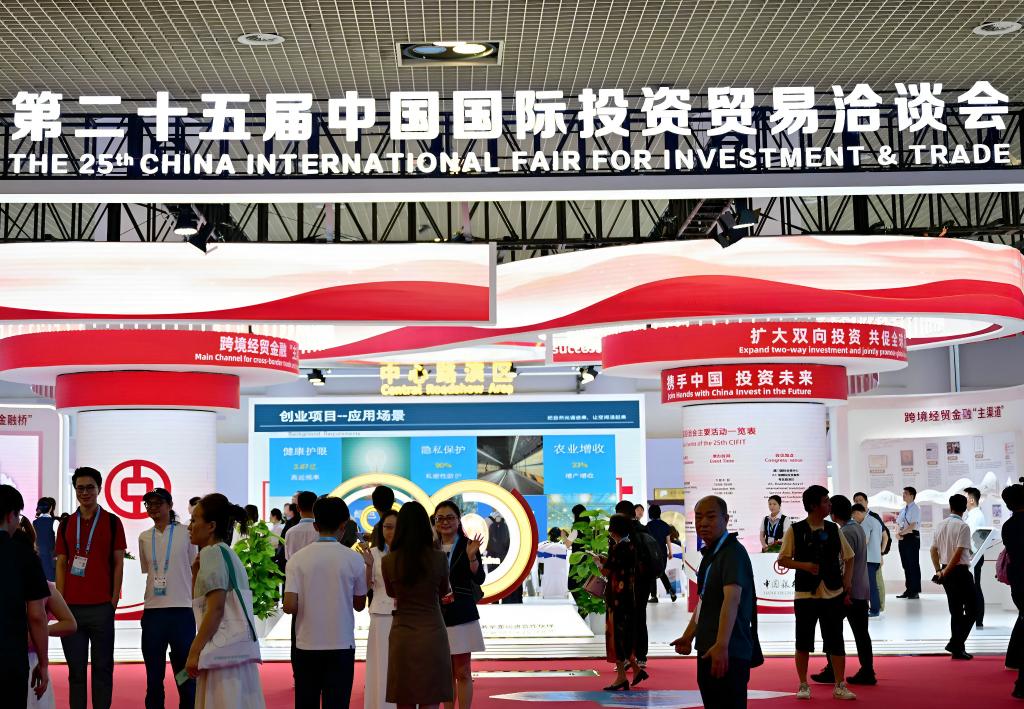
Group 1 - The upcoming China International Import Expo (CIIE) is expected to attract global exhibitors, showcasing opportunities for foreign businesses in the Chinese market [1] - Various international trade fairs in China, such as the Investment Trade Fair and Service Trade Fair, highlight China's commitment to open cooperation and high-quality development [2][6] - China's open policies and favorable business environment are benefiting foreign enterprises, as emphasized by executives from companies like Austria's Zotter Chocolate [2][4] Group 2 - The significance of the Investment Trade Fair is underscored by the challenges of rising trade barriers and the need for innovative cooperation to promote sustainable global development [3][6] - China's innovation-driven development strategy is fostering new industries and business models, particularly in AI and digital transformation, creating new opportunities for global partners [4][5] - Companies like ON Semiconductor are leveraging China's large market and rapid product iteration to enhance their global competitiveness [4] Group 3 - China's commitment to promoting inclusive economic globalization and opposing protectionism is crucial for maintaining an open international market [6][8] - The establishment of free trade zones and the hosting of international trade events are part of China's strategy to enhance global service trade cooperation [6][8] - Observers note that China's support for global cooperation and technology transfer is vital for avoiding disruptive "decoupling" in international markets [7][8]
