汽车

Search documents
易实精密(920221):2025Q4净利润实现高增,受益市场开拓和产品结构优化
Jianghai Securities· 2026-02-27 07:35
Investment Rating - The investment rating for the company is "Buy" (maintained) [1] Core Views - The company reported a revenue of 3.519 billion yuan in 2025, representing a year-on-year growth of 9.50%, with a net profit attributable to the parent company of 60 million yuan, up 10.70% year-on-year [4] - In Q4 2025, the company achieved a revenue of 100 million yuan, a 15.50% increase year-on-year, and a net profit of 12 million yuan, reflecting a significant growth of 55.71% year-on-year [4] - The company is expected to maintain revenue growth in the coming years, with projected revenues of 3.52 billion yuan in 2025, 4.17 billion yuan in 2026, and 4.81 billion yuan in 2027, with respective growth rates of 9.50%, 18.56%, and 15.24% [7] Financial Summary - The company’s total revenue for 2023A is projected at 2.7572 billion yuan, increasing to 3.2138 billion yuan in 2024A, and reaching 3.5192 billion yuan in 2025E [6] - The net profit attributable to the parent company is forecasted to be 515.1 million yuan in 2023A, 541 million yuan in 2024A, and 598.9 million yuan in 2025E, with growth rates of 36.15%, 5.03%, and 10.70% respectively [6] - The company’s return on equity (ROE) is expected to be 13.96% in 2023A, decreasing slightly to 13.26% in 2024A, and then increasing to 13.93% in 2025E [6] Market Performance - The company’s stock price has shown relative performance of -4.46% over the past month, -10.05% over the past three months, and -5.25% over the past year compared to the benchmark [2] - The stock has an absolute return of -7.22% over the past month, a slight increase of 0.55% over the past three months, and a positive return of 11.06% over the past year [2] Industry Outlook - The new energy vehicle market in China is expected to continue growing, with sales projected to reach nearly 17 million units in 2025 and an electric penetration rate of 48.5% [7] - In 2026, the sales of new energy vehicles are forecasted to reach 20 million units, representing a year-on-year growth of 19%, with an electric penetration rate expected to exceed 57% [7] - The export market for new energy vehicles is also anticipated to grow significantly, with exports expected to approach 4 million units in 2026, marking a 54% increase year-on-year [7]
国新证券每日晨报-20260227
Guoxin Securities Co., Ltd· 2026-02-27 07:32
Domestic Market Overview - The market showed a mixed performance on February 26, with the Shanghai Composite Index closing at 4146.63 points, down 0.01%, while the Shenzhen Component Index rose 0.19% to 14503.79 points. The STAR 50 Index increased by 0.85%, and the ChiNext Index fell by 0.29%. The total trading volume of the A-share market reached 25,566 billion yuan, continuing to rise from the previous day [1][5][10] - Among the 30 sectors tracked by CITIC, 11 sectors saw gains, with telecommunications, electronics, and defense industries leading the increases. Conversely, real estate, non-bank financials, and consumer services experienced significant declines. Notably, indices related to circuit boards, optical circuit switches, and copper-clad laminates performed actively [1][5][10] Overseas Market Overview - On February 26, the three major U.S. stock indices closed mixed, with the Dow Jones Industrial Average up 0.03%, the S&P 500 down 0.54%, and the Nasdaq down 1.18%. The Wande American Technology Seven Giants Index fell by 1.87%, with Nvidia dropping over 5% and Tesla declining by more than 2%. The Nasdaq China Golden Dragon Index fell by 1.78%, with SMIC down over 16% and BeiGene down more than 8% [2][5] News Highlights - The Ministry of Commerce responded to the upcoming sixth round of China-U.S. economic and trade consultations, emphasizing the importance of maintaining communication and cooperation between the two countries [3][12] - The People's Bank of China issued a notice regarding the cross-border interbank financing business for banking financial institutions, supporting domestic banks in conducting such business in a compliant and risk-controlled manner [3][12] - The offshore RMB against the U.S. dollar broke through the 6.83 mark, rising approximately 260 basis points during the day [3][13] - Global debt has surged to a record 348 trillion U.S. dollars, marking the fastest growth since the onset of the COVID-19 pandemic [3][17]


平安证券(香港)港股晨报-20260227
Ping An Securities Hongkong· 2026-02-27 07:27
Market Overview - The Hong Kong stock market experienced a decline, with the Hang Seng Index closing at 23,831 points, down 145 points or 0.61% [1] - The Hang Seng Technology Index fell by 2.87% to 5,109.33 points, while the Hang Seng China Enterprises Index decreased by 2.44% to 8,814.29 points [1][5] - The total market turnover was HKD 259.28 billion, an increase from the previous day's HKD 236.76 billion [5] US Market Performance - The US stock market showed mixed results, with the Dow Jones rising by 0.03%, while the S&P 500 and Nasdaq fell by 0.54% and 1.18% respectively [2] - Notable declines were observed in major tech stocks, with Nvidia dropping over 5% and Tesla falling more than 2% [2] Investment Opportunities - The report emphasizes the potential for growth in sectors supported by the "self-reliance in technology" policy, particularly in artificial intelligence, semiconductors, and industrial software [3] - There is a recommendation to focus on sectors benefiting from the "expanding domestic demand" policy, including sports apparel and non-essential service consumption [3] - The report highlights the continued value of Hong Kong stocks centered on Chinese assets, suggesting attention to state-owned enterprises with low valuations and high dividends [3] Sector Performance - In the Hong Kong market, local real estate, software, and 5G concept sectors saw significant declines, while gold stocks performed well [1] - Within the Hang Seng Index, notable stock movements included a 10.8% drop for Zhongsheng Holdings and a 7.5% decline for WuXi Biologics [1][5] - The report indicates a significant focus on the technology sector, particularly in light of recent policy changes aimed at enhancing domestic capabilities in computing and communication [3]
马斯克再遭打脸:监管数据显示特斯拉未在加州推进Robotaxi
Sou Hu Cai Jing· 2026-02-27 07:08
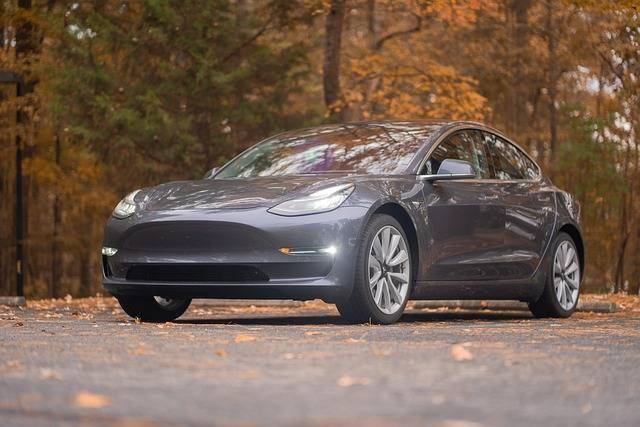
IT之家 2 月 27 日消息,据路透社今日报道,尽管特斯拉 CEO 埃隆 · 马斯克多次宣称"特斯拉距离在加 州推出 Robotaxi 无人驾驶机器人出租车服务仅剩数月之遥",但实际情况并非如此。 图源:Pixabay 加州机动车辆管理局记录却显示,特斯拉在 2025 年并未采取任何实质性行动。数据显示,该公司 2025 年在加州道路上的自动驾驶测试里程已经连续第六年为零。 图源:Pixabay 在加州监管体系中,记录测试里程对于 Robotaxi 企业的运营至关重要。该体系要求企业必须逐步通过 一系列许可,才能获准运营如 Alphabet 旗下 Waymo 那样的无人驾驶网约车服务。 要像 Waymo 那样在加州运营 Robotaxi 业务,特斯拉首先需要从该州 DMV 和负责监管商业网约车的公 共事业委员会获得测试和运营无人驾驶车辆的许可。 但特斯拉目前仅持有 DMV 的入门级许可,该许可允许在驾驶座上配备人类安全监督员的情况下测试无 人驾驶车辆。DMV 发言人表示,特斯拉尚未申请任何额外许可。 南卡罗来纳大学法学教授、自动驾驶专家布莱恩特 · 沃克 · 史密斯(曾担任加州 DMV 顾问)指出,特 斯拉 ...

小米应主动召回37万辆初代SU7,以彻底消除门把手安全隐患
Di Yi Cai Jing· 2026-02-27 07:05
Core Viewpoint - The article discusses the safety concerns regarding the first-generation Xiaomi SU7 vehicles, particularly focusing on the door handle design that poses risks during emergencies, and emphasizes the need for Xiaomi to recall these vehicles to ensure user safety and uphold corporate responsibility [1][5][6]. Group 1: Incident Details - A collision involving a Xiaomi SU7 Ultra led to a fire, resulting in the driver's death, which was attributed to the vehicle's inability to open the doors due to electrical failure after the accident [1][3]. - The judicial report highlighted that the vehicle's external door handles were electrically released without mechanical backup, making it impossible to open the doors when the power was cut off [2][5]. Group 2: Regulatory Changes - A new mandatory national standard for automotive door handles (GB 48001-2026) will require mechanical release mechanisms for both external and internal door handles, effective from January 1, 2027 [4]. - Xiaomi's upcoming models, including the YU7 and the next-generation SU7, will comply with this new standard, indicating a shift towards improved vehicle safety [4]. Group 3: Call for Recall - There are calls for Xiaomi to proactively recall the first-generation SU7 vehicles to address the identified safety hazards, which affect approximately 370,000 units that have been delivered [5][6]. - A recall is seen as a responsible action for the company to take towards its initial users and as a necessary step to enhance brand reputation and consumer trust [7][8]. Group 4: Corporate Responsibility - The article argues that a recall is not merely a business inefficiency but a reflection of a company's commitment to product improvement and social responsibility [8][9]. - The need for companies to take on greater social responsibility is emphasized, especially in light of recent regulatory developments aimed at enhancing safety in the automotive industry [10].

【环球财经】美国政策因素导致跨国车企斯泰兰蒂斯巨亏
Xin Hua She· 2026-02-27 06:55
Core Viewpoint - Stellantis Group reported a projected net loss of €22.3 billion for 2025, primarily due to increased tariffs in the U.S. and adjustments in electric vehicle (EV) industry policies [1] Group 1: Financial Impact - The company estimates that U.S. tariffs will add €1.2 billion in costs for 2025, with this figure expected to rise to €1.6 billion in 2026 [1] - The financial burden from tariffs is significantly impacting the company's overall financial health [1] Group 2: Business Adjustments - Stellantis has reduced its electric vehicle production capacity and is restarting production of certain gasoline and diesel models, leading to costs exceeding €25 billion [1] - The cancellation of substantial subsidies for the EV industry by the U.S. government has prompted many European and American automakers to scale back their electrification efforts [1] Group 3: Strategic Outlook - The CEO of Stellantis, Carlos Tavares, indicated that the company will offer a variety of vehicle options, including electric, hybrid, and traditional internal combustion engine models, in response to policy changes [1] - Analysts suggest that the challenges posed by current industry policies will negatively affect the strategic planning and profit expectations of automakers in Europe and the U.S. [1]
汽车巨头变身AI大厂?63亿美元砸向AI,建数据中心和机器人工厂
Hua Er Jie Jian Wen· 2026-02-27 06:42
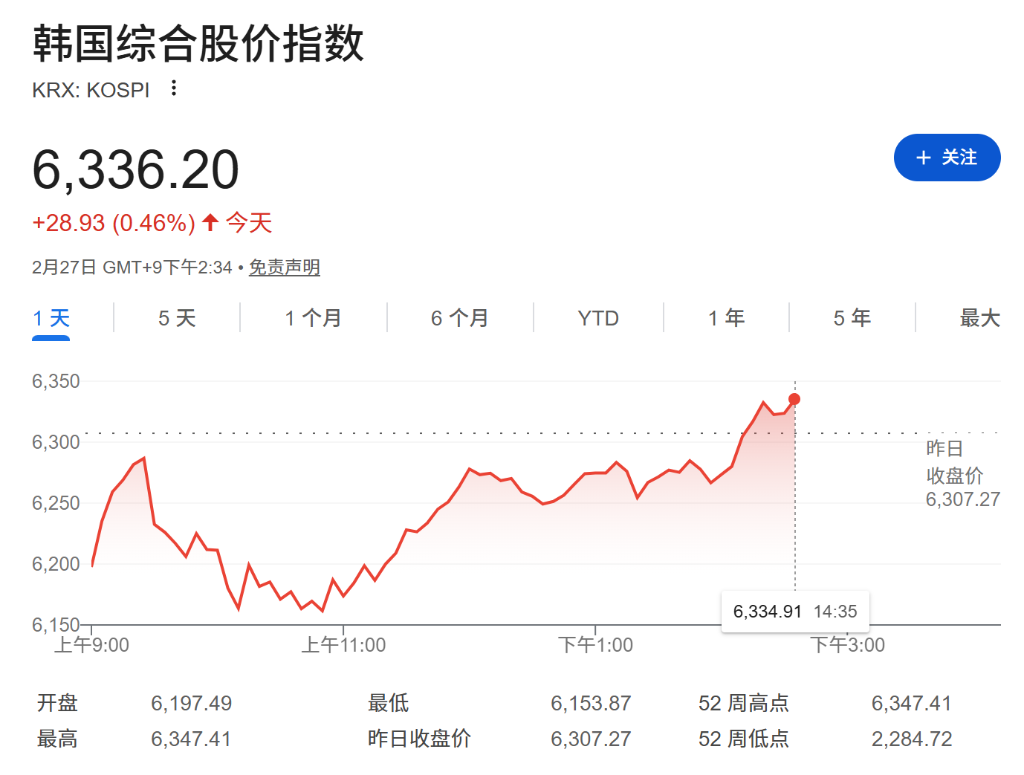
Core Viewpoint - Hyundai Motor's announcement of a $6.3 billion investment in South Korea aims to accelerate the development of AI and robotics technologies, creating 71,000 jobs and positively impacting the Korean stock market [1][4][8]. Group 1: Investment Details - The investment plan includes the construction of an AI data center, a robotics factory, and green hydrogen facilities, with completion expected by the end of 2029 [4][5]. - The AI data center will receive 5.8 trillion KRW, equipped with 50,000 GPUs to support autonomous vehicle development and deep learning for robots [5]. - A budget of 400 billion KRW is allocated for the first robotics factory in Korea, focusing on mass production of wearable robots and other industrial models [5]. Group 2: Renewable Energy and Technology Partnerships - The investment also includes 1 trillion KRW for a water electrolysis facility capable of producing 80 tons of green hydrogen daily, and 1.3 trillion KRW for solar power plants to support AI and hydrogen projects [6]. - Hyundai is deepening collaborations with top global tech companies, including a partnership with NVIDIA to develop a national-level physical AI cluster [6]. Group 3: Economic Impact and Strategic Response - This large-scale investment is a strategic response to external pressures faced by Hyundai's core automotive business, including potential tariffs in the U.S. and competition from Chinese manufacturers [8]. - The project aligns with the South Korean government's economic vision, aiming to create more jobs and shift economic focus from major cities to regional areas [8].

策略月报:一页纸精读行业比较数据:2 月-20260227
Guoxin Securities· 2026-02-27 06:30
Investment Chain - The prices of non-ferrous metals have risen significantly since February 2026, with copper, aluminum, zinc, lead, tin, nickel, gold, and silver all experiencing price increases. However, fixed asset investment growth has declined, with real estate development investment down by 17.20% year-on-year and manufacturing fixed asset investment growth at only 0.60% [10][11] - In February 2026, the average price of ordinary cement decreased, while the prices of steel and light soda ash also fell. The sales growth of large and light buses declined, but the sales growth of medium-sized buses increased [10][11] Consumption Chain - In January 2026, the year-on-year growth rate of automobile sales showed a slight recovery, increasing to -3.18%. However, the consumer confidence index fell to 89.50 in December 2025, and retail sales growth for home appliances decreased by 14.25% [11][12] - The total retail sales of consumer goods in December 2025 saw a nominal year-on-year growth rate drop to 0.90%, with a cumulative decline of 3.70% [11][12] - Tourism revenue in Beijing increased by 11.40% year-on-year in December 2024, while tourism revenue in Hainan decreased by 20.03% in March 2024 [11][12] Export Chain - In December 2025, exports to Japan and ASEAN countries increased, while exports to the US and EU saw a decline. The export growth rate for electronic products rose to 37.25%, while textile exports fell by 4.23% [12][13] - The cumulative year-on-year growth rate for exports of refined oil, coke, steel, and aluminum increased, while the export amounts for agricultural products, toys, furniture, and other categories decreased [12][13] - The OECD leading indicator for the US rose to 100.50 in January 2026, indicating potential economic improvement [12][13] Price Chain - In February 2026, pork prices decreased to 12.75 yuan per kilogram, while oil prices increased, with WTI rising to 65.63 USD per barrel [13][14] - The price of PVC rose to 4770 yuan per ton, while the price of MDI fell to 13950 yuan per ton [13][14] - The price of cotton increased, and the price of white sugar decreased during the same period [13][14]
云南今年将发放10亿元消费礼包
Di Yi Cai Jing· 2026-02-27 06:14
Core Viewpoint - Yunnan Province is allocating 1 billion yuan in 2026 to stimulate consumer spending through various initiatives, following a similar investment in 2025 [2] Group 1: Funding Allocation - In 2026, Yunnan will distribute 1 billion yuan through the "Colorful Cloud Consumption Package," which includes consumer vouchers and support for retail innovation, supply chain optimization, and new consumption models [2] - Of the total funding, 820 million yuan will be used for consumer vouchers across nine categories, including automotive, e-commerce, and tourism [2] - Additional allocations include 65 million yuan for retail scene upgrades, 58 million yuan for supply chain modernization, and 57 million yuan for enhancing nighttime consumption and cultural events [2] Group 2: Previous Year Performance - In 2025, Yunnan's consumer voucher program led to a direct consumption increase of over 65 billion yuan, with online retail sales growing by 14.2%, surpassing the national average [4] - The film industry in Yunnan saw a significant boost, with box office revenue reaching 949 million yuan, a 43.97% increase year-on-year, ranking second nationally [4] - The tourism sector also thrived, with 782 million visitors and total tourism expenditure of 1.27 trillion yuan, reflecting growth rates of 11.8% and 11.5% respectively [5] Group 3: Future Initiatives - Yunnan plans to continue leveraging central and provincial funds to support consumption, including policies for trade-in programs and the development of new consumption environments [5] - The province aims to enhance collaboration between local and national policies to maximize the impact of consumer stimulation efforts [5]
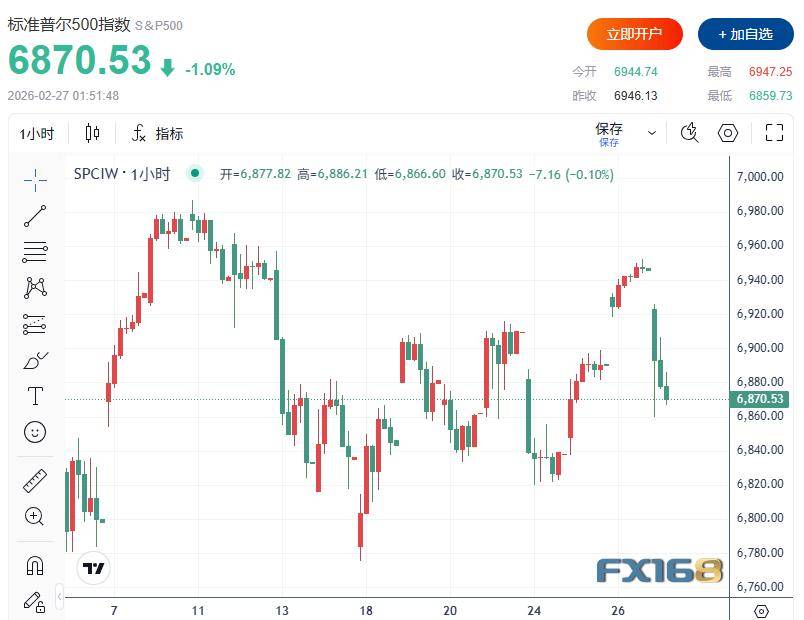
美联储今年降息4次!?英伟达重挫5%拖累美股跳水!加密“恐惧”未退、日元走强、油价V型反弹
Sou Hu Cai Jing· 2026-02-27 06:02
Group 1: Federal Reserve and Economic Indicators - Federal Reserve Governor Stephen Miran suggests a cumulative rate cut of 100 basis points this year to mitigate potential labor market risks, despite strong employment growth in January [2] - The market, however, anticipates that the Federal Reserve will maintain interest rates at the upcoming March 18 meeting, with a 98% probability of no change [2] - Initial jobless claims in the U.S. saw a slight increase, while continuing claims decreased, indicating a slight stagnation in economic momentum [2] Group 2: U.S. Stock Market and Nvidia - U.S. stock markets experienced a downturn, particularly in technology stocks, with the Nasdaq index falling approximately 1.8% and the S&P 500 dropping over 1% [3] - Nvidia reported revenue and profit exceeding expectations, yet its stock price declined by about 5% due to concerns over future growth drivers and competition in the AI sector [4] Group 3: Currency Market and Japanese Yen - The Japanese yen rebounded against the dollar, rising 0.2% to 155.99, ending a two-day decline, as the Bank of Japan hinted at potential interest rate hikes [6][8] - The market anticipates that the Bank of Japan may raise rates twice this year, despite some internal opposition to tightening [8] Group 4: Cryptocurrency Market - The cryptocurrency market showed signs of divergence, with Bitcoin rebounding from below $63,000 to around $66,750, while Ethereum rose from $1,815 to over $2,023 [10] - Despite the price recovery, the Crypto Fear & Greed Index remains in the "extreme fear" zone, indicating overall market sentiment is still low [10] Group 5: Oil Market and Geopolitical Tensions - Oil prices experienced a V-shaped fluctuation, initially dropping 2.8% before rebounding above $66, influenced by ongoing U.S.-Iran nuclear negotiations [11][13] - Concerns about potential military conflict and disruptions in OPEC supply are heightened due to the uncertainty surrounding the negotiations [13]