食品加工

Search documents
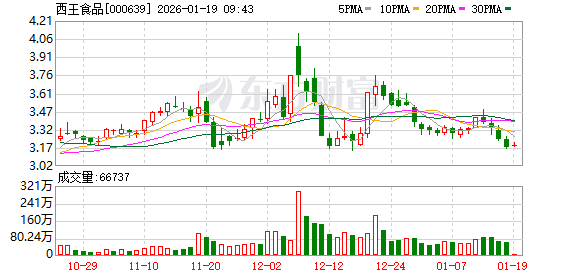
西王食品:公司有其它玉米胚芽的采购渠道,第三方供应商采购占比超过关联方采购
Mei Ri Jing Ji Xin Wen· 2026-01-19 01:44
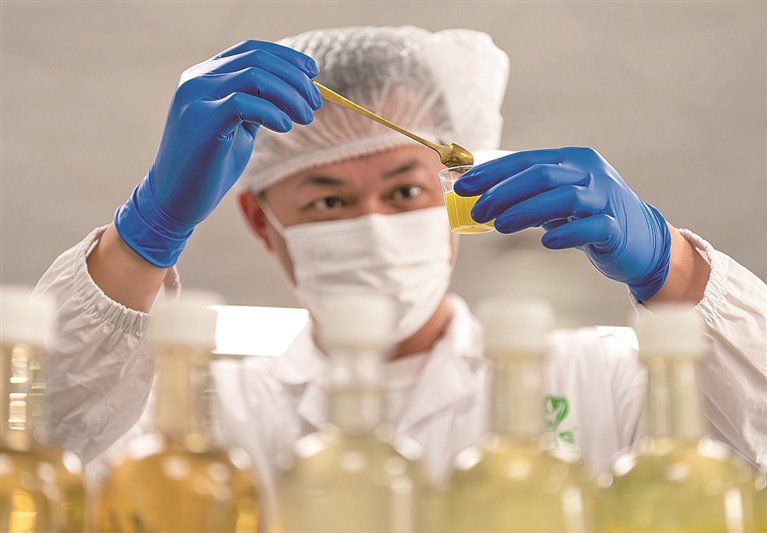
Group 1 - The company, Xiwang Food, confirmed that it has procurement channels for corn germ beyond its related party, Xiwang Group [2] - The procurement from third-party suppliers exceeds that from related parties [2]


卫龙前CEO入职大窑汽水;钱大妈赴港IPO
Sou Hu Cai Jing· 2026-01-19 01:17
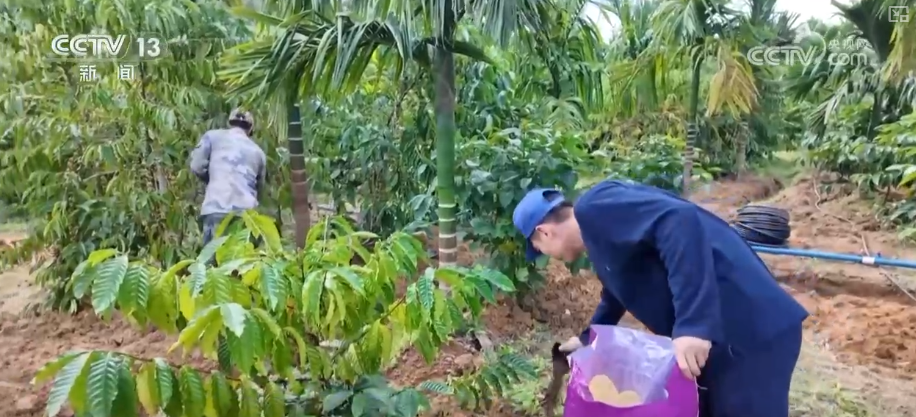
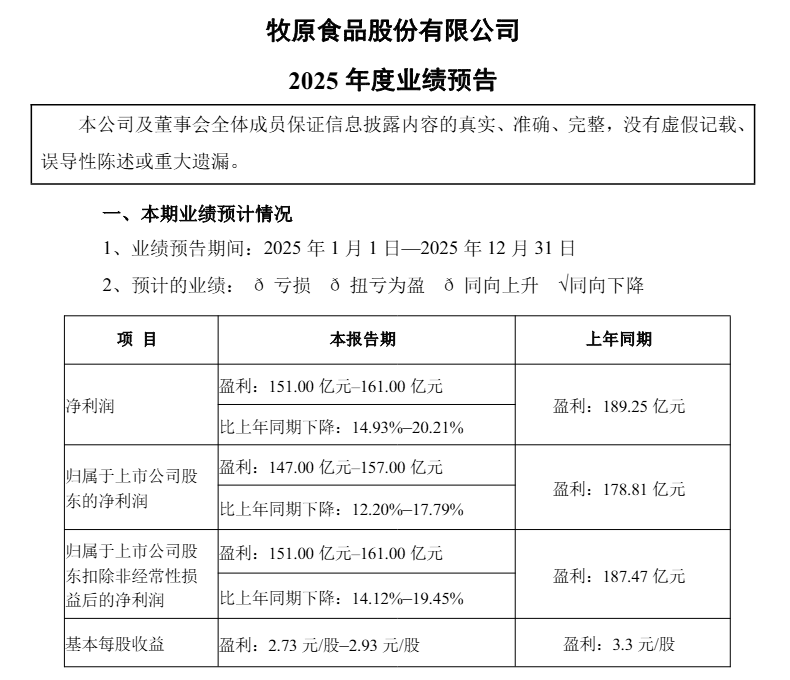
Group 1: Company Developments - Former CEO of Weilong, Sun Yinoong, has joined Dayao as CEO, bringing extensive experience from Coca-Cola and Xiamen Yili Food Group [1] - Qian Dama International Holdings has officially launched its IPO process in Hong Kong, aiming to raise funds for expanding its store network and enhancing supply chain capabilities [2] - Muyuan Foods has projected a net profit of 14.7 billion to 15.7 billion yuan for 2025, reflecting a decline of 12.20% to 17.79% compared to the previous year due to fluctuations in the pig market [2][3] - Jinlongyu announced the transfer of its 50% stake in a joint venture with Mars China for a total of $60 million, which is expected to impact its 2026 earnings significantly [4] - New Hope plans to raise approximately 3.338 billion yuan through a private placement to enhance digital transformation and repay debts [4] Group 2: Industry Trends - Yonghui Supermarket has forecasted a net loss for 2025, indicating challenges in its operational performance [5] - Ito En is advancing local tea procurement in China to mitigate rising costs and meet the growing global demand for matcha [5] - Yunnan coffee has expanded its market reach to 34 countries, with significant growth in planting area and production, leading to a 358% increase in exports in 2024 [8] - The World Health Organization has called for increased taxation on sugary and alcoholic beverages to address public health issues related to obesity and related diseases [10]

“年经济”升温企业开足马力赶订单、忙生产 马年特色产品内销、出口双提升
Yang Shi Wang· 2026-01-19 00:46
Group 1: Flower Pastry Industry in Shandong - The traditional food "Flower Pastry" in Shandong Jiaodong region is entering a peak production and sales season ahead of the Spring Festival, with various zodiac-themed pastries, especially those featuring the Year of the Horse, gaining popularity among consumers [1] - The production process of Flower Pastry is complex, requiring over ten steps including fermentation, shaping, and steaming, with some designs taking more than six hours to complete [2] - Flower Pastry serves not only as a delicacy but also as a medium for expressing good wishes, with local initiatives promoting the transmission and dissemination of this traditional craft through various community activities [3] Group 2: Ceramic Industry in Shanxi - Shanxi Huairen, a key supplier of daily porcelain tableware, is experiencing a surge in production and sales, particularly for products featuring Year of the Horse elements, which are being exported to Southeast Asia and other regions [4][10] - A local ceramic factory has ramped up production to 30,000 pieces of porcelain daily, utilizing automated production lines that enhance efficiency by five times compared to traditional methods [5][6] - The region has 123 production lines with an annual output of 3.5 billion pieces, and horse-themed products are particularly popular, with over 2,000 orders being processed daily [7][8] - Local businesses are expanding sales channels through live streaming and direct supply to supermarkets, while also ensuring timely delivery of orders through a green logistics channel [9]
制度创新破壁前行
Jing Ji Ri Bao· 2026-01-18 22:20
Core Insights - The Kaifeng Free Trade Zone aims to enhance market vitality by breaking down administrative barriers and implementing innovative measures such as "22-in-1" certification and integrated service codes [1][2] - The Kaifeng Comprehensive Bonded Zone has successfully commenced operations, significantly reducing the construction period and costs while achieving a remarkable increase in import and export values [2][3] - The initiative focuses on promoting cultural trade and internationalization, establishing a comprehensive service system for cultural goods, and enhancing the efficiency of customs clearance [2][3] Group 1: Market Development Initiatives - The introduction of "22-in-1" certification and integrated service codes has streamlined processes and reduced bureaucratic hurdles, leading to significant cost savings for companies like Chery [1] - The establishment of a dedicated logistics route has improved the efficiency of goods transportation, exemplified by Chery's logistics cost savings of 7 million yuan annually [1] Group 2: Trade and Economic Growth - The Kaifeng Comprehensive Bonded Zone achieved an import and export value of 13.76 billion yuan from January to November 2025, marking a 154% year-on-year increase, the highest growth rate in the province [2] - The implementation of a "7×24 hours" customs clearance system has enhanced the convenience of trade operations, contributing to the overall economic growth of the region [2] Group 3: Cultural Trade and Internationalization - A full-chain trade service system for cultural goods has been established, addressing challenges such as slow customs clearance and high financing costs, with logistics costs reduced by 80% [2][3] - The creation of the first cultural and arts bank in the country and the introduction of specialized financial products have facilitated cultural trade and financing [2][3] Group 4: Future Development Plans - The focus will be on deepening reforms and enhancing the Free Trade Zone's strategic implementation to support the construction of a unified national market [2][4] - Plans include the establishment of an international art exhibition and trading center, and the development of various service platforms to promote cultural and medical tourism [3][4]
牢记食品安全知识,很重要
Xin Lang Cai Jing· 2026-01-18 21:31
Core Viewpoint - The article discusses the importance of food safety and health in China, highlighting recent developments and regulations aimed at improving food safety governance and addressing public concerns [1]. Group 1: Regulatory Developments - In March 2025, the Central Committee and State Council issued guidelines to enhance food safety through a full-chain regulatory approach, addressing eight weak links and proposing 21 specific measures to shift from reactive to proactive governance [2]. - The new regulations focus on emerging challenges such as online food delivery and cross-regional risks, aiming to include all stakeholders in the food supply chain under regulatory oversight [2]. Group 2: Food Labeling Improvements - New food labeling standards were introduced in March 2025, which include digital labels to resolve issues of visibility and accessibility of food information [3]. - The updated standards require clear labeling of expiration dates and allergenic substances, enhancing consumer awareness and safety [3]. Group 3: Food Safety Incidents - The "water-retaining shrimp" incident raised concerns over excessive use of food additives, highlighting the need for companies to adhere to legal standards and ensure safe practices in food production [5]. - The issue of "sterile eggs" was discussed, clarifying that they are not absolutely sterile and emphasizing the importance of consumer awareness regarding food safety [7]. Group 4: New Food Ingredients - D-alloheptulose was approved as the first bio-synthesized food ingredient in China, marking a significant step in the application of synthetic biology in the food sector [9]. - The approval indicates a mature technological capability and policy support for synthetic biology in food production, presenting new opportunities for the industry [9]. Group 5: Nutritional Products for Seniors - The draft standards for "senior nutrition supplements" were released in July 2025, indicating a growing market demand for products tailored to the nutritional needs of the elderly [17]. - The development of these products requires collaboration between enterprises, academia, and government to ensure scientific research and standardized production [17]. Group 6: Food Safety Awareness - Recent incidents, such as the use of non-food-grade colorants in school meals, underscore the need for heightened awareness and training among food industry workers to prevent food safety violations [11]. - The article emphasizes the importance of robust monitoring and traceability systems in the food supply chain to enhance safety and quality [15].
“小丸子”撬动产业“大振兴”
Xin Lang Cai Jing· 2026-01-18 18:29
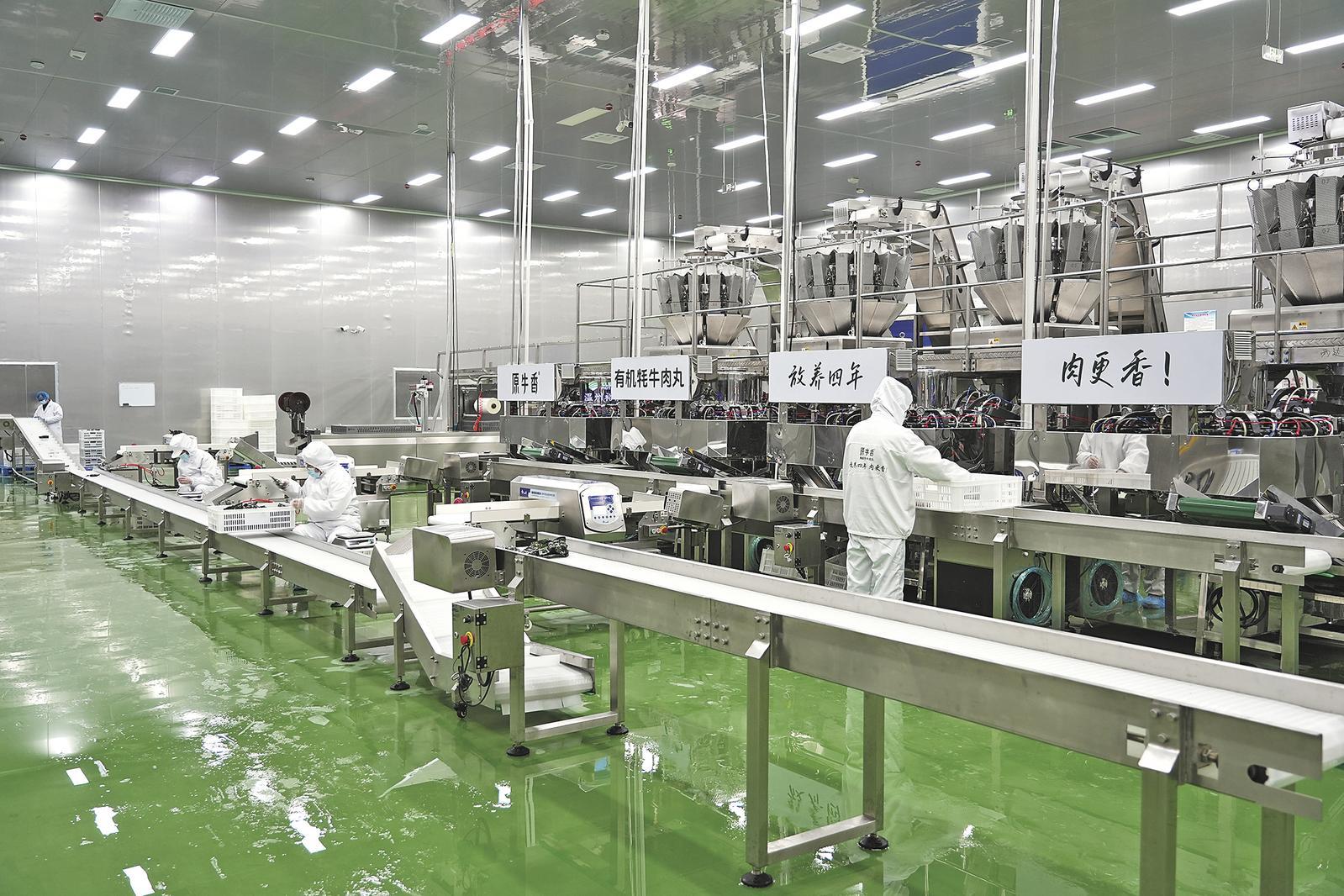
Core Viewpoint - The establishment of the fully automated yak meatball production line by Qinghai Yuan Niu Xiang Food Co., Ltd. marks a significant transformation in the yak industry, shifting from raw material output to brand output, and aims to enhance local employment and economic stability [3][4]. Group 1: Production and Technology - The new production line, with a total investment exceeding 200 million yuan, is the largest yak meatball processing base in Qinghai, capable of producing up to 30 tons per day once fully operational [3][4]. - The production process is highly automated, ensuring that the time from slaughter to finished product does not exceed 4 hours, with rapid freezing to -18°C within 25 minutes to preserve the meat's freshness and nutrition [3]. Group 2: Market Strategy and Sales - The company has established three brand specialty stores and is actively selling on e-commerce platforms, with initial orders exceeding 5 million yuan from regions including Shanghai, Jiangsu, and Guangdong [4]. - The strategy to convert yak meat into meatballs addresses traditional challenges such as poor taste and weak market recognition, allowing for entry into larger markets like hot pot and family dining [4][5]. Group 3: Industry Impact and Future Goals - The project is expected to directly employ over 200 local herders as industrial workers, contributing to their income stability and skill development [3][5]. - The company aims to achieve EU organic certification and develop high-end products for niche markets, while also exploring the high-value utilization of yak by-products [6].
买牛肉丸遇配料刺客混合鸡肉猪肉
Xin Lang Cai Jing· 2026-01-18 16:23
Core Viewpoint - The article highlights concerns regarding the authenticity and labeling of beef meatballs in the market, particularly in relation to the upcoming standards for "Shantou Beef Meatballs" set to be implemented in January 2025, which require a beef content of at least 90% for proper labeling [1] Group 1: Industry Standards and Regulations - The new standard for "Shantou Beef Meatballs" mandates that beef content must be ≥90% to be labeled as such, while many products in the market labeled as "Chaozhou Beef Meatballs" do not meet this requirement [1] - There is a discrepancy in standards: the "Shantou Beef Meatballs" local standard requires beef content of ≥90%, the "Chaozhou Beef Meatballs" group standard requires ≥80%, and the industry standard only requires ≥8% [1] Group 2: Consumer Concerns and Market Practices - Consumers have reported issues with misleading labeling, such as products labeled as "authentic Chaozhou Beef Meatballs" containing chicken, and claims of "98% pure beef meatballs" that include beef tendons and starch [1] - A survey in Nanjing revealed that many beef meatball products contain mixed meats, with one product showing only 51% beef content and including pork [1] Group 3: Recommendations for Consumers - Food experts advise consumers to carefully check the execution standards and ingredient lists when purchasing meatballs, recommending those that clearly state local or group standards, high meat content, and clean ingredients [1]
冲刺“万亿之城”,“更好潍坊”亮出四维新名片
Xin Lang Cai Jing· 2026-01-18 11:14
Core Perspective - Weifang is striving to become a trillion GDP city by 2026, showcasing its ambition through four new identity cards that reflect its historical depth, economic vitality, cultural richness, and commitment to public welfare [1][39]. Group 1: Economic Development - Weifang is on the verge of achieving a trillion GDP, leveraging its strong industrial base and strategic location as a national transportation hub [12][39]. - The city has a comprehensive transportation network that integrates road, rail, sea, river, and air, facilitating global connectivity [13]. - Weifang's manufacturing sector contributes significantly to the economy, accounting for about 10% of Shandong's industrial output and 1% of the national total, with a total industrial output value exceeding 1.2 trillion yuan [18]. Group 2: Cultural Heritage - The city’s identity is deeply rooted in its historical and cultural heritage, symbolized by the "Dragon" and "Elephant," which represent its spirit and strength [3][8]. - Weifang is recognized as a national cultural ecological protection zone, showcasing its rich intangible cultural heritage and traditional craftsmanship [8][18]. Group 3: Agricultural Innovation - Weifang is a leading agricultural hub, with a total agricultural output value exceeding 137 billion yuan, and it plays a crucial role in the province's food supply [18]. - The city is known for its innovative agricultural practices, contributing to national modernization efforts through various models like "Weifang Model" [18]. Group 4: Social Welfare and Health - Over 80% of Weifang's public budget is allocated to social welfare, enhancing education and healthcare services for its residents [21]. - The city is implementing a comprehensive healthcare reform, establishing a smart medical service system that improves patient care and accessibility [31][35]. Group 5: Urban Development and Quality of Life - Weifang emphasizes a balanced approach to urban development, integrating economic growth with cultural and social dimensions to enhance the quality of life for its residents [41]. - The city has been recognized as a "National Civilized City" for four consecutive years, reflecting its commitment to fostering a harmonious and cultured community [22].
海南封关“满月”
Xin Lang Cai Jing· 2026-01-18 07:08
Group 1 - The Hainan Free Trade Port officially started its full island closure on December 18, 2025, marking a new chapter with a special customs supervision area covering over 30,000 square kilometers [1] - The processing and manufacturing industry in Hainan has opened new opportunities, with daily truck transport volumes ranging from 2,500 to 2,600 vehicles since the closure [1] - A food company in Hainan reported a business volume of approximately 50 million yuan in the past month, benefiting from a tax exemption of 6 million yuan due to the new policies [1] Group 2 - Over 22,000 new business entities have been established in Hainan since the closure, with 4,709 new foreign trade enterprises registered in just 24 days [2] - The expansion of the industrial chain in Hainan is accompanied by infrastructure upgrades to support future growth [2] Group 3 - The popularity of duty-free shopping has surged, with 585,000 visitors participating and spending 3.89 billion yuan in the first month, representing a year-on-year increase of 32.4% and 49.6% respectively [3] - An average of 24,000 people per day engaged in duty-free shopping, with daily spending reaching 160 million yuan [3] Group 4 - The adjustment of the duty-free shopping policy has not only stimulated local residents' shopping enthusiasm but also expanded the benefits to travelers departing from Hainan [4] - The number of foreign travelers entering Hainan has increased by 46.5% year-on-year, with 180,000 visitors recorded since the closure [4] Group 5 - Hainan's Free Trade Port is set to continue expanding its open fields and optimizing policy design, aiming to align with international high-standard trade rules [5] - Future plans include enhancing cooperation with other free trade ports like Hong Kong, Singapore, and Dubai to facilitate domestic enterprises' international competition [5]
企业与老客户谈起“新生意” 海南封关政策利好催生新机遇带“火”自产货物
Yang Shi Wang· 2026-01-18 07:06
Group 1 - The core policy of Hainan Free Trade Port allows local products to be included in the processing value-added tax exemption, creating new development opportunities for local agricultural producers and processing enterprises [1][14] - The "two ends outside" model, which involves importing raw materials for local processing and then exporting, has gained traction, with companies successfully engaging in coffee import-export trade [7][10] - The first month of operation has seen nearly 30 enterprises utilizing the tax exemption policy, with products such as pharmaceuticals, food, and medical devices being exported [14] Group 2 - Local coffee producers are increasingly attracting clients for collaboration, as the new policy has led to a rise in interest and business opportunities [4] - The processing value-added requirement of over 30% has encouraged local coffee companies to incorporate Hainan's agricultural products into their offerings, enhancing their market differentiation [10] - The application of local products, such as Hainan sea salt in nut processing and coconut in beauty products, has begun to materialize, benefiting various enterprises and individuals [14]