奢侈品

Search documents
年轻人买奢侈品追求折扣,行业出现了一个反常现象
Sou Hu Cai Jing· 2025-05-29 09:08
Group 1: Company Performance - CHANEL reported a 30% drop in operating profit and a 28.2% decline in net profit for 2024, marking its first negative growth in five years [1] - Other luxury brands are also facing challenges, with LVMH experiencing a 5% revenue decline in Q1, Kering down 12% last year and 14% in Q1 this year, and Hermès showing a 7% increase, which is 10 percentage points lower than the previous year [3] Group 2: Market Trends - The luxury goods market is undergoing a collective downturn, influenced by global economic instability and changing consumer attitudes, particularly in China where the enthusiasm for brand logos is waning [3] - Bain & Company forecasts an 18%-20% decline in China's personal luxury goods market sales in 2024, with similar challenges expected in the first half of 2025 [3] Group 3: Consumer Behavior - Young consumers are shifting towards "intelligent consumption," focusing on value and personal needs rather than blindly pursuing high prices or marketing narratives [5] - The discount brand sector is thriving, with China's outlet sales projected to reach 239 billion yuan in 2024, a 4.5% increase, and Vipshop reporting net revenue of 26.3 billion yuan in Q1 2025 with 41.3 million active users [5] Group 4: Sales Strategies - Vipshop's recent promotional event achieved record sales for the COACH brand, indicating that consumers are not opposed to high-priced items, but rather seek compelling value propositions [7] - The emphasis on cost-effectiveness or value-for-money has become a crucial factor in consumer purchasing decisions, suggesting a potential new strategy for luxury brands to adapt to changing market dynamics [7]


年轻人买奢侈品必须要折扣,消费风向变了
Sou Hu Cai Jing· 2025-05-29 02:46
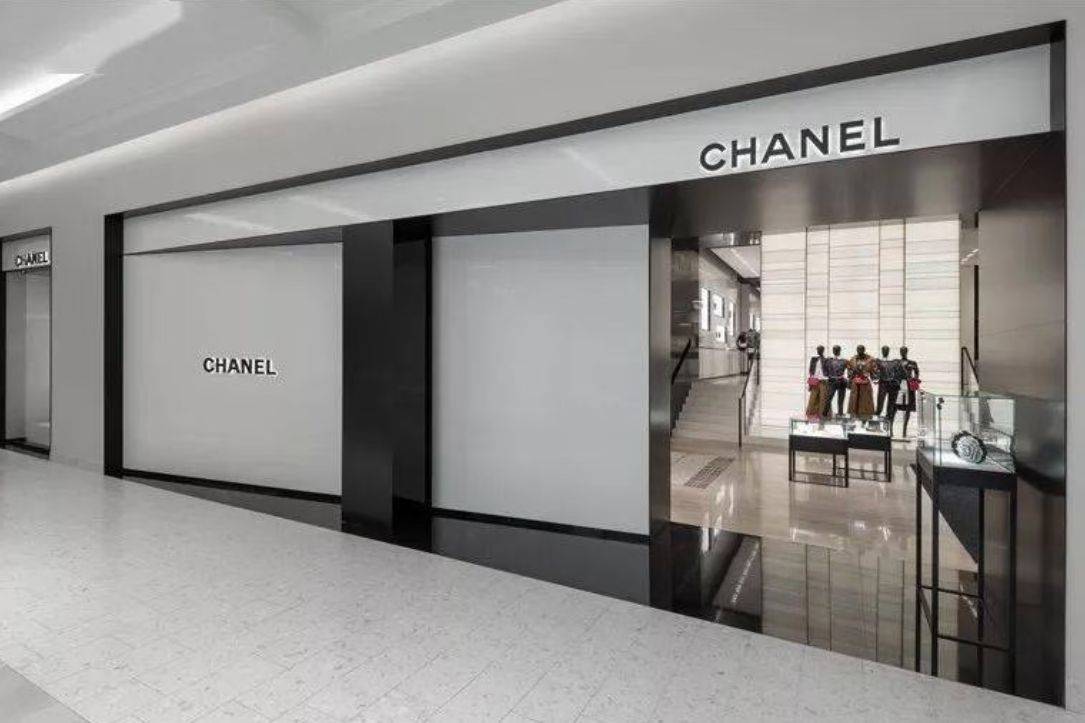
Core Insights - The luxury goods market is experiencing a significant downturn, with global sales projected to reach approximately €1.48 trillion in 2024, reflecting a growth rate of only -1% to 1%, marking the first overall decline since 2008-2009 [1] - The industry is facing a "price dependency syndrome," with iconic products like the Chanel 2.55 handbag seeing a price increase from ¥38,100 in 2019 to ¥84,000 in 2024, a rise of 120% [3] - Consumer sentiment is shifting, with younger generations increasingly valuing cost-effectiveness, leading to a decline in the willingness to pay high premiums for luxury items [3] Market Trends - Discount channels are becoming a significant avenue for luxury purchases, with outlets and platforms like Vipshop gaining popularity among consumers seeking better value [5] - The search volume for discounted luxury items surged during events like the 618 Mid-Year Shopping Festival, with brands such as COACH and Burberry seeing heightened interest [5] - Promotions on platforms can lead to substantial price reductions, exemplified by a Burberry bag originally priced at ¥16,200 being offered for ¥4,199, representing a 75% discount [5] Consumer Behavior - The luxury market is transitioning from "symbolic consumption" to "quality consumption," emphasizing the need for brands to balance price and value to thrive in the evolving consumer landscape [7] - The true essence of luxury is increasingly defined by the value of the consumer experience rather than just the price tag [7]
2025年从消费者变迁洞察品牌增长的原动力-奢侈品行业解析报告
Sou Hu Cai Jing· 2025-05-29 02:04
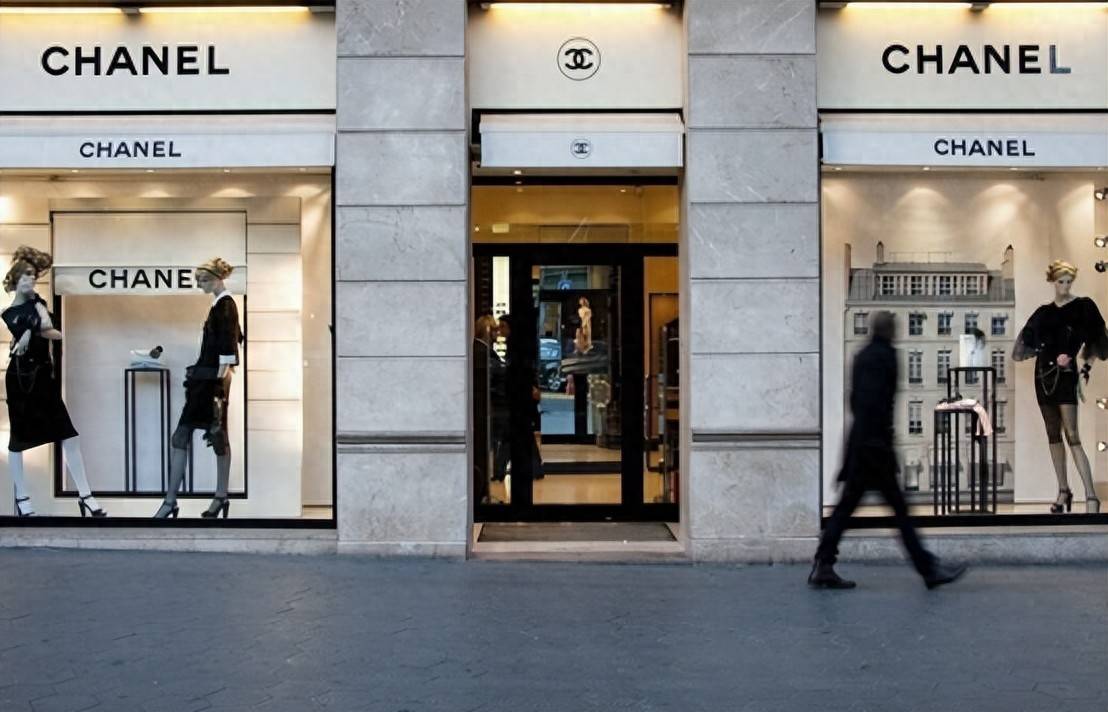
Core Insights - The luxury goods market in China is undergoing structural adjustments, with significant consumer demand differentiation. The analysis categorizes consumers into four core groups, which serve as key references for brand strategy formulation [1][2][3]. Group Summaries - **Fashion Enthusiasts**: Comprising 66% of the consumer base, primarily women aged 20-35, they contribute 9% to luxury spending. They are focused on light luxury and beauty products, favoring brands like CHANEL and DIOR. Their consumption is driven by emotional value and social media sharing, making collaborations with KOLs essential for brands [1][2][19]. - **Aspirational Pursuers**: This group accounts for 25% of the market and contributes 37% of spending. They are urban middle-class individuals aged 25-40, seeking a balance between quality and budget. They prefer purchasing light luxury or high-end alternative brands through discount channels. Brands need to optimize pricing strategies and leverage trends like "old money" aesthetics to attract this group [1][2][30]. - **Elite Lifestyle Patrons**: Representing 6% of the consumer base, this high-net-worth group contributes 51% to luxury spending. They are women aged 30-45 who prioritize luxury experiences and investment value, favoring top-tier brands like Hermès and CHANEL. Brands should enhance their offerings through exclusive events and high-quality materials to strengthen their market position [2][3][19]. - **Male Luxury Enthusiasts**: Comprising 3% of the market and contributing 3% to spending, this group includes high-net-worth men aged 20-40. They prefer understated luxury and practical items, such as watches and bags. Brands can attract this demographic by developing functional designs and classic color palettes [2][3][19]. Industry Trends - The luxury sector is facing a "low desire" dilemma, with declining interaction and search growth rates for high-end brands (-0.1%), while light luxury brands are experiencing a surge in engagement (78%). Mid-range brands are leveraging gold products and Chinese aesthetics for growth [2][12][19]. - Social media has become a critical battleground for brands. Successful campaigns include Loro Piana's "old money" loafers and Miu Miu's DIY trends, which have led to explosive search growth [2][12][19]. Future Directions - Brands need to precisely target consumer differences: high-end brands should emphasize scarcity and cultural experiences, while light luxury brands should focus on trend-driven products and value for money. Additionally, leveraging social media trends to capture younger consumer preferences is crucial for building emotional connections [3][19].

传统消费升级与新型消费扩容双轮驱动,消费板块“低估值+高分红”凸显吸引力
Sou Hu Cai Jing· 2025-05-28 15:40
Core Viewpoint - The current consumption policies are driving a dual engine of "traditional consumption upgrade" and "new consumption expansion," leading to a significant surge in the consumption sector, particularly in Hong Kong stocks, which have seen multiple companies reach historical highs [1][5]. Consumption Sector Analysis - The consumption sector, represented by food and beverage, textiles and apparel, and home appliances, has maintained strong dividend capabilities, with an average dividend yield of around 4% and a median yield of 5% for companies with a market capitalization over 200 billion [2][3]. - High dividend rates signal healthy financial conditions and strong profitability, enhancing investor confidence and potentially leading to higher valuation premiums for the sector [3]. Investment Preferences - The consumption sector is favored for its stability and maturity, with a low valuation (20x PE) and high dividend yield (3.41%), making it attractive compared to fixed-income products [4]. - Institutional investors, such as pension funds and social security funds, are increasingly allocating to the consumption sector, with the latter's holdings reaching 28% by the end of 2024 [4]. Future Consumption Trends - The expansion of domestic demand is being driven by two main trends: the rise of electric vehicles and the explosive growth of smart home technology, with the smart home market expected to exceed 800 billion by 2025 [6][7]. - The integration of AI in traditional home appliances is expected to enhance competitiveness and market share in the smart home sector [8]. Market Dynamics - The upcoming consumption peaks during the Dragon Boat Festival and the 618 shopping festival are anticipated to create significant consumer demand, particularly in electronics and home appliances, with price reductions of 20%-30% due to subsidies [10]. - Cultural consumption is also expected to rise, with historical data indicating that cultural activities during holidays can account for 25%-40% of spending in major provinces [10]. Challenges in Consumption - Certain sectors, such as luxury goods, may face demand challenges due to a shift towards more rational consumer behavior and competition from local brands [11]. - Traditional fuel vehicles are likely to experience long-term demand pressure as the market shifts towards electric vehicles, particularly in the sub-150,000 yuan segment [11]. New Consumption Concepts - The emergence of new consumption concepts, such as emotional and experiential consumption, is reshaping valuation logic in the industry, requiring a shift from traditional financial metrics to a combination of hard data and soft value assessments [12]. - Companies that successfully integrate emotional value with their business models may uncover new growth opportunities beyond traditional valuation frameworks [12]. Investment Opportunities - The consumption sector presents investment opportunities driven by policy support and the dual appeal of low valuations and high dividends, particularly in areas like smart wearables and home appliances [13]. - Emerging consumption scenarios, such as blind box consumption and pet economy, also offer significant market potential [13].
速度引擎驱动品牌溢价,跨界合作重构商业增长方程式
Cai Jing Wang· 2025-05-28 05:54
Core Insights - The Formula 1 (F1) is experiencing significant commercial growth, with total revenue projected to reach $3.65 billion in 2024, driven by luxury brands and strategic partnerships [1] - Luxury brands are leveraging F1 to enhance brand value and market penetration amidst rising costs and differentiated consumer demand [1] Group 1: Brand Partnerships and Strategies - Louis Vuitton (LV) has created a custom trophy case for the Monaco Grand Prix, symbolizing a blend of cultural significance and brand exposure, establishing a "victory symbol" association among high-net-worth individuals [2] - Rolex has been a long-term partner of F1 since 2013, paying $50 million annually for sponsorship, which has significantly boosted its brand recognition and aligned with its core values of precision and performance [3] - Starting in 2025, LVMH will replace Rolex as F1's global partner, indicating the increasing commercial appeal of F1 and a new phase in luxury brand and sports event collaborations [3] Group 2: Expanding Consumer Engagement - Marriott has focused on partnerships with top teams, offering unique experiences for fans, such as access to the paddock and exclusive events, thereby creating a consumer ecosystem around F1 [4] - PUMA has adopted a different approach by collaborating with Ferrari to develop innovative products, such as the X-Track racing shoes, showcasing a blend of technology and fashion [5] - PUMA's sales of racing apparel surged by 214% during the F1 Chinese Grand Prix, highlighting the effectiveness of targeted marketing strategies in engaging younger consumers [6] Group 3: Market Dynamics and Cultural Relevance - The partnerships reflect a calculated value exchange, with brands meeting the demands of F1's high-net-worth audience, global reach, and innovative image [6] - F1 is recognized as a valuable marketing platform, transitioning from traditional advertising to content and niche marketing, appealing to a passionate audience [6]
汇丰将LVMH目标价从575欧元下调至525欧元
news flash· 2025-05-27 08:59
Core Viewpoint - HSBC has lowered the target price for LVMH from €575 to €525 due to continued pressure in key markets [1] Group 1 - The adjustment in target price reflects ongoing challenges faced by LVMH in its primary markets [1]

美国公司最近发现了一个漏洞,从中国进口的商品可以大幅降低关税
Sou Hu Cai Jing· 2025-05-27 08:26
Core Insights - The article discusses the activation of the "first sale rule" in U.S. customs law, which allows American companies to circumvent high tariffs on Chinese goods by calculating duties based on the initial sale price rather than the final sale price to U.S. retailers [1][3][5] Group 1: First Sale Rule - The first sale rule, established in 1988, allows for lower tariff calculations if certain conditions are met, such as the intermediary not being an affiliated party and having proper documentation [3][5] - This rule has gained attention as U.S. companies, facing high tariffs on Chinese imports, have begun to utilize it to significantly reduce their tariff burdens [5][7] Group 2: Impact on Tariffs - Tariffs on Chinese goods can reach as high as 30% or more, and using the first sale rule can effectively halve the taxable amount, leading to substantial savings for companies [7][9] - The rule has become a critical strategy for various industries, including luxury goods and biotechnology, as they seek to mitigate the financial impact of tariffs [5][7] Group 3: Political and Economic Implications - The use of this rule poses challenges for U.S. policymakers who advocate for trade protectionism, as it undermines the intended effects of high tariffs on Chinese imports [7][10] - The article suggests that the reactivation of this rule may create a dilemma for U.S. lawmakers, balancing national economic security with the interests of domestic companies [9][10] Group 4: Global Market Dynamics - From a Chinese perspective, the situation highlights the continued competitive advantage of Chinese products, which remain attractive to U.S. companies due to lower costs and reliable quality [10][12] - The article emphasizes that the evolving trade landscape reflects the complexities of global markets, where companies will seek new avenues to navigate regulatory challenges [12]
【专访】Burberry集团董事长:中国市场仍在涌现出新一代年轻客人
Sou Hu Cai Jing· 2025-05-27 03:04
Core Viewpoint - Burberry is facing significant challenges in the Chinese luxury market, which has cooled down after a period of growth during the pandemic, leading to a strategic shift in the company's approach to marketing and product offerings [2][6][10]. Group 1: Market Conditions - The Chinese luxury market has experienced a drastic shift since 2020, with a surge in luxury consumption during the pandemic followed by a sharp decline starting in the second half of 2023 [2][6]. - Globally, the luxury goods industry is also facing difficulties, with Bain & Company projecting a 1% decline in global luxury sales for 2024 and a downward adjustment for 2025 from a growth forecast to a decline of 2% to 5% [6]. Group 2: Company Performance - Burberry's revenue for the fiscal year 2025 is expected to decline by 15% at constant exchange rates, with comparable store sales in mainland China down by 15% and a 16% drop in the Asia-Pacific region, which accounts for nearly half of Burberry's business [6][10]. - The company has acknowledged that its rapid brand innovation efforts may have been excessive, leading to challenges in managing brand transformation amidst market fluctuations [6][10]. Group 3: Strategic Initiatives - Under the new CEO Joshua Schulman, Burberry has launched the "Burberry Forward" transformation strategy, focusing on inventory management, cost reduction, and enhancing collaboration between commercial and creative teams [7][10]. - The company aims to strengthen its local marketing efforts in China, recognizing the need for a more localized narrative to resonate with younger consumers who increasingly identify with domestic culture [9][10]. Group 4: Consumer Engagement - Burberry is upgrading its existing stores and considering innovative concepts like introducing cafes in larger stores to attract a broader customer base [10]. - The brand is adjusting its pricing strategy, lowering prices on non-core items while maintaining premium pricing on key products like trench coats, aiming to appeal to a wider range of consumers, including the middle class [10][11]. Group 5: Future Outlook - Despite current economic pressures, Burberry remains optimistic about the Chinese market, which continues to produce a new generation of consumers with purchasing power [11].

欧盟计划加快与美国贸易谈判沃尔沃宣布将裁员3000人
Xin Lang Cai Jing· 2025-05-27 01:35
Group 1 - The EU plans to accelerate trade negotiations with the US, following President Trump's agreement to postpone the 50% tariffs on EU goods from June 1 to July 9, which has improved market risk appetite and boosted European stock indices [1] - Major European stock indices rose, with the French CAC40 index up 1.21% and the German DAX index up 1.68%, while the automotive and parts index increased by 1.7% [1] - Luxury goods stocks, heavily reliant on the US market, saw gains, with Kering, LVMH, and Richemont all closing higher [1] Group 2 - Volvo Cars announced a reduction of 3,000 jobs as part of a restructuring plan to address high costs, slowing demand for electric vehicles, and tariff uncertainties, primarily affecting office positions in Sweden, which represent about 15% of global office staff [1] - Volvo's stock price in Sweden rose over 3% following the announcement of the layoffs [1] Group 3 - Brent crude oil prices fell to $64.74 per barrel, down 0.06%, as positive news from US-EU trade negotiations eased market concerns, despite a report showing a decrease in the number of active oil drilling rigs in the US [1] - The number of operational oil drilling rigs in the US dropped to 465, the lowest level since November 2021, indicating that energy companies are cutting back on production in a low oil price environment [1] - OPEC+ has moved the date of its July production meeting forward to May 31, with expectations of a significant increase in production [1] Group 4 - International gold prices retreated as positive trade news dampened investor risk aversion, with June gold futures fluctuating between $3,330 and $3,350 per ounce, showing a slight decline from the previous trading day [2] - Due to an early market close, New York gold futures did not have a closing price for the day [2]

重大利好,来了!八部门明确了;美团一季度收入865.6亿元;小米回应玄戒O1传言→
新华网财经· 2025-05-27 00:19
今日导读 1. 5月26日,商务部、国家发展改革委等8部门发布《加快数智供应链发展专项行动计划》, 明确在农业、制造业、批发业、零售业等重点领域加快数智供应链发展,推动降低全社会物 流成本,培育一批数智供应链领军企业和供应链中心城市。 2. 美团港交所发布财报,第一季度营收865.6亿元人民币,同比增18.1%;调整后净利润 109.5亿元人民币,同比增长46.2%。 3. 5月26日,针对"网传玄戒O1是向Arm定制的芯片"相关提问,小米公司表示:"不是。这 完全是谣言,玄戒O1不是向Arm定制的,研发过程中,也没有采用Arm CSS服务。" 宏观消息 1、 据新华社5月26日消息,中共中央办公厅、国务院办公厅印发《关于完善中国特色现代企业制度的 意见》。意见从坚持和加强党的领导、完善公司治理结构、提升企业科学管理水平、健全企业激励创 新制度、建立健全企业社会责任与企业文化体系、优化企业综合监管和服务体系等方面作出全面系统 部署,重在以制度创新赋能企业发展,进一步释放微观主体活力,培育更富活力、更具韧性、更有竞 争力的现代企业,为以中国式现代化全面推进强国建设、民族复兴伟业提供有力支撑。 2、5月26日,商 ...