锂电池

Search documents
星恒电源 首席技术官 王正伟:迈向新“锰”标:新一代锰基电池材料前驱体创新与应用
Xin Lang Cai Jing· 2025-12-18 14:25
Core Viewpoint - The 2025 (10th) Qidian Lithium Battery Industry Annual Conference and Lithium Battery Golden Ding Award Ceremony was held in Shenzhen, focusing on discussions about lithium batteries, materials, equipment, and technological breakthroughs in the industry [1][19]. Group 1: Event Overview - The event was organized by Qidian Lithium Battery, Qidian Energy Storage, and Qidian Research Institute, attracting over 800 attendees to discuss core topics in the lithium battery sector [1][19]. - The conference included a forum on user-side energy storage and battery technology, highlighting the importance of innovation and safety challenges in the industry [1][19]. Group 2: Key Presentations - Wang Zhengwei, Chief Technology Officer of Xingheng Power, presented on the innovation and application of new generation manganese-based battery materials [2][19]. - The presentation emphasized the significance of manganese-based materials for small power lithium batteries, particularly in electric two-wheelers and next-generation passenger vehicles [5][21]. Group 3: Manganese-Based Material Development - The choice of manganese-based materials is driven by the cost-sensitive nature of the small power market, aiming to enhance performance while reducing costs [6][21]. - Manganese lithium batteries are highlighted for their excellent low-temperature performance, high volumetric energy density, and precise state of charge (SOC) calibration, making them suitable for small power applications in various climates [22][21]. Group 4: Technical Innovations - Xingheng Qingyuan has developed a new synthesis route for manganese oxide, achieving significant cost reductions and improved performance metrics [23][24]. - The company has successfully created single crystal manganese oxide with enhanced processing characteristics, leading to higher capacity and better cycle performance in manganese-based lithium batteries [9][24]. Group 5: Future Directions - The company plans to focus on dual product matrices of manganese-based oxides and phosphate materials, aiming to cover a wide range of battery materials including lithium manganese oxide and nickel-manganese binary materials [31][31]. - Ongoing research includes the development of new manganese-based materials that can withstand higher charging voltages and offer better performance at lower costs [28][31].

逸飞激光 市场总监 金朝昊:智能装备持续创新 赋能圆柱电池产业化推进
Xin Lang Cai Jing· 2025-12-18 14:24
Core Insights - The event "2025 (10th) Qidian Lithium Battery Industry Annual Conference and Lithium Battery Golden Ding Award Ceremony" was held in Shenzhen, focusing on discussions about lithium batteries, materials, and equipment, with over 800 attendees [1][22]. Group 1: Industry Trends - The cylindrical battery sector has entered a phase of large-scale production, with applications expanding beyond traditional energy storage to include lightweight power, engineering machinery, electric ships, humanoid robots, and AIDC [5][24]. - The market has shifted from policy-driven to market-driven dynamics, which is expected to invigorate the industry and benefit end-users [5][24]. - Data indicates that cylindrical batteries are experiencing a long-term stable growth trend after a period of technological uncertainty [5][24]. Group 2: Technological Innovations - Yifei Laser has been involved in the innovation and development of equipment and processes for cylindrical batteries since 2009, achieving significant breakthroughs in key processes such as full-tab ear forming and current collector welding [6][25]. - The company has developed a comprehensive product and technology layout, transitioning from single workstation setups to large-scale automated production lines, indicating that cylindrical battery manufacturing has matured [6][25]. - China has established a leading position in patent layouts across various advanced technology fields related to electric vehicles, solid-state batteries, and intelligent manufacturing, surpassing the US and Europe [6][25]. Group 3: Product Solutions - Yifei Laser offers a range of solutions for cylindrical batteries, including innovations in materials and structural designs, with over 400 patents accumulated in the cylindrical battery field [8][26]. - The company has developed solutions that can meet the demand for large-scale production exceeding 25 GWh, with a focus on different sizes of cylindrical batteries [8][26]. - The solutions include various structural designs such as steel and aluminum shells, soft and hard connections, and different configurations based on application scenarios [8][26]. Group 4: Production Efficiency - The new generation of production lines has achieved a 16% reduction in overall footprint and a 46% reduction in individual equipment size, enhancing operational efficiency [15][33]. - The company has optimized logistics and inspection routes, reducing the number of personnel required for line inspections by 30%, which contributes to cost reduction and operational efficiency [15][33]. - Continuous improvements in automation and equipment design have led to a 20% reduction in overall power consumption, supporting the transition to green factories [15][33]. Group 5: Research and Development - Yifei Laser has established an engineering technology research institute that focuses on collaborative innovation across the supply chain, aiming to facilitate the transition of new technologies into large-scale production [36][37]. - The research institute has invested in over 200 sets of equipment and has undertaken nearly 200 innovation projects, focusing on system-level research and development across various technical fields [36][37]. - The institute provides comprehensive services including system-level R&D, digital simulation, process validation, and testing, enhancing the efficiency of innovation and development processes [36][37].

股票市场概览:资讯日报:大型科技股拖累标普500指数四连跌-20251218
Guoxin Securities Hongkong· 2025-12-18 13:17
Market Overview - The S&P 500 index has experienced four consecutive declines, primarily driven by large technology stocks[1] - Major U.S. indices collectively fell, with the Nasdaq down nearly 2%[9] - The S&P 500 closed at 6,800, reflecting a decline of 1.16% for the day and a year-to-date increase of 14.28%[3] Hong Kong Market Performance - The Hong Kong stock market showed a significant recovery in the afternoon, with major indices rebounding after two consecutive days of decline[9] - Large technology stocks such as Meituan and Kuaishou rose nearly 2%, while Tencent and Alibaba increased over 1%[9] - The financial sector saw a collective rise, with China Life Insurance up over 4% and CITIC Securities up over 3%[9] Sector Highlights - Precious metals stocks strengthened, with China Silver Group rising over 7% due to a weaker dollar and expectations of interest rate cuts, pushing silver prices above $66 per ounce[9] - The aviation sector saw gains, with China Southern Airlines up over 5% as ticket bookings surged ahead of the New Year holiday[9] - The lithium battery sector also rose, driven by a significant increase in lithium carbonate futures prices, with Tianqi Lithium up 5.83%[9] Economic Indicators - Japan's November exports grew by 6.1% year-on-year, exceeding market expectations, with a trade surplus of 322.2 billion yen[13] - The U.S. Treasury yields have shown fluctuations, impacting market sentiment and investment strategies[18]





谨慎调仓?
第一财经· 2025-12-18 11:46
A股三大指数呈分化格局,与前一日普涨反弹形成明显反差,沪指低开高走,收带长上影阳线, 受阻于3880-3900点压力区;深成指与创业板指跌破短期均线,呈弱势探底格局。 2025.12. 18 234 家上涨 涨跌停比 个股呈涨多跌少. 但赚钱效应收敛,盘面上,大 消费走强,零售方向领涨;商业航天概念股反复 活跃,军工股午后局部发力,医药商业题材表现 强势,银行板块震荡拉升。光伏、锂电池、算力 硬件、Al手机等题材调整。 两市成交额 万亿元 ▼8.59% 两市成交额显著缩量,资金观望情绪升温,全 天呈现"早盘缩量、午后小幅放量回落"态势, 无明显资金进场承接信号,存量博弈特征显 著,资金集中流向防御性板块。 资金情绪 19 Last / Lanch and M 上 证 指 数 3876.37 0月10日 1月16日 6月19日 日16日 8月28日 9月11日 11月6日 1月20日 0月24日 11月7日 1月21日 1月2日 2月27日 3月13日 3月27日 5月8日 5月22日 6月5日 7月3日 9月25日 12月5日 12月19日 1月30日 2月13日 1月10日 4月24日 8月14日 10月9 ...

2025(第十届)起点锂电行业年会第一天高朋满座 精彩纷呈 明天精彩继续!
起点锂电· 2025-12-18 11:24
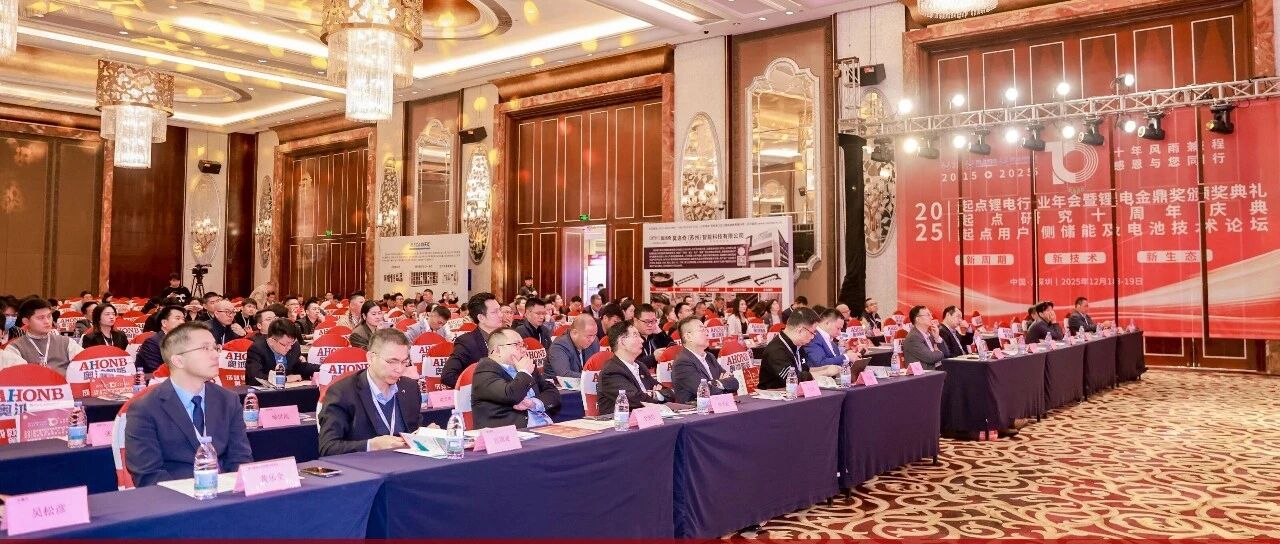
Core Insights - The lithium battery industry in China has grown from less than 100 billion to a trillion-dollar market over the past decade, with the number of listed companies increasing from dozens to hundreds, leading the global market [4] - The industry is entering a new cycle characterized by both opportunities and challenges, with a significant increase in the penetration rate of new energy passenger vehicles exceeding 50% and a storage market growth rate of 70%-80% this year [4] - Challenges include rising raw material prices, supply chain management, cost transmission, and a focus on overseas strategies [4] Group 1: Industry Trends - The overall trend in the new energy industry is described as "new, large, and diverse," with innovations in technology, ecology, and market structure [4] - The industry is witnessing an expansion in product scale, an influx of major players, and accelerated industry consolidation [4] - The lithium battery supply chain is expected to continue concentrating [4] Group 2: Market Opportunities - The small power and small storage sectors are experiencing significant growth, particularly in emerging markets such as low-altitude economy and intelligent robotics [9] - The small storage market accounts for approximately 20%-30% of the total, demanding higher battery performance, such as long endurance and high voltage [9] - The new national standards are expected to create opportunities for responsible companies in the industry [9] Group 3: Technological Innovations - The development of large cylindrical batteries is highlighted, with a projected global shipment of 100 GWh by 2025, particularly in iron-lithium cylindrical batteries, which are expected to grow at an annual rate exceeding 400% [12] - Innovations in battery manufacturing processes, such as the introduction of all-tab cylindrical batteries, are enhancing safety and reducing costs [12] - Companies are focusing on digitalization and automation to improve product consistency and reduce costs [9][12] Group 4: Regulatory Environment - The new national standards implemented on December 1 emphasize safety as a primary indicator, requiring batteries to pass puncture and thermal abuse tests [27] - The standards are expected to impact the market significantly, with a shift towards lithium iron phosphate batteries as the preferred choice [27] - The industry faces challenges related to cost pressures, temperature decay, and safety, necessitating enhanced integration across the supply chain [27] Group 5: Future Outlook - The demand for small power batteries is projected to be substantial, with the electric two-wheeler market alone requiring 260 GWh annually [17] - Companies are adapting to the evolving market by developing standardized battery sizes and modular solutions to meet diverse customer needs [17] - The industry is expected to continue its transition towards electrification across various sectors, driven by safety, intelligence, and lifecycle cost advantages [17]

德马科技集团--乾纳智能装备 杜文龙博士:高速物流线在锂电池产业的应用与展望
起点锂电· 2025-12-18 11:24
Core Viewpoint - The article discusses the advancements and future prospects of the lithium battery industry, highlighting the importance of technological innovation, market demand, and the competitive landscape in the context of energy storage and battery production [1][9]. Group 1: Event Overview - The 2025 (10th) Lithium Battery Industry Annual Conference and the Lithium Battery Golden Ding Award Ceremony were held in Shenzhen, gathering over 800 guests to discuss core topics such as lithium batteries, materials, and equipment [1]. - The event also celebrated the 10th anniversary of the initiating research institute, emphasizing the exploration of technological breakthroughs and safety challenges in the industry [1]. Group 2: High-Speed Logistics in Lithium Battery Production - A presentation by Dr. Du Wenlong from QianNa Intelligent Equipment focused on the application and outlook of high-speed logistics lines in the lithium battery industry, covering technology origins, industry competition, and technical breakthroughs [2][4]. - Key differences between high-speed logistics lines and traditional ones include maximum speed, precision, maintenance costs, and space utilization, indicating that higher technology does not always equate to broader applicability due to cost considerations [5][6][7][8]. Group 3: Industry Trends and Demand - The lithium battery sector is expected to see significant growth, particularly in energy storage, with demand shifting from gigawatt-hour (GWh) to terawatt-hour (TWh) levels, driven by policy support and market expectations [9]. - The article notes that the transition from lead-acid batteries to lithium batteries will not happen overnight but will involve iterative updates, suggesting a long-term growth trajectory for the industry [9]. Group 4: Technical Challenges and Innovations - Existing technical challenges include vibration control in ultra-high-speed scenarios and stability issues in extreme cold conditions for battery transport [11]. - QianNa Intelligent Equipment has identified four core technological advantages: roller conveying, modular architecture, digital twin debugging, and intelligent energy management, which collectively enhance efficiency and reduce costs [12][13]. Group 5: Performance Improvements - The company has achieved a 5% increase in production rhythm, a 15% overall efficiency improvement, and a 60% to 200% increase in output within the same timeframe, aiding enterprises in expanding capacity [14]. - Cost reductions have been realized, with overall line costs decreasing by 15%, extending equipment depreciation periods from 5 to 8 years, and shortening investment return periods to 2.3 years [15]. Group 6: Company Background - QianNa Intelligent Equipment, established on December 26, 2022, as a subsidiary of DeMa Technology Group, has over ten years of experience in lithium battery logistics line development and has served numerous well-known clients in the industry [15]. - The company has a team of over 30 R&D personnel and a facility of more than 15,000 square meters, holding multiple patents and original technologies, indicating a strong position in the market [15].

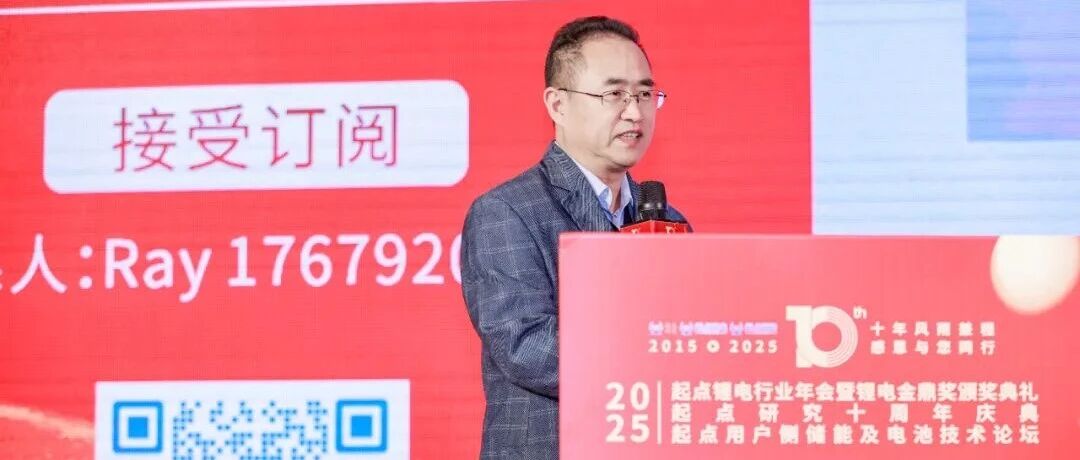
星恒电源 首席技术官 王正伟:迈向新“锰”标:新一代锰基电池材料前驱体创新与应用
起点锂电· 2025-12-18 11:24
Core Viewpoint - The article discusses advancements in manganese-based battery materials, particularly focusing on the innovations and applications of manganese-based precursors in small power lithium batteries, emphasizing their cost-effectiveness and performance improvements [3][4][6]. Group 1: Manganese-Based Battery Materials - The small power market is cost-sensitive, and the focus is on continuous cost reduction while improving performance through technological advancements [7]. - Manganese-based lithium batteries are preferred for small power applications due to their excellent low-temperature performance, high volumetric energy density, and precise state of charge (SOC) calibration capabilities [7][8]. - The challenges of manganese oxide lithium batteries, such as high-temperature cycling and storage issues, are being addressed through innovative composite systems and high-temperature solid-phase precursor technologies [8][9]. Group 2: Precursor Development and Innovations - Two typical precursors for manganese oxide lithium are electrolytic manganese dioxide and manganese trioxide, each with its own limitations affecting cost and performance [10]. - The company has developed a unique single-crystal manganese oxide synthesis route that significantly reduces production costs and improves performance metrics [11][12]. - The latest generation of materials, including single-crystal manganese oxide, has shown improved discharge capacity and cycle performance, achieving discharge capacities of 115-120 mAh/g [11][12]. Group 3: Safety and Market Compliance - The solid-phase single-crystal precursor technology enhances the intrinsic safety of materials, addressing increasing safety standards in the market [13]. - The company has filed numerous patents related to manganese-based materials, indicating a strong focus on innovation and market readiness [17]. - Future plans include expanding the product matrix to cover a range of cathode materials, including manganese oxide and phosphate-based materials, to meet diverse market needs [17].
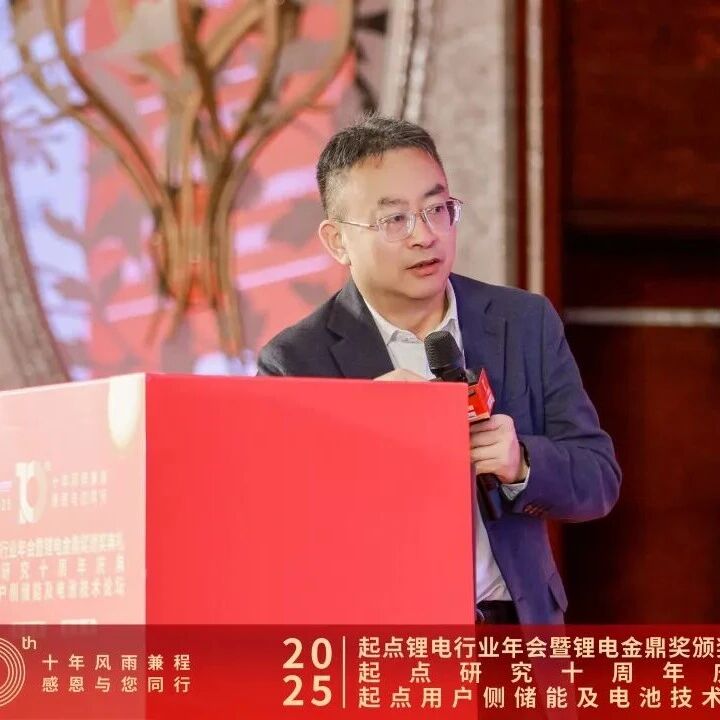
逸飞激光 市场总监 金朝昊:智能装备持续创新 赋能圆柱电池产业化推进
起点锂电· 2025-12-18 11:24
Core Viewpoint - The article discusses the advancements and innovations in the cylindrical battery industry, highlighting the transition to large-scale production and the competitive advantages of Chinese companies in the lithium battery supply chain [1][6]. Group 1: Industry Events and Trends - The 2025 (10th) Lithium Battery Industry Annual Conference and the Lithium Golden Tripod Award Ceremony were held in Shenzhen, focusing on core topics such as battery technology, materials, and equipment [1]. - The cylindrical battery has entered a phase of large-scale production, with applications expanding beyond traditional sectors to include light-duty power, engineering machinery, electric ships, and humanoid robots [4][6]. Group 2: Market Dynamics - The market has shifted from policy-driven to market-driven dynamics, which is seen as beneficial for industry development, bringing more vitality and advantages to end-users [4]. - Data indicates that cylindrical batteries are experiencing a long-term stable growth trend after overcoming a period of technological uncertainty [4]. Group 3: Technological Innovations - The company has been involved in the innovation of equipment and processes for cylindrical battery production since 2009, achieving breakthroughs in key processes such as full-tab ear forming and current collector welding [5]. - China has established a leading position in patent layouts across various advanced technology fields related to electric vehicles (EVs), solid-state batteries, and smart manufacturing, surpassing the US and Europe [5]. Group 4: Product Solutions and Customization - The company offers a range of solutions for cylindrical batteries, including different production line types such as linear, flexible turret, and magnetic levitation lines, catering to various production needs [9][10][11]. - The solutions are customized based on client requirements, covering different sizes and structures of cylindrical batteries, including full-tab ear designs that enhance performance and safety [7][8]. Group 5: Operational Efficiency and Sustainability - Innovations in production lines have led to a 16% reduction in overall footprint and a 30% decrease in the number of personnel required for line inspections, enhancing operational efficiency [14]. - The new generation of production lines has achieved a 20% reduction in energy consumption, supporting the transition to green factories and sustainable development [15]. Group 6: Research and Development Initiatives - The company has established a collaborative innovation platform to support continuous innovation in technology, processes, and equipment, involving upstream suppliers and downstream customers [17]. - The engineering technology research institute has invested in over 200 sets of equipment and has undertaken nearly 200 innovation projects, focusing on the development and testing of new products [18][21].
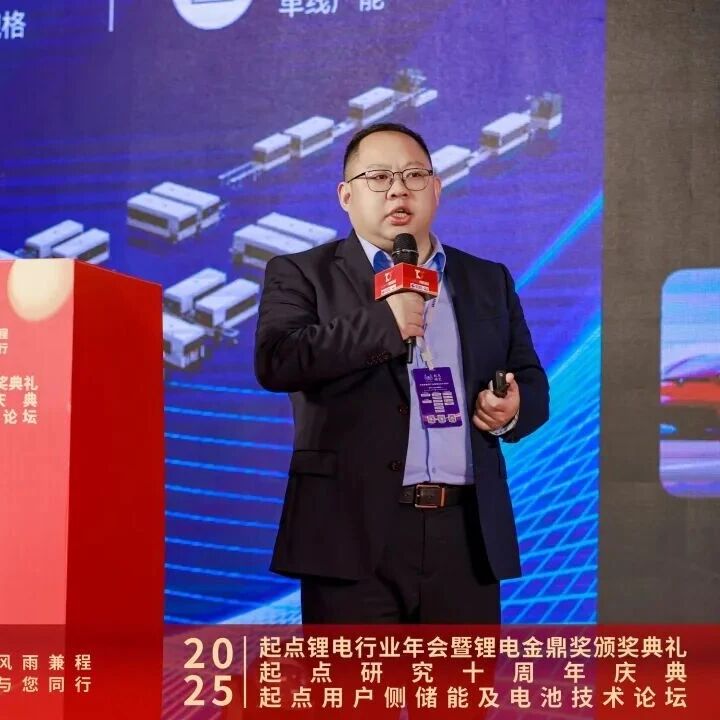
新周期锂电“缺芯”蔓延?“扩产”治标,“技术升级”治本
高工锂电· 2025-12-18 10:18
Core Viewpoint - The new cycle in the lithium battery industry emphasizes practical end-user demand with specific scenarios, leading to stronger order fulfillment and a focus on high-quality, stable, and scenario-adapted capacity expansion [1][2]. Group 1: Industry Trends - The "chip shortage" has become a norm in the battery industry, with leading battery manufacturers operating at nearly 90% capacity utilization. Industry consensus indicates that capacity expansion is necessary, but new capacity will not effectively alleviate the shortage until at least Q2 of next year [2]. - The chairman of High-tech Lithium Battery, Dr. Zhang Xiaofei, stated that over 700 GWh of new effective capacity is expected next year. The previous cycle saw structural overcapacity due to homogenization in lithium battery technology, while the new cycle demands innovation in performance and technology from both the battery and its supply chain [3]. - The advent of the TWh era necessitates faster battery production to ensure stable shipments, prompting discussions among equipment companies about comprehensive strategies for the new cycle [3]. Group 2: Application and Technology - The expansion of application scenarios for lithium batteries is driving new requirements for battery forms and manufacturing equipment. Emerging scenarios are expected to foster a variety of new technologies and battery forms [5][6]. - The next-generation solid-state batteries require new composite current collectors, with companies like Yinglian introducing products aimed for mass production by 2025-2027. Equipment companies face challenges in safety and quality, necessitating innovative and collaborative approaches [7][8]. Group 3: Supply Chain Dynamics - Recent months have seen long-term contracts become a primary method for battery companies to stabilize their upstream supply chains. This shift reflects a move away from the previous cycle's focus on aggressive expansion towards a more stable and quality-oriented approach [9]. - The significant orders in the current market compel both material and equipment manufacturers to enhance their capabilities to meet demand, focusing on large-scale production to reduce costs and mitigate future risks [10][11]. - The application of temperature control equipment in lithium battery production is crucial for energy efficiency, with companies like Yudian and EK developing comprehensive solutions to support the entire production process [12][13].
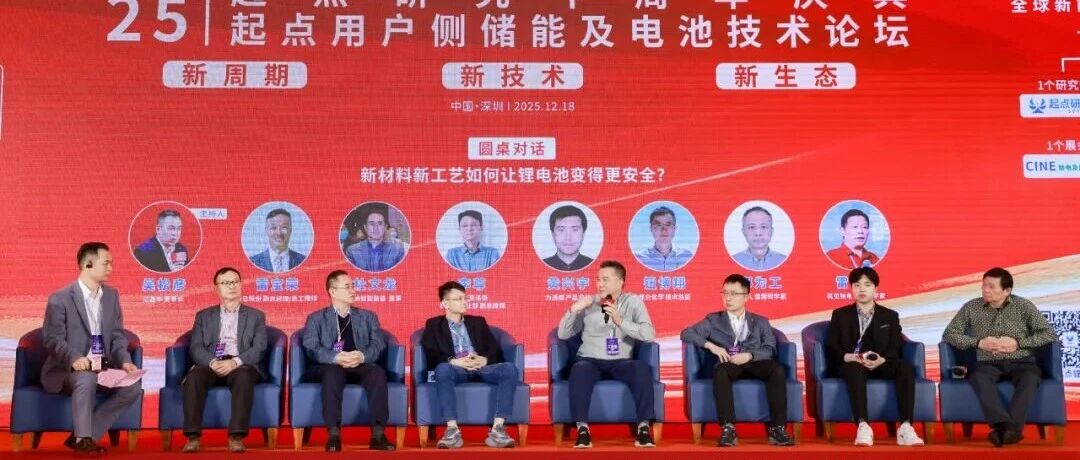
圆桌对话:新材料新工艺如何让锂电池变得更安全?
起点锂电· 2025-12-18 10:06
Core Viewpoint - The article discusses the advancements in lithium battery technology, focusing on safety improvements through new materials and processes, as well as the importance of collaboration in innovation within the industry [1][20]. Group 1: Event Overview - The 2025 Lithium Battery Industry Annual Conference and the Lithium Golden Ding Award Ceremony were held in Shenzhen, gathering over 800 attendees to discuss core issues in lithium batteries, materials, and equipment [1]. - The event included a forum on user-side energy storage and battery technology, emphasizing the need for breakthroughs in safety challenges and value chain restructuring [1]. Group 2: Safety Innovations - A roundtable discussion focused on how new materials and processes can enhance the safety of lithium batteries, with industry leaders sharing insights on the topic [2][4]. - Key participants included executives from various companies, discussing the importance of solid-state electrolytes and the need for improved safety measures in battery design [2][4][5]. Group 3: Material and Process Development - The discussion highlighted the significance of electrolyte materials, with a focus on solid-state electrolytes and their potential to improve safety while maintaining performance [5][6]. - The challenges of balancing intrinsic safety and processing characteristics of materials were emphasized, indicating a need for ongoing research and collaboration in the industry [5][6]. Group 4: Industry Challenges and Solutions - Experts pointed out that safety issues often arise from the battery pack design and usage conditions, particularly in consumer applications like electric bicycles [15][19]. - The necessity for a comprehensive approach to battery management systems (BMS) and charging systems was stressed, ensuring that products are matched to their intended use cases [19][20]. Group 5: Future Directions - The article concludes with a call for systematic innovation across materials, processes, and systems to address industry challenges and enhance safety [21]. - Collaboration among industry players is deemed essential for advancing battery technology and ensuring safety standards are met [21].