
锂电

Search documents
电力设备行业周报:能源危机+AI加速,新能源产业迎发展良机-20260315
GF SECURITIES· 2026-03-15 14:12
Core Insights - The report emphasizes that the energy crisis and advancements in AI are accelerating the development of the renewable energy industry, presenting significant investment opportunities [1]. Wind Power - The UK has eliminated import tariffs on 33 wind power components, which will reduce manufacturing costs and enhance investment efficiency in the supply chain. This includes key components such as cables and turbine blades [11][12]. - The UK is expected to see a peak in grid connection over the next five years, supported by a record 8.4GW of offshore wind investment [11]. Energy Storage - Government subsidies and the energy crisis are driving rapid growth in household energy storage demand, particularly in Europe and Australia. For instance, Hungary has introduced a subsidy policy covering up to 80% of household storage system costs [13]. - The domestic market is also expected to see significant growth, with projected energy storage demand reaching 154GWh, 254GWh, and 337GWh in 2025, 2026, and 2027 respectively, reflecting year-on-year growth rates of 40.2%, 65.2%, and 32.5% [14]. Lithium Batteries - Despite high lithium prices, the demand for energy storage remains resilient, with a projected total lithium battery demand of 2423GWh in 2026, a 27% increase from 2025 [17]. - The report notes that the domestic market for energy storage batteries saw a year-on-year increase of 108.9% in early 2026, indicating strong growth potential [16]. Power Equipment - The concept of "computing and electricity collaboration" has been included in the government work report for the first time, marking it as a national strategic deployment. This collaboration aims to address spatial and temporal mismatches in energy supply and demand [18][21]. - The report suggests that investment opportunities will arise in planning, construction, trading, and scheduling within the power equipment sector, particularly for companies involved in supporting computing power and renewable energy integration [26]. Investment Recommendations - For wind power, the report recommends focusing on companies with high overseas customer ratios and those actively promoting offshore wind deployment, such as Goldwind Technology and Sany Heavy Energy [23]. - In energy storage, leading companies like Dewei Co., Airo Energy, and Goodwe are highlighted as key players to watch [24]. - The lithium battery sector is advised to focus on companies with pricing elasticity, including CATL and EVE Energy [25]. - In the power equipment sector, companies like Southern Power Grid Technology and Fuling Electric are recommended for their roles in supporting the new energy infrastructure [26].



电新环保行业周报20260315:关注高切低及业绩较好方向-20260315
EBSCN· 2026-03-15 10:36
Investment Ratings - Electric Equipment: Buy (Maintain) [1] - Environmental Protection: Buy (Maintain) [1] Core Insights - The market has experienced a strong upward trend in related stocks, driven by energy security concerns due to the worsening situation in Iran and positive performance from companies like CATL [3][4] - The investment focus is on sectors such as lithium batteries, wind power, and energy storage, with specific recommendations for companies like CATL, Dafu Technology, and Sunshine Power [6][7] - The domestic wind power sector is expected to see significant growth, with new installed capacity projected to reach 119.33 GW in 2025, a year-on-year increase of 50.40% [8][10] Summary by Sections Market Review - Recent stock price movements in the electric power sector have shown divergence after a strong rally, influenced by energy security concerns and favorable performance from key players [3] - The market is witnessing rapid rotation among sectors such as lithium batteries, energy storage, and nuclear power, with significant daily gains compressing odds [3] Future Outlook - The current market phase is characterized by a late-stage rally, with caution advised for high-priced stocks, while maintaining a long-term positive outlook [4] - The domestic energy storage market is expected to rebound due to new pricing policies, with ongoing monitoring of installation data and market dynamics [7] Sector-Specific Insights - Wind Power: The domestic wind power sector is projected to add 119.33 GW of new capacity in 2025, with significant year-on-year growth [8][10] - Energy Storage: The energy storage sector is anticipated to benefit from strong domestic and international demand, with companies like Sunshine Power and Deyi Co. recommended for investment [6][7] - Lithium Batteries: The lithium battery supply chain is under pressure, with price fluctuations expected due to varying demand and supply dynamics [22][24]
电力设备与新能源行业研究:算电协同、绿氢氨醇成为“十五五纲要”能源领域重要增量
SINOLINK SECURITIES· 2026-03-15 10:24
Investment Rating - The report maintains a positive outlook on the wind power sector, emphasizing a potential overall value reassessment and recommending key players in wind turbine manufacturing, offshore wind exports, and core components [2][8]. Core Insights - The "14th Five-Year Plan" has been updated to emphasize the development of a clean, low-carbon, safe, and efficient new energy system, with specific targets for non-fossil energy and the promotion of green hydrogen and ammonia [6][15]. - The report highlights the intersection of green hydrogen and green computing power with electricity demand, particularly through wind power's ability to provide stable and continuous energy supply [7][8]. - The European offshore wind sector is expected to see significant growth, driven by policy changes such as the UK's zero-tariff law on offshore wind products and increasing demand for energy independence [3][9]. Summary by Sections Wind Power - The UK has implemented a zero-tariff policy for offshore wind industrial products, reinforcing the commitment to offshore wind development in Europe [3][9]. - The report anticipates a doubling of annual offshore wind installation capacity in Europe by 2031, with significant orders expected to validate this growth [9][10]. - Key recommendations include leading manufacturers in wind turbine production and companies involved in offshore wind supply chains [10][11]. Solar & Energy Storage - The report identifies structural opportunities in the solar sector, particularly related to space and ground materials, and emphasizes the importance of energy storage in the context of new power infrastructure [3][11]. - The establishment of the "Utilize Alliance" in the US aims to enhance grid utilization amid rising electricity demands driven by AI [13][14]. Hydrogen and Fuel Cells - Hydrogen is positioned as a critical solution for energy security and deep decarbonization, with projected demand reaching 65 million tons during the "14th Five-Year Plan" period [15][16]. - The report outlines the economic viability of green hydrogen and its applications in transportation and chemical industries, driven by policy support and market dynamics [15][17]. Power Grid - The State Grid has accelerated investment in ultra-high voltage projects, with a significant increase in fixed asset investment reported [4][20]. - The report suggests that the ultra-high voltage and main grid will remain key investment areas during the "14th Five-Year Plan," with recommendations for stable leading companies in this sector [22][23]. Lithium Battery - The lithium battery sector is experiencing a recovery in production and price dynamics, with a focus on high-demand materials such as lithium salts and iron lithium cathodes [29][30]. - The report highlights the importance of monitoring price trends and production capacity expansions in the lithium battery supply chain [29][30].



原材料波动与全球建厂并行,新能源制造供应链加速数字化
高工锂电· 2026-03-15 09:57
Core Viewpoint - The collaboration between Xingyuan Material and JD Industrial aims to explore a new model for MRO intelligent supply chains in the context of raw material price fluctuations and global factory establishment, focusing on digital supply chain transformation in the new energy manufacturing sector [2][3]. Group 1: Strategic Collaboration - Xingyuan Material and JD Industrial have signed a strategic cooperation agreement to enhance digital supply chain management through various initiatives, including global procurement of MRO and spare parts, standardization of goods, and the establishment of overseas procurement platforms [3][4]. - The partnership will involve the development of a digital supply chain management platform that integrates procurement, inventory, and logistics information, enabling real-time monitoring and management of material inventory and demand forecasting [3][4]. Group 2: Industry Background - The collaboration reflects a broader trend in the new energy manufacturing sector, where companies are increasingly focused on upgrading supply chain capabilities due to the rapid expansion of the lithium battery industry and frequent fluctuations in raw material prices [4][5]. - As a leading lithium battery separator company, Xingyuan Material is actively pursuing global expansion, establishing production bases in Europe and Southeast Asia, while JD Industrial has built supply chain infrastructure in various markets, including Southeast Asia and Hungary [4]. Group 3: Digital Transformation - The introduction of digital platforms is becoming essential for new energy manufacturers to enhance supply chain resilience, transitioning supply chain capabilities from mere cost management tools to core competitive advantages [5]. - The collaboration is expected to promote a digital and collaborative approach to the procurement system in the manufacturing sector, supported by technological standards and a global network [4].



电新周报:算电协同、绿氢氨醇成为“十五五纲要”能源领域重要增量-20260315
SINOLINK SECURITIES· 2026-03-15 09:15
Investment Rating - The report maintains a positive outlook on the wind power sector, emphasizing a potential overall value reassessment and recommending key players in wind turbine manufacturing, offshore wind exports, and core components [2][8]. Core Insights - The "14th Five-Year Plan" emphasizes the development of a clean, low-carbon, safe, and efficient new energy system, with a focus on green hydrogen and ammonia, and the integration of green power with computing power [6][15]. - The report highlights the increasing demand for offshore wind energy in Europe, driven by geopolitical factors and the need for energy independence, reinforcing the recommendation for domestic companies involved in offshore wind exports [3][9]. - The hydrogen sector is identified as a critical component in addressing energy security and deep decarbonization challenges, with significant growth in green hydrogen demand projected during the "14th Five-Year Plan" period [15][16]. Summary by Sections Wind Power - The UK has implemented a zero-tariff policy for offshore wind industrial products, signaling a strong commitment to offshore wind development in Europe [3][9]. - The report anticipates a doubling of offshore wind installation capacity in Europe by 2031, with significant growth expected in supply chain orders this year [9][10]. - Key recommendations include leading wind turbine manufacturers and companies involved in offshore wind projects and core components [8][10]. Solar & Energy Storage - The report identifies structural opportunities in the solar sector, particularly related to space and ground materials, and emphasizes the importance of energy storage in the context of computing power and energy independence [3][11]. - The establishment of the "Utilize Alliance" in the U.S. aims to enhance grid utilization amid rising electricity demands from AI applications, indicating a strong policy push for energy storage solutions [13][14]. Hydrogen and Fuel Cells - The report projects a significant increase in green hydrogen demand, estimating a need for 65 million tons during the "14th Five-Year Plan," driven by decarbonization goals and energy security concerns [15][16]. - The economic viability of green hydrogen and ammonia is expected to improve due to supportive policies and market conditions, with recommendations for companies involved in green hydrogen production and related technologies [15][18]. Power Grid - The report notes a substantial increase in fixed asset investment by the State Grid, indicating accelerated construction of new energy infrastructure, particularly in ultra-high voltage projects [4][22]. - Recommendations focus on stable leading companies in the power grid sector, particularly those involved in ultra-high voltage and main grid projects [22][23]. Lithium Battery - The lithium battery sector is experiencing a recovery in production and price increases, particularly in lithium salt and iron lithium segments, with recommendations for companies positioned to benefit from these trends [29][30]. - The report highlights the importance of monitoring structural opportunities in the lithium battery supply chain as global demand continues to evolve [29].
产业周跟踪:坚定看好高油气价格利好新能源
Huafu Securities· 2026-03-15 08:38
Investment Rating - The industry rating is "Outperform the Market" [6] Core Insights - The report emphasizes the strong growth in the export of new energy passenger vehicles, with a year-on-year increase of 124.7% in February for new energy passenger vehicle exports [10][12] - The photovoltaic industry is transitioning from price recovery to systemic solutions, with a focus on mergers and overseas expansion to address overcapacity [21][23] - The wind power sector is presented with significant opportunities as the UK cancels import tariffs on offshore wind components, and Guangdong accelerates offshore wind development [35][36] - The nuclear fusion sector is entering a critical window for development, with significant government support and a focus on talent and regulatory challenges [44][46] - The energy storage sector is driven by the implementation of the 14th Five-Year Plan and the establishment of the Utilize Alliance in the US, indicating a robust market outlook [52][53] Summary by Sections New Energy Vehicles and Lithium Battery Sector - The domestic market is experiencing weak demand due to policy impacts, while overseas demand remains strong [10] - Pudi Technology is accelerating its overseas capacity layout with a planned investment of approximately 2.97 billion USD for a 50,000-ton anode material project in Malaysia [12][13] Photovoltaic Sector - The industry is facing challenges with supply-demand imbalances and persistent losses, necessitating a shift towards high-quality development [21][22] - Recommendations include focusing on companies benefiting from technological breakthroughs and supply-side reforms [28] Wind Power Sector - The UK’s removal of import tariffs on offshore wind components signals a strong push for offshore wind development, creating opportunities for Chinese suppliers [35][36] - Guangdong is advancing its offshore wind projects, aiming for significant capacity additions by 2026 [37] Nuclear Fusion Sector - The report highlights the strategic importance of nuclear fusion as a future energy source, with significant advancements expected by 2040-2045 [44][46] - The establishment of a national alliance and the focus on overcoming material and regulatory challenges are key themes [45] Energy Storage Sector - The 14th Five-Year Plan positions new energy storage as a core infrastructure, with a focus on large-scale deployment and technological advancements [52] - The formation of the Utilize Alliance aims to enhance the efficiency of the US power grid through storage solutions [53][54] Power Equipment Sector - The report notes a shift in the State Grid's approach to high-voltage construction, allowing for more diverse capital participation [59] - The acceleration of transmission and distribution projects is expected to create significant opportunities for leading companies in the sector [60][61]
德方纳米:第四代磷酸铁锂产品出货占比持续提高
起点锂电· 2026-03-15 03:22
Core Viewpoint - The article discusses the upcoming 2026 Cylinder Battery Technology Forum, highlighting the rapid advancements in lithium iron phosphate (LFP) technology and the competitive landscape among leading companies in the industry [2][4]. Group 1: Industry Trends - The global shipment of lithium iron phosphate cathode materials is projected to reach 3.654 million tons in 2025, representing a year-on-year growth of 67.2%, indicating a robust growth trend in the industry [4]. - The fourth-generation high-pressure dense lithium iron phosphate products have become the market standard, with leading companies like De Fang Nano achieving significant shipment volumes and market share [2][6]. Group 2: Company Performance - De Fang Nano has maintained a strong market position, ranking second in shipments due to its stable production capacity and competitive products [4][3]. - The company is expected to reduce its net loss significantly in 2025, with projected losses between 760 million to 860 million yuan, a year-on-year reduction of 35.71% to 43.18% [6][7]. Group 3: Product Development - De Fang Nano's fifth-generation high-performance lithium iron phosphate material has reached a packing density of 2.70-2.75 g/cm³, showcasing industry-leading technology [6]. - The company is also expanding its product portfolio with new offerings such as lithium manganese iron phosphate, which is anticipated to become a new growth engine in the market [9][10]. Group 4: Market Dynamics - The demand for high-performance lithium iron phosphate products is expected to increase, driven by the need for fast charging and long-range capabilities in electric vehicles [9]. - The market for lithium manganese iron phosphate is projected to exceed 1.3 million tons by 2030, indicating substantial growth potential [9].

地缘冲突若长期化,该如何配置?
ZHONGTAI SECURITIES· 2026-03-14 15:21
Group 1 - The ongoing US-Iran conflict is expected to last longer than market expectations, with the potential for a prolonged "war of attrition" where both sides will compete on costs and endurance, giving Iran the upper hand in determining the conflict's end [5][15][19] - High oil prices resulting from the conflict are anticipated to negatively impact US stock earnings, consumer prices, and economic growth, with inflation expectations rising non-linearly over time [10][12][15] - The report suggests a balanced portfolio with a focus on energy security-related sectors, as the current geopolitical situation differs from previous trade disputes, indicating a potential for significant price fluctuations in the oil market [15][20] Group 2 - Investment recommendations include prioritizing "conflict-benefiting" assets in energy, resources, and public utilities, with opportunities to increase positions during technical corrections in the energy sector [20] - The report emphasizes the importance of technology sectors driven by domestic logic over those influenced by overseas factors, particularly in light of rising inflation expectations and interest rates that may suppress valuations of overseas tech assets [20] - For Hong Kong stocks, resource and high-dividend sectors may benefit from the ongoing geopolitical tensions, while the Hang Seng Technology Index, sensitive to global liquidity and risk appetite, may face some impact but has limited downside due to prior valuation adjustments [19][20]
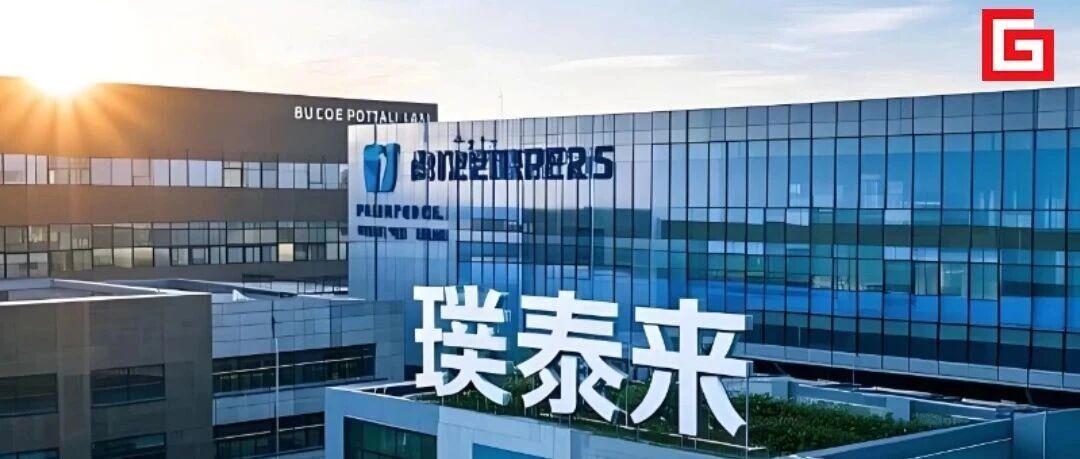
璞泰来负极材料出海的“二次突围”
高工锂电· 2026-03-14 11:07
Core Viewpoint - After terminating the investment project in Sweden, the company PULITAI has decided to invest 2.051 billion yuan in Malaysia to build a 50,000-ton anode material project, indicating a strategic shift towards Southeast Asia to meet local demand and enhance supply chain efficiency [3][4][14]. Group 1: Strategic Reasons for Investment - The primary reason for choosing Malaysia is to "be close to customers and provide local support," aligning with the company's strategy to internationalize production capacity and meet diverse overseas customer needs [4][7]. - The project aims to reduce supply chain costs by enabling local delivery to key customers in Southeast Asia, thereby improving supply stability and response speed while lowering logistics costs [4][6]. - The investment in Malaysia allows PULITAI to avoid trade barriers and expand its overseas market presence, leveraging Malaysia's trade agreements as an ASEAN member to mitigate the impact of rising global trade protectionism [7][8]. Group 2: Market Context and Competitive Landscape - Southeast Asia is becoming a hub for battery manufacturing, with major players like CATL, EVE Energy, and LG Energy Solution establishing factories in the region, which enhances the local supply chain for PULITAI [6][9]. - The region is witnessing a complete lithium battery industry chain, with significant resources and production capabilities being developed, particularly in Indonesia and Malaysia, which are crucial for the supply of raw materials [9][10]. Group 3: Company Performance and Future Outlook - PULITAI reported a revenue of 15.711 billion yuan in 2025, a year-on-year increase of 16.83%, and a net profit of 2.359 billion yuan, reflecting strong market demand and effective inventory management [13]. - The company has established a comprehensive technical system for anode material production and aims to enhance its production capacity to 250,000 tons annually by the end of 2025, with a shipment volume of 143,000 tons, marking an 8.1% increase year-on-year [13][14]. - The establishment of the anode material factory in Malaysia is a critical step for PULITAI's international expansion, aligning with the global trend of lithium battery industry migration from China [13][14].

碳酸锂日报(2026年3月13日)-20260313
Guang Da Qi Huo· 2026-03-13 05:12
Report Industry Investment Rating - No relevant content provided Core Viewpoints of the Report - On March 12, 2026, the lithium carbonate futures 2605 dropped 1.79% to 156,980 yuan/ton. The average price of battery-grade lithium carbonate decreased by 1,000 yuan/ton to 158,000 yuan/ton, the average price of industrial-grade lithium carbonate dropped by 1,250 yuan/ton to 154,500 yuan/ton, and the battery-grade lithium hydroxide (coarse particles) fell by 1,500 yuan/ton to 150,500 yuan/ton. The warehouse receipt inventory decreased by 284 tons to 36,455 tons [3]. - On the supply side, the weekly production increased by 836 tons to 23,426 tons, and the domestic production in March is expected to increase by 28% month-on-month to 106,390 tons. On the demand side, the production of ternary materials in March is expected to increase by 19% month-on-month to 84,360 tons, and the production of lithium iron phosphate is expected to increase by 24% month-on-month to 430,000 tons. On the inventory side, the weekly social inventory of lithium carbonate decreased by 415 tons to 98,958 tons, with downstream inventory increasing by 1,890 tons to 45,647 tons, other links decreasing by 1,120 tons to 37,020 tons, and upstream inventory decreasing by 1,185 tons to 16,291 tons [3]. - From the production schedule in March, the weekly de-stocking level basically met expectations. The decline in absolute quantity is one of the core reasons for price support. The decrease in African shipments is partially offset by the increase in shipments from other regions. Due to the lag in demand data, the terminal performance is under great pressure, which is difficult to effectively boost the upstream battery sector. As it gradually enters April, it is at the end of the phased export rush. Therefore, there is still support below the price. A more definite positive factor is needed to stimulate the previous high, but it is still possible to consider bottom - fishing. Attention should also be paid to the situation in Zimbabwe [3]. Summary by Directory 1. Daily Data Monitoring - **Futures**: The closing price of the main contract was 156,980 yuan/ton, up 1,940 yuan from the previous day; the closing price of the continuous contract was 150,000 yuan/ton, down 5,000 yuan [5]. - **Lithium Ore**: The price of lithium spodumene concentrate (6%, CIF China) was 2,195 US dollars/ton, down 20 US dollars; the price of lithium mica (Li₂O: 1.5% - 2.0%) was 3,400 yuan/ton, down 40 yuan; the price of lithium mica (Li₂O: 2.0% - 2.5%) was 5,050 yuan/ton, down 90 yuan; the price of amblygonite (Li₂O: 6% - 7%) was 12,875 yuan/ton, down 300 yuan; the price of amblygonite (Li₂O: 7% - 8%) was 14,000 yuan/ton, down 350 yuan [5]. - **Lithium Carbonate and Lithium Hydroxide**: The price of battery-grade lithium carbonate (99.5% battery - grade/domestic) was 158,000 yuan/ton, down 1,000 yuan; the price of industrial - grade lithium carbonate (99.2% industrial zero - grade/domestic) was 154,500 yuan/ton, down 1,250 yuan; the price of battery - grade lithium hydroxide (coarse particles/domestic) was 150,500 yuan/ton, down 1,500 yuan; the price of battery - grade lithium hydroxide (micropowder) was 157,000 yuan/ton, down 1,500 yuan; the price of industrial - grade lithium hydroxide (coarse particles/domestic) was 138,550 yuan/ton, down 1,500 yuan; the price of battery - grade lithium hydroxide (CIF China, Japan, and South Korea) was 18.45 US dollars/kg, unchanged [5]. - **Lithium Hexafluorophosphate**: The price was 111,000 yuan/ton, down 1,500 yuan [5]. - **Price Spreads**: The price spread between battery - grade lithium carbonate and industrial - grade lithium carbonate was 3,500 yuan/ton, up 250 yuan; the price spread between battery - grade lithium hydroxide and battery - grade lithium carbonate was - 7,500 yuan/ton, down 500 yuan; the price spread of CIF China, Japan, and South Korea battery - grade lithium hydroxide - SMM battery - grade lithium hydroxide was - 23,271 yuan/ton, up 1,577 yuan [5]. - **Precursors and Cathode Materials**: The prices of some ternary precursors and cathode materials remained unchanged, while the prices of some decreased slightly. For example, the price of ternary material 523 (polycrystalline/consumer - type) decreased by 200 yuan/ton to 193,050 yuan/ton [5]. - **Cells and Batteries**: The prices of most cells and batteries remained unchanged, with only the price of square lithium iron phosphate battery increasing by 0.001 yuan/Wh to 0.322 yuan/Wh [5]. 2. Chart Analysis - **Ore Prices**: Charts show the price trends of lithium spodumene concentrate (6%, CIF), lithium mica (1.5% - 2.0%), lithium mica (2.0% - 2.5%), and amblygonite (6% - 7%, 7% - 8%) from 2024 to 2026 [6][9]. - **Lithium and Lithium Salt Prices**: Charts display the price trends of metallic lithium, battery - grade lithium carbonate average price, industrial - grade lithium carbonate average price, battery - grade lithium hydroxide price, industrial - grade lithium hydroxide price, and lithium hexafluorophosphate price from 2024 to 2026 [12][14][18]. - **Price Spreads**: Charts present the price spreads between battery - grade lithium hydroxide and battery - grade lithium carbonate, battery - grade lithium carbonate and industrial - grade lithium carbonate, CIF China, Japan, and South Korea battery - grade lithium hydroxide - battery - grade lithium hydroxide, and battery - grade lithium carbonate (CIF) Asia - domestic from 2024 to 2026 [18][20]. - **Precursors and Cathode Materials**: Charts show the price trends of ternary precursors, ternary materials, lithium iron phosphate, manganese acid lithium, and cobalt acid lithium from 2024 to 2026 [26][28][30]. - **Lithium Battery Prices**: Charts display the price trends of 523 square ternary cells, square lithium iron phosphate cells, cobalt acid lithium cells, and square lithium iron phosphate batteries from 2024 to 2026 [32][35]. - **Inventory**: Charts show the inventory trends of downstream, smelters, and other links from July 2025 to March 2026 [38][41]. - **Production Costs**: The chart shows the production profit trends of lithium carbonate from different raw materials such as外购三元极片黑粉,外购磷酸铁锂极片黑粉,外购锂云母精矿, and外购锂辉石精矿 from 2024 to 2026 [42].