钢铁

Search documents
美国最高法院关税裁决影响如何?
Xin Lang Cai Jing· 2026-02-22 10:43
Core Viewpoint - The U.S. Supreme Court ruled that most tariffs implemented by Donald Trump since his return to the White House are illegal, undermining a key pillar of his economic plan [1] Group 1: Tariff Changes - The Supreme Court's ruling effectively cancels the "reciprocal" tariffs that applied to nearly all products entering the U.S. [4] - The average actual tariff rate on imported products is expected to decrease from 16.8% to approximately 9.5% [5] - Companies that have paid these tariffs can apply for refunds, although the exact amount is uncertain; economists estimate that the revenue from these tariffs could be around $130 billion to $140 billion by 2025 [5][6] Group 2: New Tariff Implementation - President Trump signed an executive order to impose a new global tariff of 10% starting February 24, lasting for 150 days [2][8] - The new tariff applies to countries that have already signed trade agreements with the U.S., with previous rates being 15% for the EU and Japan, and 18% for India [7] Group 3: Negotiation and Legislative Implications - The Supreme Court's decision may weaken the U.S. government's ability to negotiate trade agreements, as the ability to reduce tariffs is a key negotiation tool [7] - The executive order is based on the Trade Act of 1974, which allows the president to correct trade imbalances but is temporary and requires Congressional approval for long-term implementation [8][9] - A potential solution for the government is to pass legislation granting the authority to reimpose tariffs, but this may be challenging due to upcoming midterm elections and some Republican opposition to Trump's tariff strategy [10]
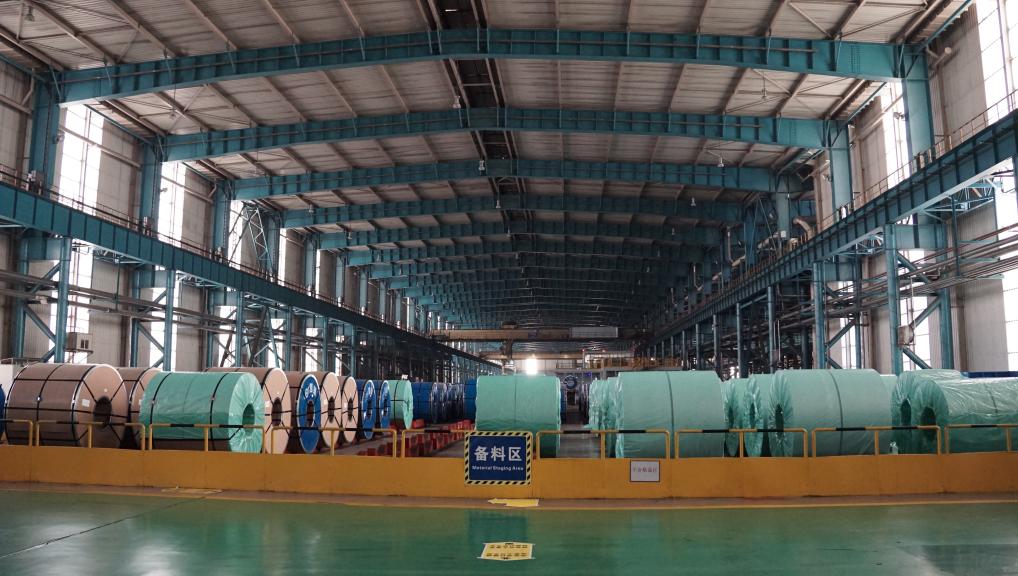
行稳致远开新局丨老工业基地淬火成“金”,振兴之音何以“辽”亮?
Yang Guang Wang· 2026-02-22 07:11
Core Viewpoint - The article highlights the transformation and revitalization of Liaoning Province, focusing on industrial upgrades, urban renewal, and rural revitalization as part of the "14th Five-Year Plan" and the upcoming "15th Five-Year Plan" [1][4][21]. Group 1: Industrial Transformation - Benxi, a typical industrial city in Northeast China, has undergone significant changes due to the restructuring of Bensteel after its merger with Ansteel in 2021, leading to accelerated upgrades in the industry [5][10]. - The collaboration between central and local enterprises in Liaoning has resulted in an investment of 350 billion yuan during the "14th Five-Year Plan," with plans for further integration in the "15th Five-Year Plan" [10][11]. - The steel industry in Benxi has successfully transitioned from traditional manufacturing to comprehensive service provision, contributing to high-quality development in the sector [6][10]. Group 2: Urban Renewal - The city of Shenyang has seen the transformation of old streets into vibrant cultural hubs, with the Eighting Coffee Alley becoming a popular destination, generating over 200 million yuan in annual sales and attracting 2 million visitors [14][15]. - Over 3,000 "pocket parks" and 825 backstreet renovations have enhanced urban living conditions, contributing to a sense of happiness and community among residents [15][17]. - The urbanization rate in Liaoning reached 74.18% by the end of 2024, positioning the province among the top in the country for urban development [17]. Group 3: Rural Revitalization - Young entrepreneurs like Dong Jiaoyang are returning to their hometowns to promote local agricultural products, significantly increasing the market value of high-quality rice from Tieling [21][24]. - Liaoning's grain production has surpassed 50 billion jin, with the province leading in growth among major grain-producing areas in China [21][25]. - The province has developed several high-quality seed varieties, contributing to increased agricultural productivity and supporting local farmers [25].

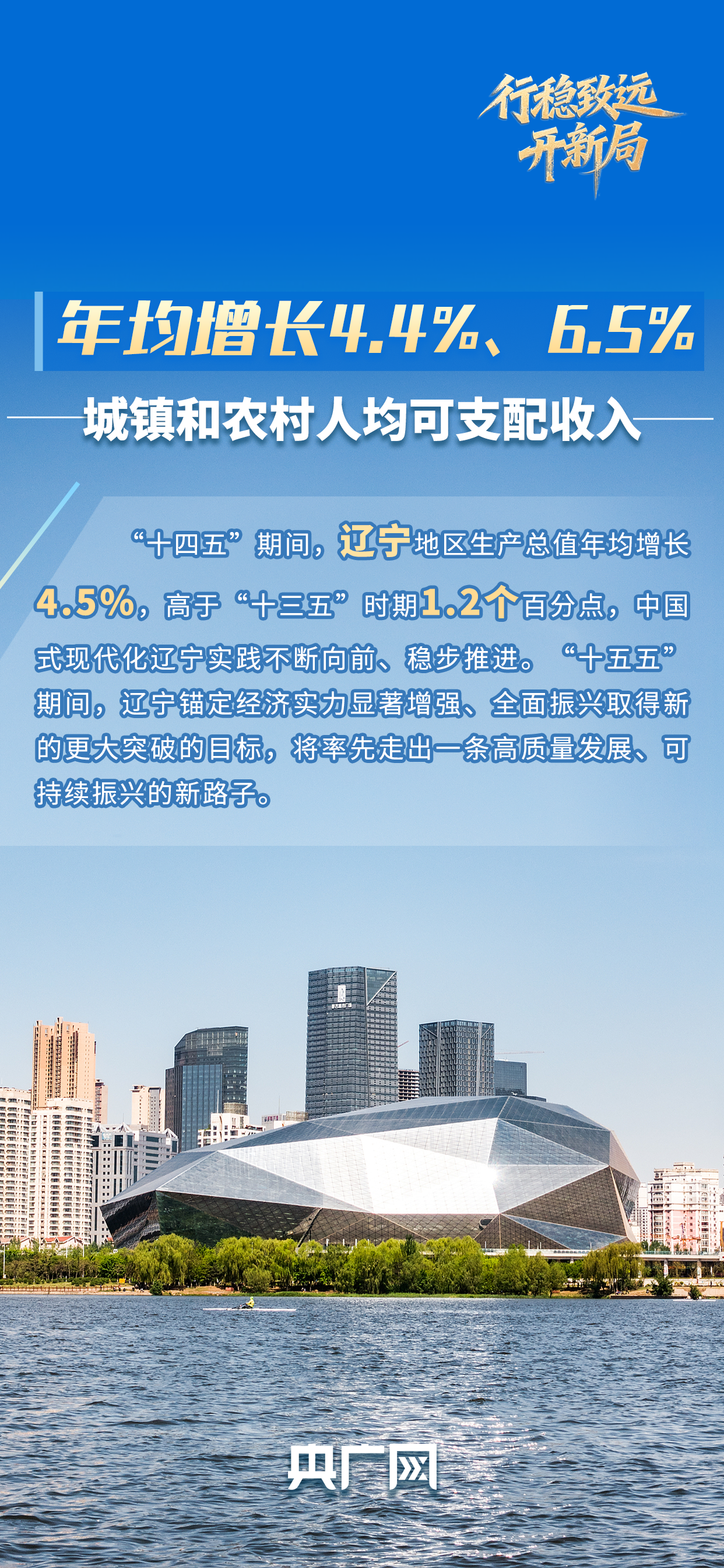
新春走基层| 智能工厂“不打烊”,中国“智造”开新局
Xin Lang Cai Jing· 2026-02-22 06:37
Group 1 - The core viewpoint of the article highlights the transformation of China's manufacturing industry towards intelligent factories, driven by data and automation technologies [1][3]. - Ningbo Steel's factory exemplifies this shift, utilizing AI systems for real-time analysis and automated grading of scrap steel, resulting in a 30% reduction in R&D cycles, an 18% increase in per capita production efficiency, and a 12% improvement in energy utilization [1]. - The article notes that as of now, China has established over 35,000 basic-level, 8,200 advanced-level, and 500 excellent-level intelligent factories, along with 15 leading-level intelligent factories [3]. Group 2 - Qingdao Haier Central Air Conditioning Co., Ltd. was recognized as one of the first leading-level intelligent factories, showcasing advanced levels of customization and integration in its operations [3]. - The implementation of the intelligent factory gradient cultivation action by six departments in 2024 is accelerating the construction of intelligent factories across the country [5]. - Major cities like Beijing, Shanghai, and Guangzhou are setting ambitious goals for AI and manufacturing integration, aiming for comprehensive coverage of intelligent factories and significant increases in robot density by 2028 [5].
A股市场点评资源类板块表现突出
Zhongshan Securities· 2026-02-22 06:35
Market Performance - On February 11, the Shanghai Composite Index increased by 0.09%, while the Shenzhen Component Index decreased by 0.35%[3] - The resource sector showed strong performance, with the top-performing industries including construction materials (+3.29%) and non-ferrous metals (+2.39%) while the communication sector fell by 2.17%[3] Economic Indicators - The Consumer Price Index (CPI) rose by 0.2% month-on-month and year-on-year, with the core CPI (excluding food and energy) increasing by 0.8%[6] - The Producer Price Index (PPI) increased by 0.4% month-on-month but decreased by 1.4% year-on-year, indicating a weak overall price level[6] Government Initiatives - The Chinese government announced a budget of 20.5 billion yuan for consumer incentives during the Spring Festival, including vouchers and subsidies[5] - An additional 625 billion yuan in national subsidies has been allocated to support local consumer spending during the holiday period[5] Market Outlook - The market is expected to continue a volatile consolidation pattern, with trading activity likely to decrease as the Spring Festival approaches[7] - Systemic risks in the market are considered limited due to government policies aimed at maintaining stability and positive consumer expectations[9]
2020-2026年1月下旬热轧普通板卷(4.75—11.5mm,Q235)市场价格变动统计分析
Chan Ye Xin Xi Wang· 2026-02-22 03:49
Core Insights - The report by Zhiyan Consulting analyzes the market dynamics and industry prospects of the low-carbon steel plate sector in China from 2026 to 2032 [1] Price Trends - As of late January 2026, the market price for hot-rolled ordinary plates (4.75—11.5mm, Q235) is 3,272.8 yuan per ton, reflecting a year-on-year decline of 5.52% and a month-on-month decrease of 0.37% [1] - The highest recorded price in the same period over the past five years was in late January 2022, reaching 4,928.6 yuan per ton [1]

2020-2026年1月下旬无缝钢管(219*6,20#)市场价格变动统计分析
Chan Ye Xin Xi Wang· 2026-02-22 03:49
Core Viewpoint - The report by Zhiyan Consulting highlights the market dynamics and future prospects of seamless steel pipes used for rotary drilling rigs in China from 2026 to 2032, indicating a decline in market prices for seamless steel pipes in early 2026 compared to previous years [1] Price Trends - According to data from the National Bureau of Statistics, the market price for seamless steel pipes (219*6, 20) in late January 2026 is 4045.6 yuan per ton, reflecting a year-on-year decrease of 5.35% and a month-on-month decrease of 0.07% [1] - The highest recorded price for the same product in late January 2022 was 5741.6 yuan per ton, indicating significant price fluctuations over the past five years [1]

截至2025年底 我国80%以上粗钢产能实现超低排放
Mei Ri Jing Ji Xin Wen· 2026-02-22 03:29
Core Viewpoint - By the end of 2025, over 80% of China's crude steel production capacity is expected to achieve ultra-low emissions as part of the steel industry's transformation efforts [1] Group 1: Industry Initiatives - The "Three-Year Action Plan for Energy Efficiency Benchmarking in the Steel Industry," launched at the end of 2022, has become a key driver for energy conservation, carbon reduction, and cost efficiency [1] - A total of 143 enterprises have reported reductions in energy consumption, with blast furnace and converter energy consumption decreasing by 2.5% and 12.2% respectively in 2023 [1] - Cumulatively, these efforts have saved 13.2 million tons of standard coal and reduced carbon dioxide emissions by 34 million tons over two years [1] Group 2: Technological Advancements - China's steel industry is advancing in green and low-carbon development capabilities, with several cutting-edge low-carbon metallurgy technology demonstration projects being implemented [1] - Notable projects include the Baowu Hydrogen Carbon Cycle Oxygen Blast Furnace commercial demonstration, the Zhanjiang Steel near-zero carbon plant, and the China Steel Research pure hydrogen vertical furnace demonstration line [1] - These innovations position China's low-carbon metallurgy technology application among the world's leading ranks [1]
研判2026!中国电工钢行业发展现状、细分市场、进出口情况、竞争格局及未来发展趋势研判:供需向好进出口优化,高端升级前景可期[图]
Chan Ye Xin Xi Wang· 2026-02-22 03:09
Core Insights - The electrical steel industry is experiencing simultaneous scaling and high-end development driven by domestic industrial structure optimization, with production and consumption expected to reach historical highs by 2025 [1][6] - The industry is characterized by dual concentration in both product categories and regions, with new capacities focusing on high-end products, particularly in East, Central, and North China [1][6] - The market is witnessing a significant increase in demand from downstream sectors such as electric vehicles and renewable energy, with a notable growth in both oriented and non-oriented electrical steel [1][6][11] Industry Overview - Electrical steel, also known as silicon steel, is a critical soft magnetic alloy material used in power, electronics, and military industries, known for its high magnetic permeability and low iron loss [2][5] - The main types of electrical steel are oriented and non-oriented, with the former used in high-frequency transformers and the latter in motors and household appliances [3][4] Current Development Status - From 2020 to 2024, the production of electrical steel is projected to grow from 11.18 million tons to 16.1 million tons, with consumption increasing from 11.08 million tons to 14.8 million tons [6] - By 2025, production is expected to reach 23.85 million tons, marking a significant increase of 775,000 tons from 2024, with consumption also rising to 22.495 million tons [6] Capacity Expansion - As of mid-2025, there are 27 ongoing and planned projects for electrical steel, with 15 projects for oriented steel and 12 for non-oriented steel, indicating a total new capacity of 668,000 tons [6][7] - The majority of new projects are concentrated in East China, with 13 projects, while Central and North China have 8 and 5 projects respectively [6][7] Import and Export Analysis - The import and export market for electrical steel has established a pattern of "export leading, import supplementing," with exports increasing from 53,000 tons in 2020 to 145,000 tons in 2024 [8][9] - By 2025, imports are expected to slightly increase to 15.9 million tons, while exports are projected to reach 151.4 million tons, reflecting a robust international competitiveness [8][9] Price Trends - The import price of electrical steel is expected to decline to $1,073.3 per ton by 2025, while the export price remains higher at $1,328.2 per ton, indicating a strong value proposition for domestic products [9] Industry Chain - The upstream of the electrical steel industry consists of raw material suppliers, while the midstream includes production companies that process these materials into electrical steel products [11][12] - The downstream applications are diverse, primarily in transformers and motors, with emerging sectors like electric vehicles and smart appliances driving growth [11][12] Competitive Landscape - The industry is characterized by a concentrated competitive landscape, with Baosteel and Shougang Zhixin as the leading players, dominating both capacity and market share [12][13] - The market is segmented, with Baosteel and Shougang leading the high-end oriented steel market, while other companies focus on mid to low-end segments [12][13] Future Development Trends - The electrical steel industry is expected to move towards high-end product development, increased concentration, and green intelligent upgrades, aligning with the dual carbon strategy [13][14][15] - The focus will be on high magnetic permeability, low iron loss, and thin specifications, with a significant emphasis on technological advancements to meet high-end equipment demands [13][14][15]


新春走基层丨炉火闪耀炼好钢
Xin Lang Cai Jing· 2026-02-22 00:25
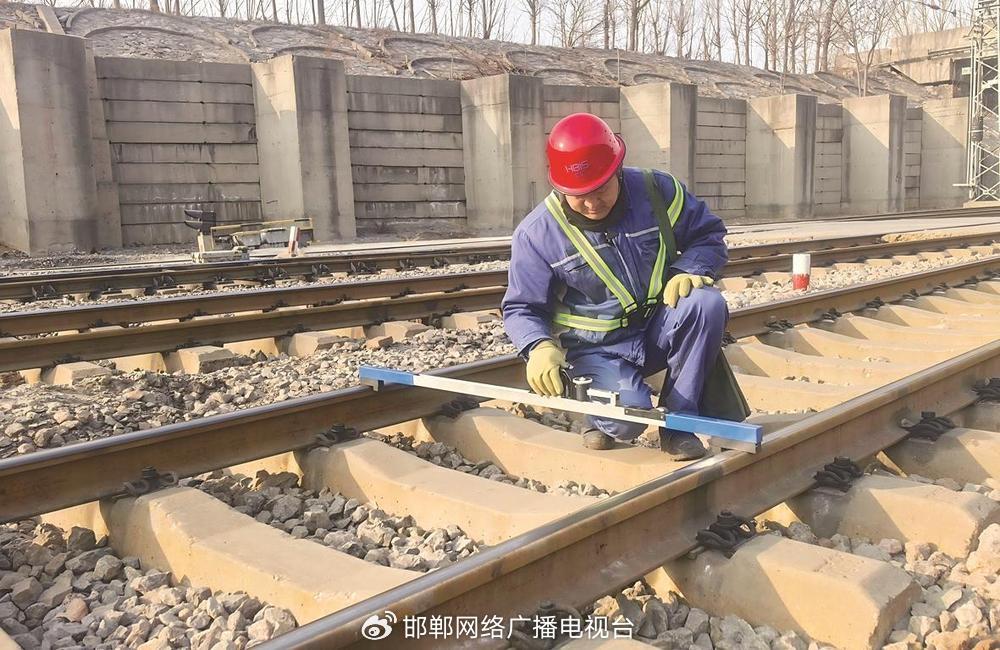
(来源:邯郸网络广播电视台) 转自:邯郸网络广播电视台 春节假期,河钢集团邯钢公司炼钢平台炉火闪耀,机器的轰鸣声、火车的鸣笛声与工友们的协作声在厂区内交织成激昂的生产乐章。邯钢广大 干部职工坚守生产一线,用火热的实干为"十五五"开好局、起好步。 程现奇正在认真测量轨距。 宋超 摄 炉台铸匠心: 夕阳西沉,白班接近尾声,徒弟闫帅朝身着白色工装来接班,这位邯钢"十大杰出青年"早已在师傅的言传身教下成长为炼钢一线的中坚力量。 师徒二人在主控室里细致交接。 "2025年,咱们1号转炉夺得全国节能减排'创先炉'。"侯英辉指着墙上的锦旗自豪地对闫帅朝说,"今年争取再拿一个荣誉!" 铁轨守初心: 二十载坚守炼精钢 除夕的邯钢邯宝炼钢厂转炉作业区,主控室的显示屏上各项生产数据实时跳动,当天正在冶炼O5级别汽车钢。扎根炼钢岗位20年的侯英辉正 专注值守白班,成为炉台旁最坚实的身影。 从进厂之日起便与转炉相伴,侯英辉经历了邯钢炼钢技术的迭代升级,如今指尖轻轻一点,一键炼钢系统便精准启动,吹炼、加料、控温等工 序无缝衔接,全程智能调控、数据可溯,炼造高品质高强汽车钢的过程愈发高效顺畅。 "邯钢炼钢有着扎实的技术根基,操作规范、把控 ...
新春走基层丨一卷汽车板的新春诞生记
Xin Lang Cai Jing· 2026-02-21 17:15
Group 1 - The company, Beijing Shougang Cold Rolled Co., Ltd., produces approximately 1.5 million tons of automotive steel annually, supplying major automotive manufacturers such as Mercedes-Benz, BYD, Volkswagen, and Honda [1][2] - The company has successfully developed independent manufacturing technology for high-end automotive steel, breaking the previous international monopoly [2] - The implementation of an AI scheduling system has reduced transitional losses by 30%, improved production capacity utilization by 20%, and shortened delivery times by nearly 10% [2] Group 2 - The cold rolling production process involves complex constraints, with rolling force control exceeding 3,000 tons and strip running speeds of 1,200 meters per minute, where any parameter fluctuation can lead to product waste [2] - The company also produces medical oxygen as a byproduct, supplying nearly 60% of Beijing's medical oxygen needs, which is crucial during the Spring Festival [3] - The local government is actively integrating into the innovation ecosystem of Shougang Cold Rolled, fostering collaboration between large enterprises and small to medium-sized enterprises [3]