
光伏

Search documents
特斯拉计划在美国多州建厂,以扩大光伏产能
Jin Rong Jie· 2026-02-07 13:51
Core Viewpoint - Tesla is reportedly evaluating multiple locations in the U.S. to expand its solar production capacity while increasing recruitment in related fields [1] Group 1: Expansion Plans - Tesla aims to achieve an annual solar manufacturing capacity of 100 gigawatts over the next three years [1] - The company plans to expand its Buffalo, New York factory's capacity to 10 gigawatts and may construct a second factory in New York [1] - Arizona and Idaho are also being considered as potential sites for new facilities [1] Group 2: Leadership and Innovation - CEO Elon Musk mentioned that Tesla is working in tandem with SpaceX to enhance solar production capabilities [1] - Musk also proposed the possibility of sending solar panels into space, indicating a forward-thinking approach to solar technology [1] Group 3: Recruitment Efforts - Tesla is intensifying its hiring efforts in the solar sector to support its expansion plans [1]

马斯克警告:美国缺乏创新将被中国超越
Xin Lang Cai Jing· 2026-02-07 13:36
Core Viewpoint - Elon Musk warns that without disruptive technological breakthroughs, the U.S. will lose its leading position in high-tech fields like artificial intelligence and electric vehicles to China [1][3]. Group 1: U.S. vs. China in High-Tech Fields - Musk estimates that China's electricity generation will reach three times that of the U.S. this year, highlighting the importance of power supply for high-tech industry development [1]. - The U.S. is highly dependent on China for rare earth processing, which exposes vulnerabilities in critical technology sectors [1][3]. - The gap between the U.S. and China in relevant fields is narrowing, with China making steady advancements in electric vehicle sales and technology, as well as mature rare earth processing capabilities [3]. Group 2: Innovation and Supply Chain Issues - The U.S. has a solid technological foundation but is experiencing a slowdown in innovation and relies on external sources for key mineral processing, indicating weaknesses in its supply chain [3]. - Musk's warning emphasizes the core issues of innovation stagnation and supply chain fragility in U.S. technology development [3][4]. - The rise of China in high-tech sectors is attributed to a complete industrial chain, continuous technological investment, and efficient implementation capabilities, rather than merely resource dependence [3][4]. Group 3: Global Technology Competition - Musk's recent secret visit to advanced photovoltaic companies in China reflects a pragmatic approach to leverage China's cost and technological advantages in the solar sector [4]. - The core of technological competition is innovation, and Musk's warnings serve as a reminder of the importance of prioritizing innovation over short-term gains [4][5]. - Continuous innovation and addressing weaknesses are essential for any country to maintain a foothold in high-tech competition, with healthy competition ultimately benefiting global development [5].

本周多晶硅价格震荡 、备货低迷,人民币走强带动微涨!
Xin Lang Cai Jing· 2026-02-07 13:25
Group 1 - The price of polysilicon in China has shown fluctuations without a clear upward or downward trend, with the global average price increasing slightly by 0.2% to $7.08/kg, driven mainly by the strengthening of the Renminbi rather than fundamental supply-demand support [1] - The price index for high-quality polysilicon for n-type ingots in China remained stable this week, with no new data released by the Silicon Industry Association due to a lack of actual transaction records [1] - Different institutions reported varied data, with the PVinsights price index showing a notable decline of nearly 3.5 CNY/kg, while the Shanghai Metals Market (SMM) indicated a price trend of initial decline followed by a rebound, closing above the previous week's level of 52 CNY/kg [1] Group 2 - Unlike previous years, polysilicon manufacturers have not engaged in inventory stocking ahead of the upcoming Spring Festival due to sufficient raw material inventory and weak market demand [2] - The recent decline in silver prices has mixed implications for polysilicon prices, with SMM suggesting it may provide some support, while the Silicon Industry Association believes high silver paste costs will limit widespread impact [2] - The production of polysilicon in China decreased by 8.3% from 111,200 tons in December 2025 to approximately 102,000 tons in January 2026, which is lower than the previous forecast of a 15% decline [2]
钙钛矿GW级产能爆发,产业链上有哪些机会?
Hua Er Jie Jian Wen· 2026-02-07 12:18
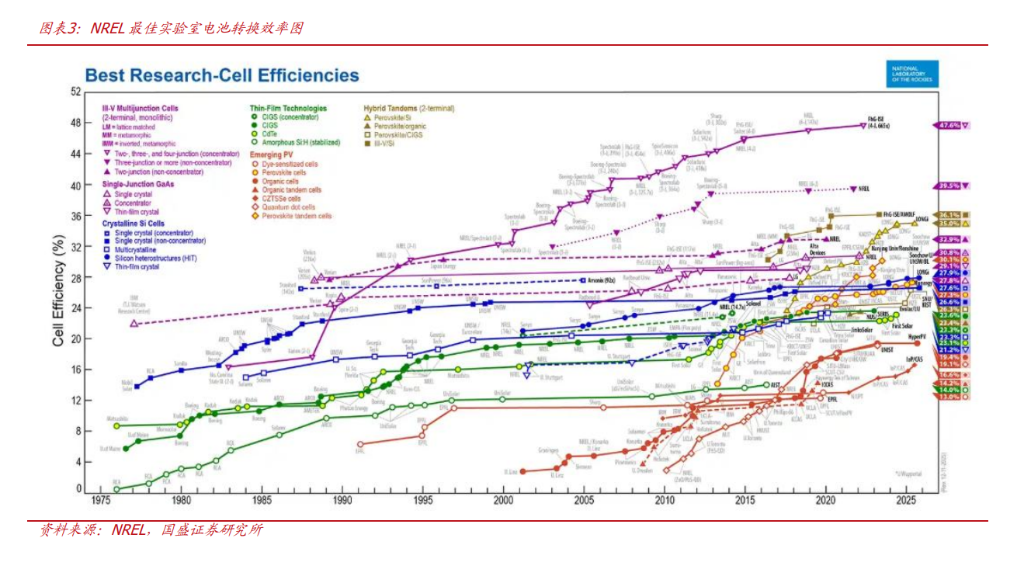
Core Viewpoint - The year 2025 marks the beginning of large-scale production for perovskite solar cells, with significant capacity expansion expected in the coming years, driven by advancements in technology and production efficiency [1][8][10]. Industry Overview - The perovskite solar cell industry is transitioning from a phase of "excess capacity" to one of "incremental explosion driven by technological iteration" [1]. - Major players in the industry include equipment leaders with full-line delivery capabilities, core material suppliers, and component manufacturers with advantages in tandem technology [1]. Technological Advancements - Laboratory efficiency for single-junction perovskite cells has reached 27.3%, while tandem cells have surpassed 35.0%, significantly exceeding the theoretical limit of 27.9% for silicon cells [2][5]. - Stability issues, previously a major concern, have been addressed, with companies like GCL-Poly achieving certification for durability under extreme conditions [6]. Production Capacity and Timeline - The production capacity for perovskite solar cells is set to explode, with global capacity expected to exceed 5 GW by 2027 and surpass 30 GW by 2030 [1][10]. - Key milestones include the launch of several GW-scale production lines by leading companies such as JinkoSolar and GCL-Poly in 2025 and 2026 [9][10]. Cost Structure and Economic Viability - Current production costs for perovskite modules are approximately 1.2 yuan/W, but are projected to decrease to 1.0 yuan/W by 2026, approaching the cost levels of silicon cells [1][20]. - The cost structure indicates that material costs account for over 76% of the total, suggesting rapid cost reduction potential as domestic production of materials increases [19]. Equipment and Material Localization - All core equipment for perovskite production has achieved 100% localization, eliminating reliance on foreign technology [13]. - Significant progress has been made in the localization of key materials, with companies like Jinjing Technology achieving over 95% localization for TCO conductive glass [15].
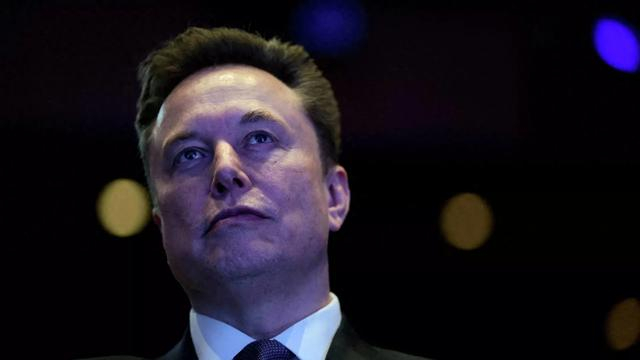
美媒:特斯拉正考虑在美国多州建厂,以扩大光伏产能
Xin Lang Cai Jing· 2026-02-07 11:30
Core Viewpoint - Tesla is reportedly evaluating multiple locations in the U.S. to expand its solar energy production capacity while also increasing hiring in this sector [1] Group 1: Company Developments - Tesla is assessing sites across the U.S. for expanding its photovoltaic production capacity [1] - The company is ramping up recruitment efforts in the solar energy field [1] - CEO Elon Musk mentioned that Tesla is working in tandem with SpaceX to enhance solar energy production [1] Group 2: Industry Insights - There is a potential for solar panels to be sent into space, as proposed by Musk, indicating innovative directions for solar technology [1]
马斯克,突传重磅!光伏大棋,落子!
证券时报· 2026-02-07 10:56
Core Viewpoint - Tesla is accelerating its solar manufacturing efforts to achieve Elon Musk's goal of producing 100 gigawatts of solar cells annually, which is seen as an underappreciated opportunity in the solar energy sector [1][3]. Group 1: Tesla's Solar Manufacturing Plans - Tesla is evaluating multiple options to expand its solar production capacity, including increasing the capacity of its Buffalo, New York factory to 10 gigawatts, which is equivalent to the output of ten nuclear power plants [3][4]. - The company is also considering building additional factories in New York, Arizona, or Idaho as part of its solar manufacturing expansion [3]. - Tesla's recent recruitment efforts are aimed at supporting this ambitious plan, with job postings for solar manufacturing positions indicating a commitment to achieving the 100 gigawatt target by the end of 2028 [5][6]. Group 2: Market Context and Competition - Currently, the U.S. produces approximately 3 gigawatts of solar cells annually, with most domestic solar manufacturing focused on components rather than cells [6][7]. - If Tesla achieves its goal, it would become the largest solar manufacturer in the U.S., surpassing First Solar, which is expected to increase its domestic capacity to 14 gigawatts this year [4][7]. - The solar battery is a critical component that converts sunlight into electricity, and its manufacturing process is more complex and costly compared to other solar components [7].
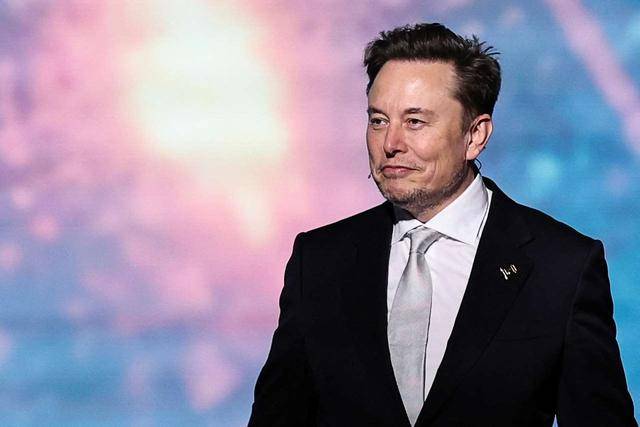
漩涡中的马斯克,派团队秘密访华,他的终极梦想,只有中国能实现
Sou Hu Cai Jing· 2026-02-07 09:31
Group 1 - The Epstein case has caused significant public scrutiny, affecting various figures including Elon Musk, who is facing questions due to his email correspondence with Epstein and details disclosed by Epstein's daughter [1] - Despite the controversy, Musk continues to pursue business opportunities, with reports indicating that his teams from SpaceX and Tesla have discreetly visited multiple Chinese photovoltaic companies to explore heterojunction and perovskite technology [3] - Musk aims to achieve 100 gigawatts of solar energy capacity within three years, which will support high-energy AI data centers and SpaceX's space AI satellites, lunar, and Martian bases [3] Group 2 - China's photovoltaic industry possesses unmatched technological and industrial chain strengths, making it irreplaceable globally [5] - China leads in key technologies such as heterojunction and perovskite, with heterojunction solar cells achieving over 24% efficiency, suitable for low Earth orbit satellites [5] - The complete photovoltaic supply chain in China, from silicon wafers to equipment manufacturing, offers significant cost advantages that the U.S. industry cannot match [5][7] - Chinese companies have proactively developed technologies for space photovoltaic applications, aligning well with SpaceX's needs [5][7] - The ability of China to provide top-tier technology and achieve low-cost mass production is crucial for Musk's goal of 100 gigawatts of space photovoltaic capacity [7] - The ongoing scrutiny from the Epstein case has not deterred Musk's business strategies, as evidenced by his team's visit to China and subsequent agreements, highlighting the recognition of China's photovoltaic industry's capabilities [7]
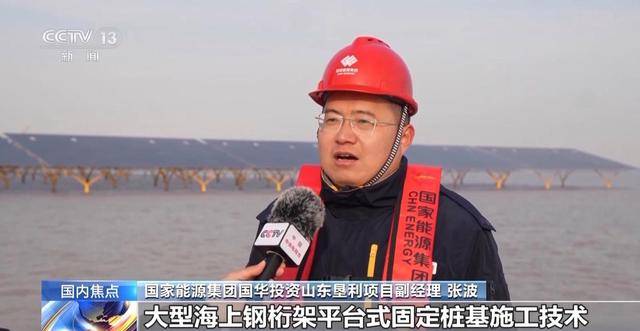
中国破世界纪录!全球最大开放式海上光伏投产,攻克三大技术难题
Sou Hu Cai Jing· 2026-02-07 09:11
Core Insights - The world's largest offshore photovoltaic project has officially commenced operation, marking a significant milestone in the transition to clean energy, described as a "silent revolution" by foreign media [3][21] - China's achievement in offshore photovoltaic technology represents a breakthrough in an area previously considered impractical, showcasing the country's capability to execute large-scale renewable energy projects [5][10] Group 1: Project Overview - The offshore photovoltaic project covers an area larger than 2,934 football fields and is located 8 kilometers offshore, demonstrating a significant technological advancement in energy generation [1][3] - The project utilizes a steel truss platform fixed to the seabed, allowing it to withstand severe weather conditions, including typhoons and high waves [5][6] Group 2: Technological Innovations - The project features a unique 66 kV submarine cable system that effectively addresses the challenges of transmitting electricity from offshore to onshore, significantly reducing transmission costs and losses [10][12] - China has applied for 19 patents related to the construction methods and materials used in the project, indicating a focus on practical solutions rather than mere technological display [8][14] Group 3: Economic and Environmental Impact - The project not only generates renewable energy but also supports marine life, with an annual seafood output valued at 27 million RMB, illustrating a dual benefit of energy production and ecological sustainability [12][18] - The integration of energy generation and aquaculture reflects a shift in thinking towards finding balance between energy needs and environmental stewardship [12][18] Group 4: Industry Implications - The project signifies a reorganization of the entire supply chain, with collaboration among 25 companies from various regions in China, redefining efficiency in the renewable energy sector [16][18] - China's advancements in offshore photovoltaic technology challenge existing global energy standards and could reshape the power dynamics in the clean energy sector, moving away from traditional reliance on fossil fuels [14][18]
集体大涨!马斯克,突传重磅!光伏大棋,落子!
券商中国· 2026-02-07 07:21
Core Viewpoint - Tesla is accelerating its solar manufacturing efforts to achieve Elon Musk's ambitious goal of producing 100 gigawatts of solar cells annually, which is seen as a significant opportunity in the solar energy sector [2][4]. Group 1: Tesla's Solar Manufacturing Plans - Tesla is evaluating multiple options to expand its solar production capacity, including increasing the capacity of its Buffalo, New York factory to 10 gigawatts, which is equivalent to the output of ten nuclear power plants [3][4]. - The company is also considering building additional factories in New York, Arizona, or Idaho to support this expansion [3][4]. - Tesla's recent actions are led by Vice President Bonnie Eggleston, who is actively recruiting talent for solar manufacturing positions [3][6]. Group 2: Market Context and Competition - Currently, the U.S. produces only about 3 gigawatts of solar cells annually, with most domestic solar manufacturing focused on components rather than cells [5][7]. - First Solar, the leading company in the sector, is expected to increase its U.S. production capacity to 14 gigawatts this year, highlighting the competitive landscape [4][7]. Group 3: Strategic Importance of Solar Energy - Musk emphasizes the importance of solar energy in meeting the growing electricity demand driven by artificial intelligence and data centers [6][4]. - The goal of producing 100 gigawatts of solar cells positions Tesla to potentially become the largest solar manufacturer in the U.S. if achieved [4][6].

16.5亿元,中国光伏史上最大一笔专利许可费产生
Xin Lang Cai Jing· 2026-02-07 04:16
Group 1 - TCL Zhonghuan is expected to incur a loss of 8.2 billion to 9.6 billion yuan in 2025, which is an improvement compared to the loss of 9.818 billion yuan in the same period last year [1] - Aiko Solar is projected to reduce its loss to between 1.2 billion and 1.9 billion yuan last year, with a significant improvement in operational cash flow, manufacturing costs, and gross profit margin from component sales [1] - As of the end of the third quarter last year, Aiko Solar had cash and cash equivalents of 4.845 billion yuan and total liabilities of 28.845 billion yuan, resulting in a debt-to-asset ratio of 77.6%, down approximately 8 percentage points from 85.75% at the end of June [1] Group 2 - There have been patent disputes involving Aiko Solar and Longi Green Energy regarding TOPCon and BC technologies, as well as legal issues between JA Solar and Chint New Energy over TOPCon technology [1] - Trina Solar initiated a lawsuit against Canadian Solar in February last year, claiming compensation of 1.058 billion yuan due to patent issues, with no public outcome reported yet [1] - Aiko Solar expects to achieve more than double the sales volume of ABC components in 2025 compared to the previous year [1]
