
数据中心

Search documents
Meta与PE巨头Blue Owl联手筹资270亿美元建设数据中心,贝莱德是最大投资者之一
Hua Er Jie Jian Wen· 2025-10-22 00:11
Core Insights - Meta collaborates with Blue Owl Capital to raise $27 billion through bond issuance for data center construction, setting a record for private bond issuance and highlighting the significant capital demand for AI infrastructure [1][2] - BlackRock is a major investor, subscribing over $3 billion in bonds, while Pimco is the largest buyer with $18 billion [2][3] - The bonds received an A+ investment-grade rating from S&P Global, but the yield is notably high at 6.58%, indicating investor risk premium concerns [2][4] Group 1: Bond Issuance Details - The Hyperion data center project raised $27 billion through private bonds, marking the largest single transaction in the private bond market [2] - The bonds were issued at a face value of $100 and appreciated to $110.2, providing substantial paper gains for early investors [2] Group 2: Investment Management Strategies - BlackRock's bond subscriptions are partially directed towards its ETF products, with a high-yield ETF acquiring $2.1 million in Hyperion bonds, making it the largest single investment in the fund [3] - BlackRock's strategy post-2008 financial crisis has positioned it as the largest asset management company, with over $5 trillion in assets managed in its iShares series [3] Group 3: Off-Balance Sheet Financing - Meta's partnership with Blue Owl allows the financing to be off-balance sheet, enabling large-scale data center development without increasing direct debt [4] - This off-balance sheet structure is becoming a preferred financing method for tech companies pursuing capital-intensive AI infrastructure projects, balancing funding needs with financial flexibility [4]


【公告全知道】深海经济+可控核聚变+人形机器人+数据中心+固态电池+算力!公司中标聚变能实验装置项目
财联社· 2025-10-21 15:28
Group 1 - The article highlights significant announcements in the stock market, including "suspension and resumption of trading, shareholding changes, investment wins, acquisitions, performance reports, unlocks, and high transfers" [1] - A company has won a bid for a fusion energy experimental device project, with products already applied in UBTECH humanoid robots and samples sent for testing to Zhiyuan humanoid robots [1] - Another company focuses on storage chips, Huawei HiSilicon, and third-generation semiconductors, indicating its main products are applicable in storage chip technology [1] - A company in the deep-sea economy and wind power sector reported a net profit growth of over 1900% year-on-year in the first three quarters [1]


美国数据中心电力解法及800V趋势详解
2025-10-21 15:00
Summary of Key Points from the Conference Call Industry Overview - The conference call discusses the **U.S. data center power solutions** and the trend towards **800V power architecture** [1][2]. Core Insights and Arguments - **Power Demand Growth**: The peak power in the U.S. is projected to reach **800 GW** by **2024**, driven by data center construction and manufacturing reshoring. The annual peak load is expected to grow by approximately **2%**, equating to an additional **20 GW** each year [2][4]. - **Data Center Load Increase**: From **2025 to 2028**, the total additional load demand from data centers is estimated to be between **40 to 80 GW**, with a projected **67 GW** of new installed capacity by **2028** [4]. - **Energy Supply Structure Changes**: There has been a significant decline in coal power capacity (down by about **50%**), and a reduction in natural gas generation. In contrast, the share of unstable energy sources like wind and solar has increased, leading to a decrease in stable controllable power sources, which weakens grid stability [5][6]. - **Importance of Energy Storage**: Energy storage systems are deemed crucial for balancing supply and demand, capable of managing peak loads either independently or in conjunction with renewable sources [6][7]. The demand for high-quality energy storage solutions is intensifying [7]. - **NVIDIA's 800V Power Architecture**: NVIDIA emphasizes the importance of energy storage and solid-state transformers (SST) in its **800V power architecture**. This architecture is necessary due to the significant increase in power density and the need for stability in AI data centers [3][9]. Additional Important Content - **Storage System Functionality**: Energy storage systems can absorb surges during startup and release energy during low load periods, stabilizing the data center's external load profile and reducing the need for redundant transformer infrastructure [3][11]. - **Investment Recommendations**: Recommended investment targets include leading battery manufacturers and integrators such as **CATL**, **Sungrow Power**, **Hibiscus Technology**, and **EVE Energy**. Additionally, U.S. stocks like **Bloom Energy** and **Fluence Energy** are highlighted [8]. - **Challenges in Grid Connection**: The integration of energy storage can alleviate the bottleneck of grid connection approvals, which is a significant hurdle for AI factory deployments. By smoothing peak loads, data centers can present a more stable load to the grid, enhancing approval efficiency [11][12]. - **Future of Energy Supply**: The long-term solutions for meeting future energy demands include solid oxide fuel cells (SOFC), traditional gas turbines, and small modular reactors (SMR), with energy storage and gas turbines being the primary short-term solutions [6][12]. Conclusion - The U.S. data center industry is experiencing a significant transformation in power demand and supply dynamics, with a strong emphasis on energy storage solutions and advanced power architectures to ensure stability and efficiency in the face of growing energy needs.

普洛斯深耕中国智算服务市场 全国项目已达20个
Xin Hua Cai Jing· 2025-10-21 13:45
Core Insights - The rapid growth of the digital economy and the rise of AI models are driving significant demand for data centers and computing power infrastructure in China, with a projected market size increase of $274 billion from 2025 to 2029, reflecting a compound annual growth rate (CAGR) of over 38% [1] Group 1: Company Developments - Prologis' Changshu Southeast Data Center Phase II project has achieved 100% signing, aimed at supporting a leading internet company in building a large-scale, high-performance intelligent computing project [1] - Prologis has established a reputation for providing high-standard green computing infrastructure and lifecycle services to multiple leading internet companies, gaining customer trust [1] - The Changshu Southeast Data Center is built according to national A-level and international T3+ standards, serving as a model for computing power infrastructure in East China [1] Group 2: Technological Innovations - The project incorporates several industry-leading green energy-saving technologies and a modular design, creating a flexible and adaptive "1-2-3-4 infrastructure architecture" that accommodates both air-cooled and liquid-cooled systems [2] - The infrastructure supports three innovative layout scales (thousand, ten thousand, and fifty thousand units) and meets deployment requirements for power densities ranging from 6 kW to 40 kW, facilitating the rapid construction of high-density intelligent computing centers [2] Group 3: Market Position and Future Plans - Prologis has established 20 projects nationwide, providing IT loads of up to 1,400 MW, showcasing strong delivery capabilities and advanced smart operations that enhance market competitiveness [2] - The company has secured a strategic investment of 2.5 billion yuan from a state-owned enterprise in Zhejiang, a strong province for the digital economy, and plans to continue focusing on the intelligent computing sector, upgrading solutions to meet the growing demand for computing power [2]
OCP大会焦点:制造和封装已大幅扩产,AI芯片瓶颈转向下游,包括内存、机架、电力等
硬AI· 2025-10-21 10:26
Core Insights - The core argument of the article is that the bottleneck in AI development has shifted from chip manufacturing and packaging to downstream infrastructure, including data center power supply, liquid cooling, high bandwidth memory (HBM), server racks, and optical modules [2][4][9]. Upstream Capacity Expansion - Chip manufacturing and packaging have significantly expanded, alleviating previous concerns about supply shortages [5][6]. - TSMC has reported strong AI demand and is working to close the supply-demand gap, with a lead time of only six months for expanding CoWoS capacity [6][9]. - The report predicts that global CoWoS demand will reach 1.154 million wafers by 2026, a 70% year-on-year increase, indicating a robust supply response [6][12]. Downstream Infrastructure Challenges - As chip supply is no longer the main issue, the focus has shifted to the availability of data center space, power, and supporting infrastructure, which have longer construction cycles than chip manufacturing [9][12]. - The deployment of large-scale GPU clusters presents significant challenges in power consumption and heat dissipation, leading to a preference for liquid cooling solutions and high-voltage direct current (HVDC) power supply systems [9][12]. - The demand for HBM is expected to explode, with global consumption projected to reach 26 billion GB by 2026, with NVIDIA alone accounting for 54% of this demand [9][12]. Investment Opportunities - The shift in focus towards downstream infrastructure opens new investment opportunities beyond traditional chip manufacturers, emphasizing the importance of companies that excel in power, cooling, storage, memory, and networking [12][13]. - Global cloud service capital expenditure is expected to grow by 31% to $582 billion by 2026, significantly higher than the market's general expectation of 16% [12]. - AI server capital expenditure could see approximately 70% year-on-year growth if AI servers' share of capital expenditure increases [12][13].


获得美国投资意向,澳洲稀土矿企集体暴涨
美股IPO· 2025-10-21 07:05
Core Insights - The recent signing of a critical mineral cooperation agreement between the US and Australia has led to a significant surge in the stock prices of Australian rare earth companies, with Arafura's US stock rising by 29% and its Australian counterpart increasing by over 8% [1] - The AI wave is driving a capital frenzy in the US data center industry, with substantial investments and new players entering the market, but underlying challenges such as profit expectations and systemic risks are emerging [3][9] - Innovative financing structures are becoming the norm to support massive investments in the data center sector [4] Investment Trends - Leaseback transactions are gaining popularity, with companies like xAI and OpenAI utilizing this structure to reduce costs and manage risks associated with chip procurement [5] - The acquisition of Aligned Data Centers for a record $40 billion highlights the growing interest in data center operations and the need for operators to seek buyers [5] Market Dynamics - New entrants in the data center market, such as Poolside and Fermi, are challenging traditional industry norms, raising skepticism among established developers regarding their capabilities [6] - The reality of profit margins is stark, as Oracle's AI cloud business has shown a 15-20 percentage point gap between actual and targeted profit margins for leasing NVIDIA chips [7] Operational Challenges - AI cloud service providers face a race against time to secure expensive NVIDIA chips, with payment contingent on project completion and performance standards [8] - The overlapping identities of suppliers, customers, and financiers are creating systemic risks, as seen in Microsoft's decision to let Oracle handle part of OpenAI's server needs, indicating a cautious approach to long-term demand [9] Competitive Landscape - NVIDIA maintains a dominant position in the market, while traditional cloud giants possess the technical expertise and risk tolerance to navigate challenges, contrasting with new entrants who face significant uncertainties [9]
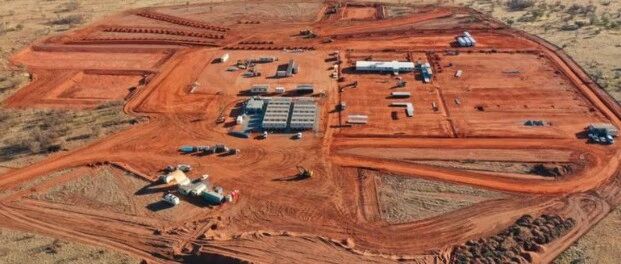
美国数据中心的“淘金时代”
美股IPO· 2025-10-21 07:05
Core Viewpoint - The AI wave is driving a capital frenzy in the U.S. data center industry, with significant investments and new players entering the market, but underlying challenges such as profit expectations versus reality, systemic risks from circular dependencies, and the inexperience of new entrants are emerging [1]. Investment Trends - At a recent data center industry conference, major players like OpenAI, xAI, and Meta pledged to invest hundreds of billions over the next decade, shifting the focus from site and power acquisition to building high-capacity data centers [3]. - BlackRock and MGX led a record $40 billion acquisition of Aligned Data Centers, highlighting the aggressive investment climate [3]. Innovative Financing Structures - The industry is developing creative financing methods to support massive investments, with leaseback transactions becoming popular, allowing companies like xAI and OpenAI to reduce costs while maintaining operational control [4]. - These transactions blur the lines between customers, suppliers, and financiers, facilitating continuous capital flow into data center construction [4]. Nvidia's Role - Nvidia is not only a chip supplier but also deeply involved in financing, providing funds to chip customers and data center projects, raising concerns about potential market distortions and dependency [5]. - OpenAI's recent commitment to using AMD chips indicates a move to break Nvidia's monopoly [5]. Industry Disruption - New entrants like Poolside and Fermi are challenging traditional industry norms by entering large-scale data center projects without prior experience, leading to skepticism from established developers [6]. - There is a growing belief that aggressive projects may fail due to delays and power shortages, indicating a potential industry shake-up [6]. Profitability Challenges - Despite optimistic forecasts from Oracle, actual financial data reveals a significant gap in profit margins for AI cloud services, with current leasing rates for Nvidia chips falling 15-20 percentage points short of targets [7]. - AI cloud providers face pressure to secure expensive chips ahead of project completion, complicating their financial planning [7]. Systemic Risks - The overlapping roles of suppliers, customers, and financiers are creating systemic risks, as evidenced by Microsoft's decision to let Oracle handle part of OpenAI's server needs, suggesting a cautious outlook on long-term demand [8]. - The industry is characterized by a divide where established players with technical expertise and financial resilience are better positioned to withstand market fluctuations compared to new entrants [8].

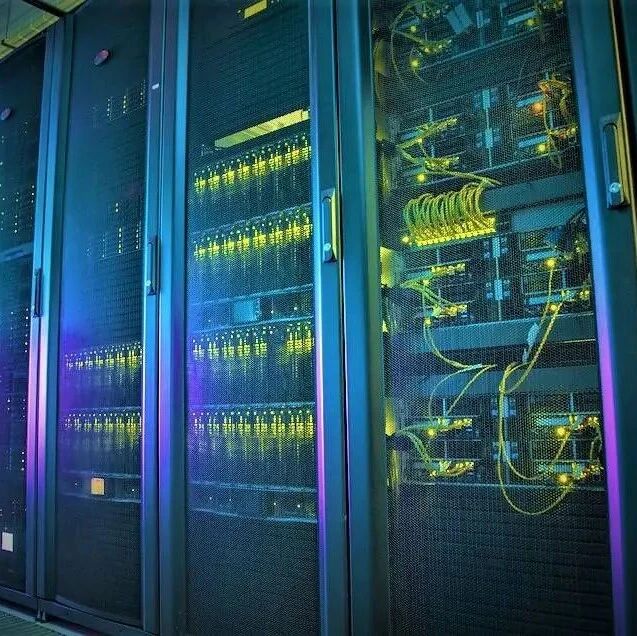
美国数据中心的“淘金时代”
Hua Er Jie Jian Wen· 2025-10-21 03:11
Core Insights - The AI wave is driving a capital frenzy in the U.S. data center industry, with significant investments and new players entering the market, but underlying challenges and systemic risks are emerging [1][2][4] Group 1: Investment Trends - Major players like OpenAI, xAI, and Meta have committed to investing hundreds of billions over the next decade, shifting focus from site and power acquisition to building high-capacity data centers [1] - BlackRock and MGX led a record $40 billion acquisition of Aligned Data Centers, highlighting the aggressive investment climate [1][2] - Innovative financing structures, such as leaseback transactions, are becoming the norm to support massive investments, with companies like xAI and OpenAI utilizing these methods to reduce costs [2] Group 2: Market Dynamics - New entrants like Poolside and Fermi are challenging traditional data center rules by launching large-scale projects without prior experience, raising concerns among established developers [3] - The industry is witnessing a potential shakeout as overly ambitious projects may fail due to delays and resource shortages [3][6] Group 3: Profitability Challenges - Despite optimistic revenue forecasts, Oracle's actual financial data reveals a 15-20 percentage point gap between the current profit margins from leasing NVIDIA chips and target values [4][5] - AI cloud service providers face a race against time to secure expensive NVIDIA chips, with payment contingent on project completion and performance standards [5] Group 4: Systemic Risks - The overlapping roles of suppliers, customers, and financiers are creating systemic risks, as seen when Microsoft offloaded some of OpenAI's server needs to Oracle, indicating a cautious approach to long-term demand [6] - NVIDIA's dual role as a supplier and financier raises concerns about market distortion and potential bubbles, while traditional cloud giants possess the technical expertise and risk tolerance to navigate these challenges [6]
阿波罗:AI与工业复兴成强劲东风,美国经济增长有望重新加速
智通财经网· 2025-10-21 02:48
Core Viewpoint - Apollo Global Management's Chief Economist Torsten Slok indicates that the U.S. economy may be entering a stronger phase than many anticipated, with key credit indicators showing significant improvement, suggesting underlying economic resilience [1] Group 1: Economic Indicators - Default rates for high-yield bonds and leveraged loans have peaked, along with delinquency rates for credit cards and auto loans [1] - The improvement in these indicators is attributed to three main factors: the diminishing uncertainty from trade wars, the strong tailwinds from the AI boom, and a comprehensive recovery in U.S. industrial activity [1] Group 2: Investment and Consumer Confidence - The ongoing expansion of data centers and energy infrastructure related to AI is providing tangible support for business investment and consumer confidence [1] - Rising stock markets are enhancing household consumption capacity [1] Group 3: Industrial Revival - New capital investments in manufacturing, defense, biotechnology, and automation indicate that what is termed an "industrial revival" is in its early stages [1] - Despite ongoing trade tensions slightly dragging on global growth, these adverse factors are increasingly being offset by technology-driven and industrial momentum, raising the likelihood of a re-acceleration in U.S. economic growth in the coming months [1]
招商证券:中企或作为Tier1参与到供电升级中 有望获得优异回报
智通财经网· 2025-10-21 01:48
Group 1 - The core viewpoint of the report indicates that traditional overseas power supply manufacturers are facing risks of reshaping their market landscape due to the large-scale application of 800Vdc technology, prompting them to seek collaboration or outsourcing with Chinese companies [1] - Chinese companies possess key advantages such as accumulated power electronics technology, rapid response capabilities, and high-quality engineering teams, which may allow them to participate as Tier 1 suppliers in the upgrade process and potentially achieve excellent returns [1] Group 2 - The current power supply system for data centers relies on UPS as the primary power source, with electricity first entering through the utility grid and being transformed through various voltage levels before reaching the cabinets [1] - According to NVIDIA's white paper, the second-generation solution will introduce new HVDC systems while retaining UPS as a transitional element, expected to be implemented in NVL144 cabinets by the second half of 2026 [2] - The third generation will eliminate UPS and incorporate self-generation facilities and electrochemical storage to handle power fluctuations from AI loads, with applications anticipated in NVL576 cabinets by the second half of 2027 [2] - The fourth generation aims to further integrate HVDC, transformers, and distribution systems, promoting the use of medium-voltage rectifiers and solid-state transformers, with structural innovations expected to be commercially available by 2028 and technological breakthroughs by 2029-2030 [2]
