
家电

Search documents
新一轮国补落地首周带动消费4.5亿元 消费市场“焕新”提速
Yang Guang Wang· 2026-01-17 09:48
Core Insights - The new round of appliance trade-in policy in Guangxi has shown significant results in its first week, with 114,000 subsidies issued and a total subsidy amount of 64.99 million yuan, directly boosting appliance and digital product sales by 450 million yuan [1][4] Group 1: Policy Impact - The policy has led to a notable increase in the sales of energy-efficient appliances, with 80% of sales in a major store being of first-class energy efficiency products, reflecting a 56.18% month-on-month growth [4] - The implementation of the trade-in policy has resulted in a 46.8% year-on-year increase in sales of green smart appliances, with first-class energy efficiency products accounting for 62% of total subsidy applications [4][5] Group 2: Consumer Behavior - Consumers are increasingly prioritizing energy efficiency and smart features over price, indicating a shift in purchasing behavior towards quality [4][5] - The demographic of consumers engaging in the trade-in program is diverse, with 50% of subsidy applications for digital products coming from the 25-35 age group, and older consumers also showing significant interest in smart and health-oriented products [6] Group 3: Service Enhancements - Retailers are enhancing service offerings to ensure consumers can easily access policy benefits, including dedicated support for subsidy applications and integrated old product recycling services [7] - The online and offline service model has expanded, with 27% of subsidy applications coming from online channels, facilitating a seamless process for consumers [7] Group 4: Economic Implications - The trade-in policy is viewed as a practical measure to stabilize growth and promote consumption, while also serving as a long-term strategy for industrial upgrading and green development [9]

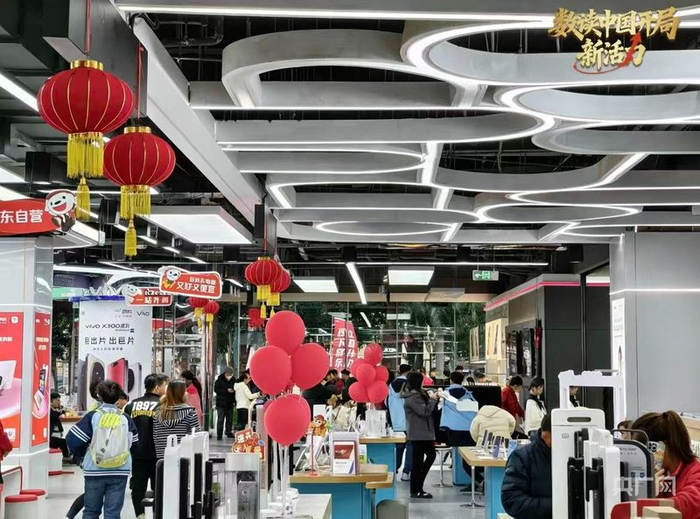
2025年进出口总值创历史新高 中国外贸展现韧性与活力
Ren Min Ri Bao Hai Wai Ban· 2026-01-17 07:10
Core Viewpoint - China's foreign trade demonstrates resilience and vitality, achieving a record high in total import and export value in 2025, maintaining its position as the world's largest goods trading nation [1][2]. Group 1: Trade Performance - In 2025, China's total import and export value reached 45.47 trillion yuan, a year-on-year increase of 3.8%, marking nine consecutive years of growth [1]. - Exports amounted to 26.99 trillion yuan, growing by 6.1%, while imports were 18.48 trillion yuan, with a modest increase of 0.5% [1]. - The growth in high-tech product exports was notable, with a year-on-year increase of 13.2%, contributing 2.4 percentage points to overall export growth [2]. Group 2: Import Trends - China maintained its status as the world's second-largest import market for 17 consecutive years, with imports reaching a historical high in 2025 [4]. - Import growth was driven by a recovering economy, with a continuous increase in imports for three consecutive quarters starting from Q2 [4]. - The 8th China International Import Expo saw record participation, with intended transaction amounts exceeding 80 billion USD [4]. Group 3: Trade Partnerships - China's trade partnerships expanded significantly, becoming a major trading partner for over 160 countries and regions, an increase of more than 20 since 2020 [6]. - Trade with ASEAN countries and Central Asian nations saw substantial growth, with imports from these regions increasing by 3.9% and over 1 billion USD in trade volume, respectively [6][7]. - In 2025, trade with countries involved in the Belt and Road Initiative reached 23.6 trillion yuan, growing by 6.3%, which is 2.5 percentage points higher than the overall trade growth rate [7].
美联储政策转向信号!A股换手率280%显韧性,机构呼吁引入长期资金稳市
Sou Hu Cai Jing· 2026-01-17 05:58
Group 1 - The Federal Reserve maintained the federal funds rate at 4.25%-4.5% during its first meeting in 2026, while adjusting the balance sheet reduction pace and lowering economic growth expectations to below 2%, alongside raising inflation expectations to above 3% [3] - Market expectations for future rate cuts have strengthened, with traders anticipating two rate cuts by the end of July 2026, leading to a drop in U.S. Treasury yields and a rise in gold prices, reflecting increased global liquidity expectations [3] - There are internal divisions within the Federal Reserve regarding the path of rate cuts, with Goldman Sachs predicting two cuts to 3.5%-3.75% in 2026, while some officials emphasize the need for tangible progress on inflation or weakness in the labor market before policy adjustments [3] Group 2 - A-share turnover rate reached 280%, with companies like Yisou Technology experiencing significant speculative trading, driven by the hype around the reality world asset tokenization concept, resulting in a 38.22% price surge [6] - High turnover rates can indicate both speculative activity and structural opportunities, as seen with companies like New Times reaching similar turnover rates, where performance improvements or policy benefits could lead to significant investment opportunities [7] - The Central Financial Office and the China Securities Regulatory Commission have issued guidelines to encourage long-term capital to enter the market, focusing on enhancing the quality of listed companies and promoting the development of equity funds [8] Group 3 - The expectation of a weaker dollar due to potential Fed rate cuts is driving global capital towards undervalued markets, with A-shares and Hong Kong stocks being viewed as core investment targets [11] - As of August 2024, long-term funds held 21.4 trillion yuan of A-share circulating market value, a 32% increase since the end of the 13th Five-Year Plan, indicating a growing proportion of long-term capital in the market [12] - Domestic fiscal policies, including an increase in the fiscal deficit rate and expanded local bond issuance, combined with expectations of monetary easing, are creating a dual effect of increased liquidity and economic recovery [13] Group 4 - Investment strategies should balance offensive and defensive positions, focusing on sectors like AI, robotics, and semiconductor equipment, while also considering consumer recovery in sectors such as home appliances and automobiles [14] - Risk management strategies include maintaining a total position of 60%-65%, with no single sector exceeding 30%, and employing hedging tools like index futures and options to mitigate systemic risks [14] - Investors should closely monitor Fed policy changes, domestic fiscal and monetary policies, and industry data to adjust strategies flexibly [14] Group 5 - The shift in Fed policy signals and the high turnover rate in A-shares reflect a new global capital flow pattern, with A-shares establishing an independent market moat through the introduction of long-term funds and improved investor structure [16] - There is a need for investors to seize structural opportunities in sectors like technology and consumer recovery while enhancing risk control awareness to achieve stable returns [16]
2025年1-11月中国家用冷柜(家用冷冻箱)产量为2488.8万台 累计下降1.8%
Chan Ye Xin Xi Wang· 2026-01-17 03:53
根据国家统计局数据显示:2025年11月中国家用冷柜(家用冷冻箱)产量为262万台,同比增长3.6%; 2025年1-11月中国家用冷柜(家用冷冻箱)累计产量为2488.8万台,累计下降1.8%。 上市企业:美的集团(000333),海尔智家(600690),澳柯玛(600336),海信家电(000921) 相关报告:智研咨询发布的《2025-2031年中国冰箱行业市场现状调查及发展趋向研判报告》 数据来源:国家统计局,智研咨询整理 知前沿,问智研。智研咨询是中国一流产业咨询机构,十数年持续深耕产业研究领域,提供深度产业研 究报告、商业计划书、可行性研究报告及定制服务等一站式产业咨询服务。专业的角度、品质化的服 务、敏锐的市场洞察力,专注于提供完善的产业解决方案,为您的投资决策赋能。 2020-2025年1-11月中国家用冷柜(家用冷冻箱)产量统计图 ...

广货行天下 12场对接活动赋能广东制造业“向新”
Xin Lang Cai Jing· 2026-01-17 01:15
Group 1 - The Guangdong Province Manufacturing Empowerment Matching Series Activities were held from January 12 to 16, focusing on key industries such as footwear, mobile phones, clothing, textiles, toys, home appliances, machinery, automobiles, building ceramics, and food [2][3] - The event aimed to provide a platform for companies in the home appliance sector to enhance competitiveness and address transformation challenges, with over 90% of large-scale enterprises in Zhongshan achieving digital transformation [3] - The automotive sector event received positive feedback from major companies like GAC Group and FAW-Volkswagen, highlighting the importance of collaborative innovation within the automotive supply chain [3] Group 2 - SHEIN has established a vast sales network covering 160 countries and regions since its inception in 2012, leveraging its flexible supply chain to promote Guangdong products globally [4][5] - The cross-border e-commerce model in Guangdong has shown significant growth, with import and export volumes expanding 66 times over nine years, accounting for over one-third of the national total [5] - The provincial government plans to enhance the brand influence and international competitiveness of "Guangdong Manufacturing" through initiatives like "Guangdong Products Going Global," aiming for a strong economic start in the first quarter and steady growth throughout the year [5]
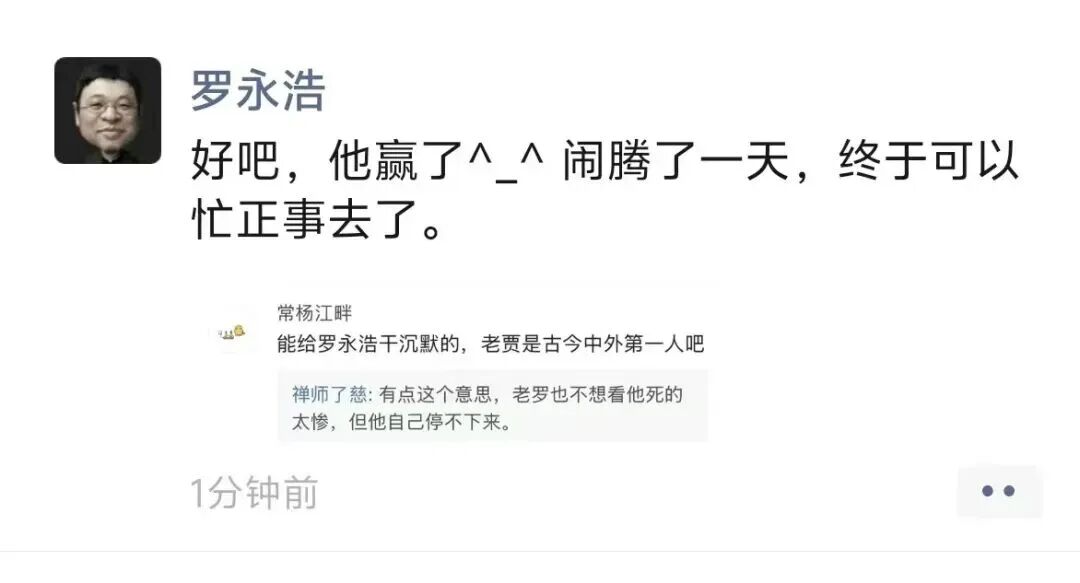
9点1氪丨贾国龙罗永浩微博被禁言,罗永浩朋友圈最新发声;李湘多平台账号被禁止关注;特朗普拿到诺贝尔和平奖奖章
3 6 Ke· 2026-01-17 01:12
Group 1 - The accounts of well-known figures Jia Guolong and Luo Yonghao have been banned on Weibo due to negative behavior, as stated by Weibo's CEO Wang Gaofei [1] - Jia Guolong responded to accusations from Luo Yonghao, emphasizing that his company, Xibei, has operated legally and has not engaged in any illicit activities [1][2] - Xibei's public relations vice president, Song Xuan, has resigned, citing personal development reasons and the pressure from recent events [4][6] Group 2 - Ctrip has been under investigation by local market regulatory authorities for alleged monopolistic practices, including price manipulation and forced exclusivity [5][7] - Some Moutai provincial direct stores are now allowing eligible taxpayers to purchase the Flying Moutai at a price of 1499 yuan per bottle, without the need to buy additional products [7] - New regulations for the recycling and utilization of used power batteries from electric vehicles will be implemented starting April 1, 2026, focusing on comprehensive lifecycle management [7] Group 3 - Several smartphone manufacturers, including Xiaomi and OPPO, have lowered their annual shipment forecasts by over 20% due to rising upstream supply chain costs [8] - Porsche announced a 10% decrease in global deliveries for 2025, totaling 279,449 vehicles, with significant declines in the European market attributed to supply shortages [12][13] - Gree Electric plans to distribute over 5.58 billion yuan in cash dividends to shareholders, with a payout of 10 yuan per 10 shares [10] Group 4 - Smart has suspended its charging cooperation with multiple charging operators, possibly due to financial pressures [11] - Major banks in the U.S. have reduced their workforce by approximately 10,600 employees, marking the highest reduction in nearly a decade [14] - The AI startup Anthropic has appointed former Microsoft executive Irina Ghose as its General Manager for India [14]





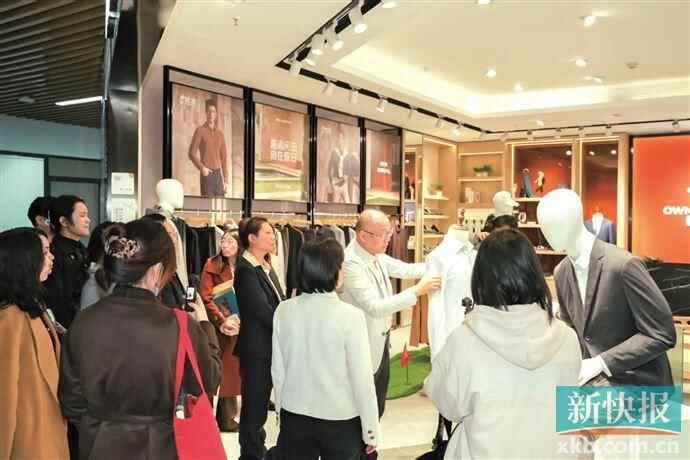
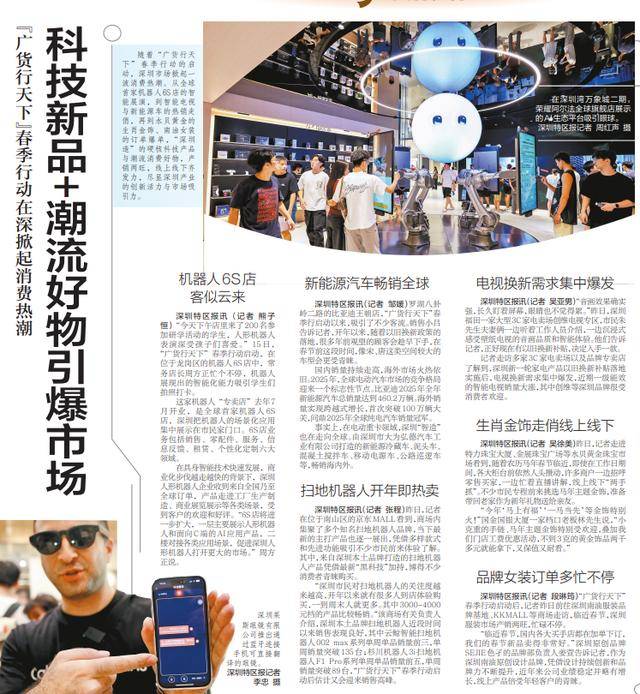
【深圳特区报】“广货行天下”春季行动在深掀起消费热潮科技新品+潮流好物引爆市场
Sou Hu Cai Jing· 2026-01-17 00:46
Group 1: Consumer Trends in Shenzhen - The launch of the "Guo Huo Hang Tian Xia" spring campaign has sparked a consumption boom in Shenzhen, showcasing innovative products and strong market demand [1][7] - The global first robot 6S store in Shenzhen has attracted significant foot traffic, with a focus on showcasing humanoid robots and AI applications, indicating a growing interest in robotics [7][8] - The demand for electric vehicles, particularly from BYD, is surging, with projections of 4.602 million total sales in 2025, including over 1 million units sold overseas, positioning BYD as a potential global leader in electric vehicle sales [9] Group 2: Product Performance - Sales of robotic vacuum cleaners have seen a notable increase, with local brands gaining popularity due to advanced features and competitive pricing, particularly in the 3000-4000 yuan range [10] - The introduction of new energy vehicles has led to a significant rise in sales, driven by government incentives for trade-ins, with larger models like the Song and Tang being particularly favored [9] - The demand for smart TVs has surged following the implementation of a trade-in subsidy program, with brands like Skyworth experiencing a notable increase in sales [10] Group 3: Jewelry and Fashion Market - The market for zodiac-themed gold jewelry is thriving as the Lunar New Year approaches, with both online and offline sales channels being utilized effectively by retailers [11] - Local fashion brands are experiencing a surge in orders as the Spring Festival approaches, with innovative designs and strong brand recognition contributing to stable growth in sales [12]
中国外贸展现韧性与活力(锐财经)
Ren Min Ri Bao Hai Wai Ban· 2026-01-17 00:20
Core Insights - In 2025, China's total import and export value reached 45.47 trillion yuan, marking a year-on-year growth of 3.8%, maintaining its position as the world's largest trading nation for goods [3][10] - The export value was 26.99 trillion yuan, up 6.1%, while imports totaled 18.48 trillion yuan, with a modest increase of 0.5% [3][4] Group 1: Export Performance - High-tech product exports grew by 13.2%, contributing 2.4 percentage points to overall export growth, with specialized equipment, high-end machine tools, and industrial robots seeing increases of 20.6%, 21.5%, and 48.7% respectively [4][6] - China became a net exporter of industrial robots, with exports surpassing imports for the first time [4] - The export of green energy products, such as lithium batteries and wind turbine generators, increased by 26.2% and 48.7% respectively, highlighting China's role in global green transition [6] Group 2: Import Trends - China maintained its status as the world's second-largest import market for 17 consecutive years, with imports reaching a historical high in 2025 [7][8] - Import growth was driven by a recovering economy, with a notable increase in imports from over 130 countries, including a 9% rise from least developed countries benefiting from zero tariffs on 100% of product categories [8][9] - The eighth China International Import Expo saw record participation, with intended transaction amounts exceeding 800 billion USD [8] Group 3: Trade Partnerships and Diversification - China's trade partnerships expanded to over 160 countries and regions, reflecting a diversification strategy in foreign trade [9] - Trade with the EU reached 5.93 trillion yuan, growing by 6%, and accounted for 13% of China's total trade, with significant imports of consumer goods from Europe [9] - Trade with Belt and Road Initiative countries amounted to 23.6 trillion yuan, growing by 6.3%, and these partners represented 51.9% of China's total foreign trade [10]
嘉兴经开区以“多点开花”驱动产业“整体成势”
Xin Lang Cai Jing· 2026-01-17 00:13
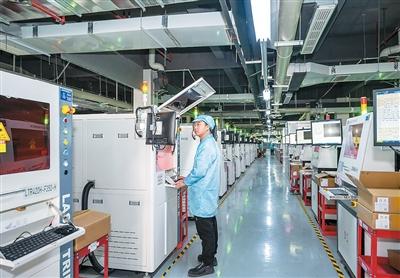
Group 1 - The kitchen appliance industrial park in Jiaxing is expected to complete its main construction by mid-2023 and aims for delivery by the end of the year, facilitating early occupancy and production for enterprises [1] - The park is tailored to meet the production and R&D needs of Panasonic Kitchen Appliances (Jiaxing) Co., Ltd. and its supply chain partners, promoting collaborative development within the industry [1][2] - The project will include five factories and one R&D building, covering a total area of approximately 68,000 square meters, with 212 parking spaces to accommodate diverse needs of future tenants [1] Group 2 - Panasonic Kitchen Appliances (Jiaxing) Co., Ltd. represents Panasonic's first investment in a home appliance factory in China in 16 years, set to become a significant production base globally after full operation in April 2024 [2] - The industrial park has already signed cooperation agreements with several upstream and downstream enterprises, including Jiaxing Yaoshi Metal Manufacturing Co., Ltd. and Shanghai Zhuoyou Industrial Co., Ltd., with more companies expected to join soon [2] - The establishment of the kitchen appliance industrial park is part of a broader strategy to enhance regional economic balance and industry coordination through specialized investment attraction [3][4]
广货行天下,为何底气足?
Xin Lang Cai Jing· 2026-01-17 00:12
Core Viewpoint - The "Guangdong Goods Going Global" initiative is a significant event aimed at promoting Guangdong's manufacturing capabilities and expanding its market reach both nationally and internationally [1][2][3] Group 1: Manufacturing Strength - Guangdong's manufacturing strength has significantly improved, transitioning from traditional products to high-tech goods such as drones, smartphones, and electric vehicles, with 70% of consumer drones and 40% of smartphones produced in the region [1] - The province is leveraging technological innovation to enhance its manufacturing sector, aiming for higher positions in the global value chain [1] Group 2: Industrial Foundation - Guangdong boasts all 31 categories of manufacturing, with 15 categories ranked first in the nation, and has established nine trillion-yuan industrial clusters in sectors like electronics, textiles, and new energy [2] - The region's manufacturing ecosystem is comprehensive and efficient, enabling rapid product development and supply chain integration, exemplified by Shenzhen's ability to connect upstream and downstream industries within a day [2] Group 3: Policy Support - The initiative is backed by over 1.5 trillion yuan in industrial investments and various policies aimed at encouraging technological innovation and upgrading the manufacturing sector [2] - Promotional actions such as "old for new" consumer programs and the "Guangdong Quality Purchase" campaign are designed to stimulate demand and enhance market access for Guangdong products [2] Group 4: Global Vision - The "Guangdong Goods Going Global" initiative reflects Guangdong's ambition to position itself as a leader in manufacturing, with a commitment to high-quality development and a focus on enhancing the reputation of "Made in Guangdong" [3]