
医药健康

Search documents
北京出台并购重组新政 聚焦新质生产力助推高质量发展
Shang Hai Zheng Quan Bao· 2025-10-29 12:45
Core Viewpoint - Beijing has taken a significant step in utilizing capital markets to cultivate new productive forces, focusing on mergers and acquisitions (M&A) to enhance the quality of listed companies and promote industrial upgrades in the capital city [1][2]. Group 1: Focus on New Productive Forces - The policy encourages listed companies to actively implement Beijing's high-precision industry development plans, particularly in strategic emerging industries such as artificial intelligence, healthcare, integrated circuits, and smart connected vehicles [2][3]. - The emphasis is placed on advanced fields like embodied intelligence, quantum information, blockchain, and advanced computing as key areas for M&A, aligning with the "14th Five-Year Plan" [2][3]. Group 2: Enhancing M&A Efficiency - The policy aims to streamline decision-making processes for state-owned listed companies, thereby increasing efficiency in M&A activities and addressing existing market pain points [3][4]. - It encourages companies to leverage capital markets for rapid development through IPOs or M&A, enhancing the role of state-owned capital in driving new productive force development [3][4]. Group 3: Strengthening Intermediary Services - The policy supports the integration of resources among Beijing's securities firms to enhance their advisory capabilities and facilitate M&A transactions [4]. - It promotes the establishment of a non-profit M&A service platform involving various stakeholders, including industry associations and financial institutions, to create a comprehensive M&A ecosystem [4][7]. Group 4: Market Reactions and Future Implications - Some listed companies in Beijing have expressed interest in the new policy, indicating plans to utilize M&A tools to enhance their operational capabilities and shareholder returns [5][6]. - The policy is expected to activate the M&A market in Beijing, optimize the industrial structure, and foster globally competitive leading enterprises in the long term [6][7]. Group 5: Service Platform Development - A new service platform for M&A and development has been established, aiming to combine online systems with offline activities to provide high-quality services for listed companies [7][8]. - The platform will focus on organizing industry-specific events and training sessions to facilitate M&A activities and enhance resource integration [7][8].

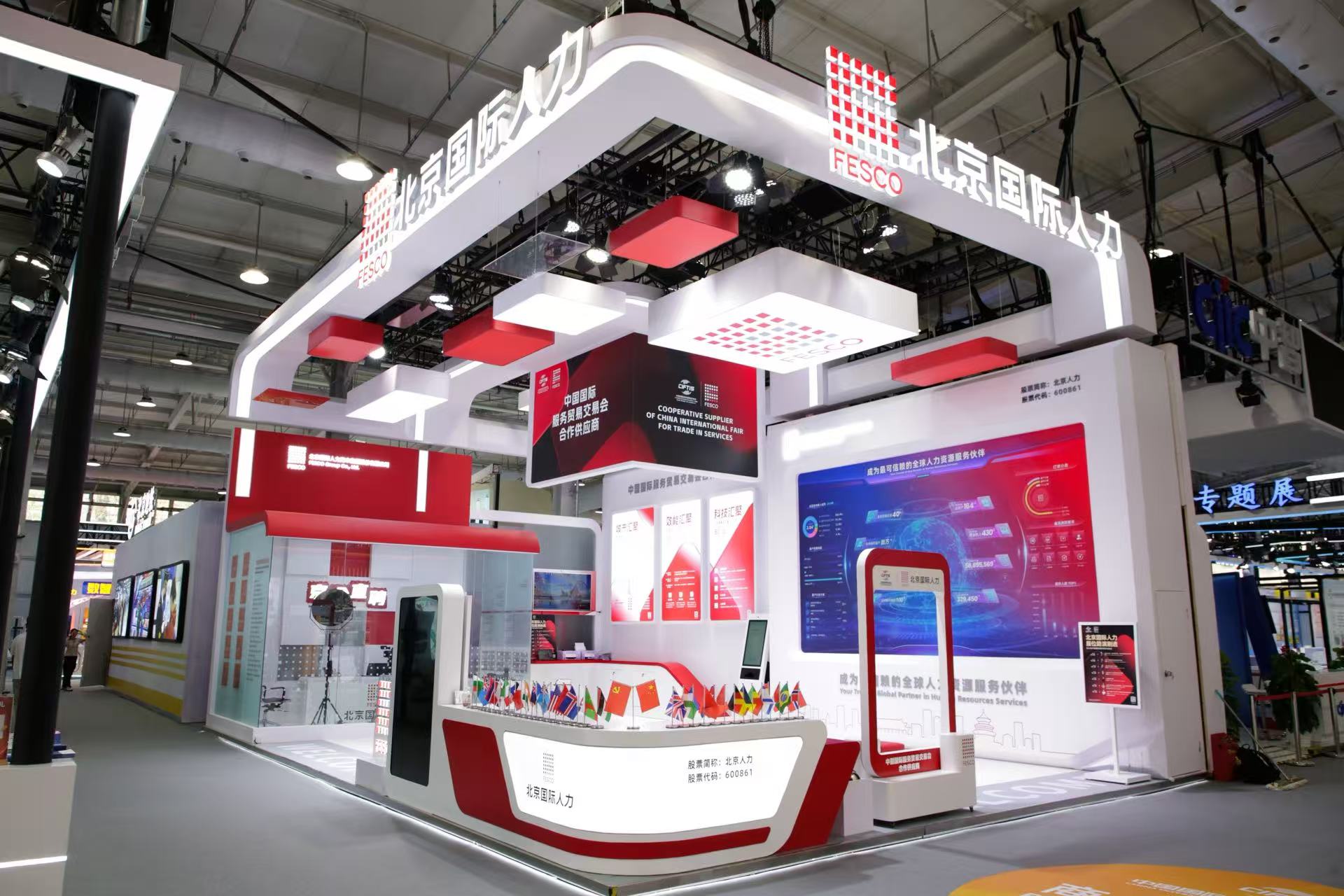
北京重磅发布!“并购十九条”来了→
证券时报· 2025-10-29 11:43
Core Viewpoint - The article discusses the recent policy initiative in Beijing aimed at stimulating mergers and acquisitions (M&A) to enhance the quality of listed companies and promote economic development towards new productive forces [2][4]. Group 1: Policy Framework - The "Opinions" issued by Beijing encourage M&A activities focused on strategic emerging industries and future industries, including AI, healthcare, integrated circuits, and more [4][16]. - The policy aims to facilitate the integration of resources towards high-value sectors, promoting the growth of companies with market capitalizations reaching hundreds of billions or trillions [4][16]. - It emphasizes the importance of market-driven decisions while allowing government guidance to enhance the M&A environment [7][19]. Group 2: Market Dynamics - Since the introduction of the "M&A Six Guidelines," there has been a noticeable increase in M&A activities in Beijing, with 18 major asset restructuring plans disclosed from September last year to July 2025 [5]. - A significant portion of these transactions (16 out of 18) is aimed at strengthening core business operations and promoting industry chain integration, indicating a trend towards high-value asset consolidation [5]. - The current wave of M&A is seen as a catalyst for industry upgrades and a pathway for technological breakthroughs, supported by favorable policy effects [5]. Group 3: Government and Market Collaboration - The "Opinions" advocate for a collaborative approach between government and market forces, ensuring that market entities can make independent decisions while benefiting from government support [7][19]. - The establishment of a project list for key M&A targets is proposed to enhance transaction efficiency and effectiveness [9][19]. - The creation of a non-profit M&A service platform is encouraged to facilitate connections between listed companies and potential targets, providing comprehensive support services [9][19]. Group 4: Risk Management - The "Opinions" stress the importance of regulatory oversight in M&A activities, including strict adherence to information disclosure and enhanced monitoring of market behaviors [11][23]. - A risk monitoring and early warning mechanism is to be established to address irrational market factors and ensure compliance with legal standards [11][23]. - Balancing market activity with regulatory compliance is highlighted as crucial for sustainable M&A growth, ensuring that companies address key market concerns such as revenue stability and valuation accuracy [11][23]. Group 5: Ecosystem Development - The article outlines the need for a conducive business environment for M&A, including simplifying administrative procedures and expediting review processes [12][20]. - Support for innovative financial products and services is encouraged to provide diverse financial backing for M&A transactions [12][22]. - The integration of various financial institutions and government investment funds is suggested to enhance the effectiveness of M&A initiatives [12][22]. Group 6: Future Outlook - Market participants anticipate that under the combined influence of these policies, the M&A landscape in Beijing will expand and evolve, leading to more innovative and cross-industry transactions [14].

“平原新城创投行”走进北京顺义 90个优质项目拟融资158亿元
Zhong Guo Xin Wen Wang· 2025-10-29 11:11
Group 1 - The "Pingyuan New City Venture Capital Event" in Beijing's Shunyi District showcased 90 quality projects with a total investment of 93 billion yuan and a financing demand of 15.8 billion yuan [1] - Key industries highlighted include new energy smart vehicles, third-generation semiconductors, healthcare, intelligent manufacturing, and modern services [1][2] - Specific project details include 10 projects in new energy smart vehicles with a total investment of 13.6 billion yuan and a financing demand of approximately 2.6 billion yuan [1] Group 2 - Shunyi District has a solid economic foundation, with an average GDP growth of 5.8% since the 14th Five-Year Plan, reaching nearly 240 billion yuan last year [2] - The district is a hub for high-end manufacturing, with significant contributions from the new energy smart vehicle industry, where one in three cars produced in Beijing comes from Shunyi [2] - Shunyi has established itself as a unique area for rare disease drug security in the healthcare sector and has a strong presence in the modern service industry with over 200 aviation service companies [2][3] Group 3 - Shunyi's open advantages include being a key international communication window with the Beijing Capital International Airport, which ranks among the top globally for passenger traffic [3] - The district hosts over 950 foreign-funded enterprises, including more than 80 multinational companies, and has established a foreigner service hall for efficient immigration services [3] - The event featured financing promotions from companies such as Beijing Mainline Technology Co., Ltd. and Beijing Anlong Biopharmaceutical Co., Ltd., with a total signing amount of 300 million yuan [3]
90个优质项目面向社会融资158亿元
Bei Jing Qing Nian Bao· 2025-10-28 18:15
Core Insights - The Shunyi District of Beijing is actively seeking to attract investment by promoting 90 high-quality projects across key industries, with a total investment of 93 billion yuan and a financing demand of 15.8 billion yuan [1][2]. Group 1: Project Overview - The 90 projects cover various sectors including new energy smart vehicles, third-generation semiconductors, healthcare, intelligent manufacturing, and modern services [1]. - Specific project details include: - New energy smart vehicles: 10 projects, total investment of 13.6 billion yuan, financing demand of approximately 2.6 billion yuan [2]. - Aerospace: 2 projects, total investment of 2.4 billion yuan, financing demand of approximately 300 million yuan [2]. - Third-generation semiconductors: 7 projects, total investment of 4.1 billion yuan, financing demand of approximately 400 million yuan [2]. - Intelligent equipment: 16 projects, total investment of 7 billion yuan, financing demand of 1.8 billion yuan [2]. - Healthcare: 29 projects, total investment of 17.9 billion yuan, financing demand of 2.5 billion yuan [2]. - Modern services: 21 projects, total investment of 28.8 billion yuan, financing demand of 8 billion yuan [2]. - Intelligent manufacturing: 5 projects, total investment of 19.2 billion yuan, financing demand of 200 million yuan [2]. Group 2: Economic Development - Shunyi District has shown strong economic performance, with an average GDP growth of 5.8% during the 14th Five-Year Plan, reaching nearly 240 billion yuan last year [3]. - The district is focusing on five high-end manufacturing sectors and four modern service sectors to establish itself as a hub for industrial development in the capital [3]. - The new energy smart vehicle industry is particularly significant, with one in three cars produced in Beijing coming from Shunyi [3]. Group 3: Infrastructure and Support - Shunyi District has established a robust infrastructure with over 900 medical institutions and 11 international schools, catering to 40% of the city's student population [4]. - The district is implementing a 100 billion yuan investment guidance fund to support enterprise financing and development [4]. - A high-standard business environment is being created, including tailored services for enterprises and a comprehensive policy support system [4]. Group 4: Future Initiatives - The "Pingyuan New City Venture Capital Event" aims to create an efficient platform for investment and financing, aligning financial resources with the needs of the new city [5]. - Future events will expand to other areas such as Daxing, Fangshan, and Yizhuang, promoting a collaborative mechanism among government, enterprises, and funds [5].
推动先进绿色技术在副中心“首试首用”,这一试验场启动
Xin Jing Bao· 2025-10-28 06:02
Core Insights - The "Green Industry Scene Promotion and Supply-Demand Matching Conference" was held on October 27, focusing on the launch of the "Zhongguancun Tongzhou Park - Kuoxian Town Comprehensive Green Technology Application Test Field" to promote advanced green technologies in the sub-center [1][2] - Kuoxian Town, located in the southeastern part of Tongzhou District, is home to over 100 pharmaceutical and health enterprises, highlighting the urgent need for environmental improvement due to its diverse resources including forests and farmland [1] - Tongzhou District is constructing a nationwide first comprehensive and high-precision monitoring system for greenhouse gas emissions, aiming to visualize the effects of energy conservation and pollution reduction [1] Group 1 - The conference aims to explore eight key test scenarios, including a dynamic monitoring platform for carbon emissions in public buildings and a comprehensive environmental governance model for waste transfer stations [2] - A biomass solid waste energy utilization technology demonstration scenario will integrate agricultural and forestry waste with pharmaceutical waste, establishing a full-chain recycling model [2] - The "Kuoxian Pharmaceutical Park Greenhouse Gas Monitoring Scenario" was signed on-site to address carbon emission monitoring challenges, providing a practical paradigm for high-tech park transformation and refined carbon governance [2] Group 2 - The event is part of the Zhongguancun Forum series, specifically the first event of the "Empowering New Productive Forces through New Directions" series, aimed at facilitating precise supply-demand matching for various scenarios [2] - The conference attracted over 50 representatives from green technology companies, research institutions, and investment organizations from within and outside Beijing [2]
锚定方向 在新的起点上接续奋斗
Bei Jing Ri Bao Ke Hu Duan· 2025-10-26 21:18
Group 1 - The 20th Central Committee's Fourth Plenary Session emphasizes the importance of achieving socialist modernization and encourages continuous efforts towards national rejuvenation [1] - The Beijing Municipal Social Work Department aims to enhance social governance, focusing on new economic organizations and employment groups, while improving community service systems [1] - The Beijing Municipal Bureau of Ecology and Environment highlights significant improvements in air quality during the 14th Five-Year Plan and sets goals for a harmonious relationship between humans and nature in the next five years [2] Group 2 - The Beijing Municipal Federation of Industry and Commerce plans to strengthen political guidance for private enterprises and improve the business environment to support high-quality development [2] - The Beijing Internet Court will focus on digital rights, artificial intelligence, and algorithm governance to provide judicial support for the healthy development of the digital economy [3] - The Capital Airport Economic Zone aims to develop a modern industrial system that supports international exchanges and enhances its role as a comprehensive international aviation hub [3] Group 3 - The National Grand Theatre plans to enhance various platforms for performing arts and cultural education to meet the growing cultural needs of the public [4] - Community initiatives like the "Hutong Discussion Council" aim to engage residents in local governance and improve living conditions through digital empowerment [5] - The Beijing Municipal People's Procuratorate focuses on enhancing its service system to support the capital's functional development and improve the quality of its work [5]

市国资委举办市管企业2026届高校毕业生秋季校园招聘会
Xin Jing Bao· 2025-10-23 14:52
Group 1 - The Beijing State-owned Assets Supervision and Administration Commission hosted a job fair for 2026 graduates, featuring 87 state-owned enterprises offering over 2,000 job opportunities across various sectors [1][2] - The job positions cover advanced manufacturing, urban infrastructure, construction, healthcare, new information technology, cultural tourism, and modern services, with a notable increase in demand for technology research and development talent [1][3] - Companies like Capital Information Development Co., Ltd. and Beijing Financial Big Data Co., Ltd. are focusing on recruiting talent in "artificial intelligence" and "digital security," while other high-tech enterprises are seeking professionals in "intelligent manufacturing" and "new materials" [1][2] Group 2 - Graduates unable to attend the job fair can browse job postings and submit resumes online through the "Jingqi Direct Recruitment" platform [2] - The Capital Information Development Co., Ltd. plans to hire over 100 fresh graduates this year and is also recruiting candidates for 2025, offering a one-week onboarding training program to facilitate their transition into the workplace [2] - The Beijing State-owned Assets Supervision and Administration Commission has provided 21,000 job positions for 2025 graduates through last year's autumn and this year's spring recruitment, emphasizing its role in promoting employment [3]


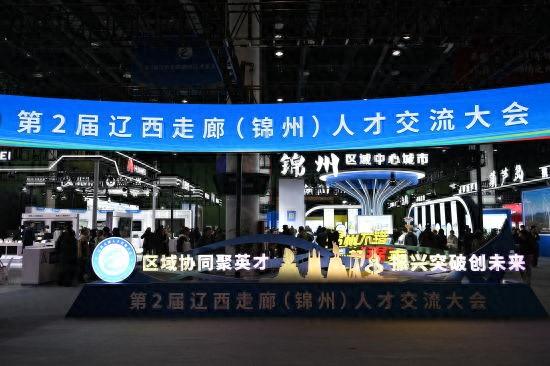
第2届辽西走廊(锦州)人才交流大会启幕
Zhong Guo Xin Wen Wang· 2025-10-20 07:30
Core Insights - The 2nd Liaoxi Corridor (Jinzhou) Talent Exchange Conference successfully gathered various stakeholders to enhance regional talent development and collaboration [2][4] Group 1: Event Overview - The conference provided 2,772 quality job positions across key sectors such as petrochemicals, new materials, new energy, semiconductors, and healthcare [4] - The event featured multiple activities including talent recruitment, project matchmaking, and academic discussions, aiming to attract leading talents and graduates [2][4] Group 2: Regional Collaboration - The collaboration among five cities—Jinzhou, Fuxin, Chaoyang, Panjin, and Huludao—marks a shift from isolated efforts to a coordinated approach in talent development [2][4] - The conference emphasized a "one-stop" experience for talents to understand the opportunities and policies across the Liaoxi region [4] Group 3: Talent and Industry Integration - The event focused on aligning talent recruitment with regional industrial needs, covering various educational backgrounds from PhDs to vocational training [4][5] - Companies expressed strong demand for skilled professionals, with specific roles such as application engineers and product design engineers being highlighted [5] Group 4: Innovation Platforms - Several high-level innovation platforms were established, including research institutes and technology transfer centers, to support regional industrial development [6] - The establishment of an innovation fund aims to provide financial backing for talent-driven projects and technology commercialization [6] Group 5: Long-term Talent Retention - The conference outlined a clear post-event strategy to ensure talent retention through tracking services, regular communication, and incentive mechanisms [8] - The initiative aims to create a supportive environment for talents to thrive in the Liaoxi region, signaling a commitment to open and collaborative development [8]
今年前三季度四川外贸进出口同比增长3.6%
Xin Hua Cai Jing· 2025-10-18 13:47
Core Insights - Sichuan's total import and export value reached 776.79 billion yuan in the first three quarters of this year, ranking 8th nationwide, with a year-on-year growth of 3.6% [1] - Exports amounted to 461.01 billion yuan, increasing by 5.8%, while imports were 315.78 billion yuan, growing by 0.6% [1] - Sichuan's foreign trade demonstrated strong resilience amid complex external conditions, with both exports and imports achieving growth [1] Export Performance - Exports have shown continuous growth for six consecutive quarters since the second quarter of last year [1] - Key industries contributing to export growth include electronic information, equipment manufacturing, and pharmaceutical health [1] - The sustained momentum for export development is attributed to the transformation of industry advantages into foreign trade advantages [1] Import Performance - Sichuan's imports achieved a 0.6% growth, surpassing the national import growth rate by 0.8 percentage points, despite a high base from the previous year [1] - The import growth reflects a steady advancement in the face of challenging conditions [1] Market Participation - The number of enterprises engaged in international markets has increased by 9.5% in the first three quarters [1] - There is a notable rise in the activity of private enterprises, particularly in emerging sectors, leading to rapid growth in private enterprise exports [1]
“创客北京2025”创新创业大赛发布“成绩单”
Xin Jing Bao· 2025-10-16 14:26
Core Insights - The "Maker China" competition in Beijing has significantly promoted the integration of technological and industrial innovation, emphasizing the development of innovative SMEs [1] - Over the past decade, the competition has attracted more than 30,000 project entries, with over 500 projects integrating into leading enterprises' supply chains and over 1,600 participating companies securing equity financing totaling over 40 billion yuan [1] - The "Maker Beijing 2025" competition focuses on high-tech and future industries, featuring 20 sub-sectors across seven major fields, attracting over 6,000 outstanding projects, with 79 projects entering the national list, the highest in the country [1] Industry Developments - The competition has showcased the vibrant innovation and strong capabilities of SMEs in Beijing, with a particular focus on national strategic needs and local industrial foundations [1] - A special competition for leading enterprises was held, involving 13 influential companies from key industries such as autonomous driving and new energy, providing over 3,000 projects with opportunities to connect with these leading enterprises [1] - The awards ceremony highlighted the collaboration between large, medium, and small enterprises, with 11 participating companies signing agreements with leading enterprise organizers for future cooperation in technology development, market integration, and resource sharing [2]
