
种植业

Search documents
西班牙连遭8场风暴 “尼尔斯”致一死多伤
Xin Hua She· 2026-02-14 06:55
Core Viewpoint - The Iberian Peninsula has been severely impacted by a series of winter storms, with the latest storm "Nils" causing significant damage and casualties in Spain, highlighting the increasing frequency and intensity of extreme weather events in the region [1] Group 1: Impact on Infrastructure and Services - The storm has led to the cancellation or diversion of over a hundred flights at Barcelona El Prat Airport and the implementation of speed restrictions on certain railway lines [1] - The Catalonia government has ordered the closure of schools and the suspension of sports activities, along with the cancellation of non-emergency medical services [1] Group 2: Agricultural Damage - Approximately 14,000 hectares of crops, including berries, citrus fruits, and olives, have suffered severe damage due to the storms, with potential for further losses [1] - The Spanish Minister of Agriculture, Fisheries, and Food emphasized the significant impact of these storms and raised concerns about the potential for such extreme weather events to become more frequent in the future [1] Group 3: Climate Change Context - The Iberian Peninsula is at the forefront of climate change in Europe, experiencing longer heatwaves and more frequent, intense rainfall events over the years [1] - Meteorological authorities are closely monitoring the storm's developments and will issue further warnings as necessary [1]
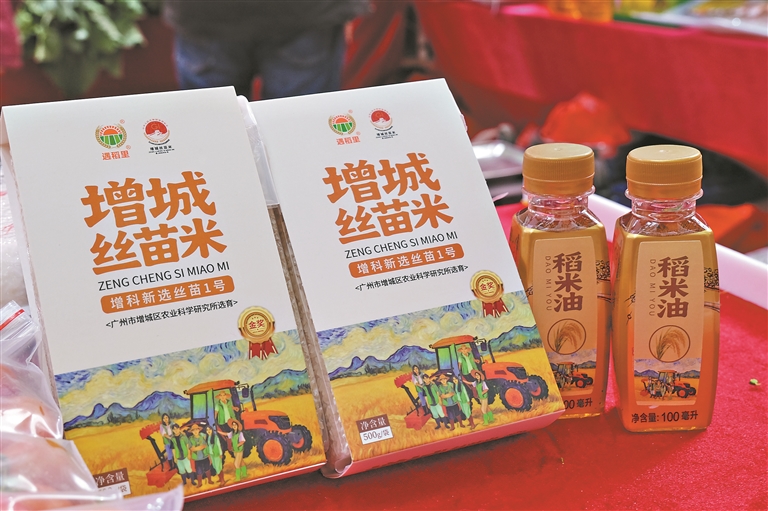
增城区持续研发丝苗米新品种 增科新选丝苗1号成“金奖米”
Guang Zhou Ri Bao· 2026-02-13 02:44
Core Viewpoint - The article highlights the promotion and unique qualities of Zengcheng's premium rice variety, Zengke No. 1, which is being marketed through innovative methods such as online adoption and experiential farming activities [2][3]. Group 1: Product Characteristics - Zengcheng's premium rice, known as Zengke No. 1, is recognized for its high quality, characterized by its glossy, white grains, rich oil and protein content, and a unique taste that scored 93.7 in a national quality evaluation [2][3]. - The rice variety has received multiple awards, including the gold medal for taste quality at the first National Quality Rice (Indica) Variety Evaluation and the top ten quality rice varieties at the Guangdong Provincial Rice Industry Development Conference [3]. Group 2: Agricultural Practices and Innovations - The planting area for Zengke No. 1 is projected to be 12,400 acres with an expected yield of 45,000 tons by 2025, indicating significant agricultural investment and planning [2]. - The cultivation of Zengke No. 1 involves higher costs due to the exclusive use of organic fertilizers and complex irrigation and harvesting requirements, which increase labor costs [5]. Group 3: Marketing and Branding - The product is being marketed under the brand "Yudaoli," which aims to enhance its market presence and consumer recognition [5]. - The integration of online adoption with offline tasting and agricultural tourism experiences is part of a comprehensive strategy to engage consumers and promote the rice variety [3].

南农晨读 | 广东有米
Nan Fang Nong Cun Bao· 2026-02-13 02:33
Group 1 - The core viewpoint emphasizes the importance of agricultural product quality and safety as a vital aspect of high-quality agricultural development in Guangdong [4][6]. - The "14th Five-Year Plan" highlights the integration of technology, green agriculture, quality agriculture, and brand agriculture, positioning quality agriculture at the heart of modern agricultural development [5][6]. - Guangdong's high-quality rice, particularly the "Silk Seed Rice," is recognized as a premium variety, contributing significantly to local culinary traditions and cultural identity [15][16]. Group 2 - The "Yue Strong Seed Core" initiative has been implemented to promote seed industry revitalization, resulting in the cultivation of high-yield, disease-resistant rice varieties [17][18]. - Over 70% of the rice planting area in Guangdong is now dedicated to high-quality rice varieties, enhancing the brand recognition of "China's Indica Rice, Guangdong Seed Core" [18][19]. - The "Guangdong Good Products Enter Beijing" event showcases over 300 unique products from Shantou, promoting regional goods and enhancing inter-regional cooperation [36][38].

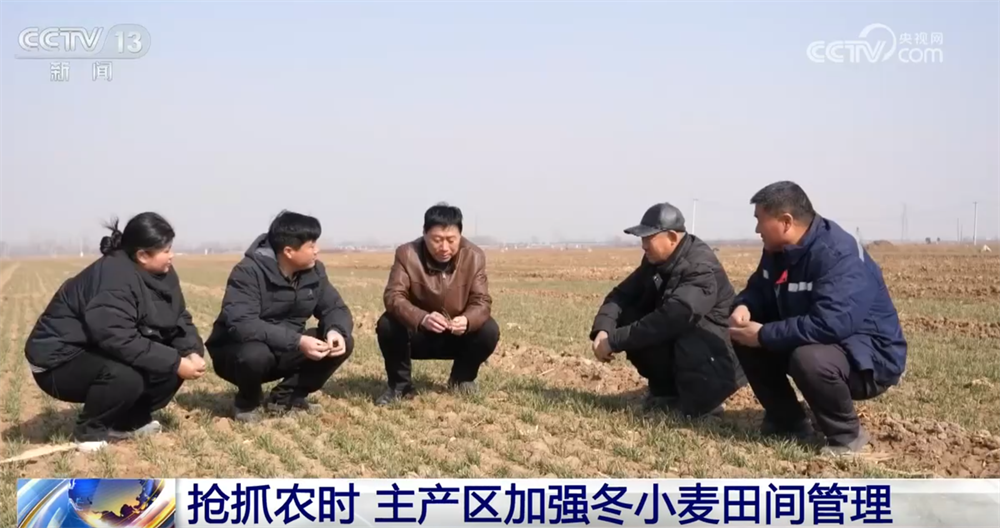
“良技+良法+良机”护航冬小麦田间管理 各主产区奋战夯实夏粮丰产根基
Yang Shi Wang· 2026-02-13 02:28
Group 1 - The winter wheat is entering a critical period of greening, with major production areas enhancing spring management to lay a foundation for summer grain production [1] - Due to last year's autumn floods, the Huang-Huai-Hai main production area experienced widespread late sowing, resulting in generally weak seedling growth [1] - In Hebei, 45,000 agricultural technicians are guiding farmers to implement measures such as breaking soil crust and increasing soil temperature, leading to an increase in the proportion of strong seedlings to 63.4%, up by 13.1% from winter [1] Group 2 - Shandong Agricultural University organized experts to provide technical guidance in major grain-producing areas, creating visual aids for late-sown wheat management [3] - The university emphasizes early management of fertilizer and water to ensure the growth of new shoots [5] - In Henan, 70 technology service teams are conducting field management tailored to local conditions, utilizing drones for rapid identification of weak wheat areas [5] Group 3 - The middle and lower reaches of the Yangtze River are entering the greening period, with increased risks of frost damage and lodging due to fluctuating spring temperatures [7] - In Jiangsu, favorable weather is being utilized to guide farmers in applying recovery fertilizers and conducting soil management to promote early growth [7] - The Ministry of Agriculture and Rural Affairs has launched a 140-day action plan focusing on spring management and disaster prevention to ensure summer grain production [10]
越南Uniland集团在利比里亚启动重大水稻投资项目
Shang Wu Bu Wang Zhan· 2026-02-12 15:46
Core Viewpoint - A significant advancement in Liberia's agricultural sector has been made with the investment by Vietnam's Uniland Group through its subsidiary Unifarm Liberia, focusing on rice cultivation to enhance local food security and reduce reliance on rice imports [1] Group 1: Project Details - The project site has been confirmed in the Salala area of Bong County, where a farm, administrative office, and a planned processing plant will be constructed [1] - The initial phase will involve a pilot project covering 50 hectares of rice cultivation, with potential expansion to other high-yield areas in the future [1] - Soil tests conducted by the Ministry of Agriculture have confirmed the fertility of the land, making it suitable for rice and other crops [1] Group 2: Government and Community Involvement - Key government officials, including the Minister of Agriculture, played a crucial role in facilitating the project, and local residents have willingly offered land for the initiative [1] - The project aligns with President Weah's "AAID" inclusive development agenda, addressing food security challenges in Liberia [1] Group 3: Timeline and Expectations - Investment agreement negotiations began in March 2025, with equipment expected to arrive soon to initiate operations [1] - The first rice planting is scheduled for May this year, with an anticipated harvest three months later [1] - The local community expects the project to significantly boost economic activity, reduce poverty, and improve livelihoods [1]
理响中国|创意长图:在田野沃土,耕耘农业农村高质量发展新希望
Huan Qiu Wang· 2026-02-12 12:20
Core Viewpoint - The article emphasizes the importance of agricultural modernization and rural revitalization in the context of China's overall modernization strategy, highlighting the release of the Central Document No. 1 as a guiding framework for agricultural work in the new five-year plan [4][15]. Group 1: Agricultural Modernization - The Central Document No. 1 focuses on ensuring national food security by emphasizing the need to maintain production capacity, ecological sustainability, and income growth simultaneously [5][6]. - The document sets a clear target for stabilizing the total grain production for the year, aiming for a specific percentage increase [8]. - Agricultural modernization is identified as crucial, with a particular focus on the modernization of agricultural technology [14]. Group 2: Income Growth for Farmers - Increasing farmers' income remains a central task of agricultural work, with the document proposing a comprehensive set of measures to promote income growth [15]. - The article highlights successful examples of local agricultural products, such as high mountain tea, which have seen significant sales, indicating potential for income generation [16][18]. - Innovative approaches in rural areas, such as integrating agricultural product sales with experiential activities, have led to increased revenue for local communities [20][23]. Group 3: Resource Utilization and Community Engagement - The document stresses the importance of effectively utilizing various rural resources, with initiatives like "village BA" and cultural activities revitalizing idle land and properties [23]. - Community engagement through cultural and sports activities has transformed local economies, allowing villagers to become active participants in income generation [23].


试水“文体商旅”融合发展
Xin Lang Cai Jing· 2026-02-12 12:12
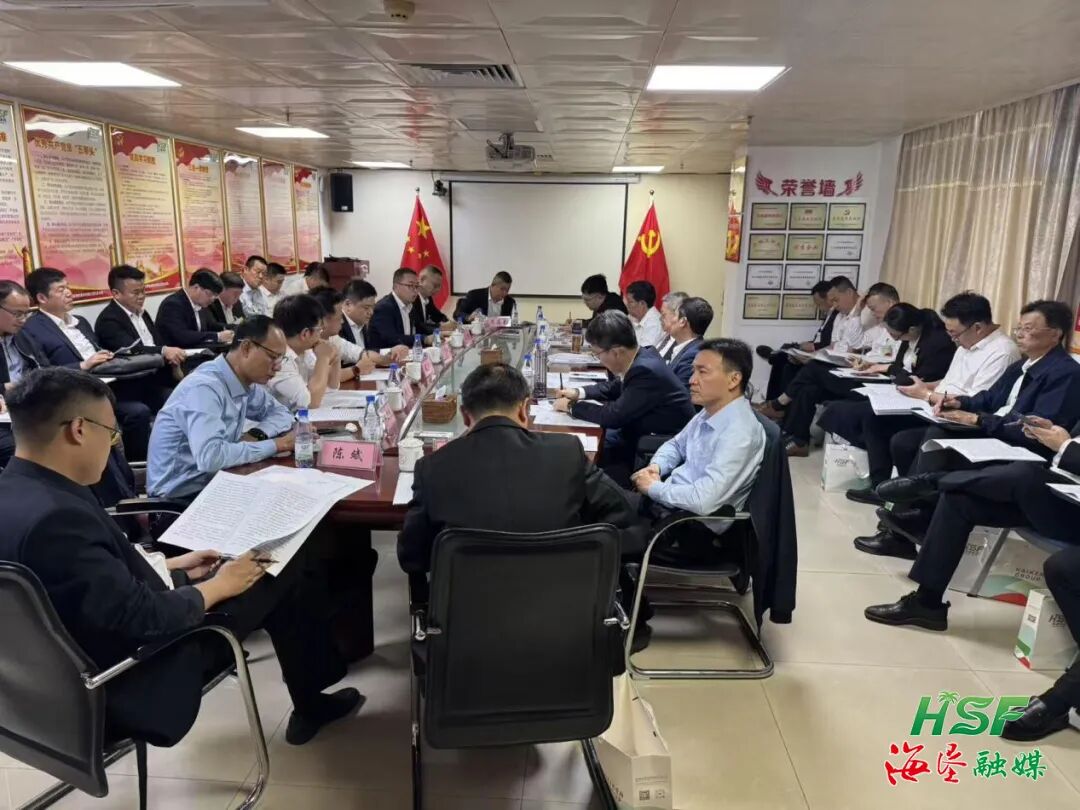
Core Viewpoint - The meeting emphasizes the integration of cultural, sports, and tourism development as a strategic direction for the company, aiming to leverage historical opportunities presented by the Hainan Free Trade Port initiative [4][9]. Group 1: Agricultural Development - The company is focused on enhancing the entire lychee industry chain, with plans to establish high-standard lychee industrial parks and develop brand standards for lychee products [3][8]. - The main industry of the company is camellia oil, which is undergoing quality improvement and value extension, including plans to expand into high-end personal care products [3][8]. Group 2: Asset Management and Tourism - The company views Lotus Mountain as a key asset, planning to integrate and operate the entire project, including a golf course, to achieve scale efficiency and sustainable revenue [3][8]. - There is a commitment to deepen wellness, educational, and research tourism sectors to create a comprehensive and profitable tourism destination [3][8]. Group 3: Strategic Vision - The company acknowledges the need for a dual focus on quality improvement and market expansion, emphasizing the importance of product and service quality while actively seeking market opportunities [4][9]. - The representatives express confidence in facing challenges and propose innovative, collaborative development strategies to enhance the company's market position [4][9].
锚定农业农村现代化 扎实推进乡村全面振兴|宏观经济
清华金融评论· 2026-02-12 09:09
Core Viewpoint - The modernization of agriculture and rural areas is crucial for the overall modernization of China, with a focus on addressing the "three rural issues" as a top priority for the government [2][18]. Group 1: Food Security and Agricultural Production - Ensuring national food security is a top priority, with a target of stabilizing grain production at around 1.4 trillion jin by 2026, emphasizing quality and efficiency [4]. - The government aims to maintain stable grain planting areas while enhancing yield per unit area through a new round of actions to increase grain production capacity [4][5]. - There is a need to optimize agricultural production structures and promote the cultivation of high-quality grain varieties, particularly focusing on increasing soybean production to address food security gaps [4][5]. Group 2: Agricultural Capacity and Technology - Strengthening farmland protection and improving soil quality are essential for sustainable agricultural production [5]. - Enhancing agricultural technology and innovation is critical, with a focus on integrating technology into agricultural practices and promoting the use of advanced machinery [5]. - Establishing a robust agricultural disaster prevention and mitigation system is necessary to improve resilience against extreme weather events [5]. Group 3: Rural Development and Poverty Alleviation - A mechanism for preventing poverty and ensuring assistance is to be established, focusing on early identification and intervention for those at risk of falling back into poverty [8][9]. - The government emphasizes the importance of industry support for sustainable development, with a focus on long-term growth rather than short-term fixes [9]. - Continuous support for underdeveloped areas is necessary, with a focus on infrastructure development and enhancing public services [9][10]. Group 4: Rural Infrastructure and Living Conditions - Improving rural infrastructure and public services is vital for enhancing the quality of life in rural areas, including better access to education, healthcare, and utilities [13]. - The integration of various industries, such as agriculture, tourism, and culture, is encouraged to create a more diverse and resilient rural economy [12][13]. Group 5: Governance and Policy Implementation - Strengthening the leadership of the Communist Party in rural work is essential for effective policy implementation and coordination [18][20]. - There is a need for tailored approaches to rural governance that consider local conditions and promote farmer participation in decision-making [20]. - Continuous training and capacity building for rural officials are necessary to enhance their ability to implement agricultural and rural policies effectively [20].

小麦喝上“直饮水”(新春走基层)
Jing Ji Wang· 2026-02-12 08:54
Group 1 - The article highlights the implementation of a smart irrigation system in Tancheng County, Shandong Province, which allows farmers to irrigate their wheat fields efficiently using an IC card [1] - The smart irrigation system covers 338,000 acres of high-standard farmland, featuring small-scale irrigation facilities every 50 meters [1] - The upgraded electrical grid for the farmland enables easy access to water, significantly reducing the physical effort and time required for irrigation [1] Group 2 - The new irrigation method saves over 10 yuan per acre in irrigation costs, indicating a positive economic impact for local farmers [1] - The adoption of smart irrigation technology is expected to improve the living standards of the local community as stated by the village party secretary [1]
众兴菌业股价回调9.8%,技术面与板块情绪成主因
Jing Ji Guan Cha Wang· 2026-02-12 08:24
Group 1: Company Fundamentals - The company's 2025 earnings forecast indicates a net profit growth of 134%-173%, primarily due to the rebound in enoki mushroom prices and cost control measures [4] - There are concerns in the market regarding the rapid expansion of industry capacity, with shiitake mushroom production expected to reach 13.04 million tons in 2023, indicating a need for optimization in supply-demand dynamics [4] - The current price adjustment is mainly a result of technical corrections and sector sentiment, while the company's fundamentals remain strong [4] Group 2: Industry Sector Situation - On February 12, the agriculture, forestry, animal husbandry, and fishery sector declined by 1.49%, with the planting industry down by 1.57%, reflecting overall weakness in the industry [2] - The agricultural sector had previously risen due to optimistic policy expectations, but recent market sentiment has shifted, leading to increased divergence regarding policy implementation and industry prosperity [2] Group 3: Capital Flow - On February 12, there was a net outflow of 35.72 million yuan from major funds, accounting for 20% of the trading volume, while retail investors contributed 37% but could not offset the selling pressure [3] - Recent data from the leaderboard indicates that institutional positions have predominantly been selling, suggesting a cautious attitude from large investors [3]
