
算力产业

Search documents
刘虎沉:优布局明规范做强算力产业
Jing Ji Ri Bao· 2025-11-19 01:30
Core Insights - The 20th Central Committee's Fourth Plenary Session emphasizes accelerating innovation in artificial intelligence and digital technologies, highlighting the importance of computing power as a new productive force in the digital economy [1] - The development of a computing power industry system is crucial for advancing digital industrialization and fostering new industries and business models, which will support the modernization of China [1] Group 1: Current State of Computing Power Industry - China's computing power has seen rapid growth, with a notable emphasis on green and low-carbon characteristics in the industry [1] - Despite growth, challenges such as resource dispersion and low utilization rates persist, hindering the vitality of the computing power industry [2] - The lack of clear standards and legal frameworks for computing power construction is a barrier to high-quality development in the sector [2] Group 2: Strategic Recommendations - It is recommended to enhance the construction of computing power centers and optimize the supply structure to match regional development strategies effectively [2] - Encouragement of core technology breakthroughs is essential to improve the self-supply capability of computing power, focusing on high-end chips and algorithm development [3] - Establishing technical standards and regulations is necessary to ensure the legality and compliance of computing power services, guiding infrastructure development and market operations [4]
机构:关注国内算力产业链闭环
Zheng Quan Shi Bao Wang· 2025-11-19 00:52
Group 1 - The Ministry of Industry and Information Technology has issued guidelines for the construction of high-standard digital parks, emphasizing the need to enhance digital infrastructure, including the upgrade of network infrastructure and the promotion of 5G and high-speed optical networks [1] - The guidelines advocate for optimizing computing power infrastructure, aiming to improve the efficiency of computing resource utilization through a balanced approach to various computing applications [1] - Huaxi Securities suggests focusing on the domestic computing power industry chain, highlighting the increasing attention on domestic computing and AI applications following the strong growth of Alibaba Cloud and the launch of Huawei's super node cluster products [1] Group 2 - CITIC Securities notes that since 2025, both Chinese and American tech stocks have performed well, with the computing power sector leading market gains and opportunities emerging in models and applications [2] - Looking ahead to 2026, the domestic computing power sector is expected to thrive, with performance elasticity and investment certainty, potentially replicating the long bull market seen in US stocks since 2023 [2] - The urgency for domestic alternatives in semiconductor equipment and AI chips has increased due to overseas restrictions, and domestic chip manufacturers are exploring solutions like super nodes to overcome performance limitations [2]
重庆:加快建设高性能、高效能算力中心
Zheng Quan Shi Bao Wang· 2025-11-18 10:34
人民财讯11月18日电,重庆市经济和信息化委员会近日印发《重庆市加快推进人工智能终端产业创新蝶 变行动计划(2026—2030年)》,其中提出,加快建设高性能、高效能算力中心,实施"东数西算"工程, 联合成都、西安等西部城市共建算力网络联盟,推动数据中心集群协同联动。加快研发适配算力硬件的 基础系统软件,带动智能管理、算力调度等软件服务发展。 ...
广合科技:公司聚焦算力产业,稳健经营,务实进取,对公司未来的发展充满信心
Zheng Quan Ri Bao Zhi Sheng· 2025-11-17 11:39
(编辑 任世碧) 证券日报网讯 广合科技11月17日在互动平台回答投资者提问时表示,广合科技过去十年的业绩成长有 目共睹,广合科技未来的发展大家拭目以待。公司聚焦算力产业,稳健经营,务实进取,对公司未来的 发展充满信心。二级市场股价波动受多种因素影响,但短线股价的波动不会改变公司的长期价值。公司 与投资者沟通渠道通畅,公司会向投资者积极传递公司的价值。 ...
绿电直连算力中心
经济观察报· 2025-11-16 05:36
Core Viewpoint - The article emphasizes the growing demand for green electricity in China's computing power centers, highlighting the need for collaboration between energy and computing sectors to achieve sustainability goals by 2030 [1][8]. Green Electricity Consumption - Current green electricity consumption in domestic computing power centers is low, with significant growth potential to reach the national average consumption level of 40% by 2030 [1][8]. - Bloomberg New Energy Finance predicts that the demand for green electricity in domestic computing power centers will reach 72 TWh by 2026 [1][8]. Energy Infrastructure Development - The Dazhong Park of Qineng Technology features a 300 MW wind power, 200 MW solar power, and a 50 MW/100 MWh energy storage station, with a planned IT capacity of 1000 MW [3]. - The park aims to achieve grid connection for green electricity by 2024, reflecting the shift from real estate-driven growth to energy-driven development in the computing industry [3][4]. Policy and Market Dynamics - The National Development and Reform Commission and the National Energy Administration have issued guidelines to promote the synergy between renewable energy and computing facilities [3]. - The core customers for green electricity consumption include steel, chemical, and computing centers, with the latter showing stable electricity usage and significant growth potential [4]. Global and Domestic Energy Trends - The International Energy Agency reports that global data center electricity consumption is expected to rise from 415 TWh in 2024 to 945 TWh by 2030, with China and the U.S. contributing nearly 80% of the increase [6]. - By 2030, China's data center electricity load is projected to reach 100 million kW, with annual consumption rising to between 400 TWh and 600 TWh, increasing its share of national electricity consumption from under 2% to 6% [6]. Green Electricity Connection Models - There are three main methods for green electricity consumption: direct connection, green microgrids, and power purchase agreements [9]. - The direct connection model allows renewable energy sources to supply electricity directly to users, bypassing the public grid, which is encouraged by recent government policies [9]. Regional Development Initiatives - Various provinces are launching plans for green electricity parks, with Shanxi Province planning to establish 13 pilot parks across multiple cities [10]. - The selection of sites for green electricity parks is critical, with proximity to renewable energy sources being a key factor for economic viability [12]. Cost Management Strategies - The "green electricity direct connection" model faces high initial investment costs, requiring infrastructure such as solar and wind farms, substations, and backup power systems [16]. - Companies are focusing on lifecycle cost management and vertical integration to optimize resource development and reduce costs [16][17].



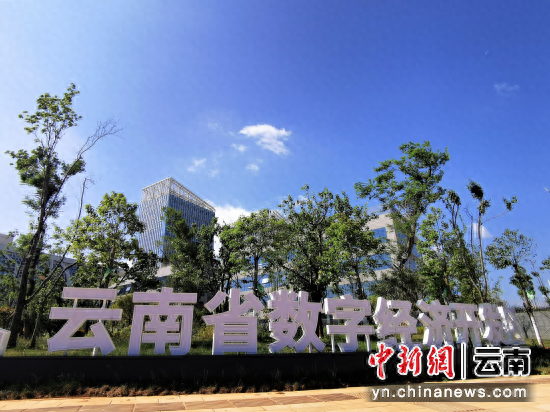
昆明呈贡数智产业崛起 打造面向南亚东南亚算力枢纽
Zhong Guo Xin Wen Wang· 2025-11-14 08:53
Core Insights - The article emphasizes the importance of digital technologies such as big data and artificial intelligence in driving economic and social development, particularly in the context of China's "14th Five-Year Plan" [1] - Yunnan Province aims to establish Kunming as an international communication hub and digital industry center, leveraging its advantages in low latency and high stability [1][3] Group 1: Economic Development - Chenggong District has set a goal to become a "Modern Science and Education Innovation City," focusing on digital economy and infrastructure development, which has led to a significant economic transformation [3][4] - In 2024, Chenggong's GDP reached 71.9 billion, marking a year-on-year growth of 7.9%, the highest in Kunming, with industrial output increasing by 34.1% [4][5] - The digital economy's revenue surged from 1.256 billion to 8.432 billion, with its share of total revenue rising from 3.8% to 20.2% [7] Group 2: Infrastructure Development - The region is focusing on building a regional international computing power industry cluster, with significant investments in computing infrastructure [8] - The Kunming Wanxichong Intelligent Computing Industry Park has been established, featuring 19,300 square meters of data center space and a computing power capacity of 2,935P [8][9] - Key projects include the Yunnan Provincial Information Center and China Mobile's data center, which will enhance the region's computing capabilities and support the "East Data West Computing" strategy [9][11] Group 3: Industry Ecosystem - Chenggong is transitioning from industry aggregation to ecosystem construction, aiming to create a collaborative environment for the digital economy [12] - The district is leveraging its educational resources to support data labeling and AI model development, with partnerships between universities and enterprises [12][13] - The establishment of a data labeling demonstration zone aims to attract talent and companies, enhancing local capabilities in data processing and AI applications [13] Group 4: Future Outlook - Chenggong is positioned to become a key player in the digital economy, with plans to support digital exports to South and Southeast Asia [14][15] - The district's strategic initiatives are expected to contribute significantly to the national digital economy, aligning with China's modernization goals [17]
中信证券科技行业2026年投资策略展望:AI投资机会扩散 关注算力产业链和AI应用
Di Yi Cai Jing· 2025-11-14 00:31
Group 1 - The core viewpoint is that since 2025, both Chinese and American technology stocks have performed remarkably, with the computing power sector leading the market in growth [1] - The outlook for 2026 indicates that domestic computing power is on the rise, showing both performance elasticity and investment certainty, potentially replicating the long bull market seen in U.S. stocks since 2023 [1] - There are expected localized explosive opportunities in models and applications, particularly in AI-enabled internet technology giants and rapidly commercializing AI applications such as AI advertising, AI agents, AI video generation, and automated driving [1]

超节点:算力发展深水区的新引擎
3 6 Ke· 2025-11-10 11:16
Core Insights - The "14th Five-Year Plan" emphasizes computing power as a core element of productivity in the digital economy, aiming to achieve the world's largest computing power scale by 2030 [1] - The "East Data West Computing" project has established a comprehensive computing power network covering eight national hub nodes and ten data center clusters, with the "super node" architecture emerging as a key technology for enhancing computing efficiency [1][2] Industry Trends - The demand for AI model training is growing exponentially, leading to a bottleneck in traditional data center architectures, with China's data centers consuming over 2% of the total electricity [2] - The "East Data West Computing" initiative aims to create a national integrated computing power network, focusing on efficient scheduling and green low-carbon operations [2] Technological Developments - The super node technology, characterized by high-density cabinet design and integration of heterogeneous computing resources, achieves a Power Usage Effectiveness (PUE) of below 1.05, significantly improving energy efficiency [2][3] - Super nodes have demonstrated a 40% increase in AI training efficiency and a 35% reduction in total ownership costs during tests at Alibaba Cloud's Zhangbei Super Data Center [3] Global Landscape - The global computing power infrastructure investment is expected to exceed $520 billion by 2025, with a year-on-year growth of 55% [4] - The U.S. maintains a lead through a "business-led + government-enabled" model, while China is rapidly advancing in intelligent computing and regional hub layouts under national strategies [4] Structural Challenges - The computing power industry faces structural issues such as supply-demand mismatches, high costs, and energy consumption pressures [4] - The existing challenges include an imbalance between supply and demand in eastern and western regions, and inefficiencies in resource utilization due to a lack of hardware-software synergy [4] Opportunities and Innovations - Liquid cooling technologies are gaining traction as a solution to the high energy consumption of computing facilities, potentially lowering PUE to very low levels [5] - Super nodes enhance effective computing resource utilization by over 50%, addressing the issue of idle computing resources in traditional clusters [6] Ecosystem Transformation - The strategic significance of super node technology extends beyond mere technical innovation, facilitating the pooling and service-oriented transformation of computing resources [7] - The first commercial intelligent computing super node was launched in May, significantly improving model training efficiency and performance [7] Future Prospects - The super node architecture supports the "East Data West Training" model, connecting real-time computing needs in the east with storage-type resources in the west through low-latency networks [8] - As computing power becomes a new productivity driver, super nodes are expected to evolve towards nanosecond latency and exabyte-level computing capabilities, forming the foundation for general artificial intelligence [8]
第七届中国超级算力大会 (ChinaSC 2025)盛大召开 共探智能算力经济新未来!
Cai Jing Wang· 2025-11-10 05:47
Core Insights - The ChinaSC 2025 conference focused on the theme of "Intelligent Computing, Large Models, New Economy," discussing the technological trends and policy directions in China's computing power development [1] - The event gathered leading experts and scholars to explore the future of computing power and its integration with various industries, emphasizing the importance of collaboration for high-quality development [2] Industry Trends - The conference highlighted the accelerating global reshaping of computing power, with AI entering a new phase of "large models + deep industry coupling," positioning computing power as a core engine for driving the digital economy [4] - The integration of supercomputing and intelligent computing, termed "super-intelligent fusion," is becoming a focal point, indicating a shift from supporting AI to AI improving supercomputing capabilities [4][5] Key Reports and Rankings - Major reports released include the "2025 China AI Computing Open Architecture Research Report" and the "2025 China Computing Power Application Classic Cases," showcasing significant industry achievements and trends [3][12] - The "2025 China High-Performance Computing TOP100 Ranking" was presented, with Lenovo, Inspur, and Sugon leading the list, reflecting the ongoing advancements in computing power services [13][19] Innovations and Collaborations - The conference featured discussions on the development of the "Nine Source Unified Intelligent Computing Platform," aimed at addressing the complexities of intelligent computing software ecosystems [5][6] - Collaborative efforts were emphasized, such as the partnership between Oriental Geophysical and Huawei to enhance the GeoEast software platform, showcasing the importance of innovation in the energy exploration sector [7] Recognition and Awards - The event recognized outstanding companies and applications in the computing power sector, with awards for "2025 China Computing Power Leading Enterprises" and "Classic Application Cases," highlighting successful implementations across various industries [16][19] - Lenovo's significant presence in the TOP100 list, with 34 supercomputers, underscores its leadership in the high-performance computing market [19]


蚂蚁透露!部署的万卡国产算力集群已媲美国际,超节点有望成国产算力加速发展重要动力
Xuan Gu Bao· 2025-11-09 23:32
Group 1 - Alibaba Group is building large-scale AI infrastructure and increasing investment to create a super AI cloud [1] - Ant Group has deployed a domestic computing power cluster at the scale of ten thousand cards, achieving over 98% stability in training task performance [1] - Minsheng Securities believes that super nodes are expected to become mainstream technology under cluster expansion, enhancing the domestic computing power ecosystem [1] Group 2 - The industry is focusing on building ultra-high bandwidth and ultra-low latency ScaleUp networks to connect multiple XPU high-speed interconnections into super nodes [2] - Huaxi Securities suggests that regardless of future restrictions on overseas computing power chip sales to China, domestic computing power development will remain a key focus of policy support [2] Group 3 - Zhongke Shuguang has launched the world's first 640-card single-machine super node, which can support trillion-parameter large model training and improve performance by 30%-40% compared to traditional solutions [3] - Qihua Data is constructing high-end GPU computing server clusters and expanding its data storage business into the AI server field [3]