
装备制造

Search documents
抢抓“十五五”发展机遇,加快建设成渝地区中部崛起重要支撑地
Xin Lang Cai Jing· 2026-02-07 20:46
Core Viewpoint - The Sichuan Provincial Government is focusing on enhancing the Chengdu-Chongqing economic circle through strategic initiatives in transportation, industrial collaboration, and ecological governance, as outlined in the "14th Five-Year Plan" [3][4]. Transportation Connectivity - The government plans to leverage the opening of the Longchang-Luzhou-Xuyong railway to integrate into the Western Land-Sea New Corridor, improving transportation infrastructure through the expansion of the Chengdu-Longchang railway and the Chengdu-Chongqing highway [3]. - Projects such as the Longhuang Railway modern logistics park and smart warehousing for bulk commodities are being prioritized to create an efficient transportation network [3]. Industrial Collaboration - There is a focus on deepening cross-regional cooperation with areas like Rongchang and Fushun, particularly in the trillion-yuan industrial clusters of electronic information, equipment manufacturing, and advanced materials [4]. - The establishment of the Shuangchang Industrial Cooperation Demonstration Park is underway, with projects in new lithium-ion solid-state batteries and smart vehicle central gateways being accelerated [4]. Ecological Governance - The government aims to enhance communication and collaboration with neighboring regions for joint ecological enforcement and management of cross-border rivers, promoting shared ecological information and problem-solving [4]. - Efforts will be made to establish unified management standards for ecological governance across regions to strengthen the ecological barrier of the upper reaches of the Yangtze River [4]. Business Environment Improvement - The government is committed to comprehensive reforms to enhance the business environment, including improving service efficiency and implementing customized digital services for enterprise financing [5]. - Initiatives such as the "Talent Strong City" strategy will focus on attracting talent for modern manufacturing industries, with integrated reforms in talent services [5].

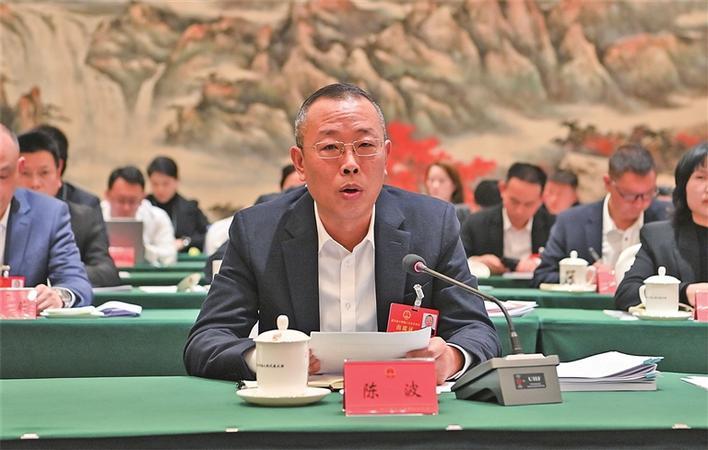
新华视点丨绘图景显活力 特色发展促繁荣
Xin Hua Wang· 2026-02-07 08:55
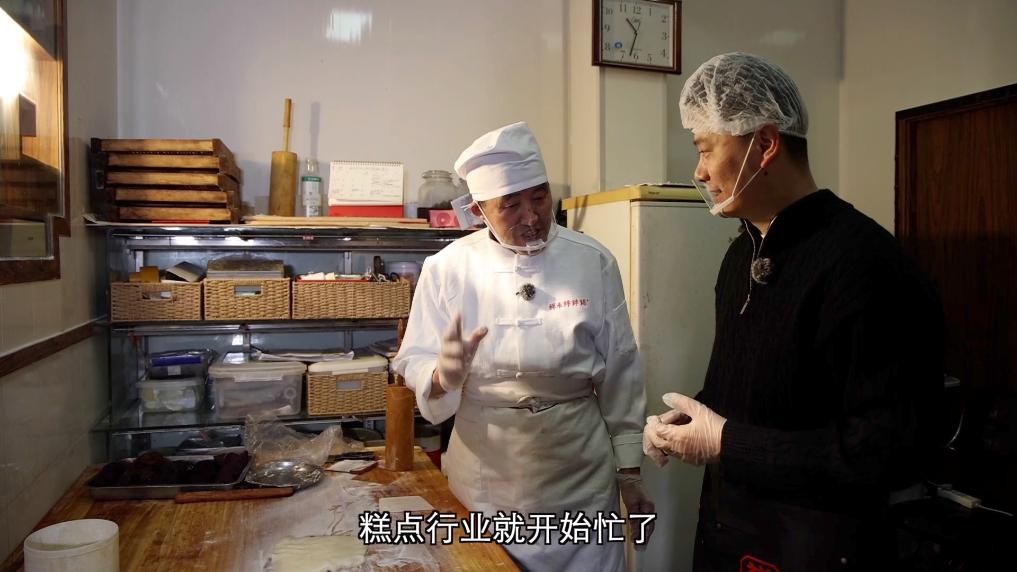
Group 1 - The article highlights the vibrant development and cultural richness across China as the Spring Festival approaches, showcasing local businesses adapting to modern tastes while preserving traditional craftsmanship [1] - The traditional brand Xianghe Bobo Shop is innovating by modernizing its production and sales methods, transitioning from a small handmade shop to a modern production base and online sales [1] - The transformation of Xianghe represents a blend of heritage craftsmanship and contemporary vitality, emphasizing the importance of innovation in maintaining relevance in today's market [1] Group 2 - Weiyuan County is promoting a winter tourism route called "Weishui Xinyuan · Ice and Snow Secret Realm," which integrates various activities like snow play and tea gatherings, along with group purchase discounts to stimulate winter tourism consumption [3] - Since the winter of 2025, Weiyuan County aims to establish itself as a benchmark for ice and snow tourism in Gansu Province, leveraging its cold resources to generate economic benefits [4] Group 3 - Longxi County is focusing on four key industries: traditional Chinese medicine processing, aluminum smelting and deep processing, equipment manufacturing, and new energy and digital economy, to advance its new industrialization process during the 14th Five-Year Plan [6] - Longxi County has set an industrially driven development strategy, emphasizing the strengthening of industrial chains and the acceleration of key project construction to foster a modern industrial system [6]
展望2026|做强中国制造硬实力
Jing Ji Ri Bao· 2026-02-07 02:54
Core Viewpoint - China's manufacturing sector is poised for significant growth and transformation during the "14th Five-Year Plan" period, focusing on stability, advancement, innovation, and vitality to enhance its global competitiveness and high-quality development [1][15]. Group 1: Stability - The reasonable growth of China's manufacturing output is essential for solidifying the economic foundation and supporting the quality enhancement of the industry [2]. - Key industrial provinces play a crucial role in stabilizing industrial growth, contributing 80% of the industrial added value [2]. - The focus on stabilizing key industries, such as automotive and electronics, is vital for maintaining industrial economic growth [2][3]. - The strategy emphasizes maintaining a reasonable proportion of the manufacturing sector in GDP to enhance competitiveness and resilience [3]. Group 2: Advancement - The effective enhancement of quality in China's manufacturing will strengthen core competitiveness and promote high-quality development [5]. - The growth rates for major manufacturing sectors, such as equipment and high-tech manufacturing, are projected to exceed the overall industrial growth rate, indicating successful high-end transformation [5][6]. - The push for digital transformation in manufacturing is highlighted as a key strategy for improving quality and efficiency [6][7]. - The integration of artificial intelligence in manufacturing processes is expected to enhance productivity and innovation [7][8]. Group 3: Innovation - The cultivation of new productive forces through technological innovation is essential for driving sustainable growth in the manufacturing sector [9][12]. - The focus on emerging industries, such as new energy vehicles and quantum information, is critical for future economic development [9][10]. - Traditional industries will undergo significant upgrades, leveraging new technologies to enhance their competitiveness and sustainability [10][11]. - The establishment of a robust innovation ecosystem is necessary to facilitate the transformation of technological advancements into practical applications [12][14]. Group 4: Vitality - The integration of technological and industrial innovation is crucial for enhancing the dynamism of China's manufacturing sector [12][13]. - Increasing high-quality technological supply and fostering enterprise-led innovation are key strategies for stimulating growth [13][14]. - The development of a national service network for technology transfer is essential for bridging the gap between research and market application [13][14]. - The emphasis on collaborative innovation across various sectors will enhance the overall effectiveness of the manufacturing industry [14][15].
激市场活力 筑发展之基 增民生底色
Sou Hu Cai Jing· 2026-02-06 23:45
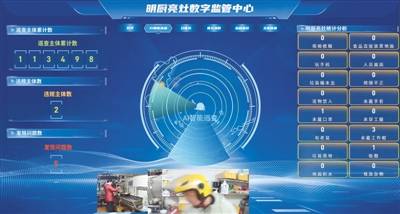
Core Viewpoint - The article highlights the significant advancements in food safety and market regulation in Zhengzhou, emphasizing the integration of digital technology and community engagement to enhance consumer trust and safety in the food industry [10][11][12]. Group 1: Food Safety Initiatives - The "Internet + Bright Kitchen" initiative allows consumers to view real-time kitchen operations, enhancing transparency and trust in food safety [12][13]. - Zhengzhou has implemented a comprehensive monitoring system for food safety, with 5,565 sets of kitchen monitoring equipment connected to the network, allowing real-time oversight [14]. - The city has been recognized as a "National Food Safety Demonstration City," reflecting its improved food safety governance capabilities [28]. Group 2: Community Engagement and Governance - The "Zhengqi Pioneer" program engages over 8,000 delivery riders as food safety monitors, creating a community-driven approach to food safety oversight [12][18]. - The program encourages riders to report violations, forming a closed-loop management system that enhances regulatory efficiency [12][14]. - The integration of digital tools in governance has improved the efficiency of market regulation, allowing for real-time data sharing and monitoring [11][13]. Group 3: Regulatory Reforms and Business Environment - Zhengzhou has streamlined business registration processes, reducing paperwork and approval times significantly, which has led to a substantial increase in the number of registered businesses [16][17]. - The city has introduced a "no-feel migration" reform, allowing businesses to relocate with minimal administrative burden, resulting in an 81.67% completion rate for migration applications [17]. - Credit classification and regulatory measures have been enhanced, covering over 70% of sectors, which has improved the precision of regulatory actions and reduced unnecessary disruptions for compliant businesses [18][19]. Group 4: Quality and Innovation - Zhengzhou's quality improvement initiatives have led to the establishment of a Chief Quality Officer system, with over 80% of key enterprises appointing quality leaders [21][22]. - The city has actively participated in the formulation of international and national standards, enhancing its reputation in quality governance [22][24]. - The "Zheng High Competition" has generated significant economic benefits from patented technologies, showcasing the city's commitment to innovation and quality [23][24]. Group 5: Consumer Protection and Satisfaction - The city has developed a "放心消费" (Safe Consumption) initiative, promoting consumer rights and establishing a new dispute resolution system [31][30]. - A multi-channel complaint handling system has been implemented, ensuring quick resolution of consumer disputes and enhancing consumer confidence [31][32]. - The establishment of numerous consumer protection stations across the city has created a robust support network for consumers [31].
稳订单稳生产稳岗位做最实在贡献
Xin Hua Ri Bao· 2026-02-06 21:25
Group 1 - The provincial government's work report for 2026 emphasizes the tasks of "stabilizing employment, enterprises, markets, and expectations," highlighting the importance of integrating enterprise development into the broader provincial development strategy [1] - The chairman of Yingyou Group, Zhang Siwei, stresses that for manufacturing enterprises, "stability" translates into stable orders, smooth production lines, and secure employee positions, which are essential for contributing to overall stability [1] - The report's focus on fostering innovation and advanced manufacturing aligns with the "four stabilizations," encouraging private enterprises to take on social responsibilities and drive collaborative development within the industry [1] Group 2 - Yingyou Group maintains over 300 employees during the Spring Festival to ensure stable production capacity, demonstrating its role as a stabilizer within the industrial ecosystem [2] - Zhang Siwei emphasizes that "stabilizing employment" should be viewed in the context of healthy industrial development, as the company has fostered over 20 supporting enterprises in the local area through its carbon fiber industry, creating a small industrial cluster [2] - The company provides job opportunities across various dimensions, including R&D, smart manufacturing, and marketing, while focusing on systematic skills training and career development for local talents and returning workers to ensure sustainable and high-quality employment [2]
做强中国制造硬实力
Jing Ji Ri Bao· 2026-02-06 20:39
Core Viewpoint - China's manufacturing sector is poised for significant growth and transformation during the "14th Five-Year Plan" period, focusing on stabilizing the economy, advancing industrial upgrades, and fostering innovation to enhance competitiveness and sustainability [1][15]. Group 1: Stability - The reasonable growth of China's manufacturing output is essential for solidifying the economic foundation and supporting quality improvements in the industry [2]. - Key industrial provinces play a crucial role in stabilizing economic growth, contributing 80% of the industrial output value [2]. - The focus on stabilizing key industries, such as automotive and electronics, is vital for maintaining industrial economic growth [2][3]. - The government plans to implement new growth strategies for ten key industries to ensure long-term stability in the industrial economy [2]. Group 2: Progress - The effective enhancement of quality in China's manufacturing will strengthen core competitiveness and promote high-quality development [5]. - The growth rates for major manufacturing sectors, such as equipment and high-tech manufacturing, are projected to exceed the overall industrial growth rate by significant margins [5]. - The focus on high-end manufacturing and technological innovation will drive the industry towards higher value chains [6]. - The digital transformation of manufacturing is emphasized as a key strategy for improving quality and efficiency [6][7]. Group 3: New Growth Drivers - The cultivation of new quality productivity is essential for restructuring and revitalizing the manufacturing sector [9]. - Emerging industries, characterized by high technology and value, are seen as critical for driving economic growth and transitioning to sustainable development [9][10]. - Traditional industries will undergo significant upgrades, leveraging new technologies to support the growth of emerging sectors [10]. - Future industries will be strategically developed to ensure early positioning in high-potential areas such as quantum technology and artificial intelligence [11]. Group 4: Innovation - Technological innovation is identified as a core element for driving new productivity and enhancing industrial vitality [12]. - The government aims to increase high-quality technological supply by focusing on key industry needs and supporting major technological projects [13]. - Enterprises are recognized as the main drivers of R&D investment, with government policies aimed at further stimulating innovation [13][14]. - A collaborative innovation ecosystem will be established to facilitate the integration of various innovation resources into the manufacturing sector [14].
东北首现万亿GDP之城
21世纪经济报道· 2026-02-06 14:52
Core Insights - The article discusses the expansion of China's trillion-yuan cities, with 29 cities projected to reach this milestone by 2025, including Wenzhou and Dalian, which are new entrants to the trillion-yuan club [1][2][9] - The growth of these cities is characterized by varying economic structures, with leading cities like Shanghai and Beijing focusing on the tertiary sector, while new entrants like Wenzhou and Dalian rely on robust industrial growth [1][8][9] Group 1: Economic Growth and Structure - By 2025, 22 of the 29 trillion-yuan cities are expected to have GDP growth rates exceeding 5%, with Tangshan, Hefei, Yantai, and Wenzhou achieving over 6% [1][2] - Beijing's GDP is projected to surpass 5 trillion yuan for the first time, reaching 52,073.4 billion yuan with a growth rate of 5.4%, driven by significant contributions from the information technology and financial sectors [7][8] - Shanghai's GDP is also expected to grow, with the tertiary sector's value added reaching 44,958.7 billion yuan, growing at 6.0%, supported by strong performance in information technology services [8][9] Group 2: Industrial Performance - Wenzhou's GDP is projected to reach 10,213.9 billion yuan, growing by 6.1%, with significant contributions from the automotive and electrical industries, which saw increases of 19.0% and 13.6% respectively [9][11] - Dalian's GDP is expected to hit 10,002.1 billion yuan, with a growth rate of 5.7%, and notable growth in high-tech manufacturing, particularly in the computer and pharmaceutical sectors [10][11] Group 3: Future Industry Focus - Cities are increasingly focusing on artificial intelligence and high-tech industries as key areas for future development, with Shanghai and Beijing leading the charge in sectors like smart vehicles and advanced manufacturing [13][14] - Wenzhou aims to establish itself as a leader in AI innovation, targeting a revenue of 22 billion yuan from core AI industries [14] - Dalian plans to enhance its digital economy and AI capabilities, focusing on smart manufacturing and software engineering [14][16] Group 4: Urban Development Trends - The competition among cities is shifting from mere GDP growth to a more comprehensive evaluation that includes technological innovation, cultural strength, and livability [16][17] - The development model is evolving from single-center cities to collaborative urban clusters, exemplified by the Yangtze River Delta and the Guangdong-Hong Kong-Macau Greater Bay Area [16][17]
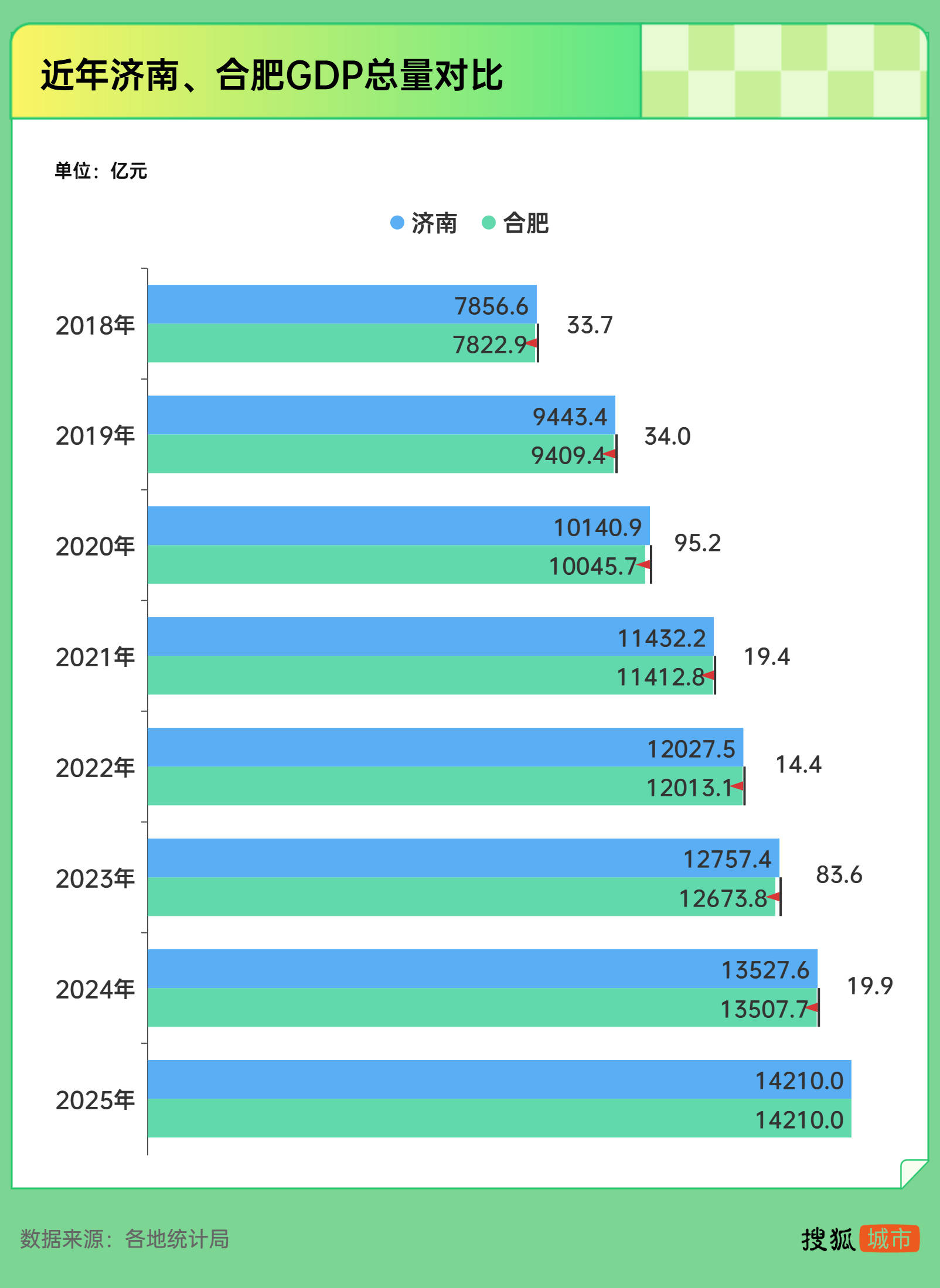
“缠斗”8年,合肥GDP总量追平济南
Sou Hu Cai Jing· 2026-02-06 12:48
Core Insights - In 2025, both Jinan and Hefei achieved a GDP of 1.421 trillion yuan, ranking them 18th nationally, marking a significant milestone for Hefei [1][3] - Hefei aims to surpass a GDP of 2 trillion yuan in the next five years, while Jinan has not specified a concrete target [14] Group 1: Economic Growth and Performance - Hefei's GDP growth rate is projected at 6.1% for 2025, surpassing Jinan's 5.4%, making it the second highest among trillion-yuan cities [5] - From 2012 to 2021, Hefei's GDP increased by 2.7 times, ranking it 19th nationally, a rise of 13 positions over ten years [5] - Hefei's industrial output is expected to exceed 1.4 trillion yuan by 2025, with strategic emerging industries accounting for over 60% of this output [5] Group 2: Industrial and Sectoral Contributions - Hefei leads in the production of new energy vehicles, with an output of 1.371 million units in 2025, representing 8.3% of the national total [6] - Jinan's secondary industry growth is slower, with a projected increase of 4.4% in 2025, which is below its overall GDP growth [6] - Jinan has strong foundations in steel, electronics, and equipment manufacturing, but is still transitioning to new growth drivers [6] Group 3: Service Sector Dynamics - Jinan's tertiary industry is expected to generate 916.26 billion yuan in 2025, growing at 6.0%, which is higher than Hefei's 864.97 billion yuan and 4.4% growth [8] - Jinan's service sector revenues are over 35% higher than Hefei's, with significant advantages in transportation, culture, education, and real estate [9][12] - Despite a larger population, Hefei's consumer spending is lower than Jinan's, indicating potential weaknesses in its service sector [12] Group 4: Future Strategies and Goals - Hefei's "14th Five-Year Plan" emphasizes the development of strategic emerging industries while addressing service sector shortcomings [14] - Jinan's "14th Five-Year Plan" focuses on strengthening its manufacturing base and developing high-end industries without specific GDP targets [14] - Both cities are expected to continue competing closely, with Hefei aiming for higher economic rankings and Jinan focusing on manufacturing excellence [15]
川渝携手经济总量突破10万亿 双城经济圈建设整体成势
Zhong Guo Fa Zhan Wang· 2026-02-06 09:19
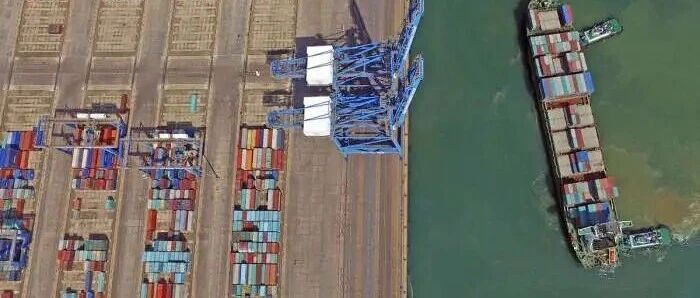
Core Insights - The construction of the Chengdu-Chongqing economic circle is being promoted as a significant growth pole for high-quality development in the western region of China, with a focus on innovation and industrial layout [1][2]. Economic Growth Projections - By 2025, Sichuan aims to achieve a GDP of 6.77 trillion yuan, growing at 5.5%, ranking fifth in both total and growth rate nationally [1]. - Chongqing's GDP is projected to reach 3.3758 trillion yuan in 2025, with a growth rate of 5.3%, indicating a significant economic integration between Sichuan and Chongqing [1]. Key Projects and Infrastructure - A total of 555 key projects are being implemented in a rolling manner during the 14th Five-Year Plan, including major infrastructure like the Jiangbei International Airport T3B terminal and the Yukun high-speed railway [2]. - The completion of the Xinjiang electricity transmission project and the Sichuan-Chongqing ultra-high voltage AC project has resolved historical electricity shortages in Chongqing [2]. Industrial and Technological Collaboration - The Chengdu-Chongqing area has been included in the national three major regional technology innovation centers, with successful hosting of the Belt and Road technology exchange conferences [2]. - The electronic information and biomedicine sectors have been recognized as national advanced manufacturing clusters [2]. Tourism and Cultural Cooperation - The construction of the Bashu cultural tourism corridor is progressing, with significant projects like the Sichuan-Chongqing Stone Carving Temple National Heritage Park [2]. - The mutual visitor exchange model between Chengdu and Chongqing has resulted in over 100 million annual visits [2]. Public Services Integration - The two regions have made strides in public service integration, including mutual recognition of electronic certificates and public hospital test results, as well as cross-province transfer of pension insurance and housing funds [2]. Urban and Regional Development - The spatial planning for the Chengdu-Chongqing economic circle has been approved, with a focus on optimizing urban green space and key area planning [3]. Economic Coordination and Infrastructure Development - The Chengdu-Chongqing economic circle's economic total now accounts for approximately 6.5% of the national economy, with significant improvements in regional urban-rural development [4]. - Transportation infrastructure has expanded, with 28 railways, highways, and waterways established, and the railway operating mileage exceeding 7,000 kilometers [4]. Future Development Strategies - In the 15th Five-Year Plan, Chongqing will focus on enhancing the development capabilities of the Chengdu-Chongqing economic circle, implementing seven major special actions and key projects [6]. - The strategy includes strengthening regional collaboration, optimizing industrial development, and enhancing public service standards [7].
新券上市“涨声”不断 可转债市场开年演绎结构性行情
Sou Hu Cai Jing· 2026-02-06 09:06
Group 1 - The core viewpoint of the news is that the recent surge in the convertible bond market is driven by changes in supply-demand dynamics, shifts in capital allocation preferences, and the unique characteristics of new bonds [1][6][8] - The new convertible bonds launched in January 2026 have shown remarkable performance, with all new issues starting strong and maintaining high prices, indicating a robust market sentiment [2][3] - The concentration of new bond issuers in the technology innovation and high-end manufacturing sectors aligns with current market investment themes, providing fundamental support for their performance [5][6] Group 2 - The supply of convertible bonds has been shrinking, leading to a scarcity of quality bonds, which has attracted significant investor interest and is expected to continue driving up valuations [6][7] - Strong capital support in a low-interest-rate environment has led to increased demand for yield-enhancing assets, further bolstering the convertible bond market [7][8] - New bonds have unique advantages, such as no strong redemption pressure and good liquidity, which contribute to their strong market performance despite fluctuations in underlying stocks [7][8] Group 3 - The high premium rates of new bonds, such as the 115.52% for Lianrui Convertible Bond, indicate that investors are willing to pay a significant premium for equity-like rights, reflecting optimistic expectations for the equity market [3][8] - Market participants are advised to focus on structural opportunities rather than a broad market rally, emphasizing the importance of individual bond selection in a high-valuation environment [8][9] - The anticipated issuance of new convertible bonds in 2026 is expected to be around 600 billion, which will further test the sustainability of current valuation levels in the market [9]
