
超市

Search documents
我国对外投资连续9年保持世界前三|首席资讯日报
首席商业评论· 2026-01-21 06:14
Group 1 - China's outbound non-financial direct investment is expected to reach $145.66 billion in 2025, with a year-on-year growth of 1.3%, maintaining a position among the top three globally for nine consecutive years [2] - The new contract amount for overseas engineering projects is projected to be $289.22 billion, reflecting an 8.2% increase, indicating continuous improvement in scale and effectiveness [2] - The "14th Five-Year Plan" will guide the orderly cross-border layout of industrial and supply chains, promoting integrated trade and investment development [2] Group 2 - Zhenyu Technology reported a significant increase in orders from the robotics sector in Q4 2025, particularly for dexterous hand components, although the revenue contribution remains relatively small compared to the overall expected revenue of 9.8 billion yuan for the year [3] - The Shanghai Stock Exchange approved the IPO application of Wuhu Aiteke Automotive Electronics Co., indicating a positive development in the capital market [4] Group 3 - The National Energy Administration announced that national electricity load will reach a winter record high, exceeding 1.4 billion kilowatts for the first time, with a peak of 1.417 billion kilowatts [5] - The daily electricity consumption is expected to surpass 30 billion kilowatt-hours during winter, highlighting the critical period for heating and supply [5] Group 4 - AI education has been integrated into primary and secondary schools in Shanghai, with courses like "Artificial Intelligence Basics" being offered, aiming to enhance students' creativity and aesthetic abilities [7] - The initiative includes a minimum of 30 class hours per grade, encouraging schools to develop unique AI-related courses [7] Group 5 - Yonghui Supermarket anticipates a net profit loss of 2.14 billion yuan for 2025, compared to a loss of 1.47 billion yuan in the previous year, as the company shifts its strategy from "scale expansion" to "quality growth" [9] - The company has restructured 315 stores and closed 381 stores that do not align with its future strategic positioning [9] Group 6 - Tonghuashun expects a net profit of 2.735 billion to 3.282 billion yuan for 2025, representing a year-on-year growth of 50% to 80% [10] - Xiaomi's MiMoAPI platform is set to launch a billing system soon, enhancing its service offerings [11] Group 7 - South Korea's economic growth is projected to slow down in Q4 2025, with GDP expected to grow by only 0.2% quarter-on-quarter and 1.5% year-on-year, significantly lower than the previous quarter's growth rates [12] - The decline in growth is attributed to the waning effects of government stimulus measures, which have negatively impacted domestic demand [12] Group 8 - Haier Smart Home plans to repurchase up to 1 million shares of its overseas-listed foreign capital stock, with a total repurchase amount not exceeding 2 million euros [13] - The repurchase aims to optimize the capital structure and will take place from January 21 to February 13, 2026 [13] Group 9 - Vanke A reported that the effective repurchase application for the "21 Vanke 02" bond during the registration period amounted to 10.321 million units, with a remaining unreturned bond quantity of 678,990 units [14]

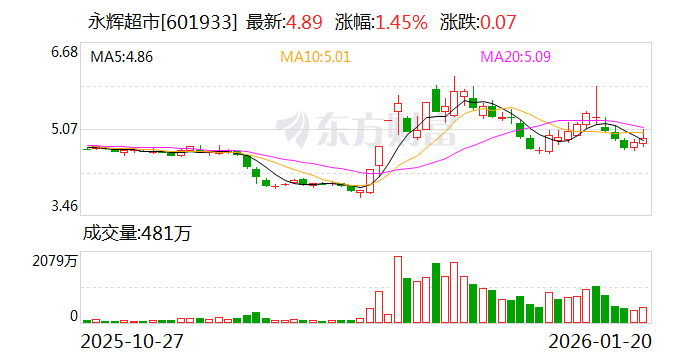
步步高跌2.06%,成交额3.60亿元,主力资金净流出3455.41万元
Xin Lang Cai Jing· 2026-01-21 05:45
Core Viewpoint - The stock price of Bubu Gao has experienced a decline, with a notable drop in both share price and trading volume, indicating potential investor concerns about the company's performance and market position [1][2]. Group 1: Stock Performance - As of January 21, Bubu Gao's stock price fell by 2.06% to 5.23 CNY per share, with a trading volume of 360 million CNY and a turnover rate of 3.18%, resulting in a total market capitalization of 14.062 billion CNY [1]. - Year-to-date, Bubu Gao's stock has decreased by 1.51%, with a 4.39% drop over the last five trading days, a 10.29% decline over the last 20 days, and an 8.41% decrease over the last 60 days [2]. Group 2: Financial Performance - For the period from January to September 2025, Bubu Gao reported a revenue of 3.194 billion CNY, reflecting a year-on-year growth of 26.48%. However, the net profit attributable to shareholders was 226 million CNY, which represents a significant decrease of 88.83% compared to the previous year [2]. - The company has distributed a total of 1.677 billion CNY in dividends since its A-share listing, but there have been no dividend distributions in the last three years [3]. Group 3: Shareholder and Market Dynamics - As of September 30, 2025, the number of shareholders for Bubu Gao reached 172,500, an increase of 95% from the previous period, while the average circulating shares per person decreased by 27.06% to 12,476 shares [2]. - The major shareholders list has changed, with Hong Kong Central Clearing Limited no longer being among the top ten circulating shareholders as of the latest report [3].

永辉超市“胖改”下的2025年:关店381家 扣非利润预亏近30亿元
Mei Ri Jing Ji Xin Wen· 2026-01-20 21:42
Core Viewpoint - Yonghui Supermarket is expected to report a significant net loss of 2.14 billion yuan for 2025, driven by strategic adjustments and store closures as part of its transformation efforts [2][3] Financial Performance - The projected net loss of 2.14 billion yuan for 2025 represents an increase from the previous year's loss of 1.47 billion yuan [3] - The adjusted net profit loss (扣非净利润) is expected to reach 2.94 billion yuan, up from 2.41 billion yuan in the prior year, indicating a worsening operational performance [3] - The total losses attributed to the transformation efforts exceed 1.2 billion yuan, including asset write-offs and renovation costs [3][4] Strategic Adjustments - Yonghui Supermarket is shifting its strategy from "scale expansion" to "quality growth," rebranding itself as "New Yonghui, New Quality" [3] - The company closed 381 stores that did not align with its future strategic positioning and restructured 315 stores [3][4] Capital Raising Plans - The company plans to raise up to 3.114 billion yuan through a private placement, with approximately 2.4 billion yuan earmarked for store upgrades [5][6] - The funds will be allocated to three main areas: store upgrades (2.4 billion yuan), logistics and warehousing improvements (309 million yuan), and working capital (400 million yuan) [5][6] Store Upgrade Project - The store upgrade project aims to enhance 216 stores across various aspects, including product structure and shopping experience [6] - The internal rate of return for the store upgrade project is estimated at 21.57%, with a payback period of approximately 4.84 years [8] - Successful pilot projects have shown improved monthly sales per square meter and increased gross margins, indicating potential for future profitability [8]

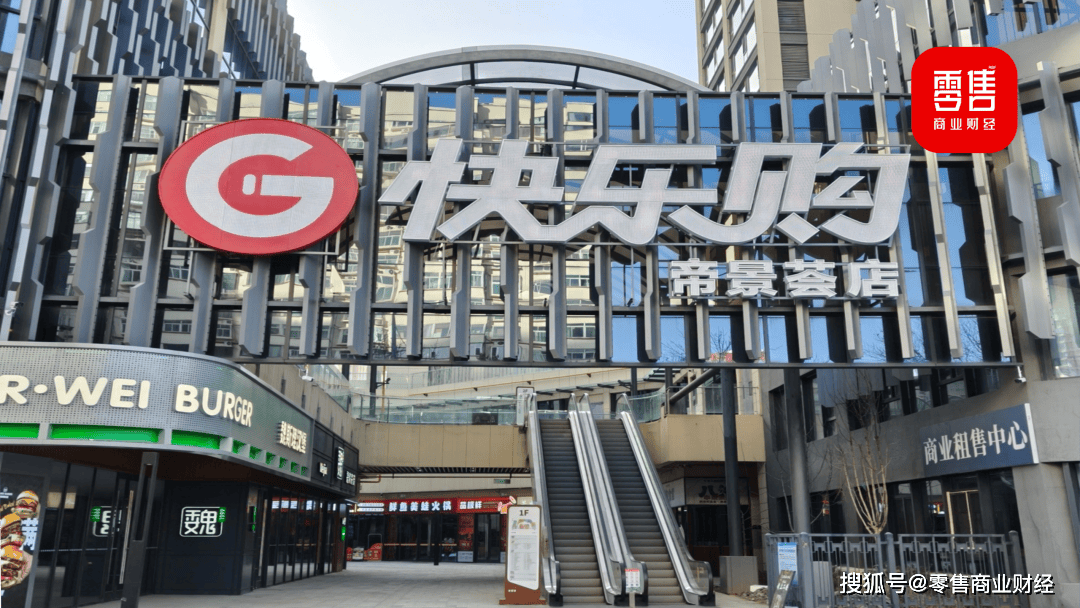
实探快乐购超市,温州品牌的晋地求生之道
Sou Hu Cai Jing· 2026-01-20 19:52
Core Insights - The article discusses the successful expansion of the supermarket brand "Happy Shopping" in Taiyuan, contrasting its focused retail capabilities with traditional supermarkets' shortcomings [2][3] - Happy Shopping has opened three stores in Taiyuan since 2022, gradually expanding its influence in the Shanxi province [2] - The brand aims to enhance consumer experience through meticulous operational details and a focus on "consumption upgrade" [3][7] Group 1: Expansion and Market Position - Happy Shopping has established a steady expansion pace, opening one store per year, and has plans to further penetrate the Shanxi market [2] - The brand's core shareholders maintain a clear ownership structure, ensuring consistent operational management across its stores [2] - Despite a slow expansion rate, Happy Shopping has become a notable player in Taiyuan's retail market, often compared favorably to local competitors [2][3] Group 2: Operational Excellence - The store layout and design at Happy Shopping are tailored to enhance the shopping experience, creating a pleasant atmosphere for consumers [3][7] - The brand incorporates service-oriented slogans and a warm ambiance to foster customer satisfaction [3] - Happy Shopping's operational details, such as the "no disturbance" shopping carts, reflect its commitment to improving customer experience [7] Group 3: Product Offering and Pricing Strategy - Happy Shopping's product range, particularly in the bakery category, is diverse and competitive, with prices often lower than those of leading competitors like Hema [9][10] - The supermarket maintains a focus on affordability, offering various fresh food items at competitive prices compared to local rivals [14][15] - However, the brand faces challenges in its product offerings, particularly in self-branded items, which are currently lacking compared to competitors [20][21] Group 4: Competitive Landscape and Future Challenges - The retail market in Taiyuan is undergoing significant changes, with new brands emerging and traditional ones adjusting their strategies [3][24] - Happy Shopping's future success will depend on its ability to scale operations, enhance product quality, and develop a differentiated private label product line [24][29] - The competition is intensifying, with local brands like Yijiaqin and established players like Meitehao also expanding their presence in the region [24][29]

美特好15家门店将「改姓」开业
36氪· 2026-01-20 13:38
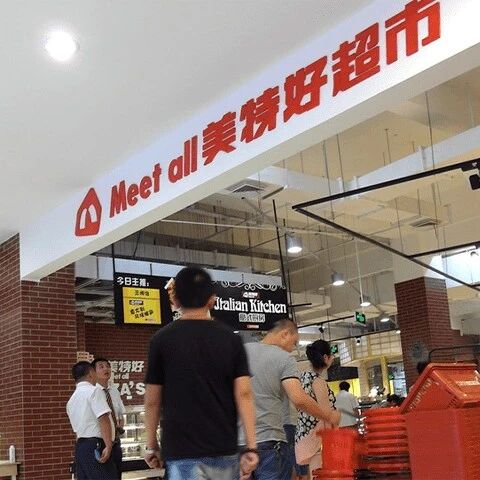
聚焦于企业财经新闻,互联网新闻信息服务许可证编号:44120230006 董事长开直播回应,区域超市困境待解。 文 | 陈泽旋 编辑 | 黎倩 来源| 时代财经APP(ID:tf-app) 封面来源 | IC photo 以下文章来源于时代财经APP ,作者陈泽旋 时代财经APP . 国资接手仅十天,山西民营超市龙头美特好宣布"改姓"。 近日,神农投资(山西)有限责任公司(下称"山西神农投资")、山西美特好连锁超市股份有限公司(下称"美特好")联合宣布,美特好超市更名为"神 农美特好"。天眼查显示,山西神农投资为国有全资企业,其控股股东神农科技集团有限公司为山西省管国资企业。 此前于1月3日,美特好重整工作组委托山西神农投资对美特好进行托管运营,首批15家托管门店计划于1月25日开业,其余门店将根据筹备计划适时开 业。 对于这家因预付卡挤兑风波在三个月内迅速陷入困境的本土巨头而言,国资托管无疑是重生的关键转机。 宣布更名的同时,美特好也公开了预付储值卡使用方案。根据方案,从1月25日起,原美特好储值卡可在山西神农投资托管门店继续使用,每笔消费金额 的50%可使用储值卡支付,50%使用现金或其他方式支付。 逾3 ...
氪星晚报 |宜家计划在五年内将其在印度的投资增加一倍,至超过22亿美元;百度文心助手月活破2亿;王腾新公司“今日宜休”完成数千万种子轮融资
3 6 Ke· 2026-01-20 11:30
Group 1: Company Performance Forecasts - Yandong Microelectronics expects a net loss of 340 million to 425 million yuan for 2025, primarily due to market changes affecting consumer products and increased R&D and personnel costs [1] - Yonghui Supermarket anticipates a net loss of 2.14 billion yuan for 2025, compared to a loss of 1.47 billion yuan in the previous year [2] - Nanchao Food projects a net profit of 36.26 million to 43.52 million yuan for 2025, representing a year-on-year decrease of 78.39% to 81.99% due to rising raw material costs [5] - Light of Milk Industry forecasts a net loss of 120 million to 180 million yuan for 2025, down from a profit of 722 million yuan in the previous year, mainly due to production issues at its overseas subsidiary [7] - Hikvision expects a net profit of 14.188 billion yuan for 2025, reflecting a year-on-year growth of 18.46% [8] - Tonghuashun anticipates a net profit of 2.735 billion to 3.282 billion yuan for 2025, representing a growth of 50% to 80% compared to the previous year [3] Group 2: Corporate Developments - International Composite Materials announced the retirement of Chairman Jiang Ling, effective immediately upon submission of the resignation report, with Mo Qiushi nominated as the new director candidate [6] - Doubao, a subsidiary of ByteDance, has partnered with the Shanghai Pudong Art Museum to serve as the official AI guide for two major exhibitions [4] Group 3: Investment and Expansion Plans - IKEA plans to double its investment in India over the next five years to over 22 billion yuan, focusing on opening more stores and increasing local procurement [9][10]
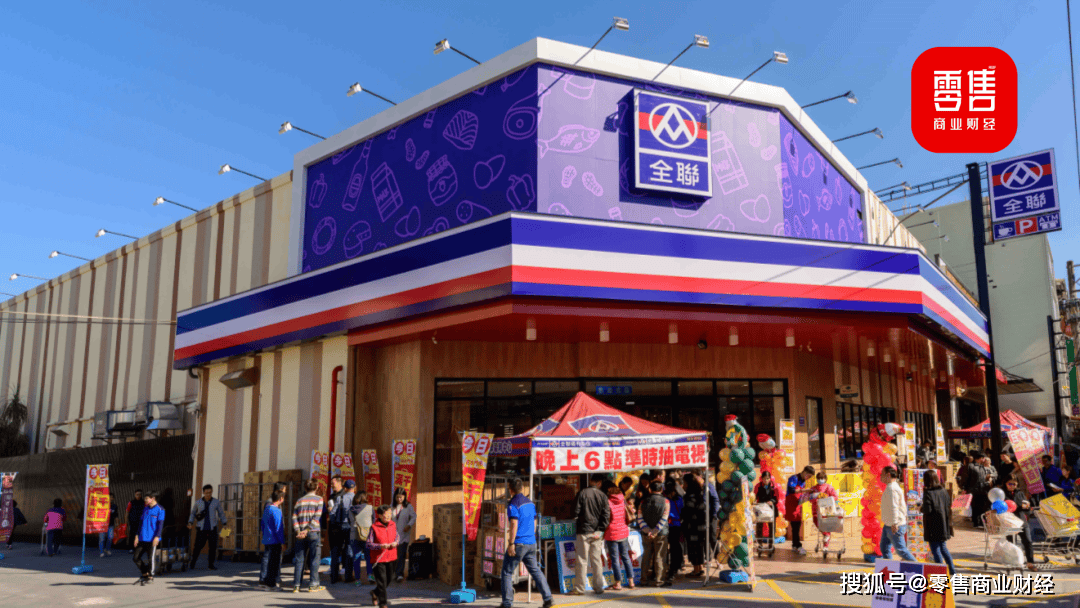
全联超市把折扣做成终身竞争力
Sou Hu Cai Jing· 2026-01-19 17:08
折扣可以是一种有效的生存策略,是切入市场、吸引初始用户的重要抓手,但它绝对不能成为企业的全部。 作者:王宪裕 编辑:鹤翔 出品:零售商业财经 ID:Retail-Finance 对正处于折扣浪潮中的大陆零售市场而言,全联的经验并不是一个可以直接复制的答案,而更像是一面镜子:它提醒我们,折扣不是终点,而是一条需要 被长期经营的路。 01 全联的折扣基因 若要理解全联今日的样貌,不能只从它现在"像不像一家现代化超市"来看,而必须回到它的起点"福利中心"。这段历史,往往被简化成背景说明,却恰恰 是全联策略演进中最关键的一块拼图。 近两年,大陆零售市场最显著的变化,莫过于"折扣"从边缘选项稳步走向舞台中央。从硬折扣超市、社区折扣店到主打极致性价比的新型渠道,各类折扣 业态均在加速扩张。价格,再度成为消费者做出选择时最直接、也最有力的语言。 然而,当折扣逐渐成为一种"主流策略",新的行业命题也随之而来:折扣业态能否长期存在?又该如何避免陷入只剩价格、却缺乏韧性的竞争循环? 在此背景下,回望中国台湾的零售市场,全联的案例极具启发性。 如今的全联已是台湾最具代表性的超市品牌,但回溯其发展起点,却并不光鲜。全联的前身是"福利 ...
物美超市供货量环比增10%
Bei Jing Shang Bao· 2026-01-17 14:17
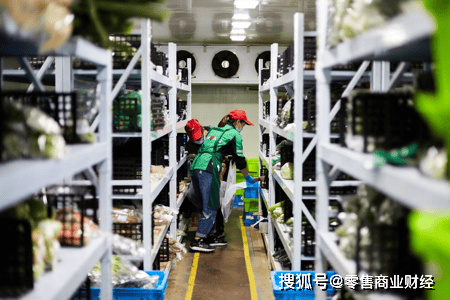
Core Viewpoint - The company utilizes AI-driven supply chain management to enhance inventory levels and maintain stable prices amid adverse weather conditions [1] Group 1: AI and Supply Chain Management - The company has implemented an AI intelligent replenishment system to accurately predict changes in consumer demand, leading to a 10% increase in supply compared to the previous period [1] - The system analyzes multiple factors, including snowfall intensity, prolonged low temperatures, pre-holiday consumption habits, and historical data to ensure efficient restocking [1] Group 2: Market Demand and Inventory Strategy - The company has activated an emergency replenishment mechanism in response to immediate storage needs caused by snowfall and the traditional winter storage habits of northern consumers, along with the pre-holiday stocking trend [1] - The company has initiated a "reserve" mode to ensure both immediate consumption needs and adequate stock for ongoing low-temperature weather, thereby maintaining supply-demand balance [1] Group 3: Future Outlook - The company plans to continuously monitor weather changes and market dynamics leading up to holidays to adjust inventory levels accordingly [2]
叮咚买菜连开两城;沃尔玛联名小红书开“玛薯店”
Sou Hu Cai Jing· 2026-01-16 18:59
Group 1: Dingdong Maicai Expansion - Dingdong Maicai has accelerated its market penetration by opening new warehouses in Taizhou and Yancheng, Jiangsu, enhancing its fresh food delivery services [1] - The platform launched a "True Assurance Fish" series during the Spring Festival, offering free processing services and over 300 low-GI and organic products [1] - The new warehouses will leverage the existing supply chain capabilities validated in the Jiangsu-Zhejiang-Shanghai region, focusing on differentiated competition in the fresh food sector [1] Group 2: Walmart and Xiaohongshu Collaboration - Walmart has partnered with Xiaohongshu to launch a co-branded retail experience called "Mashi Store" in Shenzhen, featuring over ten new products [2] - The collaboration emphasizes simple ingredients and fresh experiences, utilizing Walmart's global supply chain and Xiaohongshu's community insights for product development [2] - This initiative represents Walmart's innovative approach in the instant retail sector, combining online and offline channels to engage younger consumers [2] Group 3: Linli Tea Brand Financing - Linli, a lemon tea chain, has secured tens of millions in Series A funding, with a valuation nearing 1 billion [4] - The funds will be allocated for brand development, supply chain upgrades, and organizational optimization, as the brand aims to strengthen its supply chain capabilities [4] - Linli plans to expand its product matrix and enhance its emotional connection with consumers through a "tea + IP" model [4] Group 4: Meituan Black Pearl Restaurant Guide Expansion - Meituan's Black Pearl Restaurant Guide will expand to four new cities in 2026, including Nantong, Qingdao, Shijiazhuang, and Shenyang [5] - The new cities will help explore local culinary landmarks and representative restaurants, with the updated list to be released on January 27 [5] - The Black Pearl Guide has been increasing its city coverage annually since 2023, aiming to grow from 19 to 32 cities by 2026 [5] Group 5: Hema Fresh Store Openings - Hema Fresh has opened its first store in Shanxi, covering over 4,000 square meters with more than 7,000 product offerings [7] - The brand's community supermarket, "Chao He Suan NB," is set to open two new locations in Dongguan on January 23, 2026 [7] Group 6: New Product Launches - San Yuan Dairy has introduced a new "Beijing Yogurt" line with four flavors, emphasizing natural ingredients and high protein content [11] - The new yogurt products are available for purchase on JD.com, priced at 29.9 yuan for a pack of four [11] Group 7: Corporate Developments - China Resources Beverage has appointed a new executive director and chairman, with Gao Li taking over leadership roles [14] - The company has established a stable governance system and operational resilience to adapt to market cycles [12]




华润万家天津调改首店即将开
Xin Lang Cai Jing· 2026-01-16 17:04
Group 1 - The core idea of the article is the grand reopening of the upgraded CR Vanguard store in Tianjin, emphasizing a "quality life" concept with over 80% of the products being newly refreshed [1] - The newly renovated store is located on the B1 level of the Tianjin Jinnan Wuyue Plaza and retains local star products while introducing national specialty items [1] - CR Vanguard plans to open another store at Meijiang Huanyu City on January 29 and will also add a new location at CapitaMall Tianjin Bay later this year [1]