
餐饮

Search documents
袁记云饺泰国二店开业,海外已落子15店
Xin Lang Cai Jing· 2026-02-09 10:02
Core Insights - Yuanji Yunjiao has opened its second store in Thailand in mid-January, expanding its overseas presence to a total of 15 stores [1] - The first store in Thailand primarily focused on market exploration and team training, while the second store targets mainstream consumer scenarios in a high-traffic shopping mall [1] - The average revenue since the opening of the second store has exceeded 40,000 Thai Baht, nearly doubling the first store's opening day revenue [1]
河南方城:便捷交通赋能乡村振兴提质增效
Zhong Guo Jing Ji Wang· 2026-02-09 09:57
Core Insights - The article highlights the successful integration of transportation infrastructure improvements with agricultural development in Guzhuangdian Town, Henan Province, leading to increased efficiency and economic benefits for local farmers [1][2] Group 1: Agricultural Development - The town has established 44,000 acres of high-standard farmland and developed a 3,500-acre fruit and vegetable picking garden, enhancing the online sales channels for quality agricultural products [2] - The steel onion cultivation area in Cangli Village has reached hundreds of acres, becoming a key industry for local economic growth [2] - The introduction of modern agricultural practices, including the use of over 100 facility agriculture greenhouses, has led to the successful staggered planting and marketing of crops like tomatoes and peppers, ensuring year-round income from the land [2] Group 2: Transportation Infrastructure - The completion of the G345 line reconstruction has significantly reduced travel time from the county seat to the town from 40 minutes to 15 minutes, facilitating better access for external buyers [1] - The new road network has decreased logistics costs for agricultural products by approximately 30%, improving the efficiency of transporting fresh produce to markets [1] - The ongoing investment in rural road construction has resulted in the new and upgraded rural roads totaling 3,291.32 kilometers, providing strong support for the development of specialty agriculture [2] Group 3: Economic Impact - The improved transportation has stimulated the growth of the "road economy," with service industries such as dining, lodging, and auto repair clustering along the new routes [1] - The integration of transportation and agricultural development has created a virtuous cycle, promoting both economic growth and rural revitalization [2] - The town's approach to combining agriculture with tourism and leisure activities is seen as a model for rural economic development, leveraging local resources for broader economic benefits [2]
贾国龙卸任西贝控股公司法定代表人!此前深陷“闭店”风波
Nan Fang Du Shi Bao· 2026-02-09 09:57
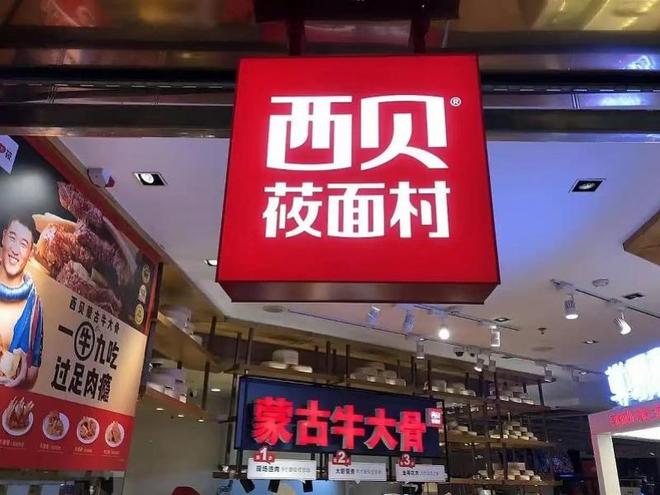
Group 1 - The company Beijing Xibei Niuxiao Catering Management Co., Ltd. has undergone a name change to Beijing Beiniao Catering Management Co., Ltd. and the founder Jia Guolong has resigned from his positions as legal representative, manager, and director [1][3] - The company has 12 subsidiaries that are currently in a state of cancellation, indicating significant operational challenges [1][3] - The new company name's business scope includes catering management, enterprise management, and food sales (only pre-packaged food) [3] Group 2 - A recent report indicated that Xibei plans to close 102 stores, which accounts for 30% of its total outlets, resulting in over 4,000 employees facing unemployment [3] - Jia Guolong confirmed the accuracy of the information regarding the store closures and assured that all departing employees would receive their full wages, and customer prepaid cards would remain valid at other locations [3]

太平洋证券:给予小菜园“买入”评级 探索新业务模式
Zhi Tong Cai Jing· 2026-02-09 09:56
Core Viewpoint - The company is expected to achieve net profits of 716 million, 910 million, and 1.143 billion yuan from 2025 to 2027, with year-on-year growth rates of 23%, 27%, and 26% respectively, indicating strong growth potential [1] Group 1: Joint Venture and Business Expansion - The company announced the establishment of a joint venture, holding a 70% stake, focusing on four main sectors: (1) omnichannel e-commerce + local life; (2) supply chain business; (3) quality lifestyle stations (small stores); and (4) fourth-party distribution business [1][2] - The joint venture aims to leverage supply chain and digital capabilities to explore new curves in dining and retail, enhancing brand reach and revenue elasticity in the medium term [2] Group 2: Operational Adjustments - The company has proactively adjusted its business model by reducing the proportion of takeaway orders and lowering prices on core dishes, which has decreased the takeaway revenue share from nearly 40% to about 30%-35% [3] - This strategy aims to optimize customer structure and dining experience, leading to a healthier "quality-price ratio" path for the business model [3] Group 3: Store Network and Regional Expansion - By the end of 2025, the company plans to have over 810 stores, with a net increase of over 143 stores compared to the end of 2024, and aims for approximately 1,000 stores by 2026 [4] - The expansion strategy includes both densifying existing areas and gradually entering new regions, with a clear national layout characterized by high density in East and Central China [4]

太平洋证券:给予小菜园(00999)“买入”评级 探索新业务模式
智通财经网· 2026-02-09 09:54
Core Viewpoint - Pacific Securities forecasts that Xiaocaiyuan (00999) will achieve net profit attributable to shareholders of 716 million yuan, 910 million yuan, and 1.143 billion yuan for 2025-2027, with year-on-year growth rates of 23%, 27%, and 26% respectively, and expects EPS of 0.61 yuan, 0.77 yuan, and 0.97 yuan for the same period, with PE ratios of 15X, 12X, and 9X respectively, maintaining a "Buy" rating due to the company's rapid store expansion and proactive adjustments [1] Group 1: Joint Venture and Business Expansion - The company announced the establishment of a joint venture, in which Xiaocaiyuan holds a 70% stake, focusing on four main areas: (1) omnichannel e-commerce + local life; (2) supply chain business; (3) quality lifestyle stations (small stores); and (4) fourth-party distribution business, aiming to explore new business formats, models, and products during operations [1][2] - The joint venture is expected to enhance brand reach and revenue flexibility in the medium term, while short-term focus should be on the pace of implementation and efficiency of input-output [2] Group 2: Operational Adjustments - The company has proactively adjusted its business model by reducing the proportion of takeaway orders and lowering prices for core dishes, decreasing takeaway revenue share from nearly 40% to about 30%-35%, with an average order value of approximately 70 yuan, which may temporarily suppress same-store sales, revenue, and profits, but aims to optimize customer structure and dining experience [3] - This adjustment is expected to lead to a healthier "quality-price ratio" path for the business model [3] Group 3: Store Network and Regional Expansion - By the end of 2025, the company plans to have over 810 stores, a net increase of over 143 from the end of 2024, with a target of approximately 1,000 stores by 2026, all adopting a direct-operated model [4] - The expansion strategy includes both densifying existing areas and gradually entering new regions, with a clear national layout characterized by high density in East and Central China, including core areas such as Jiangsu (267 stores), Anhui (144 stores), and Shanghai (78 stores), while also entering regions like Beijing-Tianjin-Hebei, Shandong, and Hubei [4]
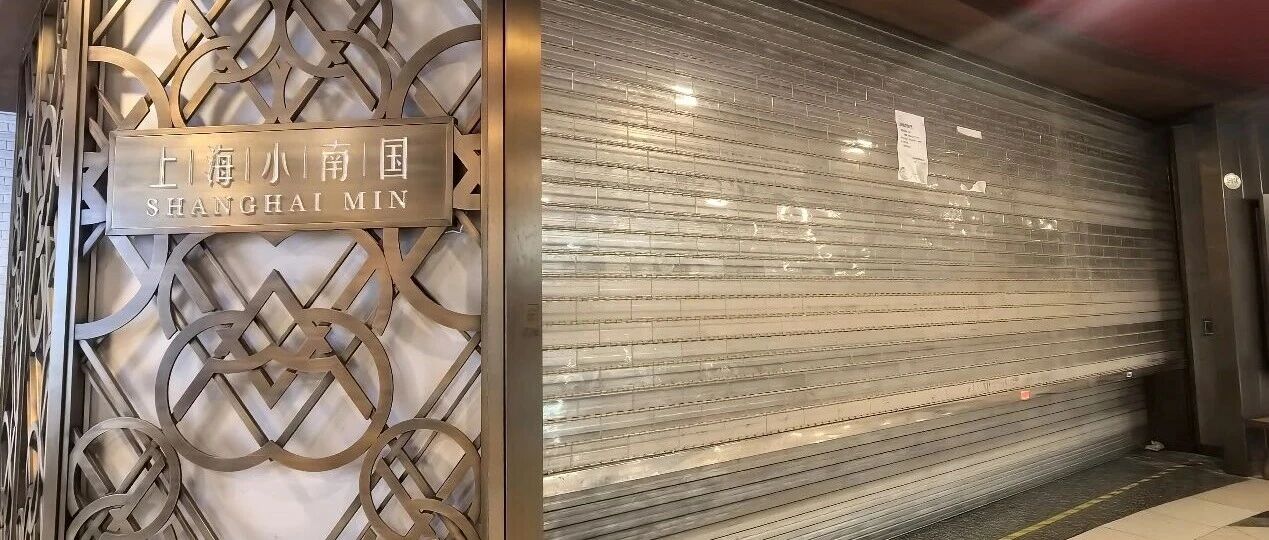
小南国上海多家门店突然闭店 公司官网电话全为空号
Xin Lang Cai Jing· 2026-02-09 09:46
Core Viewpoint - The well-established restaurant brand Xiao Nan Guo has faced sudden closures of its Shanghai locations, leading to consumer complaints regarding unrefundable deposits and stored value card balances [1][2]. Company Overview - Xiao Nan Guo is a core restaurant brand under Shanghai Xiao Nan Guo Holdings Limited [1][2]. Operational Challenges - Prior to the closure incidents, the company was already experiencing operational difficulties, projecting a loss of approximately 85 million yuan for 2024 and an additional loss of about 18.25 million yuan for the first half of 2025 [1][2]. Communication Issues - Attempts to contact Xiao Nan Guo through the official website's listed phone numbers, including those for the Shanghai headquarters, Hong Kong office, investor relations, and media relations, were unsuccessful, with all numbers either not connecting or indicating they were invalid [1][2].
突然集体闭店,老牌本帮菜何以黯然退场?丨实探上海小南国沪上门店
证券时报· 2026-02-09 09:19
Core Viewpoint - Shanghai Xiao Nan Guo has sold eight restaurants and is undergoing significant operational challenges, leading to the closure of all its Shanghai locations, indicating a desperate attempt to survive in a declining market [1][2][12]. Group 1: Company Performance and Actions - On February 9, 2023, all Shanghai Xiao Nan Guo restaurants were found closed, with the stock price dropping by 2.78% to HKD 0.035 per share, reflecting a significant decline from its peak price of HKD 1.72, a drop of approximately 98% [2][21]. - The company reported revenues of CNY 4.51 billion and CNY 3.14 billion for 2023 and 2024, respectively, with losses of CNY 47.17 million and CNY 85.05 million for the same years [19]. - The closure of restaurants is attributed to unpaid employee wages, with reports of a collective strike by chefs due to wage issues [17][19]. Group 2: Market and Industry Context - The traditional mid-to-high-end dining sector, particularly in Shanghai, is experiencing a decline in consumer willingness to spend, leading to structural pressures on businesses like Xiao Nan Guo [3][20]. - The company’s business model is seen as outdated, with high operational costs and a lack of innovative product offerings contributing to its struggles [20][21]. - The closure of Xiao Nan Guo's restaurants may trigger a reevaluation of sustainability within the traditional dining sector, prompting other businesses to reconsider their strategies in light of rising costs and changing consumer preferences [23][24].
开鲁县举办年货节促消费活动惠民生
Sou Hu Cai Jing· 2026-02-09 09:13
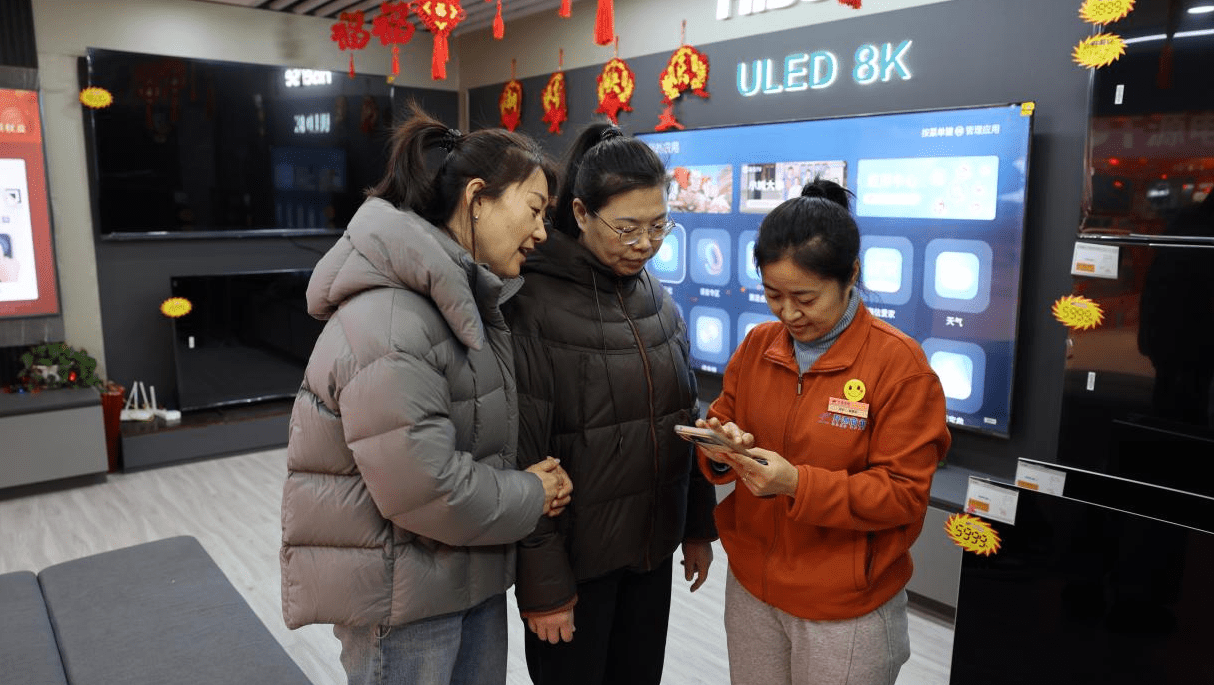
Core Viewpoint - The "Shenghui National · Yuegao Tongliao" consumption promotion initiative in Kailu County, Tongliao City, Inner Mongolia aims to stimulate consumer spending and enhance the local economy through various promotional activities and government subsidies [1][4]. Group 1: Consumption Promotion Activities - The initiative includes a series of promotional activities such as discounts and rebates across various sectors including food, retail, and household appliances to meet the demand for New Year goods [2][4]. - The opening of the "Shenghui National · Yuegao Tongliao" event has led to a surge in consumer interest, with local residents actively purchasing discounted items, such as televisions benefiting from government subsidies [1][2]. Group 2: Business Participation and Strategy - Local businesses, including Kaiyuan Commercial City, are collaborating to offer significant discounts and ensure product quality, thereby enhancing consumer confidence and satisfaction [4][8]. - The initiative is part of a broader strategy by the central and local governments to prioritize consumption as a key area of focus for economic development, with plans for ongoing promotional activities throughout the year [4][8]. Group 3: Community Engagement and Cultural Integration - The year-long consumption promotion will feature various events such as the Beer and Food Festival and cultural tourism seasons, aimed at creating a vibrant community atmosphere and fulfilling diverse consumer needs [8]. - The initiative seeks to integrate cultural and entertainment activities with consumption promotion, fostering a holistic approach to community engagement and economic growth [4][8].
鹏华基金张羽翔:双节催热旅游消费 港股新消费赛道景气度持续抬升
Zhong Guo Jing Ji Wang· 2026-02-09 08:58
Group 1 - The domestic consumption market is entering a "golden window period" with the upcoming 2026 winter and Spring Festival holidays, creating a favorable environment for consumer recovery [1] - The Penghua Hong Kong Consumption ETF (159265) is highlighted as a quality tool product that tracks the National Index of Hong Kong Stock Connect Consumer Theme Index, focusing on high-growth new consumption sectors and covering leading consumer stocks [1] - The Ministry of Commerce and nine other departments have launched the "2026 'Happy Shopping New Year' Special Activity Plan," which aims to expand subsidies for replacing old consumer goods and strengthen support for offline retail, signaling a clear push for consumption [1] Group 2 - The liquor sector, which plays a crucial role in consumption, is expected to see valuation recovery driven by stable wholesale prices, with predictions of significant price increases in 2026 similar to the trends observed in 2014 [1] - The Hong Kong Stock Connect consumption sector is noted for its resilience in the current market environment, with a focus on fundamental performance and long-term investment value [2] - The National Index of Hong Kong Stock Connect Consumer Theme Index includes 50 liquid and large-cap consumer stocks, emphasizing a higher "purity" of consumer assets and comprehensive coverage of Hong Kong's unique consumption trends [2] Group 3 - The index includes major companies that represent consumption upgrade trends, such as Pop Mart, Yum China, Nongfu Spring, and Anta Sports, which are expected to benefit from domestic demand recovery and demonstrate long-term competitiveness in digitalization, brand upgrading, and globalization [2]
集智聚力 广东多市探索高质量发展新路径
Xin Hua Wang· 2026-02-09 08:56
Group 1: Economic Development and Industrial Strategy - Guangdong is focusing on enhancing its advanced manufacturing industry and developing new emerging industries to inject new momentum into high-quality economic development [1] - Dongguan is committed to manufacturing as its core, leveraging its position in the Guangdong-Hong Kong-Macao Greater Bay Area to promote traditional industry upgrades through new technologies [1] - Zhanjiang has established a "four greens and one blue" industrial system, with green petrochemicals and modern agriculture both exceeding 100 billion yuan in annual output value, serving as core economic engines [2] Group 2: Technological Innovation and New Productivity - Guangdong's economy is characterized by a strong foundation, resilience, and potential, with advantages in industrial infrastructure and technological innovation [2] - Shaoguan is prioritizing the development of big data and computing power industries, aiming to support the transformation of traditional industries and foster new industrial clusters [3] - Huizhou has achieved significant economic growth, crossing the 500 billion yuan and 600 billion yuan thresholds, and is focusing on artificial intelligence and robotics to enhance its manufacturing capabilities [3] Group 3: Cultural and Urban Development - Zhaoqing aims to enhance its cultural heritage and create a vibrant city by promoting the protection and innovative development of traditional culture [4] - Chaozhou is leveraging its rich cultural history to develop a diverse consumption scene, aiming to attract tourists and enhance its cultural identity [4]