茶饮

Search documents
小红书从“生活指南”到“兴趣社区”背后,品牌升级的水有多深?
3 6 Ke· 2025-07-31 03:40
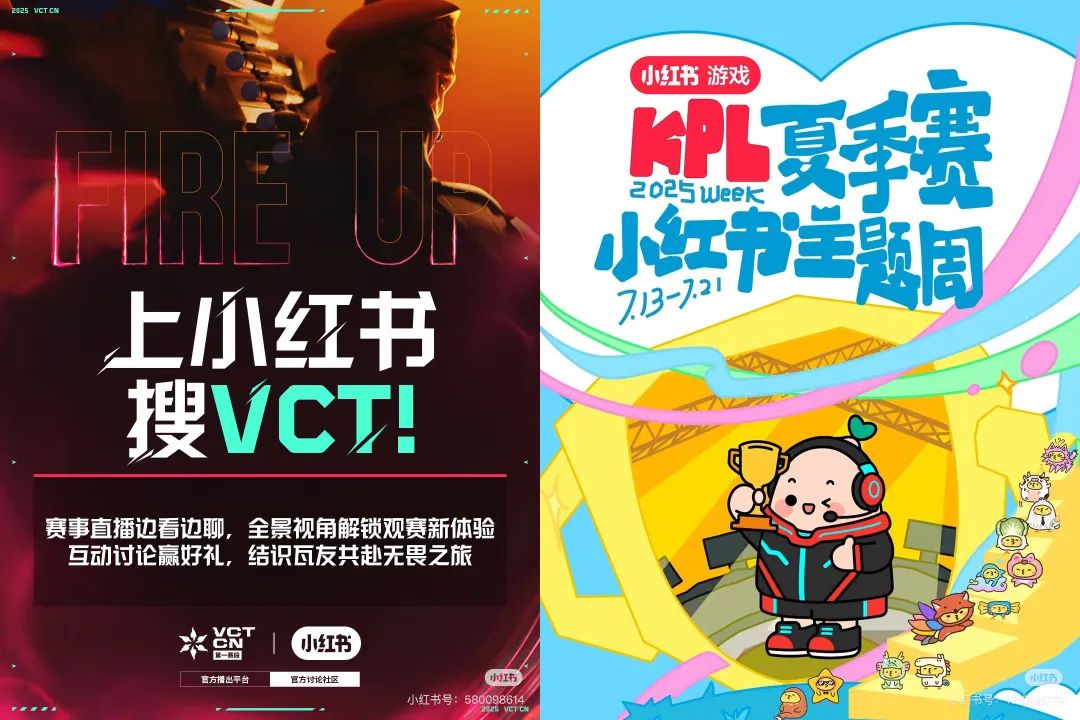
Core Viewpoint - Xiaohongshu's rebranding from "Your Life Guide" to "Your Life Interest Community" signifies a strategic shift towards a more community-driven platform, reflecting the evolving needs of users who seek shared interests and emotional resonance rather than just information retrieval [1][2][4] Summary by Sections Brand Strategy Shift - The change in slogan indicates a broader brand strategy upgrade, moving from a utilitarian information platform to a vibrant interest-based social community [1][2] - The term "interest" expands the content categories on the platform, while "community" reflects a shift from one-way information delivery to co-creation [1][2] Content Ecosystem Expansion - Xiaohongshu has actively expanded its content ecosystem, particularly targeting younger audiences with a focus on gaming and anime, resulting in a 168% increase in gaming-related posts and a 175% surge in anime content [2][4] - Collaborations with esports leagues and the hosting of events like "RED LAND" demonstrate Xiaohongshu's commitment to becoming a hub for interest-based social interaction [4] Drivers of Brand Upgrade - The need for brand upgrades is driven by three main engines: the necessity to break through growth ceilings, adapt to changing consumer preferences, and align with strategic transformations [4][5][8] - As markets become saturated, brands must refresh their images to attract new consumer segments, as seen with Xiaohongshu's shift to appeal to Gen Z [8][10] Consumer Engagement - The brand's transformation is also a response to the evolving preferences of younger consumers who prioritize community and shared interests over mere information [8][10] - Successful brand upgrades require deep communication with consumers, ensuring they understand the reasons behind changes and feel involved in the process [15][16] Strategic Alignment - Brand upgrades should be strategically driven rather than superficial, necessitating a coherent strategy that aligns with the brand's new identity [14][15] - Examples like Starbucks and Meta illustrate how strategic shifts necessitate corresponding brand upgrades to support new business directions [10][14] Conclusion - As competition intensifies, brand upgrades are becoming essential for many companies, with those that balance change and continuity, engage authentically with consumers, and follow strategic guidance likely to thrive [16]

日均营收2万+,连续霸榜11个月,江浙沪又跑出“区域黑马”
3 6 Ke· 2025-07-31 03:06
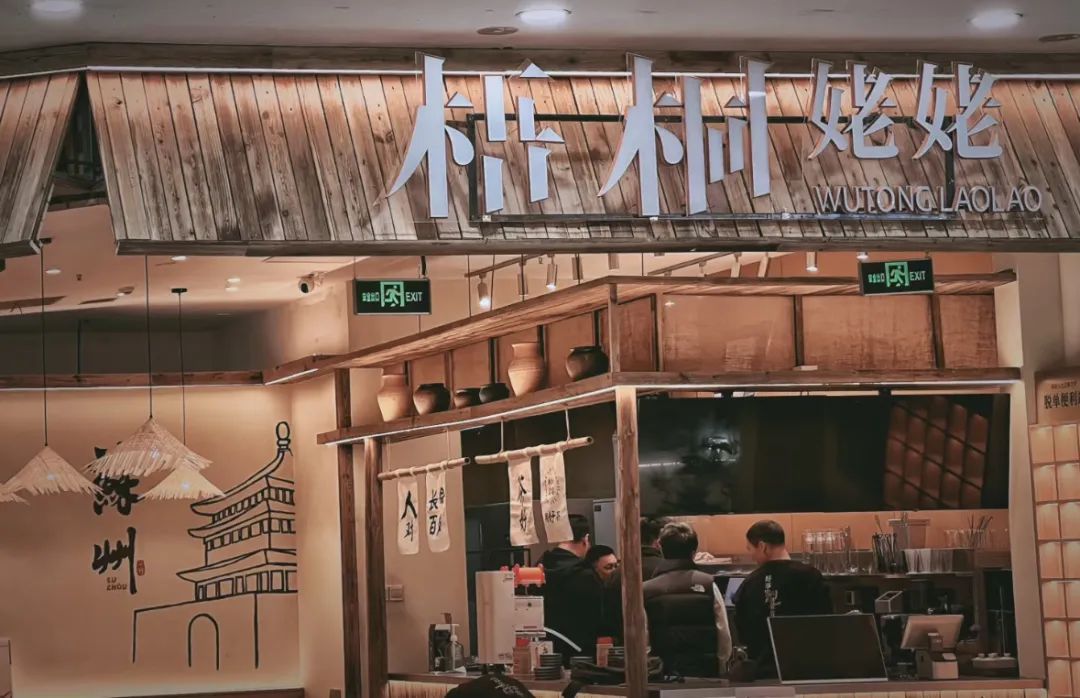
Core Insights - The article highlights the rapid growth and success of the tea brand "梧桐姥姥" in the competitive Jiangsu-Zhejiang-Shanghai region, achieving significant sales milestones and expanding into new cities [1][3][5] Company Performance - "梧桐姥姥" has opened approximately 50 stores in Suzhou and has expanded to cities like Shanghai, Nanjing, and Fuzhou in 2023, with some stores achieving monthly revenues exceeding 600,000 yuan [3][5] - The brand's Shanghai store achieved a daily revenue of over 30,000 yuan shortly after opening, with plans for additional locations already underway [5][6] Marketing Strategy - The brand adopts a unique marketing approach, focusing on product quality rather than traditional advertising, with no dedicated marketing department and minimal ad spending [6][10] - "梧桐姥姥" emphasizes product transparency and quality, using high-quality ingredients and innovative recipes to drive customer loyalty and repeat purchases [8][11] Cultural Positioning - The brand leverages its Suzhou cultural heritage, incorporating local elements into its branding and product offerings, which resonates well with consumers [16][18] - The emotional connection created through branding, such as the use of familiar terms and culturally relevant themes, enhances customer engagement [12][14] Industry Trends - The article notes a broader trend of regional tea brands successfully expanding beyond their local markets, with many brands achieving impressive results despite having fewer than 100 stores [19][21] - The current market environment favors brands that can effectively communicate cultural narratives and emotional value, suggesting a potential shift in consumer preferences towards more localized and culturally rich offerings [22][23]
续写420万杯热销荣光!益禾堂当季阳光玫瑰青提系列焕新登场
Zhong Guo Shi Pin Wang· 2025-07-31 02:54
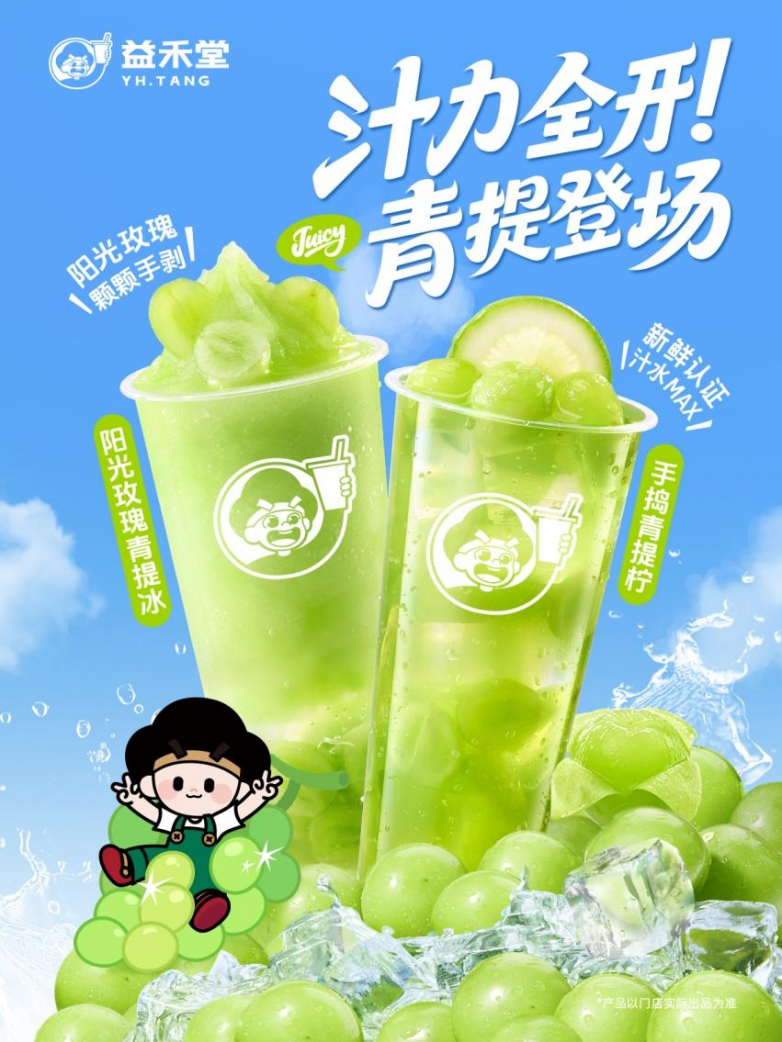
热浪翻滚,暑气蒸腾,一杯清爽、高颜值、充满真实果感的饮品成为消暑解渴的首选。在备受追捧的夏季果茶 阵营中,象征着盎然生机与沁心凉意的青提元素,凭借其独特的脆甜口感和赏心悦目的青翠色泽,始终稳坐经 典宝座。 两款王牌,以真材实料与匠心工艺,成为今夏益禾堂清爽果茶的颜值与实力担当,也共同定义了酷暑时期果茶 的鲜爽标准。 02热销基因再进化!积淀420万杯热爱焕新领潮 响应这份夏日"渴"求,益禾堂旗下口碑爆款阳光玫瑰青提系列已于7月10日焕新升级,全面上市!严选当季品 质上乘、爆汁脆甜的阳光玫瑰青提,携两款明星力作——阳光玫瑰青提冰与手捣青提柠重磅回归,为消费者带 来视觉与味觉的双重"青"新盛宴,瞬间激活夏日活力。上市首日即引发消费热潮,售出超12万杯,反响热烈! 01当季鲜果爆汁×手作升级,解锁今夏至鲜脆甜 果茶赛道竞争白热化,各家都在绞尽脑汁"玩出花样",力求在细分品类中站稳脚跟。益禾堂深谙此道,本次升 级的核心在于死磕原料与工艺,确保每一杯都饱含当季阳光玫瑰青提的爆汁脆甜精髓。 系列包含两款人气之作,各具特色: 益禾堂阳光玫瑰青提冰将新鲜现制的阳光玫瑰青提与绵密冰沙浑然交融,齿尖轻触,脆嫩果肉瞬时迸发清甜汁 ...
包装越小,生意越大?拆解食品饮料“迷你化”的产品逻辑
3 6 Ke· 2025-07-31 00:19
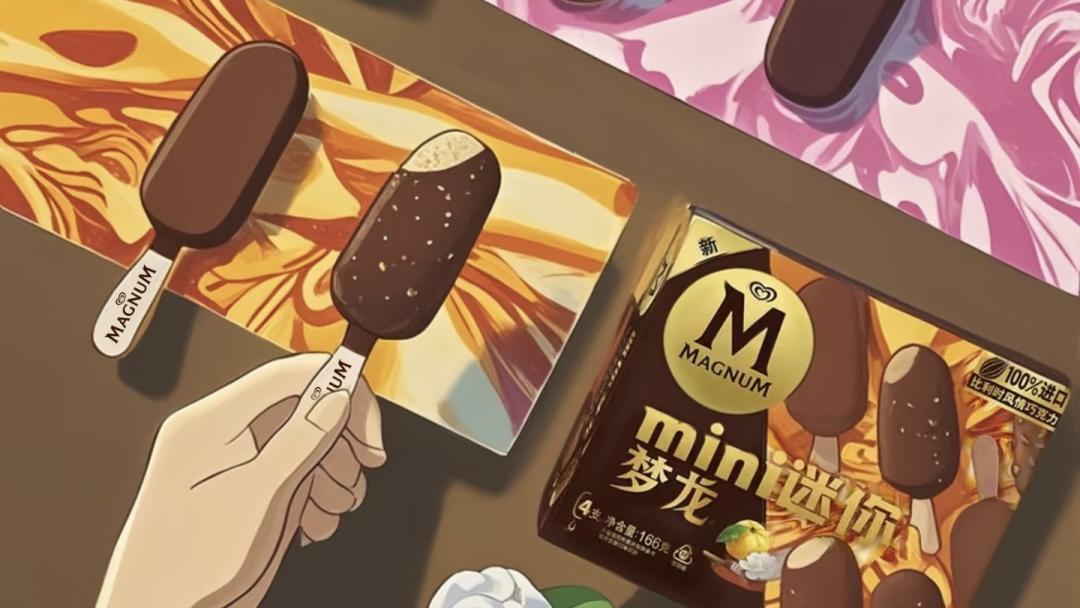
规格是食品饮料重要的产品策略之一。 我们分析过东方树叶的产品规格策略,通过三次产品规格的升级(330ml、900ml和1.5L装),不断巩固自己在无糖茶市场的龙头地位。我们也写过,即饮 咖啡近一年走红的9.9元/1升的产品,是通过包装和价格的性价比优势,来争夺过去被外卖抢走的咖啡消费市场份额。 饮料规格很多都是越变越大,相反的是,冰淇淋却越来越"迷你"了。不仅越卖越小,小雪糕还在努力地"成团",经常以"mini多支装"的组合出现,吸引消 费者的注意。 "变小"不只是在冰淇淋行业,货架上的薯片、啤酒、方便面也悄悄加入,和大瓶装饮料的性价比不同,小包装的食品正在卷起行业另外一种"精致萌"的潮 流。 一、"小"趋势从何而来? 伊利旗下的巧乐兹,在2019年推出了mini的巧乐兹小V筒,开始布局迷你类冰品的细分市场。而甜筒冰淇淋的代表可爱多,推出迷你版的时间更早,在 2017年就已经推出。 根据我们的观察,更多品牌的加入是在最近几年,单支份量显著缩小,取而代之的是多支装的组合产品。 梦龙在2023年4月推出迷你梦龙,将单支雪糕的克重从65g减少为42g左右,一上市便受到欢迎。随后,和路雪旗下品牌千层雪,也加入"迷你家 ...
好想你跨界做啤酒生意
Bei Jing Shang Bao· 2025-07-30 16:40
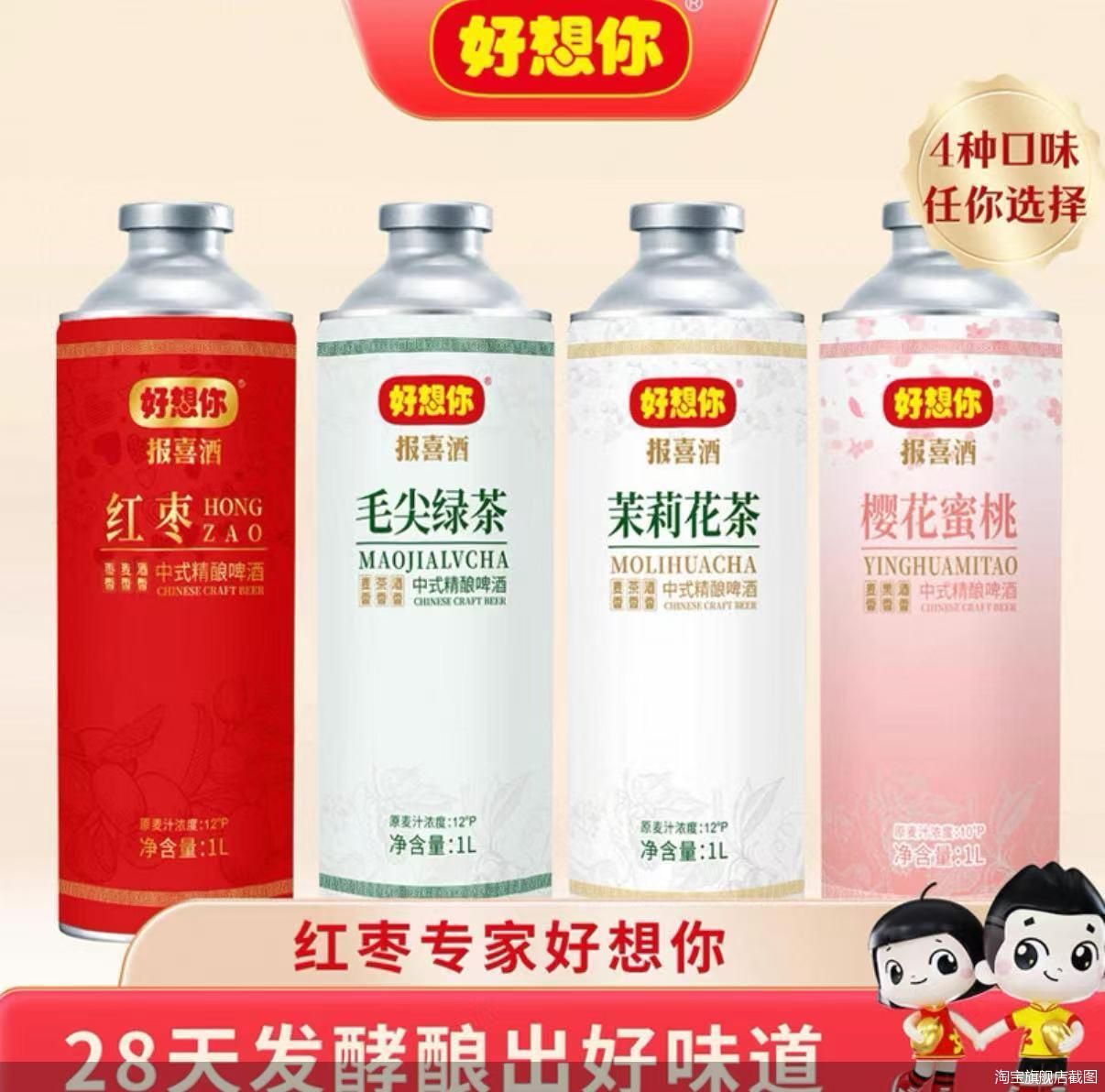
Core Viewpoint - The company "Hao Xiang Ni" is diversifying into the craft beer market, launching a series of flavored beers in response to declining performance in its core business [1][2][4]. Group 1: Company Background and Performance - Founded in 1992, "Hao Xiang Ni" specializes in the research, procurement, production, and sales of health foods, particularly red dates [2]. - The company was the first in the Chinese red date industry to go public in 2011, experiencing significant revenue growth from 2.072 billion yuan in 2016 to 5.961 billion yuan in 2019 [2]. - However, after selling its subsidiary "Bai Cao Wei" to PepsiCo in 2020, the company has faced consecutive years of losses, reporting losses of 189 million yuan, 52 million yuan, and 72 million yuan from 2022 to 2024 [2][3]. Group 2: New Product Launches and Market Strategy - "Hao Xiang Ni" has launched a new series of craft beers, including flavors like red date, green tea, jasmine tea, and peach blossom, set to be released in late May 2025 [1]. - The craft beer products will be sold online at prices of 28.1 yuan per liter, primarily through the company's official flagship stores [1]. - The company has also ventured into other sectors, such as tea beverages and snack foods, indicating a strategy to find new growth points amid declining performance [1][4]. Group 3: Market Trends and Consumer Insights - The craft beer market is experiencing growth, driven by trends in self-indulgent consumption and an increase in female consumers [5]. - The introduction of flavored craft beers aligns with market trends, although similar products are already prevalent [5]. - The company's focus on diverse product offerings reflects a sense of urgency to identify new growth avenues, but there are concerns about the coherence of its diversified strategy [5].


霸王茶姬上涨2.08%,报23.59美元/股,总市值43.30亿美元
Jin Rong Jie· 2025-07-30 14:26
7月30日,霸王茶姬(CHA)盘中上涨2.08%,截至22:01,报23.59美元/股,成交318.64万美元,总市值 43.30亿美元。 财务数据显示,截至2025年03月31日,霸王茶姬收入总额33.93亿人民币,同比增长35.35%;归母净利 润6.79亿人民币,同比增长14.24%。 资料显示,茶姬控股有限公司是一家在开曼群岛注册成立的境外控股母公司,主要通过其境内实体子公 司北京茶姬餐饮管理有限公司运营。其子公司运营的CHAGEE霸王茶姬是一家领先的优质茶饮品牌,提 供健康美味的新鲜茶饮。 本文源自:金融界 作者:行情君 ...
非遗茶饮爆红背后:一杯荔枝冰酿如何撬动Z世代消费市场
Sou Hu Cai Jing· 2025-07-30 12:50
Core Insights - The "Lychee Ice Brew" from "Grandpa Doesn't Brew Tea" has become a summer sensation, achieving over 80 million topic views on Weibo in a single day, indicating a significant shift in the tea beverage market [1] - The product's success is attributed to the integration of intangible cultural heritage (ICH) and emotional value, reshaping the competitive landscape of the tea industry [1] Group 1: Product and Sales Performance - The "Lychee Ice Brew" incorporates the ICH of Hubei Xiaogan rice brewing techniques, with cumulative sales reaching 38 million cups since its launch in 2018, and it is projected to become the top-selling rice brew milk tea in 2024, surpassing the combined sales of its competitors [2] - The use of unique ingredients, such as "Three Grain Inch" glutinous rice and special honeycomb yeast, provides a distinctive flavor that is difficult for industrial products to replicate [9] Group 2: Emotional Value and Market Trends - Emotional value has emerged as a key factor in the popularity of tea beverages, with products like the "Drunken Limited Edition" targeting young consumers' relaxation needs after work, leading to a significant increase in orders for alcoholic tea drinks after 8 PM [10] - The industry is evolving from focusing solely on taste to enhancing consumer experiences and emotional connections, as seen in various brands' strategies to cater to nighttime consumption [11] Group 3: Marketing and Consumer Engagement - "Grandpa Doesn't Brew Tea" has launched the "YE" series marketing activities to strengthen emotional connections, including tasting parties and pop-up stores, resulting in a 175% increase in orders during events [12] - The trend of "tea + lifestyle" collaborations is gaining traction, with other brands also engaging in cross-industry marketing to enhance customer engagement and boost sales [14] Group 4: Industry Competition and Future Directions - The competition in the tea industry is intensifying, with brands focusing on systematic operational capabilities, such as "Heytea" testing ICH tea workshops and "Naixue" planning eco-friendly packaging for ICH series [16] - The concept of deep consumer interaction, such as involving customers in the rice brewing process, is seen as a potential growth area as product homogenization increases [16]
推中式精酿啤酒,多元化会是好想你的良药吗?
Bei Jing Shang Bao· 2025-07-30 12:48
Core Viewpoint - The company "Hao Xiang Ni," known as the "King of Red Dates," is diversifying into the craft beer market by launching a series of flavored beers, aiming to find new growth opportunities amid ongoing financial losses [1][3]. Group 1: Company Overview - Founded in 1992, Hao Xiang Ni specializes in the research, procurement, production, and sales of health foods, including red dates and dried fruits. It became the first listed company in China's red date industry in 2011 [3]. - The company experienced significant revenue growth from 2016 to 2019, with revenue increasing from 2.072 billion to 5.961 billion yuan, and net profit also rising during this period [3]. - However, after selling its subsidiary Baicaowei to PepsiCo in 2020, the company has faced continuous losses, reporting losses of 189 million, 52 million, and 72 million yuan from 2022 to 2024 [3][4]. Group 2: Recent Developments - In an effort to improve performance, the company has focused on the "Red Date+" strategy, launching various health-oriented products, including the "Hong Xiaopai" red date snack, which achieved nearly 300 million yuan in sales in its first year [3][4]. - Despite these efforts, the health-oriented product line generated only 69 million yuan in revenue in 2024, a decline of 20.31% year-on-year [4]. - The red date product segment has also shown revenue fluctuations, with figures of 955 million, 1.311 billion, and 1.222 billion yuan from 2022 to 2024, reflecting a challenging market environment [4]. Group 3: Strategic Moves - The company has made several strategic investments, including a 30 million yuan investment in the Shenzhen Longzhu Equity Investment Fund, indirectly participating in the popular tea drink brand Mixue Ice City, which led to the launch of a red date milk tea product that sold 8 million cups in one month [5][6]. - In December 2024, the company announced a 700 million yuan investment in the snack brand Mingming Hen Mang, acquiring a 6.64% stake, which became its largest customer, contributing approximately 94 million yuan to annual sales [5]. - The recent entry into the craft beer market, with products featuring flavors like red date and green tea, aligns with current consumer trends, particularly targeting female consumers [6]. However, the company faces challenges in aligning its sales channels with the craft beer market, which typically relies on immediate retail and bar sales [6].
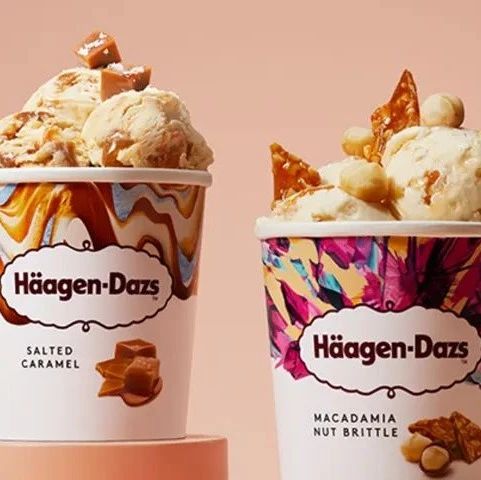
哈根达斯还是不够贵
创业邦· 2025-07-30 10:10
Core Viewpoint - Haagen-Dazs is facing significant challenges in the Chinese market, with declining sales and increased competition from both ice cream brands and new beverage categories like tea drinks. The brand's high-end positioning is becoming less sustainable as consumer preferences shift towards more affordable options [4][10][33]. Group 1: Market Performance - In the third quarter of the 2025 fiscal year, General Mills reported a 5% year-over-year decline in net sales, with Haagen-Dazs experiencing a double-digit percentage drop in customer traffic in China [10][11]. - Over the past five years, General Mills' related revenue has decreased from $820 million to $720 million [12]. - Haagen-Dazs once accounted for over 50% of General Mills' ice cream business revenue, but has since closed 81 stores nationwide, indicating a significant contraction [6][8]. Group 2: Competitive Landscape - The rapid expansion of Dairy Queen (DQ) and the aggressive pricing strategy of brands like Mixue Ice Cream have intensified competition, squeezing Haagen-Dazs' market share [7][8]. - New tea drink brands have emerged as formidable competitors, with their pricing strategies and marketing approaches drawing consumers away from traditional ice cream offerings [23][30]. - Haagen-Dazs has attempted to diversify its offerings by introducing coffee and yogurt products, but these efforts have not significantly improved its competitive position [28][36]. Group 3: Brand Positioning and Strategy - Haagen-Dazs has historically positioned itself as a luxury brand, with its double-scoop ice cream priced at $9.89 in China, the highest globally [14][16]. - The brand's strategy involved aligning with luxury brands and creating a premium in-store experience, but this approach is now challenged by the rise of more affordable alternatives [22][44]. - The brand's reliance on physical stores and high-end locations has become a liability as consumer preferences shift towards more casual and affordable dining experiences [19][31]. Group 4: Supply Chain and Operational Challenges - Haagen-Dazs faces high operational costs due to the need for cold chain logistics, which complicates its ability to compete with lower-cost tea drink brands [47][48]. - The brand's ice cream products have a short shelf life and require strict temperature controls, making it difficult to scale operations in the same way as tea brands [47][49]. - Despite attempts to boost retail and e-commerce channels, the inherent nature of ice cream as a product limits its online sales potential, with only 20% penetration in 2021 [35][36].

哈根达斯还是不够贵
36氪· 2025-07-30 09:11
Core Viewpoint - Haagen-Dazs is facing significant challenges in the Chinese market, with declining sales and increased competition from both ice cream brands and new beverage categories like milk tea, leading to a potential reevaluation of its business strategy in China [3][4][5][7]. Group 1: Market Performance - In the past year, Haagen-Dazs closed 81 stores nationwide, reflecting a struggle to maintain its market presence amid fierce competition [5]. - General Mills reported a 5% year-over-year decline in net sales for the third quarter of fiscal year 2025, with Haagen-Dazs experiencing a double-digit percentage drop in customer traffic in China [7]. - Over the past five years, General Mills' related revenue has decreased from $820 million to $720 million [9]. Group 2: Competitive Landscape - Haagen-Dazs is being squeezed not only by direct competitors like Dairy Queen (DQ) and Mixue Ice Cream but also by the rising popularity of milk tea brands, which have become significant competitors in the dessert space [5][19]. - The entry of new players like Heytea and Nayuki has shifted consumer preferences, leading to a decline in Haagen-Dazs' market share [24][25]. Group 3: Brand Positioning and Strategy - Haagen-Dazs has historically positioned itself as a premium brand, with the average price of a double scoop ice cream in China at $9.89, the highest globally [11][12]. - The brand's strategy included creating a luxurious in-store experience and leveraging gift-giving opportunities, such as the introduction of Haagen-Dazs mooncakes, which once accounted for 28% of its revenue in China [16]. - However, the brand's high-end positioning is now at risk as it competes with more affordable options from milk tea brands, which have successfully captured a larger consumer base [27][30]. Group 4: Operational Challenges - Haagen-Dazs has attempted to pivot towards retail and e-commerce channels, establishing a new division to integrate various sales channels, but faces challenges due to the low online penetration of ice cream sales [25][26]. - The brand's ice cream products are difficult to scale due to high supply chain costs and the need for strict temperature controls during transportation and storage [37][38]. - Despite promotional efforts, such as discounted coffee to attract customers, the core ice cream product line remains constrained in terms of pricing flexibility [36][39]. Group 5: Future Outlook - The brand's immediate challenge is to redefine its product offerings and pricing strategy to remain relevant in a market increasingly dominated by lower-priced competitors [43][44].