
电动自行车

Search documents
“一周没卖出去一辆”,新国标“电驴”遇冷
第一财经· 2025-12-11 16:01
Core Viewpoint - The transition period following the ban on old standard electric bicycles has led to a significant decline in sales of new standard electric bicycles, with consumers exhibiting a wait-and-see attitude due to concerns over product performance and pricing [3][4]. Market Conditions - Many electric bicycle dealerships report a sharp drop in sales, with some stores not selling any new standard electric bicycles in the first week after the ban, compared to previous sales of 6-7 units per day [3]. - The new standard electric bicycles are facing criticism for their higher prices, which have increased by 500 to 1000 yuan compared to old models, and for not meeting consumer needs, particularly in terms of seating capacity and performance [5][6]. Consumer Feedback - Consumers, including delivery riders and parents, are opting for second-hand old standard electric bicycles due to the new models' limitations, such as speed restrictions and inadequate seating for families [4][6]. - Specific concerns include the inability of new standard bicycles to meet the demands of delivery work and the lack of suitable models for families with children [4][5]. Industry Response - The China Bicycle Association has acknowledged the public's concerns regarding the new standards and indicated that some manufacturers are not adequately prepared for the new regulations, leading to misunderstandings among consumers [6][7]. - Major manufacturers like Yadea have issued apologies for the confusion surrounding their new models, clarifying that many of the criticisms stem from misinterpretations of the new standards [7][8]. Product Specifications - The new standards include safety features such as a speed limit of 25 km/h, which causes the bicycle to cut power, and restrictions on the use of plastic materials, which have raised questions about safety and practicality [6][7]. - Manufacturers are working to address these issues by developing models that cater to different consumer needs, including family-oriented designs [8].


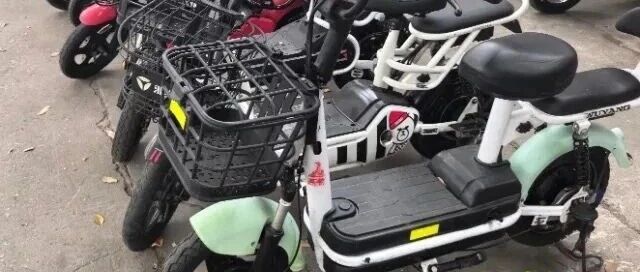
中央定调明年继续“国补” 具体政策将优化
Di Yi Cai Jing· 2025-12-11 14:16
商务部数据显示,今年1~11月,消费品以旧换新带动相关商品销售额超2.5万亿元,惠及超3.6亿人次。 其中,汽车以旧换新超1120万辆,家电以旧换新超12844万台,手机等数码产品购新补贴超9015万件, 电动自行车以旧换新超1291万辆,家装厨卫"焕新"超1.2亿件。 多位接受第一财经采访的专家表示,2026年"国补"额度可能在2025年基础上适度增加,并继续优化资金 投向领域,增加服务消费等,以进一步发挥财政资金带动消费,带动产业转型升级、提振经济。 (文章来源:第一财经) 所谓"两新"政策,是指大规模设备更新和消费品以旧换新政策。其中与老百姓利益直接相关的消费品以 旧换新政策又备受关注,被称为"国补"。此次会议明确2026年优化"两新"政策实施,意味着明年会继续 实施国补政策,但具体政策会有所优化。 为了促进消费,中国在2024年发行了1500亿元超长期特别国债资金用于消费品以旧换新,也就是老百姓 口中的"国补"。由于当年实施效果不错,2025年中国发行3000亿元超长期特别国债资金用于消费品以旧 换新,"国补"额度较2024年增长一倍。 "国补"政策也在不断优化。2025年"国补"领域在2024年基础 ...
“一周没卖出去一辆” 新国标“电驴”遇冷
Di Yi Cai Jing· 2025-12-11 12:52
Core Viewpoint - The market for electric bicycles is experiencing a transitional phase due to the new national standards, leading to low sales and consumer hesitation towards new models [1][2]. Group 1: Market Conditions - Many electric bicycle dealerships report a significant decline in sales, with some stores not selling any new standard models in the first week after the new regulations took effect [1]. - The introduction of new models has not yet resulted in increased consumer interest, as many potential buyers are opting for second-hand old standard bicycles instead [2]. - The new standard models are perceived to be more expensive, with prices increasing by 500 to 1000 yuan compared to old models, which is a deterrent for consumers [2][3]. Group 2: Consumer Feedback - Delivery riders express concerns that the new models, which cut power at speeds over 25 km/h, do not meet their work requirements [2]. - Parents with multiple children find that most new models only accommodate single riders, making them unsuitable for family use [2]. - There are complaints regarding the performance of new models, particularly in uphill scenarios where some bikes lack sufficient power [2]. Group 3: Industry Response - The China Bicycle Association acknowledges the public's concerns regarding the new standards and emphasizes that some criticisms stem from misunderstandings of the regulations [3][4]. - Manufacturers, including Yadea, have issued statements clarifying that many new models do include features for family use, such as rear seats, and that the concerns about safety and functionality are often based on misinterpretations [4][5]. - Yadea has apologized for the confusion caused by the rollout of their new models and is working to address consumer needs by introducing various versions of their products [5].
争议“小电驴”国标:我们是否准备好慢下来
Jing Ji Guan Cha Wang· 2025-12-11 12:18
宋馥李/文 围绕电动自行车"新国标"的争议,会对社会福祉带来什么样的增益? 其中最受关注的是对速度的限制。"新国标"明确规定电动自行车最高设计时速不得超过25公里,在非机 动车道行驶时不得超过15公里。限速新规引发了消费者强烈的吐槽。 中国已经是电动自行车生产销售大国。据中国自行车协会统计:2024年,中国自行车全行业总产量为 9953.7万辆,接近1亿辆。截至今年9月,中国电动自行车社会保有量约3.8亿辆,平均每4个人就拥有一 辆电动自行车。庞大的保有量,让我们随处可见电动自行车的身影。 与其保有量同步呈现的另一个情况是:因电动自行车肇事导致的交通事故占比持续攀升,这已经成为城 市交通安全的一个不容忽视的隐患。公安部道路交通安全研究中心的数据显示,在2024年,电动自行车 肇事导致的交通事故约占城市道路交通事故总量的10%。换言之,平均每10起事故中就有1起涉及电动 自行车。 电动自行车"新国标"的指向,是通过技术约束,解决电动自行车长期存在的超速、非法改装、充电易引 发火灾等安全隐患,同时明确其"非机动车"属性,通过车速、重量、功率等技术约束,将其牢牢规范在 非机动车道上行驶。 但是,电动自行车带来的交通 ...
电动自行车新国标落地,影响有多大?
Zheng Quan Shi Bao· 2025-12-11 11:40
Core Viewpoint - The implementation of the new national standard for electric bicycles, referred to as the "strictest ever," aims to enhance safety measures while balancing practicality, leading to widespread discussion and debate in the market [1][2]. Industry Requirements - The new standard imposes comprehensive and stringent requirements on manufacturers, including a maximum weight for plastic components to reduce fire risks and a mechanism to prevent illegal modifications [2][3]. - New features such as BeiDou positioning and dynamic safety monitoring are introduced to enhance security and user experience [2][3]. Market Dynamics - Following the new standard's implementation, there is a noticeable market trend where new standard vehicles are difficult to find, while old standard vehicles are in high demand, leading to a situation where consumers are hesitant to purchase [4][5]. - The increase in production costs due to enhanced safety and technology features has led to higher prices for new standard vehicles, causing some consumers to perceive them as less cost-effective [5][6]. Impact on Delivery Services - The new speed limit of 25 km/h for electric bicycles directly affects the efficiency of delivery services, particularly for food delivery riders, who may see a significant reduction in their daily order volume [6][7]. - In contrast, the impact on the express delivery industry is minimal, as most delivery personnel rely on three-wheeled electric vehicles or motor vehicles, which are not covered by the new standard [7]. Future Outlook - The new standard is seen as a necessary step towards the standardization and safety of the electric bicycle industry, with expectations for improved product quality and safety as companies adapt to the new regulations [7].
实探丨电动自行车新国标落地,影响有多大?
证券时报· 2025-12-11 11:35
12月1日,"新国标"的电动自行车强制性国家标准 落地实施 ,留给 "旧国标"电动自行车销售和上牌的3个月缓冲窗口期结束。 此版新国标被称为 "史上最严",多维度提升了电动自行车安全门槛,旨在解决多年来困扰电动自行车使用的安全隐患。然而,新 国标在实施过程中,却引发了广泛讨论,核心争议点在于安全与实用之间的平衡问题。 针对市场广泛关注问题,工业和信息化部消费品工业司有关负责人近日表示,已指导相关企业抓紧优化产品设计方案,加快生产 令消费者满意的电动自行车产品。同时,要求中国自行车协会进一步加强行业自律,加大新标准宣贯力度,组织会员企业全面、 准确执行新标准。 对车企提出更高要求 今年9月1日,新版电动自行车国家标准实施,相关规定对生产企业提出了全方位的更高要求。 据了解,新国标在多个方面进行了细致且严格的规定。在防火安全上,明确规定塑料件总质量不得超过整车质量的5.5%,这一举 措大幅降低了车辆在发生意外时因塑料件易燃而引发大规模火灾的风险,强化了防火阻燃性能要求。 在付一夫看来,由于电池、电机等核心零部件需符合强制性认证,新国标将倒逼供应链升级;销售模式也从单纯追求动力和续 航,转向安全、合规、用户体验并重 ...
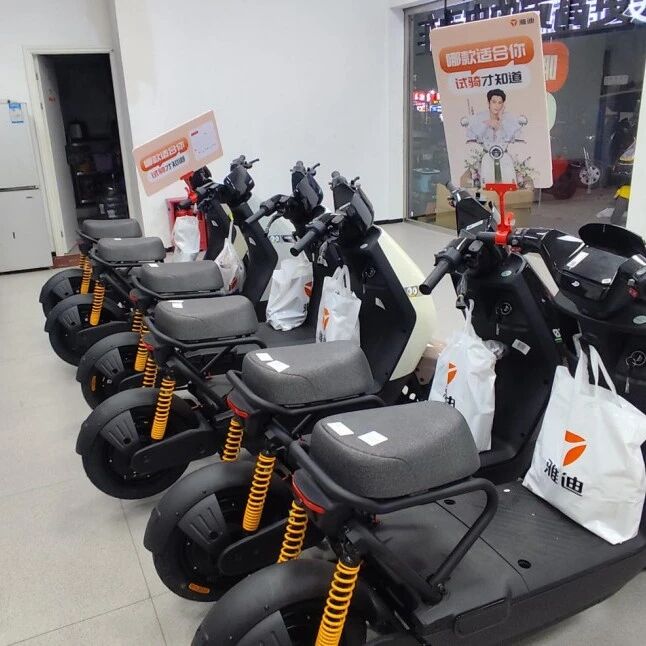
“新国标”电动自行车,为何争议巨大?
吴晓波频道· 2025-12-11 00:29
点击上图▲立即了解 " 任何一个社会,都存在一块基于人情的 ' 灰色地带 ' 。 " 文 /巴九灵(微信公众号:吴晓波频道) 在广州生活8年后,何志鹏终于忍不住在今年花3000块入手了一台"电鸡"。他今年35岁,是一名软件工程师,平时骑着电鸡上下班,周末偶尔下饭 馆,他和太太会把两岁多的女儿夹在中间开过去。 广州,电动车排队下桥 "电鸡"是广东人对电动自行车的特殊叫法。江浙沪这边叫"电瓶车",年轻人则叫"小电驴"。 广州是中国最大的"电鸡城市",早晚高峰有时非机动车道比机动车道还拥堵,而何志鹏只是560万"电鸡党"的其中一员。在全国,电动自行车保有 量高达3.8亿辆,每4人中就有一个"电鸡"用户。 何志鹏这两天在朋友圈发了一张网图,说笑得差点把前一天的晚饭给喷了出来。 这是一张AI生成的图片:一位年轻的母亲骑着"简约"的小电驴,背着一个 竹篓,装满蔬菜。由于没有后座,她的小孩刚好躺在座位底下。网友神 评: 接送小孩真方便,坐票秒变卧铺。 此图由AI生成 但对何志鹏而言,这张梗图在令他捧腹的同时,更引起了他的忧虑。12月1日,电动自行车"新国标"正式结束过渡期。 最高车速不超过25km/h、整车重量限值63kg ...
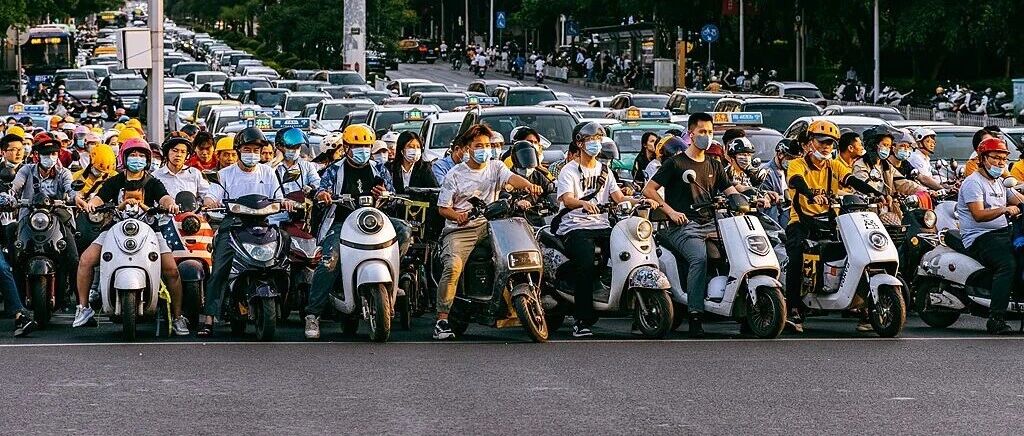
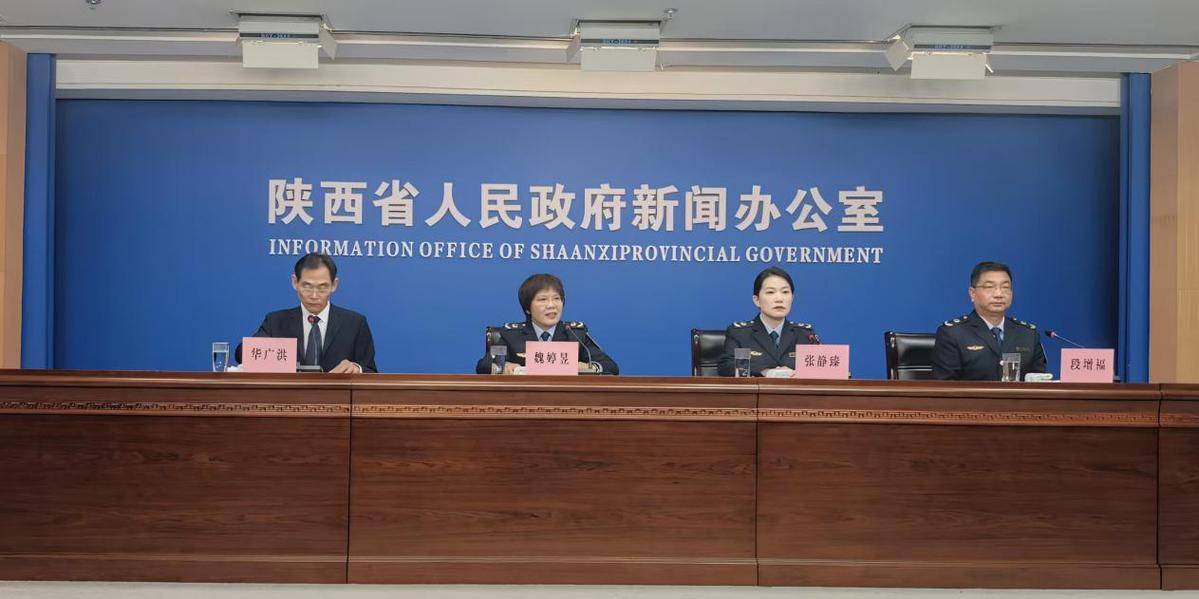
陕西“铁拳”行动护航消费 筑牢民生安全防线
Sou Hu Cai Jing· 2025-12-10 23:20
Core Viewpoint - The Shaanxi Provincial Government is implementing the "Iron Fist" action to enhance consumer protection and address issues in the consumption sector by 2025, focusing on strict enforcement against illegal activities that harm consumer rights [3][4]. Group 1: Action Overview - The "Iron Fist" action targets 11 types of illegal activities, including counterfeit products and "ghost kitchens," with 16,945 cases investigated and fines totaling 70.91 million yuan as of November [3]. - The initiative includes inspections of 20,251 online and 16,701 offline businesses, resulting in 2,360 non-compliant merchants being ordered to cease operations and 107 related cases being prosecuted [3]. Group 2: Regulatory Approach - The Shaanxi market regulatory system is adopting a balanced enforcement model that combines strict law enforcement with a service-oriented approach, having handled 5,522 service-oriented cases and waived fines totaling 87.8 million yuan since October 2024 [4]. - The focus on gas appliance safety has led to the rectification of 768 existing hazards and the investigation of 117 illegal cases, with a product defect rate of 2.3% from 797 batches tested [4]. Group 3: Consumer Safety Initiatives - The province has utilized various methods, including public exposure of cases and legal education campaigns, to enhance community involvement in consumer protection, with 68 batches of typical cases exposed and over 100 legal education events held [5]. - Innovations in regulatory practices include the establishment of an "Iron Fist Action Observer" mechanism in Yan'an and the development of a smart regulatory platform for market measurement in Xi'an [5].
让安全成为标配、便利成为常态
Ren Min Ri Bao· 2025-12-10 22:14
Core Viewpoint - The article highlights the significant integration of electric bicycles into daily life in China, with a current ownership of approximately 380 million units, equating to one electric bicycle for every four people. However, it also addresses the rising safety concerns due to non-compliance with regulations and increasing incidents of accidents and fires related to electric bicycles [1] Industry Overview - The electric bicycle market in China has seen a substantial increase in ownership, indicating its importance in daily commuting and logistics, such as food delivery and child transportation [1] - The article notes that the number of fire incidents caused by electric bicycles has been increasing by approximately 20% annually, posing a threat to public safety [1] Regulatory Changes - New national standards aim to enhance product safety by pushing manufacturers to improve the safety features of electric bicycles, thereby reducing potential hazards [1] - The article emphasizes the need for industry standards to balance safety and convenience for all road users, urging manufacturers to accelerate product design and iteration [1] Consumer Experience - Recent feedback indicates that some new models have been criticized for lacking storage space and passenger capacity, suggesting that compliance with safety parameters should not compromise user experience [1] - The article advocates for more human-centered design in electric bicycles to meet consumer needs while ensuring safety becomes a standard feature [1]
电动自行车新国标热点问答
Ren Min Ri Bao· 2025-12-10 22:12
12月1日,新修订的强制性国家标准《电动自行车安全技术规范》实施过渡期已正式结束,"旧国标"电 动自行车全面禁售,符合新标准的电动自行车陆续投放市场。新国标落地实施会带来哪些改变?新车型 能不能满足日常出行需求?针对消费者普遍关心的问题,记者进行了采访。 新国标车有后座吗?能不能带孩子? 先说结论:有后座,能带娃。中国自行车协会表示,目前企业研发出的新标准产品中,70%以上车型均 有后座,能够满足亲子出行需求。 "新标准充分考虑了搭载儿童的使用场景,有需求的消费者可在后座等位置安装儿童安全座椅。"天津市 产品质量监督检测技术研究院国家市场监督管理总局技术创新中心主任吴轶欧表示,部分省份通过地方 立法的形式对非机动车载人提出了有关要求,消费者应了解当地具体规定。 针对网络上广泛讨论的"没有储物空间""座椅下架空"等问题,相关电动自行车生产企业发布声明表示, 部分新车型是为没有载人需求的消费者设计的"轻量化"车型,并非标准规定,企业未来将根据消费者需 求陆续推出多样化产品。 超速会断电急刹吗?为什么规定最高设计车速25公里每小时? 到底多少是合理的速度?查阅相关法律条文可以发现,根据我国道路交通安全法第五十八条规 ...