食品饮料

Search documents
股东回馈“太卷了”,实物送礼与分红规划双管齐下
Huan Qiu Wang· 2026-01-18 01:53
Core Viewpoint - A-share listed companies are increasingly engaging in shareholder return activities, combining "creative" physical gifts with systematic cash dividend plans, reflecting a new trend in the market [1][6]. Group 1: Shareholder Return Activities - Companies like Haoxiangni are offering exclusive purchasing rights for holiday gift boxes at 50% off retail prices, leading to a stock price increase of over 20% since January 8 [1]. - In 2025, over 40 companies are expected to disclose shareholder return or gifting activities, marking a historical high and indicating a growing emphasis on sharing development results with investors [1][2]. - Industries most active in these activities include food and beverage, basic chemicals, pharmaceuticals, and home appliances, with notable companies like Qianwei Yangchun and Northeast Pharmaceutical participating [2]. Group 2: Market Reactions - The market has responded positively to these "creative" gifting activities, with average stock price increases outpacing the CSI 300 index following announcements [3]. - Companies such as Rongtai Health and Emei Mountain A experienced significant stock price surges post-announcement, with Huada Gene seeing a cumulative increase of over 70% within ten trading days [3]. - However, some companies like Bona Film Group and Innotech saw stock price declines after their announcements, indicating that while these activities can boost short-term sentiment, long-term performance will revert to fundamentals [3]. Group 3: Financial Performance and Dividend Plans - Many companies engaging in shareholder returns are showing strong financial performance, with Lianhua Holdings projecting a net profit of 290 million to 330 million yuan in 2025, a year-on-year increase of 43.15% to 62.9% [5]. - Approximately 60% of the 40 companies involved in return activities are expected to see growth or turnaround in 2025, with 90% projected to have net profit growth exceeding 10% in 2026 [5]. - Some companies have established long-term cash dividend plans, with 10 companies committing to distribute at least 10% of their distributable profits over the next three years, signaling a commitment to shareholder returns [6].

时尚是城市骨子里的新锐气质
Xin Lang Cai Jing· 2026-01-17 23:55
Group 1 - VOGUE Business has included Quanzhou in its 2025 New Fashion Capital Index, ranking fifth in both cultural charm and development power, highlighting its deep cultural heritage and vibrant manufacturing clusters [1] - Quanzhou boasts 726 items of intangible cultural heritage, including unique Minnan craftsmanship and the historical Silk Road civilization, which are recognized as key cultural resources for engaging with fashion [1] - The city has been revitalizing traditional cultural symbols within modern fashion contexts through various initiatives, successfully integrating intangible cultural heritage techniques into contemporary fashion design [1] Group 2 - Quanzhou is home to over 13,000 textile and footwear enterprises, with a textile and apparel output value exceeding 700 billion, accounting for 10% of the national output and 40% of the national sports shoe production, as well as 20% globally [2] - The local brands are deeply exploring the cultural core, achieving a cross-border integration of traditional elements with modern fashion, transitioning from "Quanzhou manufacturing" to "Quanzhou design" and "Quanzhou fashion" [2] - The city's robust manufacturing strength and comprehensive industrial ecosystem, including nine major trillion-yuan manufacturing clusters, contribute to its ambition of becoming a fashion capital [2] Group 3 - The "Three-Year Action Plan for Building 'World Heritage Quanzhou Fashion Capital' (2025-2027)" aims to enhance the entire fashion industry chain through initiatives like intangible heritage revitalization, design empowerment, technological support, and brand upgrades, targeting an industry output value of over 800 billion by 2027 [3] - The plan emphasizes the need for collaboration among government, industry, academia, and research to identify breakthroughs and continuously drive efforts towards establishing Quanzhou as a leading fashion capital [3]


首批“崇州礼物”清单发布
Xin Lang Cai Jing· 2026-01-17 17:41
Group 1 - The first batch of "Chongzhou Gifts" has been officially released, featuring 62 selected products that include cultural creations, fashion jewelry, tableware, food, and beverages [1] - The products are provided by over 20 local enterprises, cooperatives, intangible cultural heritage workshops, and design studios, showcasing collaborative efforts from diverse social forces [1] - Notable entries include local agricultural specialties and time-honored brands, such as "Chongyang" herbal liquor and "Jiansheng Tang" honey, highlighting the rich flavors and traditional crafts of Chongzhou [1] Group 2 - The list also features products that deeply explore and creatively design cultural IPs of Chongzhou, such as the "Little Lu You Rocking Toy" inspired by the Song Dynasty poet Lu You [2] - Other creative items include hand-painted fragrance cards that incorporate local scenery and designs like "scenic view frames" for refrigerators and "word art Chongzhou" paper cups, blending local history and culture into everyday consumption and collectibles [2]
古茗戚侠:年轻人的消费动机正从为身份买单转向为情绪价值付费
Xin Lang Cai Jing· 2026-01-17 17:24
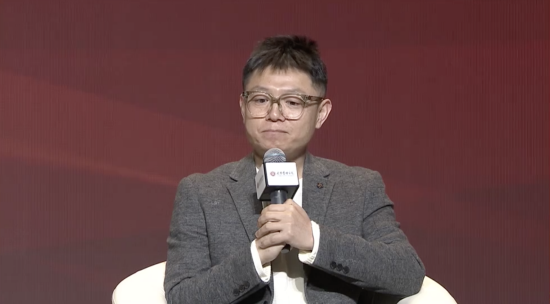
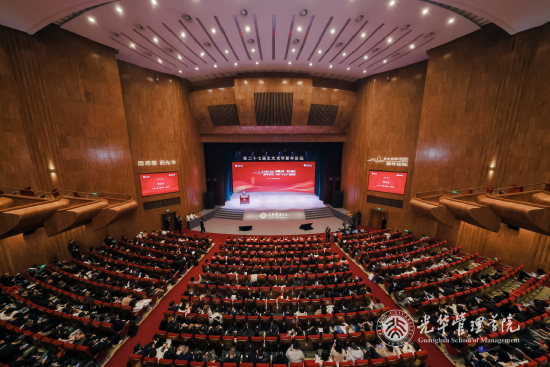
专题:第27届北大光华新年论坛 1月17日,"第27届北大光华新年论坛"在北京举行,主题为"内需主导,聚力增长:开启'十五五'新征 程"。古茗联合创始人戚侠出席并演讲。 戚侠表示,越来越多的年轻人消费行为转向明显,从几年前热衷讨论名牌包、限量鞋,转向如今更愿意 为能给办公桌增添趣味的好玩"小物件"买单,消费动机正从为身份买单转向为情绪价值付费。 专题:第27届北大光华新年论坛 1月17日,"第27届北大光华新年论坛"在北京举行,主题为"内需主导,聚力增长:开启'十五五'新征 程"。古茗联合创始人戚侠出席并演讲。 戚侠表示,越来越多的年轻人消费行为转向明显,从几年前热衷讨论名牌包、限量鞋,转向如今更愿意 为能给办公桌增添趣味的好玩"小物件"买单,消费动机正从为身份买单转向为情绪价值付费。 他坦言,面对消费不足的行业环境,他对其所在的食品饮料行业依然保有信心,信心根源在于食品饮料 领域仍存在巨大的"价值升级空间"。 戚侠认为,通过聚焦产业升级,能够创造被消费者认可的价值,而"有价值就有付费"。 新浪声明:所有会议实录均为现场速记整理,未经演讲者审阅,新浪网登载此文出于传递更多信息之目 的,并不意味着赞同其观点或证 ...
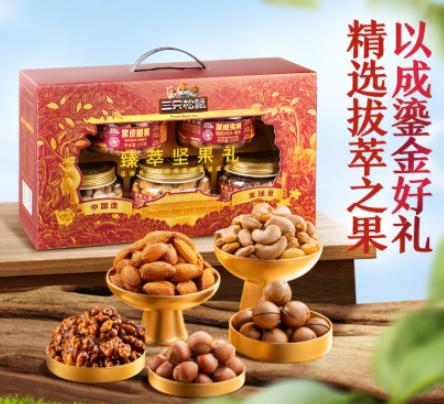
三只松鼠臻萃坚果礼盒,一盒集齐5种人气坚果,解锁聚会、追剧、办公室的能量加油站!
Xin Lang Cai Jing· 2026-01-17 16:39
Core Viewpoint - The article promotes the "Three Squirrels Premium Nut Gift Box," highlighting its selection of five classic nuts as a perfect gift option for various occasions, emphasizing quality and taste [1][19]. Product Features - The gift box includes five types of nuts: - Macadamia nuts, known for their creamy flavor and smooth texture [3] - Purple cashews, which are large, crispy, and sweet [5] - Amber walnuts, coated in a sweet shell, appealing to all ages [7] - Hand-shelled almonds, easy to peel with a rich flavor [8] - Hazelnuts, characterized by their unique woody aroma and plumpness [10] Packaging and Quality - The nuts are packaged in high-quality sealed cans, which not only enhance the aesthetic appeal but also effectively prevent moisture and maintain crispness [13][16] - The company emphasizes the selection of large, full nuts with a low rate of defective or shriveled nuts, ensuring freshness and quality through careful roasting [15] Usage Scenarios - The nut gift box is positioned as a versatile snack option for various settings: - Family gatherings, serving as a popular snack centerpiece [21] - Office drawers, providing a quick energy boost during afternoon slumps [21] - Gifts for visiting friends and relatives, symbolizing health and abundance [21] - A smart choice for personal health snacks, offering quality fats and protein [21] Promotional Offer - The article mentions a promotional campaign allowing customers to use "gold coins" for purchases, enabling a flexible payment option [22]

内需主导,聚力增长丨第二十七届北大光华新年论坛圆满举行
Xin Lang Cai Jing· 2026-01-17 13:45
Core Viewpoint - The 27th Peking University Guanghua New Year Forum focuses on "domestic demand-led growth" as a key theme, aligning with the central economic work conference's emphasis on strengthening the domestic market for the new phase of the 14th Five-Year Plan [1][19]. Group 1: Forum Overview - The forum was held on January 17, 2026, at Peking University, featuring prominent speakers including university officials and industry representatives [3][21]. - The event aims to contribute to the theoretical framework for the 14th Five-Year Plan and stimulate discussions on building a robust domestic market [1][19]. Group 2: Keynote Speeches - Liu Shijun discussed the shift from supply constraints to demand constraints in China's economic growth, emphasizing the need for a focus on consumption and human capital investment [7][24]. - Gao Peiyong highlighted the importance of stimulating residents' consumption as a key driver of economic growth, addressing challenges such as weak consumer confidence and the need for systemic reforms [10][26]. - Liu Qiao analyzed the paradox of low consumer spending in relation to high per capita consumption, suggesting policy reforms to enhance disposable income and consumer rates [12][29]. Group 3: Roundtable Discussion - The roundtable featured discussions on how new supply can create new demand, with industry leaders addressing the structural mismatches in consumer markets [14][32]. - Ma Tiemin pointed out the need for agricultural product market reforms to address supply-demand mismatches, advocating for digital tools and innovative production methods [15][33]. - Other participants emphasized the importance of understanding consumer behavior shifts and the need for companies to adapt their strategies to meet evolving market demands [16][34][35]. Group 4: Future Directions - Zhang Zheng summarized that creating new demand through new supply is a comprehensive process involving value creation, technological empowerment, and supply chain upgrades [18][36]. - The forum underscored the necessity for collaborative efforts among policymakers, capital providers, and entrepreneurs to foster a sustainable environment for innovation and growth [18][36].
逛展购好物,看看市民购物袋里都有啥
Xin Lang Cai Jing· 2026-01-17 13:34
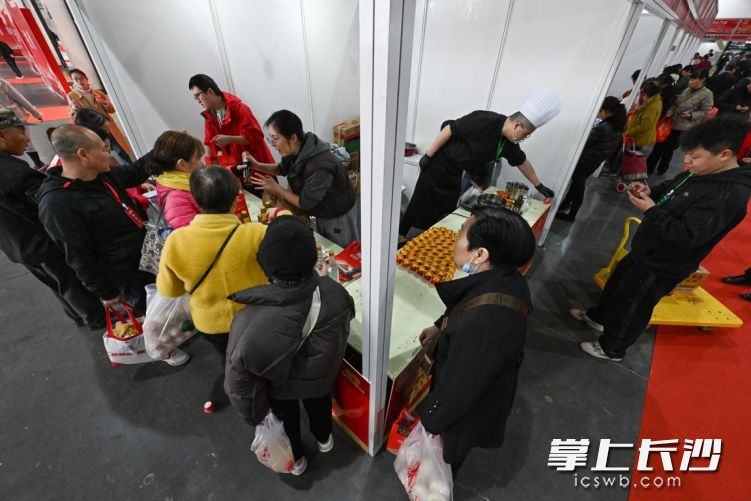
Core Insights - The "Shared Plan" Chang-Zhu-Tan Goodies Fair opened on January 16, becoming a popular choice for citizens to purchase New Year goods [1] Group 1: Food and Ingredients - Many citizens prioritize preparing a lavish reunion dinner, with a focus on selecting various specialty ingredients at the fair [3] - Popular items include sausages, with one resident purchasing two bags of Peony sausages and three bags of Camellia sausages, taking advantage of promotional offers [3] - Pre-packaged dishes are also in demand, as they allow for easy preparation of traditional meals, with one visitor buying ready-to-cook dishes like braised pork with preserved vegetables [3] - The fair offers a one-stop shopping experience for local delicacies, with a citizen purchasing mushrooms and tofu products from local farms [3] Group 2: Snacks and Sweets - Traditional snacks are also popular for enhancing the reunion dinner, with one visitor buying local sweet dumplings and ginger syrup cakes, which are favored by children [4] Group 3: Gifts and Goodies - Many citizens are preparing thoughtful gifts for visiting friends and relatives, with gift boxes being a popular choice at the fair [6] - One visitor purchased multiple "Wang Wang" gift boxes, which symbolize good fortune, and a red tea gift box that is well-received by elders [6] - Local specialty products, such as snacks from a well-known brand, are also popular for gifting, with one citizen selecting various traditional snacks that evoke childhood memories [6] - In the Ningxiang area, gift boxes featuring traditional foods are being purchased for their festive packaging and suitability as gifts [7]
布米普特拉北京投资基金管理有限公司:美国首次申领失业金人数超预期减少
Sou Hu Cai Jing· 2026-01-17 13:26
Group 1 - The latest data from the U.S. Department of Labor indicates that initial jobless claims unexpectedly dropped to the lowest level since November of the previous year, with a decrease of 9,000 claims to 198,000, surpassing economists' expectations [1] - The four-week moving average of new jobless claims fell to 205,000, marking a two-year low, suggesting a stable labor market without the typical surge in layoffs at the beginning of the year [1] - Despite recent layoffs announced by major employers like Pepsi and Meta Platforms Inc., the hard data shows that these actions have not yet led to a large-scale wave of layoffs, indicating resilience in the U.S. labor market [3] Group 2 - The number of individuals continuing to claim unemployment benefits decreased to 1.88 million, suggesting that more unemployed individuals are finding new jobs or exiting the claims process, further supporting the stability of the U.S. job market [6] - Consumer confidence surveys, such as those from the University of Michigan, reveal a pessimistic outlook among consumers regarding the labor market, with nearly two-thirds of respondents expecting an increase in the unemployment rate over the next year [3] - Analysts believe that while hard indicators show a healthy labor market, consumer confidence appears to lag, and future data will provide clearer trend judgments as the holiday season effects diminish [6]

郭广昌最新发声!从需求出发,坚持做好产品
Xin Lang Cai Jing· 2026-01-17 11:05
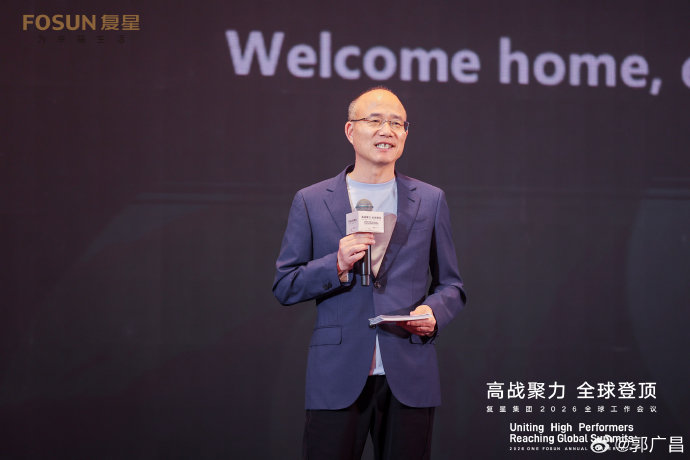
Group 1 - The core message emphasizes that as long as the product quality is high, there will always be a market for it [5][6] - The company highlighted the impressive growth of its invested enterprise, Jinduo, which has gained popularity due to its refreshing taste and thoughtful design [6] - The company also showcased the success of San Yuan's fresh milk, which is produced from 100% self-owned dairy sources on the same day, emphasizing the importance of freshness [6] Group 2 - The annual meeting took place at the Atlantis Hotel, where it was noted that the occupancy rate and pricing were more stable compared to the previous year [3][6] - The newly opened Super Mediterranean project nearby is experiencing strong sales, indicating a positive trend in consumer behavior [3] - The company believes that regardless of market conditions, consumers are always willing to pay for high-quality products, reinforcing its commitment to product excellence [3][6]

卫龙前CEO加入大窑,57岁老将能否再造一个IPO神话?
Sou Hu Cai Jing· 2026-01-17 05:32
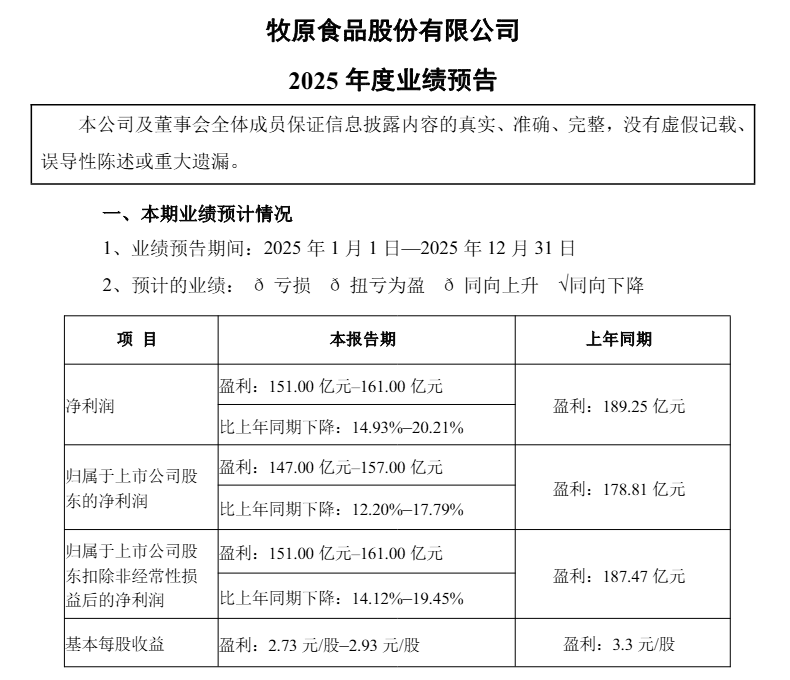
Company Developments - Former CEO of Wei Long, Sun Yinan, has joined Dayao as CEO, bringing extensive experience from Coca-Cola and other food companies [2][3] - Qian Dama International Holdings has initiated its IPO process in Hong Kong, aiming to raise funds for expanding its store network and enhancing supply chain capabilities, with a projected GMV of 14.8 billion yuan in 2024 [2][3] - Muyuan Foods has forecasted a net profit of 14.7 billion to 15.7 billion yuan for 2025, representing a decline of 12.20% to 17.79% compared to the previous year [2][3][5] - Jinlongyu has announced the transfer of its stake in a joint venture with Mars China, with a total transaction value of $60 million, which is expected to impact its 2026 earnings significantly [6][5] Industry Trends - The fresh food retail sector is seeing significant growth, with Qian Dama leading the community fresh food chain market in China for five consecutive years [2][3] - The coffee industry in Yunnan has expanded its global reach, exporting to 34 countries and regions, with a notable increase in production and agricultural output [11] - The World Health Organization has called for increased taxation on sugary and alcoholic beverages to address public health issues, highlighting the economic burden of these products [12]