通信

Search documents
A股增量资金空间测算-居民存款与机构资金潜力展望
2026-01-08 16:02
Summary of Key Points from the Conference Call Industry Overview - The focus is on the A-share market in China, particularly regarding the inflow of incremental funds and the impact of various financial instruments and investor behaviors on the stock market. Core Insights and Arguments - **Incremental Funds from Resident Deposits**: It is estimated that the scale of resident deposit migration will reach between 1 trillion to 4 trillion yuan by 2026, with an annual inflow of approximately 1 trillion yuan into the stock market. This migration is expected to enhance M2 growth, providing additional funds for the stock market [1][2] - **Insurance Funds as a Stable Investment Source**: Insurance funds are projected to contribute over 1 trillion yuan annually to the stock market. By Q3 2025, the equity asset allocation of life and property insurance companies has significantly increased, indicating a strong trend towards stock and fund holdings [1][5] - **Growth of Private and Public Funds and ETFs**: The rapid development of private equity, public funds, and ETFs is noted, with ETFs attracting many investors due to their flexibility and low costs. The annual growth potential in these areas is estimated to be between 1 trillion to 2 trillion yuan [1][6][12] - **IPO Contributions to Market Liquidity**: A-share IPOs are expected to inject several hundred billion yuan into the market annually, particularly benefiting hard manufacturing and hard technology companies during favorable market conditions [3][10] - **Impact of Resident Deposit Migration on Stock Market**: The migration of resident deposits is a crucial indicator, with significant increases in non-bank financial institution deposits suggesting that funds are gradually entering the stock market. The ratio of new resident deposits to GDP is expected to decline, indicating more funds will be available for investment [4][15] - **Long-term Role of Insurance Funds**: Insurance funds are seen as a key driver for medium to long-term capital entering the market. The allocation towards technology stocks has increased, with expectations of substantial funds waiting to enter the market in the coming years [5][8] - **Market Outlook and Slow Bull Trend**: The A-share market is anticipated to enter a slow bull phase, with long-term funds gradually allocating to equity assets. The market is expected to rely on technology and new consumption sectors in 2025, shifting focus to manufacturing in 2026 [1][7] - **Contributions from Active Funds and Private Equity**: Active funds in the secondary market contribute approximately 100 billion yuan, while private equity could bring in over 1 trillion yuan annually, especially considering stock price increases [11] - **Financing Balance and Market Expansion**: The financing balance is currently high but not at peak levels seen in 2015, indicating potential for upward movement. The annual incremental space for financing balance is estimated at around 100 billion yuan [13][14] Other Important Insights - **Investment Behavior Trends**: The gradual shift of long-term funds into equity assets is a notable trend not seen in the past two decades, with policy direction favoring a slow bull market rather than a rapid rise [7] - **Sector-Specific Investment Focus**: Future allocations by insurance funds are expected to diversify beyond financial stocks to include leading companies in sectors with favorable economic conditions [8][9]
宁波市党政代表新年组团访沪,传递三重信号
Zhong Guo Xin Wen Wang· 2026-01-08 15:49
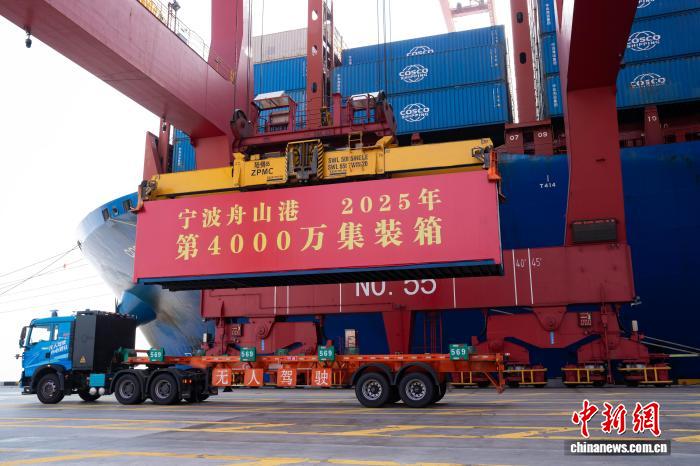
Group 1 - The first signal emphasizes the service to national strategy and the enhancement of high-quality development, with Shanghai and Ningbo expected to enter a new phase of cooperation based on "hard connectivity" [3][4] - The construction of the Tongsujiaying high-speed railway is highlighted, which will connect Shanghai and Ningbo in about one hour by 2027, facilitating regional integration [3] - Both cities are committed to aligning with national strategies and enhancing their contributions to the national development landscape, with Shanghai focusing on becoming a global shipping hub and Ningbo aiming to connect with Shanghai's "five centers" [3][4] Group 2 - The second signal indicates a shift from "single-point breakthroughs" to "ecological co-construction" in technological innovation, with Ningbo actively linking to Shanghai's innovation resources [5] - Shanghai is recognized as a major economic center with significant innovation capabilities, while Ningbo boasts a high number of national-level manufacturing champions, indicating substantial potential for collaboration [5] - The visit underscores a strong desire to build a collaborative innovation community in the Yangtze River Delta [5] Group 3 - The third signal focuses on enhancing cultural ties, with historical connections between Ningbo and Shanghai being emphasized, particularly the contributions of Ningbo natives to Shanghai's economic development [7][8] - The delegation's engagement with prominent Ningbo figures in Shanghai aims to foster cooperation and communication between the two cities [7] - The establishment of Ningbo Oriental University, funded by a local entrepreneur, reflects ongoing educational and cultural initiatives to strengthen ties [8]

50个AI制造场景落地、中试基地揭牌!上海“AI+制造”按下快进键
Guo Ji Jin Rong Bao· 2026-01-08 13:59
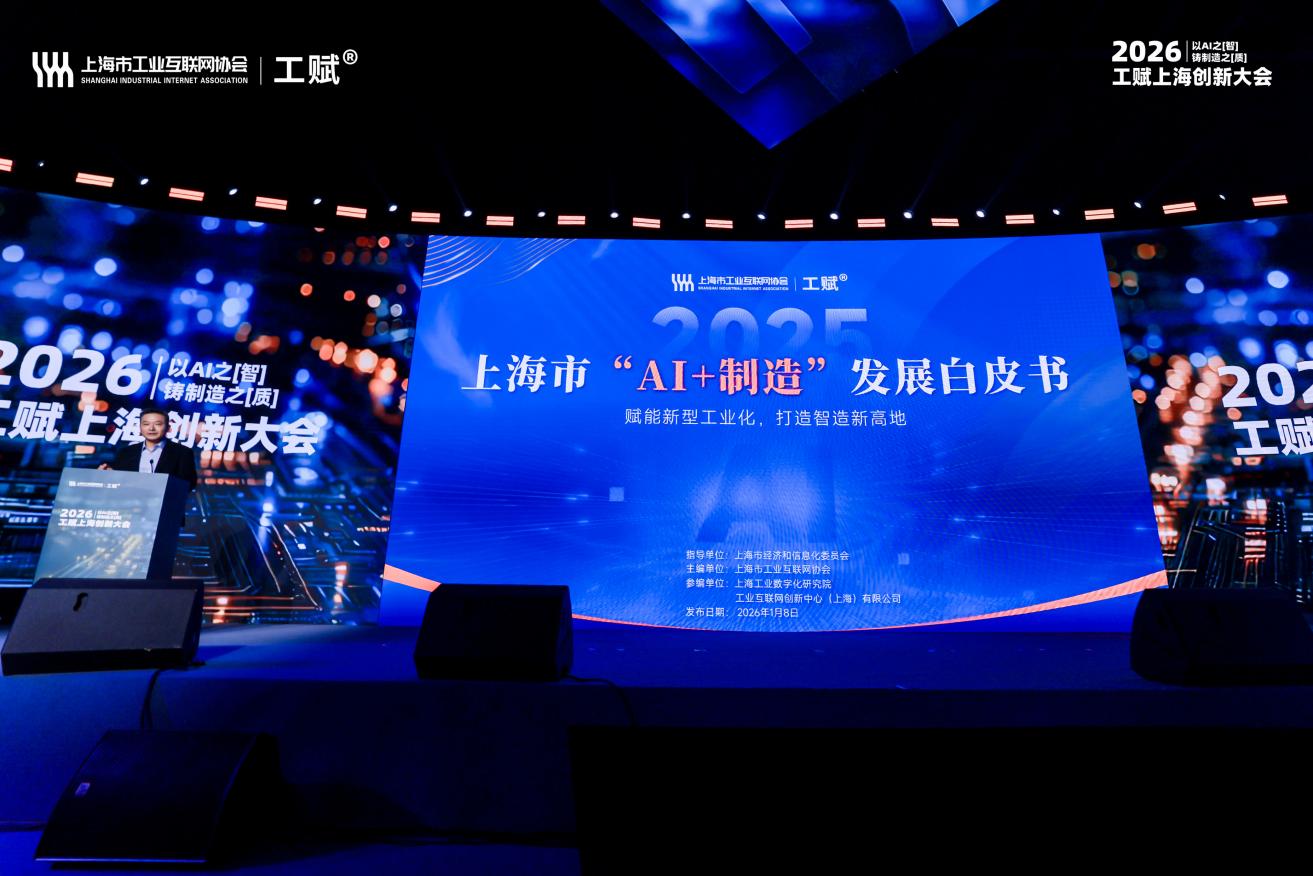
Group 1 - The 2026 "Innovation Conference" in Shanghai focused on the theme "AI Intelligence, Quality Manufacturing" and highlighted the release of the third batch of "Industry Empowerment Chain Master" enterprises and the "AI + Manufacturing" development white paper [1] - Shanghai aims to leverage the advantages of "AI + Manufacturing" to accelerate application in key industries, support the creation of model enterprises, and foster an active ecosystem for AI applications [1][2] - The city has cultivated 42 "Industry Empowerment Chain Master" enterprises since 2022, linking over 360,000 companies and reducing operational costs by 20% and energy consumption by 10% [2] Group 2 - The "2025 Shanghai AI + Manufacturing Development White Paper" was released, summarizing the current state and future direction of AI applications in manufacturing, serving as a guide for future development [4] - Shanghai has initiated a program to cultivate model enterprises in "AI + Manufacturing," identifying 50 AI application scenarios across various manufacturing stages [4] - The focus areas include intelligent design, production scheduling, and supply chain management, with specific AI application needs outlined for each stage [4] Group 3 - The Shanghai Electric Group is building a national AI application pilot base in manufacturing, targeting common challenges in high-end equipment industries [6] - The pilot base aims to promote technological breakthroughs and product innovation, establishing a high ground for industrial AI applications [6] - Shanghai Unicom is developing an industrial intelligent computing cloud service platform to reduce costs for manufacturing enterprises, providing integrated AI application support [8]
吉大通信:第六届董事会2026年第一次会议决议公告
Zheng Quan Ri Bao· 2026-01-08 13:54
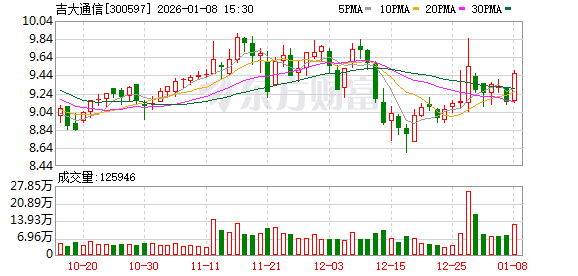
Group 1 - The core point of the article is that Jida Communication announced the approval of several proposals, including the appointment of a new general manager during the first meeting of the sixth board of directors in 2026 [2] Group 2 - The announcement was made on January 8, indicating the company's ongoing governance activities [2] - The board meeting addressed multiple resolutions, highlighting the company's strategic decision-making process [2] - The appointment of a new general manager is a significant leadership change that may impact the company's future direction [2]

加强安全监管,促进人工智能健康发展
Ren Min Ri Bao· 2026-01-08 12:52
2025年10月28日,十四届全国人大常委会第十八次会议表决通过关于修改网络安全法的决定,修改后的 法律自2026年1月1日起施行。中央网信办网络法治局有关负责人表示,本次修法回应现实关切,明确支 持人工智能发展的措施和安全规定,优化网络安全法律责任,有助于积极应对网络安全风险挑战。 近年来,人工智能技术迅猛发展,成为网络安全风险挑战的新变量,也是提升网络安全保护水平的新增 量。新修改的网络安全法第二十条规定:国家支持人工智能基础理论研究和算法等关键技术研发,推进 训练数据资源、算力等基础设施建设,完善人工智能伦理规范,加强风险监测评估和安全监管,促进人 工智能应用和健康发展。此外,该法同时明确支持运用人工智能提升网络安全保护水平。 "网络安全法的这一修改,体现了统筹发展和安全的立场。"中国政法大学法治政府研究院院长、教授赵 鹏表示,"既要支持、鼓励技术的创新与发展,又要推动其平稳地融入社会之中,从而保护受影响的法 律权益。" 不久前,北京某企业开发的APP被查明,在后台运行且用户未使用任何功能情况下,收集上传用户应用 程序安装、卸载信息。用户使用上传AI头像等功能时,调用非必要存储权限。 新修改的网络安全法 ...
ETF日报:2026年无论是火箭还是卫星,均有众多的项目推进,关注军工ETF
Xin Lang Cai Jing· 2026-01-08 12:41
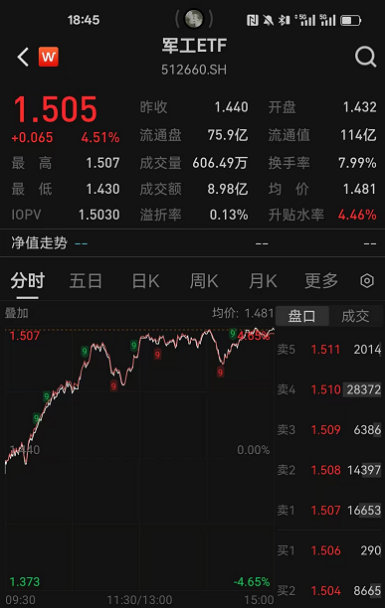
Market Overview - The market experienced narrow fluctuations today, with a total transaction volume of 2.8 trillion yuan, a decrease of 53.8 billion yuan compared to the previous trading day [1][17] - The Shanghai Composite Index fell by 0.07%, the Shenzhen Component Index dropped by 0.51%, and the ChiNext Index decreased by 0.82% [1][17] Commercial Aerospace Sector - The commercial aerospace sector saw a significant rebound, with the military industry sector performing strongly. The military ETF (512660) surged by 4.51% after opening [2][18] - The focus on commercial aerospace has intensified, particularly following the recent mobilization meeting for the Long March 10 A sea-based recovery test, indicating accelerated progress in reusable rocket technology [18][20] Industry Development - Commercial aerospace is characterized by a stronger spirit of innovation and commercial viability compared to traditional aerospace. Globally, SpaceX has emerged as a powerful market player, with over 6,750 Starlink satellites in orbit as of February 2025 [4][20] - The year 2026 is seen as a pivotal year for China's commercial aerospace sector, transitioning from a "technology validation phase" to "engineering and scaling," with expectations for simultaneous advancements in rocket capacity, satellite networking, and manned space missions [4][20] Satellite Deployment Plans - China has initiated several large satellite constellations, including the GW constellation, "Qianfan" constellation, and "Galaxy" constellation, with plans to deploy over 21,000 satellites by the end of 2030 and an additional demand of approximately 15,000 satellites from 2030 to 2035 [5][21] - The operational capabilities of rockets and satellites are critical, with reusable technology being essential for cost optimization and high-frequency launches [22][23] Future Outlook - The commercial aerospace sector is expected to have a large market space, with numerous projects advancing in both rockets and satellites by 2026. There is also significant policy support and established listing guidelines for commercial aerospace on the Sci-Tech Innovation Board [23] - The communication ETF remains stable without showing an upward trend, indicating a cautious market sentiment [23]
战新产业与未来产业领航,央企开辟增长“第二曲线”
Hua Xia Shi Bao· 2026-01-08 12:16
Core Insights - The article emphasizes the importance of the "14th Five-Year Plan" implementation period starting in 2026, focusing on enhancing core functions and competitiveness of state-owned enterprises (SOEs) to achieve world-class status [2] - The central government aims to accelerate industrial upgrades and foster new growth drivers through strategic investments in emerging industries such as artificial intelligence, biomedicine, and digital economy [2][3] Group 1: Industrial Upgrades and Strategic Focus - The State-owned Assets Supervision and Administration Commission (SASAC) is promoting a dual-track development model for SOEs, focusing on both traditional industry enhancement and the cultivation of new growth drivers [3] - Central enterprises are expected to invest in strategic emerging industries, with an annual investment growth rate exceeding 20% over the past five years, reaching 3.3 trillion yuan in fixed asset investments (excluding real estate) from January to November 2025 [3] Group 2: Technological Advancements and R&D Investment - Central enterprises have significantly increased R&D investment, amounting to 890.16 billion yuan from January to November 2025, with an R&D intensity of 2.62% [5] - Breakthroughs in key technologies have been achieved, such as the development of a world-first megawatt-level CO₂ thermal energy storage system and a 700-megawatt ultra-supercritical circulating fluidized bed boiler [5][6] Group 3: Collaborative Ecosystem and Mechanism Reforms - SOEs are moving away from isolated operations by forming innovation alliances and promoting collaborative development across the industrial chain, with 24 innovation alliances involving over 800 enterprises and institutions [7] - The SASAC plans to advance strategic and specialized mergers and acquisitions in 2026, focusing on sectors like new energy, integrated circuits, and biotechnology to enhance competitive advantages [8]


A股,新纪录!两融余额首次突破2.6万亿元大关
Cai Jing Wang· 2026-01-08 09:31
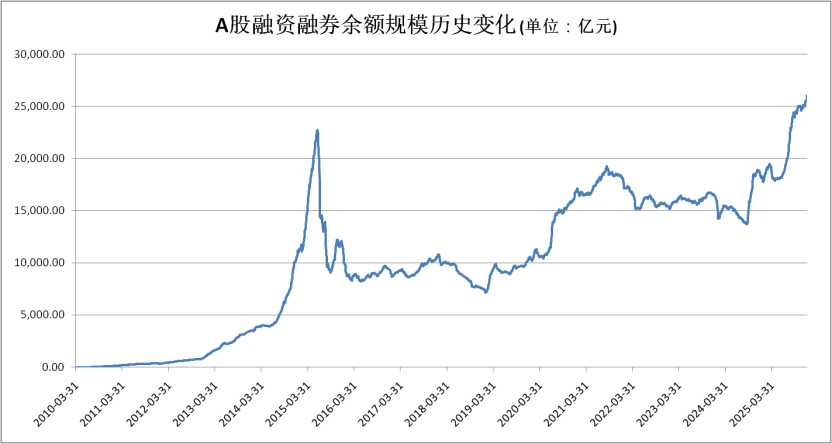
Group 1 - The A-share market is experiencing increased activity, with the margin trading balance reaching a historical high of 26,047 billion yuan as of January 7, 2026, marking a daily increase of approximately 24.8 billion yuan [1] - Since December 22, 2025, the margin trading balance has accelerated, growing by over 100 billion yuan in just 11 trading days [3] - On January 7, 2026, the margin trading transaction volume reached 3,312 billion yuan, the highest in three months, and has exceeded 3,000 billion yuan for two consecutive trading days [3] Group 2 - The overall trading volume in the A-share market reached 28,800 billion yuan on January 7, 2026, with two consecutive days exceeding 28,000 billion yuan [4] - Several popular A-shares achieved record trading volumes, including LeiKe Defense with 13.23 billion yuan, HaiGe Communication with 12.16 billion yuan, and NanDa Optoelectronics with 10.43 billion yuan, all marking historical highs since their listings [4] - 17 stocks, including Dongfang Fortune, China Ping An, and Ningde Times, have margin trading balances exceeding 10 billion yuan, with four stocks surpassing 20 billion yuan [3]





主力动向:1月8日特大单净流出195.83亿元
Zheng Quan Shi Bao Wang· 2026-01-08 09:31
Market Overview - The two markets experienced a significant net outflow of 19.583 billion yuan, with 2,265 stocks seeing net inflows and 2,633 stocks experiencing net outflows [1] - The Shanghai Composite Index closed down by 0.07% [1] Industry Analysis - Among the 11 industries with net inflows, the defense and military industry led with a net inflow of 7.361 billion yuan, and its index rose by 4.18% [1] - The computer industry followed with a net inflow of 4.548 billion yuan and an increase of 1.27% [1] - The electronic industry had the highest net outflow, totaling 10.689 billion yuan, followed by the non-bank financial sector with an outflow of 8.010 billion yuan [1] Individual Stock Performance - A total of 75 stocks had net inflows exceeding 200 million yuan, with Aerospace Electronics leading at 2.092 billion yuan [2] - Other notable stocks with significant net inflows include Hailanxin (1.136 billion yuan) and Yanshan Technology (1.055 billion yuan) [2] - Stocks with the highest net outflows included Zhongji Xuchuang (3.199 billion yuan), CITIC Securities (1.892 billion yuan), and Dongfang Fortune (1.694 billion yuan) [2][4] Stock Price Movements - Stocks with net inflows over 200 million yuan saw an average increase of 9.43%, outperforming the Shanghai Composite Index [2] - Specific stocks that closed at their daily limit include Qian Zhao Guangdian and Shaoyang Hydraulic [2] Sector Concentration - The stocks with the highest net inflows were concentrated in the mechanical equipment, defense and military, and electronic industries, with 14, 11, and 10 stocks respectively [2]



通信服务板块1月8日涨0.75%,普天科技领涨,主力资金净流出2.87亿元
Zheng Xing Xing Ye Ri Bao· 2026-01-08 08:58
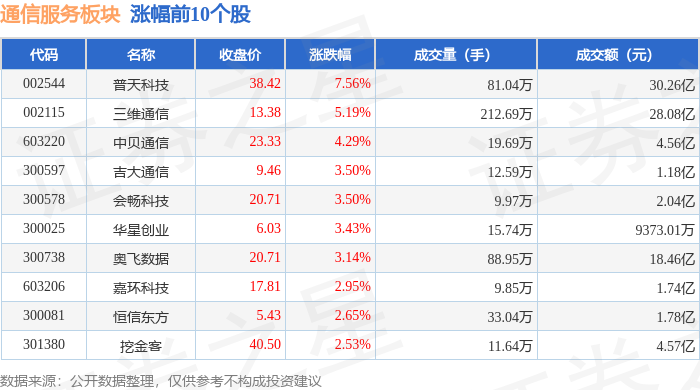
Group 1 - The communication services sector increased by 0.75% on January 8, with Putian Technology leading the gains [1] - The Shanghai Composite Index closed at 4082.98, down 0.07%, while the Shenzhen Component Index closed at 13959.48, down 0.51% [1] - Putian Technology's stock price rose by 7.56% to 38.42, with a trading volume of 810,400 shares and a transaction value of 3.026 billion yuan [1] Group 2 - The communication services sector experienced a net outflow of 287 million yuan from institutional investors and 390 million yuan from retail investors, while retail investors saw a net inflow of 677 million yuan [2] - Major stocks in the sector showed varied performance, with China Unicom experiencing a net inflow of 3.25 billion yuan from institutional investors, while retail investors had a net outflow of 1.49 billion yuan [3] - The stock of Sanwei Communication saw a net inflow of 271 million yuan from institutional investors but a net outflow of 201 million yuan from retail investors [3]