自动驾驶

Search documents
对话韩旭:双重上市后,英才校招300万起步
Sou Hu Cai Jing· 2025-11-28 09:09
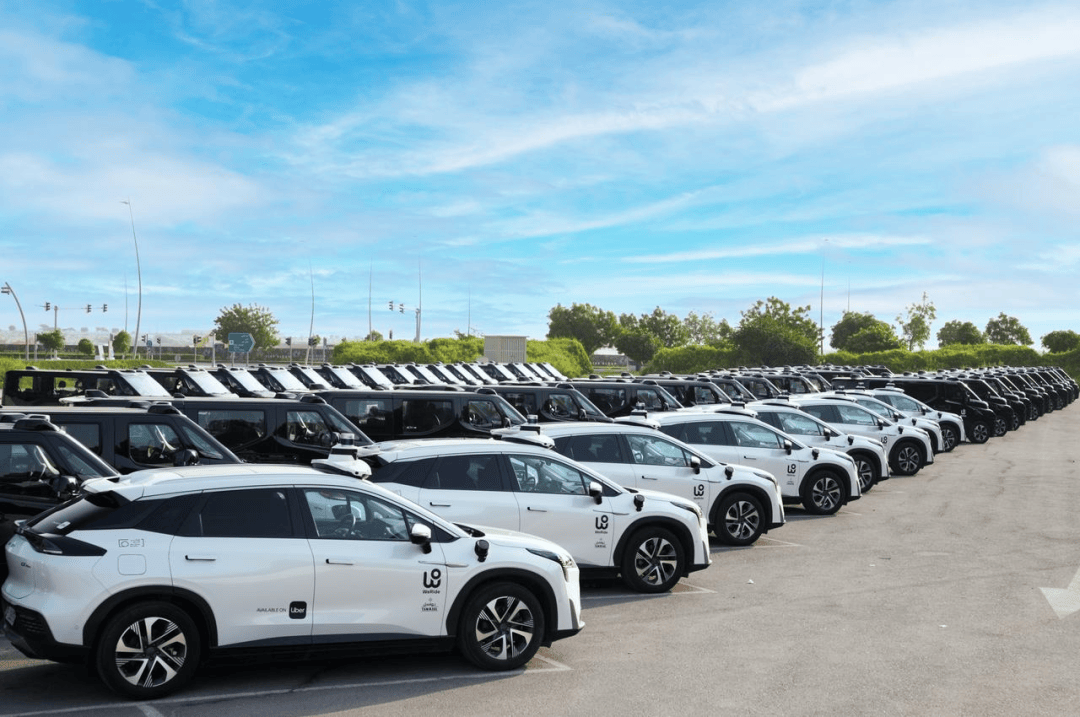
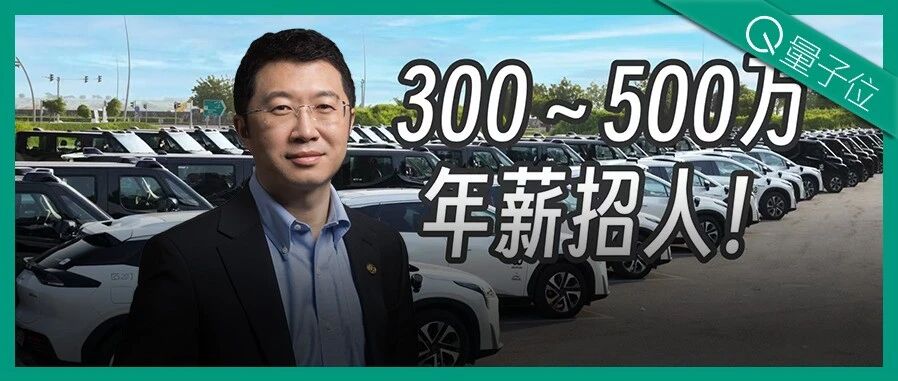
Core Insights - The CEO of WeRide, Han Xu, has undergone a significant transformation, focusing on attracting top talent after the company's dual listing on the Hong Kong Stock Exchange, marking a major milestone for the company [1][3][39] - WeRide is now recognized as a leading player in the global Robotaxi market, operating in eight countries, including China and several international cities [1][3] - The company has launched an ambitious talent recruitment plan, offering salaries ranging from 3 million to 5 million RMB, aiming to compete with Silicon Valley standards [4][6][18] Company Strategy - Han Xu emphasizes the importance of hiring the best talent as a critical strategy for WeRide's success, believing that top talent will drive the company to excellence [7][8] - The recruitment plan, dubbed the "Talent Plan," is designed to attract high-caliber individuals by offering competitive compensation and a supportive work environment [5][14] - The company aims to create a transparent and innovative culture that encourages creativity and allows top talent to thrive [14][18] Market Position - WeRide is positioned in the L4 Robotaxi sector, which has seen significant competition and consolidation, with only a few players capable of large-scale commercial operations [21][23] - The competitive landscape includes major players like Waymo and Baidu, as well as emerging companies like Xiaoma Zhixing and others entering the Robotaxi space [23][24] - Han Xu believes that the future of autonomous driving remains promising, despite shifting trends in technology, and that WeRide is well-equipped to tackle the challenges ahead [18][20] Leadership Philosophy - Han Xu's leadership style reflects a blend of academic rigor and practical experience, focusing on talent development and creating an environment conducive to innovation [29][38] - The CEO's past as a professor informs his approach to identifying and nurturing talent, which he considers essential for the company's growth [29][32] - The company culture is characterized by openness and transparency, as demonstrated by the integration of diverse talents, including those from non-traditional backgrounds [36][38]

对话韩旭:双重上市后,英才校招300万起步
量子位· 2025-11-28 08:30
Core Viewpoint - The article highlights the transformation of Han Xu, CEO of WeRide, who has shifted focus from competition to attracting top talent after the company's dual listing on the Hong Kong Stock Exchange, emphasizing the importance of recruiting the best individuals for future success [1][6][72]. Group 1: Company Overview - WeRide has achieved significant milestones, including being recognized as the "first global Robotaxi stock" and operating autonomous taxis in eight countries, making it one of the largest Robotaxi fleets globally [1]. - The company has undergone a challenging yet rewarding journey, with Han Xu's leadership marked by a focus on market feedback rather than competitive positioning [3][4]. Group 2: Talent Recruitment Strategy - Han Xu has initiated a talent recruitment plan called the "Talent Plan," offering salaries starting from 3 million to 5 million RMB, which aligns with Silicon Valley standards for AI PhD graduates [8][9]. - The emphasis on recruiting top talent is seen as crucial for WeRide's success, with Han Xu believing that hiring the best individuals will lead to the company becoming the best in the industry [10][11]. Group 3: Company Culture and Environment - WeRide is characterized by an open and transparent culture that encourages innovation, which Han Xu believes is essential for attracting and retaining top talent [23][24]. - The company aims to create an environment where talented individuals can thrive, emphasizing the importance of a fair evaluation system and minimal management for high-performing employees [12][21]. Group 4: Industry Context and Future Outlook - The article discusses the current state of the autonomous driving industry, indicating a competitive landscape where only a few players will succeed, likening it to a historical transition from the Spring and Autumn period to the Warring States period in ancient China [39][42]. - Han Xu asserts that autonomous driving remains a cutting-edge field with immense potential for societal impact, countering the notion that it has lost its appeal [31][32].
“无人物流车”第一股即将诞生,但依然难过上路关
3 6 Ke· 2025-11-28 08:03
Core Insights - The article discusses the rapid growth and challenges in the unmanned logistics vehicle sector, highlighting significant investments exceeding 8 billion yuan and the industry's response to public sentiment amid controversies surrounding technology and safety [2][6][18]. Investment and Market Growth - The unmanned logistics vehicle sector has seen unprecedented funding, with over 8 billion yuan disclosed in investments as of now [2][6]. - Major funding rounds include 1 billion USD for Jiusi Intelligent and over 600 million USD for New Stone Technology, marking significant transactions in China's private equity landscape [2][6]. - The market is projected to reach 263.4 billion yuan by 2030, a 5.4-fold increase from 2025 [8][11]. Technological Advancements and Cost Reduction - The cost of unmanned logistics vehicles has drastically decreased from over 1 million yuan in 2018 to as low as 20,000 yuan in 2023, driven by domestic production of key components [10][11]. - The industry is transitioning from a "sell vehicles" model to a "software subscription" model, enhancing revenue potential through ongoing service fees [12][13]. Industry Dynamics and Competition - A price war has emerged among companies, with aggressive pricing strategies being employed to capture market share [12][13]. - Companies like Jiusi Intelligent and New Stone Technology are competing on price and financing options, with Jiusi offering vehicles at 1.98 million yuan and New Stone providing zero down payment plans [12][13]. Regulatory and Safety Concerns - Despite the rapid growth, there are significant concerns regarding the safety and reliability of unmanned logistics vehicles, highlighted by several accidents and public skepticism [14][15][18]. - The lack of uniform road rights across cities poses a challenge for widespread deployment, with companies like New Stone Technology actively working to secure necessary permits [16][18]. Future Outlook - The industry is expected to evolve, with projections indicating that unmanned logistics vehicles could replace traditional delivery vehicles, achieving a penetration rate of nearly 15% by 2030 [17][18]. - The ongoing competition and regulatory hurdles will shape the future landscape of the unmanned logistics vehicle market, as companies strive to balance innovation with public trust [18][20].

小马智行(PONY):——(.O)2025年三季报业绩点评:广州城市UE首次转正,车队规模爬坡超预期
EBSCN· 2025-11-28 05:13
Investment Rating - The report maintains a "Buy" rating for the company, indicating a positive outlook for future returns exceeding market benchmarks by over 15% in the next 6-12 months [4][13]. Core Insights - The company reported a total revenue of $25.44 million in Q3 2025, reflecting a year-on-year increase of 72% and a quarter-on-quarter increase of 19%. The gross margin improved by 9 percentage points year-on-year and 2 percentage points quarter-on-quarter to 18% [1]. - The Robotaxi service revenue saw significant growth, with a year-on-year increase of 89% and a quarter-on-quarter increase of 339%, reaching $6.69 million. The passenger fare revenue grew by over 200% year-on-year [2]. - The company has established a strong operational presence in major cities and is expected to expand its Robotaxi fleet to over 3,000 vehicles by 2026, with a focus on cost reduction through new vehicle models [3]. Summary by Sections Financial Performance - In Q3 2025, the company reported a Non-GAAP net loss of $54.72 million, which is an increase of 33% year-on-year and 19% quarter-on-quarter [1]. - The total revenue forecast for 2025 is approximately $87 million, with a projected growth rate of 16.6% [5]. Business Segments - The Robotruck service revenue increased by 9% year-on-year and 7% quarter-on-quarter to $10.18 million, while the technology licensing and service application revenue surged by 355% year-on-year but decreased by 18% quarter-on-quarter to $8.57 million [2]. - The company has a cash balance of approximately $4.184 billion, bolstered by an additional $6 billion from its IPO [2]. Market Position and Strategy - The company has achieved profitability on a per-vehicle basis for its seventh-generation Robotaxi in Guangzhou and aims to complete its target fleet size of 1,000 vehicles ahead of schedule [3]. - The management emphasizes the importance of technological advancements and strategic partnerships to maintain a competitive edge in the autonomous driving market [3].
希迪智驾通过上市聆讯:上半年营收4亿亏损4.55亿,“大疆教父”李泽湘要敲钟
3 6 Ke· 2025-11-28 03:33
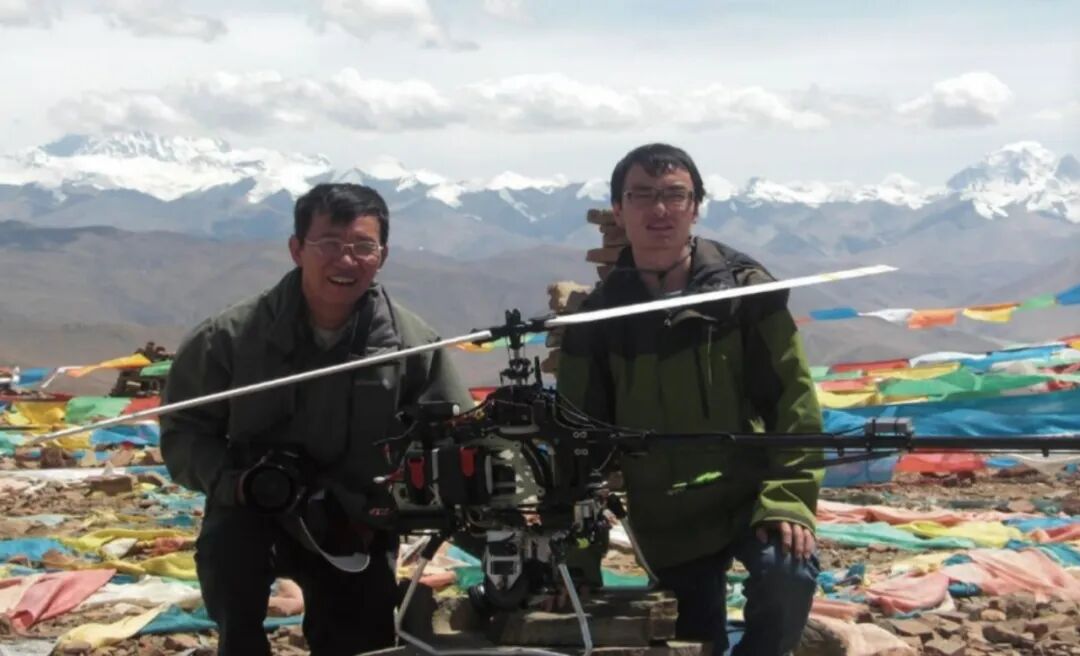
Core Viewpoint - Xidi Intelligent Driving (Hunan) Co., Ltd. is preparing for an IPO on the Hong Kong Stock Exchange, founded by Professor Li Zexiang, a notable figure in the tech industry, particularly known for his role in DJI and other tech ventures [1][3]. Company Overview - Xidi Intelligent Driving, also known as Changsha Intelligent Driving Research Institute, focuses on commercial vehicle autonomous driving and vehicle-to-everything (V2X) technology [7][8]. - The company specializes in the research and development of autonomous mining trucks and logistics vehicles, as well as high-performance perception solutions [8]. Financial Performance - Xidi Intelligent Driving's revenue for 2022, 2023, and 2024 is projected to be 31.06 million, 133.04 million, and 410.04 million RMB, respectively, with corresponding gross profits of -6 million, 26.82 million, and 100 million RMB [9]. - The company reported losses of 263 million, 255 million, and 581 million RMB for the same years [9]. - For the first half of 2025, revenue reached 408 million RMB, a 58% increase from 258 million RMB in the same period of the previous year, while losses expanded to 455 million RMB from 123 million RMB [10]. Cash Flow and Financial Health - As of June 30, 2025, Xidi Intelligent Driving held cash and cash equivalents of 186 million RMB [13]. - The cash conversion cycle improved significantly from 933 days in 2022 to 78.6 days in the first half of 2025, indicating enhanced operational efficiency [12]. Orders and Market Expansion - The company received additional indicative orders for 119 autonomous truck systems valued at approximately 66.2 million RMB, and delivered 51 systems generating revenue of about 30.6 million RMB [14]. - Xidi Intelligent Driving has successfully acquired nine new customers, demonstrating its ability to expand its client base [14]. Investment and Valuation - The company has raised over 1 billion RMB in funding, achieving a post-investment valuation of 9 billion RMB [15]. - Major shareholders include Sequoia Capital and Baidu, with Professor Li Zexiang controlling 43.63% of the shares prior to the IPO [20][19].
英媒着急:别老盯中国电车和AI啦,再说个“坏消息”…
Guan Cha Zhe Wang· 2025-11-28 03:08
Core Insights - The article discusses China's rapid rise in the fields of autonomous vehicles and pharmaceutical innovation, highlighting the complex emotions in the West regarding China's technological advancements [1][3][4]. Group 1: Autonomous Vehicles - China is emerging as a leader in autonomous vehicle technology, with manufacturing costs for autonomous taxis being one-third of those of US-based Waymo, and has accumulated millions of kilometers in driving experience [1][4]. - Over 50 cities in China have initiated pilot projects for autonomous taxis, supported by local governments that provide cheap credit and infrastructure for sensor technology [4][6]. - The competitive landscape in China is intense, with many companies facing challenges, but the survivors are expected to become strong export champions [4][6]. Group 2: Pharmaceutical Innovation - China has transitioned from a generic drug manufacturing hub to the world's second-largest innovator in drug development, with a focus on various categories including anti-cancer drugs [1][4]. - The number of clinical trials conducted by Chinese companies accounts for one-third of the global total, with significant reductions in approval times for new drugs [4][6]. - The article suggests that China's low-cost innovation in pharmaceuticals could benefit developing countries, while also eyeing the lucrative US market, which accounts for 70% of global pharmaceutical profits [6][8]. Group 3: Regulatory Environment and Innovation - China's flexible regulatory environment has been a key factor in its innovation success, with rapid reforms in drug approval processes and clinical trial regulations [4][7]. - The article argues that Western countries should reassess their innovation models, as their regulatory frameworks may hinder technological advancement compared to China's agile approach [7][8]. - The competition between China and the West could lead to a hollowing out of industries in Western economies if protectionist measures are implemented without valid concerns [6][8].
特斯拉20251127
2025-11-28 01:42
Tesla Conference Call Summary Company Overview - **Company**: Tesla - **Date**: November 27, 2025 - **Current Market Capitalization**: Approximately $1 trillion Key Points Industry and Business Valuation - Tesla plans to increase global production capacity to 3 million vehicles within the next 24 months, with the automotive business valued at approximately $300-400 billion and the energy storage business valued at around $100 billion, leading to a total business valuation of about $400-500 billion [2][4] - The current market capitalization exceeds the core business valuation by approximately $500-600 billion, primarily driven by market expectations regarding AI transformation, autonomous driving (FSD), and Robotaxi technologies [2][4] Autonomous Driving and Robotaxi Expectations - Market expectations for Tesla's FSD and Robotaxi projects are high, with significant divergence between stock price and vehicle delivery volumes indicating increased confidence in these technologies [2][7] - The FSD system's safety performance is significantly better than the North American average, with accident data showing a 5 to 7 times higher interval between major accidents compared to the average [10] - The potential market for Robotaxi, if it captures 60-70% profit margins and is valued at 20-30 times earnings, could reach $2-3 trillion in the long term [7] Key Development Factors - The maturity of FSD technology, progress in the Robotaxi business model, and market confidence in the Robotaxi market space are critical factors influencing Tesla's market valuation [3][15] - Key milestones for the Robotaxi business model include the removal of safety drivers, which could reduce operational costs by 60%, and scaling the fleet size, where Tesla's manufacturing capabilities allow for rapid fleet expansion [11][12] Emerging High-Margin Business - Tesla is transitioning from traditional low-margin automotive manufacturing to high-margin Robotaxi services, similar to Amazon's transition to AWS, which required significant capital expenditure [14] - The market currently values the robotics project at $100-200 billion based on long-term projections [6] Conclusion - The growth of Tesla's market valuation is influenced by several factors: the maturity of the FSD system, key developments in the Robotaxi business model, market confidence in the potential of the Robotaxi market, and the progress of emerging high-margin businesses [15]

文远知行20251127
2025-11-28 01:42
Summary of the Conference Call Company and Industry Overview - The company is a leader in the autonomous driving industry, holding licenses in 8 countries and operating in 11 countries and over 30 cities with more than 1,600 L4 autonomous vehicles [2][3][4]. Key Developments Global Expansion - The company has expanded its autonomous driving operations globally, with significant progress in the Middle East, East Asia, and Europe [2][5][6]. - In Dubai, the company received a trial operation permit for autonomous vehicles and plans to launch commercial operations by 2026 [4]. - In Riyadh, the company has partnered with Uber to introduce robotaxi services, aiming to expand its fleet to over 500 vehicles by 2026 and 20,000 by 2030 [2][4]. Financial Performance - In Q3, the company reported total revenue of 11,071 million, a 144% year-over-year increase, with product revenue up 428% and service revenue up 67% [3][9]. - Robotaxi business revenue surged 761% to $35 million, accounting for 21% of total revenue [3][9]. - Gross profit increased dramatically by 1,000,124% to $56 million, with a gross margin of 33% [3][9]. Cost Management - Operating expenses decreased by 51% to $436 million, with R&D expenses comprising 73% of total expenses [3][10]. - Management expenses fell by 84% to $100 million, while sales expenses increased by 23% to $19 million [11]. Strategic Initiatives Research and Development - The company continues to invest heavily in R&D, focusing on energy innovation and enhancing competitive advantages [3][12]. - R&D expenses rose due to increased project service fees, personnel costs, and depreciation [10]. Market Strategy - The company aims to replicate its successful business model in other markets, including the Middle East, Europe, Japan, Singapore, and South Korea [16][19]. - China remains a key market, with over 300 robotaxis deployed in Guangzhou and over 100 in Beijing, with plans for further expansion [6][18]. Competitive Advantages - The company leverages a dual-flywheel mechanism combining L4 and L2+ technologies, enabling rapid deployment and data collection for algorithm improvement [8][20]. - The company has a strong AI foundation, employing top talent to enhance its algorithms and operational capabilities [20][21]. Future Outlook - The company plans to continue its global expansion while maintaining a focus on profitability and market share [17][19]. - The board approved a $100 million stock buyback plan, currently on hold due to preparations for a Hong Kong IPO [23]. Conclusion - The company is well-positioned in the autonomous driving market, with significant growth in revenue and strategic plans for global expansion, supported by strong financial performance and a commitment to R&D [2][3][12].

谷歌特斯拉“神仙打架”,自动驾驶红利怎么抓?
Xin Lang Ji Jin· 2025-11-28 00:50
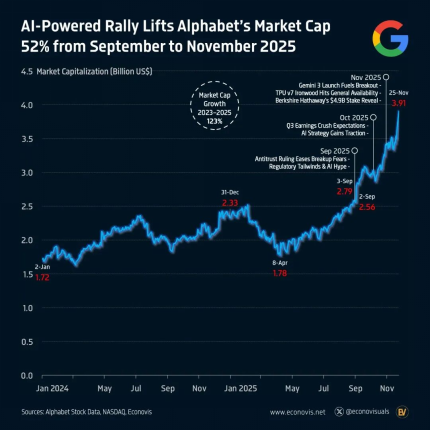
Group 1 - Alphabet has become the fourth company globally to surpass a market capitalization of $3 trillion, joining Apple, Microsoft, and Nvidia [3] - The rapid increase in Alphabet's market value, which rose over $1.34 trillion in just two months, is attributed to multiple disruptive actions reshaping the tech industry [1][4] - Key drivers of Alphabet's stock surge include favorable antitrust rulings, positive regulatory environment, optimistic sentiment towards AI, and strong Q3 earnings exceeding expectations [4] Group 2 - Waymo, Google's autonomous driving division, operates over 2,500 vehicles and has achieved over 100 million miles of fully autonomous driving, with plans to expand its service to over 20 cities [7][9] - Waymo's business model combines ride-hailing services with technology licensing, marking a significant step towards the commercialization of autonomous driving [8] - In contrast, Tesla's approach focuses on a pure vision technology route, with plans to deploy 1,000 Robotaxis by the end of 2025, aiming for a fleet of 1 million Robotaxis across the U.S. [9][10] Group 3 - The competition between Waymo and Tesla represents a significant technological rivalry that will shape the future of the trillion-dollar autonomous driving market, with 2026 being a pivotal year for both companies [10] - Waymo's multi-sensor fusion approach is more costly, while Tesla's pure vision strategy offers long-term cost advantages and scalability [10] - The ongoing expansion of Waymo's services, including plans for international testing in London, highlights its commitment to leading in the autonomous driving sector [9]

自动驾驶之心企业服务与咨询正式推出!
自动驾驶之心· 2025-11-28 00:49
Core Insights - The article highlights the launch of enterprise services by the company "Automated Driving Heart," which aims to support businesses in the autonomous driving sector through various consulting and training services [1][2]. Group 1: Company Services - The company has developed nearly 50 courses focused on self-driving and embodied technology, catering primarily to the consumer market in its initial two years [1]. - The newly introduced enterprise services include brand promotion, industry consulting, technical training, and team upgrades [4]. - The company has accumulated nearly three years of industry consulting and training experience, along with a substantial expert talent pool and a fan base of nearly 400,000 across platforms [1]. Group 2: Partnerships and Collaborations - The company has established collaborations with multiple domestic universities, vocational colleges, Tier 1 suppliers, original equipment manufacturers (OEMs), and embodied robotics companies [2]. - The goal is to reach more companies in need of upgrades and to promote advancements in the autonomous driving field [2].