
进出口贸易

Search documents
特朗普对欧越下手,让中国出两大惊喜,第一就是摸到美国最大底牌
Sou Hu Cai Jing· 2025-07-20 13:15
Group 1 - The core strategy of the Trump administration has been to impose tariffs on other countries as a means of economic warfare, with a particular focus on China, which has not yielded the desired results [1][3] - Following setbacks with China, the Trump administration shifted its focus to Vietnam and the European Union, applying pressure to these economies [3][5] - Vietnam is facing a significant economic challenge due to the imposed tariffs, which could lead to a loss of its competitive advantage and potential relocation of factories to other Southeast Asian countries [5][7] Group 2 - The European Union is also under pressure from the Trump administration, with proposed tariffs of up to 50%, highlighting the ongoing trade tensions [7][9] - The unilateral tariff approach by the U.S. has limitations, potentially harming American businesses and reducing market opportunities [9][10] - The actions taken by the Trump administration may inadvertently strengthen China's trade relationships with ASEAN countries, as these nations reassess their ties with the U.S. [12][14] Group 3 - The instability of U.S. trade policies may lead the European Union to seek more stable partnerships, potentially favoring cooperation with China [14][16] - Ultimately, the protective tariff policies may backfire on the U.S. economy, leading to internal opposition as American businesses struggle under these conditions [16]

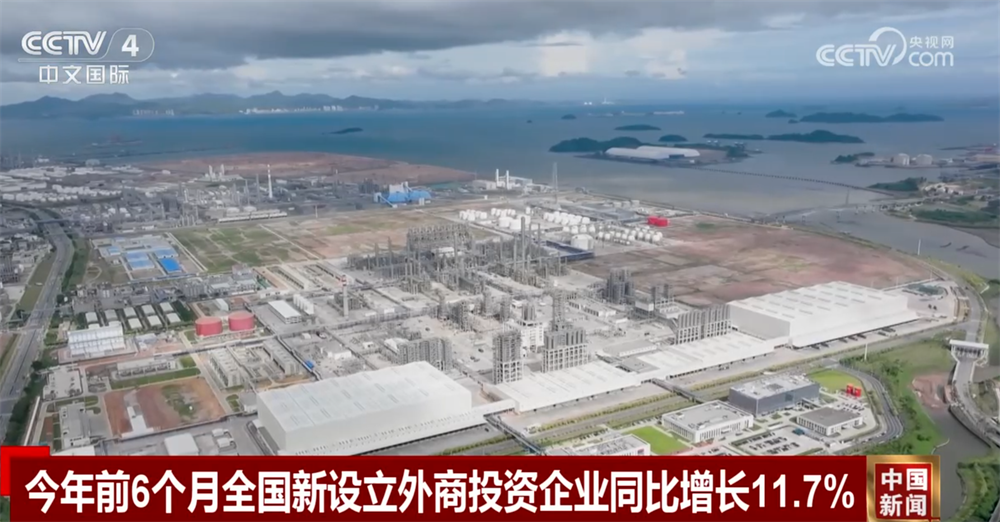
11.7%、5000亿元、8.4万人次……多维数据释放积极信号 中国经济向稳向好
Yang Shi Wang· 2025-07-20 07:07
Group 1: Foreign Investment - In the first half of the year, 30,014 new foreign-invested enterprises were established in China, representing a year-on-year increase of 11.7% [1] - The actual utilized foreign capital amounted to 423.23 billion RMB, with significant growth in investments from ASEAN (8.8%), Switzerland (68.6%), Japan (59.1%), and the UK (37.6%) [1] Group 2: Water Conservancy Investment - A total of 532.9 billion RMB was invested in water conservancy construction in the first half of the year, with 34,400 projects implemented and 18,800 new projects started [5] - Social capital participation in water conservancy construction reached 81.92 billion RMB, marking a year-on-year increase of 35.9% [5] Group 3: Trade and Export Growth - The Guangdong-Hong Kong-Macao Greater Bay Area's import and export volume reached 4.38 trillion RMB in the first half of the year, showing a year-on-year growth of 4.3% [6][8] - Exports of "new three types" products increased by 28.7% [6] Group 4: Tourism and Inbound Travel - Since July 1, over 84,000 inbound travelers have been processed at Shanghai's cruise port, with inbound tourism increasing by 38.5% year-on-year, totaling 4.248 million visitors in the first half of the year [9] - The sales of tax refund goods for outbound tourists grew by 85% [9] Group 5: Infrastructure Development - The Yarlung Tsangpo River downstream hydropower project has commenced, with a total investment of approximately 1.2 trillion RMB for the construction of five hydropower stations [11] Group 6: Trade Facilitation Activities - The Ministry of Commerce organized 11 trade matching events in the first half of the year, achieving an intended transaction amount of approximately 48 billion RMB, covering over ten industries including home appliances and medical equipment [15]
首次突破5000亿元 上半年四川进出口规模创历史同期新高 代表绿色低碳的“新三样”出口同比翻番
Si Chuan Ri Bao· 2025-07-20 01:59
Group 1 - The core viewpoint of the articles highlights the significant growth in Sichuan's foreign trade, with total imports and exports reaching 5190.9 billion yuan in the first half of the year, marking a 6.3% year-on-year increase [1] - Exports from Sichuan amounted to 3156.2 billion yuan, reflecting an 8.2% increase, while imports were 2034.7 billion yuan, up by 3.4% [1] - Chengdu's performance was particularly notable, with its imports and exports totaling 4274.7 billion yuan, a 9.4% increase, accounting for 82.3% of the province's total foreign trade [1] Group 2 - The structure of Sichuan's export goods is improving, with high-end equipment, new materials, and biomedicine exports growing by 77.3%, 119.1%, and 34.9% respectively [2] - Exports of "new three samples" products, which represent green and low-carbon initiatives, reached 141.5 billion yuan, a remarkable 102.2% increase, with solar products and lithium-ion batteries seeing growth rates of 284.9% and 1306.4% respectively [2] - The number of enterprises engaged in foreign trade in Sichuan increased by 8.8%, with private enterprises growing by 9.4%, making up 89.8% of the total [2] Group 3 - Sichuan's foreign trade network expanded, with trade relations established with 229 countries and regions, an increase of 5 from the previous year [3] - The trade volume with countries involved in the Belt and Road Initiative reached 2348.6 billion yuan, a 2% increase year-on-year [3] - Trade with other members of the RCEP saw a 4.1% increase, totaling 1741.2 billion yuan [3]
越南上美国的当?美越谈判,关税几乎翻倍,外媒:特朗普临门一脚
Sou Hu Cai Jing· 2025-07-19 07:47
美国总统特朗普此前在社交媒体上宣布,决定对越南商品实施20%到40%的关税。具体来说,这20%的 税率是针对直接从越南输入的产品,而40%则是针对那些经越南转口的商品。值得注意的是,特朗普并 没有详细解释什么算是转口商品,这也使得不少分析人士对此产生了困惑。自从特朗普宣布与越南达成 贸易谈判协议以来,越南方面至今未公布该协议的具体内容,以及美国对其产品所适用的税率,这也引 来了外界对两国协议的质疑。同时,特朗普表示,越南承诺对美国产品实行零关税,这无疑让美国在某 种程度上占据了优势。 如今,根据外媒的报道,越南似乎在谈判中被美国所欺骗。在美国与越南的谈判期间,越南最初预计美 国会同意11%的税率,认为这对于自身是可接受的。然而,从特朗普的最新表态来看,实际税率几乎翻 了一番,达到了20%。美国媒体曝出内幕,称特朗普在最后时刻的这一决定是"临门一脚"。事实上,在 4月2日时,美国本有计划对越南征收高达46%的关税,而越南第一时间做出了零关税的承诺,但最终的 税率仍然超过了越南的预期。 即使美国在对待其盟友时表现出这种强硬态度,欧盟却似乎已经开始屈服,试图在数字问题上向美国让 步,以换取对自身的关税减免。从关税的 ...
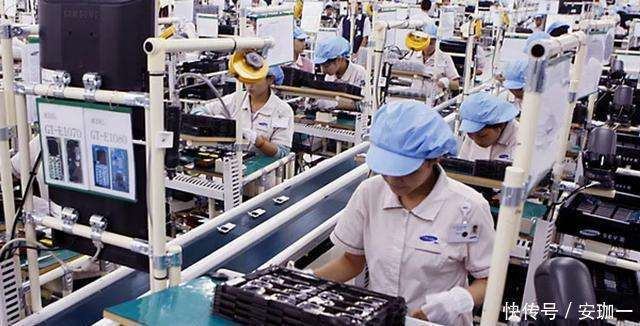
上半年广西保持对越南进出口第一大口岸地位
news flash· 2025-07-19 05:13
Core Points - In the first half of the year, Guangxi maintained its position as the largest port for imports and exports with Vietnam, with a total trade volume of 149.8 billion yuan, representing a year-on-year growth of 4.3% [1] - Guangxi's total import and export value with ASEAN reached 206.08 billion yuan, an increase of 11.9%, accounting for 53.2% of Guangxi's total foreign trade [1] - Guangxi's foreign trade volume for the first half of the year was 387.15 billion yuan, growing by 13%, which is 10.1 percentage points higher than the national foreign trade growth rate [1] Export and Import Details - Major exports from Guangxi included electromechanical products and labor-intensive goods, with lithium batteries showing significant growth of 184.9% [1] - The value of imported bulk commodities increased, with total imports amounting to 90.23 billion yuan, making up 59.2% of the total imports [1]
广东外贸连续8个季度正增长,多部门解读进出口“半年报”
Nan Fang Du Shi Bao· 2025-07-18 15:54
Core Insights - Guangdong's foreign trade in goods reached 4.55 trillion RMB in the first half of the year, a 4% year-on-year increase, outpacing the national growth rate by 1.1 percentage points [1] - Exports totaled 2.89 trillion RMB, growing by 1.1%, while imports rose to 1.66 trillion RMB, marking a 9.5% increase [1] - Guangdong's foreign trade has maintained positive growth for eight consecutive quarters, contributing 28% to the national foreign trade growth [1] Trade Performance - The export of mechanical and electrical products reached 1.96 trillion RMB, a 7.2% increase, accounting for 67.8% of total exports [2] - High-tech product exports amounted to 505.43 billion RMB, growing by 13.3%, with significant increases in machine tools and drones [2] - The import of shipbuilding and marine engineering equipment surged by 31.5%, reflecting the growing importance of the marine economy [3] Business Dynamics - There are 130,000 foreign trade enterprises in Guangdong, with a 7.6% increase, and private enterprises accounted for 64.2% of the total foreign trade value [4] - Private enterprises in the Huangpu Customs area showed a remarkable 25.3% growth in foreign trade, highlighting their role as a stabilizing force [4] - The establishment of the Dongguan-Hong Kong International Air Cargo Center has significantly improved logistics efficiency, reducing delivery times by over 50% [5] Market Diversification - Guangdong's trade with ASEAN, its largest trading partner, reached 757.13 billion RMB, a 5.9% increase, while trade with the U.S. declined by 8.1% [6] - The province is actively diversifying its trade partners, with notable growth in trade with Central Asian countries [6] - The expansion of the national unified market is expected to further enhance Guangdong's import growth potential [6] Special Economic Zones - The 13 comprehensive bonded zones in Guangdong contributed 4.76 trillion RMB to foreign trade, accounting for 10.5% of the province's total [7] - These zones have shown a 28.2% growth in imports and exports, significantly boosting Guangdong's foreign trade growth [7] - Innovations in customs regulations have improved logistics efficiency and reduced costs for enterprises operating in these zones [7][8]
上半年广东外贸进出口同比增长4%,规模创历史同期新高
Nan Fang Nong Cun Bao· 2025-07-18 14:00
Core Points - Guangdong's foreign trade import and export reached 4.55 trillion yuan in the first half of the year, a year-on-year increase of 4%, surpassing the national growth rate by 1.1 percentage points [3][4][5] - Exports amounted to 2.89 trillion yuan, growing by 1.1%, while imports reached 1.66 trillion yuan, increasing by 9.5% [4][20] - Guangdong's foreign trade has maintained positive growth for eight consecutive quarters since the third quarter of 2023, demonstrating strong resilience [8][10] Trade Performance - Guangdong's foreign trade accounted for 20.9% of the national total, an increase of 0.2 percentage points from the previous year, contributing 28% to the national foreign trade growth [9][10] - The number of foreign trade enterprises in Guangdong increased by 7.6% to 130,000, with private enterprises making up 110,000 of that total, growing by 8.6% [11][12] - The total value of imports and exports with ASEAN reached 757.13 billion yuan, a growth of 5.9% [13][14] Trade Structure - General trade remained stable, with a total of 2.69 trillion yuan, growing by 2.7%, while bonded logistics grew rapidly by 14% to 912.62 billion yuan [15][18] - Exports of mechanical and electrical products reached 1.96 trillion yuan, increasing by 7.2%, with high-tech product exports growing by 13.3% to 505.43 billion yuan [16][17] - Comprehensive bonded zones and free trade zones showed significant growth, with imports and exports from comprehensive bonded zones increasing by 28.2% to 475.59 billion yuan [18][19] Import Dynamics - Guangdong's imports of 1.66 trillion yuan represented a growth of 9.5%, leading the national import growth rate by 12.2 percentage points [20][21] - The increase in imports was driven by stable industrial production, with mechanical and electrical product imports rising by 19.3% to 1.16 trillion yuan [21][22] - There was a notable increase in imports of high-end manufacturing equipment, with aerospace equipment and marine engineering equipment growing by 63.8% and 31.5%, respectively [22][23] Supportive Measures - The Guangzhou Customs introduced 102 specific measures to support the construction of port clusters and international aviation hubs, contributing to the high-quality development of the marine economy [25][26] - The Guangzhou Baiyun International Airport added 14 new international cargo and passenger routes, with a record of 8.7 million inbound and outbound passengers and over 750,000 tons of cargo [30] - Huangpu Customs reported that private enterprises accounted for the largest share of foreign trade, with imports and exports reaching 597.18 billion yuan, a growth of 25.3% [31][32]

上半年青岛市进出口4427亿元
Sou Hu Cai Jing· 2025-07-18 12:35
Core Insights - Qingdao's import and export value reached 442.7 billion RMB in the first half of the year, showing a year-on-year growth of 1% and accounting for 25.6% of Shandong Province's total import and export value [1] Group 1: Trade Performance - Exports totaled 263.8 billion RMB, increasing by 3.6%, while imports were 178.9 billion RMB, decreasing by 2.6% [1] - General trade accounted for over 60% of the total, with a value of 290.5 billion RMB, down 0.6%, representing 65.6% of the total trade [1] - Processing trade saw an increase of 4%, reaching 69.4 billion RMB, making up 15.7% of the total [1] Group 2: Enterprise Contributions - Private enterprises contributed 315.88 billion RMB in trade, growing by 4.2% and accounting for 71.4% of the total, an increase of 2.2 percentage points [1] - State-owned enterprises' trade increased by 9.6% to 55.24 billion RMB, representing 12.5% of the total [1] - Foreign-invested enterprises experienced a decline of 15.8%, totaling 71.27 billion RMB, which accounted for 16.1% [1] Group 3: Trade Partners - Trade with South Korea reached 30.73 billion RMB, growing by 0.7%, while trade with Russia increased significantly by 28.4% to 27.98 billion RMB [1] - Trade with countries involved in the Belt and Road Initiative amounted to 262.85 billion RMB, a growth of 6.7%, making up 59.4% of the total [1] Group 4: Product Categories - Mechanical and electrical products exports were 136.56 billion RMB, up 5.8%, constituting 51.8% of total exports [2] - Agricultural product exports reached 23.52 billion RMB, increasing by 2% and accounting for 8.9% of total exports [2] - Oil imports totaled 8.801 million tons, up 14.4%, valued at 32.75 billion RMB, a decrease of 1.8% [2]
创历年同期新高,上半年大湾区内地9市进出口超4万亿元
news flash· 2025-07-18 08:14
Core Insights - The Greater Bay Area's import and export volume reached 4.38 trillion yuan in the first half of the year, growing by 4.3%, outpacing both Guangdong's overall growth by 0.3 percentage points and the national growth by 1.4 percentage points, accounting for 96.3% of Guangdong's total import and export value and 20.1% of the national total [1] Group 1: Trade Performance - The foreign trade scale has maintained positive growth for eight consecutive quarters, with a 4% increase in the second quarter and a total import and export value of 777.13 billion yuan in June, growing by 3.9% [1] - The trade methods have continued to optimize, with general trade reaching 2.57 trillion yuan, growing by 2.7%, and accounting for 58.7% of total trade; bonded logistics saw a double-digit growth of 14.6%, while processing trade declined by 0.5% [1][2] Group 2: Enterprise Performance - Private enterprises in the Greater Bay Area achieved an import and export value of 2.82 trillion yuan, growing by 4.6% and accounting for 64.4% of total trade; foreign-invested enterprises also saw a growth of 5.4% to 1.36 trillion yuan, making up 31.1% [2] - State-owned enterprises experienced a decline in trade, with an import and export value of 177.6 billion yuan, down by 10% [2] Group 3: Trade Partners - The trade partners have become more diversified, with imports and exports to Belt and Road countries reaching 1.7 trillion yuan, growing by 3.9% and accounting for 38.7% of total trade; trade with ASEAN countries grew by 6% to 726.3 billion yuan [2] - Trade with regions such as Hong Kong, the EU, Taiwan, Japan, and South Korea also saw growth, with particularly high growth rates in trade with Africa and Central Asian countries, at 8.2% and 22.8% respectively [2] Group 4: Export Dynamics - The export of electromechanical products reached 1.93 trillion yuan, growing by 7.5% and accounting for 68.9% of total exports, with significant growth in computers and components, electrical equipment, and integrated circuits [2] - Exports of self-owned brand products amounted to 638.29 billion yuan, growing by 11.5% and representing 22.8% of total exports, an increase of 2.1 percentage points [2] Group 5: Import Trends - The import of electromechanical products reached 1.15 trillion yuan, growing by 19.5% and accounting for 72.7% of total imports, with notable increases in integrated circuits, computers, and semiconductor manufacturing equipment [3] - Imports of consumer goods such as grain, dairy products, and personal care items also saw significant growth, with increases of 23.1%, 21%, 25.7%, and 9.8% respectively [3]
广东外贸连续8个季度正增长,上半年对全国增长贡献率达28%
2 1 Shi Ji Jing Ji Bao Dao· 2025-07-18 08:01
Core Viewpoint - Guangdong's foreign trade showed resilience in the first half of 2023, with a total import and export value of 4.55 trillion RMB, marking a 4% year-on-year increase, which is 1.1 percentage points higher than the national average, contributing 28% to the national foreign trade growth [1][2][6] Group 1: Trade Performance - Guangdong's foreign trade has maintained positive growth for eight consecutive quarters, with a share of 20.9% of the national total, reflecting its significant role in supporting both national and provincial economic stability [2] - The total export value reached 2.89 trillion RMB, growing by 1.1%, while imports increased by 9.5% to 1.66 trillion RMB, both achieving historical highs for the same period [1][2] Group 2: Business Dynamics - The number of foreign trade enterprises in Guangdong rose by 7.6% to 130,000, with private enterprises accounting for 110,000, an increase of 8.6%, contributing 64.2% to the province's total foreign trade value [2] - Foreign-invested enterprises also showed positive growth, with an import and export value of 1.42 trillion RMB, up by 5.5% [2] Group 3: Trade Partners and Market Diversification - Guangdong expanded its trade partnerships, with ASEAN being the largest trading partner, showing a 5.9% increase in trade value to 757.13 billion RMB, which constitutes 16.6% of the province's total foreign trade [3] - Trade with other major partners such as Hong Kong, the EU, Taiwan, Japan, and South Korea also saw growth, while trade with the US declined by 8.1% [3] Group 4: Trade Structure - General trade maintained its dominant position, accounting for 59.2% of the total foreign trade value, with a 2.7% increase to 2.69 trillion RMB, while bonded logistics grew by 14% to 912.62 billion RMB [3][4] - Processing trade accounted for 19.7% of the total, with a value of 896.61 billion RMB [4] Group 5: Export Quality and Innovation - Guangdong's exports of mechanical and electrical products reached 1.96 trillion RMB, growing by 7.2%, with high-tech product exports increasing by 13.3% to 505.43 billion RMB [4] - Notable growth was observed in the export of green and low-carbon products, with increases of 28.8% for "new three samples" products [4] Group 6: High-Level Open Platforms - The comprehensive bonded zones and free trade pilot zones in Guangdong experienced significant growth, with imports and exports of 4.76 trillion RMB and 3.96 trillion RMB respectively, marking increases of 28.2% and 22.3% [5] - These zones are pivotal in driving high-quality development of Guangdong's foreign trade through innovative reforms [5] Group 7: Future Outlook - Despite facing complex external challenges, Guangdong's foreign trade fundamentals remain strong, with a focus on converting favorable conditions into high-quality development outcomes [6]