体育产业

Search documents
广东发文建设体育强省:体育赋能经济,以十五运等赛事促湾区融合
2 1 Shi Ji Jing Ji Bao Dao· 2025-11-07 07:32
Core Insights - Guangdong Province is taking significant steps to develop a high-level sports industry, aiming to integrate sports with economic growth and enhance regional collaboration within the Guangdong-Hong Kong-Macao Greater Bay Area [1][10]. Industry Overview - The total scale of Guangdong's sports industry exceeded 730 billion yuan in 2023, with a growth rate of approximately 13%, and the added value reached over 230 billion yuan, growing at about 9% [1]. - By the third quarter of 2025, the sales revenue of Guangdong's sports industry is expected to increase by 14.5%, significantly outpacing the average growth rate of the province's service industry by 10.3 percentage points [1]. - The number of invoicing entities in the sports industry has increased by 12.1%, indicating a growing interest from various business entities in this sector [1]. Sports Events and Economic Impact - The upcoming 15th National Games, co-hosted by Guangdong, Hong Kong, and Macau, is seen as a pivotal opportunity to enhance sports exchanges and collaboration in the Greater Bay Area [2][10]. - The event is expected to validate the collaborative capabilities of the three regions and serve as a milestone for mutual development [2]. Manufacturing and Technological Integration - The sports goods manufacturing sector in Guangdong has shown steady growth, with sales revenue increasing by 7.7% in the first three quarters, surpassing the average growth rate of the manufacturing industry by 1.9 percentage points [4]. - The integration of technology in sports manufacturing is emphasized, with a focus on developing high-tech sports products and fostering a competitive sports goods manufacturing cluster [5]. Infrastructure and Service Expansion - The sports venue management sector has experienced explosive growth, with sales revenue increasing by 80.8% year-on-year, supporting both public fitness initiatives and event hosting [7]. - Guangdong is actively enhancing its sports service offerings and increasing the attractiveness of sports consumption, with plans to optimize the sports event system and expand the supply of quality sports events [7]. Tourism and Outdoor Sports Development - The integration of sports events with tourism is being prioritized, with initiatives to create new consumption scenarios that combine viewing events with travel experiences [8][9]. - Guangdong is also focusing on developing high-quality outdoor sports destinations, leveraging its natural resources to enhance outdoor sports offerings [9].
中共广东省委 广东省人民政府关于扎实推动体育高质量发展 建设高水平体育强省的意见
Nan Fang Ri Bao Wang Luo Ban· 2025-11-07 02:11
Overall Requirements - The initiative aims to enhance the quality and efficiency of sports development in Guangdong, aligning with national strategies and promoting a high-level sports province by 2030 and 2035 [2] Implementation of Sports for Health Action - The plan includes improving public sports service supply by enhancing sports facilities and promoting community-based sports organizations [3] - It emphasizes the importance of health literacy and encourages physical activity among youth and the elderly, as well as promoting sports for people with disabilities [4] - The integration of sports and health services is encouraged, with a focus on preventive health measures and personalized exercise prescriptions [4] Implementation of Sports for a Better Life Action - Development of urban recreational sports is prioritized, with a focus on outdoor activities and smart sports facilities [5] - Rural sports initiatives aim to enhance community engagement through sports events and facilities, promoting local culture and tourism [6] - The plan seeks to integrate urban and rural sports development, ensuring equitable access to sports resources [6] Implementation of Sports Empowering Economic Development Action - The establishment of a modern sports industry system is targeted, focusing on high-tech sports manufacturing and service sectors [7] - The initiative aims to foster competitive sports enterprises and enhance the quality of sports services [8] - It encourages the expansion of sports consumption through improved event management and the development of outdoor sports destinations [9] Implementation of Sports Cultural Soft Power Enhancement Action - The plan aims to strengthen competitive sports management and enhance the international profile of Guangdong's athletes and teams [10] - It promotes the preservation and development of traditional sports and cultural heritage [10] - The initiative encourages international sports exchanges to broaden Guangdong's global sports network [11][12] Implementation of the Guangdong-Hong Kong-Macao Greater Bay Area Sports Integration Action - The strategy focuses on collaborative sports resource sharing among Guangdong, Hong Kong, and Macao, enhancing regional sports infrastructure and event hosting capabilities [13] - It aims to align sports regulations and standards across the three regions to facilitate better cooperation [14] Implementation of the "Three Major Balls" Revitalization Action - The initiative seeks to establish a comprehensive development system for football, basketball, and volleyball, enhancing talent cultivation and competition structures [15][16] Strengthening Organizational Implementation - The plan emphasizes the importance of strong leadership and coordination among various government levels to ensure effective implementation [17] - It highlights the need for financial support and technological innovation to bolster sports development [18] - The initiative aims to create a favorable environment for sports through improved regulations and support systems [19]
畅通“村创”最初一公里(在现场·“村字号”文体活动观察)
Ren Min Ri Bao· 2025-11-05 22:11
Core Insights - The article highlights a rural investment promotion event in Xinkang Village, Hangzhou, aimed at attracting young entrepreneurs known as "farm creators" to foster local economic development [1][2]. Group 1: Young Entrepreneurs and Initiatives - "Farm creators" are defined as young talents under 45 years old who have graduated from university and are starting businesses in rural areas, characterized by high education and innovation [1]. - Wang Jining, a representative of the "farm creators," shared his experience of establishing a camping site in Xinkang Village, emphasizing the supportive environment and smooth project implementation [1]. - The village's collective economic manager, Chang Yingjiao, noted that the land chosen for the camping site was previously idle and aligned with the village's investment attraction goals [1]. Group 2: Sports and Tourism Development - Xinkang Village has developed a unique path in sports industry growth, having built facilities like a standard artificial turf football field and hosted over 700 events, attracting more than 500,000 visitors [2]. - The village aims to integrate agriculture, culture, tourism, and sports, promoting a "Sports+" industry chain to ensure sustainable development [2]. - The local government is actively engaging with entrepreneurs to address their needs, such as providing information on available spaces for new ventures [2]. Group 3: Future Plans and Collaboration - The village plans to hold larger investment promotion events in collaboration with neighboring villages to better assess and utilize regional resources in agriculture, culture, tourism, and sports [2]. - The event facilitated networking among entrepreneurs, leading to potential collaborations and project discussions [2].
一江水,一个圆,奔流的体育具象化了
2 1 Shi Ji Jing Ji Bao Dao· 2025-11-05 10:44
Core Viewpoint - The upcoming 15th National Games in Guangzhou symbolizes the integration of sports and the Guangdong-Hong Kong-Macao Greater Bay Area, showcasing the region's vibrant sports culture and economic potential [1] Group 1: Sports Industry Growth - The sports industry in China has reached a total scale of 3.67 trillion yuan during the 14th Five-Year Plan period, with expectations to exceed 7 trillion yuan by 2030 [2] - Guangdong's sports industry has surpassed 700 billion yuan, accounting for one-fifth of the national total, with over 90,000 sports event companies contributing to this growth [2] - The province plans to host over 4,000 sports events annually by the end of 2024, with a per capita sports facility area of 2.91 square meters [2] Group 2: Financial Support and Infrastructure - Financial resources are being directed towards the cultural, tourism, and sports sectors in Guangdong, enhancing the region's sports infrastructure [2] - The "Pearl River Delta one-hour sports circle" initiative aims to make sports more accessible to the public [2] - By the end of 2027, it is projected that 41% of the population in Guangdong will regularly participate in sports activities [2] Group 3: Cultural Integration and Collaboration - The development of a "three regions, three centers" sports bay area is underway, emphasizing the importance of cultural integration and collaboration in achieving a strong sports nation [3]
首创金融“一码一库一机制”江苏精准“滴灌”体育经济发展
Xin Hua Ri Bao· 2025-11-03 23:16
Core Insights - The People's Bank of China Jiangsu Branch has established a sports financial framework called "one code, one database, one mechanism" to enhance financial support for the sports economy in Jiangsu [1][2] - The framework includes a consultation code for sports industry financial services, a financing project database, and a monetary policy tool connection mechanism to guide financial institutions in supporting the sports industry [1] Group 1: Financial Support Mechanisms - The "one code" initiative allows businesses to submit their financing needs and receive real-time consultations on financial policies and bank services through a simple QR code scan [1] - The sports sector is categorized into four areas: new construction and renovation of sports facilities, research and manufacturing of sports goods, operation management of sports venues and event services, and "sports + culture, education, tourism, and commerce" consumer services [1] Group 2: Project Database and Financing - The Jiangsu sports financing project database has recorded over 200 sports industry projects, providing comprehensive financial support from incubation to operational upgrades [1] - The total credit scale for projects in the database has reached approximately 30 billion yuan, effectively meeting financing needs [1] Group 3: Loan Issuance and Support - As of the end of September, financial institutions in Jiangsu have issued a total of 68.453 billion yuan in loans related to the sports industry, supporting over 1,600 entities in the sports sector [2] - Banks are encouraged to utilize structural re-loan tools to enhance credit offerings based on real consumption in the sports field, thereby reducing financing costs for enterprises [2]
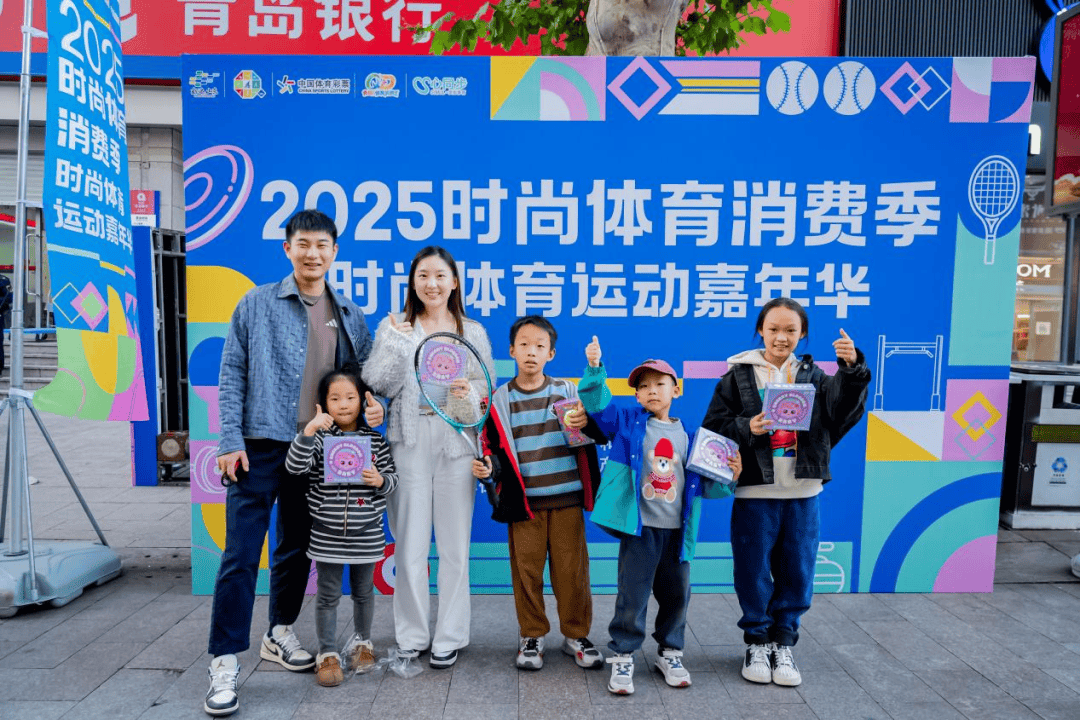
运动“引力场”点燃消费热潮,时尚体育嘉年华圆满落幕
Sou Hu Cai Jing· 2025-11-03 15:16
Core Insights - The "2025 Qingdao Fashion Sports Consumption Season Fashion Sports Carnival" was held on November 2, showcasing ten sports challenges and activities, creating a vibrant atmosphere for the city [1] - The event was free for the public, featuring interactive projects like frisbee throwing, curling, pickleball, and baseball, attracting a diverse audience from youth to seniors [3] - A dedicated sports industry interactive display area was established, inviting ten local sports-related enterprises and clubs to showcase their products and services, facilitating a seamless transition from experience to consumption [6] Group 1 - The event integrated fashion sports into a bustling commercial area, utilizing low-threshold and engaging interactive formats to create immersive scenarios for sports engagement and consumer conversion [8] - The carnival served as a vivid example of how fashion sports can enter everyday life, unlocking the potential for sports consumption and promoting the "sports+" integration development concept [8] - Participants expressed enthusiasm for trying new sports, indicating a successful alignment with the event's goal of integrating sports into daily life and driving consumption through experience [9]

奋力激发文体创新活力
Guang Xi Ri Bao· 2025-11-01 02:53
Group 1: Cultural Innovation and Development - The 20th Central Committee of the Communist Party emphasizes the need to stimulate cultural innovation and creativity to promote socialist culture [1] - Guangxi's cultural and sports sectors are actively learning and implementing the spirit of the 20th Central Committee, aiming to enhance cultural confidence and innovation to support high-quality economic and social development [1] - The Guangxi Federation of Literary and Art Circles plans to integrate art with technology and tourism, focusing on modernizing artistic creation while preserving cultural heritage [1] Group 2: Media and Technology Integration - The Guangxi Broadcasting and Television Bureau aims to enhance the international communication capacity towards ASEAN through systematic reforms in broadcasting and television [2] - The integration of artificial intelligence in cultural and tourism sectors is prioritized, with plans to develop a comprehensive model and promote innovative technologies in tourism [2] - The focus is on balancing cultural and tourism public services across urban and rural areas, while also enhancing night-time tourism consumption and inbound tourism [2] Group 3: Sports Industry Development - The development of the sports industry is seen as a strategic goal for building a strong sports region and supporting broader economic and social development [3] - The Guangxi Sports Bureau is constructing a unique event system and aims to establish itself as a national experimental zone for high-quality sports development [3] - The integration of AI technology in sports is emphasized, with initiatives to foster innovation and collaboration in the sports sector, particularly in relation to ASEAN [3]
体育上场带动消费上扬
Jing Ji Ri Bao· 2025-10-31 22:10
Core Insights - The recent surge in sports events such as "Village Super," "Su Super," and "Zhejiang BA" has stimulated consumer interest in travel and ticket economies, reflecting a vibrant growth in China's sports industry [1] - The sports industry is not only fulfilling the public's pursuit of a healthy lifestyle but also driving the development of related sectors such as health management, sports technology, skills training, accommodation, dining, and cultural tourism [1] - During the 14th Five-Year Plan period, the added value of the sports industry is growing at an average annual rate of 11.6% [1] - Cities are enhancing public fitness facilities to encourage sports participation, with shopping centers incorporating diverse sports facilities to create immersive consumer experiences [1] - The integration of sports with tourism and culture is gaining popularity among younger consumers, enriching their spiritual lives [1] - The 20th National Congress of the Communist Party of China emphasizes the need to promote both mass and competitive sports development to build a strong sports nation [1] Industry Development Strategies - Enhance the supply of sports products and services by improving sports venue planning and expanding quality service coverage [2] - Encourage the renovation and upgrade of sports venues towards green, low-carbon, and intelligent designs [2] - Support the cultivation of original and unique sports intellectual properties (IPs) and encourage the development of related merchandise [2] - Establish a multi-tiered sports event system to elevate the level of professional events and support the development of locally influential brand events [2] - Promote digital upgrades and smart equipment development in sports enterprises to enhance brand competitiveness [2] - Streamline the approval process for sports events and implement efficient safety licensing to reduce institutional costs for enterprises [2] - Establish a regulatory framework for prepaid sports consumption to strengthen risk management [2]
咪咕王鸿儒:AI重塑体育营销新生态
Jing Ji Guan Cha Wang· 2025-10-31 15:04
Core Insights - The 32nd China International Advertising Festival and the 34th Asian Advertising Conference focused on innovation and international cooperation in the advertising industry, emphasizing the theme "Intelligent Advertising New Chapter: China on Stage, Asia in Sync" [1] - The sports industry in China is rapidly growing at an annual rate of 10%, with an expected market value of 7 trillion yuan by 2030, positioning sports as the "primary source of traffic" [1] - Migu, a subsidiary of China Mobile, is leveraging technology, particularly AI, to reshape sports marketing and enhance user engagement [1][2] Group 1: AI and Sports Marketing - Migu has developed an AI multi-modal content production matrix that enables automatic commentary, real-time player data display, and highlights generation [2] - The company focuses on four marketing scenarios: event marketing, node marketing, endorsement marketing, and emotional marketing, utilizing AI to enhance user engagement and brand conversion [2] - Migu aims to transform sports marketing through a "three-in-one" approach of media, community, and intelligence, enhancing the overall marketing experience [2] Group 2: AI's Impact on Viewing Experience - AI is fundamentally changing how audiences watch and participate in sports, improving data response efficiency and enabling personalized content delivery [3] - The shift from passive viewing to active participation is creating a complete ecosystem that enhances user engagement and commercial value [3] - Migu plans to expand its AI applications to cover more sports events, providing customized viewing experiences [3] Group 3: Innovative AI Applications - Migu's collaboration with Budweiser during the World Cup introduced several innovative AI products, including the first AI smart account for real-time event updates [4] - The creation of an AI-generated creative video intro for daily match recap shows how AI can break traditional advertising boundaries and enhance user engagement [5] - The introduction of an AI-driven event progress bar and naming model allows for real-time marketing, capturing key moments with millisecond response times, significantly improving marketing effectiveness [5]

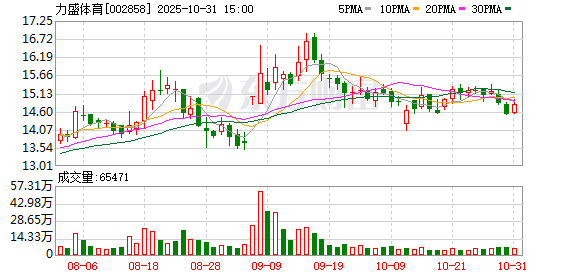
力盛体育:公司将在国家鼓励的大背景下,沿着公司的既定战略,持续推进大体育产业布局
Zheng Quan Ri Bao· 2025-10-31 09:12
Core Viewpoint - The announcement from Lisheng Sports highlights the government's encouragement for the development of the sports industry and sports events, aiming to cultivate internationally influential sports enterprises and event IPs [2] Industry Insights - There is a significant market demand for sports events, evidenced by the high ticket demand for popular events, which enriches cultural life and boosts city branding [2] - The integration of sports with cultural tourism and commerce is emphasized, indicating a trend where sports activities can enhance overall consumer spending in the sports service sector [2] Company Strategy - The company plans to continue its strategic development in the large sports industry, aligning with national encouragement, to contribute to the goal of building a strong sports nation [2] - Efforts will be made to enhance company value and provide good investment returns for shareholders [2]