投资银行

Search documents
谁是沃什?美联储最年轻理事,雅诗兰黛家族女婿,其岳父第一个建议特朗普买下格陵兰岛
Sou Hu Cai Jing· 2026-01-30 13:03
当地时间30日,美国总统特朗普宣布提名凯文·沃什为下一任美国联邦储备委员会主席。 沃什有显赫的家庭背景。他的夫人出身于著名的雅诗兰黛家族,其岳父罗纳德·劳德是特朗普总统的老友兼重要支持者,是第一个向特 朗普提出买下格陵兰岛的人。这为沃什在政界和商界都提供了独特的人脉资源。(红星新闻相关报道:) 沃什1970年出生于美国纽约州奥尔巴尼,来自一个犹太家庭。1992年,他获得斯坦福大学公共政策学士学位,主修经济学和政治学。之后,沃什进 入哈佛法学院学习,并于1995年以优异成绩获得法学博士学位。他还曾在麻省理工学院斯隆管理学院和哈佛商学院修读市场经济学和债务资本市场 课程。 1995年至2002年,沃什进入摩根士丹利,一路晋升为摩根士丹利并购部门的执行董事。 2002年至2006年,沃什开始进入美国联邦政府的经济决策圈中,担任总统经济政策特别助理兼国家经济委员会执行秘书,为总统和高级政府官员就 美国经济相关问题提供建议。 2006年1月,布什提名沃什填补美联储理事的空缺职位。当时35岁的沃什,成为美联储历史上最年轻的理事,还因其年龄和经验不足而受到一些批 评。 2008年经济危机期间,沃什的华尔街任职经历,让他成为 ...


15天涨粉264万,7天直播GMV破亿,黄金带火了多少流量黑马?
3 6 Ke· 2026-01-30 09:58
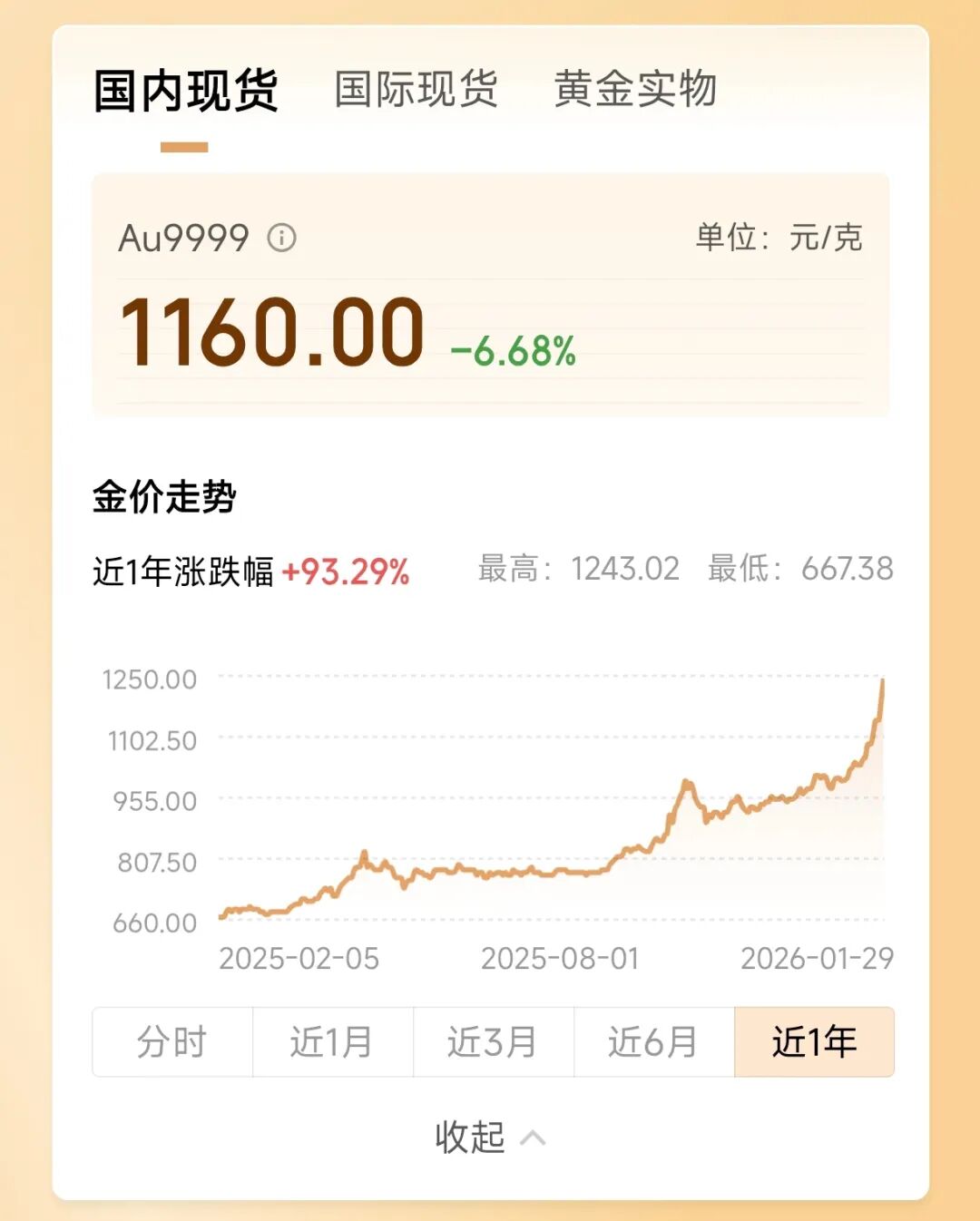
*这是AI生成的播客节目,AI用双人对话模式对本文进行了总结,习惯听内容的朋友可以试试,期待你的反馈,欢迎星标新榜,一起探索内容创作的更多 可能性。 黄金买了吗? 黄金不能买了吧? 当国内现货金价从去年2月的不到700元/克,暴涨至最高突破1200元/克,又在昨晚(1月29日)一度暴跌5.7%时,黄金就已成为吸引无数人的漩涡。 有人觉得普通人终于等来了暴富时刻,开始临阵磨枪学习实物黄金、黄金ETF、银行预存金的区别,准备好好捞上一笔;有人担心自己成为高位接盘的韭 菜,一边羡慕别人晒出的黄金收益,一边迟迟不敢动手。 图源:腾讯理财通 这股情绪也蔓延到了各大社交媒体上,让黄金成为当下最强劲的流量密码之一。 新榜数据显示,在抖音,近90天#黄金 话题播放量新增160亿次,#今日金价 话题播放量新增30亿次;在小红书,近30天黄金相关话题累计互动量新增超 3077万,新增笔记超39万篇。其中,抖音博主"狗总"因为成功预测黄金走势,15天涨粉超264万,成为最近吃到最大流量红利的黄金博主;"韦雪"则在抖 音连开3场黄金直播,预估GMV破亿。 | | 黄金还会涨吗 | | × | 搜索 | | | | | --- | - ...
中金公司(03908)发布2025年年度业绩预增公告,预期归母净利润85.42亿元到105.35亿元 同比增加50%到85%
智通财经网· 2026-01-30 09:13
预计本公司2025年年度实现归属于母公司股东的扣除非经常性损益的净利润为人民币84.28亿元到人民 币103.51亿元,与上年同期相比,将增加人民币27.72亿元到人民币46.95亿元,同比增加49%到83%。 公告称,2025年,本公司立足服务国家战略发展大局,锚定培育壮大新质生产力、助力构建新发展格局 核心方向,坚守金融本源,持续为实体经济注入金融活水,稳步提升金融服务质效。报告期内,本公司 主动把握市场发展机遇,充分发挥"投资+投行+投研"一体化综合优势,扎实推进各项战略布局落地。 在此背景下,投资银行、股票业务、财富管理等核心业务板块实现稳健增长,带动本公司经营业绩较上 年同期大幅提升。 智通财经APP讯,中金公司(03908)发布2025年年度业绩预增公告 ,经初步测算,预计本公司2025年年 度实现归属于母公司股东的净利润为人民币85.42亿元到人民币105.35亿元,与2024年年度(上年同期)相 比,将增加人民币28.47亿元到人民币48.40亿元,同比增加50%到85%。 ...

中金公司:预计2025年年度净利润为85.42亿元到105.35亿元,同比增加50%~85%
Mei Ri Jing Ji Xin Wen· 2026-01-30 09:13
(记者 曾健辉) 免责声明:本文内容与数据仅供参考,不构成投资建议,使用前请核实。据此操作,风险自担。 每经AI快讯,中金公司1月30日晚间发布业绩预告,预计2025年年度实现归属于母公司股东的净利润为 人民币85.42亿元到人民币105.35亿元,与2024年年度相比,将增加人民币28.47亿元到人民币48.4亿元, 同比增加50%~85%。业绩变动主要原因是,2025年,公司立足服务国家战略发展大局,锚定培育壮大 新质生产力、助力构建新发展格局核心方向,坚守金融本源,持续为实体经济注入金融活水,稳步提升 金融服务质效。报告期内,公司主动把握市场发展机遇,充分发挥"投资+投行+投研"一体化综合优 势,扎实推进各项战略布局落地。在此背景下,投资银行、股票业务、财富管理等核心业务板块实现稳 健增长,带动公司经营业绩较上年同期大幅提升。 每经头条(nbdtoutiao)——核电建设热潮下,设备厂忙到"飞起"!订单已排至2028年,员工三班倒, 产线24小时不停 ...
高盛掌门人最新发声!黄金、股票、中国资本市场……怎么看?
证券时报· 2026-01-30 06:25
Core Viewpoint - Goldman Sachs is committed to long-term development in the Chinese market and is optimistic about the further opening of China's capital markets [1][4]. Group 1: Business Development in China - David Solomon, Chairman and CEO of Goldman Sachs, emphasized the company's ongoing commitment to the Chinese market, noting a significant recovery and acceleration in business activities [1][3]. - Solomon highlighted that international investors are regaining interest in China, which is reflected in the rising stock market [6][7]. - Goldman Sachs has been operating in China for over 30 years, engaging in various services including investment banking, asset management, and wealth management, with a notable focus on the Hong Kong market [3][4]. Group 2: Economic Insights - Solomon acknowledged that China's economy has met its growth targets, attributing this success to technological innovation, manufacturing, and exports, while suggesting that future growth will rely more on consumer spending [3][4]. - He expressed optimism about the potential for a more balanced and stable Chinese economy if consumer spending increases [3]. Group 3: Market Perspectives - Solomon stated that stocks are expected to outperform gold in the long term, despite current trends where central banks are increasing gold holdings for short-term adjustments [5][6]. - He noted that international capital is gradually returning to China, with expectations for a more balanced and open Chinese economy attracting more investments [6][7]. Group 4: AI Investment Trends - Solomon affirmed the long-term potential of AI, indicating that current investments differ from past trends as they are driven by profitable companies recognizing their business needs [8]. - He compared the current AI investment climate to the early internet era, suggesting that while there may be concerns about bubbles, the market will eventually clarify real demand [8].


高盛掌门人最新发声!黄金、股票、中国资本市场……怎么看?
券商中国· 2026-01-30 03:13
Core Viewpoint - Goldman Sachs remains committed to the development of its business in China, expressing optimism about the further opening of the Chinese capital market and the recovery of business activities in the region [1][2]. Group 1: Business Development in China - David Solomon, CEO of Goldman Sachs, emphasizes the company's long-term commitment to the Chinese market, having witnessed significant growth in various sectors since his first visit in the mid-1990s [2]. - The company has been operating in China for over 30 years, engaging in investment banking, fixed income, foreign exchange, commodities, stock trading, wealth management, and asset management [2][3]. - Solomon notes that the investment banking sector, particularly in Hong Kong, is experiencing positive growth due to the recovery of equity financing and increased demand for financial advisory services [3]. Group 2: Economic Outlook - Solomon acknowledges that China's economy has met its growth targets, attributing this success to technological innovation, manufacturing, and exports, while highlighting the potential for consumption to become a more significant growth driver in the future [2]. - He expresses encouragement regarding the ongoing opening measures in the Chinese capital market, which could attract more talent and capital, further promoting market development [3]. Group 3: Investment Perspectives - Solomon reiterates that stocks are expected to outperform gold in the long term, despite current trends where central banks are increasing gold holdings to adjust their dollar asset exposure [5]. - He believes that international capital is gradually returning to China, as evidenced by the recent rise in the Chinese stock market, and anticipates that by 2026, international capital allocation to Chinese assets will continue to increase [4][5]. - The discussion on AI investments highlights that the current funding is driven by profitable companies recognizing their business needs, contrasting with previous speculative bubbles [6].

特朗普称将于周五上午公布下任美联储主席人选,沃什获提名概率飙升至80%
Sou Hu Cai Jing· 2026-01-30 01:09
下任美联储主席人选即将公布。 当地时间1月29日晚间,美国总统特朗普在一场活动中被问及何时公布下任美联储主席人选时说,"明天 上午"。 现任美联储主席鲍威尔任期将于5月结束,他还将主持3月、4月两次议息会议。 从去年下半年以来,下任美联储主席的头号人选在以下四人间多次变化,他们分别是白宫国家经济委员 会主任凯文·哈西特、美联储前理事凯文·沃什、美联储理事克里斯托弗·沃勒、贝莱德集团全球固定收益 首席投资官里克・里德(Rick Rieder)。 在线博彩网站Polymarket最新数据显示,沃什获得提名的概率飙升至80%,与其他候选人明显拉开距 离,而最近的头号人选里德获得提名的概率降至10%。 沃什出生于1970年4月,他本科毕业于斯坦福大学,他是哈佛大学的法学博士。他目前是斯坦·德鲁肯米 勒家族办公室Duquesne的合伙人、斯坦福大学访问学者。德鲁肯米勒是美国传奇投资人,他与美国财政 部长贝森特都曾在索罗斯基金担任要职。沃什的人脉关系还包括知名投资人彼得・蒂尔、风险投资家马 克・安德森。蒂尔也是最早公开支持特朗普的硅谷创投大佬之一。此外,沃什的夫人Jane Lauder是雅诗 兰黛的继承人之一。 沃什曾供 ...
高盛CEO苏德巍:外资回流中国趋势延续,期待中国市场进一步开放
第一财经· 2026-01-29 15:49
Core Viewpoint - The global financial market in 2026 presents both opportunities and challenges, with a notable rise in precious metals and AI-driven investment, while concerns about the weakening dollar and U.S. debt persist [2]. Group 1: China’s Economic Outlook - Goldman Sachs CEO David Solomon stated that China has achieved its 2025 growth target, indicating a constructive outlook for the economy [2]. - Solomon observed a steady increase in the vitality of the Chinese market, with global investors showing renewed interest [3]. - The Chinese economy is characterized as one of the most important globally, benefiting from technological innovation and a strong manufacturing and export base [15]. Group 2: Capital Market Developments - The recovery of the Chinese capital market has created more business opportunities for foreign institutions, with a notable increase in IPO activities, particularly in Hong Kong [4][21]. - International capital inflow into China has increased over the past year, and this trend is expected to continue into 2026 [5][18]. - The Hong Kong IPO market saw significant growth in 2025, with 117 new listings and a total fundraising amount of 285.69 billion HKD, marking a substantial increase from 2024 [21]. Group 3: Investment Strategies - Solomon emphasized the importance of diversified investment strategies, recommending a balanced global portfolio that includes various asset classes across different markets [13]. - He suggested that younger investors should focus more on stocks for long-term growth, while older investors might prefer a more conservative asset allocation [13]. Group 4: Global Financial Trends - The dollar index has recently fallen to a near four-year low, with fluctuations expected in the short term, but a stabilization in the medium term is anticipated [8][10]. - Despite geopolitical uncertainties, the fundamental position of the dollar as a primary reserve currency remains unchanged [9]. - Gold prices have surged, with predictions for a significant increase by the end of 2026, reflecting ongoing demand from global central banks [11].
“全球投资者对中国的兴趣正迎来新一轮升温!”高盛董事长回应中证报提问:看好中国市场持续发展开放机遇
Zhong Guo Zheng Quan Bao· 2026-01-29 13:03
"这次到访中国,我再次感受到,全球投资者对中国的兴趣正迎来新一轮升温。与客户交流规划,同本 地投资者对话,并深入倾听学习,能让我在后续全球走访中,与国际投资者交流对中国经济状况的想 法。"高盛集团董事长兼首席执行官苏德巍(David Solomon)表示。 在回答中国证券报记者关于"高盛投资中国计划"的提问时,苏德巍表示,近期以港股市场尤为凸显, IPO发行节奏显著加快,企业财务顾问需求同步回暖。中国本土企业活力提升,叠加人工智能等领域的 技术创新,推动了一批创新科技企业快速成长,这为高盛在华投行业务带来更多机遇。通过高盛工银理 财,高盛也积极参与国内理财市场机遇。长期而言,高盛期待中国市场的持续开放,并将长期深耕中 国,稳步推进业务扩张。 看好中国各项业务长期发展 "高盛在华业务以各类投资银行业务更为突出。近期IPO发行加速,尤其是港股市场,以及市场对财务 顾问业务需求回暖,正为我们的相关业务创造新一轮增长机遇。"苏德巍对中国证券报记者表示。 他进一步表示,当前中国经济持续释放发展活力,本土企业尤其人工智能、数字经济等前沿领域的创新 科技公司迅速成长,优质市场主体不断涌现。这也为高盛进一步拓展在华投行业务提 ...
高盛CEO苏德巍:外资回流中国趋势延续,期待中国市场进一步开放
Di Yi Cai Jing· 2026-01-29 12:43
Core Viewpoint - Global investors are increasingly focused on the Chinese market as it shows signs of recovery and growth potential, despite ongoing global economic uncertainties [1][8]. Group 1: Economic Outlook - Goldman Sachs CEO David Solomon stated that China achieved its 2025 growth target, indicating constructive economic progress [1]. - The Chinese economy is characterized as one of the most important and diverse globally, benefiting from technological innovation and a strong manufacturing and export base [8]. - The actual export growth rate in China is projected to reach approximately 8% in 2025 and 5% in 2026, with consumer spending expected to improve due to government subsidies [8][10]. Group 2: Capital Market Trends - The Chinese capital market is experiencing a revival, with a significant increase in international capital inflows, particularly in the Hong Kong IPO market, which saw a 67% increase in new stock listings and a 224% increase in fundraising in 2025 [9][12]. - Goldman Sachs has noted a resurgence in IPO activities and a heightened demand for financial advisory services, presenting new opportunities for investment banking [2][12]. - The firm has achieved a market share of over 10% in the Hong Kong stock capital market in 2025, positioning itself favorably amidst the market's recovery [12]. Group 3: Investment Strategies - Solomon emphasized the importance of diversified investment strategies, recommending a balanced global portfolio that includes various asset classes across different markets [7]. - Long-term investment strategies are encouraged, particularly for younger investors who should focus more on equities for growth [7]. Group 4: Dollar and Gold Market Dynamics - The recent decline of the US dollar, which fell to a near four-year low, is seen as a temporary fluctuation, with expectations of stabilization in the medium term [5]. - Gold prices have surged, with forecasts predicting an increase to $5,400 per ounce by the end of 2026, reflecting ongoing demand from global central banks [6]. - Despite the current strength of gold, Solomon believes that equities may offer better long-term returns compared to gold [6]. Group 5: Foreign Investment and Market Openness - There is a consensus among foreign investors regarding the trend of capital returning to China, driven by the country's economic significance and recent openness initiatives [10][11]. - Solomon expressed optimism about further policy developments that would enhance foreign access to the Chinese market, which is crucial for attracting more capital [13].