
电子信息

Search documents
成渝经济圈发展能级实现整体跃升
Zhong Guo Fa Zhan Wang· 2026-02-04 03:45
Core Viewpoint - The development of the Chengdu-Chongqing economic circle is a national strategy aimed at creating a high-quality growth hub in the western region of China, with significant progress made in the past six years, particularly during the 14th Five-Year Plan period [1]. Economic Growth Projections - By 2025, Chongqing's GDP is projected to reach 33,757.93 billion yuan, reflecting a growth rate of 5.3% compared to the previous year [1]. - Sichuan's GDP is expected to reach 67,700 billion yuan by 2025, with a growth rate of 5.5%, ranking fifth in both total and growth rate nationally [1]. Infrastructure and Project Development - A total of 555 key projects are being implemented in the Chengdu-Chongqing area over five years, including significant infrastructure like the Jiangbei International Airport T3B terminal and the Yukun high-speed railway [2]. - The region has successfully integrated into national technology innovation centers and has hosted two "Belt and Road" technology exchange conferences [2]. Urban and Regional Planning - The Chengdu-Chongqing economic circle's land spatial planning has been approved, with efforts to optimize urban green space and key area planning [3]. Cross-Regional Cooperation - The economic output of the Chengdu-Chongqing economic circle accounts for approximately 6.5% of the national total, with significant improvements in regional economic coordination and infrastructure connectivity [4]. - The region has established 28 inter-provincial railways, highways, and waterways, with various industrial clusters reaching trillion-yuan scales [4]. Future Development Strategies - In 2023, Chongqing aims to enhance the development level of the Chengdu-Chongqing economic circle by implementing seven major special actions and accelerating key engineering projects [6]. - The focus will be on strengthening regional collaboration, enhancing transportation networks, and promoting advanced manufacturing [6]. Comprehensive Cooperation Initiatives - The region will deepen reforms in market access and tax management, and promote cross-border financial cooperation [7]. - There will be a push for cultural tourism promotion and the establishment of high-standard international events [7].
“千亿县”断档,这个中部大省要发力了
3 6 Ke· 2026-02-04 02:34
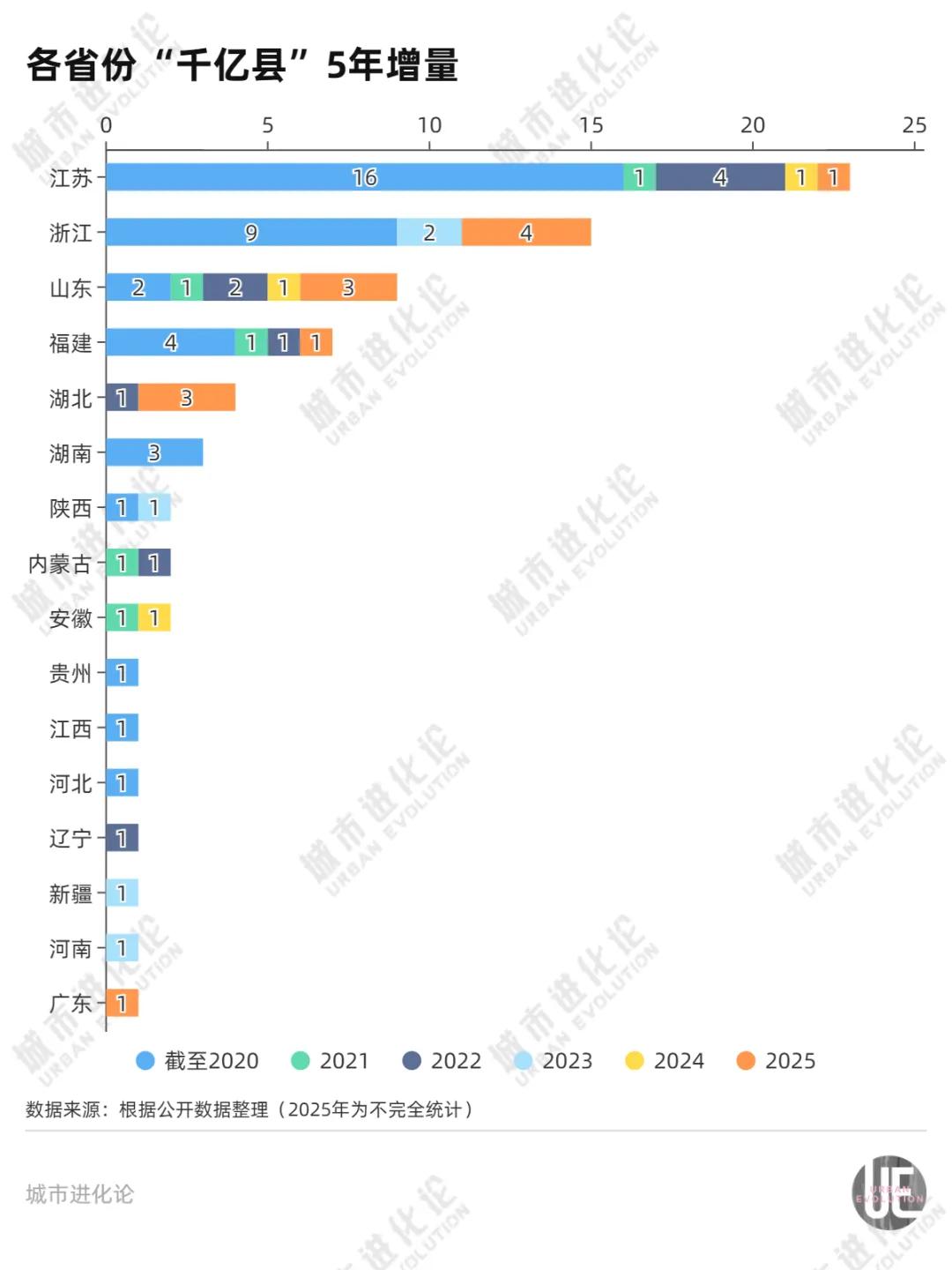
2月3日,湖南省十四届人大四次会议开幕。湖南省政府工作报告透露,2025年湖南省地区生产总值达5.53万亿元、稳居全国前十强,增长4.8%。 在部署2026年的重点工作时,湖南省政府工作报告提出,强化区域协调联动发展。深度融入国家重大战略,统筹推动区域共进,加快推进新型城镇化,大 力发展县域经济,着力营造区域共赢互利、县域各擅其长的蓬勃发展态势。其中还特别明确,要"提高县域经济占全省经济比重"。 作为中部经济大省,县域经济是湖南经济发展的基石,也日益成为其发展的一大"软肋"。 数据显示,湖南86个县市县域面积占全省超九成、承载七成常住人口、贡献超五成经济总量。 2024年,20个经济大县以湖南全省约四分之一的土地与人口,贡献了超过一半的县域经济总量,撑起"半壁江山"。长沙县、浏阳市、宁乡市作为湖南县域 经济"龙头",更多年稳居全国百强县前列。 不过,湖南近年也面临"原地踏步"的窘境—— 根据城市进化论此前研究,过去5年间,全国"千亿县"数量由2020年38个增至2025年至少74个,数量接近翻番;其中中西部贡献全国超三成增量,湖北五 年新增4个"千亿县",成为中西部最大"赢家"。 相比之下,湖南"千亿县"出现 ...

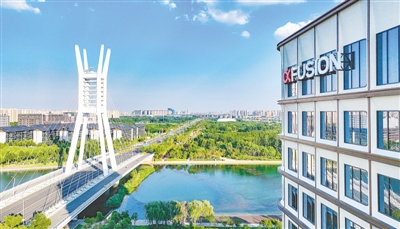
聚力高质量 发展挑大梁
Zheng Zhou Ri Bao· 2026-02-04 00:59
Group 1 - Zhengzhou's GDP has historically surpassed 1.5 trillion yuan, marking a new starting point for high-quality development [2] - The city has seen a continuous increase in urban area and has been recognized as a national urban agglomeration, enhancing its urban capabilities [2] - The industrial output value of key sectors such as automotive and modern food processing has shown an annual growth rate of 9% [2][3] Group 2 - The city has established 68 national-level R&D platforms and 35 key laboratories, with technology contract transaction volume exceeding 100 billion yuan [3] - The electronic information industry has surpassed 800 billion yuan, and the automotive sector has an annual production exceeding 1.2 million vehicles, ranking among the top ten in the country [3] - The digital economy has also reached a scale of over 800 billion yuan, placing Zhengzhou among the top cities in the nation [3] Group 3 - Significant reforms have been implemented, including the successful operation of an intelligent bidding system and the establishment of a free trade zone, enhancing the business environment [6] - Policies supporting cross-border e-commerce have led to substantial growth for small businesses, with one entrepreneur reporting a sales increase of over 60% [6] Group 4 - The city has made strides in improving the quality of life, with air quality reaching its best levels and urban renewal projects revitalizing older areas [7] - Infrastructure developments include over 450 kilometers of operational rail transit and the establishment of community service centers, enhancing public welfare [7] Group 5 - Looking ahead, Zhengzhou aims to continue its high-quality development trajectory, playing a leading role in the province's future growth [8]
读懂“万亿城市”背后的发展密码
Ren Min Ri Bao Hai Wai Ban· 2026-02-03 22:56
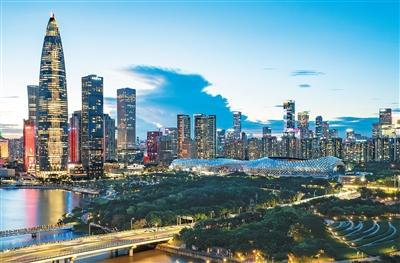
Group 1 - The core viewpoint of the article highlights the emergence of new cities in China's "GDP trillion club," with a total of 29 cities surpassing a GDP of 1 trillion yuan by 2025, reflecting significant economic growth across various regions [2][3]. - The distribution of these cities shows that approximately one-third are located in the Yangtze River Delta, with notable cities including Shanghai, Ningbo, and Hangzhou, while the Guangdong-Hong Kong-Macao Greater Bay Area has four cities, including Shenzhen and Guangzhou [3]. - Shanghai leads the list with a GDP of 56,708.71 billion yuan, followed by Beijing at 52,073.4 billion yuan, marking Beijing's first entry into the 5 trillion yuan club [3][4]. Group 2 - Several cities on the list exhibit strong growth rates, with Chengdu at 5.8%, Wuhan at 5.6%, and Shenzhen at 5.5%, all exceeding the national average growth rate of 5% [4]. - The article emphasizes that the "GDP trillion club" now includes a mix of municipalities, provincial capitals, and other cities, indicating a trend towards diversified urban economic development [4][5]. - Beijing's economic growth is driven by new technologies and high-value-added industries, with significant contributions from the information service and financial sectors, which accounted for over 80% of its economic growth [6][7]. Group 3 - Shenzhen's Nanshan District has become the first district-level administrative region in China to achieve a GDP exceeding 1 trillion yuan, showcasing its innovation-driven economic model [7][8]. - The article notes that cities like Dalian and Wenzhou have made significant strides, with Dalian's industrial sector growing rapidly and Wenzhou focusing on strengthening its industrial base and increasing innovation [9][10]. - Wenzhou's economy is heavily supported by its private sector, with a significant portion of its industrial output coming from private enterprises, which are expanding into new sectors like renewable energy and artificial intelligence [11].
海南产经新观察:自贸港核心引领区海口擘画“六个之城”新蓝图
Xin Lang Cai Jing· 2026-02-03 13:38
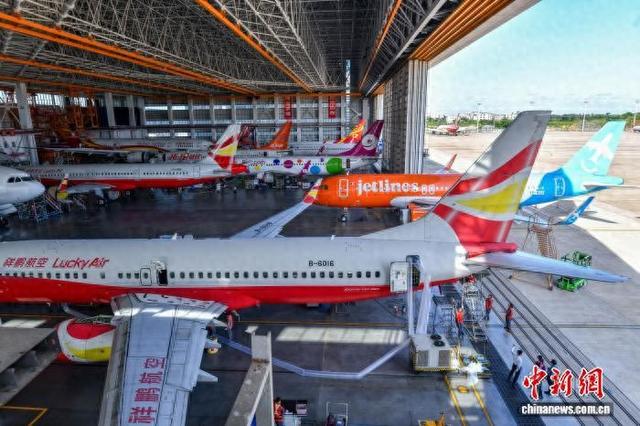
Core Viewpoint - Haikou, as the core area of Hainan Free Trade Port, has shown significant progress during the "14th Five-Year Plan" and is now focusing on a development blueprint of "six cities" for the "15th Five-Year Plan" to enhance its international perspective, industrial resilience, and cultural warmth [1][2]. Group 1: Economic Development - During the "14th Five-Year Plan," Haikou's actual foreign investment and overseas direct investment grew at an average annual rate of 12.6% and 55.2%, respectively, while the total import and export volume of goods and services increased by 20.2% and 18% annually [1]. - The implementation of 39 core policies of the Hainan Free Trade Port in Haikou has led to a cumulative declaration of 66 enterprises under the zero-tariff policy, with an internal sales value of 1.6 billion yuan [1]. Group 2: Infrastructure and Connectivity - Haikou plans to attract global headquarters enterprises and enhance domestic companies' overseas layouts, alongside expanding Meilan International Airport's third phase to increase domestic and international direct flight routes [2]. - The city aims to strengthen cooperation with the Guangdong-Hong Kong-Macao Greater Bay Area and deepen collaboration with regions like Beijing-Tianjin-Hebei and the Yangtze River Delta [2]. Group 3: Industry and Innovation - Haikou will focus on developing a modern industrial system with local characteristics, emphasizing innovation in pharmaceuticals and digital services, including game exports and cross-border live streaming [4][5]. - The city plans to cultivate a leasing economy centered on aircraft, ships, and specialized equipment, while promoting the full-chain development of the electronic information industry [4]. Group 4: Consumer and Cultural Development - Haikou aims to enhance consumer vitality by hosting large-scale events and attracting renowned brands, while leveraging the effects of the offshore duty-free policy [7]. - The city plans to develop its cultural industry by protecting historical sites and promoting cultural exchange, alongside fostering new industries like gaming and digital culture [9]. Group 5: Environmental and Social Initiatives - Haikou is committed to green transformation through projects aimed at ecological protection and climate adaptation, striving to build a "cool city" system [7]. - The city focuses on improving living standards by creating a job-friendly environment and optimizing educational resources, ensuring that development benefits all citizens [7].
GDP首破6万亿元 福建锚定5%左右增速启“十五五”新程
Sou Hu Cai Jing· 2026-02-03 12:20
中新网福州2月3日电 (记者 龙敏)GDP首度突破6万亿元后,福建省"十五五"规划纲要明确提出:未来五 年地区生产总值(GDP)年均增长5%左右,2030年人均GDP接近或达到中等发达国家水平。 万亿台阶背后的"福建韧性" 回溯福建经济的增长轨迹,一组数据勾勒出清晰的上升曲线:福建GDP2020年突破4万亿元,2022年跨 越5万亿元门槛,如今正式迈入6万亿元俱乐部。 过去五年,面对复杂国际环境与疫情冲击,福建始终展现出强劲的发展韧性。2025年,福建工业增加值 仍稳居全国第五,制造业增加值占GDP比重位居全国第二,民营经济贡献了全省70%以上的 GDP、70% 以上的税收、80%以上的城镇劳动就业和90%以上的市场主体数量,"七七七八九"的贡献格局成为经济 稳定增长的"压舱石"。 生态优势的转化同样不容忽视。作为森林覆盖率连续47年全国第一的省份,福建将以碳达峰碳中和为牵 引,建设零碳岛、零碳工厂,推动生态"绿"变为口袋"金"。福建省发改委副主任叶仁佑表示,福建将建 立健全覆盖各类主体的激励约束制度体系,提升"双碳"治理能力和治理水平。 "这个目标既鼓舞人心、催人奋进,要'跳起来摘果子';又实事求是、务实可 ...
广东的“县域短板”,博罗之后如何再造“千亿县”?
经济观察报· 2026-02-03 12:15
Core Viewpoint - The emergence of Bo Luo County as Guangdong's first "billion county" signifies a shift in the province's development model, placing greater emphasis on county-level economic growth alongside urban development [2][3]. Economic Milestones - Bo Luo County's GDP is projected to exceed 100 billion yuan by 2025, marking a significant milestone for Guangdong, which has historically lacked representation in the "billion county club" [2]. - The number of "billion counties" in China has increased to 62 by 2024, with notable examples from Jiangsu Province, where some counties have GDPs exceeding 500 billion yuan [2]. County Economic Dynamics - The lack of "billion counties" in Guangdong has been attributed to a focus on urban centers like Shenzhen and Guangzhou, leading to a disparity in county-level economic development [2][6]. - The administrative evolution in the Pearl River Delta has resulted in the transformation of many economically strong counties into districts, impacting the county economic landscape [5][6]. Development Strategies - Bo Luo County has shifted from a fragmented industrial approach to a systematic development strategy, focusing on key industries and establishing industrial parks to enhance competitiveness [10][13]. - The county has successfully developed eight industrial clusters, including new-generation electronic information and intelligent equipment manufacturing, aligning with national strategic directions [10][13]. Regional Collaboration - Bo Luo County's integration with Huizhou's urban area has facilitated infrastructure connectivity and collaborative development, enhancing its economic dynamism [10][13]. - The "Hundred Counties, Thousand Towns, and Ten Thousand Villages High-Quality Development Project" aims to address urban-rural disparities and promote balanced regional development [6][12]. Future Prospects - Other counties in Guangdong, such as Hui Dong and Zhaoqing, are on track to achieve "billion county" status, indicating a potential trend in county-level economic growth [7][14]. - The experiences of Jiangsu and Zhejiang provinces in county economic development may provide valuable insights for Guangdong in cultivating more competitive counties [14][15].
科技型企业激活双城经济圈创新“一池春水” 为“钻石菱形”区域发展注入强劲动能
Yang Shi Wang· 2026-02-03 07:24
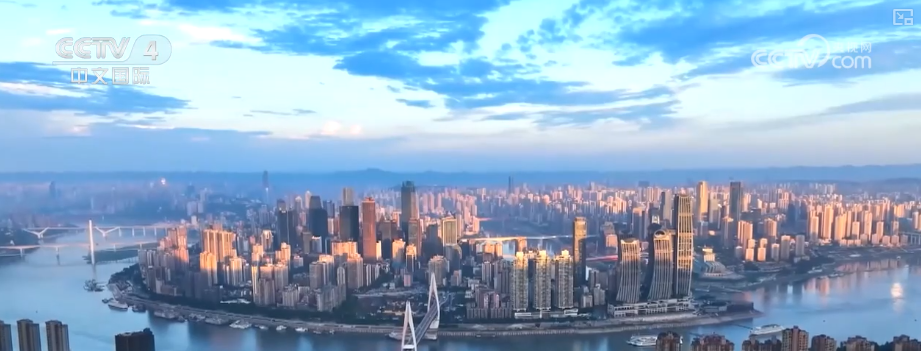
中国区域经济版图迎来又一标志性时刻。四川、重庆两地经济总量历史性突破10万亿元,占全国比重提高至约7.2%,6年间两地携 手跨越4个万亿级台阶。 川渝"一盘棋"协同发展。推动成渝地区双城经济圈建设,以成渝双核为创新策源地和总部聚集地,推动产业全域梯度布局,携手打 造电子信息等4个万亿元级产业集群、5个国家先进制造业集群,科技型企业超7万家。 央视网消息:2025年,川渝地区GDP达到10.14万亿元,成渝地区双城经济圈建设正式迈入10万亿新能级,6年跨越4个万亿级关口, 发展能级整体跃升。分析指出,"能级跃升"后的双城经济圈将成为中国区域发展的"第四极",为"北有京津冀、东有长三角、南有粤 港澳、西有成渝"的"钻石菱形"区域发展新格局注入强劲动能。 链接全球 川渝从"门户"到"高地"跨越 川渝从"门户枢纽"逐渐转向"开放高地"。以成渝双枢纽为牵引,打通中欧班列、西部陆海新通道等出海大通道,川渝全域更紧密链 入全球市场。区域开放型经济水平不断提升,2025年,重庆外贸进出口总值同比增长12%。四川有进出口实绩企业首次突破万 家,"新三样"出口创新高。 社保互认医疗互通 民生基建"双向奔赴" 随着川渝双圈建设全面 ...
广东首个千亿县博罗的强县之路
Xin Lang Cai Jing· 2026-02-03 04:21
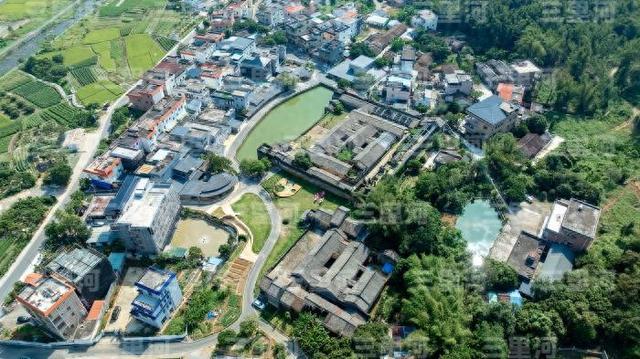
万亿强区,千亿大县。 近日,广东省政府工作报告在总结2025年及"十四五"时期工作时提出:"惠州博罗成为生产总值超千亿 元县"。 这是中国经济第一大省的首个千亿县,标志着广东县域振兴迈出关键一步。 2007年江苏昆山、江阴、张家港成为首批千亿县时,广东还在强区经济的轨道上飞驰。如今,广东首个 千亿县被博罗县突破,但时间已过去了近二十年。 2025年10月16日,广东惠州,博罗县罗浮南麓的徐田古村。 拼经济,首个千亿县对广东意味着什么?县域经济在粤苏争霸中又将扮演怎样的角色? 千亿GDP大县再次扩容,这次是广东。 在2024年已有的62个千亿县中,江苏独占22席,浙江紧随其后,而经济总量连续多年领跑全国的广东, 在千亿县仍是空白。 在很多人印象中,广东是经济实力强,珠三角地区强手如林,为何2025年才诞生首个千亿县? 其实,在区域经济模式上,广东跟地处于长三角的江苏、浙江等省份相比有着很大的不同。 江苏、浙江以发达的县域经济著称,而广东则以突出的区级经济和强镇经济领先。 广东57个县(市)中,近八成分布在粤东西北地区,2022年县域生产总值仅占广东全省的12.4%。 有观点认为,县域高度分化,珠三角与粤东西北县 ...
2025年私募图谱:量化主导百亿元阵营 PE/VC募投升温
Jin Rong Shi Bao· 2026-02-03 01:56
Core Insights - The private equity (PE) and venture capital (VC) fundraising market in China has shown significant growth, with a total fundraising scale of 30,860 billion yuan in 2025, marking a year-on-year increase of 26% [4] - The number of private fund managers reached 19,231, managing 138,315 funds with a total scale of 22.15 trillion yuan by the end of 2025 [1] - The private securities investment fund scale has surpassed 7 trillion yuan for the first time, with a market share of 3.5% of the A-share circulating market [2] Private Fund Management - By the end of 2025, the number of private securities investment funds reached 7.08 trillion yuan, with over 100 private funds exceeding 100 billion yuan [2] - The number of 100 billion yuan private funds has increased to 112, with quantitative private funds leading the growth [2][3] - The trend of insurance capital private funds is accelerating, with 133 private funds holding a Hong Kong Type 9 license, including 39 funds exceeding 100 billion yuan [3] Investment Trends - The investment case count in 2025 reached 11,015, a year-on-year increase of 30.6%, with total investment scale at 13,396.8 billion yuan, up 23.43% [6] - The electronic information sector led the investment transactions with 3,485 cases and 3,532.82 billion yuan in financing, followed by advanced manufacturing and healthcare [6] - The participation of corporate investors in fund establishment has increased, accounting for 37.3% of contributions, while state-owned platforms contributed 31.1% [4][5] Fundraising Dynamics - The establishment of new funds by state-owned platforms has surged, with significant initiatives like the National Venture Capital Guidance Fund aiming to raise 1,000 billion yuan [5] - The AIC fund market share has steadily increased since the relaxation of investment regulations in September 2024, with bank-related LP contributions rising by 21.7% [4] - The investment focus of new funds includes key sectors such as integrated circuits, artificial intelligence, biomedicine, quantum technology, 6G, aerospace, and future energy [5]