饮料

Search documents
加多宝和王老吉,又“打起来了”
中国基金报· 2025-10-10 15:14
Core Viewpoint - The ongoing trademark dispute between Jia Duo Bao and Wang Lao Ji has escalated, focusing on the overseas trademark ownership of "Wang Lao Ji" as both companies compete in international markets [2][10]. Group 1: Trademark Dispute - On September 30, Wang Lao Ji accused Jia Duo Bao of maliciously registering the "Wang Lao Ji" trademark overseas through offshore companies [3]. - Jia Duo Bao responded on October 10, asserting that it legally acquired the overseas trademark ownership in the 2000s and has registered it in over 60 countries [7][12]. - Both companies cite different legal rulings to support their claims, indicating a complex legal landscape surrounding the trademark ownership [13]. Group 2: Legal Background - The trademark conflict has been ongoing for years, with significant legal battles since their partnership ended in 2011, involving numerous lawsuits and substantial financial stakes [16]. - In 2018, a court ruled that Jia Duo Bao owed 1.44 billion yuan to Wang Lao Ji, but this was later overturned by the Supreme People's Court due to evidence issues [16]. - A recent ruling in July 2023 found Jia Duo Bao liable for infringement, ordering compensation of 317 million yuan, which Jia Duo Bao plans to appeal [16]. Group 3: Market Dynamics - The competition has now extended to international markets, with both companies vying for dominance in the growing global plant-based beverage sector, which is projected to grow at a compound annual growth rate of nearly 10% from 2019 to 2024 [19]. - Wang Lao Ji's international brand "WALOVI" was launched on August 18, 2025, and has seen a 6.5-fold increase in overseas market size over the past decade, with a compound annual growth rate exceeding 25% [20]. - Wang Lao Ji reported a revenue of 6.499 billion yuan in the first half of 2025, reflecting an 8.38% year-on-year increase, while net profit rose by 15.87% to 1.295 billion yuan [20].

刚刚,加多宝、王老吉,又开打了
Mei Ri Jing Ji Xin Wen· 2025-10-10 13:47
Core Viewpoint - The ongoing dispute between Jia Duo Bao Group and Wang Lao Ji Health Industry Company regarding the ownership of the Wang Lao Ji overseas trademark has escalated, with both parties making conflicting claims about their rights and registrations in international markets [1][5]. Group 1: Jia Duo Bao Group's Position - Jia Duo Bao Group asserts that it acquired the Wang Lao Ji trademark rights and the secret recipe for herbal tea from the descendants of Wang Ze Bang in the 1990s and legally obtained the overseas trademark ownership in the early 2000s [2][3]. - The company claims to have registered the Wang Lao Ji trademark in over 60 major countries and regions globally, emphasizing its commitment to promoting Chinese herbal tea culture worldwide [2][3]. - Jia Duo Bao Group intends to take legal action to protect its rights against any infringement or disruption to its market position, asserting that it will not tolerate any actions that harm its reputation or legal rights [2][3]. Group 2: Wang Lao Ji Health Industry Company's Position - Wang Lao Ji Health Industry Company claims that the true owner of the Wang Lao Ji trademark is Guangzhou Baiyunshan Pharmaceutical Holdings Company and accuses Jia Duo Bao Group of maliciously registering the trademark through offshore companies, disrupting its overseas business expansion [5][9]. - The company has initiated legal actions in 21 countries/regions to challenge Jia Duo Bao Group's trademark registrations, with 10 jurisdictions already ruling in favor of Wang Lao Ji Health Industry Company by revoking Jia Duo Bao Group's trademarks [9][10]. - Wang Lao Ji Health Industry Company emphasizes its commitment to promoting the Wang Lao Ji brand globally, introducing the English brand "WALOVI" to penetrate the international health beverage market [11][12]. Group 3: Market Context and Financial Performance - The competition between Jia Duo Bao and Wang Lao Ji is driven by the need to capture overseas market share, especially as the domestic beverage market becomes increasingly competitive [14][15]. - Wang Lao Ji Health Industry Company reported a revenue of 6.5 billion yuan in the first half of 2025, reflecting an 8.4% year-on-year increase, with a net profit of approximately 1.3 billion yuan, up 15.8% [14]. - The overseas market for Wang Lao Ji has seen significant growth, with a 6.5-fold increase in scale over the past decade and a compound annual growth rate exceeding 25% [14].
探厂VLOG|原来这就是饮料不添加防腐剂的秘诀
Zhong Guo Jing Ji Wang· 2025-10-10 12:28
Core Viewpoint - The article explores the innovative manufacturing processes of Yuanqi Forest, highlighting its ability to produce beverages without chemical preservatives through intelligent manufacturing techniques [1] Group 1: Intelligent Manufacturing - Yuanqi Forest's Tianjin Xiqing factory exemplifies advanced automation in beverage production, resulting in minimal human labor presence on the production line [1] - The factory's smart manufacturing approach is a key factor in maintaining product quality while eliminating the need for chemical preservatives [1] Group 2: Industry Insights - The beverage industry is increasingly adopting intelligent manufacturing solutions to enhance efficiency and product safety [1] - The trend towards automation and smart manufacturing is reshaping traditional production methods within the beverage sector [1]
集体“背刺”无糖饮料?康师傅、农夫山泉坐不住了
3 6 Ke· 2025-10-10 11:56
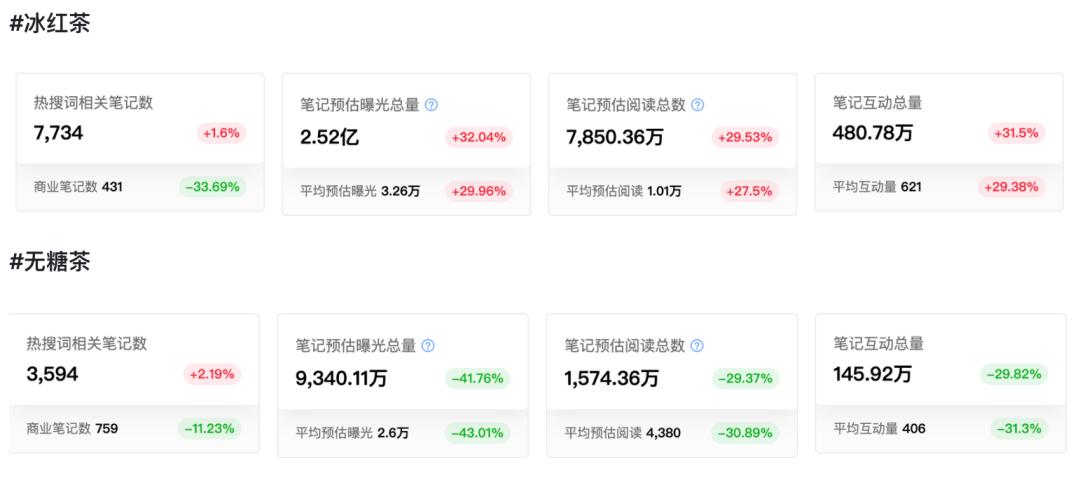
Core Insights - The beverage market is witnessing a resurgence of sugary tea drinks after a previous trend towards sugar-free options, with sugary tea beverages regaining prominence on social media platforms [1][5][11] Market Trends - Data from QianGua indicates that the topic of "iced black tea" has generated over twice the number of related posts compared to "sugar-free tea" on Xiaohongshu in the past 90 days, with significantly higher exposure and interaction rates [2] - The ready-to-drink tea market, valued at nearly 100 billion, still sees sugary tea holding a 65% market share in offline channels as of June 2025, indicating its strong presence despite the rise of sugar-free alternatives [6] Brand Strategies - Major brands, including leading players and new entrants, are launching a variety of low-sugar and sugary products, with Genki Forest's iced tea becoming a standout item, achieving over 100 million in monthly sales and a 150% market share growth in sugary ready-to-drink tea from July 2024 to June 2025 [5][6] - The introduction of reduced-sugar versions by Genki Forest has led to significant market penetration, with its iced tea reaching the fifth position in the sugary tea segment by August 2025 [7] Consumer Behavior - The primary consumer demographic for iced tea includes working individuals aged 24-40, predominantly male, who are attracted to the product's affordability, refreshing taste, and health-conscious reduced sugar options [8] - A significant 71.4% of consumers prioritize "sugar-free/reduced sugar" labels when purchasing iced tea, while 82.9% prefer reduced-sugar formulations, highlighting a shift in consumer preferences towards healthier options [10] Product Development - Current product development strategies among brands focus on two main approaches: one involves reducing sugar content using real sugar, while the other combines real sugar with alternative sweeteners to achieve a balance between taste and health [13] - The upcoming food safety regulations in 2025 will require brands to transparently label sugar content, pushing them to communicate their sugar reduction strategies more effectively to consumers [14]


加多宝、王老吉,再度开打
Mei Ri Jing Ji Xin Wen· 2025-10-10 11:34
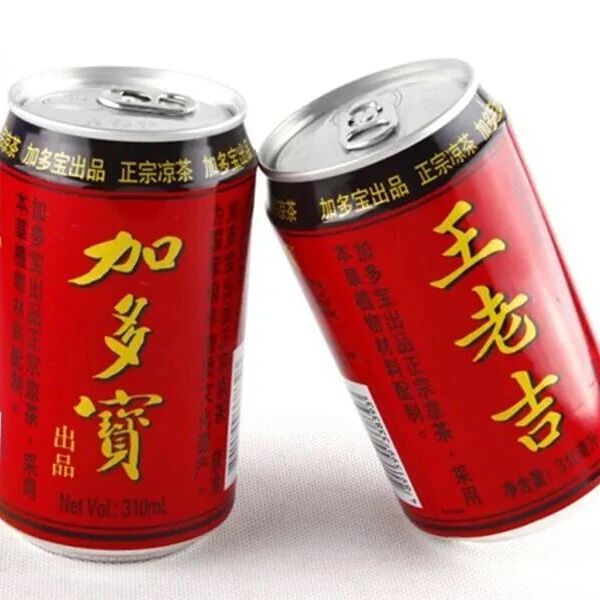
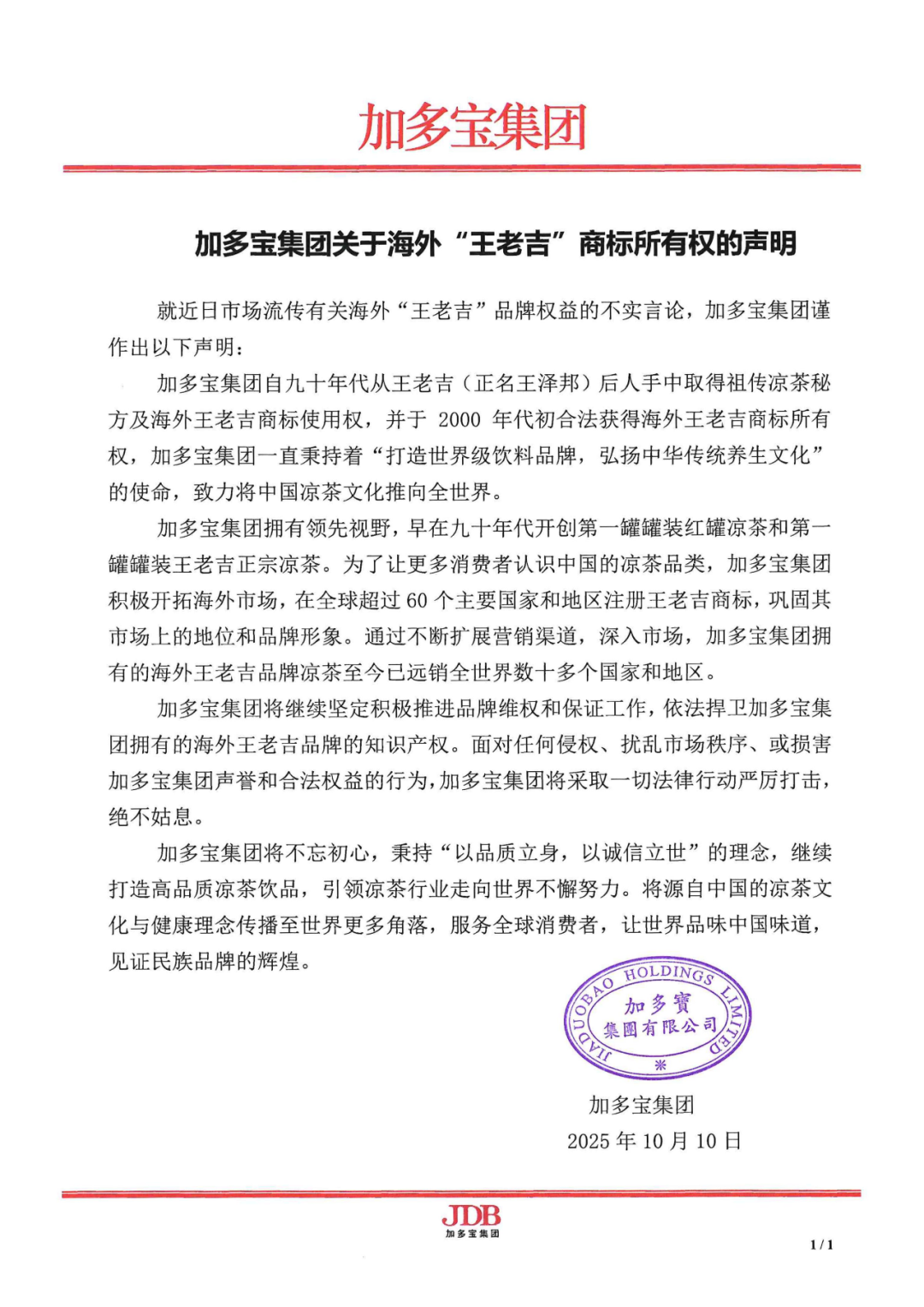
每经AI快讯,10月10日,加多宝集团官微发布声明,声称拥有王老吉海外商标所有权。而此前9月30 日,广州王老吉大健康产业有限公司(下称"王老吉大健康公司")则指责加多宝属于恶意抢注,双方围绕 海外商标归属展开新一轮攻防战。从声明来看,双方对于海外王老吉商标归属各执一词。在10日发布的 声明中,加多宝集团称20世纪90年代从王老吉后人手中取得凉茶秘方及海外王老吉商标使用权,并在 2000年代合法取得海外王老吉商标所有权,已经在全球60个主要国家和地区注册了王老吉商标,并称近 期市场流传的海外"王老吉"品牌权益的相关言论不实,将采取法律手段保护权益。 ...
东鹏饮料冲刺港交所上市:卖功能饮料太赚钱,三年营收快翻番,净利翻一倍多
Sou Hu Cai Jing· 2025-10-10 11:02
Core Viewpoint - Dongpeng Beverage has submitted an application for a mainboard listing on the Hong Kong Stock Exchange, aiming to expand its overseas financing channels and enhance its brand's international influence [3]. Financial Performance - Revenue is projected to grow from RMB 85.0 billion in 2022 to RMB 158.3 billion in 2024, with net profit increasing from RMB 14.4 billion to RMB 33.26 billion during the same period [3][5]. - For the first half of 2025, revenue and net profit are expected to show year-on-year growth of 36.4% and 37.2%, respectively, indicating strong short-term momentum [3]. - Gross margin has steadily increased, with figures of 41.6%, 42.3%, and 44.1% for 2022, 2023, and 2024, respectively, reaching 44.4% in the first half of 2025 [3]. Market Position - Dongpeng Beverage ranks second in China's energy drink market with a market share exceeding 15%, following Red Bull China [3]. - The company has diversified its product offerings beyond energy drinks to include functional beverages, coffee, and bottled water [6]. Distribution and Expansion - The company has expanded its distribution channels, with over 6,000 distributors covering 31 provinces and regions by the end of 2023 [7]. - Dongpeng Beverage plans to use funds raised from the Hong Kong listing to enhance production capacity, strengthen supply chain management, and accelerate its expansion into Southeast Asian markets [9]. Strategic Intent - The listing is seen as a strategic move to transition from a domestic leader to an international beverage group, marking a new phase of capital competition in the functional beverage sector [9].

加多宝、王老吉,再度开打
财联社· 2025-10-10 10:31
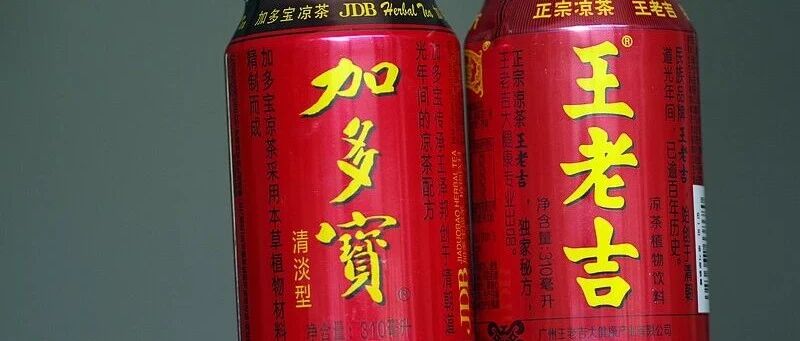
Core Viewpoint - The dispute between Jia Duo Bao Group and Wang Lao Ji Health Industry Company regarding the ownership of the overseas Wang Lao Ji trademark has escalated, with both parties claiming rights and accusing each other of malicious registration [1][2][6]. Group 1: Jia Duo Bao Group's Position - Jia Duo Bao Group asserts that it obtained the overseas Wang Lao Ji trademark rights in the early 2000s after acquiring the secret recipe from the descendants of Wang Lao Ji in the 1990s, and has since registered the trademark in over 60 countries [2][3]. - The company emphasizes its commitment to promoting Chinese herbal tea culture globally and plans to take legal action to protect its trademark rights against any infringement [3][4]. - Jia Duo Bao Group aims to maintain high-quality beverage production and expand its market presence, reinforcing its brand image internationally [4]. Group 2: Wang Lao Ji Health Industry Company's Position - Wang Lao Ji Health Industry Company claims that the rightful owner of the Wang Lao Ji trademark is Guangzhou Baiyunshan Pharmaceutical Group, which has registered the trademark in over 100 countries [6][9]. - The company accuses Jia Duo Bao Group of maliciously registering the trademark through offshore companies, disrupting its international business expansion [10][11]. - Wang Lao Ji Health Industry Company has initiated legal actions in various countries to challenge Jia Duo Bao Group's trademark registrations, with some cases already resulting in the cancellation of these registrations [10][11]. Group 3: Legal and Market Implications - The ongoing trademark dispute highlights the complexities of brand ownership and competition in the beverage industry, particularly in the context of international markets [10][11]. - Both companies are actively pursuing legal avenues to assert their claims, indicating a significant potential impact on their respective market strategies and brand positioning [10][11][13].
“要表、要PPT、要业绩”,总部对区域越管越乱,盯的越严、销量越差
3 6 Ke· 2025-10-10 10:30
Core Insights - The phenomenon where products perform better when not closely monitored by headquarters is becoming common in the food and beverage industry [1][8] - Companies that shift focus away from certain products often see unexpected sales growth, indicating a disconnect between management strategies and market realities [2][8] Group 1: Company Management and Sales Performance - Companies that intensively manage specific products often see disappointing sales despite increased investment and resources [2][4] - For instance, a company focused on ice tea and electrolyte drinks saw poor sales despite heavy investment, while reducing focus led to a double-digit growth in sales [2][8] - Another company in the instant noodle sector experienced a similar trend, where reduced investment led to a 7-8% sales increase despite overall low growth in the industry [2][8] Group 2: Impact of Headquarters Management - Increased scrutiny and management from headquarters can lead to confusion and inefficiency at the regional level, resulting in distorted execution of sales strategies [3][4] - Headquarters often imposes numerous performance metrics and expectations, which can overwhelm sales staff and detract from effective selling practices [5][7] - The pressure to meet high expectations can lead to a focus on short-term results rather than sustainable growth, causing employees to feel demotivated [5][7] Group 3: Market Dynamics and Employee Experience - Employees with extensive market experience can adapt and sell traditional products effectively when given the autonomy to do so, leading to unexpected sales growth [8][10] - The disconnect between management and frontline employees can result in ineffective strategies that do not align with market conditions [10][11] - A culture of internal competition and excessive focus on metrics can lead to inefficiencies and a lack of meaningful progress in sales [11][13] Group 4: Recommendations for Management - Companies should consider granting more autonomy to regional teams to respond to market dynamics effectively, rather than imposing rigid controls from headquarters [13] - A balance between oversight and independence is crucial for fostering an environment where sales teams can thrive and adapt to changing market conditions [13]
事关王老吉海外商标,加多宝和王老吉大健康再打诉讼战
第一财经· 2025-10-10 10:16
Core Viewpoint - The trademark dispute between Jia Duo Bao and Wang Lao Ji has intensified, with both parties claiming ownership of the overseas trademark rights for "Wang Lao Ji" [3][5]. Trademark Ownership Claims - Jia Duo Bao claims to have acquired the overseas trademark rights in the 2000s and has registered the trademark in 60 countries [3]. - Wang Lao Ji Da Jian Kang Company asserts that the trademark belongs to Guangzhou Baiyunshan Pharmaceutical Holdings Company and has registered the trademark in over 100 countries [5]. Legal Actions and Market Impact - Both companies are engaged in legal battles, with Jia Duo Bao claiming victories in multiple lawsuits, while Wang Lao Ji Da Jian Kang has initiated actions in 21 countries against Jia Duo Bao's alleged malicious registrations [5][6]. - The ongoing trademark conflict is seen as a strategic move to gain dominance in the overseas market, which is crucial for growth amid intense domestic competition [6]. Financial Performance - In the first half of 2025, Wang Lao Ji Da Jian Kang reported revenues of 6.5 billion yuan, an 8.4% increase year-on-year, with a net profit of approximately 1.3 billion yuan, up 15.8% [7]. - The overseas market for Wang Lao Ji has grown 6.5 times over the past decade, with a compound annual growth rate exceeding 25% [7]. Market Dynamics - The competition between Jia Duo Bao and Wang Lao Ji is expected to continue, with Jia Duo Bao having an early advantage in overseas markets, while Wang Lao Ji maintains significant brand influence [7].
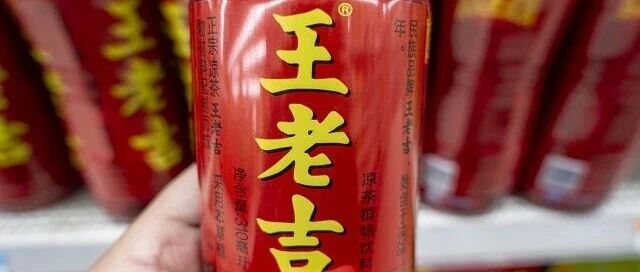
百事第三季度营收超1700亿元,CEO大赞“全球韧性”,中国市场却成了“隐痛”?
3 6 Ke· 2025-10-10 09:56
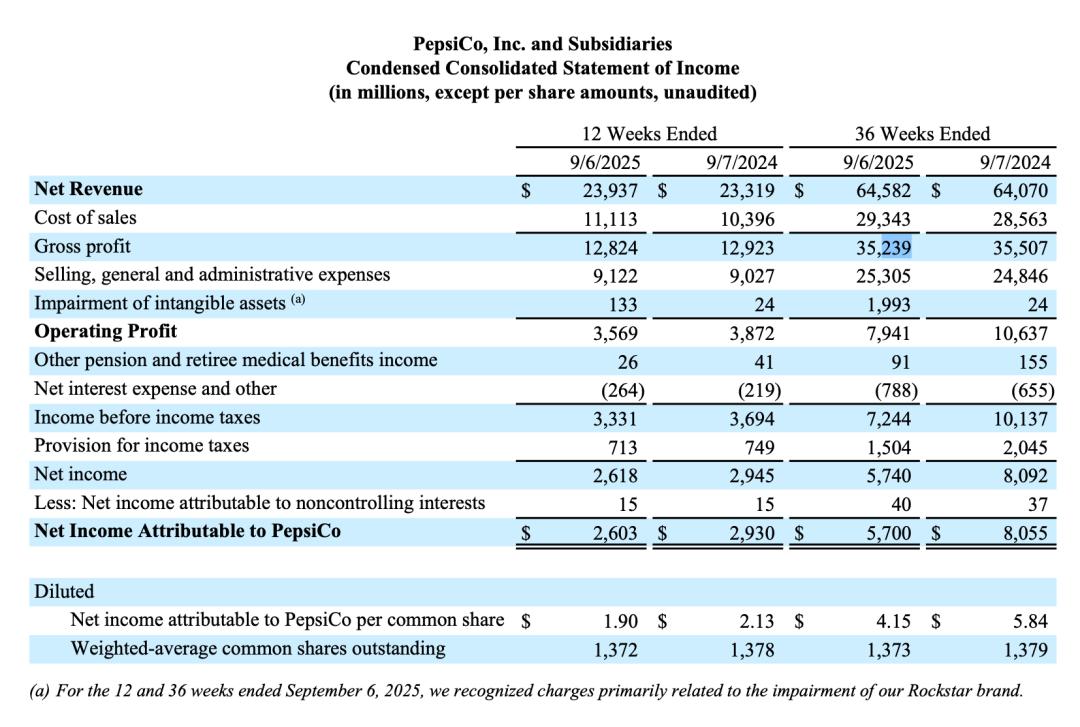
Core Viewpoint - PepsiCo's Q3 performance exceeded expectations, with strong global market results, particularly in international markets, but the performance in China raises concerns [1][2] Financial Performance - For Q3 2025, PepsiCo reported a revenue increase of 2.6% year-over-year to $23.94 billion (approximately ¥1746.42 billion), surpassing Wall Street expectations [2] - North American snack and beverage sales declined, while sales in Latin America and Asia increased [2] - Net income attributable to PepsiCo was $2.60 billion, down from $2.93 billion in the previous year [4] Market Performance - The Chinese market was not highlighted in the earnings report, indicating a lack of growth, with beverage sales showing a low single-digit decline [5][7] - In contrast, Coca-Cola has regained market share in China, with its flagship products performing well [5] Strategic Challenges - PepsiCo's cautious language regarding its beverage business in China suggests underlying issues, with a focus on snack performance instead [7] - Despite efforts to localize products and marketing, such as launching region-specific flavors and partnering with local brands, these initiatives have not yielded significant sales improvements [8][10] Competitive Landscape - PepsiCo's slower innovation pace in the beverage sector has allowed competitors like Coca-Cola to capture market share, particularly with health-oriented products [10][12] - The company's distribution strategy has faced challenges, with a fragmented channel network limiting its market penetration compared to Coca-Cola's established system [12][14] - Increased competition from local brands and new beverage categories has further complicated PepsiCo's position in the Chinese market [14]