现代服务业

Search documents
石河子经济技术开发区:以“四大支撑”聚焦五大应用场景
Shang Hai Zheng Quan Bao· 2025-11-09 17:28
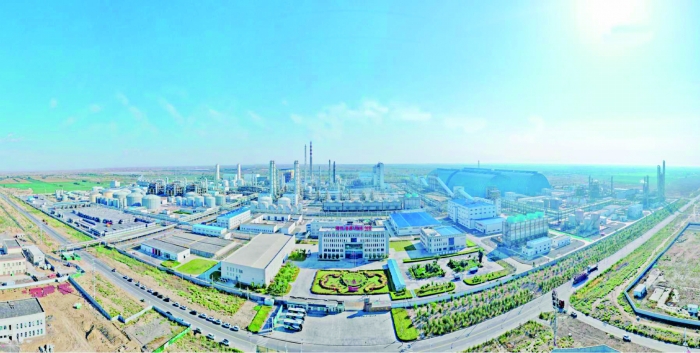
Core Viewpoint - The Xinjiang Tianye Huihe New Materials Co., Ltd. is positioned in the Shihezi Economic and Technological Development Zone, focusing on a dual green transformation of energy and industry, with an emphasis on new energy as a key driver for future industrial development [2][3]. Group 1: Industrial Development - The Shihezi Economic and Technological Development Zone has established four major industrial clusters: new materials, new energy, agricultural resource conversion, and modern services [2]. - The zone is recognized as a national demonstration base for new industrialization and a pilot for carbon peak initiatives, aiming to enhance its competitive edge in green and low-carbon development [2]. Group 2: Support Mechanisms - The high-quality development of the zone relies on four main supports: integration of military and local resources, independent power grid utilization, circular coupling for waste and energy recovery, and deepening the "green treatment of green" model [3]. - The integration of military and local resources facilitates large-scale development and local consumption of new energy through policy coordination and project co-construction [3]. Group 3: Future Application Scenarios - The zone will focus on five application scenarios: new power systems, green low-carbon industries, green computing power industries, resource-intensive industries, and energy-saving and carbon-reduction scenarios [4]. - By 2026, the demand for green electricity in the zone is expected to reach 16.4 billion kWh, with a shortfall of approximately 12.3 billion kWh [4]. - The goal for 2028 includes achieving a 100% comprehensive utilization rate of industrial solid waste and a 90% utilization rate of waste heat [4].

中国侨商投资(海南)大会圆满落幕
Hai Nan Ri Bao· 2025-11-08 01:21
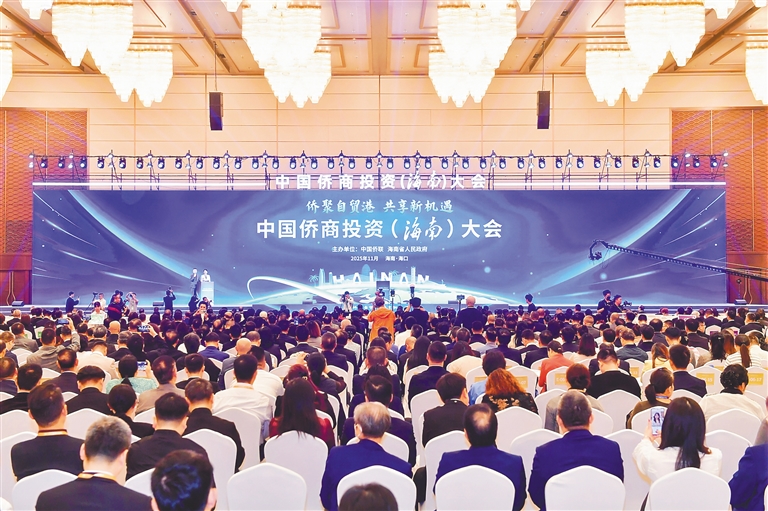
Core Points - The China Overseas Chinese Business Investment (Hainan) Conference successfully concluded, aimed at leveraging overseas Chinese resources to support the construction of Hainan Free Trade Port [3][4][6] - The conference showcased Hainan's development opportunities and policy advantages to attract global overseas Chinese investors [6][9] Group 1: Conference Overview - The conference was co-hosted by the China Overseas Chinese Federation and the Hainan Provincial Government, marking a significant event in promoting high-quality development [3][4] - A total of 107 projects were identified for investment, with a total value of approximately 115.3673 billion yuan, covering various sectors including modern agriculture, low-carbon energy, and biotechnologies [3][5] Group 2: Hainan's Development Strategy - Hainan is set to officially launch its full island closure operation on December 18, marking a new phase of open development [5][9] - The province is focusing on a modern industrial system characterized by four leading industries: tourism, modern services, high-tech industries, and tropical agriculture [5] Group 3: Support from Chinese Overseas Federation - The China Overseas Chinese Federation has organized multiple "World Overseas Chinese Business Hainan Tours" to promote investment in Hainan, attracting over 600 influential overseas Chinese business representatives [5][6] - A strategic cooperation framework agreement was signed between the China Overseas Chinese Federation and the Hainan Provincial Government to facilitate the conference [5][6] Group 4: Investor Confidence - Investors expressed strong confidence in Hainan's potential, viewing the upcoming full closure operation as a historic opportunity for deeper engagement in China's high-level opening-up [9][10] - Notable overseas Chinese business leaders, such as the chairman of the Thai Charoen Pokphand Group, emphasized their commitment to investing in Hainan's agricultural and industrial sectors [9][10]
以服务产业为基 创新现代服务业发展特色
Xin Hua Ri Bao· 2025-11-07 13:54
盐城滨海港零碳产业园以"大绿能、大物流、大空间、大产业"为发展导向,深度融合现代服务业与绿色 低碳产业,创新构建以"绿电+冷能"为特色的服务业态体系,成为零碳领域现代服务业创新发展的鲜活 样本,为服务业转型升级注入强劲动能。 空间布局筑基 构建多层次服务集群 核心区聚焦高端产业服务,依托39万平方米标准厂房构建"生产+服务"一体化配套体系,集聚投产、在 建和在谈项目20多个,形成以风电装备新能源产业及智算中心为核心的服务集群。"绿电+冷能"利用示 范区依托全国最大LNG能源基地,建成国内首座LNG冷能交换中心,拓展冻干加工、低温物流、冰雪 文旅等特色业态,填补大规模冷能服务业态空白。同时,园区在能源供给端推进新型电力系统建设,在 生产端为企业提供节能咨询、低碳改造等服务,推动存量企业绿色转型,引领全链条绿色服务升级。 业态创新赋能 激活绿色服务核心动能 园区立足"绿电+冷能"特色优势,在能源服务、数字服务、专业技术服务等领域多点突破,构建特色鲜 明的服务产业体系。 能源清洁化服务方面,建成屋顶分布式光伏项目,改造变电站并规划储能项目,当前片区绿电消费占比 达79.8%,计划2027年绿电规模增容至462万千瓦 ...
会长话封关:“海南自贸港必将在‘十五五’时期迎来更大发展机遇”
Sou Hu Cai Jing· 2025-11-06 11:51
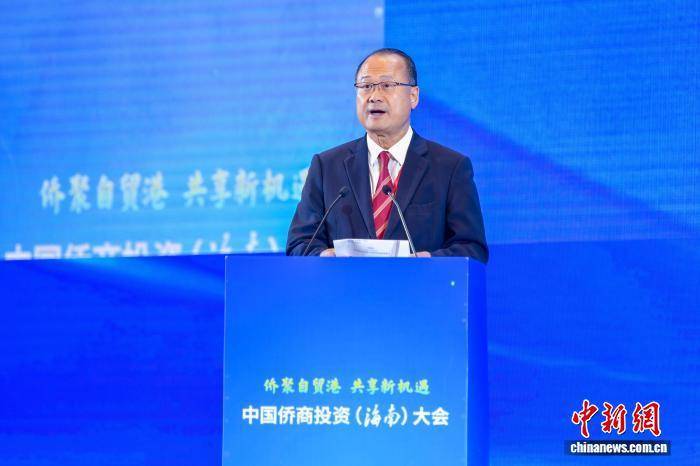
Core Viewpoint - The Hainan Free Trade Port is expected to experience significant development opportunities during the "14th Five-Year Plan" period, as expressed by Cai Guanshen, President of the Hong Kong Chinese General Chamber of Commerce and Chairman of Xinhua Group [1][3]. Group 1: Hainan Free Trade Port Development - The Hainan Free Trade Port is set to initiate full island closure operations, with high-standard construction included in the "14th Five-Year Plan" recommendations [3]. - The policies of "one line open, two lines controlled, and free movement within the island" along with zero tariffs, low tax rates, and simplified tax systems provide greater space for enterprise development [3][4]. - Over 80 countries' personnel can enter Hainan visa-free, enhancing the convenience of the flow of people, logistics, capital, and data [3][4]. Group 2: Hong Kong and Hainan Cooperation - Hong Kong's status as an international financial center, ranked third globally and first in Asia, complements Hainan's development, creating vast opportunities for cooperation [3][4]. - The establishment of the International Mediation Centre in Hong Kong further solidifies its position as a center for international legal and dispute resolution services [3][4]. - The collaboration model of "Hong Kong R&D + Hainan Manufacturing" is proposed to leverage Hainan's tax policies to support the import of research equipment and the transformation of scientific achievements [4][5]. Group 3: Investment Opportunities - Hainan is focusing on developing high-value-added industries such as biomedicine, digital economy, and medical tourism, which align well with Hong Kong's leading industries [4][5]. - The "Sanya Xinhua Hong Kong City" project aims to integrate modern services from Hong Kong with local culture and international brands, creating a new consumption landmark in Hainan [5]. - The "World Chinese Business Youth Leaders Alliance" initiative is being promoted to attract talented young overseas Chinese to innovate and start businesses in Hainan [5].
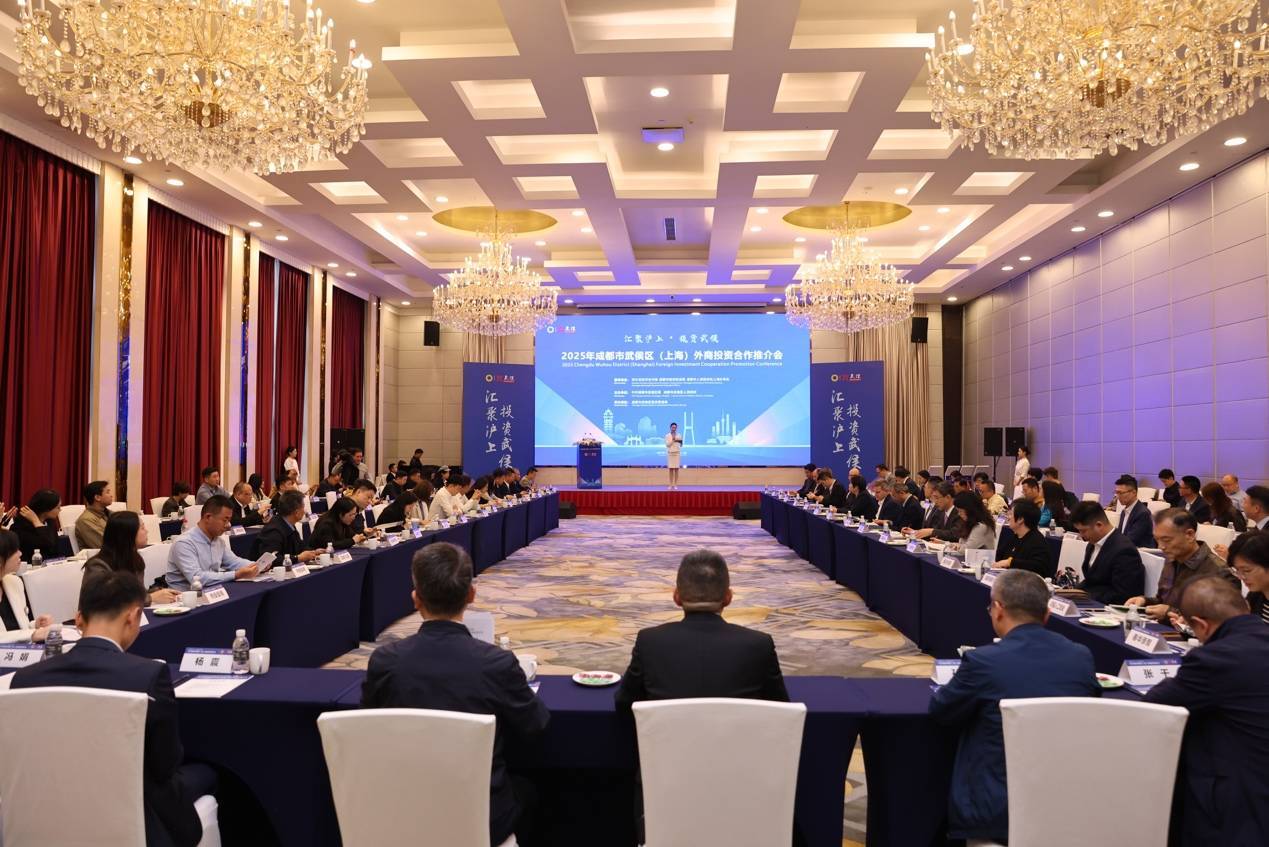
汇聚沪上,投资武侯!武侯区在沪向全球投资者发出“邀请函”
Sou Hu Cai Jing· 2025-11-06 03:31
Core Viewpoint - The "Investment in Wuhou" promotion event held in Shanghai aims to attract foreign investment by showcasing Wuhou District's industrial strength, business environment, and development opportunities, leveraging the platform of the China International Import Expo [1][3]. Group 1: Event Overview - The event attracted over 90 foreign enterprises and associations from the Yangtze River Delta, focusing on sectors such as artificial intelligence, healthcare, finance, new energy, and new materials [1]. - The promotion included signing cooperation agreements and dialogues between government and enterprises, emphasizing Wuhou District's role as a highland for inland openness [1][4]. Group 2: Wuhou District Profile - Wuhou District, with an area of 75.36 square kilometers and a population of approximately 1.22 million, is recognized as a "High-tech Cultural Zone" by the State Council [3]. - The district hosts over 41,000 market entities, 141 Fortune Global 500 companies, and more than 1,000 foreign-invested enterprises, projecting a GDP of 158.5 billion yuan in 2024 [3]. Group 3: Investment Environment - Wuhou District introduced the "Investment Resource Handbook," featuring 37 premium land plots totaling about 1,800 acres, which garnered significant interest from enterprises [5]. - The district's "80 New Industry Policies" cover various aspects such as incentives for enterprise settlement, R&D subsidies, talent housing, and financing support [5]. Group 4: Industry Focus and Collaboration - The district is strategically targeting foreign investments in cutting-edge industries like artificial intelligence and high-end medical treatment, providing clear investment value assessments [7]. - The event also highlighted the collaboration between Wuhou District and neighboring Meishan's Dongpo District, aiming for resource sharing and industrial synergy [8]. Group 5: Government-Enterprise Interaction - The "Investment Gaiwan Tea" series of meetings facilitate ongoing communication between government and enterprises, focusing on topics like industrial cooperation and policy support [12]. - Feedback from foreign enterprises regarding their needs will help optimize the business environment and refine industrial policies in Wuhou District [14].
盘中,集体爆发!两大利好,彻底引爆!
券商中国· 2025-11-05 05:26
Core Viewpoint - The Hainan sector has experienced a significant surge, with the index rising over 6% and the Hainan free trade concept increasing by over 3.6%, driven by favorable policies and market dynamics [1][2]. Policy and Economic Context - The "14th Five-Year Plan" emphasizes the implementation of a free trade pilot zone strategy and the high-standard construction of the Hainan Free Trade Port [1][6]. - The new duty-free shopping policy in Hainan, effective from November 1, has shown immediate positive effects, with a 6.1% increase in duty-free shopping amounts on the first day of implementation, totaling 78.549 million yuan [1][6]. Market Performance - As of the latest trading session, the Hainan sector recorded a 6.61% increase, making it the best-performing sector [2][3]. - Several stocks within the Hainan sector, including Jinpan Technology, Kangzhi Pharmaceutical, and Caesar Travel, reached their daily limit or increased by over 10% [1][2]. Future Outlook - The upcoming full closure operation of the Hainan Free Trade Port on December 18 is expected to mark a significant turning point in investment logic, transitioning from a focus on duty-free shopping to high-end manufacturing, modern services, and international trade [7]. - The expansion of the "zero tariff" policy will significantly increase the range of duty-free goods from 1,900 to approximately 6,600 items, covering about 74% of products [4][5]. - Investment themes are shifting towards B2B industrial upgrades and high-value-added services, with a focus on modern logistics, high-tech industries, and "tourism+" services such as healthcare and international education [7].

前三季度十大经济强省“门槛”跃上4万亿元台阶——地区经济发展韧性进一步彰显
Jing Ji Ri Bao· 2025-11-03 22:31
Core Insights - China's economy has shown resilience and progress amidst external pressures and internal challenges, with 21 provinces achieving growth rates that either surpassed or matched the national average of 5.2% [1][3] Economic Performance - The top ten provinces by economic output are Guangdong, Jiangsu, Shandong, Zhejiang, Sichuan, Henan, Hubei, Fujian, Shanghai, and Hunan, with Guangdong and Jiangsu both exceeding 10 trillion yuan in GDP [2] - The economic threshold for the top ten provinces has increased from 3.7 trillion yuan last year to 4 trillion yuan this year [2] Growth Rates - 21 provinces have growth rates that either exceed or match the national average, with Tibet leading at 7.1% and Gansu at 6.1% [3] - The Yangtze River Delta region has shown strong economic performance, contributing significantly to national growth [3] Foreign Trade - Despite external uncertainties, foreign trade has remained resilient, with Guangdong, Jiangsu, Zhejiang, Shanghai, and Shandong collectively contributing over 80% to national import and export growth [4] - Zhejiang's foreign trade figures have reached historical highs, with total imports and exports surpassing 4 trillion yuan [4] Demand and Consumption - The implementation of proactive macroeconomic policies has effectively stabilized economic operations, with notable increases in consumer spending in provinces like Hainan and Henan [5] - Various initiatives, including consumption promotion policies, have led to significant growth in retail sales across multiple provinces [5] Innovation and New Growth Drivers - There is a continuous enhancement of new growth drivers through technological innovation, with significant increases in high-tech manufacturing and service sectors across various regions [6][7] - Investment in high-tech industries has surged, particularly in Beijing and Henan, indicating a strong focus on innovation [7] Future Outlook - Given the complex external environment, provinces are actively strategizing for the fourth quarter to ensure the achievement of annual economic goals [8]
DRC对话 | 李燕:“十五五”如何巩固壮大实体经济根基
Sou Hu Cai Jing· 2025-11-03 07:40
Core Insights - The 20th Central Committee of the Communist Party of China emphasizes the construction of a modern industrial system and the strengthening of the real economy as a primary strategic task, highlighting the importance of the real economy in the face of complex international circumstances [4][5][6]. Group 1: Importance of the Real Economy - The real economy is recognized as the foundation for national strength, social stability, and the well-being of the populace, serving as a "ballast" against various risks and challenges [4][5]. - The focus on high-quality development of the real economy during the 14th Five-Year Plan period aims to modernize the industrial system and respond proactively to uncertainties in the development environment [4][5][6]. Group 2: Modern Industrial System - A modern industrial system is crucial for achieving high-level economic circulation and overcoming the middle-income trap, connecting production, income, and consumption at the core of the national economic cycle [5][6]. - By 2035, China aims to reach the per capita GDP level of moderately developed countries, necessitating a qualitative enhancement and reasonable quantitative growth through comprehensive industrial upgrades [5][6]. Group 3: Manufacturing Sector - The emphasis on maintaining a reasonable proportion of the manufacturing sector is intended to prevent an "early maturity" in industrial structure, ensuring that manufacturing remains a key driver of innovation and national competitiveness [6][7][8]. - Historical examples show that countries like the UK and the US have transitioned to service-led economies post-industrialization, while nations like Germany and Japan maintain a significant manufacturing base, underscoring the importance of a robust manufacturing sector for China [8][9]. Group 4: Strategies for Strengthening the Real Economy - Key strategies for enhancing the real economy include upgrading traditional industries, fostering emerging industries, strengthening strategic industries, and promoting deep integration between advanced manufacturing and modern services [9][10]. - The focus on quality and efficiency in traditional sectors aims to shift from mere scale expansion to qualitative improvements, leveraging existing advantages in industries such as metallurgy, textiles, and machinery [9][10].
“2025广东外资企业百强”出炉 制造业上榜企业最多
Zhong Guo Xin Wen Wang· 2025-10-30 06:21
Core Points - The "Top 100 Foreign-Funded Enterprises in Guangdong 2025" list was released, featuring companies like BASF, ExxonMobil, Siemens, and Walmart [1] - The list reflects the contribution of foreign enterprises to Guangdong's economic and social development, based on cumulative direct investment amounts [1] Investment Overview - The total investment from the 100 listed companies in Guangdong amounts to $30.4 billion, with the largest single investment exceeding $2.6 billion [1] - Investors primarily come from 16 countries and regions, including the United States, Germany, Japan, Singapore, Hong Kong, and Taiwan [1] Regional Distribution - 90 of the listed companies are concentrated in the Pearl River Delta cities such as Guangzhou and Shenzhen, while the remaining 10 are located in six cities in the eastern and northern parts of Guangdong [1] Industry Analysis - The manufacturing sector has the highest representation, with 76 companies listed [1] - Industries such as new-generation information technology, advanced equipment manufacturing, biomedicine, green petrochemicals, new materials, and modern services account for 80% of the listed companies, with over 70% being high-tech and knowledge-intensive enterprises [1]
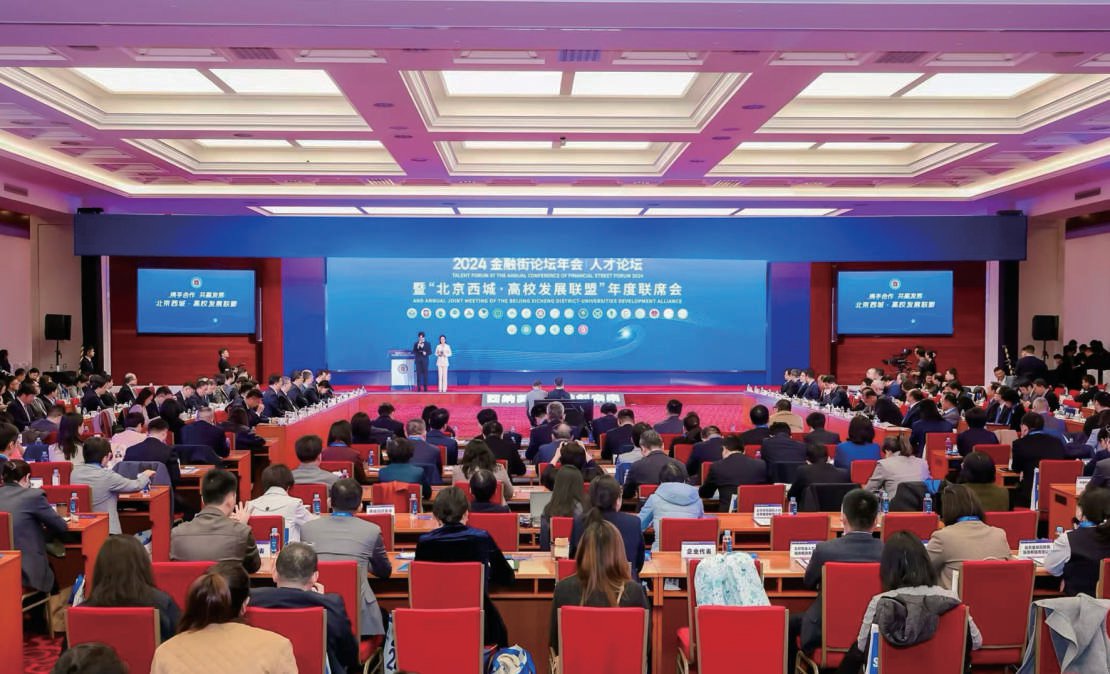
首善标准筑人才高地 协同之力绘发展新篇
Bei Jing Ri Bao Ke Hu Duan· 2025-10-27 22:09
Core Insights - The article emphasizes the importance of education, technology, and talent as foundational elements for building a modern socialist country, highlighting the role of talent in driving high-quality regional development in Xicheng District, Beijing [1] Talent Development Strategy - Xicheng District has surpassed a total talent pool of 1.05 million, with a significant focus on industries such as finance, technology, and culture, which collectively account for 520,000 professionals, showcasing a robust and well-structured talent base [1] - The district implements a comprehensive talent policy system characterized by competitive measures to attract and retain talent, focusing on a "classification guidance, institutional support, and solid guarantees" framework [6][7] Policy Initiatives - The district has introduced several key documents, including the "Implementation Opinions on Strengthening Talent Work" and the "Xirong Plan," which allocates 100 million yuan annually to enhance high-quality development through talent acquisition [7] - A new policy framework, termed "12+10," has been established to promote integrated development across education, technology, and talent, aiming to break down institutional barriers and enhance collaborative innovation [8] Collaborative Platforms - Xicheng District has formed the "Beijing Xicheng University Development Alliance," collaborating with 25 universities to enhance intellectual exchange, internships, and result transformation, resulting in over 150 cooperative achievements [10] - The district is actively engaging in "central-local cooperation" initiatives to create a new model for industry-talent integration, facilitating resource sharing and talent development through various collaborative projects [11] International Engagement - The district is enhancing its global talent pool by hosting international forums and establishing partnerships with overseas talent centers, aiming to attract high-end talent and innovation resources [12] Service Ecosystem - A comprehensive talent service system is being developed to provide a full lifecycle of support for talent, ensuring a conducive environment for professionals to thrive [13][14] - The district is implementing a "talent + industry" service model, establishing a three-tiered talent service mechanism to provide precise support for key enterprises and professionals [15][16] Future Outlook - Xicheng District aims to continuously optimize its talent policies and platforms, enhancing its attractiveness and competitiveness as a destination for top talent and innovative enterprises [17]