连锁餐饮

Search documents
实探西贝北京门店:确实降价了,多菜品实现门店全流程现制
证券时报· 2025-10-02 12:26
Core Viewpoint - The article discusses the recent actions taken by Xibei, a restaurant chain, in response to a public relations crisis, including price reductions and menu adjustments to regain customer trust and restore foot traffic [3][9]. Group 1: Price Adjustments - Xibei announced a nationwide price reduction on October 1, affecting 33 dishes, with some prices dropping by over 20% [5]. - Specific examples of price changes include: - Grassland tender grilled lamb chop from 119 yuan to 99 yuan - Scallion grilled fish from 89 yuan to 79 yuan - Yellow rice cake from 29 yuan to 26 yuan - Sesame oil stir-fried eggs from 43 yuan to 33 yuan - Xibei gluten from 39 yuan to 33 yuan [8]. Group 2: Menu and Operational Changes - Xibei has completed its planned menu adjustments, including the introduction of freshly prepared dishes such as lamb skewers and pumpkin porridge, moving away from pre-prepared items [11]. - The restaurant chain has implemented a new cooking process where raw ingredients are prepared on-site, ensuring freshness and quality [11][14]. Group 3: Customer Engagement and Recovery Efforts - To encourage customer visits, Xibei launched a campaign offering 100 yuan dining vouchers to patrons, which has been well-received, with many customers returning despite the controversy [16]. - The restaurant reported a recovery in customer traffic, with a notable increase in footfall during peak hours, indicating a positive response to the recent changes [15].

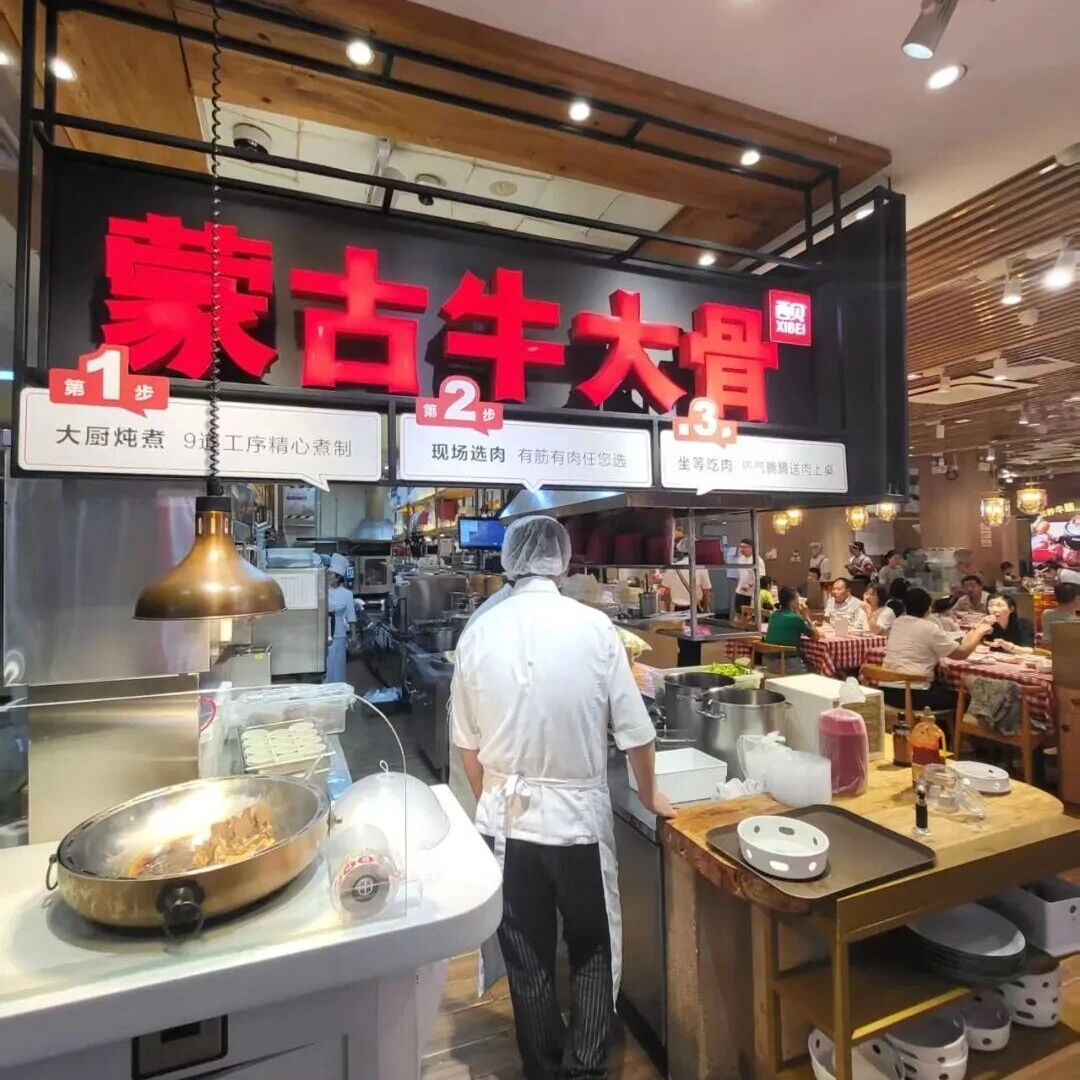
实探西贝北京门店:确实降价了,多菜品实现门店全流程现制
Zheng Quan Shi Bao Wang· 2025-10-02 08:23
Core Viewpoint - Xibei is actively implementing self-rescue measures in response to recent controversies, including a significant price reduction on menu items and a commitment to improve food preparation processes [1][6]. Price Reduction - On October 1, Xibei announced a nationwide price reduction affecting 33 dishes, with some items seeing price cuts of over 20% [2][3]. - Examples of price changes include: - Grassland tender grilled lamb chops from 119 yuan to 99 yuan - Scallion grilled fish from 89 yuan to 79 yuan - Yellow rice cake from 29 yuan to 26 yuan - Sesame oil scrambled eggs from 43 yuan to 33 yuan - Xibei gluten from 39 yuan to 33 yuan [3]. Menu and Process Adjustments - Nearly 400 Xibei stores have completed menu adjustments, transitioning to on-site preparation for several dishes, including freshly made pumpkin porridge and lamb skewers [4]. - The restaurant has shifted from using pre-prepared ingredients to preparing dishes from scratch, enhancing the dining experience [4][5]. Customer Response and Recovery - Following the price reductions and menu changes, customer traffic has begun to recover, with reports of increased patronage during peak hours [2][6]. - The introduction of a 100 yuan dining voucher for customers has also contributed to the recovery of customer flow, with many returning customers expressing loyalty despite the controversies [7]. Employee Impact - Despite the increased workload due to the new preparation methods, employee retention has remained stable, with no resignations reported [6]. - The company has maintained employee benefits and increased overtime pay to support staff during this transition [6].
实探西贝北京门店:确实降价了 多菜品实现门店全流程现制
Zheng Quan Shi Bao· 2025-10-02 08:13
Core Insights - Xibei is actively implementing self-rescue measures in response to recent controversies, including a public apology and a commitment to adjust menu items before the National Day holiday [1] - The company has announced a significant price reduction on its menu items, with some dishes seeing price cuts of over 20% [2][5] - The adjustments to the menu and pricing are part of a broader strategy to restore customer traffic and improve consumer perception following previous pricing controversies [5][7] Pricing Adjustments - On September 30, it was reported that Xibei would reduce prices on 33 dishes starting October 1, with some items seeing reductions exceeding 20% [2] - Specific examples of price changes include: - Grassland tender grilled lamb chop from 119 yuan to 99 yuan - Scallion grilled fish from 89 yuan to 79 yuan - Yellow rice cake (6 pieces) from 29 yuan to 26 yuan - Sesame oil scrambled eggs from 43 yuan to 33 yuan - Xibei gluten from 39 yuan to 33 yuan [5] Menu and Operational Changes - Xibei has completed its planned menu adjustments across nearly 400 stores, with further upgrades planned for items like chicken soup and sauces [7] - The company has shifted to a model where dishes are prepared fresh in-store rather than relying on pre-prepared ingredients, enhancing the dining experience [7][10] - The restaurant has also committed to using non-GMO soybean oil and ensuring that all meat is freshly prepared daily [7] Customer Engagement and Recovery Efforts - To encourage customer visits, Xibei launched a "Xibei Treats You to Dinner" campaign, offering 100 yuan dining vouchers to customers, which has been well-received [11][12] - The restaurant has reported a gradual recovery in customer traffic, with some locations seeing a return to previous levels of patronage [10] - Employees have expressed loyalty to the company despite increased workloads, and the company has maintained employee benefits and morale during this challenging period [10]
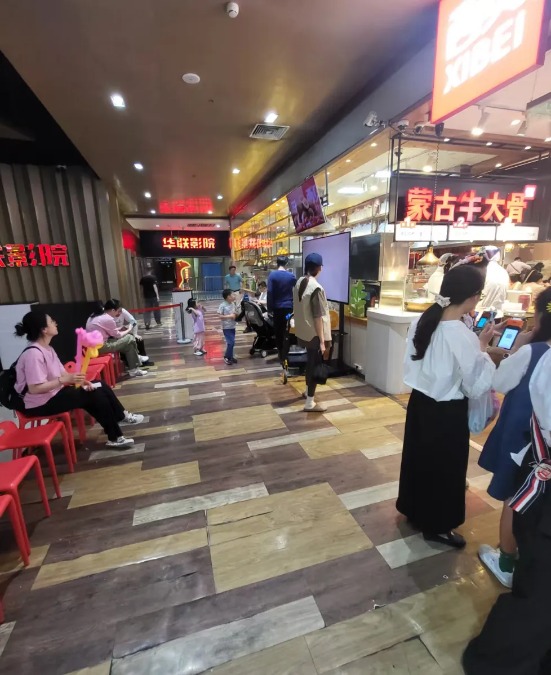
实探降价后的西贝北京门店:菜品调改全部完成
Zheng Quan Shi Bao Wang· 2025-10-02 05:48
Core Viewpoint - Xibei has announced a significant price reduction on its menu items, which is seen as a response to previous consumer concerns regarding pricing and quality, aiming to restore customer traffic during the National Day holiday [1][2][5] Group 1: Price Reduction Details - On October 1, Xibei implemented a price reduction on 33 dishes, with some items seeing price cuts of over 20% [2] - Examples of price changes include: - Grassland tender grilled lamb chops from 119 yuan to 99 yuan - Scallion grilled fish from 89 yuan to 79 yuan - Yellow rice cake from 29 yuan to 26 yuan - Sesame oil scrambled eggs from 43 yuan to 33 yuan - Xibei gluten from 39 yuan to 33 yuan [3] Group 2: Menu and Operational Adjustments - Xibei has completed its planned menu adjustments, including the transition to in-store preparation for several dishes, such as fresh marinated meat and on-site cooking of various items [4][8] - The restaurant has shifted from using semi-finished products to fresh ingredients, ensuring all dishes are prepared on-site to enhance quality and customer satisfaction [4][8] Group 3: Customer Response and Traffic Recovery - Following the price reduction and menu adjustments, customer traffic has shown signs of recovery, with reports of increased patronage during peak hours [2][6] - The introduction of a 100 yuan dining voucher for customers has also contributed to the resurgence in customer visits, with many returning not solely for the vouchers but due to established trust in the brand [7] Group 4: Impact of Recent Controversies - Xibei experienced a significant drop in customer traffic due to recent controversies, with daily revenue losses reported in the hundreds of thousands of yuan [5][6] - The company has acknowledged the impact of these issues on both customer perception and employee morale, with measures taken to support staff during this challenging period [6][7]
贾国龙删号「退网」?我们存好了他的「语录合订本」
36氪· 2025-10-02 04:09
Core Viewpoint - The article discusses the contradictions and inconsistencies in the statements and actions of Jia Guolong, the founder of Xibei, highlighting the challenges faced by restaurant entrepreneurs in balancing efficiency, quality, scale, and original intentions [4][5][42]. Group 1: Contradictions in Business Strategy - Jia Guolong transitioned from promoting pre-made dishes to denying their existence, claiming "Xibei is 100% not pre-made" despite evidence of his involvement in the pre-made dish industry [9][10]. - His stance on going public shifted from "never" to a goal of completing an IPO by 2026, aiming for a market value exceeding 100 billion yuan, despite current revenues of only 6.2 billion yuan [12][14][15]. - The ambitious goal of opening 100,000 stores was drastically reduced to approximately 370 stores by 2024, showcasing a significant gap between aspiration and reality [16][19]. Group 2: Employee Management and Corporate Culture - Jia Guolong exhibited a dual approach to employee management, promising substantial bonuses while simultaneously imposing a demanding work schedule of 105 hours per week [21][22][23]. - His commitment to employee welfare was contradicted by a harsh work environment, leading to confusion among staff regarding the company's true values [24][43]. Group 3: Pricing and Consumer Relations - The pricing strategy of Xibei has been characterized by a cycle of price increases followed by public backlash and apologies, indicating a lack of consistency in pricing policies [25][28]. - Jia Guolong's statement "customers abuse me thousands of times, I treat customers like my first love" reflects a disconnect between the company's service philosophy and its actual customer relations [30][31]. Group 4: Dependency on Delivery Platforms - Jia Guolong criticized delivery platforms for undermining pricing power while simultaneously relying on them for 40% of Xibei's revenue, revealing a contradiction in his business strategy [33][35][36]. Group 5: Failed Brand Expansion - The attempt to diversify into multiple sub-brands has resulted in significant failures, with numerous projects being launched and quickly abandoned, indicating a lack of strategic focus [39][40]. - The rapid turnover of new brands and the chaotic management style have led to wasted resources and missed opportunities for growth in the core business [40][41]. Group 6: Overall Leadership Style - Jia Guolong's leadership style is described as autocratic, with decisions made unilaterally, often leading to ineffective strategies and a lack of accountability within the organization [43][44]. - The article suggests that many restaurant entrepreneurs share similar traits of disconnection from consumer needs and market realities, leading to a collective struggle in the industry [44].

市场监管总局出台食安新规,连锁餐饮管理难题能否迎刃而解
Zhong Guo Shi Pin Wang· 2025-09-30 14:48
Core Viewpoint - The newly released regulations by the State Administration for Market Regulation aim to strengthen food safety responsibilities in the chain restaurant industry, addressing issues of management deficiencies and frequent risks at store levels [1][2]. Summary by Sections Regulatory Framework - The regulations define chain restaurants based on a "four unifications" model: unified brand, supply chain, operations, and food safety management, clarifying the regulatory targets [1]. - Headquarters are required to allocate food safety funds based on revenue proportions for traceability and training, with accountability for insufficient funding [1]. - Responsibilities are detailed for headquarters, branches, and stores to prevent blame-shifting [1]. - The regulations mandate the establishment of comprehensive procedural guidelines and real-time monitoring through "Internet + transparent kitchens" [1]. - Supervision is tiered based on the number of stores: over 500 stores are regulated at the provincial level, 100-500 at the municipal level, and under 100 at the county level [1]. Legal Responsibilities - The regulations outline 12 types of violations, with penalties for headquarters that attempt to evade responsibility through contracts, including fines ranging from 20,000 to 100,000 yuan [2]. - Despite clear guidelines, chain restaurants face challenges in compliance due to rising costs and management inefficiencies, with average profit margins projected to decline by 3.2 percentage points from 2020 to 2024 [2]. Cost Challenges - Labor costs are a significant concern, with skilled chefs earning between 8,000 to 15,000 yuan monthly, and a turnover rate of 25% leading to increased recruitment and training expenses [2]. - The proportion of labor costs in total expenses has risen from 22% in 2020 to 28% in 2024 [2]. - Energy costs are also high, with traditional cooking methods being inefficient, leading to monthly energy costs exceeding 12,000 yuan for some brands [3]. Management Inefficiencies - The lack of data collaboration between stores and headquarters results in delayed decision-making and ineffective inventory management, exacerbating operational challenges [4]. - The reliance on manual inspections for compliance is time-consuming and often fails to identify real-time issues, increasing food safety risks [3]. Technological Solutions - AI cooking robots, such as those developed by Chip Chef, offer a potential solution to high labor and energy costs, achieving 90% thermal efficiency and reducing labor needs significantly [6]. - The robots can standardize food quality across different locations, addressing the "thousand tastes" problem, with consistency rates reaching 99% [6]. - The implementation of smart management systems has led to an average reduction of 22% in labor costs, a 65% decrease in food waste, and a 75% improvement in management efficiency for participating brands [7].

直击西贝“失血”调改:厨师长频频开会,后厨更忙了,餐厅更空了
凤凰网财经· 2025-09-30 12:13
Core Viewpoint - The article discusses the ongoing challenges faced by Xibei restaurant chain in the wake of a public relations crisis, highlighting their attempts to implement changes in response to consumer concerns and the impact on customer traffic and employee morale [3][27]. Summary by Sections 1. Changes Implemented - Xibei has modified nine core menu items to be prepared on-site, including beef patties and fish sticks, and has switched to non-GMO soybean oil for cooking [1]. - As of September 29, only one item, the yellow rice cake, remains unmodified according to their public announcement [1]. 2. Customer Traffic and Experience - During a visit on September 29, the restaurant's occupancy rate was approximately 10%, making it one of the least busy chains in the mall [5]. - The restaurant had only two tables occupied during a pre-lunch peak, and by noon, only five tables were filled [7]. - A significant decrease in child patrons was noted, with fewer families dining compared to previous visits [9]. 3. Public Relations and Communication - Xibei's communication strategy has been criticized, with the founder's responses to public concerns perceived as defensive [3]. - The restaurant's management has become more cautious in their interactions with the media and customers, reflecting a shift from previous openness [27]. 4. Employee Sentiment and Operations - Employees expressed uncertainty about the company's direction and recent changes, indicating a tense atmosphere [16][26]. - There has been an increase in employee training sessions, particularly related to the new standard operating procedures for children's meals [17]. 5. Financial Impact - The restaurant's daily revenue reportedly dropped by nearly half following the onset of the crisis, with current occupancy rates indicating a further decline [15]. - Despite promotional efforts, such as offering 100 yuan dining vouchers, customer turnout remained low [11][13]. 6. Consumer Behavior - Customers have become more cautious in their dining choices, with some expressing dissatisfaction with the perceived value of their meals [13]. - The article notes a shift in consumer sentiment, with some patrons still willing to dine at Xibei despite the controversies, while others have decided against returning [13]. 7. Industry Context - The article suggests that the crisis reflects broader issues within the high-end dining sector, including consumer expectations and the perceived value of dining experiences [27][28]. - Experts argue that the focus should shift from punitive measures against Xibei to a more constructive dialogue about industry standards and practices [28][29].
定规立矩,连锁餐饮总部不能“只收钱不管理”| 新京报快评
Xin Jing Bao· 2025-09-29 10:51
Core Viewpoint - The new regulations for chain catering enterprises in China emphasize the responsibility of headquarters in ensuring food safety, marking a shift from a lax management approach to a more structured and accountable system [2][8]. Group 1: Regulatory Changes - The newly released regulations require chain catering headquarters to take on the role of "locomotive" in food safety management, moving away from the previous model of "only collecting fees without management" [2][8]. - The regulations introduce a tiered supervision system based on the scale and risk level of the enterprises, with specific oversight responsibilities assigned to provincial, municipal, and county-level market regulatory departments [3][4]. Group 2: Industry Impact - The regulations are expected to enhance food safety management in the rapidly growing chain catering sector, which has seen brands reaching over 10,000 stores, thus increasing their market influence and consumer visibility [4][5]. - The new rules aim to address the challenges faced by local regulatory bodies in managing large-scale chain enterprises, ensuring that the responsibilities of these companies are clearly defined and enforced [5][6]. Group 3: Implementation Details - Headquarters are now required to establish a comprehensive food safety risk management system, including a three-tiered operational mechanism for oversight and control [6][8]. - The regulations specify that headquarters must actively engage in various aspects of food safety management, including training, standardization, and complaint handling, rather than delegating these responsibilities solely to individual stores [6][7].
定规立矩,连锁餐饮总部不能“只收钱不管理”
Xin Jing Bao· 2025-09-29 10:48
Core Viewpoint - The new regulations mark a significant shift in the management of food safety responsibilities for chain restaurants in China, emphasizing that headquarters must take an active role in overseeing food safety rather than merely collecting fees [1][5]. Summary by Sections Regulatory Changes - The newly released regulations require chain restaurant headquarters to assume the role of "locomotive" in food safety management, effective from December 1, 2025 [1]. - The regulations introduce a tiered supervision system based on the scale and risk level of the restaurant chains, clarifying the responsibilities of headquarters [2]. Scale and Impact - The threshold for provincial-level supervision is set at 10,000 stores, reflecting a more scientific approach to regulation as many brands have entered the "10,000-store era" [3]. - As of 2024, 1.5% of chain restaurant brands in China will have over 10,000 stores, a significant increase from 0.7% in 2018, indicating the growing influence and coverage of these brands [3]. Management Responsibilities - The new regulations require headquarters to establish a comprehensive food safety management system, including a "risk control checklist" and a three-tiered management structure [4]. - Headquarters are now responsible for various aspects such as assessment, training, standardized management, and handling food safety complaints, ensuring they cannot simply delegate these responsibilities to individual stores [4][5]. Future Implications - The implementation of these regulations is expected to enhance food safety governance in the restaurant industry, moving away from a lax management model to a more accountable and structured approach [5].
十一将近,多家西贝店铺整改问题尚未全部完成,店员回应:部分东西原材料还未到货,西兰花使用期限还未整改
Qi Lu Wan Bao· 2025-09-29 09:25
Core Points - The restaurant chain "Xibei" is currently facing public scrutiny over its use of pre-prepared dishes, leading to an official apology and a commitment to rectify nine issues by October 1 [1] - As of September 29, reports indicate that only one out of several Xibei locations has completed the required adjustments, with staff citing delays in receiving necessary ingredients [1] - The founder of Xibei, Jia Guolong, has cleared content from his social media accounts, which has raised concerns about the company's public image [3] Summary of Adjustments - Xibei has announced several corrective measures, including switching all dishes cooked with soybean oil to non-GMO soybean oil [2] - Specific adjustments include: 1. Children's beef braised rice will now be stir-fried in-store 2. Children's beef patties will be made fresh in-store 3. Cod fish strips will be replaced with fresh large yellow croaker, prepared in-store 4. Lamb skewers will be cut, skewered, and grilled fresh in-store 5. Pork chop sauerkraut will use fresh pork ribs instead of semi-finished products, cooked in-store 6. Braised meat in flaky bread will use fresh meat for in-store braising 7. Shredded spicy chicken will use fresh chicken for in-store cooking 8. Oat millet porridge will be freshly cooked in-store with added fresh pumpkin slices [4]