
预制菜

Search documents
预制菜术语和分类公开征求意见
Xin Lang Cai Jing· 2026-01-22 11:57
转自:京报网_北京日报官方网站 #预制菜有国家标准了#【#预制菜术语和分类公开征求意见#】据人民日报消息,为切实维护消费者合法 权益,促进产业高质量发展,国务院食安办组织国家卫生健康委、市场监管总局等部门起草了《食品安 全国家标准 预制菜》《预制菜术语和分类》草案;会同市场监管总局、商务部等部门起草了关于推广 餐饮环节菜品加工制作方式自主明示的公告,将于近日向社会公开征求意见。下一步,相关部门将在充 分吸纳各方意见建议的基础上,进一步修改完善,按程序发布。 ...
预制菜国家标准,官方将公开征求意见
财联社· 2026-01-22 11:43
据央视新闻,为切实维护消费者合法权益,促进产业高质量发展,国务院食安办组织国家卫生健康委、市场监管总局等部门起草了 《食品安全国家 标准 预制菜》《预制菜术语和分类》草案;会同市场监管总局、商务部等部门起草了关于推广餐饮环节菜品加工制作方式自主明示的公告,将于近 日向社会公开征求意见。 下一步,相关部门将在充分吸纳各方意见建议的基础上,进一步修改完善,按程序发布。 ...

事关预制菜国家标准,国务院食安办等部门将公开征求意见
Xin Jing Bao· 2026-01-22 11:39
下一步,相关部门将在充分吸纳各方意见建议的基础上,进一步修改完善,按程序发布。 央视新闻1月22日消息,为切实维护消费者合法权益,促进产业高质量发展,国务院食安办组织国家卫 生健康委、市场监管总局等部门起草了《食品安全国家标准预制菜》《预制菜术语和分类》草案;会同 市场监管总局、商务部等部门起草了关于推广餐饮环节菜品加工制作方式自主明示的公告,将于近日向 社会公开征求意见。 ...
味知香20260121
2026-01-22 02:43
Summary of the Conference Call for Wei Zhi Xiang Company Overview - **Company Name**: Wei Zhi Xiang - **Industry**: Food and Beverage, specifically focusing on pre-prepared meals and catering services Key Points and Arguments Strategic Positioning - Wei Zhi Xiang focuses on family and restaurant customers, aiming to capture market share through differentiated products and scenario solutions [2][3] - The company has redefined its strategic direction for the next three years, emphasizing customer needs and market segmentation [3] Organizational Structure - The company has established three main business clusters: sales, product, and supply chain, creating a flat organizational structure to enhance operational efficiency [2][3][13] - New processes have been implemented to support this structure, including store opening success processes and delivery processes [3] New Store Formats - Wei Zhi Xiang plans to open street-side and community stores, offering on-site cooking services for customers [4] - The new store formats are designed to cater to young consumers looking for convenient meal options [4] Franchise Model - The company is adopting a multi-store franchise model to rapidly expand its presence [5] - Support will be provided to existing franchisees to enhance management and marketing strategies [5] Supermarket Channel Growth - Significant growth has been observed in the supermarket channel, with partnerships established with major retailers and online platforms [6] - Future plans include further strengthening this channel [6] New Product Initiatives - The company is transitioning from semi-finished products to upstream raw material supply chains, targeting group meals and chain restaurants [8] - Product structure reforms include moving from frozen to fresh products and upgrading from single items to meal combinations [9] Supply Chain Reforms - Key focus areas include improving delivery timeliness, cost reduction, and enhancing traceability throughout the supply chain [10] - Measures include building a flexible supply chain and implementing cost control [10] Transparency in Production - Each product features a QR code for consumers to trace the source and quality of ingredients [11][12] - The entire production process, including time and responsible personnel, is documented and accessible via the QR code [12] Restaurant Operations - The company has opened a restaurant in a fourth-tier city, with daily orders ranging from 100 to 200, and online orders constituting about 40% [14] - Plans for further expansion include testing and adjusting product offerings based on regional consumer preferences [14] Future Expansion Plans - In 2026, Wei Zhi Xiang aims to expand primarily in the Suzhou area, with a target of opening dozens of new stores through a combination of franchise and direct ownership [17][19] - The company is also focusing on upgrading older stores and expanding into lower-tier cities [18] Market Environment - The overall consumption environment has shown signs of gradual recovery, with rising raw material prices indicating increased demand [22] - The company anticipates a slight increase in product prices in the latter half of 2026, reflecting a stabilizing restaurant industry [22] Group Meal Business Outlook - Group meal services are identified as a key growth area, with plans to expand into educational systems and corporate cafeterias [23][24] - The company aims to provide customized products for chain restaurants to capture a larger market share [24] Performance in Group Meal Sector - In 2025, the group meal business generated approximately 50-60 million yuan, showing significant growth potential [25]

中国消费经济学会副理事长洪涛:预制菜是未来发展方向
Sou Hu Cai Jing· 2026-01-21 06:54
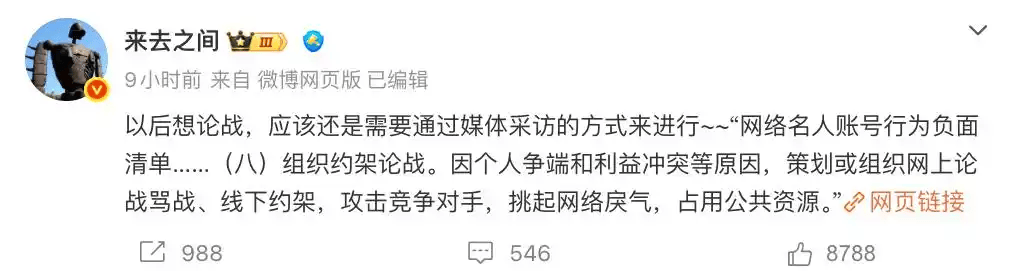
(网经社讯)1月19日,《人民日报》发布题为《人民日报再评西贝关店事件:危机面前,坦诚是最好的公关》的评论文章。文中称"西贝关店事件,看起来预 制菜是引爆点,但企业不真诚却是问题核心。贾国龙多次称自己'不懂公关',显然是找问题找错了方向。正所谓真诚是必杀技,对于企业来说,危机面前, 坦诚才是最好的公关。" 前一天,人民日报发布评论文章《网络舆论环境不能成为企业发展的短板》指出,一场网络大V与知名企业人士的网上纷争,以西贝宣布"将关闭全国102家 门店"、两人新浪微博账号均被禁言暂告一段落。更早之前的1月16日21时50分许,@罗永浩的十字路口 以及@西贝贾国龙 两个账号均被禁言。随后,新浪 微博CEO王高飞通过个人微博@来去之间 发文表示,以后想论战,应该还是需要通过媒体采访的方式来进行。对此,网经社发布【电商快评】"网络黑 嘴"套路勒索企业成风 虚假测评 网上造谣正在摧毁电商信任基石。 中国消费经济学会副理事长、网经社电子商务研究中心特约研究员、北京工商大学商业经济研究所所长洪涛教授接受数字经济新媒体&智库 #网经社 独家专 访。 洪涛称,在争论发酵过程中,预制菜产业受到的损伤无疑是巨大,因此,正确认识预制 ...
50+企业“香”遇上海,广东名企奉上年菜盛宴
Nan Fang Nong Cun Bao· 2026-01-21 01:01
Core Viewpoint - The event "Guangdong New Year Cuisine in Shanghai" showcases over 50 renowned enterprises from Guangdong, aiming to promote Guangdong's culinary culture and agricultural products in Shanghai, enhancing market expansion and brand recognition [4][5][6]. Group 1: Event Overview - The event will feature a diverse array of traditional Guangdong New Year dishes, including signature dim sum and classic盆菜 (Poon Choi), highlighting the rich culinary heritage of Guangdong [11][12]. - Participating companies include well-known brands such as Guangzhou Restaurant and various seafood giants, presenting a comprehensive selection of Guangdong specialties to Shanghai residents [11][12][19]. - The event aims to create a vibrant cultural exchange between Guangdong and Shanghai, merging the culinary traditions of both regions [32][41]. Group 2: Market and Brand Strategy - The initiative serves as a platform for market expansion, with many enterprises targeting Shanghai as a strategic hub to reach the broader Yangtze River Delta market [23][24]. - Brand promotion is a shared goal among both traditional and emerging brands, focusing on storytelling to enhance the visibility of Guangdong products in an international metropolis [24][25]. - The event will facilitate direct consumer engagement and market feedback, allowing companies to adapt their offerings based on real-time consumer preferences [26][27]. Group 3: Cultural Significance - The event emphasizes the cultural symbolism of Guangdong cuisine, with dishes like盆菜 representing abundance and prosperity, aiming to resonate with Shanghai's diverse culinary landscape [33][41]. - It seeks to foster cultural understanding and emotional connections through food, positioning Guangdong's New Year traditions as appealing options for Shanghai families [42][44]. Group 4: Innovative Engagement - The event will break traditional sales models by incorporating tasting experiences, cultural displays, and industry networking opportunities, enhancing consumer interaction [47][49]. - Attendees will have the chance to witness the preparation of traditional dishes, further enriching their understanding of Guangdong's culinary craftsmanship [48][49]. - This approach aims to create a dynamic environment for both consumers and industry stakeholders, promoting collaboration and investment in the agricultural and food sectors [49][52].



广东年菜“抢滩”上海:盆菜成顶流,年轻化趋势显著
Nan Fang Nong Cun Bao· 2026-01-18 12:34
Core Insights - Guangdong New Year dishes are rapidly gaining popularity among consumers in Shanghai, with a remarkable annual sales growth rate exceeding 50% over the past three years, reaching a market size of over 10 billion yuan [3][4][9] Sales Performance - The sales of Guangdong New Year dishes in Shanghai are projected to achieve a nearly 200% increase from 2023 to 2025, surpassing 10 billion yuan in sales by 2025 [8][9] - Guangdong New Year dishes have become the dominant force in Shanghai's New Year prepared food market, increasing their market share from approximately 25% three years ago to over 45% currently [10][11] Popular Products - The traditional dish "Poon Choi" has emerged as the top-selling item, accounting for over 40% of Guangdong New Year dish sales in Shanghai [23] - Innovative Cantonese snacks such as rice cakes, glutinous rice chicken, and various dumplings have also become popular, with some high-end products experiencing annual sales growth rates exceeding 70% [26] Consumer Trends - The rise of Guangdong New Year dishes is driven by significant changes in consumer behavior, with young consumers aged 25-35 making up 55% of buyers [31] - Health-conscious products, including low-salt and low-fat options, are increasingly favored, leading to the introduction of "light" versions of traditional dishes [35][36] - The consumption of Guangdong New Year dishes is expanding beyond traditional family dinners to include gatherings and corporate events, with smaller portions and elegant packaging catering to younger consumers [39] Cultural Integration - Brands are launching fusion products that combine Cantonese cuisine with local Shanghai flavors, such as "Poon Choi" featuring local specialties, which have received positive market feedback [41][42] Challenges and Future Trends - Despite rapid growth, Guangdong New Year dishes face challenges such as balancing standardized flavors with authenticity and ensuring efficient cold chain logistics [45][46] - Future trends in the market include further segmentation of product lines, enhanced consumer experiences through technology, and a focus on sustainable practices [49][50]
贾国龙罗永浩账号禁言:不应让网络论战“滥用麦克风”
Di Yi Cai Jing· 2026-01-18 01:40
在网络上设置和参与公共议题应始终坚持理性、建设性原则。 1月16日,西贝贾国龙与"网红"罗永浩关于预制菜的网络斗法上演第二回。当天,贾国龙在个人微博号 宣布,当晚10点将对"罗永浩对西贝的重大污蔑诽谤"全面回应。罗永浩也准备迎战。就在各路吃瓜群众 搬出板凳围坐静候时,两人的账号突然被禁言了。 从这个意义而言,任何只愿在网上"开撕"、打死不上法院的网络论战,都是"滥用麦克风"。某些情况 下,甚至有理由怀疑它不是为真理论战,而只是为了制造和消费流量。如果有这种动机和行为,无论背 后是谁,都应该受到广大网民唾弃。 让我们以这次"始乱终弃"的网络论战为戒,一起用好、管好、爱护好网络资源,共建文明、清朗、美好 的网络世界。 (作者系第一财经编辑) 责任编辑:韦子蓉 在网络上设置和参与公共议题应始终坚持理性、建设性原则。 新浪微博CEO回应贾罗之争,相当于解释了禁言的原因。他摘录了一段由中央网信办于去年12月发布的 文件,该文件列出了13条"网络名人账号行为负面清单"。其中第八条为:"组织约架论战。因个人争端 和利益冲突等原因,策划或组织网上论战骂战、线下约架,攻击竞争对手,挑起网络戾气,占用公共资 源。"可见,对贾、罗 ...
今后慢慢的趋势就是,你不想吃预制菜当然可以,那就得花高价
Sou Hu Cai Jing· 2026-01-17 17:36
近年来商家成本增加,商家不是慈善家,当一份外卖只卖25块钱,平台还要抽成,骑手还要拿配送费,留给制作环节的利润薄如蝉翼。这时候,如果还要雇 一位月薪几千甚至上万的专业厨师来给你颠勺,这笔账无论如何是算不过来的。 所以,预制菜或者是更为学术的叫法"工业化餐饮",它的普及是一种不得不接受的代价。 有人说,我们一定不能妥协,要坚持反预制菜。 但一个刺痛的事实:今后慢慢的趋势就是,你不想吃预制菜当然可以,那就得花高价,这是一个由经济成本决定的不可逆过程。 这并不是谁在故意迫害消费者的味蕾,既要便宜,又要快捷,还要现炒现做,这在如今的租金和人工成本结构下已经彻底崩塌了。 我们愤怒的根源,其实不在于吃预制菜,而在于花了现做菜的钱,却吃了预制菜的亏,这叫知情权被侵犯。 未来的监管方向,必然是强制餐厅进行标识。当所有的连锁餐饮都被要求注明供应商时,市场机制才会真正起作用。 那些大骂预制菜的人,往往忽略了自己口袋里的预算。 现炒之所以会成为奢侈品,是因为你买的不仅仅是食物,更是厨师的"劳动时间"和稀缺的"手艺"。在未来,真正的"锅气"将成为一种明确的高溢价服务,它 只服务于那些愿意为了哪怕一点点口感提升而支付数倍价格的人群。 ...
贾国龙要求道歉,罗永浩承认冷冻西蓝花“成本更高”!一斤西蓝花从两块多升值到20多元,业内人士:速冻的可能比新鲜菜更好
Xin Lang Cai Jing· 2026-01-17 05:22
Core Viewpoint - The ongoing controversy surrounding "Xibei frozen broccoli" highlights the tension between traditional food practices and modern food technology, particularly in the context of supply chain transparency and product quality assurance [1][11]. Group 1: Industry Dynamics - The cost of broccoli cultivation has increased significantly, with current expenses averaging around 1.3 yuan per kilogram, which has risen compared to previous years [3][5]. - Labor costs are rising due to an aging workforce, leading to a reliance on more expensive external labor [5]. - The price of imported broccoli seeds has decreased, with domestic seed production rates improving, which may enhance the bargaining power of local farmers [5][13]. Group 2: Supply Chain and Processing - Cold chain logistics play a crucial role in maintaining the quality of broccoli during transportation, with costs for transporting to distant markets like Guangzhou reaching up to 26,500 yuan per trip [6][10]. - The cold storage facilities are essential for preserving broccoli, with a large cold chain facility in Zhangbei capable of holding 10,000 tons [10][13]. - The difference between cold chain storage and freezing technology is significant, with freezing being a method that can enhance food preservation without the need for preservatives [11][12]. Group 3: Market Trends and Consumer Perception - The price of frozen broccoli is significantly higher than that of fresh broccoli, with frozen products selling for approximately 22.8 yuan per kilogram compared to fresh broccoli at around 10 yuan [11][12]. - The controversy over frozen broccoli stems from consumer skepticism regarding its quality and the implications of a two-year shelf life, which can be mitigated through better understanding of freezing technology [11][12]. - The industry is moving towards more processed vegetable products, with opportunities for deep processing and export markets, particularly in countries like South Korea and Thailand [13].
