水产养殖

Search documents
福建天马科技集团股份有限公司2025年12月鳗鱼出池情况简报
Shang Hai Zheng Quan Bao· 2026-01-14 18:59
Group 1 - The company reported a total eel output of approximately 2,254.02 tons in December 2025, with 1,131.24 tons for export and 1,122.78 tons for self-use [1] - For the entire year of 2025, the cumulative eel output reached about 18,669.89 tons, including 9,829.91 tons for export and 8,839.98 tons for self-use [1] - The sales price range for eels in December was between 51,000 yuan/ton and 91,000 yuan/ton, while the annual price range was from 50,000 yuan/ton to 130,000 yuan/ton [1] Group 2 - The eel output specifications are categorized by the number of eels per kilogram, referred to as P numbers [2] - The data provided is based on internal statistics and has not been audited, serving as a reference for investors regarding the company's eel farming operations [4] - Price fluctuations are attributed to the export of a small quantity of live Japanese eels to Japan and South Korea, which have different pricing compared to domestic sales [3]

山东滨州步入海洋立体开发新阶段
Zhong Guo Jing Ji Wang· 2026-01-14 14:16
Core Insights - The Huaneng Shandong Power Company’s 850,000 kW photovoltaic project in Binzhou is the first marine solar project approved by the State Council following the national marine layered rights confirmation policy, marking a new era for large-scale marine utilization in China [1][2] - The project is expected to generate 1.025 billion kWh of electricity by December 31, 2025, meeting its design standards [1] - The shift from "flat" to "layered" marine rights management allows for deeper development of marine resources, significantly enhancing economic output in shared marine areas [2] Group 1: Project Details - The Huaneng Binzhou New Energy project will be fully operational by March 2025, with a projected electricity generation of 1.025 billion kWh by the end of 2025 [1] - The project faced initial construction delays due to marine usage permit issues, which have now been resolved through new policies [1] - The introduction of a layered rights confirmation policy allows for the division of marine space into four layers: water surface, water body, seabed, and subsoil [1] Group 2: Economic Impact - The "fishing and solar" complementary model improves the microenvironment for saltwater shrimp, enhancing their growth conditions [2] - The layered rights and utilization model has increased the economic output of shared marine areas by over three times for photovoltaic and saltwater shrimp production [2] - Binzhou is positioning itself to develop a trillion-level new energy equipment manufacturing industry cluster, supported by abundant marine resource factors [2] Group 3: Future Developments - Binzhou is proactively planning a gigawatt-level energy storage project along the northern coastal area, establishing a stable regulation system for "new energy + storage" [2] - Current surveys indicate that the total installed capacity for wind and solar energy in northern Binzhou exceeds 60 million kW, with multiple new energy and related projects under construction [2]
流溪河畔添“生态滤池” ,2000平米人工湿地守护珍稀鱼类家园
Nan Fang Nong Cun Bao· 2026-01-14 08:35
Core Viewpoint - The construction of a 2000 square meter artificial wetland in Guangzhou's Conghua District aims to protect the rare fish species, particularly the Guangdao Cichlid, and enhance the ecological environment of the Liuxi River [2][4][5]. Group 1: Project Overview - The artificial wetland was designed and implemented by the Pearl River Fisheries Research Institute of the Chinese Academy of Fishery Sciences and has successfully passed inspection [3][28]. - This wetland serves as an ecological compensation project for the reinforcement and renovation of the Dacao Dam, playing a crucial role as an "ecological filter" in the Guangdao Cichlid National Aquatic Germplasm Resource Protection Area [4][5]. Group 2: Construction and Planting Strategy - The construction team took advantage of the dry season in late December 2025 to efficiently complete the wetland within a week, which significantly improved the survival rate of aquatic plants [6][9]. - A scientific planting scheme was developed based on water depth variations, with 1000 square meters of submerged plants like black algae and potamogeton planted in deeper areas, and 1000 square meters of emergent plants like water caltrop and bulrush in shallower areas [12][13][14]. Group 3: Ecological Impact - The newly constructed wetland aligns with the protection goals of the Guangdao Cichlid National Aquatic Germplasm Resource Protection Area, providing essential habitats for rare fish species [16][17]. - Monitoring data indicates a significant recovery trend in the Guangdao Cichlid population, with annual surveys showing an increase from over 20 individuals before 2016 to 50-80 individuals in recent years, with the largest individuals weighing over 2 kg [21][25]. Group 4: Water Quality Improvement - The wetland functions as a "natural kidney" for the Liuxi River, utilizing aquatic plants to purify water by absorbing excess nutrients and reducing the risk of eutrophication [30][32][36]. - The root systems and foliage of submerged and emergent plants help improve water clarity and enhance the growth environment for aquatic organisms [33][35]. Group 5: Future Plans and Community Engagement - The Dacao Dam reinforcement project incorporates ecological compensation measures, embodying the principles of "ecological priority and green development," and aims to provide replicable experiences for ecological protection [40][41]. - Continuous monitoring of the wetland's long-term effects on fish resource protection and water quality improvement is planned, with intentions to promote this ecological restoration model in suitable areas [42][43].


汪清县税务局:精准税惠护航 助力林蛙“出海”
Xin Lang Cai Jing· 2026-01-14 08:17
Core Viewpoint - The article highlights the successful export of high-quality frog products by a local company in Jilin Province, China, while addressing tax-related concerns regarding packaging and compliance with agricultural tax exemption policies [1][2]. Group 1: Company Overview - Wangqing County Tianling Aquaculture Co., Ltd. specializes in the breeding and export of frogs, leveraging the region's unique ecological environment to produce nutritious and high-quality frog meat [1]. - The company is preparing to export 1,900 kilograms of frog products to South Korea, emphasizing the nutritional benefits and market demand in countries like South Korea and Japan [1]. Group 2: Tax Compliance and Support - The company faced concerns about whether the packaging of frogs would affect their eligibility for agricultural tax exemptions, as they are an export-focused business with no domestic sales [1]. - The Wangqing County Taxation Bureau proactively engaged with the company to clarify compliance points regarding agricultural tax exemptions and provided tailored support for tax documentation and record-keeping [1]. - The tax department's guidance alleviated the company's concerns, allowing them to focus on expanding their overseas market while ensuring compliance with tax regulations [2].
近期猪价或区间震荡,需关注产能变化
Guotou Securities· 2026-01-14 05:45
Investment Rating - The industry is rated as "Leading the Market - A" with a maintained rating [5]. Core Views - The recent pig prices are expected to fluctuate within a range, with a focus on changes in production capacity [19][21]. - The white feather chicken market is experiencing a supply-demand mismatch, with stable prices but cautious market sentiment [33]. - The aquaculture sector shows stable prices, presenting potential investment opportunities [47]. Summary by Sections 1. Weekly Market Review - The agricultural sector increased by 0.98% during the latest trading week, ranking 29th among the primary industries [12]. - The animal health sector saw significant gains, with notable increases in specific stocks [15]. 2. Industry Data Tracking 2.1. Pig Farming - The average price of live pigs is 12.49 CNY/kg, with a week-on-week increase of 1.54% and a two-week increase of 4.22% [18]. - The average price of piglets is 363 CNY/head, stable over the past two weeks [19]. - The average daily slaughter volume of pigs is 226,500 heads, showing a week-on-week decrease of 5.12% [19]. 2.2. Poultry Farming - The average price of white feather chicken is 7.64 CNY/kg, down 1.04% week-on-week [33]. - The price of chicken seedlings is 3.59 CNY/bird, up 1.70% week-on-week [33]. - The market is stable, but there is a notable increase in inventory levels due to weak demand [33]. 2.3. Planting Sector - The average price of corn is 2,352.77 CNY/ton, with a slight increase of 0.02% week-on-week [42]. - The average price of domestic wheat is 2,512.98 CNY/ton, down 0.12% week-on-week [42]. - The average price of domestic soybeans is 4,048.42 CNY/ton, up 0.50% week-on-week [42]. 2.4. Aquaculture Sector - The average price of carp is 20.00 CNY/kg, stable week-on-week, with a year-on-year increase of 11.11% [47]. - The average price of crab is 260.00 CNY/kg, showing a significant year-on-year increase of 30.00% [47]. - The average price of shrimp is 320.00 CNY/kg, stable week-on-week but down 11.11% year-on-year [47].
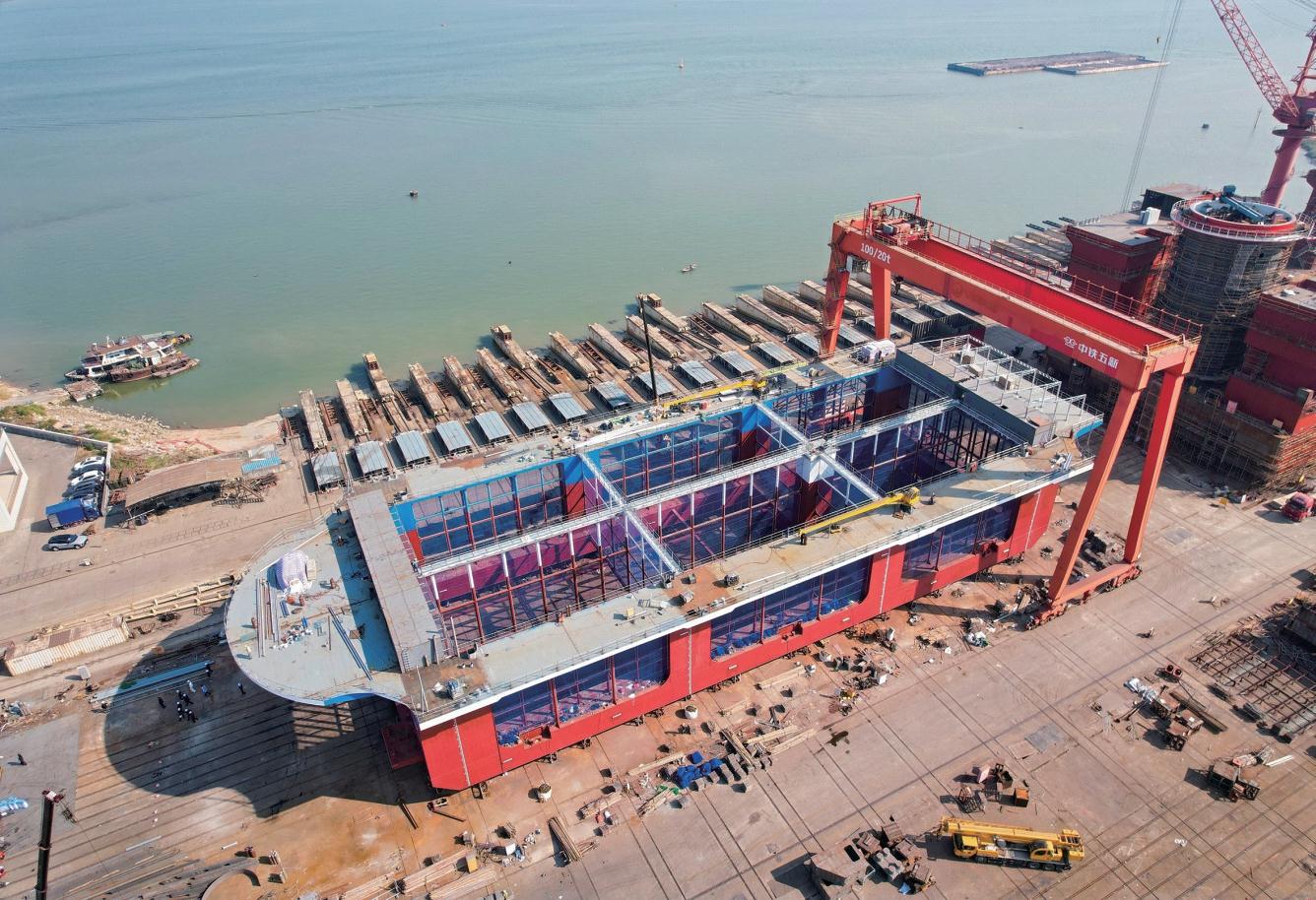
“珠海琴”数字智能养殖平台下水
Zhong Guo Zi Ran Zi Yuan Bao· 2026-01-14 02:37
Core Insights - The "Zhuhai Qin" digital intelligent aquaculture platform represents a significant breakthrough in the digital, intelligent, and green transformation of deep-sea aquaculture equipment in China [3] Group 1: Platform Features - The platform measures 110 meters in length, 40 meters in width, and has a draft depth of 15 meters, enclosing over 60,000 cubic meters of water [3] - It consists of six independent net cages and features a semi-submersible structure capable of withstanding typhoons of up to level 15, making it suitable for the complex sea conditions of the South China Sea [3] - The platform integrates photovoltaic power generation, automated drone feeding, and a 5G smart control system, enabling modernized aquaculture functions such as feed storage and environmental monitoring [3] Group 2: Environmental and Economic Impact - The platform aims to scale the farming of high-quality fish species such as golden pomfret and grouper, contributing to the construction of a "blue granary" [3] - By adopting deep-sea aquaculture methods, it seeks to reduce coastal pollution and protect nearshore ecosystems [3] - It will also serve as a marine research and testing base, promoting the development of related industries such as marine engineering equipment and seawater fish breeding [3]
青海特色农畜产品创新供给能力持续增强
Xin Lang Cai Jing· 2026-01-13 19:50
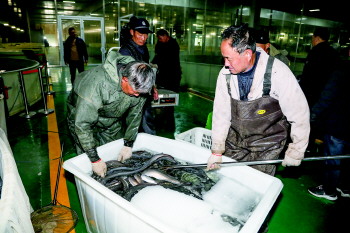
Group 1 - The core viewpoint of the news highlights the significant growth in the agricultural sector in Qinghai Province, driven by technological innovation and improved resource utilization, which enhances the supply capacity of high-quality agricultural products [1] Group 2 - By the end of 2025, the number of registered agricultural technology service entities in Qinghai reached 650, a 32.1% increase from 2024, with the industry’s invoiced sales revenue growing by 26.3% year-on-year [1] - The province's investment in innovation led to a tax reduction of nearly 8 million yuan from R&D expense deductions, indicating a sustained acceleration in innovation efforts [1] - Agricultural machinery purchases in the province saw a 70.6% increase in invoiced amounts, with drone equipment for seeding, spraying, and grazing rising by 80.2%, reflecting a growing trend towards mechanization and smart farming [1] - The invoiced sales revenue from software and IT services for agriculture increased by 47.8%, showcasing advancements in smart agricultural practices such as "5G + Beidou" intelligent fencing and livestock tracking [1] Group 3 - The establishment of innovation platforms, such as the potato incubation base, has led to a 25.1% year-on-year increase in invoiced sales revenue from the potato planting industry in 2025 [2] - The sales revenue from highland cool-season vegetables, cold-water fish, and yak products collectively grew by 17.9%, with sales to other provinces increasing by 21.4% [2] - The market recognition of "Qinghai salmon" has improved, with leading companies in salmon farming and processing reporting a 110% year-on-year increase in invoiced sales revenue, and a 20% growth in export value [2]
韩国食客点赞“弹牙”,秘诀来自微山
Xin Lang Cai Jing· 2026-01-13 16:42
Core Insights - The successful export of 10 tons of eel from the modern aquaculture industrial park in Weishan County to South Korea marks a significant market breakthrough for China's northernmost eel farming base, showcasing a new model for high-end aquatic product cultivation in northern regions [2][8] Group 1: Export Achievement - The 10 tons of eel were shipped from Weishan County to Korea, with a growth cycle of nearly two years, resulting in firmer and more elastic meat compared to the one-year growth cycle of southern eels [2][3] - In the South Korean market, the eels can fetch prices of 120,000 yuan per ton in bulk transactions and up to 150 yuan per jin in retail [2][3] Group 2: Unique Farming Techniques - The Weishan eel farming operation utilizes a "smart aquaculture" technology, which includes a circular water recycling system that maintains optimal water quality and promotes ecological balance [5][6] - The farming system allows for high-density cultivation, achieving a yield of 120 kg per cubic meter, significantly higher than traditional farming methods [6][7] Group 3: Market Demand and Support - The eels' superior quality has attracted South Korean customers, who are willing to pay an average of 20 yuan more per jin compared to domestic prices, enhancing economic benefits for the company [8] - The Jining Customs provided comprehensive support to help the company navigate export regulations and ensure compliance with South Korean market standards [8] Group 4: Infrastructure and Capacity - The industrial park spans 14,000 square meters for smart aquaculture and over 27,000 square meters for circular water farming, with an annual seedling capacity of 5 billion tails [9] - The facility has received multiple accolades, including being recognized as a national model for healthy aquaculture and a demonstration base for leisure fisheries [9]
恒兴:勇担时代重任,以品质与全链构建品牌护城河
Nan Fang Nong Cun Bao· 2026-01-13 12:34
Core Viewpoint - Guangdong Hengxing Group and Guangdong Hengxing Feed Industry Co., Ltd. ranked sixth and eleventh respectively in the Guangdong Agricultural Enterprises Brand Value Top 50 list, highlighting their strong brand assets and commitment to quality [2][3][5]. Group 1: Brand Value and Strategy - Quality is the foundation of the brand, and the brand is an extension of quality, representing consumer trust and a means for companies to integrate resources and enhance value [4][5]. - Hengxing's dual recognition in the brand rankings is a result of its continuous accumulation of brand assets, demonstrating a clear path for "brand-driven enterprise" [5][6]. - The company aims to contribute to the modernization of agriculture and the development of a strong agricultural nation by enhancing brand value through high standards and comprehensive strategies [11][12][14]. Group 2: Seed Source and Innovation - Since the implementation of the "Seed Industry Revitalization Action Plan" in 2021, China's domestic seed source market share has exceeded 85%, with "Guangdong seeds" contributing over half of the national marine fish seedlings [18][19]. - Hengxing plays a crucial role in this national strategy, focusing on self-innovation to ensure seed source safety, which is vital for national security [20][21]. - The company has made significant advancements in seed technology, including the development of disease-resistant shrimp breeding and diagnostic tools for seed health [25][26][32]. Group 3: Full Industry Chain Development - Guangdong is focusing on creating a trillion-level modern marine ranch industry cluster, and Hengxing is deeply integrated into this strategy by enhancing full industry chain collaboration [36][37]. - The company's full industry chain layout acts as a value amplifier, ensuring product quality consistency and rapid market response, thus building a formidable brand moat [41][43]. - Hengxing has made substantial investments in key industry chain nodes, including the establishment of a pre-prepared food industrial park and a large-scale cold storage facility [46][48]. Group 4: Technological Empowerment and Global Presence - In the context of global competition, brand value is essential for agricultural and food enterprises to participate in international markets, with a strong emphasis on product quality and technological strength [61][62]. - Hengxing has actively participated in drafting national standards, which not only promotes industry standardization but also showcases the company's leadership and responsibility [64][66]. - The company has received multiple awards for its innovative products and technologies, further solidifying its brand strength and global presence [70][82][85].
农业行业周报:建议关注生猪养殖行业的新一轮产能去化-20260113
Shanxi Securities· 2026-01-13 10:49
Investment Rating - The report maintains an investment rating of "Buy" for the agricultural sector, specifically highlighting companies such as Hai Da Group, Shengnong Development, and Wen's Shares [3]. Core Insights - The agricultural sector has shown a mixed performance, with the Shanghai and Shenzhen 300 Index increasing by 2.79% and the agricultural sector rising by 0.98% during the week of January 5 to January 11 [2][12]. - The report emphasizes the recovery in the pig farming industry, with a new round of capacity reduction expected. The average price of pigs has increased, and losses in pig farming have narrowed [2][22]. - The feed industry is experiencing a structural recovery, with most raw material prices at cyclical lows, and companies like Hai Da Group are expected to benefit from this trend [3]. Summary by Sections 1. Agricultural Sector Weekly Review - The agricultural sector ranked 28th among all sectors, with top-performing sub-industries including aquaculture, animal health, and poultry farming [2][12]. - Notable gainers in the agricultural sector include companies like Dahu Co. and Zhongshui Fisheries, with increases of 17.83% and 16.07% respectively [12]. 2. Industry Data 2.1 Pig Farming - As of January 9, the average price of pigs in Sichuan, Guangdong, and Henan was 13.10, 12.86, and 12.93 CNY/kg respectively, with an overall average pork price of 17.97 CNY/kg [22]. - Self-breeding pig farming reported a loss of 11.54 CNY per head, a reduction of approximately 23.05 CNY from the previous week [22]. 2.2 Poultry Farming - The weekly price for white feather broilers was 7.64 CNY/kg, a decrease of 1.04% from the previous week, while the profit from broiler farming was 0.45 CNY per bird, down 23.73% [37]. 2.3 Feed Processing - The average price of fattening pig feed was 3.36 CNY/kg, remaining stable, while chicken feed prices also held steady at 3.45 CNY/kg [43]. 2.4 Aquaculture - As of January 9, the price of sea cucumbers was 120.00 CNY/kg, reflecting a 33.33% increase, while shrimp prices remained stable at 320.00 CNY/kg [49]. 2.5 Planting and Grain Processing - As of January 9, corn prices were 2,351.86 CNY/ton, showing a slight decrease of 0.18%, while soybean prices remained stable at 4,048.42 CNY/ton [58].