消费电子

Search documents
中国科技企业闪耀CES:撕下低价标签 以创新和品牌力突围
2 1 Shi Ji Jing Ji Bao Dao· 2026-01-09 09:38
Core Insights - The presence of Chinese technology companies at CES 2026 has significantly increased, showcasing a shift from traditional supply chain roles to a more diversified global strategy focused on technology, design, and localized operations [1][4]. Group 1: Chinese Companies at CES - A total of 207 Chinese companies participated in CES 2026, occupying over 4,900 square meters of exhibition space, marking a strong presence in the global tech landscape [1]. - The focus of the exhibition has shifted towards AI-driven technologies, with nearly all exhibitors highlighting AI as a core component of their offerings [2]. Group 2: AI and Robotics - Chinese companies are leading in the robotics sector, with over 20 humanoid robot exhibitors, surpassing the total from the US, Japan, South Korea, and Europe combined [2]. - Innovations in practical applications of AI are evident, with products like delivery robots and advanced cleaning robots demonstrating significant functional capabilities [3]. Group 3: Market Position and Product Competitiveness - By the first three quarters of 2025, Chinese brands accounted for over 60% of the global market share in robotic vacuum cleaners, indicating a strong competitive position [5]. - Chinese technology firms are increasingly recognized for their technological advancements and design quality, allowing them to command a price premium in overseas markets [5]. Group 4: Brand Development and Market Expansion - As Chinese tech companies achieve significant sales milestones, they are increasingly focusing on brand building, utilizing interactive marketing strategies to enhance consumer engagement [6]. - The transition to brand-focused strategies is expected to further boost sales, particularly in high-value product categories [6]. Group 5: Challenges and Strategic Considerations - Companies face challenges related to varying market conditions, cultural differences, and regulatory requirements across different regions [7]. - The external environment's uncertainty poses risks, but stabilizing conditions could enhance the competitive advantages of Chinese tech firms [7].
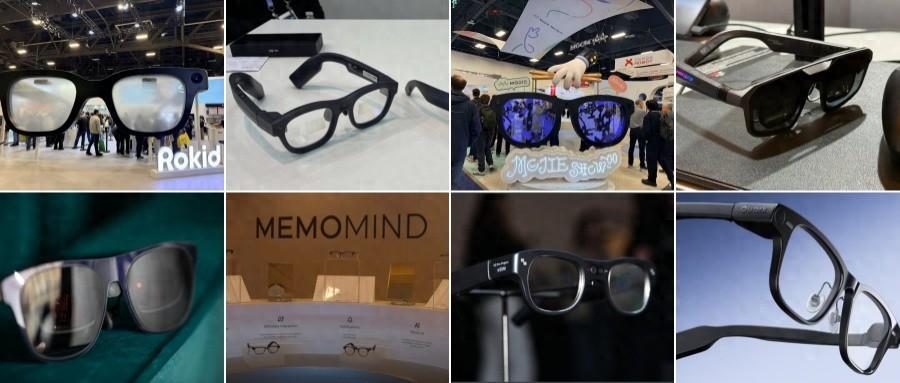
中国AI眼镜军团CES霸场,27家公司组团秀肌肉,2026百镜大战
Xin Lang Cai Jing· 2026-01-09 09:01
Core Insights - The CES 2023 showcased a significant presence of Chinese manufacturers in the smart glasses and VR/AR market, indicating a shift in industry dynamics with local players gaining traction [2][44] - The Chinese smart glasses market is projected to see substantial growth, with shipments expected to reach 623,000 units by Q3 2025, reflecting a year-on-year increase of 62.3% [4][46] - The event highlighted the competitive landscape, with numerous companies unveiling innovative products, suggesting a "battle of the glasses" in the coming years [42][85] Group 1: Major Players - Rokid attracted attention with its giant glasses display and launched the Rokid Style, claimed to be the lightest full-feature AI glasses at 38.5 grams, starting at $299 [7][48] - INMO introduced two key products: INMO Go3, which offers real-time translation in 261 languages, and INMO AIR3, the first mass-produced 1080P wireless AR glasses, which sold out quickly [9][53] - XREAL showcased the ROG Xreal R1, the first gaming glasses with a 240Hz refresh rate, and announced the upcoming XREAL 1S, featuring a proprietary chip for 3D content conversion [14][57] Group 2: Cross-Industry Innovations - Alibaba presented the Quark AI glasses S1, which allows interaction through voice commands and boasts a battery life of 7 hours, powered by dual flagship chips [22][66] - XGIMI launched its MemoMind AI glasses, marking its entry into the smart glasses market with two series [27][70] Group 3: Emerging Startups - Gyges Labs introduced the world's first AI note-taking ring, which gained significant media attention for its unique functionality [30][73] - MicroVision unveiled the M6 series of AR glasses, which feature hardware that can be sustainably upgraded without replacing the entire device [32][75] - Various smaller companies showcased innovative products, contributing to a diverse and competitive landscape in the smart glasses sector [40][83]

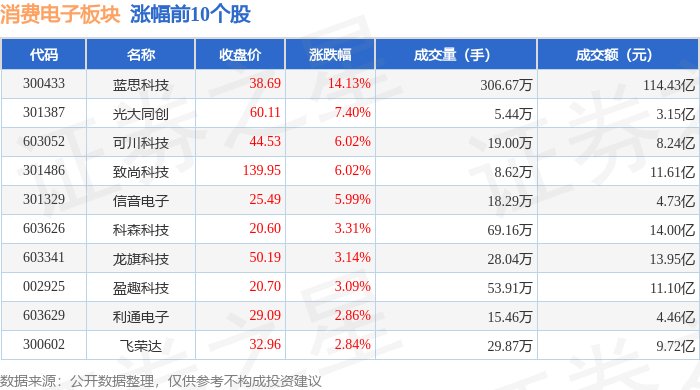
消费电子板块1月9日涨1.39%,蓝思科技领涨,主力资金净流出29.45亿元
Zheng Xing Xing Ye Ri Bao· 2026-01-09 08:54
证券之星消息,1月9日消费电子板块较上一交易日上涨1.39%,蓝思科技领涨。当日上证指数报收于 4120.43,上涨0.92%。深证成指报收于14120.15,上涨1.15%。消费电子板块个股涨跌见下表: | 代码 | 名称 | 收盘价 | 涨跌幅 | 成交量(手) | 成交额(元) | | --- | --- | --- | --- | --- | --- | | 300857 | 协创数据 | 180.70 | -2.40% | 17.75万 | 32.13亿 | | 002055 | ST得润 | 5.67 | -1.90% | 185.04万 | 10.21亿 | | 301086 | 御圖與 | 117.40 | -1.77% | 2.52万 | 2.9867 | | 688210 | 统联精密 | 51.70 | -1.69% | ﻛ 5.43万 | 2.84亿 | | 920857 | 泓禧科技 | 35.43 | -1.58% | 1.23万 | 4377.44万 | | 300686 | 智动力 | 15.62 | -1.39% | 8.38万 | 1.32亿 | | 300136 | 信维 ...

线性王淮:上帝只开了两扇通往AI未来的门,一扇在美国一扇在中国
3 6 Ke· 2026-01-09 08:47
Core Insights - The article discusses the evolution of AI and its implications for investment strategies, emphasizing the importance of understanding both American and Chinese AI models in the context of global competition [1][3][4]. Investment in AI - Linear Capital has invested over $100 million in AI since its inception, focusing on early-stage technology investments [1]. - The firm encourages its teams to utilize top AI models from both the U.S. and China to gain a comprehensive perspective on AI capabilities [3][4]. U.S. vs. China in AI - The article highlights a competitive landscape where the U.S. has a significant number of Chinese talent (approximately 50% in top AI research) while China boasts a 100% Chinese talent pool [4]. - The U.S. is recognized for its innovative spirit, while China excels in scaling and engineering capabilities [2][4]. Future of Work and AI - Predictions indicate that by 2030, 30% of existing jobs will be replaced by AI, with this figure rising to 40% by 2040 [5]. - The article suggests that the speed of AI adoption will be much steeper than previous technological advancements, potentially leading to a complete restructuring of the workforce by 2050 [5][6]. AI's Impact on Creativity and Value - AI's ability to replicate creative processes raises questions about the unique value of human creativity, as many creative tasks may not be as unique as individuals believe [6][7]. - The article posits that AI does not need to be perfect to replace human roles; it only needs to meet or exceed expectations for specific tasks [6][7]. Investment Strategy and Market Dynamics - The firm distinguishes between "soap bubble" and "beer bubble" investments, suggesting that while there may be speculative elements in AI, there are also substantial underlying values [10]. - Investments in companies like "White Rhino" and "It Stone Intelligent Navigation" demonstrate the potential for significant growth in AI applications, particularly in robotics and automation [11][12]. Globalization and Geopolitical Context - The article discusses the ongoing transformation of globalization, emphasizing the need to adapt to AI advancements and geopolitical changes to create value [15][16]. - The firm is shifting its investment focus to include global teams that can leverage Chinese supply chains, indicating a strategic adaptation to the evolving landscape [15][16]. Conclusion - The article concludes that AI is not an endpoint but a new beginning, where adaptability and evolution will determine success in the future [18][19].
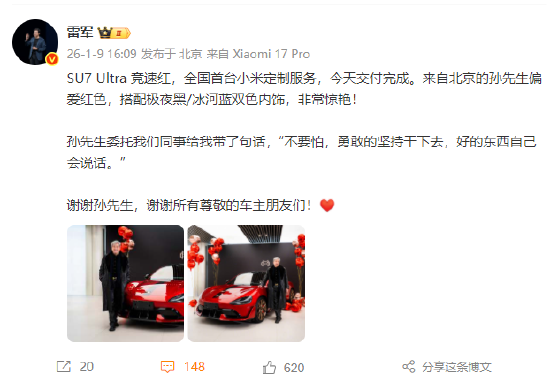
定制版小米SU7 Ultra竞速红全国首台交付 车主给雷军带话:好的东西自己会说话
Xin Lang Cai Jing· 2026-01-09 08:25
Core Insights - The first customized version of the Xiaomi SU7 Ultra, named "Racing Red," has been officially delivered to a customer in Beijing [1] - The customer, Mr. Sun, expressed his support for Xiaomi's founder Lei Jun, encouraging him to persist and believe in the quality of their products [1] Summary by Categories Product Launch - The Xiaomi SU7 Ultra "Racing Red" is the first customized vehicle delivered, showcasing a unique color and interior combination [1] Customer Engagement - The customer, Mr. Sun, specifically requested to convey a message of encouragement to Lei Jun, highlighting the importance of customer sentiment and brand loyalty [1] Company Response - Lei Jun publicly acknowledged the customer's message on social media, reinforcing the company's commitment to its customers and their feedback [1]

CES变成中国科技秀:机器人跳舞、熊猫获奖
3 6 Ke· 2026-01-09 08:24
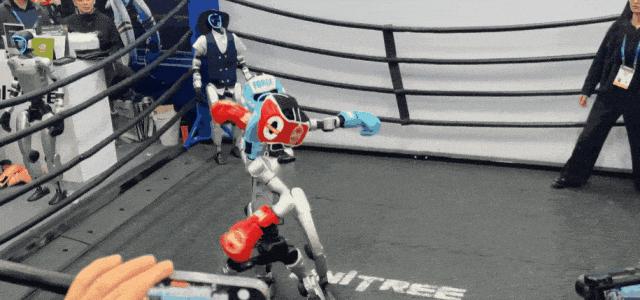
Group 1: Core Themes of CES 2026 - The main theme of CES 2026 is "human-centered" AI applications, marking a shift from traditional consumer electronics to AI-centric technological transformations [1] - Chinese companies are increasingly taking center stage at CES, with 942 exhibitors, accounting for approximately 22% of the total, maintaining their position as the second-largest exhibiting nation [1] - In specific sectors, Chinese firms dominate, with 55% of humanoid robot exhibitors and nearly 70% of AI glasses brands coming from China [1] Group 2: Robotics and AI Innovations - Chinese manufacturers are expected to continue leading in cost reduction and efficiency improvements in humanoid robots, showcasing their capabilities in unstructured environments [2] - Notable products include the Unitree H1 humanoid robot with advanced sensing capabilities and the latest generation of the "绝影" series robotic dogs, which excel in indoor navigation [4][11] - The "Care-bot" humanoid robot by Fourier demonstrates embodied intelligence in real-life interaction scenarios [7] Group 3: Consumer Electronics and Smart Devices - Over 80% of global smart glasses supply chain manufacturers are from China, with 16 Chinese companies showcasing their products at CES [15] - Innovations in smart home devices include the AI-driven "安安" companion robot designed for elderly and cognitively impaired individuals [16] - Companies like Alibaba and XREAL are launching advanced AI glasses, with features such as ultra-lightweight designs and integration with various AI services [19][20] Group 4: Automotive and AI Integration - The automotive industry is transitioning from "software-defined" to "AI-defined" vehicles, with companies like Geely and Great Wall showcasing new technologies [28] - Geely's G-ASD smart driving solution and Great Wall's focus on new energy technologies highlight the industry's shift towards AI integration [30][32] - New products like the AI-driven logistics solutions from New Stone and advanced lidar technology from Hesai demonstrate the growing importance of AI in transportation [34][35] Group 5: Home Appliances and AI - Hisense introduced new RGB-Mini LED display technology and AI-controlled smart refrigerators, showcasing the integration of AI in home appliances [41] - TCL's innovations in display technology, including the world's first printed OLED car screen, reflect advancements in consumer electronics [43][44] - Companies are increasingly focusing on AI capabilities in home security and smart home management systems [51][49] Group 6: Overall Impact of AI - CES 2026 emphasizes the profound impact of AI on the consumer electronics industry, with expectations for AI user numbers to grow significantly [59] - The event serves as a platform for global tech companies to set the foundation for future technological development and transformation [59] - The integration of AI into various sectors, including robotics, automotive, and consumer electronics, indicates a trend towards deeper AI adoption in everyday life [59]




CES硬核科技刷屏,广东力量秀出“中国方案”
21世纪经济报道· 2026-01-09 07:53
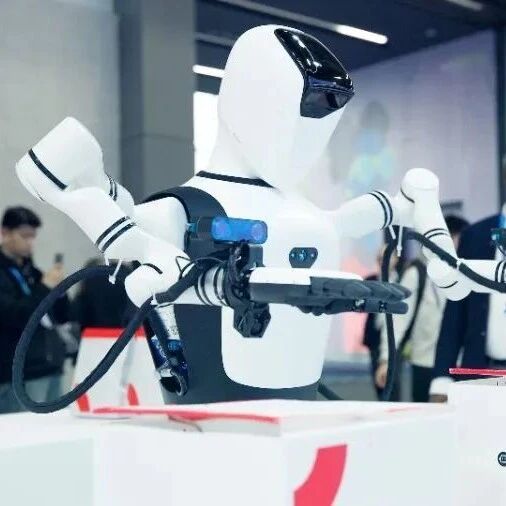
Core Viewpoint - The CES 2026 showcased significant advancements in technology, particularly highlighting the strong presence and innovation of Guangdong enterprises in the global tech landscape [1][2]. Group 1: Guangdong's Presence at CES - Guangdong had a remarkable representation at CES, with 837 companies from mainland China and 530 from Guangdong, including 370 from Shenzhen, making up 44.2% of the mainland exhibitors [1]. - The event highlighted Guangdong's innovation in various sectors, including smart hardware, AI-integrated products, and robotics, establishing the region as a key player in global tech innovation [1][2]. Group 2: Robotics and AI Innovations - The emergence of embodied intelligent robots was a focal point, with companies like SUTENG showcasing their autonomous delivery robot capable of performing nearly 20 complex tasks [3][5]. - The robotics industry is transitioning from mere demonstrations to practical applications, with companies like ZHONGQING making strides in real-world scenarios such as logistics and public services [5][6]. Group 3: Energy Solutions and Smart Technologies - Energy tech companies presented solutions for smart and decentralized energy management, including products like the Explorer 1500 Ultra and innovative outdoor solar solutions [8][9]. - The integration of AI in energy solutions is aimed at enhancing efficiency and supporting the transition to automated driving technologies [8][9]. Group 4: Globalization and Market Strategy - Guangdong enterprises are evolving from simple product exports to comprehensive global strategies that include technology, branding, and ecosystem development [12][15]. - Companies like TCL and CHUANGXIANG SANWEI are focusing on localizing their operations and building service ecosystems in international markets to enhance brand recognition and customer engagement [12][13]. Group 5: Shifting Market Dynamics - The narrative of Guangdong companies has shifted from being followers to leaders in the global tech arena, with a focus on technological innovation and brand influence [17][19]. - The efficient supply chain in Guangdong is a critical factor enabling rapid product iteration and technological advancements, positioning these companies favorably in the competitive landscape [21].
香港多家科创企业亮相CES 前沿科技创新吸引全球买家目光
Huan Qiu Wang· 2026-01-09 07:12
Core Insights - A total of 61 Hong Kong tech companies showcased their innovations at the CES in Las Vegas from January 6 to 9, highlighting Hong Kong's strength in research and development in the tech sector [1][2] - The event attracted numerous international brand representatives, industry leaders, and investors, facilitating discussions on local innovations and potential collaborations to expand into overseas markets [1] Group 1: Event Overview - The Hong Kong Tech Pavilion covered various cutting-edge fields, including advanced materials and sustainable technology, artificial intelligence and data, digital transformation, electronic products and robotics, as well as life and health technology [2] - The participation in CES is part of a long-term strategy by the Hong Kong Trade Development Council, which has been involved in the event for over 40 years, leveraging a global network of over 50 offices to promote tech-driven cross-border business transactions and investments [2] Group 2: Awards and Recognition - Three Hong Kong companies received accolades at the 2026 CES Innovation Awards: Widemount Dynamics Tech for its smart firefighting robot, Eieling for its FattaLab® diagnostic device, and PointFit for its PF-Sweat Patch wearable technology [2] - The recognition of these companies underscores the innovative capabilities of Hong Kong's tech ecosystem and its potential to drive future global transformations [2]
《经济学人》:人工智能将给电子产品消费者带来巨大痛苦
美股IPO· 2026-01-09 07:08
Core Viewpoint - The surge in demand for memory chips driven by artificial intelligence is creating significant supply shortages for consumer electronics manufacturers, leading to increased prices and delayed product deliveries [3][4]. Group 1: Supply and Demand Dynamics - The demand for memory chips, particularly DRAM and high bandwidth memory (HBM), is unprecedented due to the rise of AI-driven devices [3]. - Dell's COO described the current supply-demand imbalance as "unprecedented," with predictions of a 15% to 20% increase in personal computer prices [3]. - IDC estimates that global smartphone shipments could decline by 5% and personal computer sales could drop nearly twice as much if the situation persists [3]. Group 2: Impact on Memory Chip Production - HBM production requires three to four times the silicon wafers compared to standard DRAM, leading to a significant increase in resource consumption [4]. - The global DRAM market is highly concentrated, with SK Hynix, Samsung, and Micron accounting for over 90% of revenue, and these companies are shifting capacity towards HBM [4]. - HBM's profit margins are significantly higher, averaging 50% or more, compared to 35% for standard memory, which has led to a 200% average stock price increase for these companies since early 2025 [4]. Group 3: Price Increases and Market Effects - The price of standard DRAM (DDR4) has surged by 1360% since April 2025, impacting the cost structure of consumer electronics [4]. - Companies like Apple can absorb higher costs due to their pricing power, while others, such as Asus and Xiaomi, are already raising prices and warning of profit margin impacts [5]. - Automotive manufacturers are under the most pressure as the DRAM requirements for vehicles are increasing rapidly due to more electronic components being integrated [5]. Group 4: Future Outlook and Mitigation - Memory manufacturers plan to invest approximately $61 billion in DRAM this year, a 14% increase from 2025, but new capacity will take up to two years to come online [5]. - An estimated 60% to 70% of this investment will be directed towards HBM, limiting the availability of standard DRAM [5]. - The supply shortage may only ease with a decline in the AI frenzy, which could lead to immediate consumer pain [5].

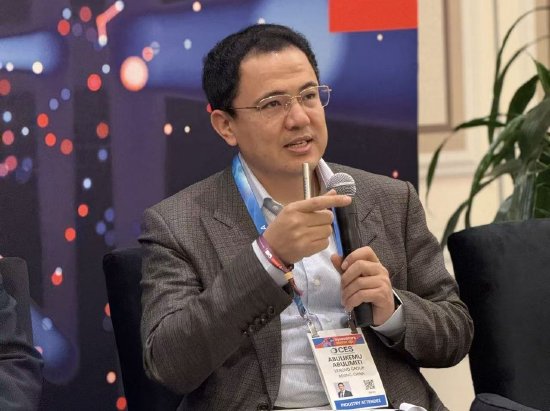
联想集团副总裁阿木:正研发面向企业的“个人超级智能体”
Xin Lang Cai Jing· 2026-01-09 06:54
Core Insights - Lenovo is developing an enterprise-focused "personal super intelligent agent" named "Tianxi AI Pro" to enhance smart collaboration from individuals to enterprises [1][4][7] - The launch of Lenovo Qira, known as Tianxi AI in China, marks the global implementation of Lenovo's personal AI strategy, which is part of a broader hybrid AI initiative [3][6] - The integration of personal and enterprise AI aims to create a smart network that connects individual creativity with corporate intelligence, evolving from "using AI" to "co-creating AI" [3][6] Group 1 - Lenovo's Tianxi AI represents a personal intelligent agent that aligns with individual interests, while enterprises will deploy enterprise-level intelligent agents to enhance employee efficiency and external communication [3][6] - The intersection of personal and enterprise intelligent agents occurs at AI terminals purchased by enterprises, allowing personal agents to leverage enterprise capabilities alongside individual knowledge [3][6] - Tianxi AI can utilize personal data for AI services and will eventually integrate with Lenovo's enterprise-level intelligent agent, "Lexiang," to assist in decision-making processes [3][6] Group 2 - Lenovo has been developing and testing the Tianxi AI Pro version since last year, enabling enterprises to purchase and assign work versions of personal intelligent agents to employees [4][7] - The company's hybrid AI strategy, significant R&D investment, and open ecosystem are foundational for deep collaboration between personal and enterprise AI [4][7]