
自动驾驶

Search documents
上市公司集群崛起,大湾区跃迁“ C位担当”!
券商中国· 2025-11-12 03:39
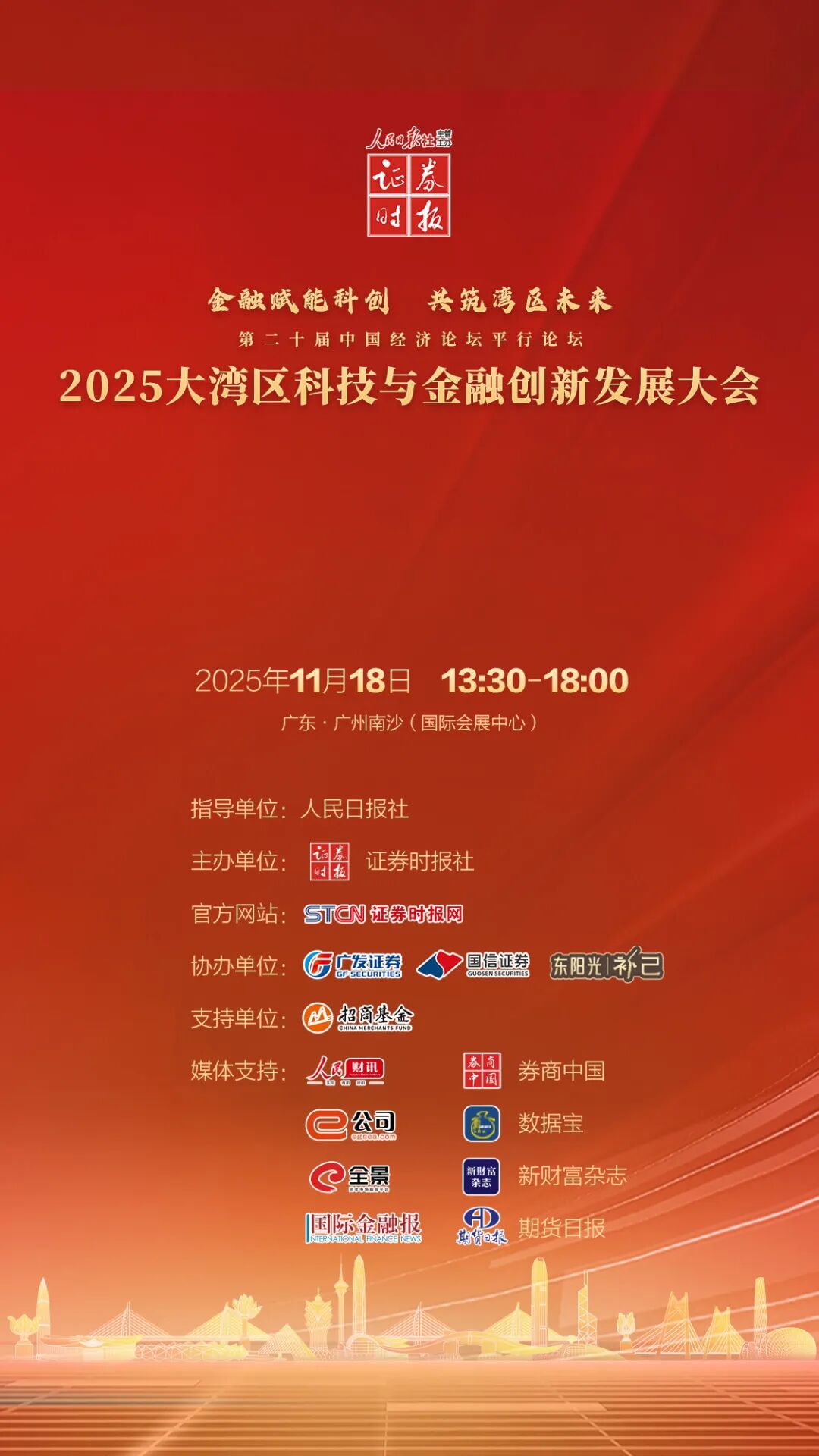
Core Viewpoint - The Guangdong-Hong Kong-Macao Greater Bay Area (GBA) is a highly open and economically vibrant region in China, contributing approximately 1/9 of the national economic output with only 0.6% of the country's land area [1][2]. Group 1: Innovation and R&D - The GBA has emerged as a leading innovation hub, with the Shenzhen-Hong Kong-Guangzhou innovation cluster ranking first in the World Intellectual Property Organization's "World's Top 100 Innovation Clusters" [4]. - In the first three quarters of this year, GBA listed companies invested a total of 237.31 billion yuan in R&D, accounting for 20.69% of all A-share companies' R&D expenses, indicating that 1 out of every 5 yuan spent on R&D in the A-share market comes from the GBA [4]. - BYD leads all A-share companies with R&D expenses of 43.75 billion yuan, focusing on advanced technologies such as fast-charging batteries and next-generation power chips [4]. Group 2: Industry Upgrading and New Growth Areas - The GBA is a key player in nurturing new productive forces, achieving breakthroughs in emerging sectors such as autonomous driving, low-altitude economy, and robotics [7]. - Companies like WeRide and Pony.ai have successfully listed on the Hong Kong Stock Exchange, with WeRide operating in 30 cities across 11 countries and Pony.ai focusing on local operations [7]. - The establishment of the "Air-Ground Integrated Smart AI Ecosystem Alliance" indicates a significant market potential in the low-altitude economy and robotics, projected to exceed one trillion yuan in the next five years [7]. Group 3: Global Expansion - GBA listed companies are increasingly pursuing internationalization, with total overseas revenue reaching 955.60 billion yuan in the first half of 2025, accounting for 19.5% of all A-share companies' overseas revenue [11]. - BYD achieved overseas revenue of 135.36 billion yuan, marking a 50.49% year-on-year increase, and has ambitious plans for further international expansion [11]. - Transsion Holdings has captured over 40% of the African smartphone market by focusing on differentiated imaging technology, showcasing a successful model for international market penetration [12]. Group 4: Upcoming Events - The 20th China Economic Forum will take place on November 18 in the Nansha Economic and Technological Development Zone, focusing on technology innovation and financial integration [17][18].

百度红杉押注,“大疆教父”李泽湘创立的自动驾驶公司再战港交所
3 6 Ke· 2025-11-12 03:16
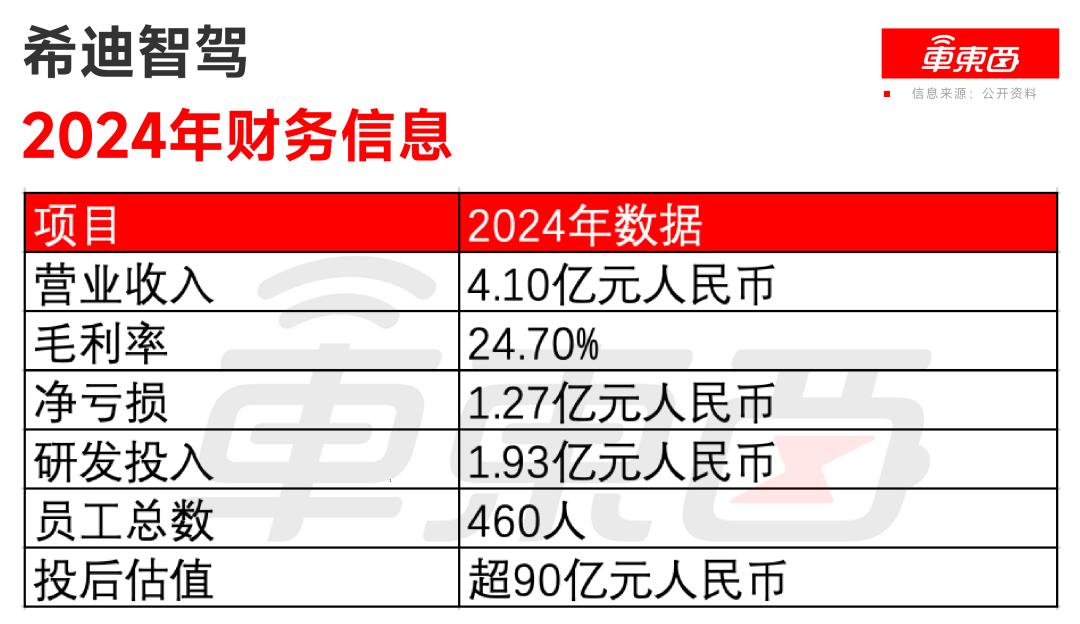
Core Viewpoint - Xidi Zhijia Technology Co., Ltd. has submitted its IPO application to the Hong Kong Stock Exchange, aiming to capitalize on the growing demand for autonomous driving technology in commercial vehicles, particularly in mining and logistics sectors [1][4]. Financial Performance - The company's revenue is projected to reach 410 million RMB in 2024, a significant increase from 132 million RMB in 2023, marking an almost threefold growth [2][7]. - The gross margin improved from over 20% in 2023 to 24.7% in 2024, indicating a profitable product line [2][9]. - Net losses have decreased from 159 million RMB in 2022 to 127 million RMB in 2024, showing a trend towards reduced losses [2][10]. Order and Market Position - Xidi Zhijia holds a leading market share of 16.8% in China's commercial vehicle autonomous driving sector, ranking first in the autonomous mining truck solutions segment [4][28]. - The company has delivered 304 autonomous mining trucks and received indicative orders for an additional 357 trucks, along with 110 independent autonomous truck systems and 290 indicative orders for these systems [3][13]. Research and Development - The company has invested nearly 394 million RMB in R&D over the past three years, with 193 million RMB allocated in 2024 alone [5][12]. - R&D personnel constitute 54.1% of the total workforce, emphasizing the company's commitment to innovation [12]. Customer Base and Projects - As of June 30, 2025, Xidi Zhijia has served 131 customers, with plans to expand this number to 152 by the end of 2025 [12][13]. - The company has successfully implemented several benchmark projects, including the first fully autonomous electric mining truck fleet in China and a mixed fleet of manned and unmanned mining trucks [12][23]. Financing and Valuation - Xidi Zhijia has completed multiple financing rounds since its establishment, with a post-investment valuation exceeding 9 billion RMB following the C+ round [15][28]. - Notable investors include Sequoia Capital and Baidu, reflecting strong market confidence in the company's potential [15][16]. Leadership - The company was founded by Professor Li Zexiang, known as the "father of DJI," who has extensive experience in automation and robotics [17][19]. - Key executives include Ma Wei, co-founder and vice chairman, and Hu Sibo, CEO, both bringing significant industry experience to the company [21][23].
逐鹿中东,百度、小马智行等抢滩Robotaxi蓝海
3 6 Ke· 2025-11-12 02:58
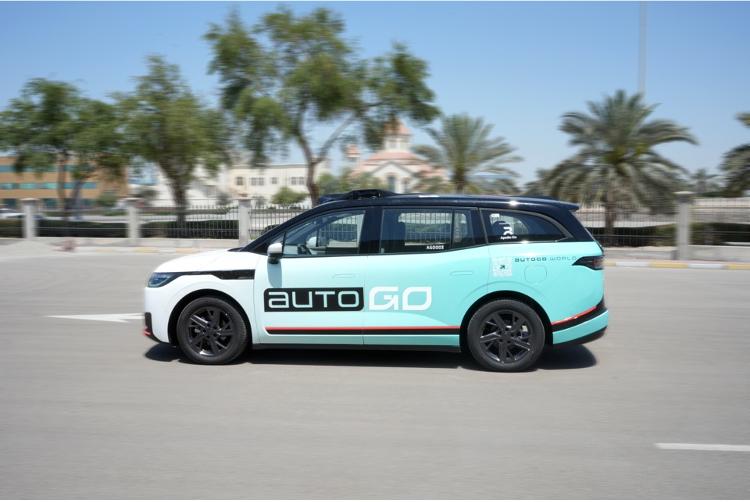
Core Viewpoint - The Middle East, particularly Abu Dhabi, is emerging as a competitive market for domestic Robotaxi companies, with significant developments in autonomous driving services and partnerships aimed at commercial operations by 2026 [1][2][4]. Group 1: Market Developments - LoBo快跑 entered the Abu Dhabi market in March 2023 and has partnered with AutoGo to deploy sixth-generation unmanned vehicles, aiming for full autonomous operation by 2026 [2]. - 文远知行 has been operating Robotaxi services in Abu Dhabi since 2021 and plans to cover the city's core areas by the end of 2025, with a goal of expanding its fleet to 1,000 vehicles by 2026 and several thousand by 2030 [4]. - Both companies have been testing fully unmanned Robotaxi services locally, with recent licensing allowing the removal of safety drivers, which is expected to lead to single-vehicle profitability [4]. Group 2: Regional Expansion - 文远知行 has also received the first autonomous driving license in Saudi Arabia and has launched Robotaxi services in Riyadh [6]. - 小马智行 is actively expanding in the Middle East, having conducted successful public road tests in Doha, Qatar, and received testing permits in Dubai [6]. - LoBo快跑 has signed an agreement with Dubai's Roads and Transport Authority to initiate a trial operation of 50 autonomous vehicles, aiming for public service by 2026 [6]. Group 3: Global Strategy - 小马智行 is establishing research centers in various global locations, including Silicon Valley and Luxembourg, and is collaborating with local companies to enhance its Robotaxi services [7]. - The company has launched road tests in Singapore and South Korea, indicating a strategic focus on rapidly developing markets [7]. - LoBo快跑 has expanded its operations to 22 cities globally, with over 240 million kilometers driven, surpassing Waymo's order volume [7]. Group 4: Industry Opportunities - The overseas market for autonomous driving, particularly in the L4 segment, is seen as a vast potential area with ongoing demand for smart mobility and supportive policies [8][10]. - The combination of "technology output + ecosystem binding" is identified as a key pathway for scaling operations, leveraging domestic expertise in collaboration with local platforms [10][11]. - The decline in core component costs is facilitating the extension of autonomous driving applications beyond traditional passenger transport to include logistics and other services [11]. Group 5: Future Outlook - 2026 is anticipated to be a pivotal year for the mass production of Robotaxi services, with significant investments and innovations expected in the sector [12]. - The competitive landscape is evolving, with various operational models emerging, including integrated development and production approaches [12]. - The ability to adapt to local regulations and cultural contexts is crucial for sustainable growth in international markets [13][14].

上市公司集群崛起:大湾区经济跃迁“ C位担当”
Zheng Quan Shi Bao Wang· 2025-11-12 02:34
Group 1: Economic Overview of the Greater Bay Area - The Greater Bay Area, covering less than 0.6% of China's land area, generates approximately 1/9 of the national economic output, showcasing its high economic vitality [1] - The region has the highest density of listed companies in China, with 813 A-share listed companies in the nine mainland cities [1] Group 2: Innovation and R&D Investment - The Greater Bay Area's listed companies have significantly increased their R&D investments, totaling 237.31 billion yuan in the first three quarters of this year, a year-on-year increase of 9.69%, accounting for 20.69% of all A-share companies' R&D expenses [2] - BYD leads in R&D spending among A-share companies with 43.75 billion yuan, focusing on advanced technologies in the electric vehicle sector [2] Group 3: AI and Technology Development - TCL Huaxing is developing an AI architecture that enhances product development and quality control capabilities [3] - Daotong Technology has maintained a high R&D expense ratio of 15% to 20%, resulting in a 61.81% year-on-year increase in net profit for the first three quarters of 2025 [3] Group 4: Industry Upgrades and New Sectors - The Greater Bay Area is becoming a leader in new production capabilities, with breakthroughs in autonomous driving, low-altitude economy, and robotics [4] - Companies like WeRide and Pony.ai are expanding their operations globally, with WeRide holding licenses in seven countries [4] Group 5: International Expansion - In the first half of 2025, listed companies in the Greater Bay Area achieved overseas revenue of 955.60 billion yuan, representing 19.5% of all A-share companies' overseas revenue [7] - BYD's overseas revenue reached 135.36 billion yuan, marking a 50.49% year-on-year increase, as the company accelerates its international expansion [7] Group 6: Financial Empowerment and Future Development - The upcoming "2025 Greater Bay Area Technology and Financial Innovation Development Conference" aims to explore new paths for the integration of technology and finance, enhancing the region's role as an international technology innovation center [10][13]

上市公司集群崛起:大湾区经济跃迁“ C位担当” |魅力湾区·相约南沙
Zheng Quan Shi Bao· 2025-11-12 02:29
Group 1: Economic Overview of the Greater Bay Area - The Greater Bay Area (GBA) is one of the most open and economically vibrant regions in China, accounting for approximately 1/9 of the national economic output with less than 0.6% of the country's land area [1] - The GBA has the highest density of listed companies in China, with 813 A-share listed companies across nine cities [1] Group 2: Innovation and R&D Investment - The GBA's listed companies have shown significant growth in R&D investment, totaling 237.31 billion yuan in the first three quarters of this year, a year-on-year increase of 9.69%, representing 20.69% of all A-share companies' R&D expenses [3] - BYD leads all A-share companies with R&D expenses of 43.748 billion yuan, focusing on advanced technologies such as fast-charging batteries and silicon carbide power chips [3] Group 3: AI and Emerging Technologies - TCL Huaxing is developing an AI architecture to enhance product development and yield rates, while Daotong Technology has seen significant profit growth due to its AI strategy, maintaining a R&D expense ratio of 15% to 20% [4] - The establishment of the "Air-Ground Integrated Cluster Smart AI Ecological Alliance" indicates a strong focus on AI solutions, with predictions of a market exceeding one trillion yuan in the next five years [7] Group 4: Industry Upgrades and New Market Opportunities - The GBA is becoming a leader in new industries such as autonomous driving and low-altitude economy, with companies like WeRide and Pony.ai making significant strides in the market [6] - GAC Group is diversifying into autonomous driving, low-altitude economy, and robotics, with plans for significant expansion in these areas [8] Group 5: Global Expansion and Internationalization - GBA listed companies achieved overseas revenue of 955.604 billion yuan in the first half of 2025, accounting for 19.5% of all A-share companies' overseas revenue [10] - BYD and Midea Group are leading examples of successful internationalization, with BYD's overseas revenue reaching 135.358 billion yuan, a 50.49% increase year-on-year [10][11] Group 6: Upcoming Events and Collaborative Efforts - The 20th China Economic Forum will take place on November 18, focusing on technology innovation and financial collaboration in the GBA [12] - The forum aims to create a positive ecosystem for technology, industry, finance, and communication, promoting the GBA as an international technology innovation center [13]
上市公司集群崛起:大湾区经济跃迁“ C位担当” |魅力湾区·相约南沙
证券时报· 2025-11-12 02:15
Core Viewpoint - The Guangdong-Hong Kong-Macao Greater Bay Area (GBA) is a highly open and economically vibrant region in China, contributing approximately 1/9 of the national economic output with only 0.6% of the country's land area. The area has a high density of listed companies, showcasing significant growth in technology innovation and emerging industries, thus playing a crucial role in high-quality development [1]. Group 1: Innovation and R&D - The GBA has been recognized as the world's top innovation cluster, surpassing the Tokyo-Yokohama cluster, reflecting the continuous investment in R&D by listed companies in the region [3]. - In the first three quarters of this year, GBA listed companies invested a total of 237.31 billion yuan in R&D, a year-on-year increase of 9.69%, accounting for 20.69% of the total R&D expenses of all A-share companies [3]. - BYD led the A-share companies with 43.75 billion yuan in R&D expenses, developing advanced technologies such as fast-charging batteries and high-performance electric motors, thereby strengthening its competitive edge in the global electric vehicle market [3]. Group 2: Industry Upgrading and New Tracks - The GBA is a key player in nurturing new productive forces, achieving breakthroughs in emerging sectors such as autonomous driving, low-altitude economy, and robotics [6]. - Companies like WeRide and Pony.ai have made significant strides in autonomous driving, with WeRide operating in 30 cities across 11 countries and Pony.ai focusing on local operations in major Chinese cities [6]. - The establishment of the "Air-Ground Integrated Cluster Smart AI Ecological Alliance" indicates a growing market potential in low-altitude economy and robotics, projected to exceed one trillion yuan in the next five years [6]. Group 3: Global Expansion - GBA listed companies are increasingly pursuing internationalization, with total overseas revenue reaching 955.60 billion yuan in the first half of 2025, accounting for 19.5% of all A-share companies' overseas revenue [10]. - BYD achieved 135.36 billion yuan in overseas revenue, marking a 50.49% year-on-year increase, and has plans to derive 50% of its sales from international markets by 2030 [10]. - Transsion Holdings has captured over 40% of the African smartphone market by focusing on differentiated imaging technology, while also exploring collaborative opportunities with major domestic internet companies [11].
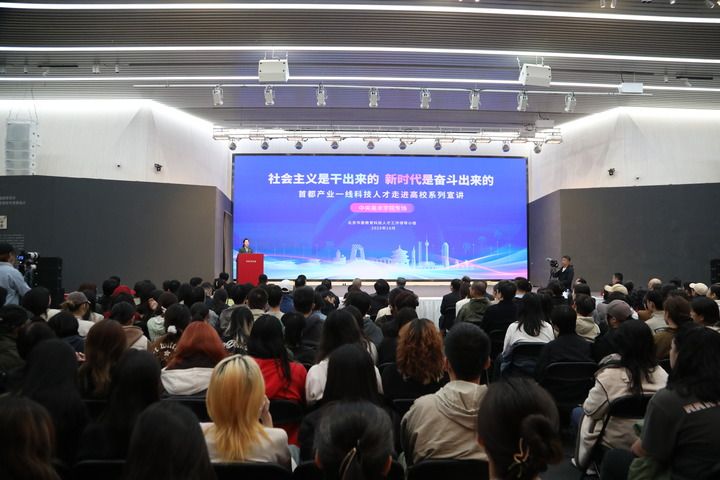
突破“卡脖子”技术的底气从何处来——首都产业一线科技人才走进高校见闻
Xin Hua Wang· 2025-11-12 02:12
Group 1 - The article discusses the importance of domestic innovation in various sectors, including agriculture, semiconductor manufacturing, and biotechnology, to overcome reliance on foreign technology and ensure national food security [1][6][10] - The narrative highlights the achievements of Chinese scientists and engineers who have made significant breakthroughs in their respective fields, such as the development of domestic breeds of chickens and advancements in semiconductor equipment [4][9][10] - The emphasis is placed on the need for youth to engage in these industries, with educational institutions encouraging students to pursue careers in high-demand sectors like chip manufacturing and biotechnology [14] Group 2 - The success story of the domestic breeding of chickens is presented, showcasing how the team led by Wu Guqin developed the first domestic breed, achieving a market share of 60% in China and exporting varieties to Africa [8][9] - The article details the efforts of engineers in the semiconductor industry who have successfully developed key manufacturing equipment, reducing costs and increasing domestic production capabilities [10][11] - The narrative underscores the role of educational institutions in fostering a culture of innovation and patriotism among students, aligning their career aspirations with national needs [12][14]
希迪智驾递表港交所 国内自动驾驶矿卡解决方案市场排名第一
Zheng Quan Shi Bao· 2025-11-12 01:13
Core Viewpoint - Xidi Intelligent Driving has submitted an application for listing on the Hong Kong Stock Exchange, with joint sponsors including China International Capital Corporation Hong Kong Securities Limited, CITIC Construction Investment (International) Financing Limited, and Ping An Capital (Hong Kong) Limited [1] Company Overview - The company is an innovative product-driven supplier of intelligent driving products and solutions for commercial vehicles in China, focusing on autonomous mining and logistics vehicles in closed environments, V2X technology, and intelligent perception solutions [1] - Xidi Intelligent Driving ranks sixth among all intelligent driving commercial vehicle companies in China, with a market share of approximately 5.2% [1] Market Position and Achievements - In 2024, the company ranked first in the Chinese autonomous mining truck solution market, having delivered 56 autonomous mining trucks to a specific mining area in China, operating alongside approximately 500 manned trucks to form the world's largest mixed-operation mining vehicle fleet [1] - As of June 30, 2025, Xidi Intelligent Driving has served 152 clients, delivered 304 autonomous mining trucks, and 110 sets of independent autonomous truck systems, with indicative orders for 357 autonomous mining trucks and 290 sets of independent autonomous truck systems [1] Market Growth Potential - The market for autonomous mining truck solutions in China is rapidly expanding, with projections indicating it will reach RMB 39.6 billion by 2030, representing a compound annual growth rate of 65.3% [1]
终于搞定了!自动驾驶全栈小车黑武士001(感知/定位/融合/导航规划)
自动驾驶之心· 2025-11-12 00:04
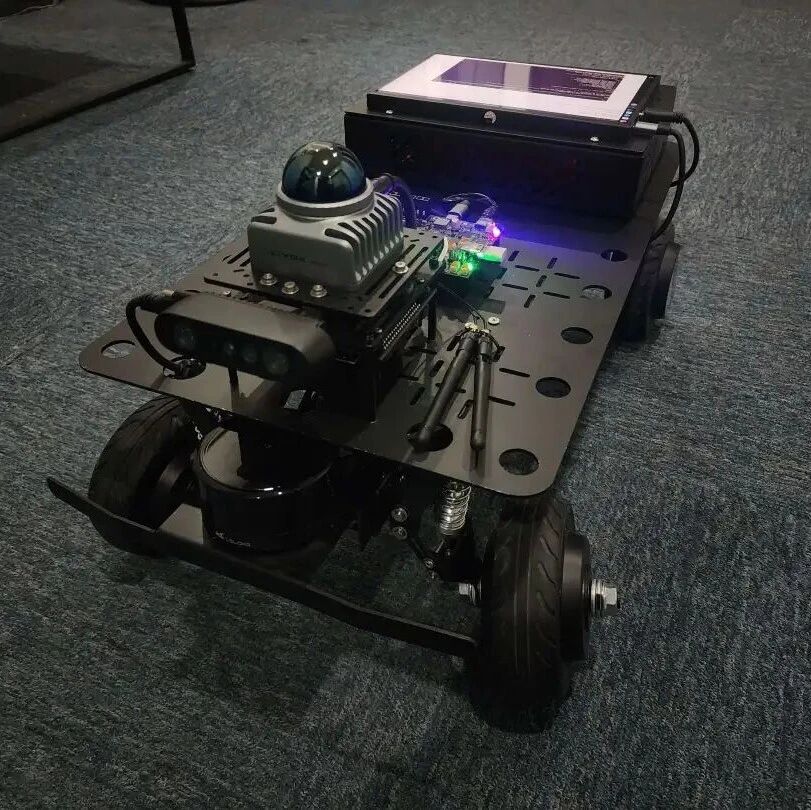
重磅!预售来啦。面向科研&教学级自动驾驶全栈小车黑武士系列001正式开售了。世界太枯燥了, 和我们一起做点有意思的事情吧。 原价36999元,现在下单赠送3门课程( 模型部署+点云3D检测 +多传感器融合 ),优先锁定的安排组装发货。 1)黑武士001 自动驾驶之心团队推出的教研一体轻量级解决方案,支持感知、定位、融合、导航、规划等多个功 能平台,阿克曼底盘。 黑武士支持二次开发和改装,预留了众多安装位置和接口,可以加装相机、毫米波雷达等传感器; 本科生学习进阶+比赛;√ 研究生科研+发论文;√ 研究生找工作+项目;√ 高校实验室教具;√ 培训公司/职业院校教具;√ 2)效果展示 我们测试了室内、室外、地库等场景下感知、定位、融合、导航规划等功能; 整体功能介绍 户外公园行驶 点云3D目标检测 室内地库2D激光建图 室内地库3D激光建图 上下坡测试 室外大场景3D建图 室外夜间行驶 3)硬件说明 | 主要传感器 | 传感器说明 | | --- | --- | | 3D激光雷达 | Mid 360 | | 2D激光雷达 | 镭神智能 | | 深度相机 | 奥比中光,自带IMU | | 主控芯片 | Nvidia ...
对话小马智行彭军:Robotaxi九年,曾经想过失败
汽车商业评论· 2025-11-11 23:08
Core Viewpoint - The article discusses the advancements and challenges in the autonomous driving industry, particularly focusing on the company Xiaoma Zhixing and its CEO Peng Jun's insights on the future of Robotaxi and the competitive landscape in China [4][6][7]. Group 1: Company Overview - Xiaoma Zhixing is preparing for its secondary listing on the Hong Kong Stock Exchange, following its initial public offering on NASDAQ in November 2024, with a focus on the Chinese market [6][7]. - The company has established a Robotaxi fleet of over 720 vehicles and is positioned to capitalize on the expected boom in autonomous driving technology by 2025 [6][7]. - CEO Peng Jun emphasizes the importance of Asian investors' understanding and recognition for the company's long-term development [10]. Group 2: Industry Insights - The year 2025 is anticipated to be a pivotal year for the commercialization of Robotaxi, driven by supportive policies and market conditions in China [6][7]. - The competitive landscape includes companies like Waymo and Tesla, with Xiaoma Zhixing claiming a significant cost advantage over its competitors [36]. - The article highlights the distinction between Level 2 (L2) and Level 4 (L4) autonomous driving, with Xiaoma Zhixing focusing on L4 capabilities, which require different optimization goals compared to L2 systems [11][12]. Group 3: Technology and Development - Peng Jun argues that the complexity of autonomous driving technology is high, and the path to achieving L4 capabilities is not straightforward [7][11]. - The company prioritizes safety and redundancy in its systems, which differs from L2 systems that rely on human drivers for safety [12][25]. - The article discusses the misconception that more data equates to better intelligence in autonomous systems, emphasizing the importance of quality over quantity in data collection [19][20]. Group 4: Future Outlook - The company aims to scale its fleet to approximately 50,000 vehicles, with a focus on establishing a robust operational framework [36][39]. - The potential for collaboration with traditional car manufacturers is acknowledged, but the complexity of the autonomous driving market may limit the number of successful competitors [42]. - The article concludes with a vision of a future where Robotaxi services could significantly reduce the need for private car ownership, reflecting changing consumer preferences [43][46].
