
电动汽车

Search documents
“如果不算上中国,全球在清洁能源领域的创新进度为0”
Guan Cha Zhe Wang· 2025-08-15 06:41
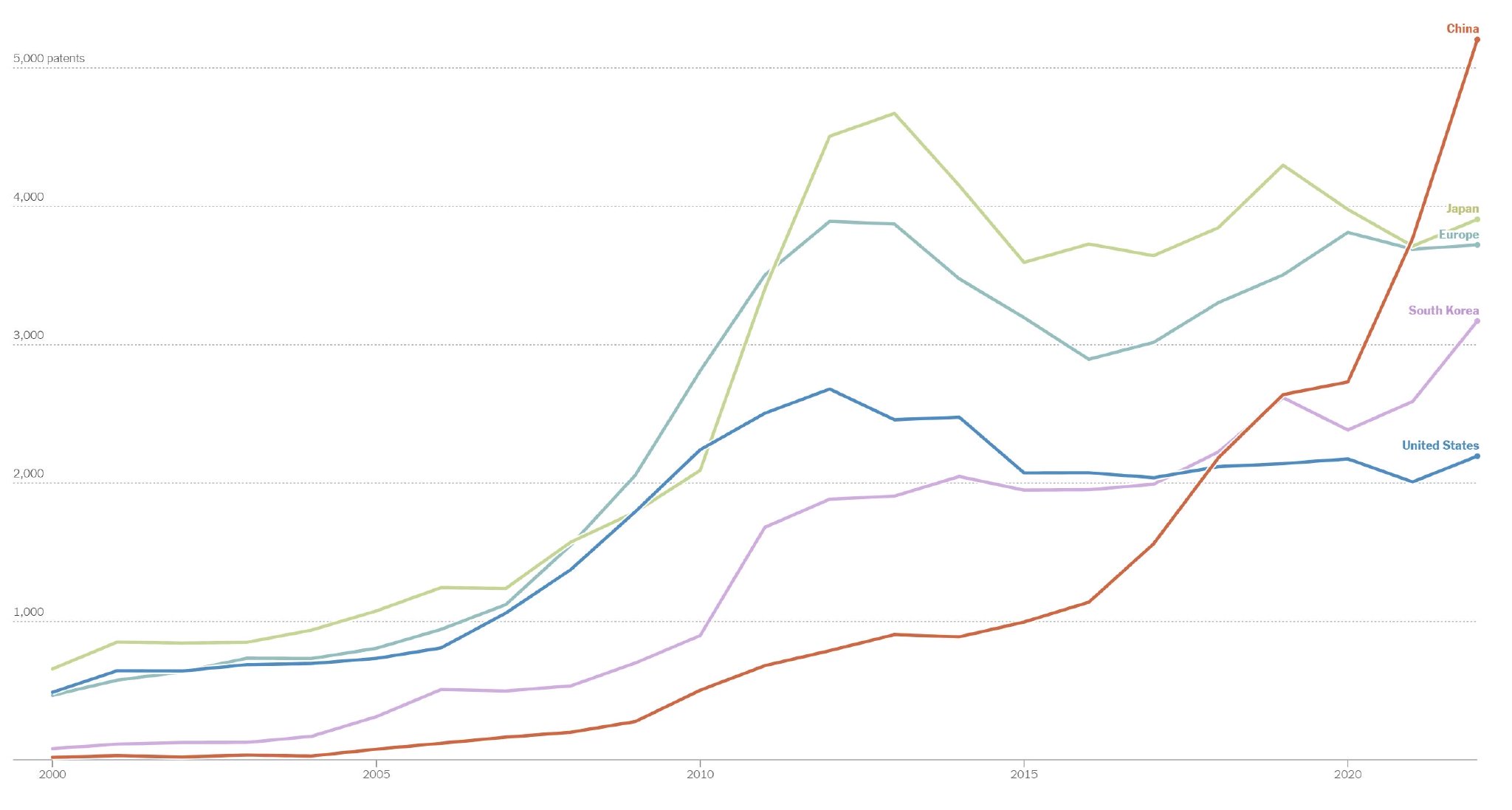
Core Insights - The global clean energy innovation has stagnated in recent years, particularly when excluding China's contributions, as highlighted by Ember's analysis of European Patent Office data [1] - China has seen a dramatic increase in competitive clean energy patent applications, from 18 in 2000 to over 5,000 in 2022, establishing its dominant position in the global clean energy sector [1][3] - The rise in high-quality patents, defined as those filed in two or more countries, indicates a shift from China being a "follower" to becoming an "innovator" in clean energy technologies [2][3] Patent Trends - In 2022, China filed more than double the number of high-quality clean energy patents compared to the United States, with a steady increase in the proportion of high-quality patents [3] - The European Patent Office defines high-quality patents based on the investment made by companies to protect their inventions across multiple markets [2] Government and Industry Support - China's advancements in clean energy are attributed to a mature academic research environment and strategic government initiatives, such as the "Made in China 2025" plan, which aims for 80% domestic market share in key industries by 2025 [6] - The scale of investment in clean energy by China is unmatched by Western countries, allowing for the development of a comprehensive supply chain [6] Technological Innovations - Chinese companies, such as BYD and CATL, have innovated in electric vehicle battery technology, opting for cost-effective lithium iron phosphate formulations over traditional nickel-cobalt options, leading to significant improvements in battery performance and safety [7] - CATL's research team has developed a technology that reduces the risk of battery fires, earning recognition with the 2023 European Inventor Award [7][9] Research Output - China leads in the number of widely cited technical papers in battery technology, with 65.5% of such papers originating from Chinese researchers, compared to 12% from the United States [9] - The number of peer-reviewed papers published by Chinese researchers in the clean energy field is significantly higher than that of other countries [12] Strategic Measures - China is taking steps to prevent technology outflow, as evidenced by the recent updates to its export control list, which includes restrictions on battery cathode material technologies [13] - Analysts suggest that without equivalent investment from other countries in clean energy research, China's dominance in battery production will continue to strengthen [13]



【环球财经】机构:俄罗斯新电动汽车销量一年来首次出现同比正增长
Xin Hua Cai Jing· 2025-08-15 05:58
Core Insights - In July 2025, Russia's new electric vehicle sales experienced a year-on-year increase for the first time, with 1,257 units sold, representing a 15% growth compared to 1,094 units in the same month last year [1] - This marks the first positive momentum in the electric vehicle segment of the Russian automotive market in over a year, with the last recorded year-on-year growth occurring in June 2024 [1] - Additionally, July 2025 saw the monthly electric vehicle sales surpass 1,000 units for the first time since the beginning of the year [1] Sales Data - For the first seven months of 2025, the total number of new electric vehicles sold in Russia reached 57,000 units, which is nearly a 50% decrease compared to the same period last year [1]
前7月长三角外贸创新高,这些增长尤为迅猛
Di Yi Cai Jing· 2025-08-15 05:46
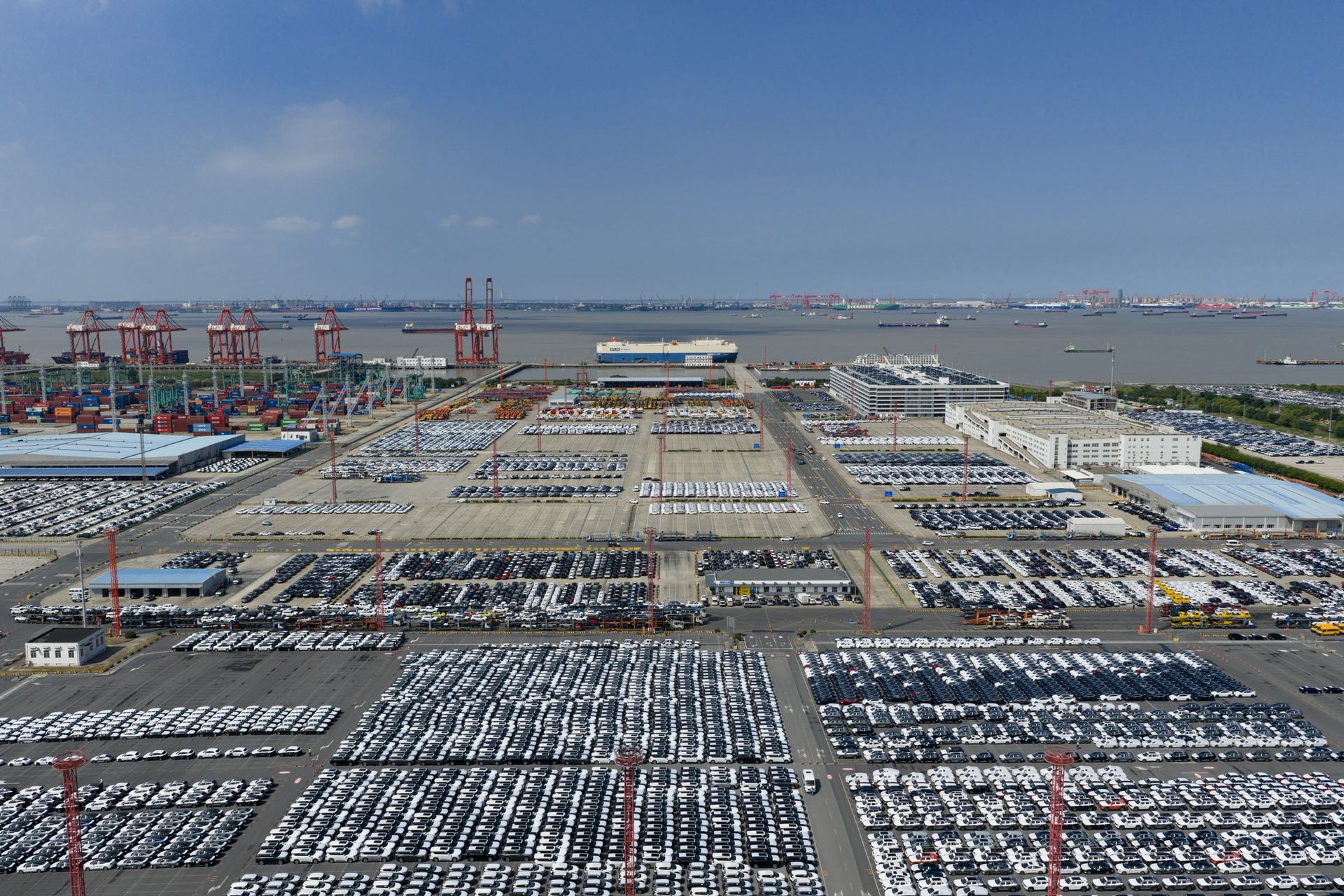
Core Insights - The export of electric vehicles, high-end equipment, and integrated circuit products in the Yangtze River Delta region has seen significant year-on-year growth of 43.9%, 10.2%, and 20.1% respectively [1][3] - The total import and export value of the Yangtze River Delta reached a historical high of 9.59 trillion yuan in the first seven months of the year, marking a 5.4% increase year-on-year and accounting for 37.3% of the national total [1][3] Group 1: Export Performance - The export of electromechanical products in the Yangtze River Delta reached 3.64 trillion yuan, with a year-on-year growth of 9.4% [3] - Jiangsu province exported electromechanical products worth 1.52 trillion yuan, growing by 10.7%, contributing 7.3 percentage points to the province's overall export growth [4] - Zhejiang province's electromechanical product exports grew by 9.7%, accounting for 46.8% of the province's total exports, with high-tech product exports increasing by 14.3% [4] Group 2: Private Enterprises' Role - Private enterprises in the Yangtze River Delta accounted for 55.8% of the total import and export value, with a year-on-year growth of 9.5% [6] - In Ningbo, private enterprises' imports and exports increased by 7.1%, contributing 5.4 percentage points to the city's total foreign trade growth [6] Group 3: Trade Relationships - The Yangtze River Delta's trade with ASEAN countries grew by 17.5%, and trade with countries involved in the Belt and Road Initiative increased by 10.3% [8] - Anhui province's trade with ASEAN countries surged by 35.7%, while Jiangsu province's trade with Belt and Road countries increased by 10.2% [8][9]
20cm速递|创业板新能源ETF国泰(159387)涨超2.6%,“反内卷”主线持续带动板块景气
Mei Ri Jing Ji Xin Wen· 2025-08-15 04:34
Group 1 - The core viewpoint of the article is that the initiative released by the China Chemical and Physical Power Industry Association aims to promote fair competition and healthy development in the energy storage industry, with participation from 149 companies including leading firms like BYD and EVE Energy [1] - The initiative encourages companies to quote prices based on their operational conditions, cost assessments, and project risks to prevent irrational low pricing behaviors, thereby safeguarding the industry from "bad money driving out good" [1] - The large number of participating companies indicates a broad impact, which is expected to improve profitability across the industry chain, especially as domestic market demand for energy storage continues to grow steadily [1] Group 2 - The Guotai New Energy ETF (159387) tracks the Innovation Energy Index (399266), which has a daily price fluctuation limit of 20% and focuses on companies in the clean energy production, energy-saving technology, and equipment manufacturing sectors [1] - The index is designed to reflect the overall performance of companies with technological innovation capabilities and growth potential in the context of energy transformation, with a focus on emerging areas such as solar energy, wind energy, electric vehicles, and energy storage solutions [1]

《财富》杂志锐评雷军 做到了苹果没做到的事
Sou Hu Cai Jing· 2025-08-15 04:32
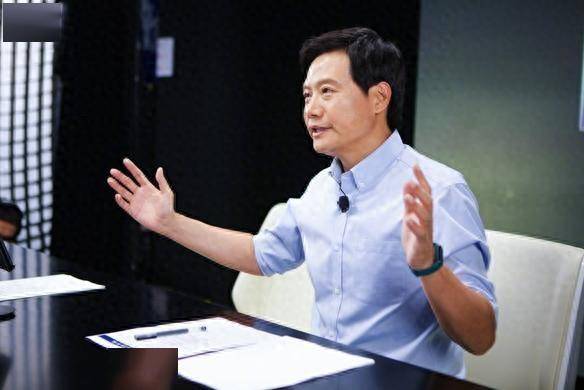
Group 1 - The core point of the article is the release of Fortune magazine's list of the 100 most influential business leaders globally for 2025, with NVIDIA CEO Jensen Huang ranking first [1] - Among the list, 11 business leaders from Chinese companies are included, such as Wang Chuanfu at 5th, Ren Zhengfei at 7th, and Lei Jun at 16th [1] - Other notable Chinese leaders on the list include Cai Chongxin (21st), Ma Huateng (25th), Zeng Yuqun (30th), Zhang Yiming (43rd), and Liang Wenfeng (72nd) [1] Group 2 - Lei Jun, founder of Xiaomi, is recognized as one of the most followed internet entrepreneurs in China, with a significant focus on electric vehicle production [3] - Since its launch in 2024, Xiaomi's first electric vehicle model, SU7, has sold over 240,000 units, and the latest model, YU7 SUV, received 200,000 reservations within three minutes of its release [3] - Xiaomi aims to sell 350,000 vehicles this year, leveraging a $14.2 billion investment and a team of 3,400 engineers for the development of its first prototypes [3]
“我相信,特朗普最终会让中企在美建厂造车”
Guan Cha Zhe Wang· 2025-08-15 02:55
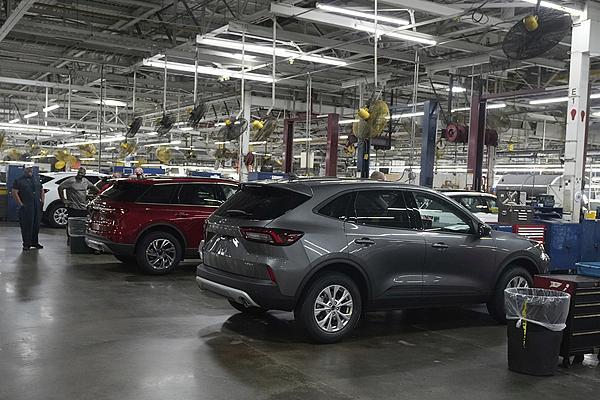
Core Viewpoint - Ford's CEO Jim Farley has been testing a Chinese electric vehicle, the Xiaomi SU7, highlighting the impressive performance of Chinese EVs and expressing concern over the competitive threat they pose to Ford if more Americans could access these vehicles [1][2]. Group 1: Competitive Landscape - Chinese electric vehicles (EVs) are gaining global market share, making it increasingly difficult to prevent their entry into the U.S. market [1][2]. - Analysts predict that Chinese automakers will eventually receive permission to build factories in the U.S., despite potential higher costs for locally produced vehicles [1][5]. - In Europe, Chinese brands have already captured market shares comparable to established German automakers like Mercedes-Benz [1]. Group 2: Ford's Strategic Response - Ford plans to produce a new electric truck starting at $30,000 in its Louisville factory by 2027, aiming to offer a more affordable option compared to its current F-150 Lightning Pro, which starts at approximately $55,000 [4][5]. - The new production strategy involves a complete overhaul of the manufacturing process, moving away from modifying existing gasoline models to creating a dedicated electric vehicle production line [5][6]. - Ford's advanced electric vehicle development head acknowledged the need for numerous changes to achieve cost reductions, indicating a significant shift in their approach [6]. Group 3: Challenges Ahead - Despite Ford's efforts, analysts believe that a $30,000 electric truck will not be sufficient to compete with the cost-effective Chinese EVs, which benefit from a large talent pool and superior battery technology [5][6]. - The recent U.S. legislation has weakened subsidies and incentives for domestic electric vehicles, further complicating the competitive landscape for American manufacturers [6]. - Chinese electric vehicles are rapidly expanding in developing countries, posing a significant challenge for U.S. companies like Ford, which may struggle to adapt quickly enough [6].

VinFast(VFS.US)拟15亿美元将分拆研发子公司售予创始人
Zhi Tong Cai Jing· 2025-08-14 12:20
该交易"体现了创始人为促进VinFast长期发展所做的进一步努力"。VFTP将继续作为VinFast直接子公 司,在越南运营核心电动汽车制造业务,并开展新产品和技术的未来研发。 据彭博亿万富翁指数显示,身家109亿美元的越南首富潘日旺(Pham Nhat Vuong)已向VinFast注资逾20亿 美元个人资金,并表示愿意持续支持公司直至资金耗尽。 VinFast本月初在印度泰米尔纳德邦投产的工厂初始年产能为5万辆,预计10月前还将在印尼开设工厂。 2024年VinFast全球交付97,399辆电动汽车,预计今年越南本土交付量将达20万辆,全球交付量至少翻 倍。 越南电动汽车制造商VinFast(VFS.US)宣布计划分拆部分研发业务成立新公司,并以约15亿美元的价格 出售给公司创始人。 根据提交的文件显示,新成立的Novatech研发公司将从VinFast Trading and Production JSC(VFTP)剥离, 初期仍为VinFast直接子公司。VinFast将持有Novatech约38%股份。 Novatech将持有已完成研发项目的相关资产。声明称,新公司成立后,VinFast将以约39. ...

特斯拉重大重组:Dojo团队分散到多部门,大批骨干跳槽
3 6 Ke· 2025-08-14 11:49
Core Insights - The recent dissolution of Tesla's Dojo project has led to significant restructuring within the company's AI divisions, with a focus on reallocating top talent to other critical areas such as autonomous driving and humanoid robotics [2][12][25] Talent Redistribution - The majority of the original Dojo team members are being reassigned primarily to the Robotaxi and humanoid robot sectors, as well as to Tesla's autonomous driving hardware development [3][8] - Software developers from the Dojo team are now reporting to Ashok Elluswamy, who oversees AI research for both Robotaxi and humanoid robots [5] - Engineers specializing in silicon chips and semiconductors have been moved to the autonomous driving hardware division to work on the upcoming AI5 chip, reporting to Aaron Rodgers [8][12] Strategic Shift - The termination of the Dojo project indicates a strategic pivot for Tesla, moving away from a fully self-developed approach to a more focused innovation on core autonomous driving technologies [8][25] - The decision to dissolve Dojo aligns with Musk's vision of vertical integration in AI hardware, marking the beginning of a significant reorganization within Tesla's AI framework [12][25] Historical Context and Future Outlook - The Dojo project, initially launched with ambitious goals, has faced stagnation since the introduction of the D1 chip in 2021, leading to its eventual discontinuation [20][23] - Tesla had invested approximately $500 million in the Dojo project, with Musk acknowledging that maintaining competitiveness in AI would require annual investments of at least several billion dollars [23] - The new AI6 chip is expected to outperform the previous Dojo framework, suggesting that while Dojo may be officially closed, its concepts could be integrated into future developments [25][26]

电车销量下滑 马斯克布局英国供电市场
Sou Hu Cai Jing· 2025-08-14 10:01
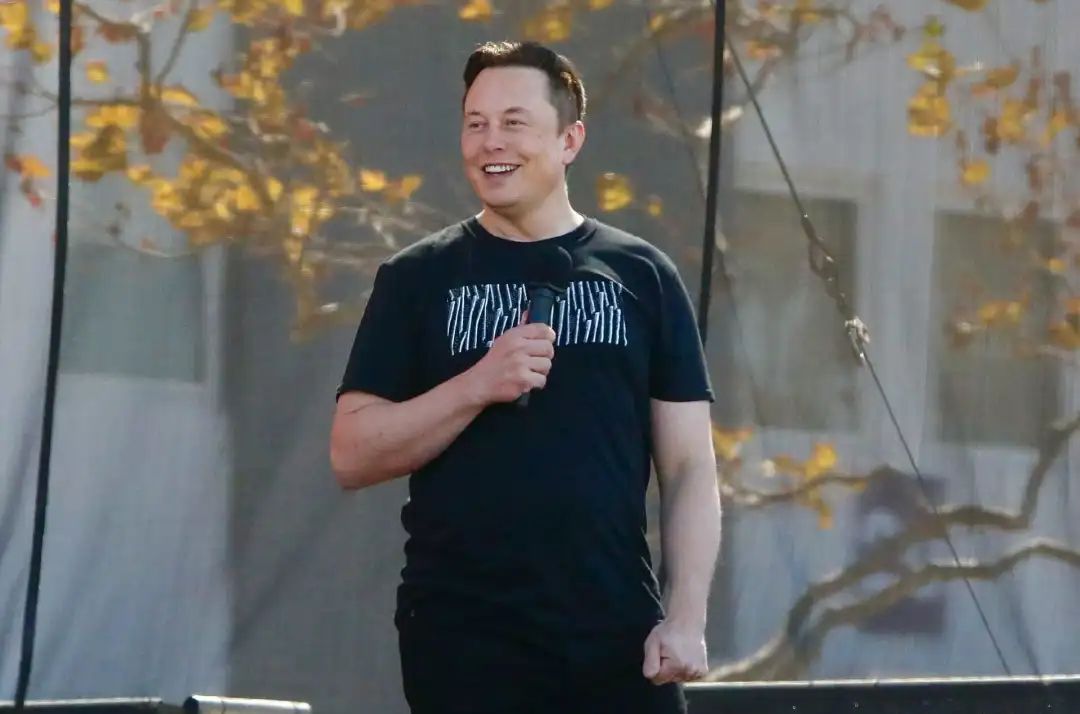
Core Viewpoint - Elon Musk is shifting focus from political involvement to company operations, particularly in diversifying Tesla's business by applying for a power supply license in the UK [1][7] Group 1: Tesla's Business Expansion - Tesla has applied for a power supply license in the UK, aiming to compete with major energy companies like Centrica and EDF Energy [2][3] - If successful, Tesla could start supplying electricity to UK households and businesses by early 2026, leveraging its existing customer base of over 250,000 electric vehicles sold in the UK [7][8] - The application aligns with Tesla's broader strategy to integrate its energy products, such as Powerwall batteries, with electricity supply services [8] Group 2: Declining Automotive Sales - Tesla's core automotive sales are experiencing a significant decline, with a 16% drop in automotive revenue and a 12% decrease in overall revenue from April to June [3][4] - Sales of Tesla's best-selling models, Model Y and Model 3, fell by 12%, while sales of more expensive models like Cybertruck plummeted by 52% [3] - In the UK, new registrations of Tesla vehicles dropped nearly 60% year-over-year, reducing market share from 1.67% to 0.7% [3] Group 3: Political and Public Perception Challenges - Musk's political statements and actions have led to negative public perception, particularly in Europe, contributing to declining sales [6][10] - The UK regulatory body Ofgem's decision on Tesla's license application may be influenced by public sentiment and Musk's controversial remarks about the UK government [9][10] - The approval process for the license could take up to nine months, with the potential for political factors to impact the outcome [12]
谷歌大中华区及韩国总裁陈俊廷:AI浪潮下,中国开发者领跑全球
2 1 Shi Ji Jing Ji Bao Dao· 2025-08-14 09:29
Core Insights - Chinese developers have become an indispensable force on the global innovation stage, with 12 teams winning 14 "Best of the Year" awards for 13 applications and games on Google Play [2] Group 1: Characteristics of Chinese Developers - Chinese companies are shifting from "single-point breakthroughs" to "ecological expansion" in their overseas strategies [2] - The path to international markets is diversifying, moving away from a sole focus on the U.S. market [2] - A significant trend is the "Glocal" approach, where global teams operate domestically while local teams are established overseas [2] Group 2: Trends in Overseas Expansion - Industries such as consumer electronics and electric vehicles are leading the way in international expansion, alongside short dramas and AI applications which also have strong global influence [2] - The importance of branding is increasing, as Chinese companies combine cost advantages with brand strength to seize greater opportunities [2] Group 3: Investment Perspectives - Investors are now focusing not only on user scale but also on business models, particularly the ability to generate stable early revenue and maintain a solid user base [2]