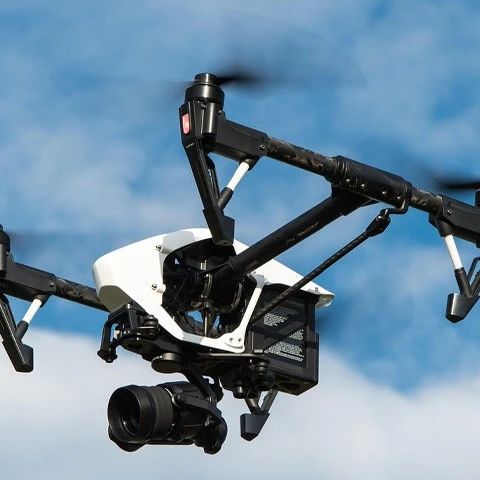
无人机

Search documents
中国对全球科研人才释放“磁吸力”(国际论道)
Ren Min Ri Bao Hai Wai Ban· 2025-07-27 21:26
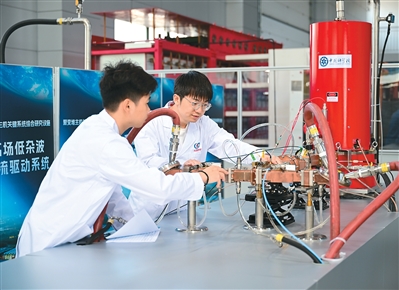
Group 1 - The core viewpoint is that China is increasingly becoming a global hub for research and development, attracting top talent from around the world [3][4][5] - The number of top scientists in China is projected to increase from over 18,000 in 2020 to 32,000 by 2024, indicating a significant growth in research capabilities [4] - China's R&D spending has reached over $780 billion in 2023, accounting for 96% of the U.S. level, up from 72% a decade ago, showcasing a substantial investment in innovation [5][6] Group 2 - Policies aimed at attracting overseas talent are being implemented, including financial incentives and improved living conditions for foreign researchers [6][7] - The influx of talent is contributing to a positive feedback loop between talent cultivation and technological innovation, enhancing China's global competitiveness [7][8] - Chinese universities are improving their global rankings, with Tsinghua University nearing the top ten, reflecting the country's investment in education and research [7][8] Group 3 - China is recognized for its strategic investments in various high-tech fields, including artificial intelligence, electric vehicles, and quantum computing, establishing itself as a leader in these areas [9] - The continuous supply of over one million engineering graduates annually supports local tech companies like Huawei and BYD, fueling innovation [8][9]

低空经济强链 储能电池扩能
Si Chuan Ri Bao· 2025-07-27 20:43
Group 1: Drone and Low-altitude Economy - The "Double-tail Scorpion A" large fixed-wing long-endurance drone developed by Sichuan Tengdun Technology Co., Ltd. has been deployed for disaster monitoring and emergency dispatch in response to Typhoon "Weipa" affecting Fujian's coastal areas [1] - Tengdun Technology is accelerating the construction of its headquarters base project, which has a total investment of over 2 billion yuan and aims to attract upstream and downstream enterprises in the drone industry, thereby enhancing the development of the low-altitude economy [1] - The headquarters project is expected to be completed by the end of next year and will serve as an innovation base for low-altitude economy and drone technology, focusing on overcoming technical challenges and forming an ecological chain for the low-altitude industry [1] Group 2: Aviation and Gas Turbine Industry - The Aviation and Gas Turbine Supporting Industry Park in Mianyang Youxian District is under rapid construction, with a total planned investment of approximately 16.4 billion yuan, including standard factories and research centers for drones and gas turbines [2] - The first phase of the project is expected to be completed by November and delivered in December, aiming to become a core carrier for Mianyang to build a nationally influential high-tech manufacturing hub for aviation engines and gas turbines [2] - By 2027, the industrial scale of the park is projected to exceed 8 billion yuan, with aspirations to establish a nationally influential aviation and gas turbine industry base by 2030 [2] Group 3: New Energy Sector - The construction of the new energy project by Deyang Xinwangda New Energy Co., Ltd. has been expedited, with an investment of 10 billion yuan and a planned annual production capacity of 25 GWh, of which 17 GWh has already been completed [3] - The company reported a significant increase in performance, with a revenue of 1.29 billion yuan in the first half of the year, representing a year-on-year growth of 221%, and both delivery and shipment volumes have doubled [3] - Xinwangda is working on a third production line and aims to develop products with energy capacity exceeding current mainstream products by more than double, significantly improving energy density and system efficiency [3] Group 4: Overall Investment Trends - Sichuan's key project construction momentum is strong, with 501.98 billion yuan invested in 810 provincial key projects in the first half of the year, achieving an annual investment completion rate of 63.4% [3]
一机迷航,双机成行!北航高低无人机协同导航方案:高空掌全局+低空查细节,复杂场景不迷航
量子位· 2025-07-27 11:57
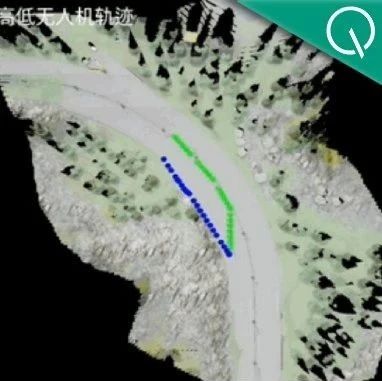
Core Viewpoint - The article discusses a new paradigm for drone navigation called "high-low drone collaboration," where a high-altitude drone acts as a "panoramic commander" for global perception and reasoning, while a low-altitude drone serves as a "ground scout" for precise navigation and target search, enabling quick target identification in complex environments [1]. Group 1: Navigation and Target Identification - The high-low drone collaboration allows for efficient target finding, as a single drone may either fly too high to see ground details or too low to recognize larger landmarks [1]. - The system can also locate small targets, such as a dog, through coordinated efforts [3]. - If the target has specific letters or descriptions, the drones can match these precisely [5]. - The drones can achieve accurate identification based on environmental details surrounding the target [7]. Group 2: Data Set and Framework Development - The research team constructed the HaL-13k dataset to support their tasks, enhancing the original UAV-Need-Help dataset with high-altitude drone trajectory and perception data [9][11]. - A collaborative framework named AeroDuo was designed and evaluated in the Openuav simulation environment, demonstrating effective balance among environmental coverage, navigation accuracy, and autonomy [9]. Group 3: Enhancements in Perception and Decision-Making - To improve the perception and decision-making capabilities of the high-low drone system, a multi-modal unified framework called Pilot-LLM was developed, utilizing large language models for multi-modal reasoning [13]. - A global map construction module was proposed to integrate historical information from high-altitude drones, enhancing environmental understanding and target localization [13]. - A lightweight decoder is used to generate target probability distribution maps, balancing exploration capabilities and spatial modeling effectiveness [14]. Group 4: Low-Altitude Drone Navigation Strategy - The low-altitude drone employs a three-stage navigation search strategy, starting with selecting high-confidence areas based on the high-altitude drone's predicted probability map [16]. - A reinforcement learning-based obstacle avoidance strategy is utilized for safe and flexible path execution [16]. - The collaborative model can be easily expanded to multiple drone cooperation, allowing the high-altitude drone to predict multiple potential target locations and assign tasks to various low-altitude drones using optimization algorithms [16]. Group 5: Real-World Application and Future Prospects - Optimizing action control ensures safe obstacle avoidance, and supplementing real-world data for model training aids in transitioning the high-low drone system from simulation to real-world scenarios [17]. - The research findings are set to be published in ACM MM 2025, indicating ongoing advancements in drone technology [10].
27.5亿美元海外大单之后,eVTOL继续“探路”
Jing Ji Guan Cha Wang· 2025-07-27 09:42
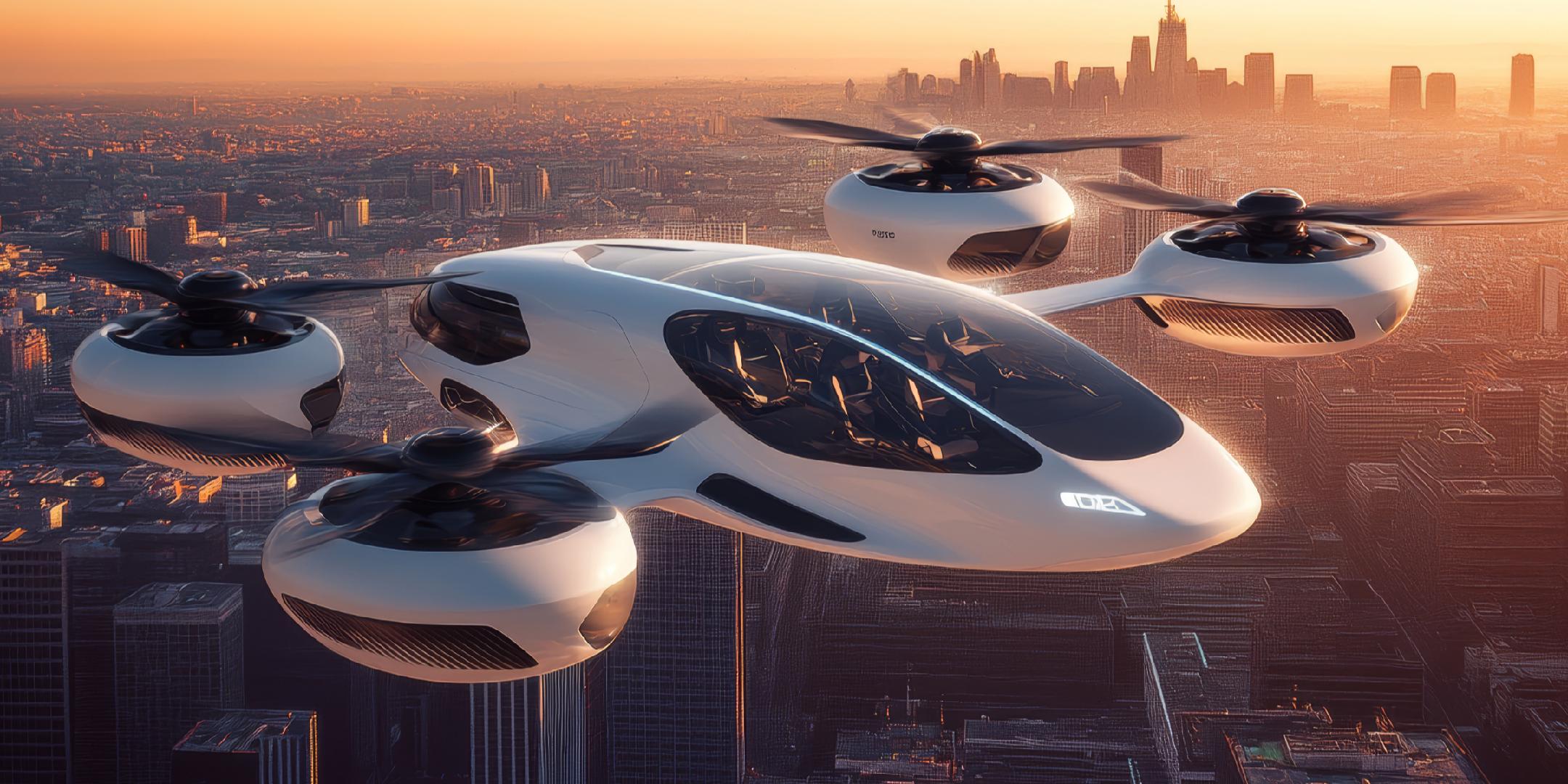
Core Insights - The 2025 International Low Altitude Economy Expo highlighted the challenges and opportunities in the eVTOL industry, particularly for companies like EHang, which has achieved significant milestones but faces operational and regulatory hurdles [2][3][4] - Chinese eVTOL companies have secured substantial overseas orders, including a record $1.75 billion deal with Volant Aerospace and a $1 billion order from a UAE company, indicating strong market interest [2] - The industry is transitioning from merely manufacturing aircraft to addressing systemic challenges related to sustainable, compliant, and profitable operations, including route planning and regulatory coordination [2][4] Company Insights - EHang has obtained the world's first eVTOL model type certificate (TC), production certificate (PC), and airworthiness certificate (AC), establishing its leading position in the industry [3][4] - Despite holding these certifications, EHang's operational capabilities are currently limited to specific routes, such as scenic flights within designated areas, rather than urban air mobility [3][4] - The lengthy certification process restricts technological advancements, as any changes to core components require additional approvals, impacting the company's ability to innovate [4] Industry Challenges - The eVTOL industry faces significant entry barriers due to stringent airworthiness standards and high R&D costs, which dictate the future viability of companies based on their initial technology and business model choices [5] - The shortage of qualified personnel for airworthiness certification is a critical constraint, with only about 400 certifying personnel available for over 700 drone manufacturers in China [8][9] - The lack of established standards for eVTOLs complicates the certification process, requiring tailored agreements between regulators and companies [9] Regulatory Environment - Airspace management remains a complex issue, particularly in densely populated areas like Shanghai, where existing airspace is heavily regulated and requires careful planning for low-altitude operations [10][11] - The legal framework governing low-altitude economics is still developing, leading to fragmented regulations across different regions, which can hinder operational efficiency [11][12] Future Directions - The focus of the low-altitude economy is shifting from aircraft manufacturing to building a comprehensive industry ecosystem, emphasizing the importance of legal and financial frameworks [12][15] - Companies are exploring various business models, with a trend towards starting with cargo operations before moving to passenger services, as seen with Meituan's successful drone delivery operations [13][14] - The establishment of a robust supply chain and core component ecosystem is essential for the long-term sustainability of the eVTOL industry [15]

招引大疆、纵横等,绍兴上海等加码低空,商业化待解
Sou Hu Cai Jing· 2025-07-27 06:57
Core Insights - The low-altitude economy has been defined as a strategic emerging industry since the Central Economic Work Conference in December 2023, prompting various cities to focus on this sector as a significant opportunity similar to that of new energy vehicles [1] - In 2024, the Yangtze River Delta region has introduced comprehensive plans for the low-altitude economy, with multiple local governments releasing specialized policies to promote development [1] - The 2025 International Low Altitude Economy Expo in Shanghai showcased new cities and regions accelerating their involvement in the low-altitude economy, indicating a shift towards a more rational and pragmatic development pace compared to last year's fervor [1] Group 1: Emerging Cities and Investments - New cities and regions, including Shaoxing, have joined the competition in the low-altitude economy, with 14 representative companies showcasing over 40 exhibits at the expo [2] - Shaoxing's significant investment includes a total of 2.05 billion yuan for the first phase of a comprehensive low-altitude infrastructure project, marking it as the first national project named "comprehensive low-altitude new infrastructure" [2] - Major companies like DJI and Zongheng have established operations in Shaoxing, with DJI investing over 10 billion yuan to build a supporting industrial park [2] Group 2: Development of Low-Altitude Economy in Shanghai - Shanghai's Jinshan District has been a pioneer in low-altitude economic development since 2018, establishing the "East China Drone Base" and forming a complete industry chain [3] - The Qingpu District is emerging as a new player, focusing on the integration of Beidou navigation and low-altitude economy, with an emphasis on smart manufacturing and collaboration between industry and academia [3] Group 3: Safety and Infrastructure Challenges - The National Development and Reform Commission has highlighted the importance of safety in low-altitude flight, indicating a shift from initial excitement to a more rational approach to development [4] - The Shanghai Low Altitude Industry Company is leading the construction of low-altitude infrastructure, focusing on establishing a testing ground to gather data and set safety standards for urban low-altitude operations [5] - Jiangsu Province has initiated a collaborative management mechanism for low-altitude airspace, integrating military and civilian operations [6] Group 4: Commercialization and Application Scenarios - The exploration of commercial application scenarios in the low-altitude economy faces challenges, particularly in creating sustainable and profitable business models [7] - Cities in the Yangtze River Delta are developing low-altitude applications based on their regional characteristics, with Qingpu focusing on logistics, emergency rescue, and smart city services [8] - Nanjing is planning various application scenarios, including logistics delivery and sightseeing, to establish urban low-altitude traffic routes [8]
沃土育壮苗——广东新质生产力加速发展
Xin Hua She· 2025-07-25 17:18
Group 1: Drone Industry Growth - The production of civil drones in Guangdong increased by 58.2% year-on-year in the first half of the year [2][3] - Guangdong has over 15,000 companies related to the low-altitude economy, with consumer drones holding 95% of the national market share and industrial drones 54% [3] - The logistics drone company, Fengyi Technology, operates 168 drones in Shenzhen, completing 600 to 700 flights daily [2] Group 2: Robotics Industry Development - The production of industrial robots in Guangdong reached 154,100 units, a year-on-year increase of 34%, while service robots saw a production of 7.4886 million units, growing by 23% [7] - Various regions in Guangdong are focusing on different applications of industrial robots, such as 3C industry in Shenzhen and high-end manufacturing in Guangzhou [6] - The province aims to promote at least 100 new technology applications annually by 2027 [5] Group 3: Renewable Energy Sector - Guangdong's total installed capacity of renewable energy exceeded 80 million kilowatts, accounting for about 33% of the total power supply, with offshore wind power capacity reaching 1.251 million kilowatts, a growth of over 15% [9] - The green electricity trading volume in Guangdong reached 8.29 billion kilowatt-hours, marking a year-on-year increase of 60.2% [9] - The province is actively promoting vehicle-to-grid (V2G) technology, allowing electric vehicle owners to earn money by supplying electricity back to the grid [10]
「飞享纪」获战略投资,以「AI + 共享无人机」抢占低空文旅赛道丨早起看早期
36氪· 2025-07-25 15:33
Core Insights - The article highlights the strategic investment of 80 million RMB in the shared drone photography brand "Feixiangji," aimed at enhancing technology development, expanding key scenic locations, and scaling operations [1] - The low-altitude economy in China is projected to reach a market size of 1.5 trillion RMB by 2025 and 3.5 trillion RMB by 2035, indicating significant growth potential in this sector [1] - The demand for immersive cultural tourism experiences has surged, with a 68% year-on-year increase in revenue from such projects in 2023, while 70% of scenic spots lack professional photography capabilities, presenting a blue ocean for shared drones [1] Team and Technology - The team comprises experts in edge computing, visual intelligence, parallel computing, and big data processing, with experience from Lenovo Global Research Institute and leading media companies [2] - The significant reduction in consumer drone costs from tens of thousands to thousands of RMB has lowered industry entry barriers, facilitating the growth of shared drone services [2] - Advancements in AI editing technology have enabled video production to be completed in seconds with nearly 90% accuracy, addressing post-production challenges [2] - The development of 5G and edge computing has enhanced real-time data transmission and cloud editing capabilities, supporting efficient service delivery [2] Business Model and Services - "Feixiangji" offers low requirements for drone operators, allowing tourists to use drones with six intelligent shooting modes without needing professional skills [3] - The service integrates hardware, algorithms, and scenarios, providing a seamless rental experience through shared drone cabinets at popular scenic spots [3] - AI cloud editing generates localized Vlogs in seconds, allowing tourists to share their experiences on social media easily [3] Competitive Advantages - The model addresses tourists' pain points of lacking equipment, skills, and editing capabilities, while also driving traffic to scenic spots through user-generated content [4] - Compared to traditional aerial photography services that charge 300 to 2000 RMB per session without real-time delivery, "Feixiangji" differentiates itself through AI editing, scenic resource advantages, and diverse revenue models [4] - The parent company has access to nearly 1,000 scenic resources, enabling rapid deployment of quality locations for partners [4] Future Plans - "Feixiangji" aims to accelerate its "City Partner" program, targeting over 2,000 scenic locations by 2025 and deploying 30,000 terminal devices by 2026 [5] - The company plans to expand into cultural tourism and derivative businesses, such as customized souvenirs based on tourist imagery [5]
【高端访谈】低空经济正处于爆发期 看好工业无人机赛道——专访博华资本创始人兼董事长徐文博
Xin Hua Cai Jing· 2025-07-25 07:47
Core Insights - The low-altitude economy is entering an industrialization phase, with market logic beginning to take shape, indicating a potential investment opportunity [1] - The development of the low-altitude economy aligns with technological iteration trends and market demand, with supply-side advancements in manufacturing capabilities and decreasing costs [1] - The industrial drone sector is highlighted as a key area within the low-altitude economy, meeting the conditions for multi-dimensional growth in supply, policy, and demand [2] Investment Landscape - Early investments in the low-altitude economy focus on high-barrier core component areas, while growth-stage financing is shifting towards companies capable of scaling production [1][2] - The recent D-round financing of 500 million yuan for Beijing Yunsheng Intelligent Technology Co., Ltd. exemplifies the investment logic in the industrial drone sector [2] - The overall financing activity in the low-altitude economy has been increasing, with rising valuations for many companies [2] Market Dynamics - High valuations and significant financing amounts for main machine manufacturers are driven by their status as chain leaders, attracting local fund attention [3] - Many upstream companies in the drone sector have origins in automotive or military industries, benefiting from established business scales as they pivot to drone production [3] - The China Securities Regulatory Commission's recent policy changes support the listing of companies in emerging sectors like low-altitude economy, enhancing market access for innovative enterprises [3] Future Outlook - The company anticipates a structured opening of IPO policies to stabilize market valuations while facilitating the listing of quality enterprises [4] - The alignment of investment directions in commercial aerospace, low-altitude economy, and AI with local government initiatives is seen as beneficial for market development [4]
纵横股份天价离婚风波:5.37亿“分手费”背后的资本棋局
Xin Lang Zheng Quan· 2025-07-25 06:54
Core Viewpoint - The prolonged divorce litigation involving Zongheng Co., known as the "first drone stock," has highlighted the vulnerabilities in the company's control structure, culminating in a court ruling that requires the actual controller, Ren Bin, to transfer 999.6 million shares to his ex-wife, valued at approximately 537 million yuan based on the closing price of 53.76 yuan per share [1]. Group 1: Litigation Dynamics - The final ruling reduced the number of shares to be transferred from 12.3 million to 9.996 million, reflecting an 18.7% decrease during the appeal process [2]. - Despite the reduction in direct shareholding from 23.41% to 12%, Ren Bin maintains effective control over 44.76% of the company through agreements with other shareholders and indirect control mechanisms [2]. Group 2: Market Impact and Governance Risks - Following the court ruling, Zongheng Co.'s stock price fell by 4.2%, indicating market concerns over potential share reductions by the new third-largest shareholder, Kwang Mingfang [3]. - The lack of commitment documents from Kwang Mingfang raises concerns about possible conflicts in strategic decision-making with Ren Bin, which could lead to internal disputes among shareholders [3]. - Ren Bin's reduced direct shareholding heightens reliance on external agreements for control, posing risks similar to those seen in other A-share companies with dual-board structures [3].

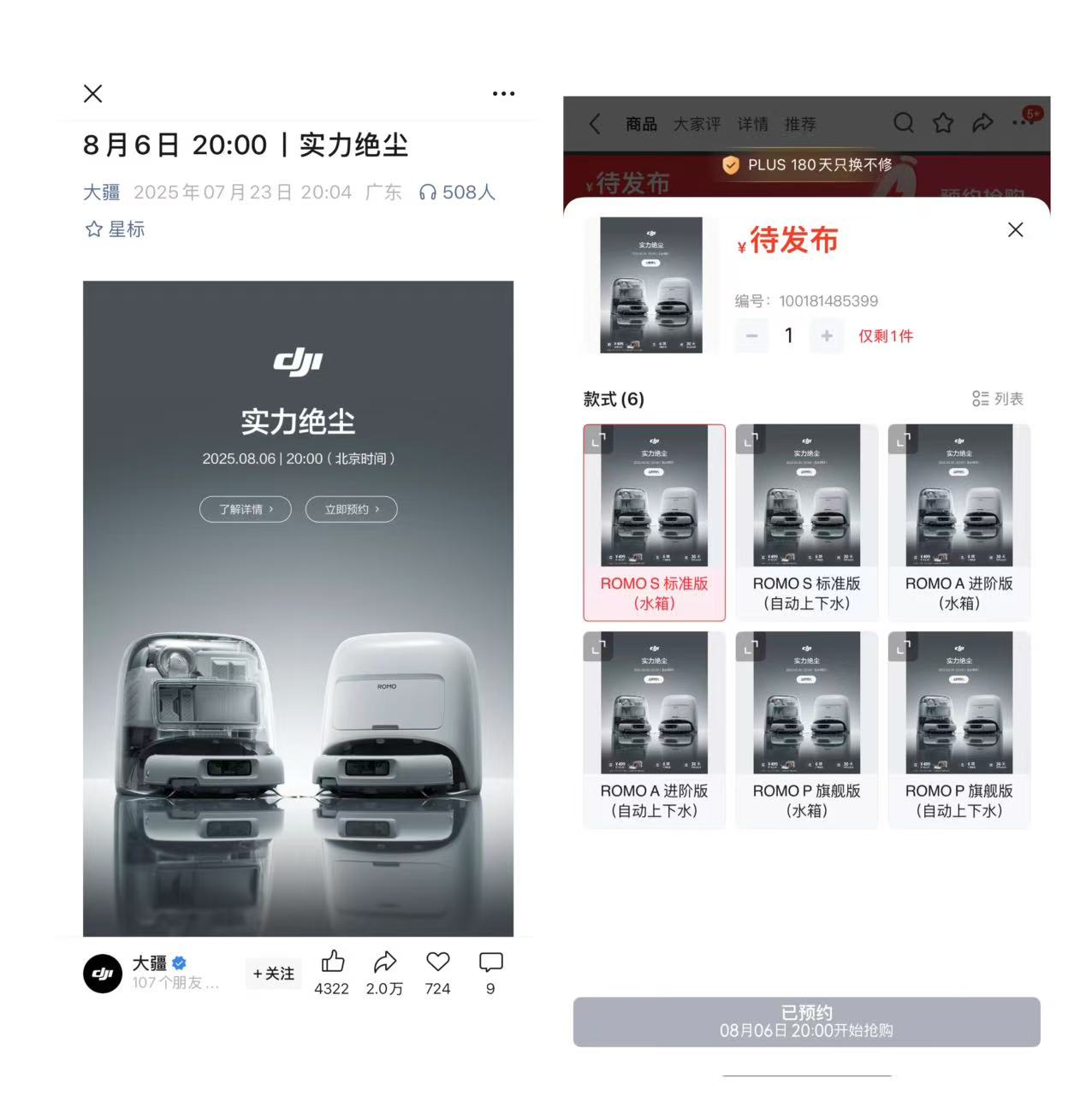
大疆也要 “入地”?跨界扫地机器人,新品呼之欲出
Guo Ji Jin Rong Bao· 2025-07-25 05:35
Group 1 - Insta360 has officially launched its drone business strategy, planning to introduce two major product brands: its own brand and a third-party collaboration [1] - DJI, a major player in the drone market with over 70% market share, is entering the robotic vacuum cleaner market, indicating a diversification of its product offerings [1][3] - DJI has been developing its robotic vacuum cleaner since 2020, with reports suggesting it has been in research for four years, aiming to price it competitively with high-end models [3] Group 2 - The global robotic vacuum cleaner market is projected to reach 20.6 million units in sales by 2024, reflecting an 11.2% compound annual growth rate from 2022 [4] - The market size is expected to expand from $7.8 billion to $9.31 billion, marking a significant growth of 19.4% [4] - In China, the robotic vacuum cleaner market is anticipated to ship 5.389 million units in 2024, with a year-on-year growth of 6.7%, driven by government subsidy policies [4]