
美妆

Search documents
裁员1100人,利润暴跌84%,这家美妆巨头也撑不住?
3 6 Ke· 2025-05-15 00:45
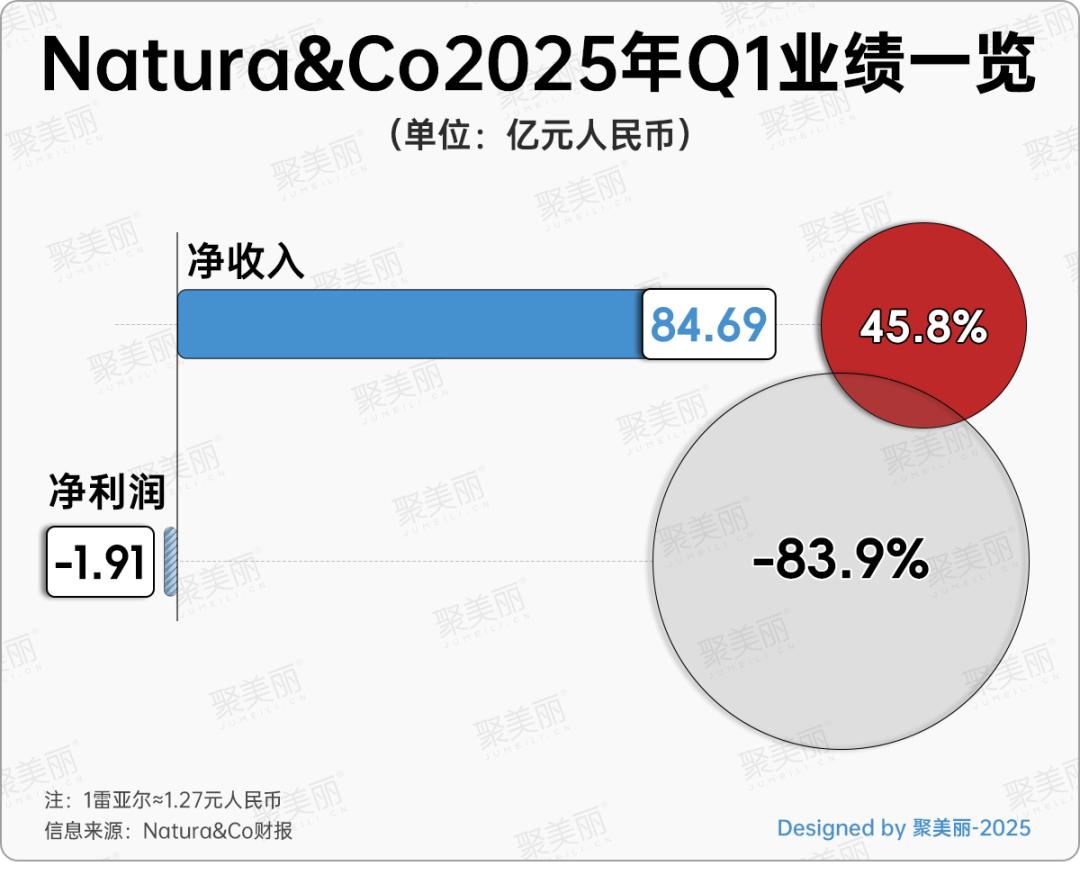
在国际巨头们频频买子,争抢美妆细分赛道增量时,巴西美妆巨头Natura&Co却接连弃子,靠着仅剩的Natura&Co Latam、以及2024年被列为终止经营项 目的雅芳国际,还能撑起业绩吗? 圣保罗时间5月12日,Natura&Co发布2025年Q1财报,从财报数据来讲,其还面临着挑战,比如,增收不增利,净利润亏损。 财报显示,Natura&Co净利润亏损1.51亿雷亚尔(约合人民币1.91亿元),同比暴跌83.9%;而净收入则同比大涨45.8%,至66.79亿雷亚尔(约合人民币84.69亿 元)。 另外,梳理Natura&Co财报,还有以下关键信息值得关注: 旗下品牌Natura&Co Latam2025年Q1净收入呈双位数增长,为15.4%; 2025年Q1毛利率上涨46.1%,其中,Natura&Co Latam增长17.0%; 自2024年前三季度首次跌出国际美妆集团TOP10后,Natura&Co再未上位成功。 "Natura&Co Latam继续推进营收改善,墨西哥和阿根廷在整季持续推进,Natura品牌拉美地区业务部分抵消了雅芳品牌拉美地区业务的疲软挑战,而雅芳 国际收益仍低迷。考虑到第一季度 ...

美妆变局丨接连关闭旗下品牌 联合利华意欲何为?
2 1 Shi Ji Jing Ji Bao Dao· 2025-05-14 11:47
Core Insights - Unilever has decided to close its UK clean beauty brand REN due to internal factors and market challenges, indicating a strategic shift under new CEO Fernando Fernandez [1] - The company has also closed its TATCHA brand's Tmall flagship store and ceased updates on social media, signaling a significant adjustment in its high-end beauty strategy [1] - Unilever's Q1 2025 revenue was €14.8 billion, a slight decline of 0.9% year-on-year, with a 1.3% increase in underlying sales volume [1] Group 1: Business Strategy and Restructuring - Unilever initiated a "growth action plan" last year, which included cutting approximately 7,500 jobs, about 6% of its workforce, and reducing its brand portfolio from over 400 to 30 core brands [2] - The company aims to save approximately €550 million by the end of 2025 through these restructuring efforts, having already reduced around 6,000 full-time employees [2] - The ice cream business is expected to be separated by Q4 2025, with independent operations starting on July 1 [2] Group 2: Financial Performance - Unilever's Q1 revenue breakdown shows Beauty & Wellbeing and Personal Care each generated €3.3 billion, while Home Care, Nutrition, and Ice Cream generated €3.0 billion, €3.4 billion, and €1.8 billion respectively [3] - The company maintains a full-year outlook for 2025, expecting underlying sales growth between 3% and 5% [3] Group 3: Market Dynamics - The Asia-Pacific region is Unilever's largest market, contributing 44% of total revenue, with Q1 revenue of €6.5 billion and a 2% increase in underlying sales [4] - However, the Chinese market has shown signs of decline, with a high single-digit drop in Q1, continuing a trend from the previous year [5] - Unilever is implementing targeted interventions in China, such as expanding product offerings and enhancing brand promotion, with expectations for improvement by H2 2025 [5] Group 4: Competitive Landscape - The company faces increasing competition from local brands and market dynamics, particularly in the personal care and beauty segments, where consumer preferences are shifting towards online and personalized experiences [6] - Unilever's ice cream and personal care segments are under pressure from "consumption downgrade," impacting profitability [6] - Competitors like L'Oréal are planning to maintain growth in China, further intensifying the competitive environment for Unilever [6]
日化护肤年报|水羊股份:净利润跌超6成 近5成收入做营销未能拉动营收增长
Xin Lang Zheng Quan· 2025-05-14 08:54
Core Insights - In 2024, Shuiyang Co. reported disappointing financial results, with total revenue of 4.237 billion yuan, a year-on-year decline of 5.69%, and a net profit attributable to shareholders of only 110 million yuan, down 62.63% year-on-year [1][2] - The company's challenges stem from ineffective execution of its high-end strategy and insufficient market adaptability, leading to a significant gap between expected and actual performance of high-end brands [1][2] Financial Performance - Revenue for 2024 was 4.237 billion yuan, down 5.69% from the previous year [1] - Net profit attributable to shareholders was 110 million yuan, a decrease of 62.63% year-on-year [1] - Gross margin improved, but increased sales expenses and tight cash flow highlighted operational inefficiencies [1] Strategic Challenges - The high-end strategy has not been effectively executed, with brands like EDB and PA failing to meet market expectations [1] - The disconnect between high pricing strategies and consumer demand for value has hindered sales growth [1] - R&D investment reached 82.1755 million yuan, up 7.32% year-on-year, but the market conversion of this investment has been unsatisfactory [1][2] Sales and Marketing Issues - Sales expenses surged to 2.079 billion yuan, an increase of 11.9%, accounting for 47% of total revenue, significantly higher than the industry average [2] - Despite increased marketing efforts on platforms like Douyin and Xiaohongshu, the marginal returns on marketing investments have diminished, failing to boost sales effectively [2] Long-term Outlook - The company faces systemic risks in its transition to high-end markets and must optimize inventory structure, control sales expenses, and manage accounts receivable risks to stabilize short-term performance [2] - A long-term strategy should focus on redefining brand value, targeting niche markets, and enhancing product competitiveness to improve market conversion efficiency [2]

“号称一膏画全脸、克价贵过香奈儿”,这个国产彩妆「拼好膏」成了新晋美丽废物?
3 6 Ke· 2025-05-14 08:17
Core Insights - The article discusses the rise of "multi-use" beauty products, particularly focusing on the popularity of a product called "multi-use balm" from the emerging Chinese brand Red Chamber (RC), which has gained significant traction in the market [7][9][30]. Group 1: Product Popularity and Market Trends - The "multi-use balm" from RC is priced around 78 yuan and is marketed as a cost-effective solution that combines lip, blush, and eye makeup in one product, appealing to budget-conscious consumers [9][30]. - In 2023, the search volume for "multi-use balm" on Xiaohongshu increased by 634%, and the number of posts about it rose by 937%, indicating a strong consumer interest and engagement [7][9]. - RC's multi-use balm achieved over 100 million yuan in sales, highlighting its success in the competitive beauty market [9]. Group 2: Consumer Behavior and Preferences - Consumers are increasingly drawn to the concept of "one product for multiple uses," reflecting a desire for convenience and efficiency in their beauty routines [13][15]. - The article notes that while the idea of multi-use products is appealing, consumer experiences vary widely, with some praising the product while others criticize it for not meeting all intended uses effectively [32][40]. - The trend towards multi-use products is seen as a response to the oversaturation and complexity of the beauty market, where consumers are looking for simpler, more versatile solutions [15][30]. Group 3: Competitive Landscape - Major beauty brands like Gucci and NARS have also introduced multi-use products, indicating that the trend is not limited to emerging brands but is a broader industry movement [30]. - Despite the popularity of multi-use products, there is skepticism regarding their effectiveness, as consumers often find that these products do not perform equally well across different applications [32][38]. - The article suggests that the ultimate goal for consumers is not just to have multi-use products but to have products that are frequently used and effective in their intended applications [41].

欧莱雅盯上“早C晚A”先锋?
3 6 Ke· 2025-05-13 02:07
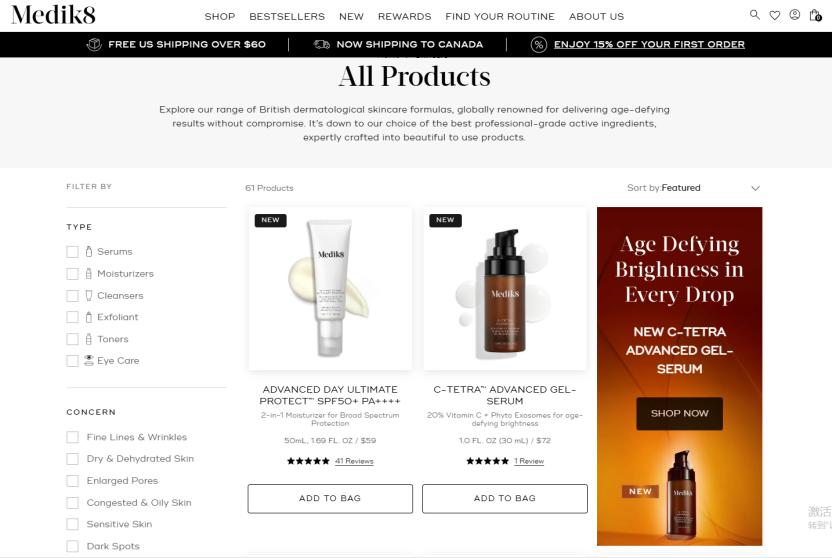
Group 1 - L'Oréal Group is currently the most competitive acquirer in the potential acquisition of the UK skincare brand Medik8, although both parties have not commented on the rumors [1][2] - Medik8 was founded in 2004 by pharmacologist and biochemist Elliot Isaacs, who introduced the CSA skincare philosophy, which emphasizes using Vitamin C and sunscreen during the day and Vitamin A at night [2][3] - Medik8's sales are projected to grow by 50% in 2024, with expected global revenue reaching approximately $115 million (around 833 million RMB) in 2025, and the brand operates in over 25 countries with products sold in more than 7,000 beauty salons [2][3] Group 2 - Medik8's website has seen a monthly average of over 100,000 visits in 2024, with a 90% year-on-year increase in unique visitors, ranking first in the UK beauty and health website traffic [3] - The brand's parent company, Pangaea Laboratories, received investment from private equity fund Inflection Buyout Fund V in 2021, although the specific amount was not disclosed [3] - Despite its growth, Medik8 currently lacks official online sales channels in China, with its official public account inactive since May 2021 [4] Group 3 - The skincare science sector is becoming increasingly competitive, with L'Oréal Group focusing on expanding its presence in this area through acquisitions and investments [6][8] - In 2024, L'Oréal's skincare division achieved sales of €7.027 billion (approximately 53.241 billion RMB), marking a 9.8% year-on-year increase, making it the fastest-growing segment for the company [6][7] - The global market for adult dermatological skincare products reached $2.295 billion (approximately 16.539 billion RMB) in 2023, with projections to grow to $4.687 billion (approximately 33.777 billion RMB) by 2030, reflecting a compound annual growth rate (CAGR) of 12.3% from 2024 to 2030 [8]

珀莱雅突破百亿、上海家化亏损8亿:国产美妆市场的“洗牌进行时”
3 6 Ke· 2025-05-13 01:56
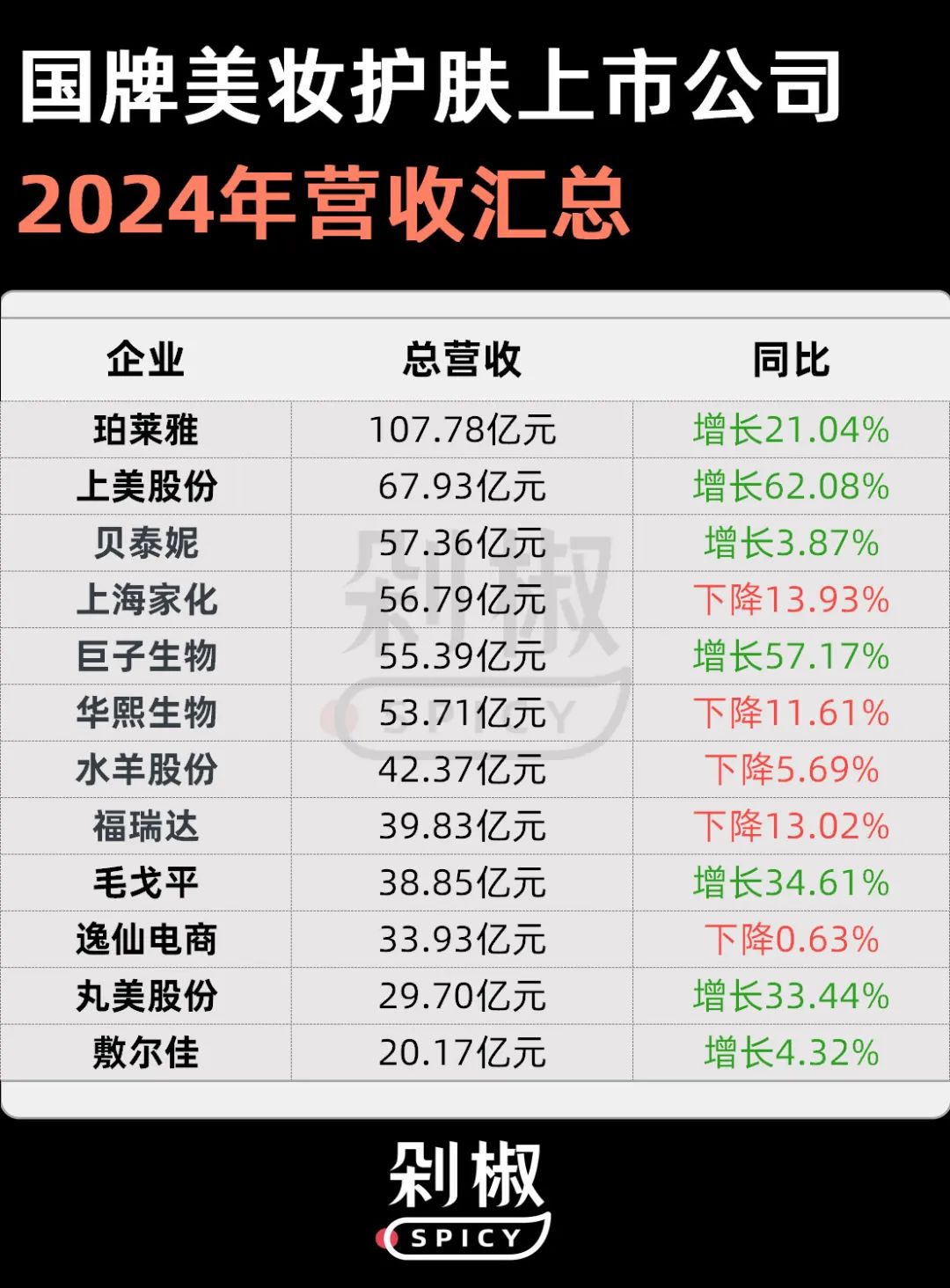
Core Insights - The performance of domestic beauty companies in China is showing significant divergence, with some achieving remarkable growth while others face declines, indicating a reshaping of the market landscape [1][4][42] Group 1: Company Performance - Proya has become the first domestic beauty company to enter the 10 billion yuan club, with a revenue of 10.778 billion yuan, growing by 21.04% [2] - Other companies like Shangmei and Juzi Biological also reported substantial revenue increases of 62.08% and 57.17% respectively, while Shanghai Jahwa experienced a revenue decline of 13.93% [2][3] - Six beauty companies have revenues exceeding 5 billion yuan, suggesting that this threshold will soon become a significant benchmark for the top 10 domestic beauty brands [1] Group 2: Profitability Trends - Juzi Biological leads in profitability with a profit of 2.062 billion yuan, up 42.06%, while Proya's profit reached 1.552 billion yuan, growing by 30% [3] - In contrast, Shanghai Jahwa reported a loss of 833 million yuan, marking a 266.60% decline, highlighting the stark differences in profitability among companies [3][11] Group 3: Market Dynamics - The current market dynamics indicate a shift towards efficacy-driven products, with companies that successfully launched standout products seeing better performance [4][5] - The competition is intensifying, with new entrants emerging and established brands needing to adapt to changing consumer preferences and market trends [7][30] Group 4: R&D and Strategic Focus - Companies are increasingly focusing on R&D, with most reporting a rise in R&D expenditures, indicating a strategic shift towards innovation and efficacy [20][21] - The trend of acquisitions and investments in technology is becoming a key strategy for companies aiming to enhance market share and scale [23][24] Group 5: Emerging Opportunities - The male skincare market is growing rapidly, presenting new opportunities for brands to capture this segment [36] - The aging population is creating demand for products targeting older consumers, which remains largely untapped [39] - As online sales plateau, brands are shifting focus to offline channels, indicating a potential new battleground for market share [40]


暴跌65%,醉象拖累资生堂?
3 6 Ke· 2025-05-13 01:50
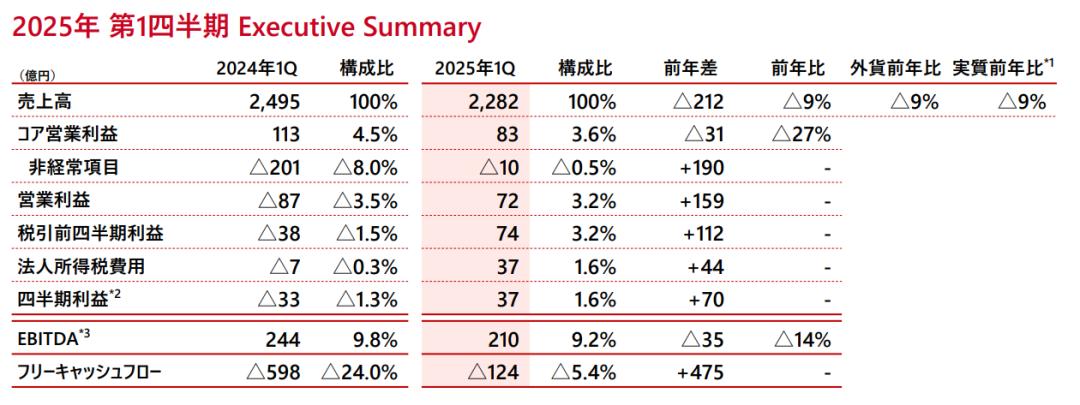
Core Insights - Shiseido Group's Q1 2025 financial results indicate a significant decline in net sales and core operating profit, reflecting ongoing challenges across all regional markets [1][3][7] Financial Performance - The net sales for Q1 2025 were 228.24 billion yen (approximately 11.10 billion RMB), a decrease of 8.5% year-on-year, marking the lowest in four years [3][7] - Core operating profit fell to 8.25 billion yen (approximately 0.40 billion RMB), down 27.2% compared to the previous year [3][7] - The company reported a turnaround in operating profit, achieving 7.20 billion yen (approximately 0.35 billion RMB) compared to a loss of 8.75 billion yen (approximately -0.43 billion RMB) in the same quarter last year [2][3] Regional Market Performance - All regional markets experienced declines, with the Chinese and travel retail sectors down by 12.1% year-on-year [5][21] - The Americas market saw a significant drop of 14.5%, primarily due to the poor performance of the brand Drunk Elephant, which plummeted by 65% [10][13] - In Europe, the decline was less severe at 9.2%, aided by growth in the brands SK-II and NARS [13][21] Brand Performance - Among the Core 3 brands, Shiseido and NARS saw net sales decrease by 7% and 2% respectively, while SK-II was the only brand to show growth at 2% [10][19] - The Next 5 brands had mixed results, with only Elixir showing an increase of 11%, while others experienced declines [10][19] Strategic Adjustments - Shiseido announced a two-year mid-term plan, "Action Plan 2025-2026," focusing on restructuring and enhancing brand performance [24][25] - The company is undergoing leadership changes, particularly in the Americas and travel retail sectors, to address declining sales [24][25] - The merger of travel retail and China business units aims to create a more flexible and consumer-centric business model [24][25]
一季度杭州全市社会消费品零售总额增长6.3%
Hang Zhou Ri Bao· 2025-05-13 01:41
作为今年经济的重头戏,提振消费开了个好头。 杭州市统计局数据显示,一季度,全市社会消费品零售总额2075亿元,同比增长6.3%,比上年全年加 快3.5个百分点。 从扩大优质产品供给、创新多元化消费场景到优化消费环境,今年以来,一系列提振消费政策措施加速 落地,杭城消费市场提质向好,既有"含金量"又见"含新量"。 新需求新供给两侧发力 明星潮牌GOODEES限定快闪店登陆杭城,首日零售额近百万元;潮玩界"顶流"LABUBU在杭州全国首 展,吸引全城年轻人前来打卡;网红奶茶店阿嚒手作首次来杭州,排单也要等两三个小时……开年以 来,"首发经济"在杭州表现亮眼。 消费者争相打卡首店、观赏首展、欣赏首秀,折射出消费市场的多元化需求。消费供给侧也因势而动, 今年,湖滨步行街、钱江新城CBD等12大空间秀场,将开展不少于200次的首发首秀首展活动,推动形 成"全域联动、场景共生"的首发经济生态圈。 需求牵引供给,供给创造需求,正在杭州消费市场生动演绎—— 顺应消费提质升级,传统消费赛道不断突破。 近"30岁"的松木场农贸市场,历经改造后惊艳回归,充满艺术气息的风格,被居民点评"精致得像个美 术馆";古荡菜市场"爆改"民国风 ...
美妆掀起“包装升级”风潮,环保美学成未来新商机
Guang Zhou Ri Bao· 2025-05-12 15:34
Core Viewpoint - The global beauty industry is experiencing a significant shift towards sustainable packaging, with 72% of consumers influenced by packaging design when trying new products, and packaging costs accounting for up to 30% of total product costs in high-end brands [1][2] Group 1: Trends in Sustainable Packaging - Sustainable packaging has become a central theme in the beauty industry, with brands focusing on aesthetics that reflect environmental responsibility [2][4] - The United Nations Environment Programme (UNEP) reports that the cosmetics industry generates over 120 billion pieces of packaging waste annually, highlighting the need for a "green revolution" in packaging [4] - Major beauty brands are adopting recyclable and biodegradable materials, which not only reduce resource dependency but also enhance brand image and market competitiveness [4][6] Group 2: Consumer Willingness to Pay - According to McKinsey, 60% of consumers are willing to pay an additional 10% for sustainable packaging, indicating a growing awareness and preference for environmentally friendly products [7] Group 3: Innovative Business Models - The beauty industry is innovating its business models in response to market changes, with initiatives like packaging recycling services being piloted by retailers such as Watsons in Hong Kong [9] - Brands are engaging consumers through concepts like bottle recycling, refillable products, and zero packaging, which resonate with younger consumers [9][11] Group 4: Future of Sustainable Packaging - The beauty packaging sector in China is undergoing structural adjustments due to rising operational costs, with sustainable packaging being viewed as a new value growth driver rather than a cost center [11]

美妆618专家电话会
2025-05-12 15:16
Summary of the Beauty Industry Conference Call Industry Overview - The conference call focused on the beauty industry, particularly the performance and strategies of Tmall during the 2025 618 shopping festival [1][3]. Key Points and Arguments - **Changes in Sales Strategy**: Tmall has canceled the cross-store discount mechanism for the 2025 618 event, replacing it with direct discounts and smart coupons to stabilize daily sales growth. This shift aims to enhance user growth and public traffic while merchants rely more on technological discounts [1][4]. - **Sales Targets**: Tmall's overall sales target for the 2025 618 event is set at 862 billion yuan, with a projected growth rate of 13.5%. The beauty category aims for a sales target of approximately 13.2 billion yuan, expecting an 18% growth [3][4]. - **Investment in Marketing**: Tmall is investing heavily in marketing, including 20 billion yuan in cash subsidies for Taobao Live and 30 billion yuan in smart coupon subsidies from Alibaba. The total shelf subsidy has increased to 58 billion yuan [1][8][9]. - **Collaboration with Xiaohongshu**: Tmall has partnered with Xiaohongshu, investing 6.2 billion yuan to enhance advertising and direct traffic from Xiaohongshu to Tmall, aiming to increase store visit rates [1][10]. - **Performance of Key Brands**: Foreign brands like L'Oréal and Estée Lauder are seeing higher average order values and growth rates compared to domestic brands. Foreign brands are expected to grow at about 7-8%, while domestic brands are projected to grow at around 35% [2][12][13]. - **Consumer Behavior**: The post-00s demographic shows a willingness to accept price increases of 30-50% and an increase in purchase frequency and category diversity [4][13]. Additional Important Insights - **Focus on Quality and Brand**: The platform's algorithms and policies are increasingly favoring quality products and established brands, with a notable increase in average order values for leading brands [12][13]. - **Performance of Domestic Brands**: Domestic brands like Perlay and Kefu are aggressively marketing, with their advertising revenue growth outpacing GMV growth by 20-30 percentage points [22]. - **Price Strategy**: The overall merchant gross profit is expected to improve, with less aggressive price competition compared to the previous year [12][14]. - **Growth Targets for Specific Brands**: Various domestic brands have set ambitious growth targets for the 618 event, with some brands like Kefu aiming for a 50% growth rate [15][16][17][18][19]. Conclusion The 2025 618 shopping festival is characterized by strategic shifts in sales mechanisms, significant investments in marketing, and a focus on quality and brand reputation. The beauty industry is poised for growth, driven by both domestic and foreign brands adapting to changing consumer behaviors and market dynamics.
