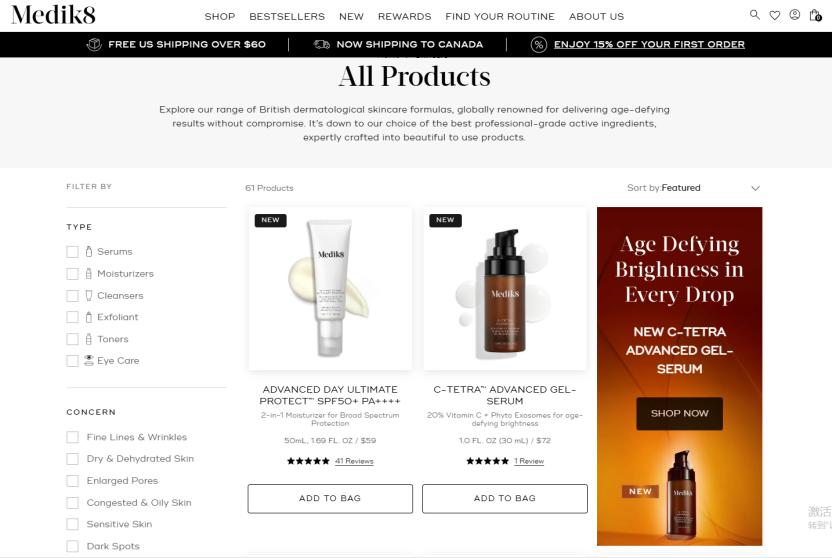
保湿霜

Search documents
为什么皮肤科医生不显老?真正的养颜秘诀你也可以学会
Yang Shi Xin Wen· 2026-02-13 02:14
Core Insights - The article emphasizes that 90% of skin issues stem from a damaged skin barrier rather than mere dehydration, highlighting the importance of proper skincare routines [1][2]. Group 1: Skin Barrier Damage - The skin barrier, composed of a lipid layer, stratum corneum, and moisture, serves as the first line of defense against external stimuli. Factors such as temperature fluctuations, dry air, and UV exposure can weaken this barrier, leading to symptoms like dryness and redness [2]. - Improper skincare habits, such as using hot water, harsh cleansers, and frequent exfoliation, can exacerbate barrier damage [3][4]. - Scratching and the use of irritating skincare products can further harm the skin barrier [5]. Group 2: Symptoms Requiring Medical Attention - Signs of potential inflammation or skin disease include erythema (red patches), papules (small raised bumps), exudation (fluid discharge), and severe itching, which may disrupt sleep [6]. Group 3: Sensitive Skin Groups - Elderly individuals may experience thinner, drier skin with reduced barrier function, necessitating enhanced moisturizing [7]. - Infants require specialized moisturizing products due to their delicate skin [8]. - Adults may face skin issues due to genetic predispositions or poor habits, such as frequent scratching or inadequate post-cleansing moisturization [9]. - Individuals who over-care for their skin, such as through excessive cleansing or reliance on strong exfoliants, may inadvertently damage their skin barrier [10]. Group 4: Three-Step Skin Repair Method - The recommended skincare routine consists of cleansing, moisturizing, and sun protection. Gentle cleansing is advised to avoid over-intervention [12]. - Proper moisturizing involves distinguishing between hydration (adding moisture), water retention (preventing moisture loss), and overall moisturizing to maintain skin hydration [13]. - Different skin types should select appropriate products: creams for dry skin, lightweight formulations for oily skin, and a combination for mixed skin types [14][15][16]. Group 5: Expert Recommendations - Simplifying skincare routines to meet the basic functions of cleansing, moisturizing, and sun protection is encouraged, avoiding excessive layering of products [17]. - The order of application should follow a "thin to thick" principle, starting with toners and ending with sunscreen [19]. - Strict sun protection is crucial to prevent UV damage, which can silently harm the skin barrier [21]. Group 6: Sensitive Skin Care and Advanced Recommendations - For sensitive skin, it is vital to enhance moisturizing to repair the barrier and minimize external irritants, avoiding exfoliating products [23]. - In cases of mild discomfort, applying a thick layer of moisturizer can provide relief [24]. - Caution is advised with cosmetic procedures; treatments like hydrating injections should only be performed when the skin barrier is intact [25].


冬季泡温泉,不贪热才健康
Xin Lang Cai Jing· 2026-01-26 04:32
Core Viewpoint - The article emphasizes the health risks associated with prolonged exposure to high-temperature environments such as hot springs and saunas during winter, highlighting the importance of proper temperature control and time management to avoid heat-related illnesses. Group 1: Health Risks and Recommendations - Prolonged stays in hot springs can lead to heat stroke, with symptoms including dizziness, fatigue, and even fainting, as diagnosed by medical professionals [1] - Recommended water temperature for hot springs should be between 38-40 degrees Celsius, with single soaking sessions limited to 10-15 minutes [1] - It is advised to slow down when getting out of the water to prevent dizziness or falls, and to stay hydrated while avoiding alcohol and smoking in the hot spring area [1] Group 2: Skin Care and Precautions - Winter bathing in hot water requires attention to skin protection to avoid damaging the skin barrier, with recommendations to avoid high water temperatures and prolonged exposure [2] - After bathing, it is suggested to apply moisturizer while the skin is still slightly damp, using products containing ceramides, squalane, and hyaluronic acid [2] - Individuals with sensitive skin or inflammatory skin conditions should be cautious, as high temperatures may exacerbate skin damage [2] Group 3: General Bathing Guidelines - The principle of "moderation, timing, and suitability" should be followed for effective bathing, with recommendations to avoid cold drafts and water immediately after bathing [2] - Bathing is not advisable after meals, when hungry, fatigued, or after consuming alcohol, particularly for vulnerable populations such as the elderly, infants, pregnant women, and those with diabetes or cardiovascular diseases [2] - After bathing, it is beneficial to sit for a moment and drink warm ginger red date tea or lightly salted water to replenish fluids [2]
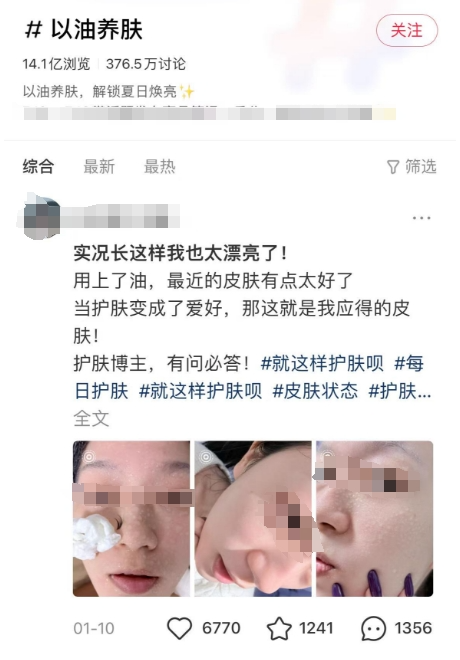
网上爆火的“以油养肤”,真有用还是“智商税”?
Xin Lang Cai Jing· 2025-12-30 10:51
Core Viewpoint - The article discusses the concept of "oil-based skincare" and its effectiveness, emphasizing that while certain oils can be beneficial, they should not be relied upon solely for hydration and must be used in conjunction with other moisturizing ingredients [1][12]. Group 1: Understanding "Oil" in Skincare - The term "oil" in skincare refers to specific types of oils, primarily plant oils (like coconut oil and jojoba oil) and mineral oils (like dimethicone), which can help moisturize and protect the skin [3][5]. - Some oils, such as olive oil, may actually harm the skin barrier due to their fatty acid structure [3]. Group 2: Mechanism of "Oil-Based Skincare" - The skin naturally contains lipid substances that help maintain its barrier; using additional oils can help restore this lipid layer, preventing moisture loss and dryness [7]. - However, oils alone do not provide hydration as they do not contain water, and relying solely on them can lead to continued dryness, especially in arid conditions [9]. Group 3: Limitations of Using Oils - Excessive use of oils can exacerbate acne and other skin issues, as they may promote the growth of acne-causing bacteria [10]. - Some oils may not be easily absorbed by the skin, leading to a greasy feeling without providing adequate moisture [11]. - Oils primarily create a barrier to prevent moisture loss but do not offer additional benefits like hydration or repair [11]. Group 4: Selecting Moisturizing Products - Effective moisturizing products should focus on providing sufficient hydration and preventing moisture loss, rather than just containing oils [14]. - Key ingredients to look for in moisturizers include hyaluronic acid, glycerin, ceramides, and plant oils, which can enhance hydration and skin barrier function [18][20][21][22]. Group 5: Tailoring Moisturizers to Skin Type - Different skin types require specific formulations: dry skin benefits from rich, hydrating products; oily skin should opt for lighter formulations; and sensitive skin needs gentle, low-irritant products [14][15][16]. - Seasonal and climatic conditions should also influence product choice, with heavier creams preferred in dry seasons and lighter lotions in humid conditions [24]. Group 6: Importance of Brand and User Experience - Choosing reputable brands with clinical validation can provide assurance of product efficacy [26]. - Personal experience and feedback from similar skin types are crucial in determining the effectiveness of a moisturizer [27].
冬季皮肤瘙痒可预防 专家讲解如何护肤
Zhong Guo Xin Wen Wang· 2025-12-09 01:12
Core Viewpoint - Winter skin itching is a common issue caused by environmental, physiological, and lifestyle factors, as explained by Shanghai dermatology expert Zheng Huajuan [1] Group 1: Causes of Winter Skin Itching - Environmental factors include cold winds and dry air, leading to rapid evaporation of moisture from the skin, resulting in rough and fragile skin [1] - Physiological factors involve decreased activity of sebaceous glands in winter, leading to reduced oil secretion and weakened skin barrier, which accelerates moisture loss [1] - Lifestyle habits such as using hot water for bathing and frequent use of strong cleansers can damage the skin's natural oils and exacerbate dryness [2] Group 2: Recommendations for Skin Care - Follow the principles of "warm, less, and gentle" for skin cleansing, using mild products and avoiding strong alkaline soaps [2] - After cleansing, apply moisturizing products while the skin is still slightly damp to better lock in moisture [3] - Maintain a balanced diet rich in vitamins A, C, E, and Omega-3 fatty acids, and wear soft, loose clothing to avoid skin irritation [3] Group 3: Case Study - A case study of a resident, Wang Ayi, illustrates the effectiveness of a scientifically tailored skincare regimen, leading to significant improvement in her skin condition after following expert advice [4] - The expert emphasizes the importance of seeking medical attention if itching persists or worsens to avoid delaying treatment for potential underlying conditions [4]
冬季皮肤干痒每天敷面膜行么?保湿注意“澡后3分钟”
Yang Shi Xin Wen· 2025-11-09 06:59
Core Viewpoint - The article discusses the impact of winter on skin health, emphasizing the importance of proper skincare routines to maintain skin barrier function and hydration during the colder months [1][5]. Skin Structure and Function - The skin has a "brick wall" structure, primarily composed of the epidermis, dermis, and subcutaneous tissue, with the outermost layer (stratum corneum) acting as a protective barrier that retains moisture and defends against external pathogens [2]. Vulnerable Populations - Certain groups, such as the elderly and individuals with sensitive skin or pre-existing skin conditions, are more susceptible to skin dryness and barrier dysfunction during winter [3]. When to Seek Medical Attention - Symptoms such as severe itching affecting sleep, widespread rashes, or skin cracks with pain indicate a need for medical consultation, as these may signify significant skin barrier damage or inflammatory conditions [4]. Winter Skincare Essentials - The primary focus of winter skincare should be on "locking in moisture" rather than just hydrating the skin, which involves selecting appropriate moisturizing products, maintaining proper skin cleansing, and applying moisturizers promptly after bathing [5][11]. Effective Moisturizing Ingredients - Three categories of effective moisturizing ingredients include: - Occlusives: Reduce water loss (e.g., Vaseline, ceramides, natural oils) [6] - Humectants: Attract moisture (e.g., glycerin, hyaluronic acid) [6] - Soothing agents: Help reduce inflammation (e.g., panthenol, dipotassium glycyrrhizate) [6]. Cleansing Practices - Recommendations for winter cleansing include bathing every two to four days, using gentle cleansers with skin-friendly ingredients, and avoiding harsh soaps [9]. Common Skincare Mistakes - Misconceptions about skincare practices can lead to further skin barrier damage, such as: - Overusing face masks (recommended frequency is two to three times a week) [12][13]. - Frequent exfoliation with scrubs or loofahs (should be limited to once a week) [12][13]. - Assuming oily skin does not require additional moisturizing (lightweight moisturizers are still necessary) [12][14].

潮湿天气如何护肤?一图了解
Ren Min Wang· 2025-08-06 01:20
Core Viewpoint - The article provides a skincare guide for hot and humid weather, emphasizing the importance of adjusting skincare routines and product choices to alleviate skin issues caused by high temperatures and humidity [1]. Skincare Recommendations - Choosing the right sunscreen is crucial, with recommendations for SPF30+ and PA++ for daily use, and SPF50+ and PA++++ for prolonged sun exposure activities [5]. - Daily skin cleansing is essential due to increased oil secretion in hot weather, with advice to wash the face twice daily and use appropriate cleansing products based on skin type [7]. - It is advised to avoid thick application of skincare products in summer to prevent pore blockage and acne [9]. Mask Usage Guidelines - For regular skin, masks should be used 2 to 3 times a week, while sensitive or problematic skin should limit usage to 1 to 2 times a week, with consultation from a dermatologist if necessary [10]. - Masks should be applied for 15 to 20 minutes, with special materials allowed to extend up to 30 minutes, and sensitive skin should limit application to 10 to 15 minutes [10]. Common Skincare Misconceptions - Overuse of oil-absorbing sheets can stimulate more oil production; it is recommended to limit use to no more than three times a day and to hydrate afterward [12]. - Washing the face with ice-cold water can cause capillary expansion, leading to redness; using lukewarm water is advised [12]. - Skincare products should be chosen based on skin type, and sensitive skin should avoid high concentrations of acids or alcohol [13].

杜华赵燕创始的护肤品牌已关网店
Bei Jing Ri Bao Ke Hu Duan· 2025-07-20 03:51
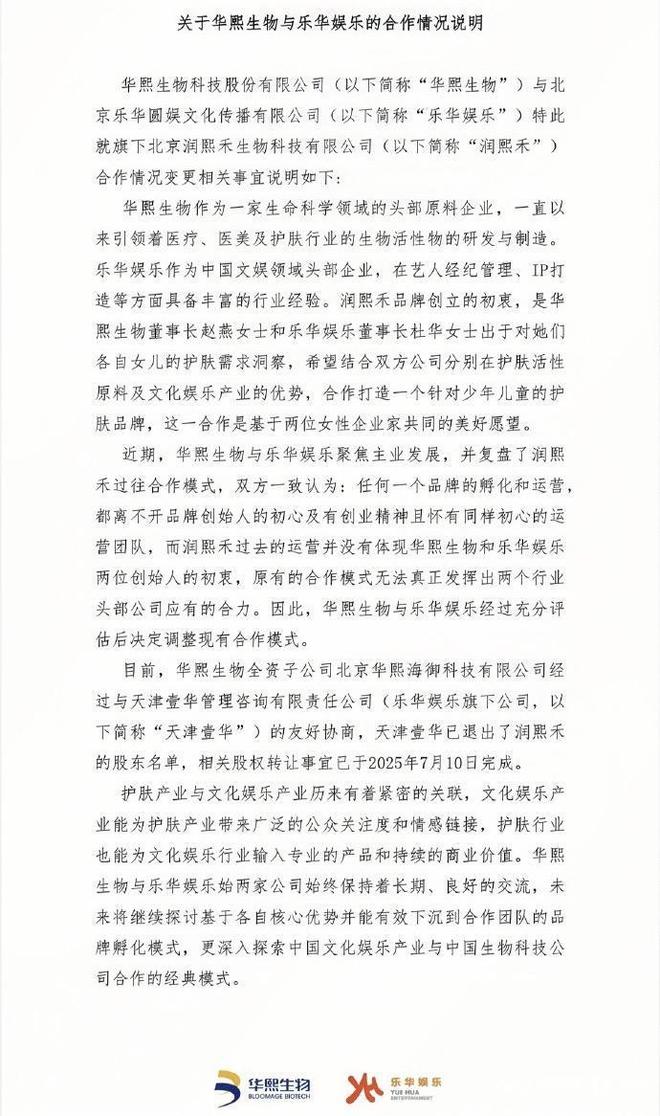
Core Viewpoint - The partnership between Lehua Entertainment and Huaxi Biological has ended, with Lehua's subsidiary Tianjin Yihua exiting the ownership of the children's skincare brand Runxihe, which was established to address the skincare needs of the founders' daughters [1] Group 1: Company Developments - Huaxi Biological announced the completion of the equity transfer on July 10, 2025, indicating a strategic shift away from the Runxihe brand [1] - The initial collaboration aimed to leverage the strengths of both companies in skincare active ingredients and cultural entertainment, but the operational outcomes did not align with the founders' original intentions [1] - Lehua Entertainment plans to refocus on its core business and IP development following the amicable separation [1] Group 2: Brand Status - Runxihe, which was launched in 2019, is still listed on Huaxi Biological's website as its only children's skincare brand, featuring products like cleansers, moisturizers, shower gels, lip balms, and hand creams [1] - The brand's official flagship store is no longer searchable on major e-commerce platforms like Tmall and JD, with products now primarily available through third-party sellers [1] - The collaboration initially aimed to utilize celebrity influence to boost brand visibility, but this strategy did not yield the expected growth for the children's skincare line [1]

杜华和赵燕拆伙了!乐华娱乐退出与华熙合资的儿童护肤品牌
Nan Fang Du Shi Bao· 2025-07-18 13:25
Core Viewpoint - Lehua Entertainment has quietly exited its partnership with Huaxi Biological, with the latter announcing the withdrawal of Tianjin Yihua Management Consulting Co., Ltd. from the shareholder list of the children's skincare brand Runxihe, effective July 10, 2025. The collaboration was initially based on the founders' insights into their daughters' skincare needs, but the operational model did not meet expectations, prompting the decision to part ways [1][13]. Company Summary - Huaxi Biological's announcement highlighted that the original intention behind the Runxihe brand was to leverage the strengths of both companies in skincare active ingredients and cultural entertainment to create a children's skincare brand. However, the operational model failed to reflect the founders' original vision, leading to the decision to adjust the partnership [1][13]. - Lehua Entertainment confirmed its focus on core business development and IP expansion following the amicable agreement with Huaxi Biological. The company previously held a 50% stake in Runxihe [4][13]. - The Runxihe brand, launched in 2019, was part of a joint venture established in 2023, coinciding with Lehua Entertainment's IPO in Hong Kong. The brand aimed to tap into the beauty market, which was seen as a potential growth area for Lehua [16][17]. Industry Summary - The children's skincare segment has emerged as a lucrative area for domestic beauty brands, with several companies entering the market, including Betaini with "Winona Baby" and Shanghai Jahwa with "Qichu." The market has seen rapid growth, with brands like "Turtle Dad" and "Kangaroo Mom" gaining significant traction [18]. - Despite the initial promise, Runxihe's performance has not met expectations, as indicated by Huaxi Biological's recent quarterly reports, which did not mention the brand's performance or product lines. The company has been undergoing significant organizational changes since late 2022, which may have influenced the decision to exit the partnership [17][18].
欧莱雅盯上“早C晚A”先锋?
3 6 Ke· 2025-05-13 02:07
Group 1 - L'Oréal Group is currently the most competitive acquirer in the potential acquisition of the UK skincare brand Medik8, although both parties have not commented on the rumors [1][2] - Medik8 was founded in 2004 by pharmacologist and biochemist Elliot Isaacs, who introduced the CSA skincare philosophy, which emphasizes using Vitamin C and sunscreen during the day and Vitamin A at night [2][3] - Medik8's sales are projected to grow by 50% in 2024, with expected global revenue reaching approximately $115 million (around 833 million RMB) in 2025, and the brand operates in over 25 countries with products sold in more than 7,000 beauty salons [2][3] Group 2 - Medik8's website has seen a monthly average of over 100,000 visits in 2024, with a 90% year-on-year increase in unique visitors, ranking first in the UK beauty and health website traffic [3] - The brand's parent company, Pangaea Laboratories, received investment from private equity fund Inflection Buyout Fund V in 2021, although the specific amount was not disclosed [3] - Despite its growth, Medik8 currently lacks official online sales channels in China, with its official public account inactive since May 2021 [4] Group 3 - The skincare science sector is becoming increasingly competitive, with L'Oréal Group focusing on expanding its presence in this area through acquisitions and investments [6][8] - In 2024, L'Oréal's skincare division achieved sales of €7.027 billion (approximately 53.241 billion RMB), marking a 9.8% year-on-year increase, making it the fastest-growing segment for the company [6][7] - The global market for adult dermatological skincare products reached $2.295 billion (approximately 16.539 billion RMB) in 2023, with projections to grow to $4.687 billion (approximately 33.777 billion RMB) by 2030, reflecting a compound annual growth rate (CAGR) of 12.3% from 2024 to 2030 [8]