智能手机

Search documents
小米17系列今日开售!雷军最新发声
Zhong Guo Zheng Quan Bao· 2025-09-27 11:09
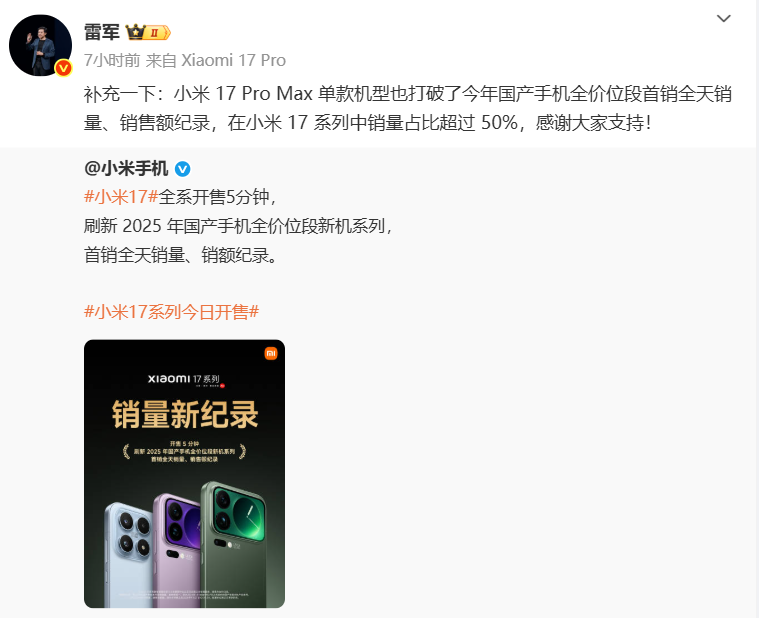
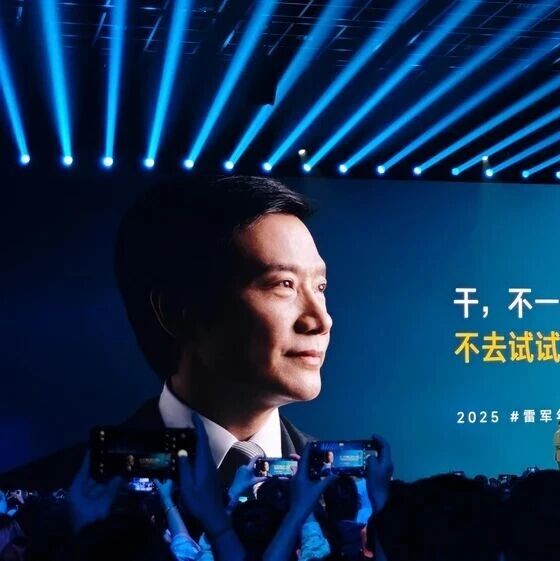
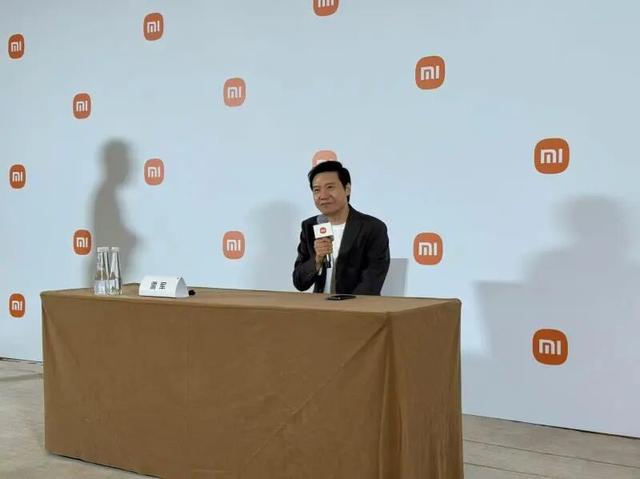
9月27日,小米17系列全渠道正式开售。 当日,小米集团创始人、董事长兼CEO雷军与小米集团公关部总经理王化先后通过微博宣布,小米17系列 首销打破多项纪录。 王化在微博发文称,小米17全系开售5分钟,刷新2025年国产手机全价位段新机系列的首销全天销量、销售 额纪录。 随后,雷军也在微博上发文称,小米17 Pro Max单款机型打破了今年国产手机全价位段首销全天销量、销售 额纪录,在小米17系列中销量占比超过50%。 从售价看,小米17售价4499元起,小米17 Pro售价4999元起,小米17 Pro Max售价5999元起。 此前,雷军在9月15日发声,称"小米17系列,产品力跨代升级,全面对标iPhone,正面迎战!" 来源:新浪微博 9月25日,小米公司创始人雷军在年度演讲中发布了小米17系列新机。 小米17系列,包括三款产品:小米17、小米17 Pro、小米17 Pro Max。 来源:新浪微博 招银国际研报提到,小米17系列Pro机型引入创新幻影背屏技术,并实现与苹果生态系统的直接集成,凸显 了小米"全面对标iPhone"的战略。 9月25日,雷军在接受媒体采访时表示,手机行业的竞争难度超过汽车 ...

希望雷军和小米摆脱“力工思维”
虎嗅APP· 2025-09-27 09:44
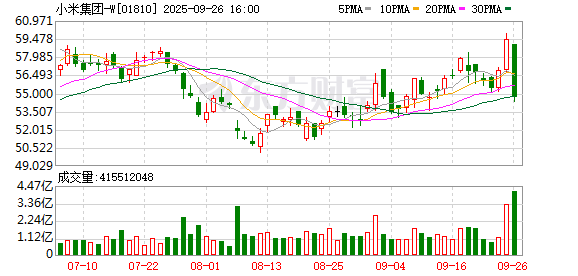
Core Viewpoint - The article discusses the challenges faced by Xiaomi and its CEO Lei Jun, highlighting the company's struggle to maintain its market position and the mixed reactions from investors following product launches and strategic shifts [5][9]. Group 1: Company Performance and Market Reaction - Xiaomi's stock price dropped by 8% on September 26, 2023, marking a departure from previous years where stock typically rose after Lei Jun's annual speeches [9]. - Since 2020, Xiaomi's stock has generally performed well after these speeches, with a notable 4.24% increase in 2024 [9]. - The unusual market reaction in 2023 is attributed to issues with the newly launched Xiaomi 17 smartphone [10]. Group 2: Product Launch and Consumer Expectations - The Xiaomi 17 smartphone skipped the 16 model, directly targeting Apple's iPhone, which raised consumer expectations [11]. - The product faced criticism for perceived lack of innovation and downgraded specifications, such as a reduction in ultra-wide angle capabilities and USB speed [11][12]. - The article emphasizes that Xiaomi's brand image is closely tied to its value-for-money proposition, which has been a key selling point for its products [12]. Group 3: Strategic Direction and Brand Positioning - Xiaomi aims to complete its brand high-end strategy within a year, which requires either increasing prices or reducing specifications to reflect brand value [13]. - The absence of self-developed chips in the Xiaomi 17 has disappointed consumers, as high-end brands are expected to utilize proprietary technology [15][16]. - The article suggests that Xiaomi's high-end strategy is hindered by a lack of consumer support and the need for the company to justify its pricing and product quality [18]. Group 4: Leadership and Company Culture - Lei Jun's leadership style is characterized by a "hardworking mentality," which may lead to consumer fatigue and perceptions of insincerity [20][23]. - The article calls for a shift in Lei Jun's communication style to be more relatable and less focused on struggles, suggesting that a lighter approach could resonate better with consumers [22][23]. - The company is seen as capable and courageous in its ambitions, but it needs to adjust its mindset and broader vision to succeed in the high-end market [23].

对话雷军:小米早已放弃了速胜
商业洞察· 2025-09-27 09:24
Core Viewpoint - The article discusses Xiaomi's transformation and challenges as it aims to become a leading technology company, particularly in the automotive sector, while also addressing its high-end smartphone strategy and competition with Apple [4][6][9]. Group 1: Xiaomi's Transformation and Challenges - Xiaomi's CEO Lei Jun emphasizes the company's shift from an internet company to a "hardcore technology company," with a commitment to invest 200 billion yuan in R&D over the next five years [7][8]. - The launch of the Xiaomi YU7 SUV saw impressive sales, with over 200,000 pre-orders in just three minutes and 240,000 within 18 hours [6]. - However, the company faced significant challenges, including a tragic accident involving the Xiaomi SU7 that raised safety concerns about its advanced driver-assistance systems, leading to a recall of 117,000 vehicles [6][11]. Group 2: High-End Strategy and Competition with Apple - Xiaomi's high-end strategy is a critical focus, with Lei Jun mentioning the need to learn from Apple and aiming to surpass it in various technological aspects [10][12]. - The company has made significant strides in high-end smartphone development, with the Xiaomi 17 series being positioned to compete directly with the iPhone 17 [10][12]. - Lei Jun noted that Xiaomi's average selling price for its cars is around 289,000 yuan, placing it in the high-end market segment [18]. Group 3: Organizational Culture and Decision-Making - Xiaomi's internal culture encourages open debate and discussion, which helps improve decision-making accuracy and reduces the likelihood of errors by leadership [25]. - The company values a collaborative environment where team members can voice their opinions, leading to better outcomes in product development and strategy [25]. Group 4: Future Outlook and Market Position - Xiaomi aims for a steady annual market share growth of 1%, targeting a 20% market share over the next five years, positioning itself as a long-term player in the competitive smartphone market [26][27]. - The company is focused on continuous investment in technology and innovation, with a strong belief in the potential of China's industrial capabilities [28].

雷军:大家对我们有一个巨大的误解
Bei Jing Qing Nian Bao· 2025-09-27 06:53
Core Viewpoint - Xiaomi is undergoing a significant transformation, shifting from a "geek brand" to a "mass brand," with a focus on high-end products and a broader customer base, including a notable increase in female users [6][9]. Product Launch and Strategy - Xiaomi launched the new Xiaomi 17 series, skipping the 16 to signify a new identity and to encourage consumers to re-evaluate the brand [3][5]. - The company aims to fully compete with industry leaders like Apple and Samsung, emphasizing that the Xiaomi 17 series has surpassed many features of the iPhone 17 [3][5]. - Xiaomi's strategy includes a commitment to long-term growth, targeting a 1% annual increase in market share over five years, aiming for a total of 20% [5][9]. Market Position and Competition - Xiaomi regained the top position in China's smartphone market in Q1 2025, marking its return to the number one spot after ten years [3]. - The smartphone market is described as highly competitive, with six major players each holding around 15-16% market share, leading to frequent shifts in market leadership [3][5]. Brand Evolution - The brand's image has evolved from being male-dominated and focused on tech enthusiasts to appealing to a wider audience, including women, particularly in the automotive sector [6][9]. - Xiaomi's automotive division has introduced a customization service, allowing users to personalize their vehicles, which is a significant step towards high-end market positioning [6][8]. R&D and Investment - Xiaomi has committed to investing 100 billion RMB over five years in research and development, with an annual R&D budget of over 30 billion RMB [9][11]. - The company emphasizes that its advancements are the result of long-term investments and efforts, countering perceptions of sudden changes [11]. Challenges and Industry Environment - Xiaomi's automotive brand has faced significant online criticism, and the company supports regulatory actions against malicious online practices that hinder industry growth [9][11].
小米17系列今日开售 5分钟刷新今年国产手机首销全天销量纪录
Mei Ri Jing Ji Xin Wen· 2025-09-27 06:18
Core Insights - Xiaomi launched the Xiaomi 17 series on September 25, with prices starting at 4,499 yuan for the base model, 4,999 yuan for the Pro version, and 5,999 yuan for the Pro Max version [2] - The Xiaomi 17 series achieved record sales within the first five minutes of its launch, setting new sales volume and revenue records for domestic smartphones across all price segments in 2025 [4] - The Pro Max model accounted for over 50% of the sales within the Xiaomi 17 series, breaking the record for first-day sales volume and revenue in the domestic smartphone market [6][10] Sales Performance - On September 27, the Xiaomi 17 series was made available across all channels, with significant consumer interest noted even before the official launch [4][13] - The store manager at a Xiaomi retail location reported over 100 sales before the official launch event concluded, indicating strong demand [13] Market Context - Xiaomi's CEO, Lei Jun, acknowledged the intense competition in the global smartphone market, highlighting rivals such as Apple, Samsung, and Huawei [24] - The Chinese smartphone market is described as highly competitive, with six major players each holding approximately 15-16% market share, leading to rapid shifts in market positioning [24] Stock Market Reaction - Following the launch, Xiaomi's stock price experienced a significant decline, dropping over 8% on September 26, attributed to profit-taking by short-term investors and market expectations not being met [23][24] - The stock closed at 54.65 HKD per share, with a total market capitalization decrease of over 100 billion HKD [23]
雷军:小米17 Pro Max打破今年国产手机全价位段首销全天销量、销售额纪录
Zheng Quan Shi Bao Wang· 2025-09-27 05:29
Core Insights - Xiaomi's new smartphone series, the Xiaomi 17, achieved record sales within 5 minutes of launch, setting a new benchmark for domestic smartphones across all price segments in 2025 [1] - Lei Jun announced that the Xiaomi 17 Pro Max model alone broke the record for first-day sales and revenue in the domestic smartphone market for 2023, with over 50% of the total sales coming from the Xiaomi 17 series [1] Sales Performance - The Xiaomi 17 series set a new record for first-day sales volume and revenue across all price segments of domestic smartphones [1] - The Xiaomi 17 Pro Max contributed significantly to the overall sales, accounting for more than half of the total sales in the series [1]
荣耀详解端侧AI:输出“中国模式” 重塑全球化路径
Nan Fang Du Shi Bao· 2025-09-27 04:59
Core Insights - The AI revolution has reached a critical point, with technology giants facing the challenge of effectively integrating AI into end devices [1] - Honor's recent announcements at the Snapdragon Summit indicate a strategic shift towards enhancing AI capabilities on mobile devices, marking a significant step in its global market ambitions [1][6] - The collaboration between Honor and Qualcomm aims to redefine AI productivity at the device level, positioning Chinese tech companies as rule-makers in the global AI landscape [1][8] Technical Innovations - Honor introduced a "high-efficiency edge AI model solution" that addresses the challenges of running large AI models on devices with limited power and space [2] - Two major technological breakthroughs were highlighted: 1. "Edge low-bit quantization technology," which reduces model storage space by 30%, increases inference speed by 15%, and decreases power consumption by 20% [2] 2. "Next-generation vector retrieval technology," which enhances search performance by up to 400% by converting unstructured data into machine-understandable semantic vectors [3][4] Market Dynamics - The competition in the edge AI space is intensifying, with major players like Apple, Vivo, Xiaomi, and OPPO also investing in similar technologies [6] - The focus of competition is shifting from merely having AI capabilities to the quality of user experience, with a growing emphasis on practical applications [6][7] - Honor's strategy extends beyond smartphones to tablets, indicating a broader AI strategy that aims to cover more use cases and applications [6] Global Positioning - The emergence of edge AI is facilitating a new narrative for Chinese tech companies, transitioning from "China manufacturing" to "China defining" in the global tech arena [8][10] - This shift reflects a move towards open and collaborative ecosystems, contrasting with the closed ecosystems of competitors like Apple [8][9] - The increasing "technological discourse power" of Chinese tech firms signifies their deeper involvement in defining global industry standards and practices [10]
9点1氪|香港高等法院驳回宗馥莉上诉申请;京东原副总裁蔡磊发文,确认丧失语言能力;西贝回应“一碗汤换顾客北京一套房”
3 6 Ke· 2025-09-27 01:22
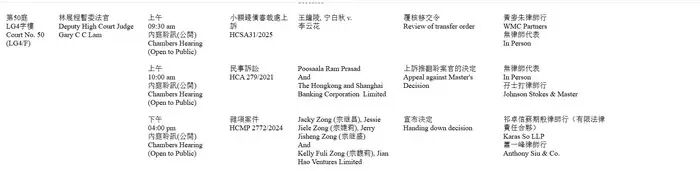
Group 1 - The Hong Kong High Court rejected the appeal from Zong Fuli regarding the inheritance dispute of Wahaha's founder, maintaining the original ruling from August [1][2] - The case involved five grounds for appeal presented by Zong Fuli, all of which were dismissed by the court [2] Group 2 - Xiaomi's legal department reported progress in combating online defamation, having evaluated 16,465 pieces of public sentiment data and filed civil lawsuits against 92 malicious accounts [13] - The company is also assisting car owners who have been victims of online attacks, with 35 lawsuits initiated for their protection [13] Group 3 - The micro-short drama user base in China has reached 696 million, with the market expected to exceed 50 billion yuan this year [6] - The National Development and Reform Commission encourages regions to explore the issuance of "data vouchers" and "algorithm vouchers" to reduce costs associated with data usage [11] Group 4 - Xiaomi's CEO Lei Jun discussed the long and challenging competition with Apple, emphasizing the need to learn from Apple and improve in various aspects [4] - TCL Huaxing announced that it exclusively supplies the main and back screens for Xiaomi 17 Pro and Pro Max models [15]

9点1氪:香港高等法院驳回宗馥莉上诉申请;京东原副总裁蔡磊发文,确认丧失语言能力;西贝回应“一碗汤换顾客北京一套房”
36氪· 2025-09-27 01:16
Group 1 - The Hong Kong High Court rejected the appeal from Zong Fuli regarding the inheritance dispute of Wahaha founder, maintaining the original ruling [3][5] - The case involved five grounds of appeal from Zong Fuli, all of which were dismissed by the court [5] - The hearing took place on September 26, with the court confirming the previous decision made on August 1 [5] Group 2 - Xiaomi's legal department has made progress in combating negative public relations, having evaluated 16,465 pieces of online sentiment since 2025 [6] - The department has filed civil lawsuits against 92 malicious infringement accounts and is monitoring 231 online accounts [6] - Xiaomi is also assisting car owners who have faced unwarranted online attacks, with 35 lawsuits initiated for their protection [6] Group 3 - The user base for micro-short dramas in China has reached 696 million, indicating rapid growth in both user and market scale [9] - The market size for micro-short dramas is expected to exceed 50 billion yuan this year, building on last year's figures [9] Group 4 - Xiaomi CEO Lei Jun stated that competition with Apple is a long and challenging process, emphasizing the need to learn from Apple and improve on various aspects [8] - Lei Jun highlighted the importance of not just matching specifications but also enhancing technology and user experience to potentially surpass Apple [8] Group 5 - Miniso plans to independently list its subsidiary TOPTOY on the Hong Kong Stock Exchange, having submitted a proposal for the spin-off [8] - The company aims to conduct a global offering and distribution for the proposed spin-off [8] Group 6 - Panasonic announced its decision to delist from the Nagoya Stock Exchange to reduce management costs associated with dual listings [12] - The company will continue to be listed on the Tokyo Stock Exchange [12]