
乳制品

Search documents
特朗普欲撕毁北美贸易协定?外媒爆料白宫正密谋“踢掉”加拿大!
Xin Lang Cai Jing· 2026-02-20 00:44
Group 1 - The U.S. officials are threatening significant adjustments to trade agreements with Mexico and Canada, potentially excluding Canada from the current framework [1][6] - Trump is using a new leverage point, a bridge expected to open this year, to pressure Canada into making trade concessions [1][6] - The U.S. is increasing pressure on Canada, with a list of demands including concessions on the protected dairy industry [1][8] Group 2 - Canada’s Prime Minister, Carney, has angered U.S. officials by strengthening trade relations with other countries, leading to threats of 100% tariffs on Canadian goods [2][7] - The ongoing disputes have not yet resulted in new tariffs, but both parties are entering formal trade negotiations under a backdrop of extreme discord [2][7] - The potential abandonment of the trilateral agreement in favor of bilateral agreements with Mexico and Canada could have disastrous implications for companies reliant on the current agreement [2][7] Group 3 - Despite the existence of the agreement, Trump has imposed tariffs on Canada, severely impacting industries such as lumber, automotive, steel, and aluminum [3][8] - U.S. Trade Representative Greer indicated that there is no "natural reason" for the USMCA to remain a unified agreement, suggesting separate discussions with Mexico and Canada on different issues [3][8] - The Canadian government is preparing for a potential breakdown of negotiations, with low expectations for a comprehensive renewal of the agreement [3][8] Group 4 - U.S. officials have begun talks with the Mexican government since January, with Mexico appearing more optimistic about negotiations [4][9] - The "divide and conquer" strategy has been previously employed, where the U.S. advanced negotiations with Mexico while threatening to abandon Canada [4][9]
欧洲集结?马克龙联手27国出招,对华全面施压,中方强硬回击
Sou Hu Cai Jing· 2026-02-18 06:48
Group 1 - The core issue revolves around the EU's strategic anxiety regarding its economic sovereignty and dependency on countries like China, which has been a growing concern for several years [3][8][21] - France's proposal to impose a 30% tariff on Chinese goods is not merely a symbolic gesture but is aimed at multiple core industries, reflecting deeper strategic considerations [10][12] - The EU's internal divisions are highlighted, with member states like Germany and the Netherlands expressing concerns over the potential impact of increased tariffs on their own industries [18][19] Group 2 - The historical context of Europe's loss of initiative in major geopolitical shifts, such as the Cold War and financial crises, informs its current approach to trade and economic policy [7][8] - The EU's response mechanisms to economic coercion have been in preparation for some time, indicating a structured approach to trade negotiations rather than a reactionary stance [10][15] - The complexity of the EU's economic landscape, with varying interests among member states, poses significant challenges to achieving a unified stance on trade policies [17][18] Group 3 - China's response to the EU's tariff proposals has been swift and targeted, indicating a strategic approach to countering potential trade conflicts without escalating to full-scale confrontation [19][21] - The potential for increased tariffs to disrupt supply chains and raise consumer prices is a significant concern, suggesting that the long-term effects of such measures may not align with immediate political objectives [21][23] - The ongoing trade dynamics reflect broader anxieties about Europe's industrial positioning in the global economy and the shifting landscape of international trade relationships [23]

岭南少女跨越千里的团圆之旅
Xin Lang Cai Jing· 2026-02-17 18:40
Group 1 - The article highlights the experience of a 15-year-old girl from Guangdong, who travels to Hohhot to celebrate the Lunar New Year, showcasing the cultural and recreational activities available in the region [1][2] - The girl participates in her first snow sports experience at the Mazong Mountain Ski Resort, expressing excitement and joy at the winter activities, which are not available in her southern hometown [1] - The article emphasizes the vibrant atmosphere of the Saibei Old Street, where traditional crafts such as paper-cutting and sugar painting are showcased, allowing visitors to engage with cultural heritage [2] Group 2 - The girl plans to visit the Yili Health Valley for a comprehensive New Year celebration that includes immersive games, folk performances, and industrial tours, indicating the region's focus on tourism and cultural experiences [2] - The article illustrates the integration of traditional culture with modern experiences, as the girl looks forward to witnessing the production process of dairy products, highlighting the local industry [2] - The overall message conveys that Hohhot offers a warm and inclusive environment for visitors, combining winter sports, cultural heritage, and festive celebrations, enhancing the appeal of the region as a tourist destination [2]

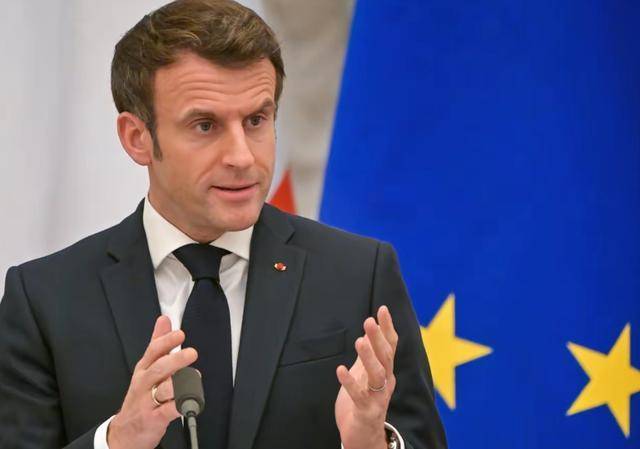
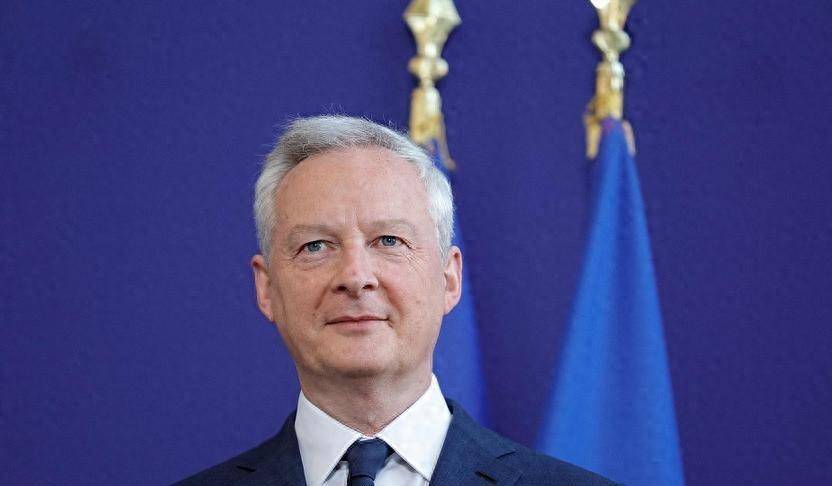
法国不再掩饰!向全球发出通告,27国可能对中国商品加征30%关税,但法财长强调不能搞一刀切
Sou Hu Cai Jing· 2026-02-16 23:33
最近全球经贸圈最炸裂的一幕,不是美国又在太平洋搞军演,也不是日本新首相高市早苗放什么狠话,而是法国突然掀了桌子——直接摊牌。 回过头看,之前闹得满城风雨的电动汽车关税风波,就是它先点的火。 现在它不满足于小打小闹,想拉整个欧盟下水,搞一场全面围堵。 理由?简单粗暴——看着中欧贸易逆差数字涨到眼红。 2024年,欧盟对华逆差3045亿欧元;2025年,这个窟窿又扩大到3200亿欧元左右。 法国人坐不住了,觉得中国货"抢"了他们的市场,必须动手。 但法国人开的方子,实在歪得离谱。 第一招,就是"一刀切"加税。 不管你是卖螺丝钉、纺织品,还是光伏板、家电,统统加30%。 这种懒政式操作,等于把复杂问题简化成蛮力对抗。 第二招更阴,居然想照搬1985年美国对付日本的"广场协议"。 当年美国联合几个盟友,硬生生把日元逼升值,结果日本出口成本飙升,制造业一蹶不振,经济陷入"失去的三十年"。 现在法国人想如法炮制,鼓动欧盟联手施压,让欧元对人民币一次性贬值20%到30%,说白了,就是逼人民币被动升值,削弱中国制造的价格优势。 这算盘打得噼里啪啦响,可刚落地,自家后院就起火了。 2月9号那天,法国政府直属的智库"高等战略与规 ...
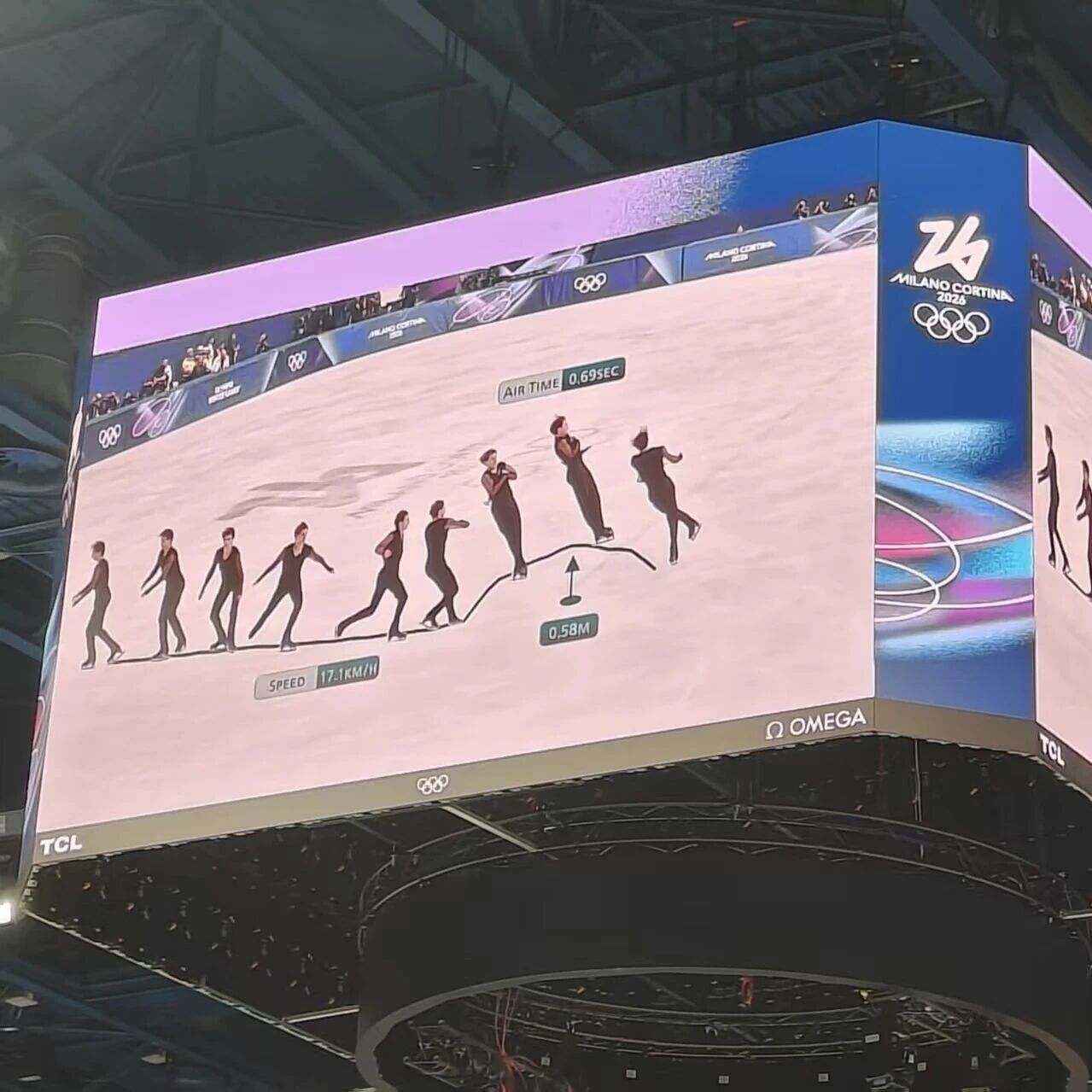
从米兰巨幅广告到快闪店,冬奥迎来史上最多中国顶级赞助商
第一财经· 2026-02-16 15:09
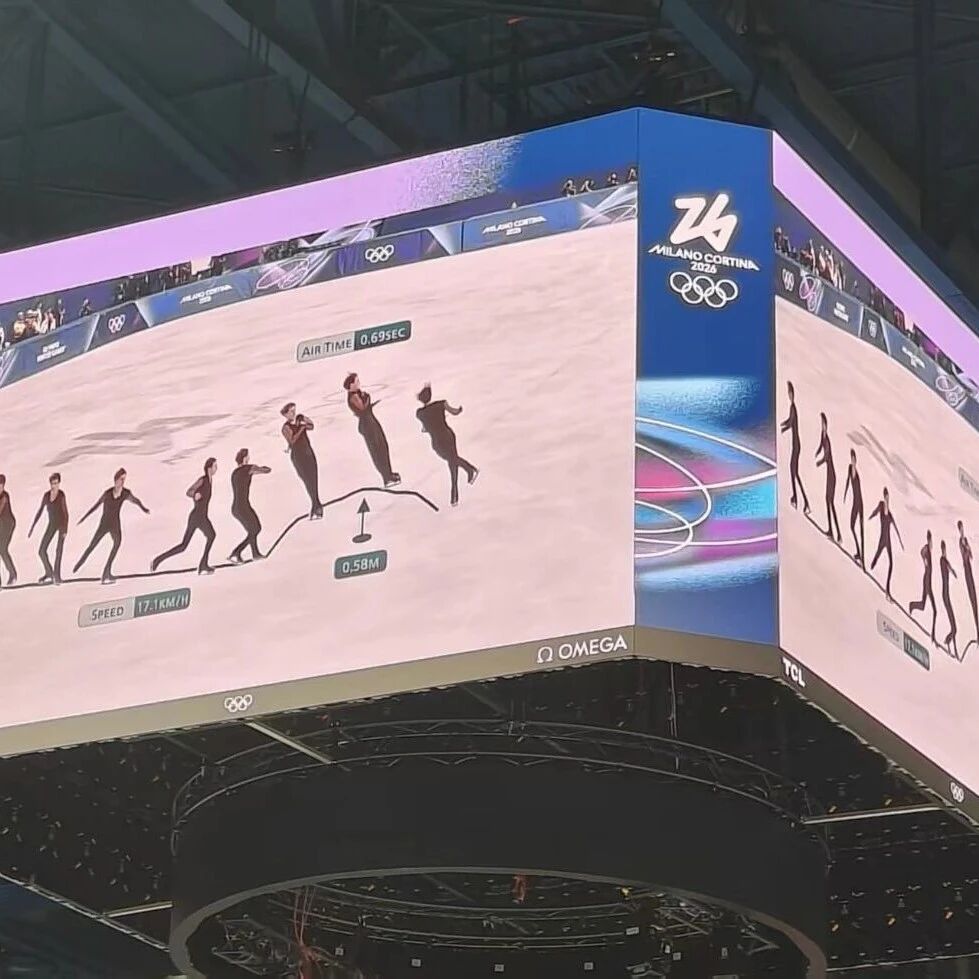
Core Viewpoint - The article highlights the significant presence and impact of Chinese brands as TOP sponsors at the Milan-Cortina Winter Olympics, showcasing the evolving landscape of sports marketing and sponsorship dynamics in the context of global events [5][15]. Group 1: Sponsorship Dynamics - The Milan-Cortina Winter Olympics features the highest number of Chinese TOP sponsors, including TCL, Alibaba, and Mengniu, marking a notable increase in Chinese brand representation compared to previous Olympics [5][15]. - The TOP sponsorship program is crucial for the financial support of the Olympics, with companies paying over $300 million per cycle, contributing significantly to the International Olympic Committee's revenue [12]. - The article notes that the TOP sponsorship program has seen a shift in participants, with traditional sponsors like Panasonic and Toyota exiting, while new entrants like TCL and Budweiser are filling the gaps, reflecting changes in commercial power [17][18]. Group 2: Marketing Strategies and Brand Visibility - TOP sponsors utilize various marketing strategies, including prominent outdoor advertising in Milan, to enhance brand visibility during the Olympics, with TCL securing a major outdoor advertising space [7][10]. - The presence of sponsors extends beyond advertising, as they provide services and products within the Olympic Village, enhancing the overall experience for athletes and staff [10][11]. - The article emphasizes the role of technology in enhancing viewer experience, with AI and cloud technologies being utilized for broadcasting and event management, showcasing the integration of new technologies in sports marketing [18][20]. Group 3: Market Expansion and Brand Recognition - Companies like TCL are leveraging the Olympic platform to expand their global business, with TCL reporting a 50% increase in market share in Italy, indicating successful brand recognition efforts [20]. - The article discusses the competitive landscape in the European market, where Chinese brands are gaining market share from traditional Japanese brands, highlighting a shift in consumer preferences [20]. - The need for companies to adapt their strategies to local market conditions in Italy is emphasized, as the market presents unique challenges and opportunities for growth [20].



网友疯抢北京16城区“专属牛奶”,三元食品以“北京礼物”焕新老字号
Xin Jing Bao· 2026-02-15 14:31
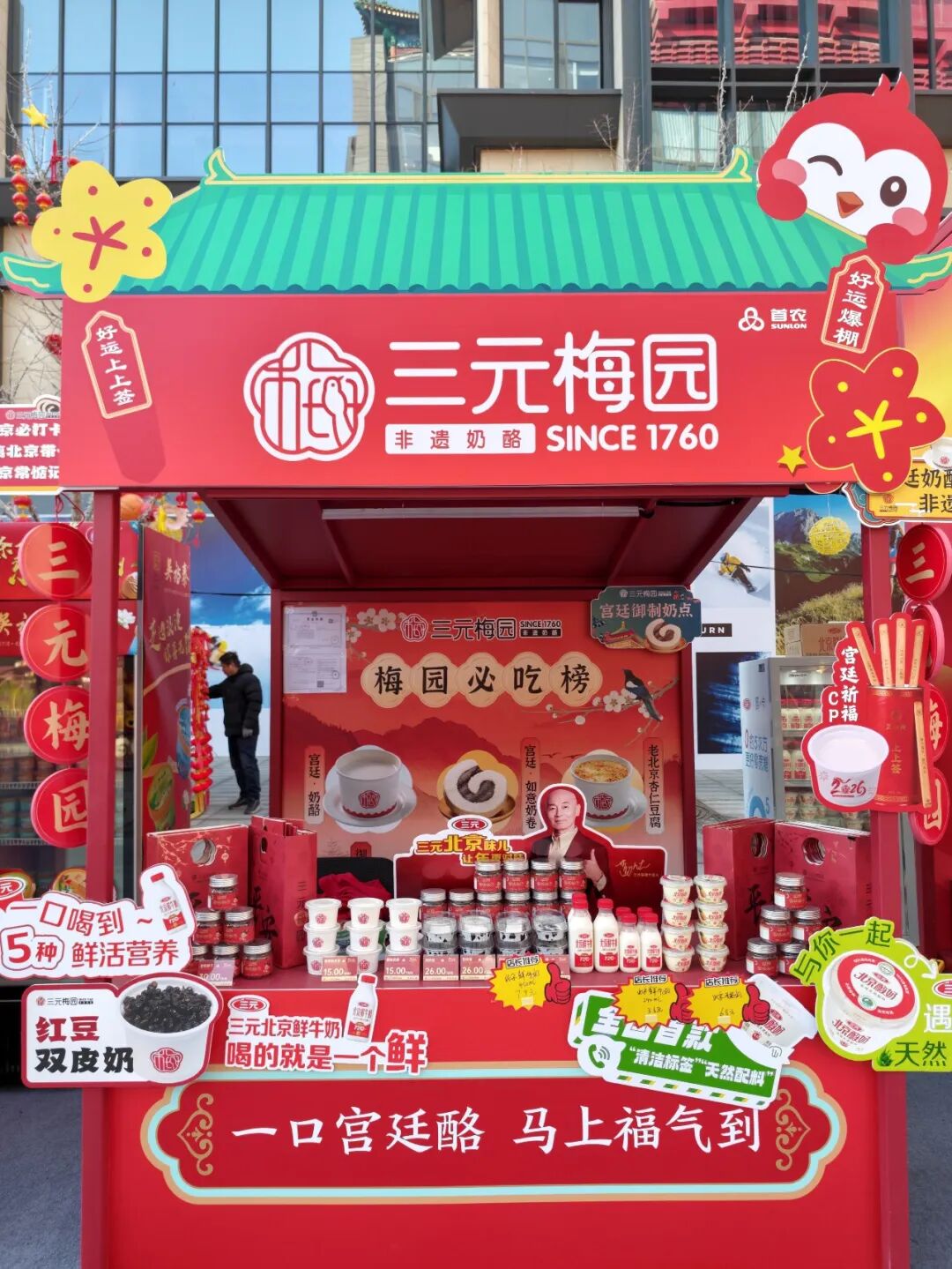
Core Viewpoint - The article highlights the vibrant atmosphere of the Spring Festival market in Beijing, showcasing over 30 time-honored brands, including Sanyuan Foods, which is innovatively integrating local culture into its products to appeal to younger consumers [1][3][4]. Group 1: Product Innovation - Sanyuan Foods launched a limited edition milk gift box inspired by the 16 districts of Beijing, which has sparked discussions on social media about "milk exchanges" among residents [4][7]. - The "Beijing Series" products, including the limited edition gift box, aim to connect the brand with the cultural essence of Beijing while meeting modern consumer demands for quality and health [7][10]. - The company has seen a doubling in sales of its "Beijing Fresh Milk" within three months of its launch, indicating strong market acceptance [7]. Group 2: Brand Heritage and Strategy - Sanyuan Foods, a 70-year-old brand, emphasizes its commitment to quality and cultural significance, positioning itself as a "Beijing gift" that resonates with local consumers [8][9]. - The company has a history of innovation, being the first to introduce various dairy products in China, and is now focusing on revitalizing its brand to attract a new generation of consumers [10][11]. - The reopening of the "Beijing Milk Company" IP aims to blend nostalgia with modernity, featuring both traditional and contemporary dairy experiences [10][11]. Group 3: Market Position and Consumer Engagement - The new store format of the "Beijing Milk Company" has exceeded sales expectations, particularly among younger consumers aged 16-39, who appreciate fresh milk and modern beverage options [11]. - The strategic expansion of the store into various locations, including universities and tourist spots, reflects the company's intent to enhance brand visibility and consumer engagement [11].

雀巢、达能等接受法国婴儿配方奶粉调查
新华网财经· 2026-02-15 12:36
Group 1 - The French prosecutor's office has launched an investigation into five companies, including Nestlé, Danone, and Lactalis, for distributing potentially contaminated infant formula [3] - The investigation may involve charges of "deception with goods harmful to human health," with potential penalties of up to 7 years in prison and fines of €3.75 million (approximately ¥30.75 million) [4] - Recent global recalls of infant formula have raised concerns in the dairy industry, primarily due to the presence of Bacillus cereus toxins in products from brands such as Dumex, Abbott, and New Angel [4] Group 2 - Danone has announced targeted recalls of a small number of infant formula batches in specific markets, but has not disclosed the countries or brands involved [4] - Nestlé has issued recall notices for certain batches of infant formula in 31 countries due to quality issues with a supplier's arachidonic acid oil, which may lead to the presence of Bacillus cereus [4] - The toxins produced by Bacillus cereus can cause severe vomiting, diarrhea, dehydration, and even electrolyte imbalances or organ damage in infants [5] Group 3 - As of now, there have been no confirmed cases of Bacillus cereus toxin poisoning from infant formula in China [6] - The State Administration for Market Regulation has deployed measures to enhance quality control of infant formula, urging manufacturers to conduct toxin testing and ensure strict raw material acceptance and product quality checks [7] - The General Administration of Customs has reminded consumers to pay close attention to recall announcements and verify product information from cross-border e-commerce channels [7]


从米兰巨幅广告到快闪店,冬奥迎来史上最多中国顶级赞助商
第一财经· 2026-02-15 01:23
Core Viewpoint - The article highlights the significant presence and impact of Chinese brands as TOP sponsors at the Milan-Cortina Winter Olympics, showcasing the evolving landscape of sports marketing and sponsorship dynamics in the context of global sporting events [5][15]. Group 1: Sponsorship Landscape - The Milan-Cortina Winter Olympics features a record number of Chinese brands as TOP sponsors, with TCL, Alibaba, and Mengniu participating, marking the highest representation of Chinese sponsors in Olympic history [5][15]. - The TOP sponsorship program is crucial for the financial support of the Olympics, with companies paying over $300 million per cycle, contributing significantly to the International Olympic Committee's revenue [12]. - The article notes that the TOP sponsorship program has seen a shift in participants, with traditional sponsors like Panasonic and Toyota exiting, while new entrants like TCL and Budweiser are filling the gaps [17][18]. Group 2: Marketing and Brand Visibility - Major sponsors have utilized prominent advertising spaces in Milan, with TCL securing the largest outdoor billboard, showcasing their products alongside Olympic themes [7][10]. - The presence of sponsors extends beyond advertising, as they provide services and products within the Olympic Village, enhancing the experience for athletes and staff [10][11]. - The article emphasizes the importance of sports marketing for brand recognition, with TCL's market share in Italy growing by approximately 50% due to their Olympic sponsorship efforts [20]. Group 3: Technological Integration - The integration of new technologies, such as AI and cloud services, is highlighted as a key trend among sponsors, enhancing the viewing experience and operational efficiency during the Olympics [18][20]. - Alibaba's AI assistant and TCL's advanced display technologies are examples of how sponsors are leveraging innovation to improve engagement and service delivery at the event [11][18]. Group 4: Economic Impact and Market Strategy - The article discusses the economic implications of the Olympics for sponsors, noting that brands are seeking to expand their global presence through strategic marketing initiatives tied to the event [20]. - Companies like TCL are adapting their strategies to local market conditions in Italy, recognizing the diverse economic landscape and competitive environment [20].
据说看了蒙牛的CNY营销,很多人连夜把策划案撕了
Sou Hu Cai Jing· 2026-02-14 14:47
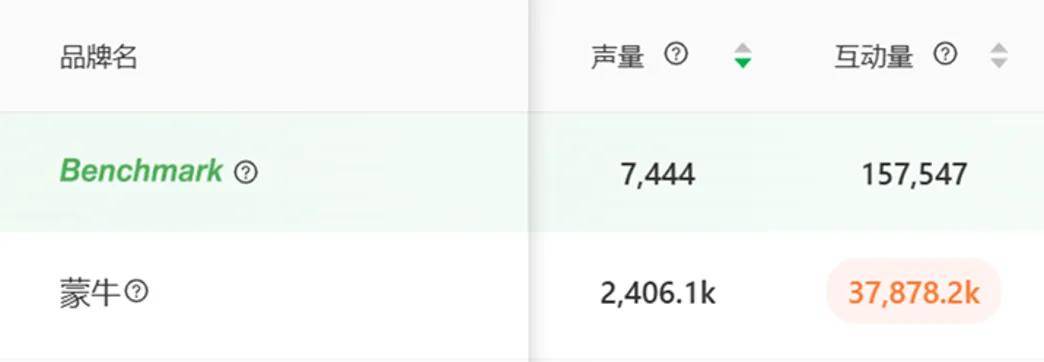
Core Insights - The article highlights the impressive brand performance of Mengniu during the 2026 Chinese New Year (CNY) marketing campaign, showcasing its significant brand volume and interaction metrics compared to competitors [1][2][30] - Mengniu's marketing strategy is characterized as an "asset monetization strategy," leveraging ten years of consumer trust rather than relying on short-term traffic purchases [5][6][30] Brand Performance - As of February 10, 2026, Mengniu achieved a brand volume of over 2.4 million and interaction volume exceeding 37 million, capturing over 70% of the total brand volume among the top five dairy companies [2][30] - Mengniu's net emotional value stands at 95%, indicating a strong positive brand sentiment among consumers [2][30] Marketing Strategy - Mengniu's approach is described as a "supporting strategy," focusing on long-term consumer trust rather than a one-time marketing blitz [5][6] - The campaign effectively transformed the "gift anxiety" associated with CNY into a "gift solution," emphasizing the symbolic meaning of gifts rather than just the product itself [27][30] Consumer Engagement - The marketing campaign successfully engaged different demographics, with Z-generation consumers driven by social sharing and older generations responding through family group interactions [18][20] - Mengniu's strategy involved user co-creation, allowing consumers to participate in the narrative rather than being passive recipients of marketing messages [16][30] Sales Performance - As of February 11, 2026, Mengniu's e-commerce platforms saw a 50% increase in GMV, with significant growth in user transactions and new memberships [28][30] - The campaign also marked a successful entry into offline dining channels, with a notable increase in sales of special New Year packages [28][30] Conclusion - The article concludes that Mengniu's innovative approach to CNY marketing sets it apart from competitors who continue to rely on outdated strategies, emphasizing the importance of understanding consumer needs and building long-term brand relationships [30]
旺季白酒消费分化,高端酒动销亮眼
Xiangcai Securities· 2026-02-14 12:28
Investment Rating - The report maintains a "Buy" rating for the food and beverage industry [2] Core Insights - The food and beverage industry experienced a decline of 2.33% from February 9 to February 13, 2026, underperforming the CSI 300 index by 2.69 percentage points [6][9] - The industry is currently at a historical low valuation, with a PE ratio of 21X, ranking 24th among Shenwan's primary industries [5][18] - High-end liquor sales showed strong performance during the Spring Festival, with leading brands like Moutai and Wuliangye experiencing significant growth, while mid-range products faced a decline of approximately 20% [6][7] Summary by Sections Industry Performance - From February 9 to February 13, 2026, the food and beverage sector's relative return was -2.5% over one month, -5.3% over three months, and -21.6% over twelve months [4] - The overall market indices showed positive movement, with the Shanghai Composite Index up by 0.41% and the Shenzhen Component Index up by 1.39% during the same period [9] Valuation Metrics - As of February 13, 2026, the food and beverage industry's PE ratio stands at 21X, with sub-sectors like other alcoholic beverages (52X), snacks (37X), and health products (34X) having higher valuations, while liquor (19X), beer (22X), and dairy (23X) are lower [5][18] Investment Recommendations - The report suggests focusing on three main investment lines: 1. Industry leaders with stable demand and strong risk resilience 2. Companies actively developing new products, channels, and consumption scenarios 3. Segments of the mass consumer goods industry that have shown growth potential and reasonable valuations after adjustments [7][44] - Specific companies to watch include Moutai, Shanxi Fenjiu, Anjuke Foods, Andeli, Yanjinpuzi, Babi Foods, Yanjing Beer, and Yili [7][44]