
冰淇淋

Search documents
哈根达斯跌下神坛
虎嗅APP· 2025-06-22 08:40
Core Viewpoint - Häagen-Dazs is experiencing a decline in its market position in China, with a significant drop in store traffic and sales, particularly among younger consumers, leading to potential divestment by its parent company General Mills [1][2][3]. Market Performance - Häagen-Dazs entered the Chinese market in 1996 with a premium pricing strategy, achieving peak sales where the Chinese market accounted for half of its global revenue by 2017 [1]. - The high-end ice cream business revenue fell from $800 million in FY2018 to $718 million in FY2020, with a projected continued decline in store traffic by double digits by Q2 FY2025 [1][2]. Store Operations - The number of Häagen-Dazs stores in China has decreased from over 400 at its peak to 263 currently, with closures in major cities like Beijing and Nanchang [2][4]. - The brand's inability to innovate and adapt to changing consumer preferences has led to a loss of market share to emerging local brands [2][3]. Competitive Landscape - The high-end ice cream market is undergoing a significant reshuffle, with local brands like DQ and new entrants gaining market share through localized products and competitive pricing [6][7]. - DQ has maintained a leading market position with a market share close to 29% as of 2023, while Häagen-Dazs struggles with a higher price point [6][7]. Consumer Trends - Younger consumers are increasingly turning away from Häagen-Dazs, as evidenced by its loss to competitors like Zhong Xue Gao during the 2019 Double Eleven sales event [3]. - The perception of Häagen-Dazs as a premium brand is diminishing, with consumers realizing that it is often discounted in international markets [3]. Market Dynamics - The Chinese ice cream market is projected to reach a size of 183.5 billion yuan in 2024, with Gelato experiencing a notable growth rate of 10% [7]. - Local brands such as Bobo Ice Cream and Ye Ren Xian are rapidly expanding, with Bobo Ice Cream reaching 1,000 stores by the end of 2024 [8]. Industry Challenges - The high-end ice cream segment is facing a downturn, with major brands like Unilever announcing a separation of their ice cream business due to declining market share and profitability [9]. - Competitors like Zhong Xue Gao and Moutai Ice Cream are also experiencing significant sales declines, indicating a broader trend affecting premium ice cream brands [9]. Strategic Recommendations - Häagen-Dazs needs to reassess its market strategy to regain its competitive edge, focusing on product innovation and adapting to local consumer preferences [10].

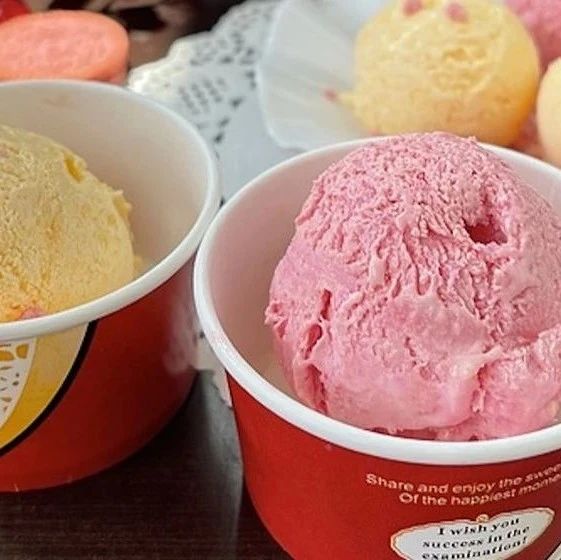
哈根达斯跌下神坛
Hu Xiu· 2025-06-22 03:24
Core Viewpoint - Häagen-Dazs is experiencing a significant decline in its market position in China, with a notable drop in store traffic and sales, leading to potential divestment by its parent company General Mills [1][2][4][11]. Group 1: Market Performance - In 2018, Häagen-Dazs generated $800 million in high-end ice cream revenue, which decreased to $718 million by 2020 [1]. - By 2024, Häagen-Dazs had reduced its store count in China to 263 from over 400 at its peak [2]. - The Chinese ice cream market is projected to reach ¥183.5 billion (approximately $26.5 billion) in 2024, with Gelato showing a particularly strong growth rate of 10% [8]. Group 2: Consumer Trends - Young consumers are increasingly critical of Häagen-Dazs, perceiving it as less premium compared to its international reputation, with prices in China often exceeding ¥40 (approximately $5.50) for a small cup [3]. - The brand's traditional flavors and lack of innovation have led to a loss of appeal among younger demographics, as evidenced by its defeat by competitors like Chicecream during the 2019 Singles' Day sales [3]. Group 3: Competitive Landscape - The high-end ice cream market in China is undergoing a significant reshuffle, with local brands and international competitors aggressively capturing market share [6][10]. - DQ has successfully localized its offerings and expanded its market presence, achieving a market share of nearly 29% by 2023 [7]. - New domestic brands like Bobbies and Wild Man are rapidly expanding, with Bobbies reaching 1,000 stores by the end of 2024 [8][9]. Group 4: Strategic Responses - In response to declining sales, Häagen-Dazs has attempted to attract consumers through price promotions and expanding distribution channels, including convenience stores and e-commerce platforms [4]. - The brand's efforts to adapt to the changing market dynamics have not yet reversed its declining trend, indicating a need for further strategic innovation [11].
卖冰淇淋的,都去线上平台“薅羊毛”了
3 6 Ke· 2025-06-20 03:44
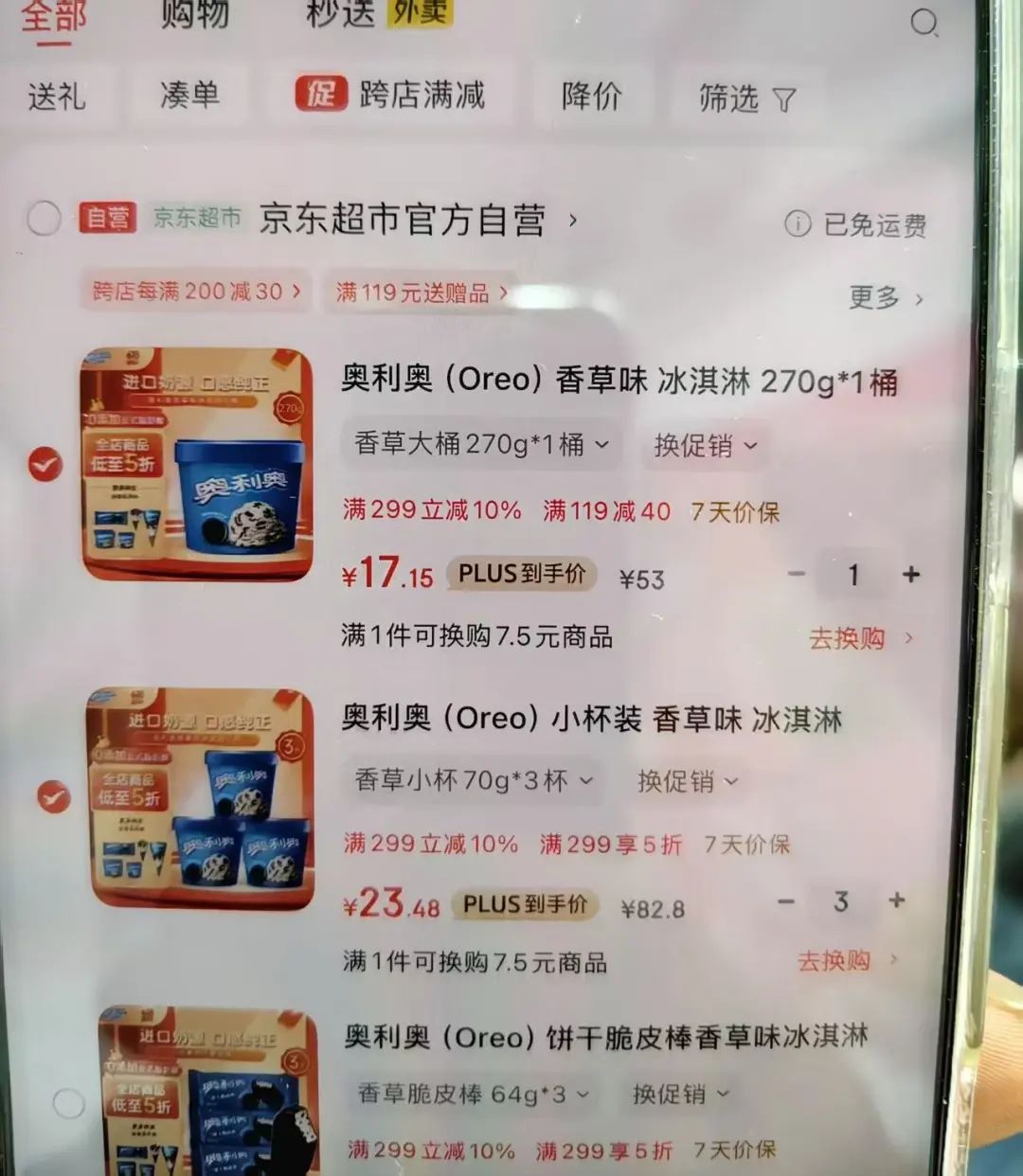
今天我们继续聊一个即刺激,又兴奋,涉及面很广的一个话题。 最近和一些经销商朋友在聊天,他们都在抱怨一个问题,那就是平台上的一些冰淇淋品牌的价格非常低,甚至比经销商进货价都低。 于是有经销商灵机一动,抛出了一个问题,那就是为什么经销商不去平台进货呢? 其实经销商去平台进货并不是新鲜事,早在饮料行业就有人这么干过,对于一些小批量的畅销产品,经销商是可以通过平台下单购买,在分给门店销售。 回到冰淇淋行业里,今年家批店老板在平台上下单的人也越来越多了。 为什么呢? 因为平台价格香啊,比如我们熟悉的拼多多,就有很多便宜的冰淇淋,而今年的618,京东平台也明显加大了冰淇淋的优惠力度,例如满299立减10%,满 119减40,甚至还有7天保价,于是一些行业人开始选择从这些平台下单。 比如购买331元的冰淇淋,最后优惠下来只掏109元,这价格可能消费者还觉得力度不大,但对于经销商甚至是家批店的老板,这力度比厂家大促都要香。 | 金额明细 | | --- | | ¥12.12 x9 | | 商品总价 ¥331.20 | | 共减 -¥222.05 | | 以下优惠不包含红包,请在结算页查看 | | 促销 - ¥33.12 ~ ...
冰淇淋市场新意不断
Jing Ji Ri Bao· 2025-06-19 22:12
Group 1 - The core viewpoint highlights a significant surge in ice cream sales during the summer, with sales of snow mud/popsicles increasing by 167% and stick ice cream by 127%, indicating strong seasonal consumer enthusiasm and market resilience [1] - Companies need to focus on product strategies by developing low-sugar and low-fat ice creams, as well as innovative and creative products to meet the growing health consciousness among consumers [1] - In terms of regional strategies, businesses should enhance brand loyalty in mature markets while also capturing unique demands in high-growth areas by creating localized products and employing efficient distribution and targeted marketing to reach emerging consumers [1] Group 2 - The rise of home-made ice cream scenarios presents new opportunities for the market, with ice cream scoops and ice cream powder seeing over tenfold year-on-year growth, reflecting a new consumer trend towards personalized enjoyment [1] - Regulatory bodies are tasked with ensuring safety in the ice cream market, particularly during peak seasonal consumption, by monitoring potential issues such as microbial contamination and improper use of food additives [2] - There is a need for proactive regulatory measures in regions experiencing explosive sales growth to prevent the proliferation of counterfeit products and ensure consumer safety [2]
哈根达斯中国门店拟分拆 高端冰淇淋神话终结?
Xin Lang Zheng Quan· 2025-06-19 05:55
Core Viewpoint - General Mills is considering selling its Haagen-Dazs store business in China, with potential transaction value reaching hundreds of millions of dollars, driven by declining store traffic and a significant reduction in the number of stores over the past four years [1][2]. Group 1: Business Restructuring - General Mills has engaged consultants to evaluate the sale of its Haagen-Dazs stores in China, with formal sale processes expected to start in 2025 [2]. - The company has been undergoing a restructuring process, incurring approximately $70 million in restructuring costs for the current quarter, with total restructuring expenses projected at $130 million by the end of fiscal year 2028 [2]. - Haagen-Dazs has faced criticism for declining store traffic in China for three consecutive quarters, with CEO Jeff Harmening acknowledging the challenges in the Chinese market [2][3]. Group 2: Market Performance - In the second quarter of fiscal year 2025, General Mills' international organic net sales decreased by 3%, primarily due to declines in the Chinese and Brazilian markets [3]. - The ice cream market in China is contracting, with major players like Yili and Mengniu reporting significant revenue declines of 18.4% and 14.1%, respectively, in 2024 [3]. - Haagen-Dazs has seen a rapid reduction in its store network, with only 263 stores remaining in China as of June 12, 2025, down from over 400 in September 2021, marking a nearly 20% decrease [3]. Group 3: Channel Transformation - Haagen-Dazs is shifting its business model to focus on retail channels, with plans to enhance penetration and improve product display in convenience stores and supermarkets [4]. - The brand is also expanding its presence in e-commerce, moving towards interest-based platforms like Douyin and Xiaohongshu [4]. - The B2B segment of Haagen-Dazs is growing rapidly, encompassing high-end dining services and partnerships with premium hotels and restaurants [5]. Group 4: Potential for Revitalization - The potential sale of the store business could provide an opportunity for Haagen-Dazs to rejuvenate its operations in China, similar to the successful localization seen with McDonald's China [6]. - The ice cream market is shifting towards a "quality-price ratio" era, with more affordable products gaining traction, which may pressure traditional high-end store formats [6]. - Despite challenges, Haagen-Dazs maintains a strong brand presence, holding over 15% market share in the Chinese ice cream chain sector as of 2023, ranking second only to DQ [6].

冰淇淋顶流拟售中国门店?国产品牌重塑冰淇淋市场格局
3 6 Ke· 2025-06-19 04:14
Core Insights - General Mills is considering selling its Häagen-Dazs ice cream stores in China, with a potential sale process expected to start within the year, aiming for a price in the hundreds of millions of dollars, although negotiations are still in the early stages and may not result in a sale [1][2] - Häagen-Dazs has experienced a significant decline in customer traffic in China, with reports indicating a double-digit drop, leading to the closure of several underperforming stores [2][4] - The brand's market position has weakened due to changing consumer preferences and increased competition from domestic ice cream brands that offer lower prices and a focus on fresh, handmade products [8][12] Company Performance - As of January 2024, Häagen-Dazs had 466 stores in China, but this number has decreased to 263, indicating a significant reduction in its retail presence [2] - The company has attempted to adapt by expanding its sales channels and implementing price reductions, with notable discounts on products sold through convenience stores and e-commerce platforms [5][7] - Despite some growth in specific product lines, overall net sales in the Chinese market fell by 3% year-on-year in the third quarter of fiscal year 2025 [7] Market Dynamics - The competitive landscape in the Chinese ice cream market has shifted, with domestic brands like Bobo Ice and Romanlin gaining traction by offering products at lower price points, typically between 10-20 yuan [8][12] - These domestic brands have rapidly expanded their store counts, with Bobo Ice reaching over 1,200 locations and Romanlin opening more than 140 stores in the first half of 2025 [10][12] - Additionally, tea and coffee brands are entering the ice cream market, leveraging their existing customer bases and offering products at competitive prices, further challenging Häagen-Dazs' market share [12][13]
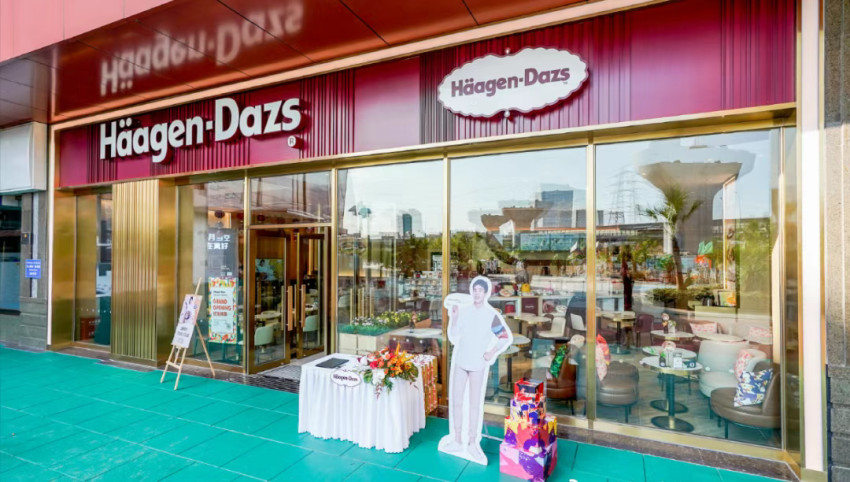
钟薛高破产,一次社会性死亡
创业邦· 2025-06-19 03:16
Core Viewpoint - The article discusses the decline of the ice cream brand Zhong Xue Gao, highlighting its bankruptcy news and the brand's struggle to maintain its market position amidst changing consumer preferences and criticisms of its pricing strategy [4][5][6]. Group 1: Brand Performance and Market Position - Zhong Xue Gao's subsidiary, Zhong Mao (Shanghai) Food Technology Co., Ltd., has been applied for bankruptcy due to its inability to pay debts and lack of solvency [5]. - The brand has faced significant challenges, including criticism for its high pricing of 66 yuan per ice cream, leading to a brand crisis and a loss of consumer trust [6][10]. - Despite a peak in sales, with over 1.52 billion ice creams sold from May 2021 to May 2022, the brand's reputation has deteriorated, resulting in a negative public perception [18][21]. Group 2: Consumer Sentiment and Brand Image - Consumer sentiment has shifted, with many expressing indifference to the brand's potential exit from the market, indicating a lack of emotional attachment [12][14]. - The brand's marketing strategies, which heavily relied on celebrity endorsements and social media hype, failed to translate into lasting consumer loyalty [37][40]. - The perception of Zhong Xue Gao as a "snow ice assassin" has contributed to its downfall, as consumers became increasingly critical of its value proposition [20][22]. Group 3: Market Trends and Future Outlook - The high-end ice cream market is not dead, with reports indicating that products priced above 20 yuan are expected to increase from 15% to 25% of the market share by 2024 [46]. - The growth of high-net-worth individuals and the emergence of ice cream as a "social currency" are driving factors for the premium segment [47]. - Despite challenges, the high-end ice cream market is returning to rationality, with consumers prioritizing ingredient quality over brand hype [57][58].

哈根达斯中国业务或被出售 通用磨坊在华面临多重困境
Xi Niu Cai Jing· 2025-06-19 02:11
Core Viewpoint - General Mills is considering selling its Haagen-Dazs ice cream business in China, with preliminary valuations reaching hundreds of millions of dollars, and the process may start in 2025 [2] Financial Performance - General Mills reported a net sales figure of $4.842 billion for Q3 of fiscal year 2025, a 5% decrease year-over-year [3] - The net profit for the same quarter was $626 million, down 7% compared to the previous year, falling short of investor revenue expectations [2][3] - The international market, including China, saw a net sales decline of 3% [4] Market Challenges - Haagen-Dazs has faced significant challenges in the Chinese market, with over 60 stores closing in one year, reducing the total from 466 to 403 [4] - The brand's customer traffic has experienced a double-digit decline, indicating a decrease in consumer interest and loyalty [4] - The Chinese ice cream market is shifting towards diversified and personalized consumption, with consumers prioritizing quality, health, and cost-effectiveness over traditional premium positioning [4][5] Competitive Landscape - Local brands like Moutai Ice Cream are gaining popularity through cultural collaborations and targeted marketing strategies, appealing to younger consumers [5] - International brands such as Nestlé and Dairy Queen are leveraging price advantages to attract price-sensitive middle-class consumers, further squeezing Haagen-Dazs' market share [5] - The shift towards a "value-for-money" era in the Chinese ice cream industry has diminished the allure of foreign luxury brands, with Haagen-Dazs' average price of approximately 58 yuan becoming misaligned with current consumer preferences [5]

特斯拉下乡,宝马狂降18万,防晒衣不防晒,618你消费了啥?
Sou Hu Cai Jing· 2025-06-18 13:18
Group 1: Tesla and New Energy Vehicles - The Ministry of Industry and Information Technology, along with other government bodies, has launched a campaign for new energy vehicles to enter rural markets, with 124 models including Tesla's Model 3 and Model Y being selected [1] - Tesla's entry into the rural market is driven by increasing demand for quality, performance, and environmental attributes among rural consumers, supported by improved infrastructure and stable electricity coverage [1] - Tesla's pricing strategy aligns well with the needs of rural consumers, providing an attractive purchasing option and enhancing its competitive edge in this market [2] Group 2: Luxury Car Market Dynamics - The automotive industry is experiencing a price war, with traditional luxury brands like Mercedes-Benz and BMW facing declining sales, prompting them to seek partnerships with local Chinese companies [4][5] - In 2024, the combined global investment of luxury brands (BBA) is projected to exceed €35 billion (approximately ¥270 billion), indicating their commitment to maintaining competitiveness in the Chinese market [4] - The ongoing price reductions by luxury brands create challenges for new entrants in the automotive market, suggesting that the competition is far from over [5] Group 3: Consumer Trends and Product Categories - During the 618 shopping festival, sunscreen clothing emerged as a hot-selling category, with various subcategories being highlighted on e-commerce platforms [7] - The UPF (Ultraviolet Protection Factor) is a critical factor for consumers when purchasing sunscreen clothing, but the increasing number of small and unregulated manufacturers has led to inconsistent UPF labeling [7][8] - The high-end ice cream market in China is becoming increasingly competitive, with Häagen-Dazs facing challenges from brands like DQ, which offers lower prices and a larger number of stores [10] Group 4: Digital Transformation in E-commerce - Digital influencers have transitioned from being supplementary to primary figures in live-streaming sales, with a penetration rate exceeding 60% in the market [13] - JD.com's digital influencers have shown a significant impact on sales, with an average conversion rate increase of 30% during the 618 shopping festival [14] - The ability of digital influencers to operate continuously without downtime provides a competitive advantage in the e-commerce landscape [14] Group 5: Consumer Behavior and Market Impact - The national subsidy program has stimulated consumer spending in various categories, but its recent tapering has led to a split in consumer behavior, with some rushing to purchase before the subsidy ends [16][17] - The subsidy program has primarily benefited larger brands and distributors, exacerbating the market divide and impacting smaller players negatively [17] - The emotional consumption trend among younger consumers is driving significant market growth, with the emotional consumption market projected to reach ¥1.2 trillion this year [19]

婴配粉市场变局:线上狂奔,脆弱增长
2 1 Shi Ji Jing Ji Bao Dao· 2025-06-18 00:41
Group 1: Market Growth and Trends - The domestic infant formula market experienced a 2.3% year-on-year sales growth in Q1 2025, reversing a 0.9% contraction over the past 12 months [1] - The increase in birth rates, driven by the "Year of the Dragon" baby boom and post-pandemic recovery, led to a slight rise in newborns to 9.54 million in 2024, ending a seven-year decline [1] - However, marriage registrations dropped over 20% in 2024, indicating a potential future decline in newborn numbers and a shift in market focus from newborns to older children [2] Group 2: Sales Channel Changes - Online sales channels are gaining traction, with Tmall and JD.com reporting sales growth of 13.7% and 12.6% respectively in Q1 2025 [2] - High-end infant formula products are becoming mainstream, with the ultra-high-end segment growing by 13.3% year-on-year from January to April 2024 [3] Group 3: Company Performance - FrieslandCampina's core infant formula brand, Friso, maintained double-digit growth in the Chinese market in 2024, while Feihe's ultra-high-end product, Star Flying, saw sales increase by over 60% to 6.7 billion yuan [4] - Pricing control has become a common strategy among high-end infant formula brands, allowing them to maintain a degree of pricing power in the e-commerce sector [5][6]